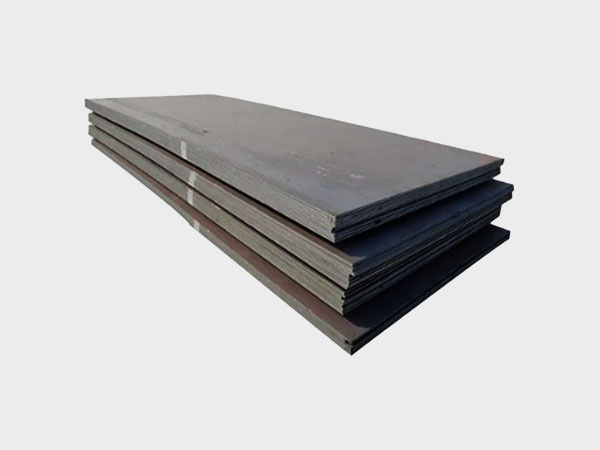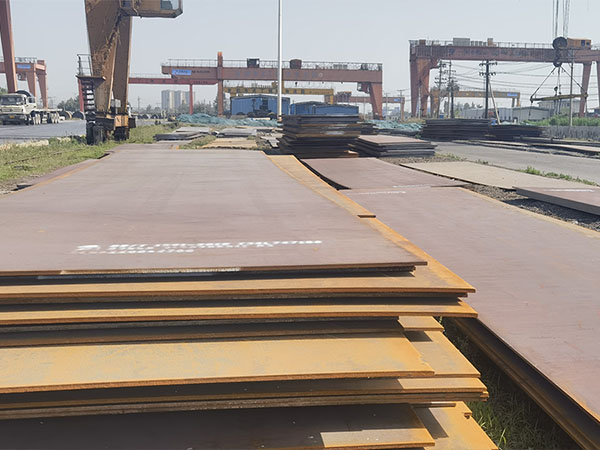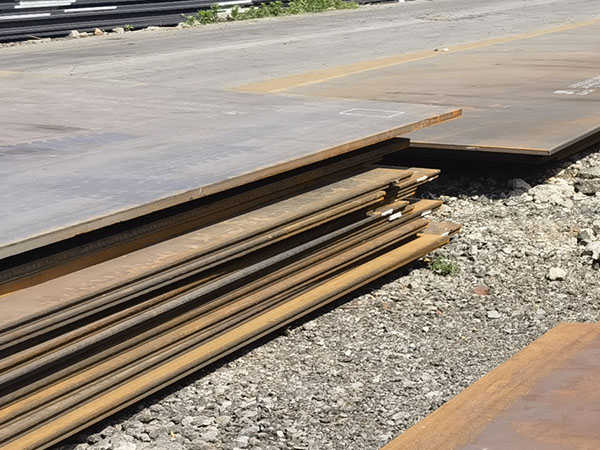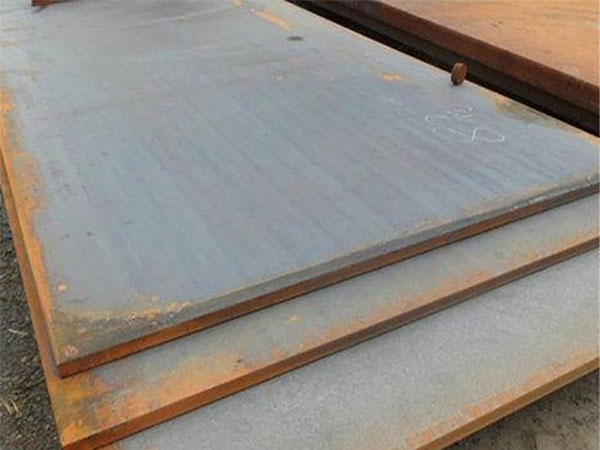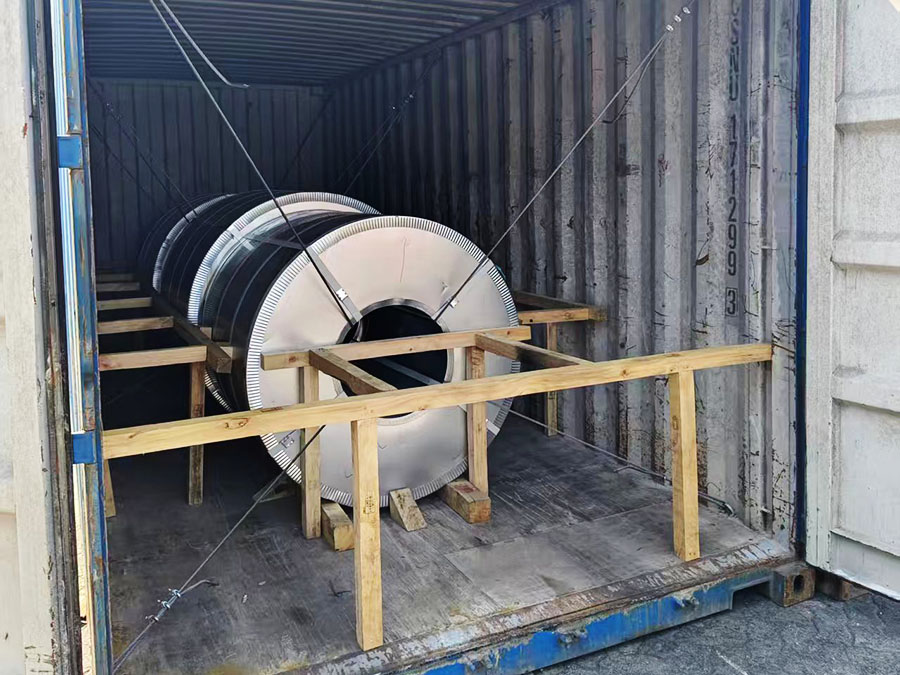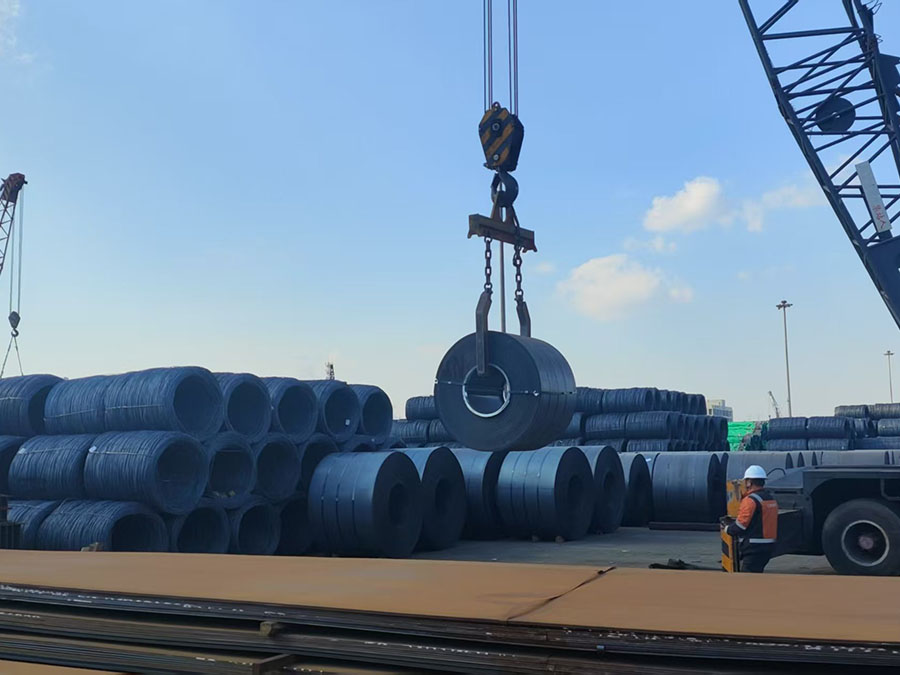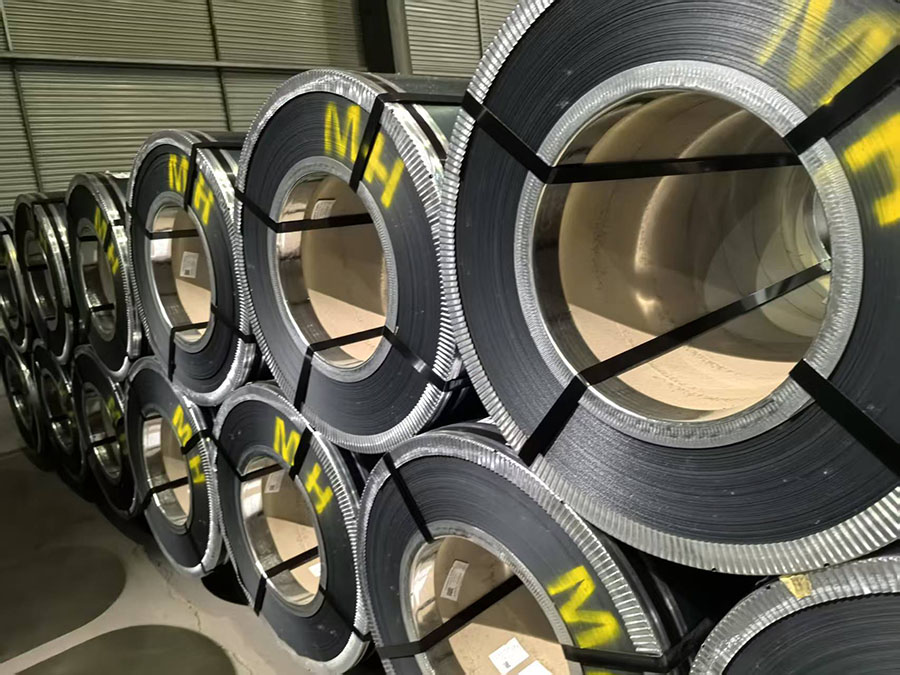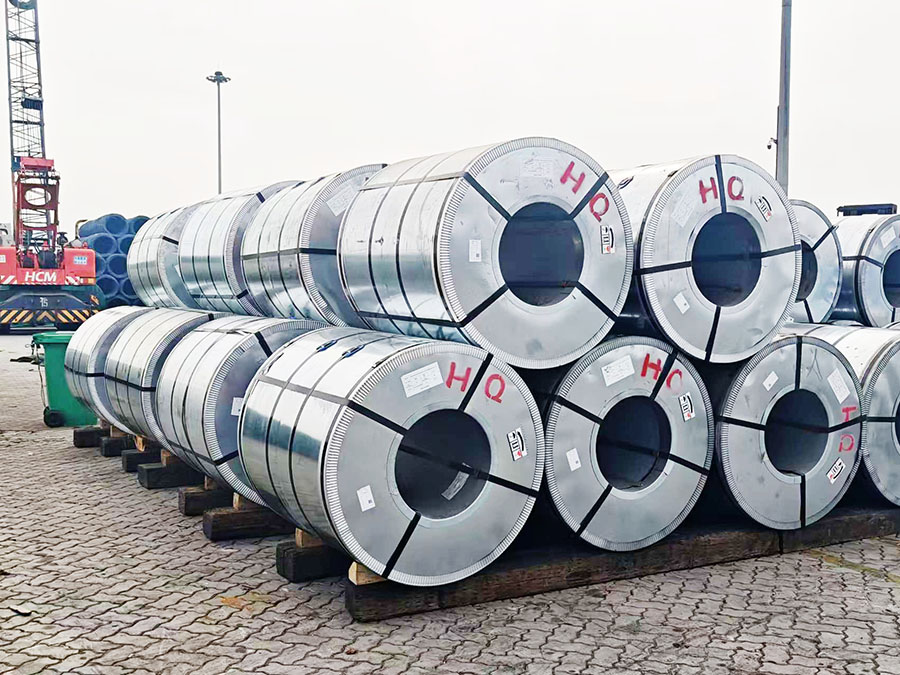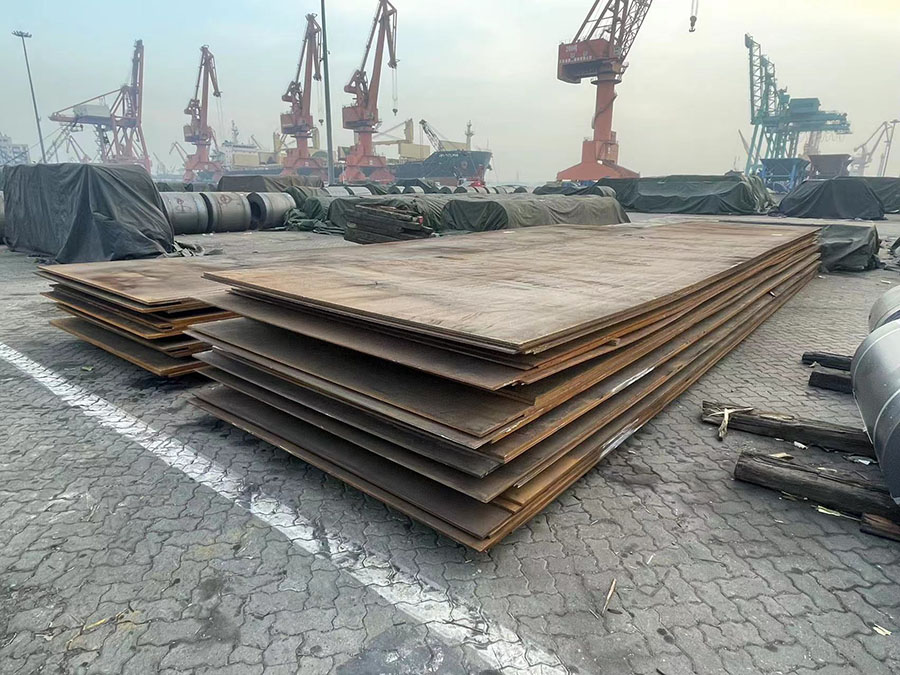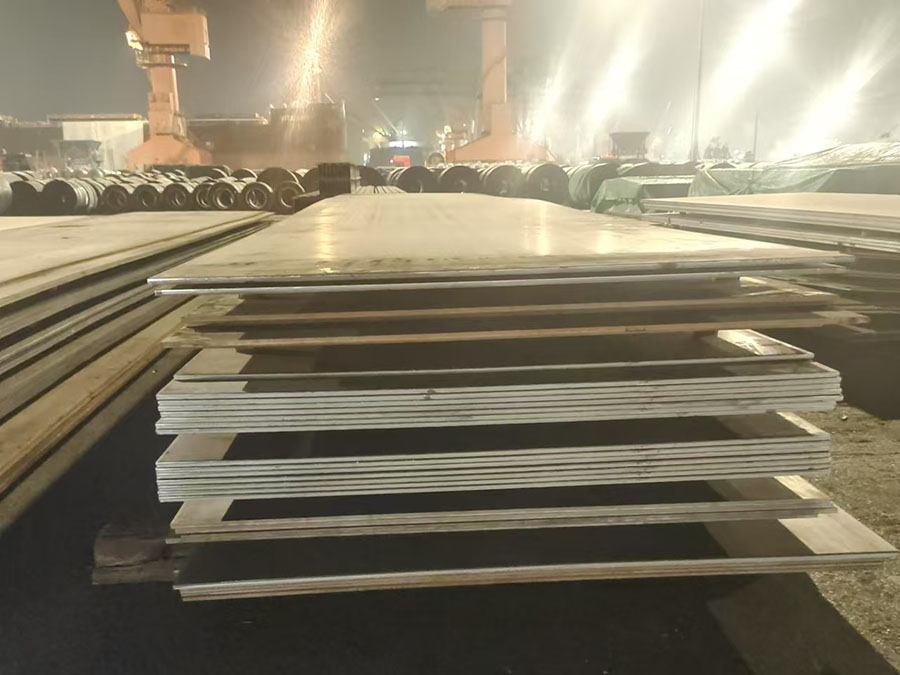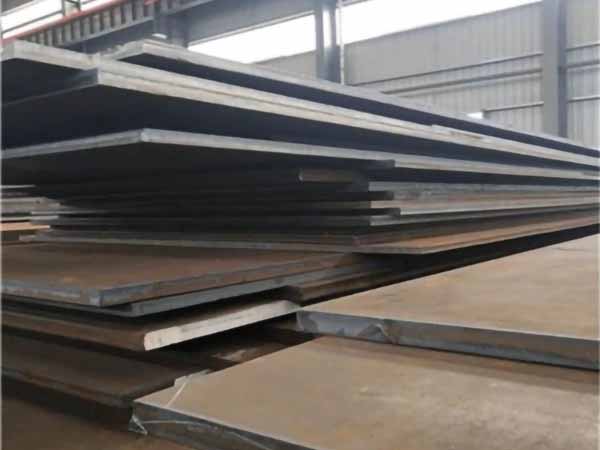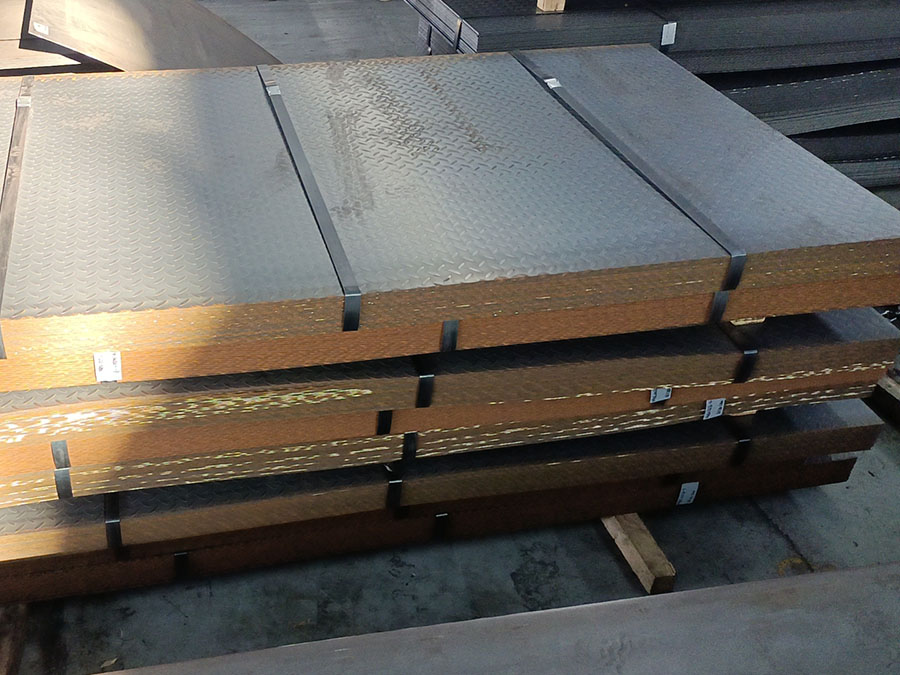
EN 10028-6 P690QL1 is a high-strength quenched and tempered (Q&T) fine-grained steel plate designed for pressure equipment, particularly where high yield strength, toughness, and weldability are critical. It is commonly used in boilers, pressure vesse
Standard :
EN 10028-6Grade :
P690QL1Thickness :
6.0 - 300.0 mmWidth :
1500.0 - 4050.0 mmLength :
3000.0 - 15000.0 mmSpecial thickness, width, and length can be negotiated separately.
We also provide customized processing services.If you have any questions, please contact us.
As a high-strength and high-toughness special steel for pressure vessels, EN 10028-6 P690QL1 plays an irreplaceable role in critical equipment across fields such as energy, chemical industry, offshore engineering, and construction, thanks to its exceptional comprehensive performance.
Its characteristics of "high strength, lightweight, low-temperature resistance, and excellent weldability" make it an ideal material choice for handling extreme working conditions in modern industries. It is particularly well-suited for large-scale critical engineering structures that demand the highest standards of safety and reliability.
EN 10028-6 P690QL1 represents the pinnacle of performance in the field of engineering steel plates, embodying a perfect synergy of strength and toughness. It is an indispensable key material in the high-end equipment manufacturing industry.
| Grade | P690QL1 |
|---|---|
| Standard | EN 10025-6 (Flat products made of steels for pressure purposes - Part6: Weldable fine grain steels, quenched and tempered) |
| Delivery Conditions | Quenched and Tempered(Q&T) |
| Approval By Third Party | ABS, DNV, GL, CCS, LR , RINA, KR, TUV, CE |
| Weldability | The weldability is acceptable, with relatively high carbon equivalent (CEV) and weld crack sensitivity index (Pcm). Specialized welding procedure specifications (WPS) must be followed, including preheating, the use of low-hydrogen welding consumables, and post-weld heat treatment (PWHT). The core risks are cold cracking (hydrogen-induced cracking) and toughness degradation in the heat-affected zone (HAZ). |
| Machinability | Suitable for flame cutting, laser cutting, and plasma cutting. Heat input must be controlled to avoid embrittlement in the heat-affected zone. Edge grinding may be required after cutting thick plates to eliminate the hardened layer. Cold forming is difficult and may require heating. |
| Surface Quality | Generally provided as rolled surface, can be processed as required, such as sandblasting, shot blasting, pickling, painting, etc. |
| Inspection Requirements | Non-destructive testing (e.g., UT ultrasonic testing) and Z-direction property test (Grades Z15/Z25/Z35) can be added as needed. |
1. Extremely High Strength-to-Weight Ratio: While ensuring safety, it can significantly reduce the structural self-weight, which is crucial for mobile equipment (such as cranes, mining trucks) and large structures (such as bridges).
2. Excellent Low-Temperature Toughness: Its impact resistance requirement at -40°C (Charpy V-notch impact energy ≥ 27 J) makes it highly suitable for use in extremely cold environments (such as Arctic regions, high-altitude areas, and low-temperature storage and transportation equipment).
3. Good Weldability: Despite its exceptionally high strength, due to its low carbon content and optimized chemical composition design, reliable welded connections can still be achieved with appropriate welding processes (such as preheating, low-hydrogen welding materials, and controlled heat input).
4. Fine-Grained Microstructure: Through microalloying and thermo-mechanical controlled processing (TMCP), a fine and uniform microstructure is obtained, which serves as the foundation for its high strength and toughness.
| Grade | P690QL1 | ||||||||||||||
| Element | C | Si | Mn | P | S | N | B | Cr | Mo | Cu | Nb | Ni | Ti | V | Zr |
| Content(max, %) | 0.20 | 0.80 | 1.70 | 0.020 | 0.008 | 0.15 | 0.05 | 1.50 | 0.70 | 0.30 | 0.06 | 2.50 | 0.05 | 0.12 | 0.15 |
| Grade | Thickness (t) [mm] | Yield Strength (ReH) [min, MPa] | Tensile Strength (Rm) [MPa] | Elongation (A) [min, %] | Impact Energy (KV2) [min] | Brinell Hardness (HBW) |
|---|---|---|---|---|---|---|
| P690QL1 | t ≤ 50 | 690 | 770 - 940 | 14 | 27J (at -40°C, transverse) | 220 - 280 |
| 50 < t ≤ 100 | 670 | 770 - 940 | 14 | 27J (at -40°C, transverse) | 220 - 280 | |
| 100 < t ≤ 200 | 630 | 720 - 900 | 14 | 27J (at -40°C, transverse) | 220 - 280 |
P690QL1 steel plate is widely used in demanding engineering fields due to its high strength, excellent weldability, and low-temperature toughness.
1. Petrochemical Industry
a) Pressure vessels: reactors, heat exchangers, separators, spherical tanks, oil and gas storage tanks
b) LNG/LPG storage and transportation: liquefied gas storage tanks (e.g., large LPG ship tanks), resistant to low temperatures and high pressure
c) Piping systems: high-pressure oil and gas pipelines, resistant to hydrogen/hydrogen sulfide corrosion (corrosion rate ≤ 0.04 mm/a)
d) Offshore platform equipment: wellhead devices, separation equipment, suitable for marine corrosive environments
2. Energy and Power Sector
a) Power plant boilers: steam drums, superheaters, high-pressure water pipes, turbine spiral casings, withstand high-temperature and high-pressure steam
b) Nuclear power equipment: reactor pressure vessels, steam generator support rings, meeting low-impurity requirements
c) Waste-to-energy plants: high-temperature furnace structures, resistant to creep and high-temperature corrosion
3. Offshore Engineering and Shipbuilding
a) LNG/LPG carriers: Type C independent cargo tanks, design pressure 19 barg, resistant to -35°C low temperatures
b) Offshore platforms: columns, support structures, resistant to wave impact and seawater corrosion
c) Specialized vessels: high-strength hull structures, reducing weight while enhancing safety
4. Construction and Infrastructure
a) Large bridges: main beams, piers, withstand heavy loads and wind forces, reducing steel usage by over 30%
b) High-rise buildings: structural frames, load-bearing walls, resistant to earthquakes and wind loads
c) Stadiums: large-span roof support systems, reducing structural self-weight
5. Engineering Machinery and Special Equipment
a) Lifting machinery: crane booms, excavator chassis, withstand high stress and fatigue loads
b) Mining machinery: mining dump truck frames, derricks, resistant to heavy loads and harsh environments
c) Wind power generation: towers, foundations, resistant to wind loads and atmospheric corrosion
d) Hydraulic equipment: hydropower station high-pressure water pipes, turbine spiral casings
1. Cutting: Suitable for flame cutting, plasma cutting, and waterjet cutting. After flame cutting, grinding of the hardened layer is required.
2. Cold Forming: Cold bending is possible, but significant springback occurs, necessitating greater forming force.
3. Hot Forming: If the heating temperature exceeds the tempering temperature of the quenching and tempering treatment (typically >580°C), it will compromise the quenched and tempered condition, leading to a decline in performance. This process should be conducted with caution and may require re-quenching and tempering treatment.
4. Welding: Strict adherence to the Welding Procedure Specification (WPS) is mandatory. Common requirements include:
a) Using low-hydrogen or ultra-low-hydrogen electrodes/welding wires.
b) Applying appropriate preheating based on plate thickness and joint type (typically in the range of 100–200°C).
c) Controlling interpass temperature and heat input to prevent softening or embrittlement in the heat-affected zone (HAZ).
d) Post-weld heat treatment (PWHT) or hydrogen removal treatment may be required.
| Grade | Nominal thickness (mm) | Impact Energy (KV2) [min, transverse] | ||||
|---|---|---|---|---|---|---|
| -60℃ | -40℃ | -20℃ | 0℃ | +20℃ | ||
| P690Q | ≤ 200 | - | - | 27 J | 40 J | 60 J |
| P690QH | ≤ 200 | - | - | 27 J | 40 J | 60 J |
| P690QL1 | ≤ 200 | - | 27 J | 40 J | 60 J | - |
| P690QL2 | ≤ 200 | 27 J | 40 J | 60 J | 80 J | - |
* The P690QH is a high-temperature variant of the P690Q, with its chemical composition and heat treatment process placing greater emphasis on strength retention and creep resistance at elevated temperatures.
* If the project involves low-temperature environments, P690QL1 (-40°C) or P690QL2 (-60°C) should be selected.
* All grades (Q / QH / QL1 / QL2) have a lower limit of yield strength of 690 MPa, but differ in toughness and temperature adaptability.
| Grade | Standard | Yield Strength (ReH) [min, MPa] | Tensile Strength (Rm) [MPa] | Elongation (A) [min, %] | Impact Energy (KV2) [min] |
|---|---|---|---|---|---|
| P690QL1 | EN 10028-6 (European) | 690 | 770 - 940 | 14 | 27J (at -40°C, transverse) |
| Q690E | GB/T 16270 (Chinese) | 690 | 770 - 940 | 15 | 34J (at -40°C, longitudinal) |
– We offer free samples and bespoke solutions. Please feel free to enquire about our latest prices and volume discounts.
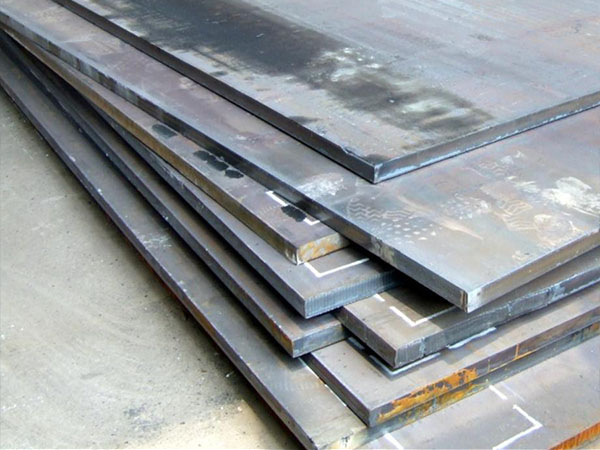
Yuxin Steel provides high-quality steel products to customers in more than 20 countries worldwide.
Contact Info
Would you like to know more about our offers? Please feel free to contact us.