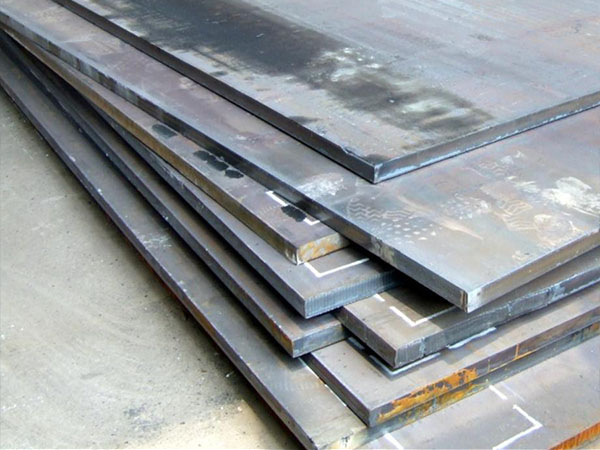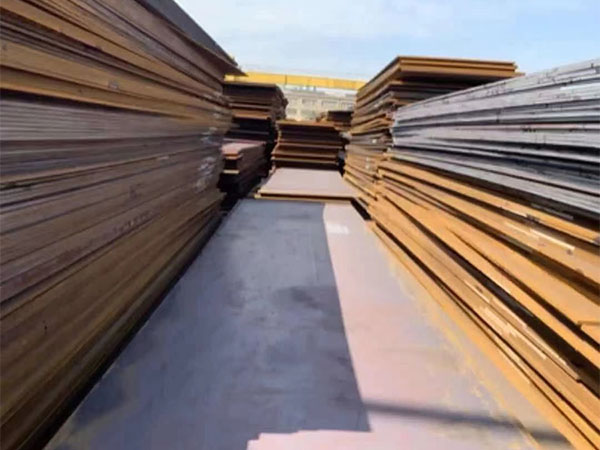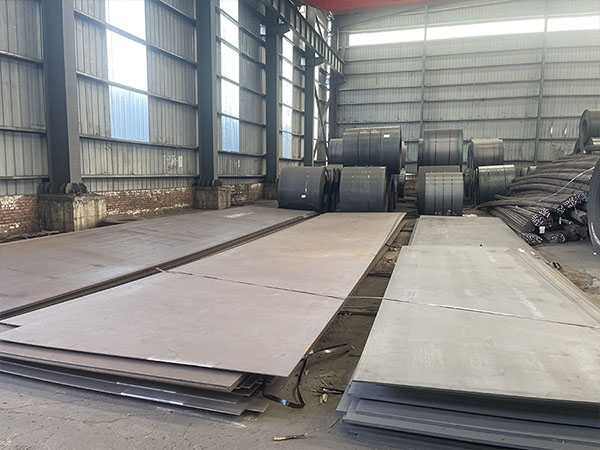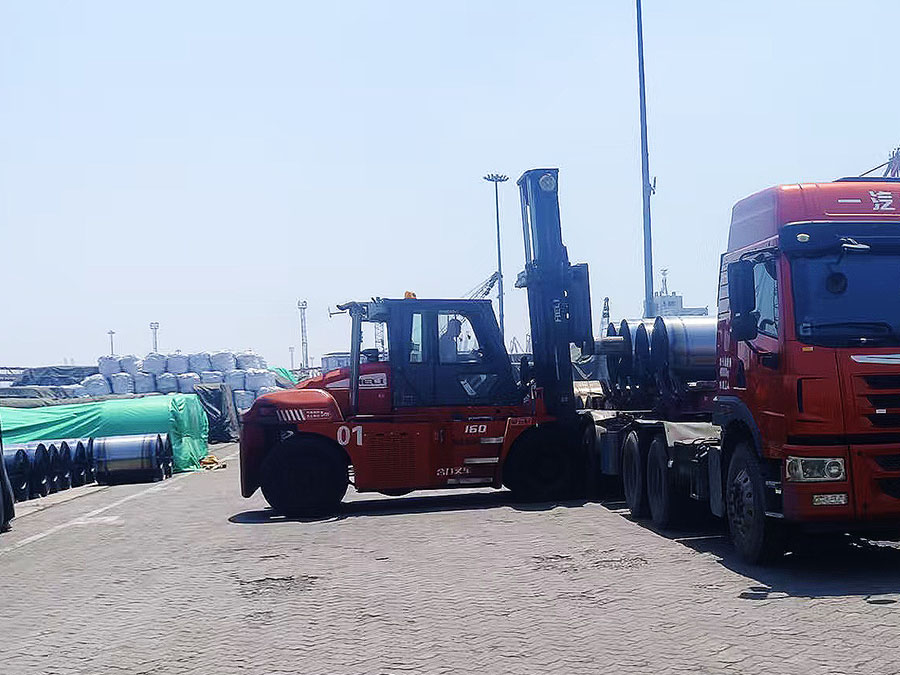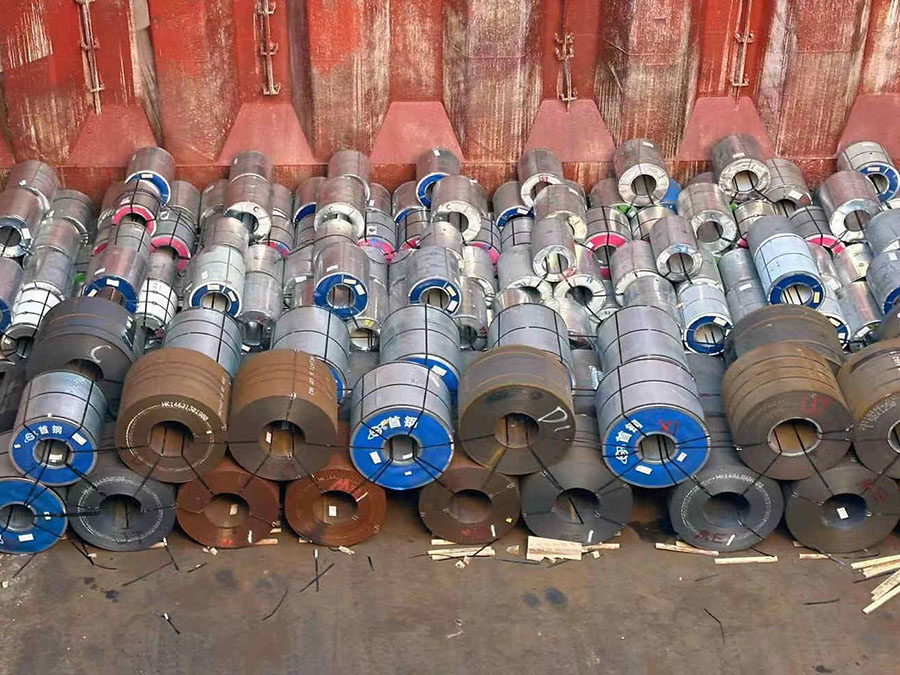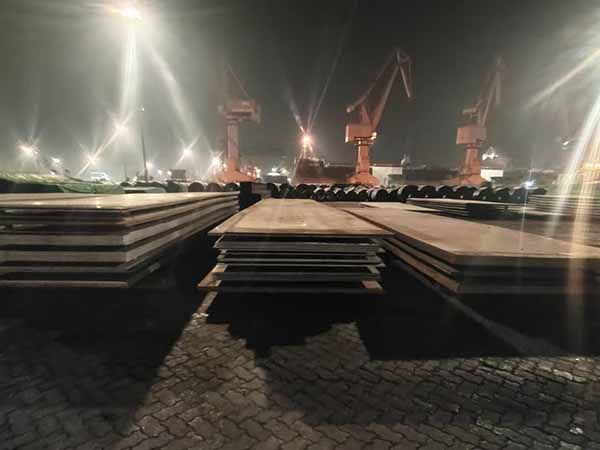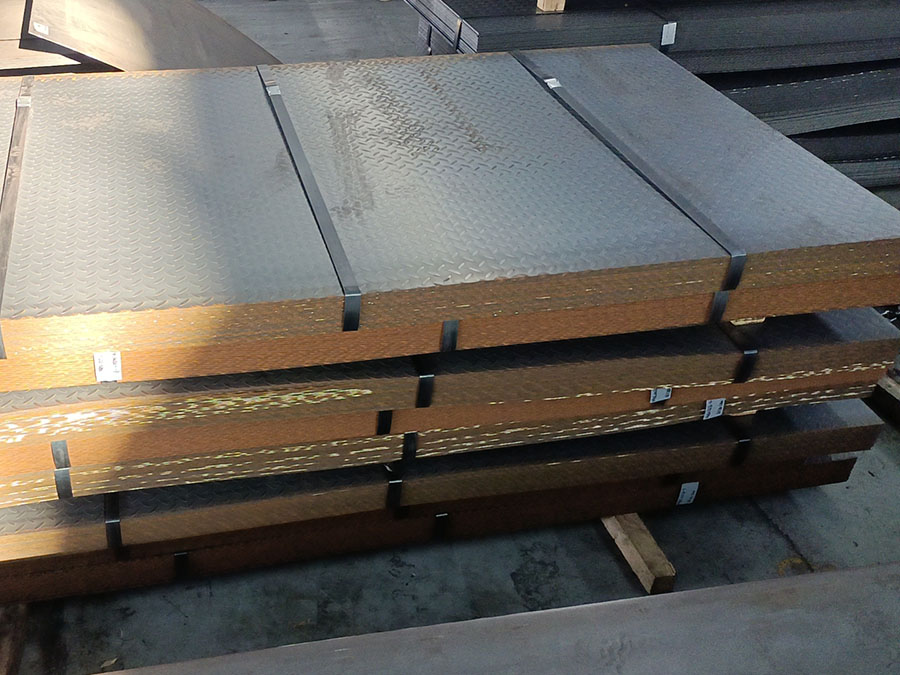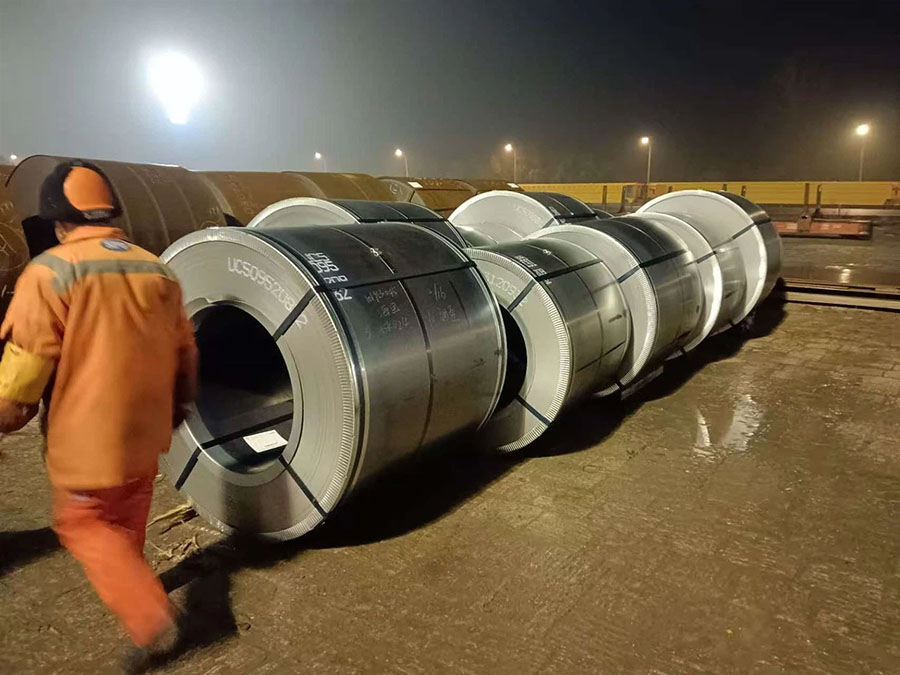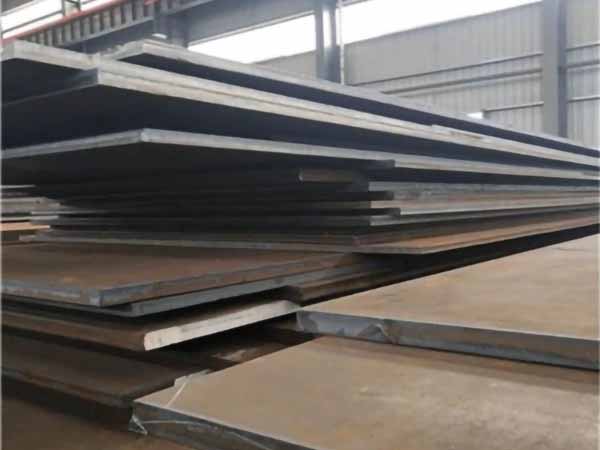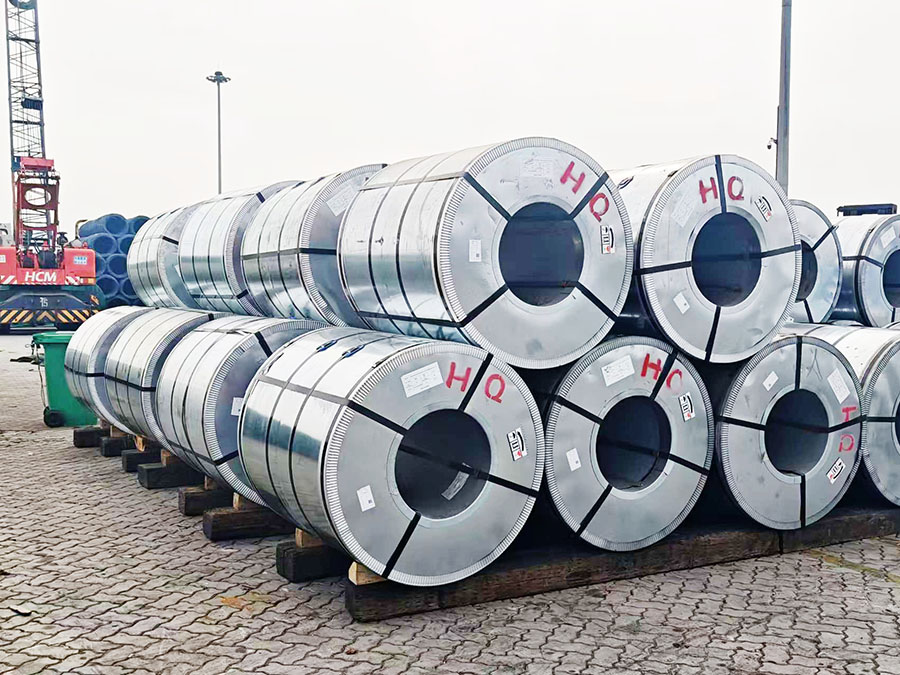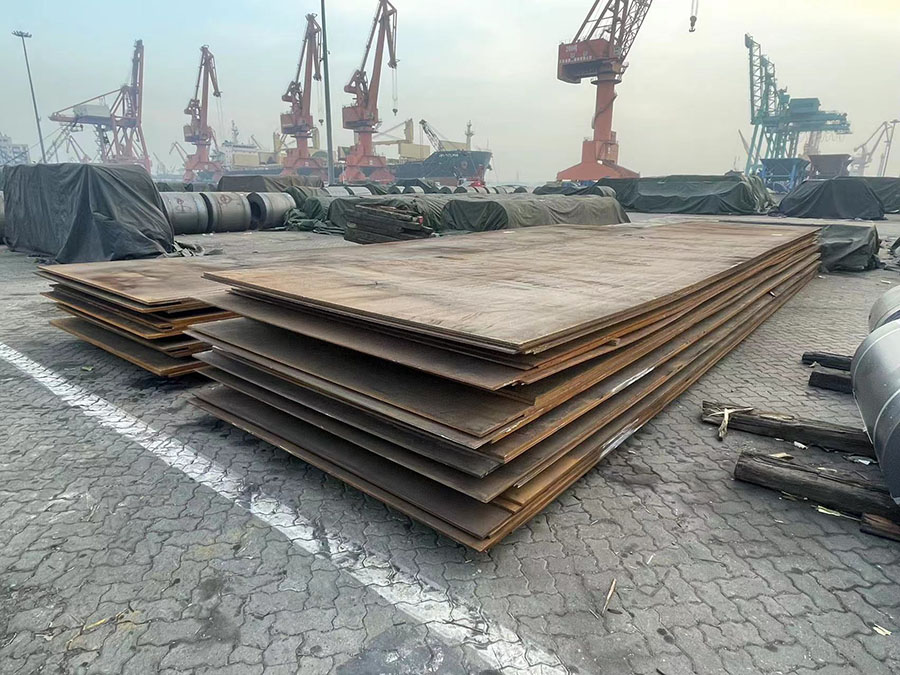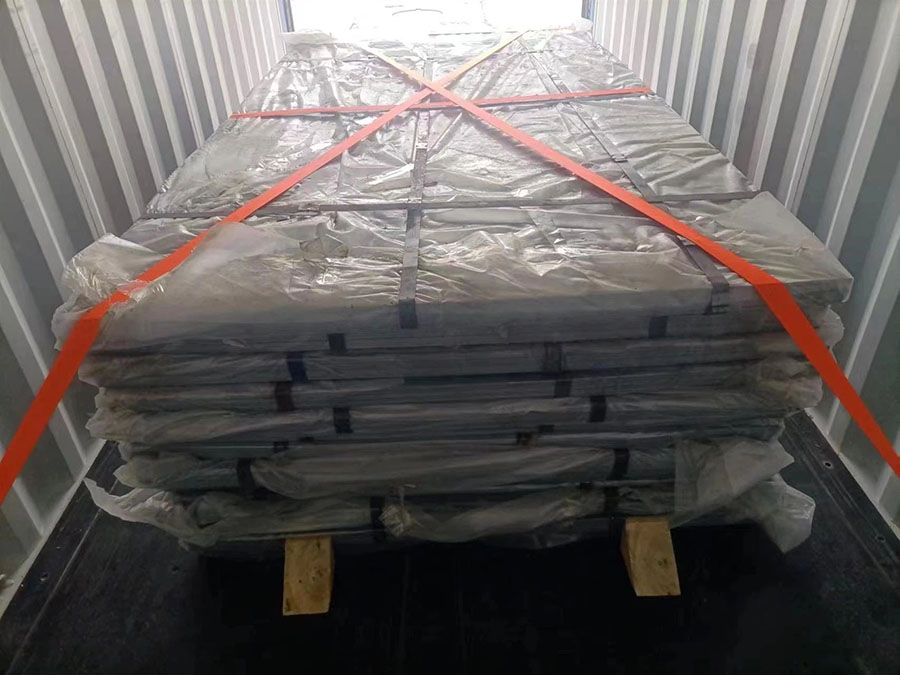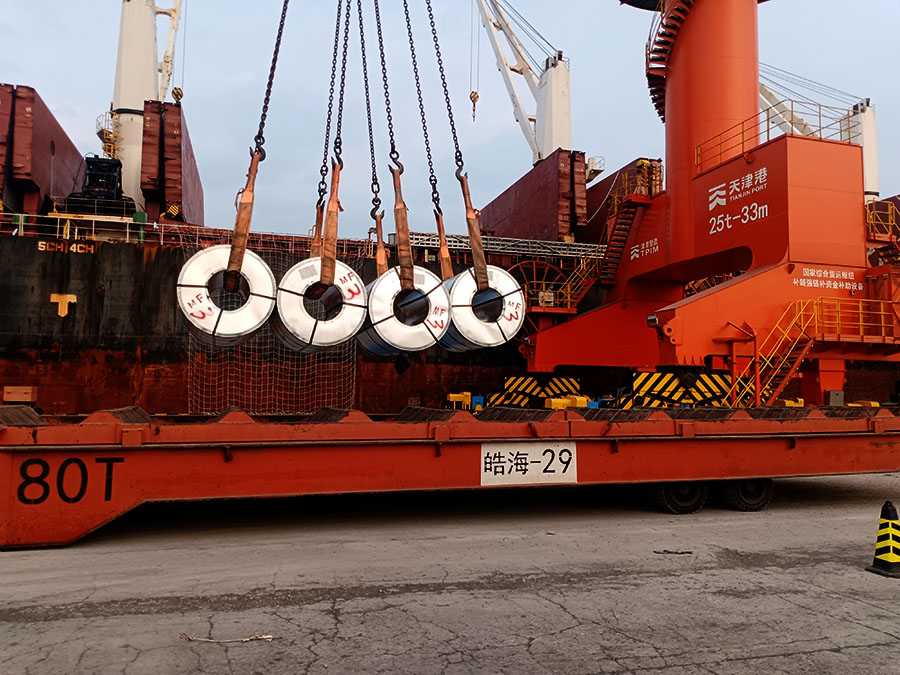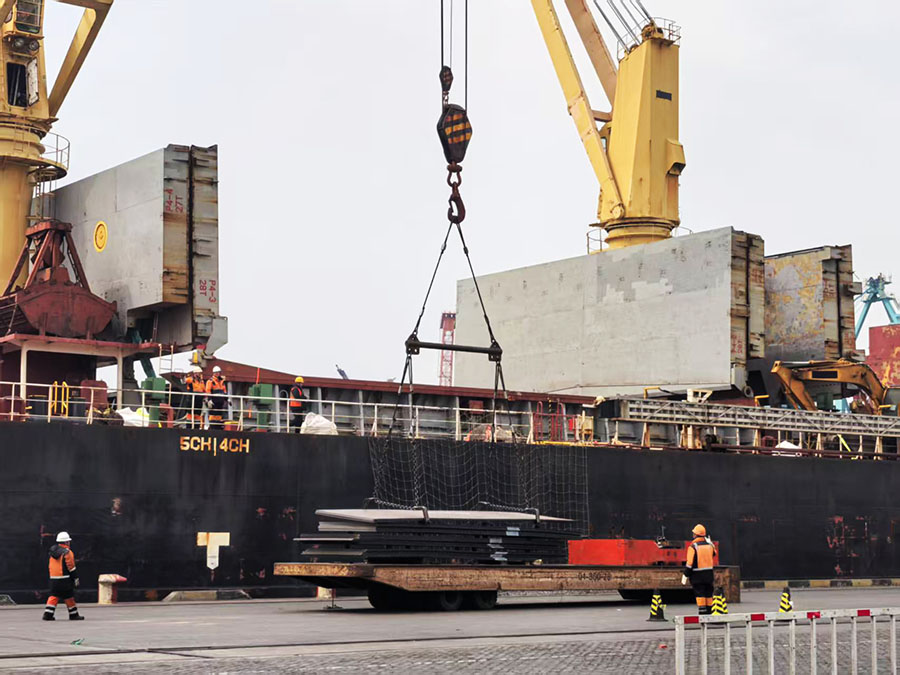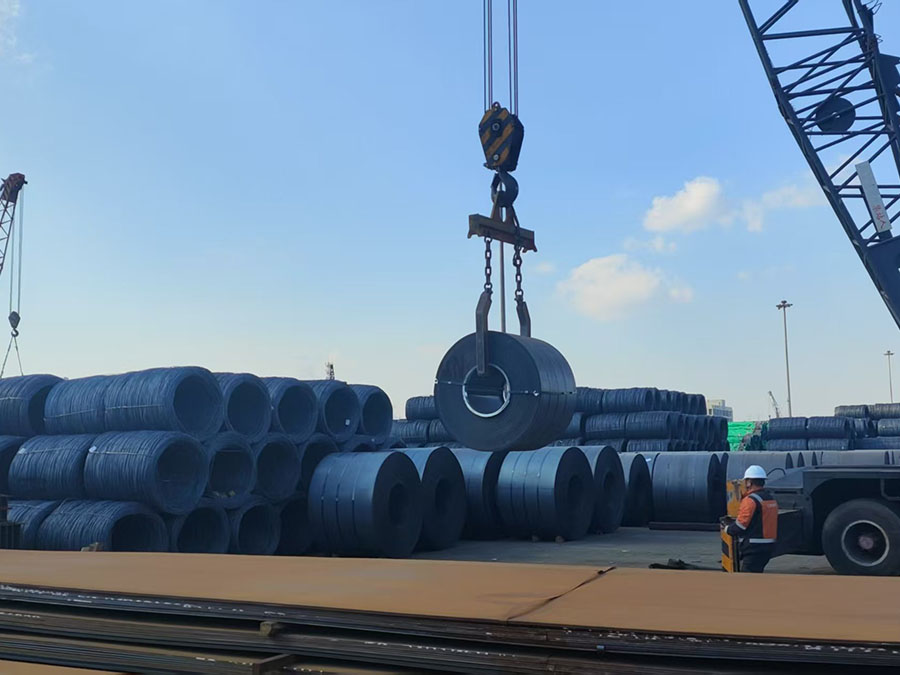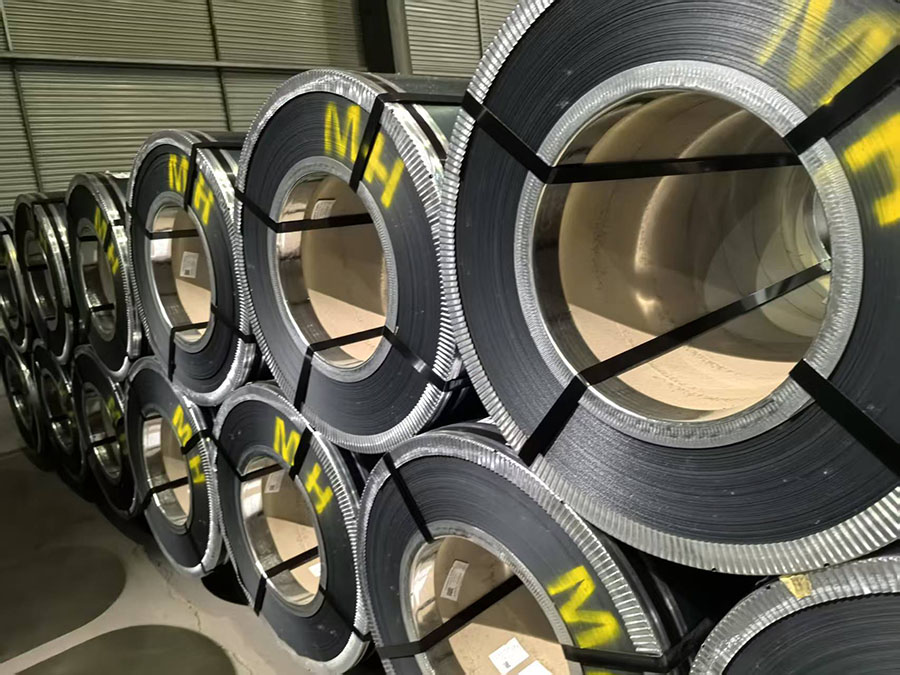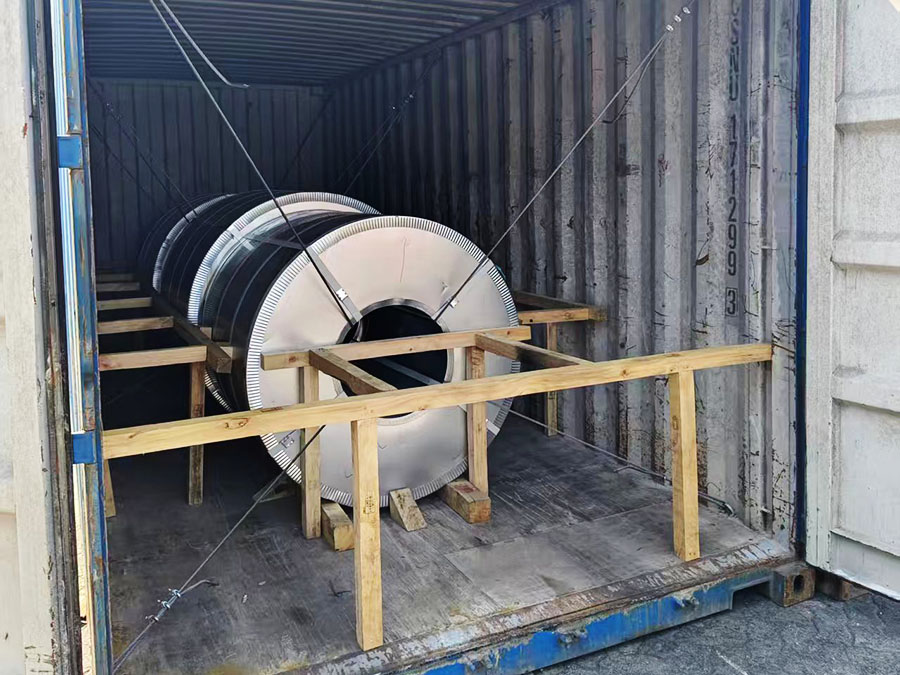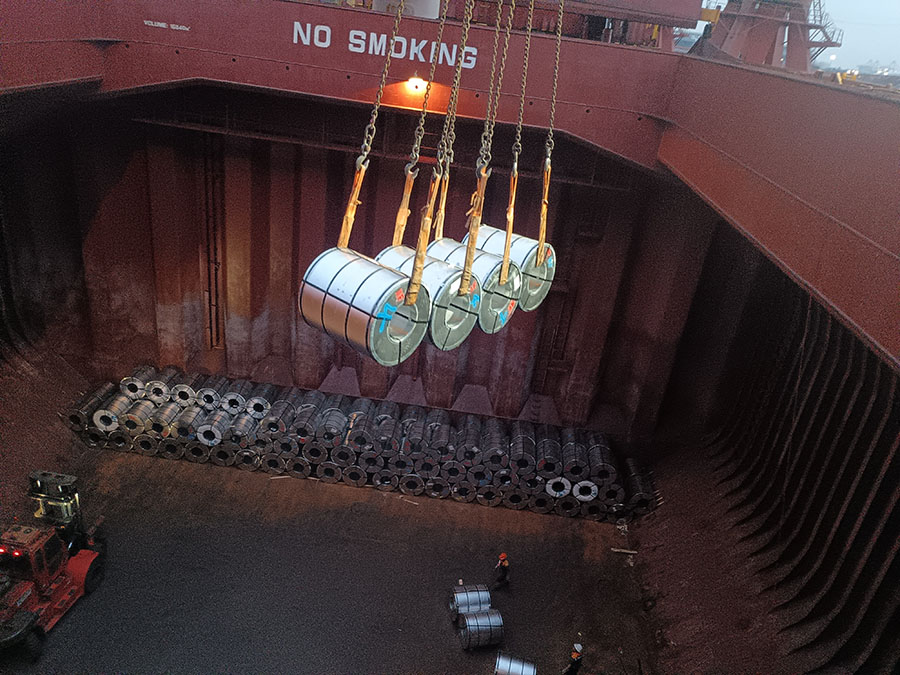
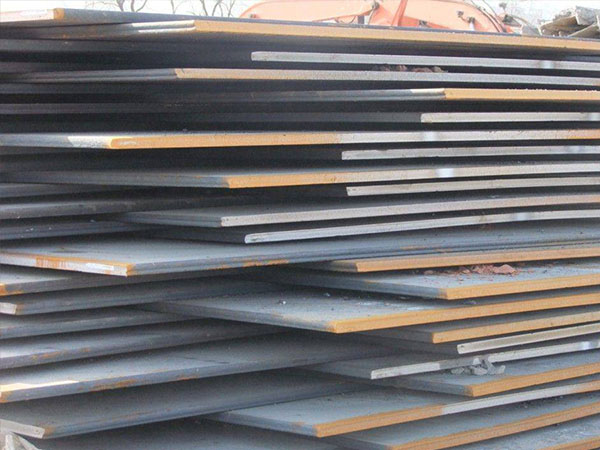
EN 10028-6 P690Q is an ultra-high strength quenched and tempered pressure vessel steel plate, offering excellent strength, toughness, and weldability. It is primarily used in critical engineering structures subjected to high pressure and high temperatures. Its high-strength characteristics enable lightweight structural designs, making it widely applicable in fields such as petrochemicals, energy, and engineering machinery.
Standard :
EN 10028-6Grade :
P690QThickness :
6.0 - 300.0 mmWidth :
1500.0 - 4050.0 mmLength :
3000.0 - 15000.0 mm* Specifications and dimensions can be customized.
* Machining services are available.
EN 10028-6 P690Q is a top-tier ultra-high-strength quenched and tempered steel plate under the European standard. Its core advantages lie in achieving a high yield strength of 690 MPa grade while maintaining excellent low-temperature toughness and weldability. It is specifically designed for pressure vessels and heavy structures with stringent requirements for safety and lightweighting.
It is characterized by ultra-high strength, good weldability, and excellent low-temperature toughness. This steel is primarily used in the manufacturing of welded structural components subjected to high stress, especially in applications such as pressure vessels, heavy machinery, bridges, and offshore platforms where high material strength and toughness are critical.
| Grade | P690Q |
|---|---|
| Standard | EN 10025-6 (Flat products made of steels for pressure purposes - Part6: Weldable fine grain steels, quenched and tempered) |
| Delivery Conditions | Quenched and Tempered(Q&T) |
| Approval By Third Party | ABS, DNV, GL, CCS, LR , RINA, KR, TUV, CE |
| Weldability | The weldability is acceptable, with relatively high carbon equivalent (CEV) and weld crack sensitivity index (Pcm). Specialized welding procedure specifications (WPS) must be followed, including preheating, the use of low-hydrogen welding consumables, and post-weld heat treatment (PWHT). The core risks are cold cracking (hydrogen-induced cracking) and toughness degradation in the heat-affected zone (HAZ). |
| Machinability | Suitable for flame cutting, laser cutting, and plasma cutting. Heat input must be controlled to avoid embrittlement in the heat-affected zone. Edge grinding may be required after cutting thick plates to eliminate the hardened layer. Cold forming is difficult and may require heating. |
| Surface Quality | Generally provided as rolled surface, can be processed as required, such as sandblasting, shot blasting, pickling, painting, etc. |
| Inspection Requirements | Non-destructive testing (e.g., UT ultrasonic testing) and Z-direction property test (Grades Z15/Z25/Z35) can be added as needed. |
1. High Strength: High yield strength (≥690 MPa) and tensile strength (770-940 MPa), suitable for high-pressure environments.
2. Good Weldability: Fine-grained structure and strict composition control ensure excellent welding performance.
3. Good Plasticity and Toughness: Ensures structural safety and deformation resistance, maintaining high toughness even at low temperatures (-20℃) with strong resistance to brittle fracture.
4. Heat Resistance: Suitable for high-temperature working conditions (though not as good as P690QH).
5. Fatigue Resistance: Suitable for applications subjected to cyclic loads.
| Grade | P690Q | ||||||||||||||
| Element | C | Si | Mn | P | S | N | B | Cr | Mo | Cu | Nb | Ni | Ti | V | Zr |
| Content(max, %) | 0.20 | 0.80 | 1.70 | 0.025 | 0.010 | 0.15 | 0.05 | 1.50 | 0.70 | 0.30 | 0.06 | 2.50 | 0.05 | 0.12 | 0.15 |
| Grade | Thickness (t) [mm] | Yield Strength (ReH) [min, MPa] | Tensile Strength (Rm) [MPa] | Elongation (A) [min, %] | Impact Energy (KV2) [min] | Brinell Hardness (HBW) |
|---|---|---|---|---|---|---|
| P690Q | t ≤ 50 | 690 | 770 - 940 | 14 | 27J (at -20°C, transverse) | 220 - 280 |
| 50 < t ≤ 100 | 670 | 770 - 940 | 14 | 27J (at -20°C, transverse) | 220 - 280 | |
| 100 < t ≤ 200 | 630 | 720 - 900 | 14 | 27J (at -20°C, transverse) | 220 - 280 |
Due to its excellent strength-to-weight ratio and reliability, P690Q steel plate is widely used in:
1. Pressure vessels: High-pressure reactors and separators in petrochemical and refining equipment
2. Boiler equipment: Pressure-bearing components of power plant boilers and industrial boilers
3. Storage containers: LNG storage tanks and large oil storage tanks
4. Construction machinery: Large excavator arms, crane booms, and structural components of mining machinery
5. Bridge engineering: Key load-bearing components of long-span bridges (such as steel box girders and pylons)
6. Shipbuilding and marine engineering: High-strength structures like ship decks and bulkheads
7. Energy equipment: High-strength structural components for hydropower and wind power (such as wind turbine tower flange connections).
When using ultra-high-strength steels such as P690Q, processing techniques are critical. Improper operations can lead to severe degradation of material properties.
1. Cutting: Plasma cutting or laser cutting is preferred. If flame cutting is used, strict preheating is required, and the heat-affected zone must be evaluated.
2. Cold Forming: Moderate bending or shaping is possible, but the bending radius generally needs to be larger than that for ordinary steel, and springback must be taken into account.
3. Welding (Top Priority):
a)Consumables Matching: Special welding consumables with equal or higher strength matching (e.g., according to EN ISO 16834-A standards) must be used.
b)Preheating: Preheating is mandatory, typically within the range of 100–200°C, depending on plate thickness, restraint conditions, and ambient temperature. The Welding Procedure Specification (WPS) provided by the steel manufacturer must be followed.
c)Heat Input Control: Strict control of welding heat input is necessary to prevent softening and toughness reduction in the heat-affected zone.
d)Post-Weld Heat Treatment: Stress relieving annealing is generally not recommended unless specified by design requirements, as improper tempering temperatures may adversely affect the base metal properties.
4. Drilling and Machining: High-quality carbide tools are required, along with appropriate cutting parameters and coolant.
| Grade | Nominal thickness (mm) | Impact Energy (KV2) [min, transverse] | ||||
|---|---|---|---|---|---|---|
| -60℃ | -40℃ | -20℃ | 0℃ | +20℃ | ||
| P690Q | ≤ 200 | - | - | 27 J | 40 J | 60 J |
| P690QH | ≤ 200 | - | - | 27 J | 40 J | 60 J |
| P690QL1 | ≤ 200 | - | 27 J | 40 J | 60 J | - |
| P690QL2 | ≤ 200 | 27 J | 40 J | 60 J | 80 J | - |
* The P690QH is a high-temperature variant of the P690Q, with its chemical composition and heat treatment process placing greater emphasis on strength retention and creep resistance at elevated temperatures.
* If the project involves low-temperature environments, P690QL1 (-40°C) or P690QL2 (-60°C) should be selected.
* All grades (Q / QH / QL1 / QL2) have a lower limit of yield strength of 690 MPa, but differ in toughness and temperature adaptability.
| Grade | Standard | Yield Strength (ReH) [min, MPa] | Tensile Strength (Rm) [MPa] | Elongation (A) [min, %] | Impact Energy (KV2) [min] |
|---|---|---|---|---|---|
| P690Q | EN 10028-6 (European) | 690 | 770 - 940 | 14 | 27J (at -20°C, transverse) |
| Q690D | GB/T 16270 (Chinese) | 690 | 770 - 940 | 15 | 47J (at -20°C, longitudinal) |
– We offer free samples and bespoke solutions. Please feel free to enquire about our latest prices and volume discounts.
Yuxin Steel provides high-quality steel products to customers in more than 20 countries worldwide.
Contact Info
Would you like to know more about our offers? Please feel free to contact us.
You may also send us your contact information. Your phone number and email address will not be made public.