
Blog
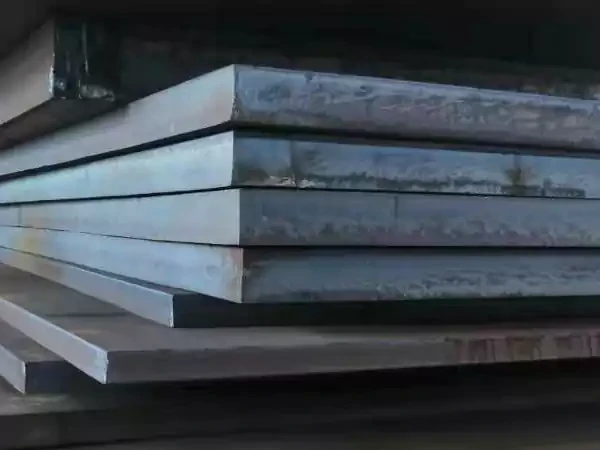
S690Q Equivalent Materials
S690Q is a quenched and tempered high-strength structural steel specified in the European standard EN 10025-6. Common equivalent materials include: GB/T 16270 Q690D (Chinese National Standard), ASTM A514 Grade F (American Society for Testing and Materials), and DIN StE 690V (former German standard).
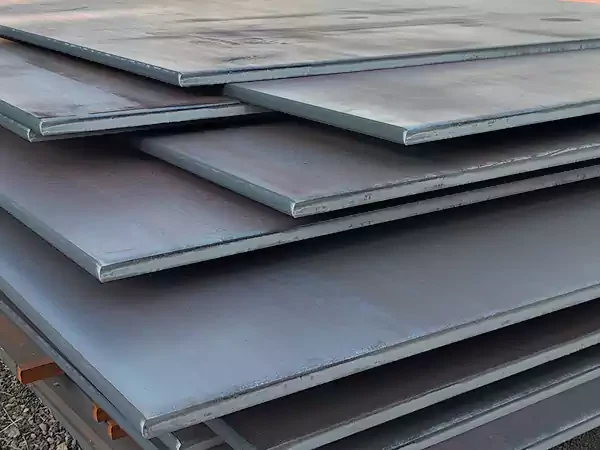
S890QL1 Chemical Composition and Carbon Equivalent (CEV) Explained
The chemical composition of S890QL1 directly affects its weldability, hardenability, and low-temperature toughness. As a quenched and tempered fine-grained steel conforming to the EN 10025-6 standard, S890QL1 achieves a yield strength of at least 890 MPa through a carefully balanced low-carbon alloy system, rather than by increasing the carbon content.
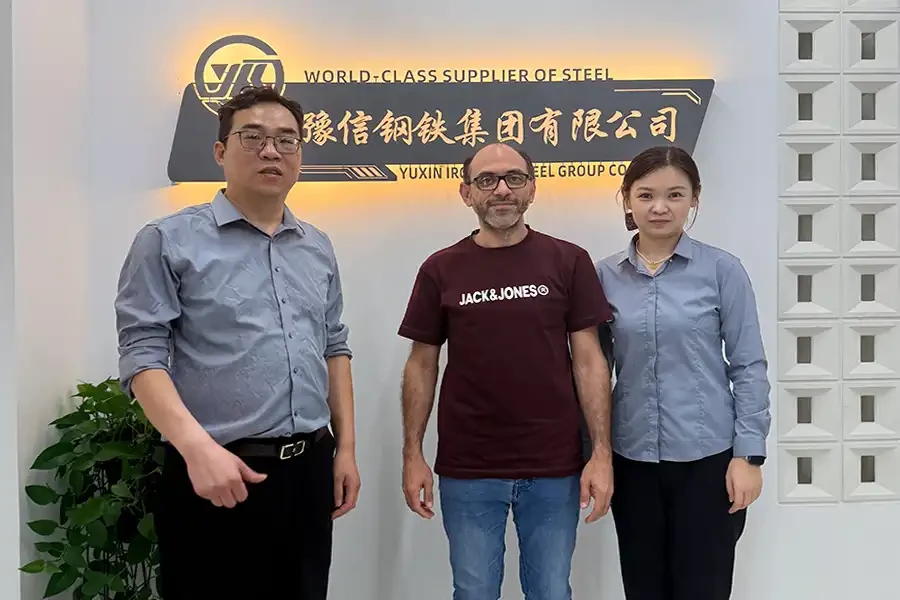
Egyptian Clients Visit Yuxin Steel to Discuss a Stainless Steel Procurement Project
On September 23, 2026, Yuxin Steel welcomed a visit from Mr. Ahmed Ibrahim, a representative of an Egyptian company, and the two sides held in-depth discussions regarding a procurement project for 2507 super duplex stainless steel. This meeting marked a substantial step forward in Yuxin Steel’s business expansion in the field of high-performance specialty steel trade.
- Tags:
Applications of S235J2W Weathering Steel Plates
S235J2W is primarily used in bridge engineering, architectural steel structures, railway facilities, outdoor towers, transportation infrastructure, and landscape architecture, with bridges and exposed architectural steel structures being its most representative applications.