S890QL1 Chemical Composition and Carbon Equivalent (CEV) Explained
- Oct 09, 2026

Knowledge
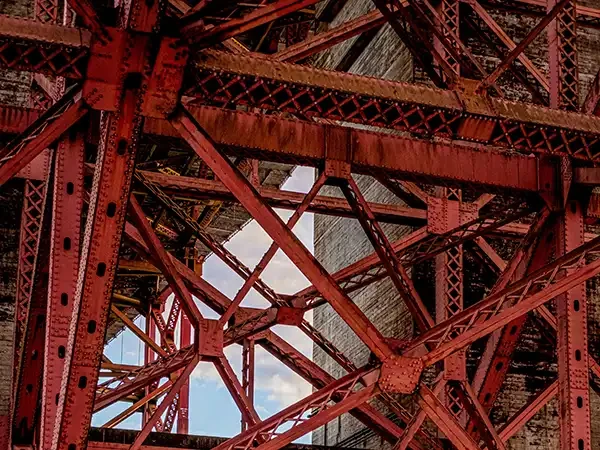
DNV Grade DH36 shipbuilding steel plates are designed as low-carbon, microalloyed steels with appropriate additions of alloying elements such as Cu and Ni, which form a dense, protective oxide film on the steel surface in marine environments.
This oxide film effectively isolates the base metal from contact with seawater and oxygen, thereby slowing down the electrochemical corrosion process.
At the same time, low P and S content reduces the formation of internal corrosion pits, preventing localized accelerated corrosion and thereby enhancing the overall corrosion resistance of the structure.
During service, DH36 steel structures primarily face the following three types of corrosion:
1) Seawater immersion corrosion: Continuous corrosion occurring on submerged components;
2) Atmospheric splash corrosion: Affects exposed areas such as the ship’s sides and decks;
3) Tidal zone corrosion due to alternating wet and dry cycles: Occurs in areas subject to water level fluctuations, where the corrosion rate is the fastest; these are critical areas for the maintenance of DH36 steel structures.
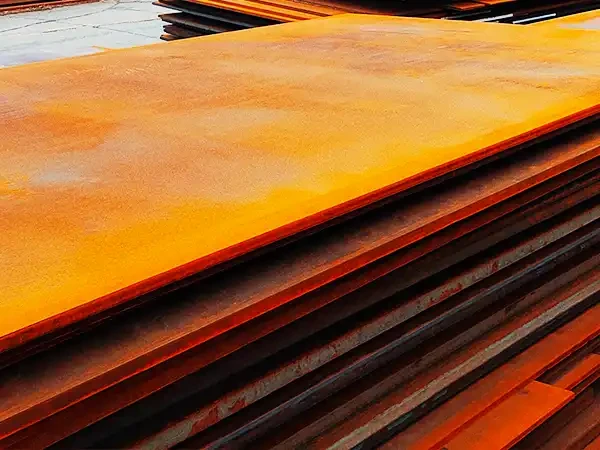
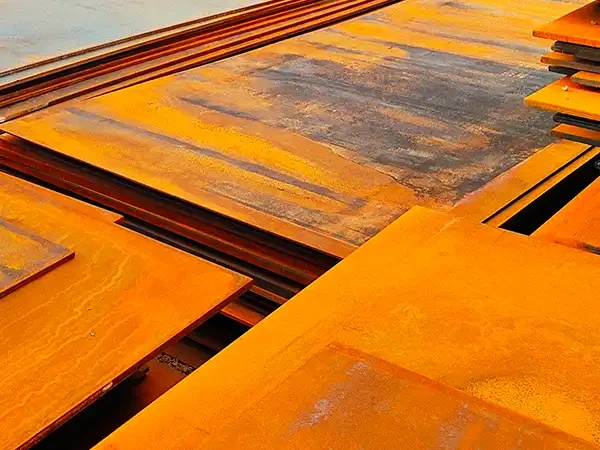
DNV Grade DH36 shipbuilding steel plates must undergo specialized anti-corrosion pretreatment before leaving the factory, including shot blasting, rust removal, and the application of anti-corrosion primer.
Shot blasting removes surface scale and rust layers, improving coating adhesion; this is followed by the application of a marine-grade epoxy anti-corrosion primer to form a protective base layer that isolates the steel from initial environmental corrosion, significantly extending the anti-corrosion service life of the steel plates at the construction site.
In shipbuilding and offshore engineering construction, DH36 steel structures typically employ a three-layer anti-corrosion coating system:
1) Epoxy primer: rust-preventive with strong adhesion;
2) Intermediate coat: increases coating thickness and enhances shielding performance;
3) Topcoat: weather-resistant and anti-fouling, providing protection against seawater and UV-induced aging.
This system is suitable for marine environments with high salinity and humidity, effectively extending the service life of steel structures by more than 50%.
DNV Grade DH36 marine structures should undergo regular surface inspections during their service life, and areas with peeling or damaged coatings should be repaired promptly.
For corrosion-sensitive areas such as the tidal zone and splash zone, it is recommended to reinforce the anti-corrosion coating annually.
At the same time, salt deposits from seawater should be removed from the surface regularly to reduce factors that induce electrochemical corrosion.
Timely maintenance can effectively prevent the spread of localized corrosion and avoid structural safety hazards caused by long-term corrosion accumulation.
Customers choose to engage in long-term cooperation with Yuxin Steel not only because of our high-quality products and services, as well as our strong reputation in the international market, but also due to our experienced one-stop raw material supply and further steel processing capabilities!