Knowledge
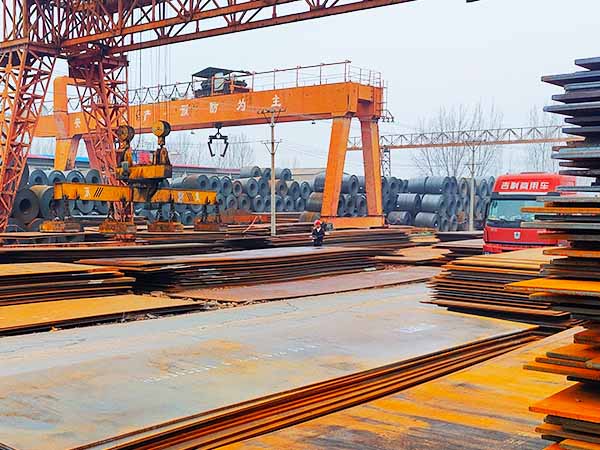
Corrosion Mechanisms and Maintenance Strategies for DNV Grade DH36 Shipbuilding Steel Plates
The marine environment is characterized by high salinity, high humidity, and alternating wet and dry conditions—typical corrosion conditions that are the primary factors leading to structural aging and a shortened service life of ships and offshore facilities. DNV Grade DH36 shipbuilding steel plates are designed using microalloying and offer excellent resistance to marine corrosion. This paper systematically explains the corrosion resistance mechanism of these steel plates and summarizes maintenance strategies for long-term service in marine environments.
- Tags:
- DNV Grade DH36
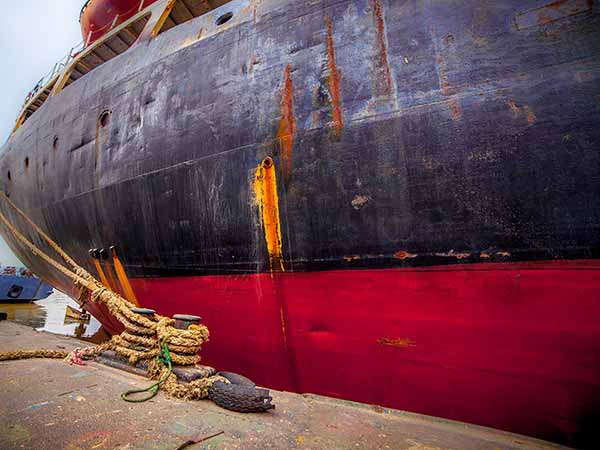
DNV Grade DH36 Quality Inspection Standards and Acceptance Criteria for Shipbuilding Steel Plates
Quality inspection is a critical step in ensuring that DNV Grade DH36 shipbuilding steel plates comply with international marine engineering standards. DNV has established comprehensive inspection specifications for DH36 steel plates, covering chemical composition, mechanical properties, surface quality, dimensional accuracy, and internal defect detection.
- Tags:
- DNV Grade DH36
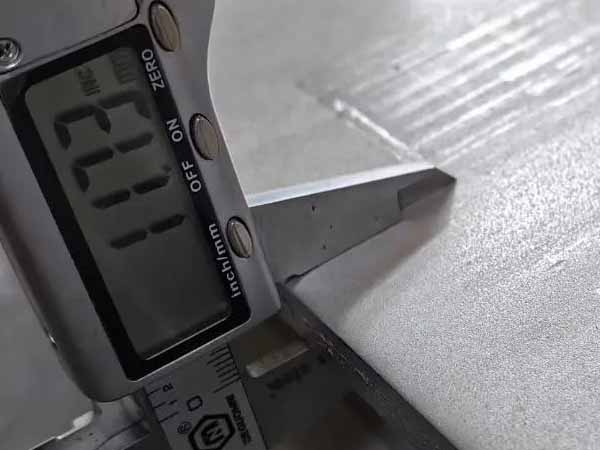
Advantages of DNV Grade DH36 Shipbuilding Steel Plates in Shipbuilding and Offshore Engineering
In the fields of modern shipbuilding and offshore engineering, the selection of structural materials directly affects the service life, safety, reliability, and operational economy of the equipment. DNV Grade DH36 shipbuilding steel plates have become the mainstream choice for the structures of large and medium-sized offshore engineering projects and ocean-going vessels due to their high strength, excellent low-temperature toughness, good corrosion resistance, and workability. This article systematically elaborates on the core competitive advantages of DNV Grade DH36 in ship and offshore structures from the following five perspectives.
- Tags:
- DNV Grade DH36
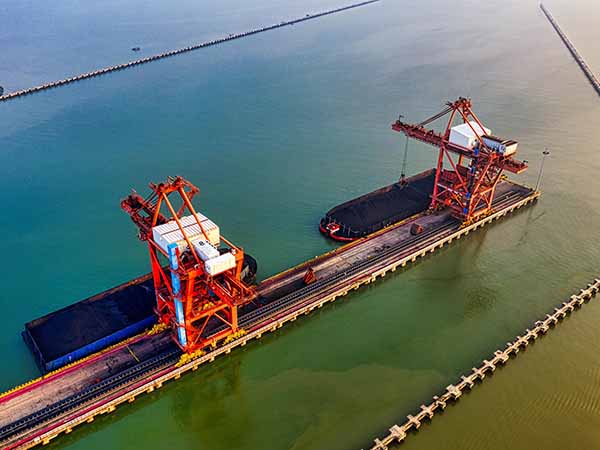
Differences Between DNV Grades AH36, DH36, and EH36
DNV Grade AH36/DH36/EH36 shipbuilding steel plates are all high-strength hull structural steel plates certified by Det Norske Veritas (DNV). A/D/E denote quality grades (low-temperature toughness grades; the later the letter, the higher the low-temperature impact resistance), while “36” represents a minimum yield strength of 355 MPa (36 kgf/mm²). These three grades of steel have identical strength; the key differences lie in low-temperature impact toughness, metallurgical purity, and minimum service temperature, with Grade E offering the most rigorous low-temperature service capability.