Knowledge
Differences Between DNV Grades AH36, DH36, and EH36
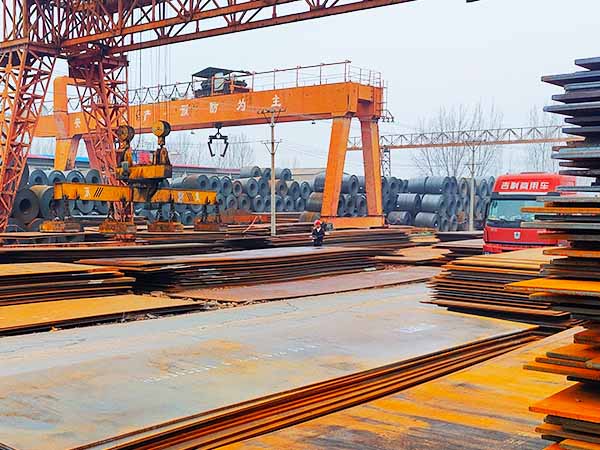
DNV Grade AH36/DH36/EH36 shipbuilding steel plates are all high-strength hull structural steel plates certified by Det Norske Veritas (DNV). A/D/E denote quality grades (low-temperature toughness grades; the later the letter, the higher the low-temperature impact resistance), while “36” represents a minimum yield strength of 355 MPa (36 kgf/mm²). These three grades of steel have identical strength; the key differences lie in low-temperature impact toughness, metallurgical purity, and minimum service temperature, with Grade E offering the most rigorous low-temperature service capability.
Key Applications of DNV Grade AH36 Shipbuilding Steel Plates in Offshore Engineering
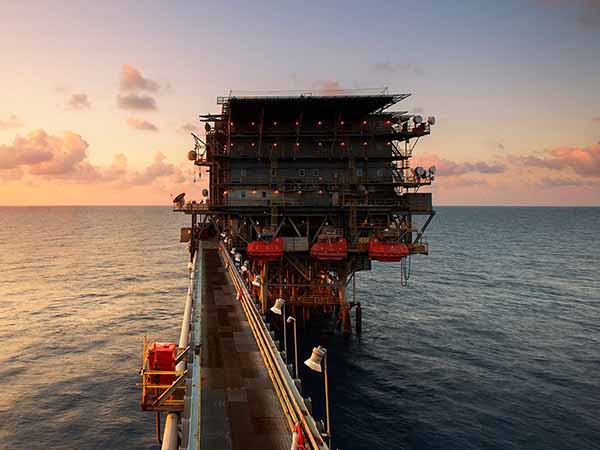
DNV Grade AH36 high-strength marine steel plates have a yield strength of ≥ 355 MPa and an impact toughness temperature of 0°C. They are suitable for general load-bearing structures subjected to medium-to-low impact loads in marine engineering projects in temperate, subtropical, and tropical waters where temperatures are normal and there is no severe cold. They are not suitable for use in extremely cold or icy waters, or for underwater primary load-bearing structures.
- Tags:
- DNV Grade AH36
Differences Between DNV Grade AH32 and DNV Grade AH36 Shipbuilding Steel Plates
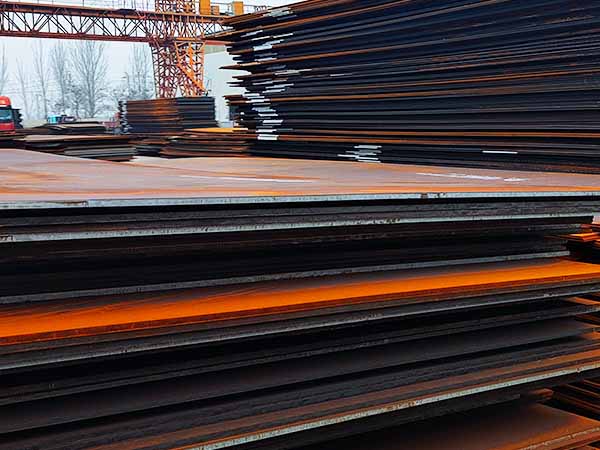
DNV Grade AH32 and AH36 are both DNV (Det Norske Veritas)-certified Grade A high-strength marine structural steel plates; their main difference lies in their strength grades. DNV Grade AH32 shipbuilding steel plates have a minimum yield strength of 315 MPa, while DNV Grade AH36 shipbuilding steel plates have a minimum yield strength of 355 MPa. In comparison, AH36 offers a higher strength margin and is more suitable for the construction of large vessels and critical structural components subjected to high loads.
Welding Process for DNV Grade AH36 Shipbuilding Steel Plates
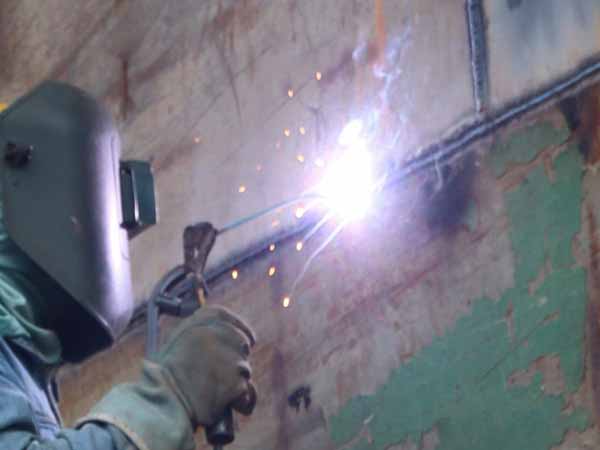
DNV Grade AH36 shipbuilding steel plates are high-strength hull structural steel plates certified by Det Norske Veritas (DNV), with a yield strength of ≥355 MPa, a tensile strength of 490–630 MPa, and an impact energy at 0°C of ≥34 J. This steel grade features a low-carbon, microalloyed design (C ≤ 0.18%) with grain-refining elements such as V, Ti, and Nb. It is primarily rolled using the TMCP (Thermomechanical Control Process), resulting in a low carbon equivalent, excellent overall weldability, and low susceptibility to cold cracking. It is a mainstream steel grade for shipbuilding and offshore platform structures.
- Tags:
- DNV Grade AH36