S690QL Material Properties
- Oct 15, 2026

Knowledge
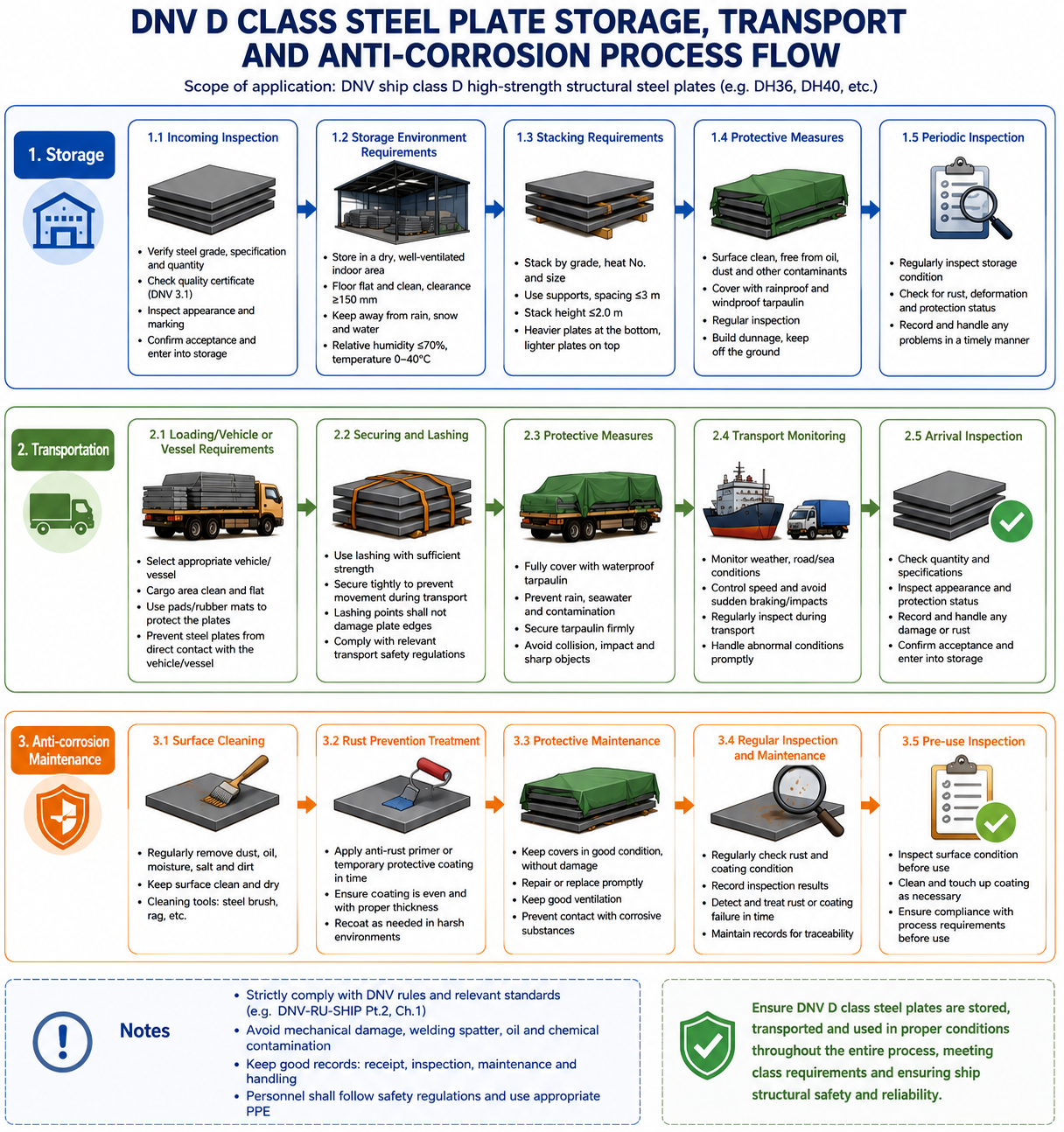
Dry and Well-Ventilated: Steel plates should be stored in dry, well-ventilated warehouses or outdoor areas, avoiding direct contact with rainwater and snow.
Moisture Protection: If stored outdoors, moisture-proof pads (such as wooden planks or a concrete foundation) should be laid, and the top of the steel plates should be covered with a waterproof tarp.
Avoid Sources of Chemical Corrosion: The storage area should be kept away from corrosive substances such as acids, alkalis, and salts.
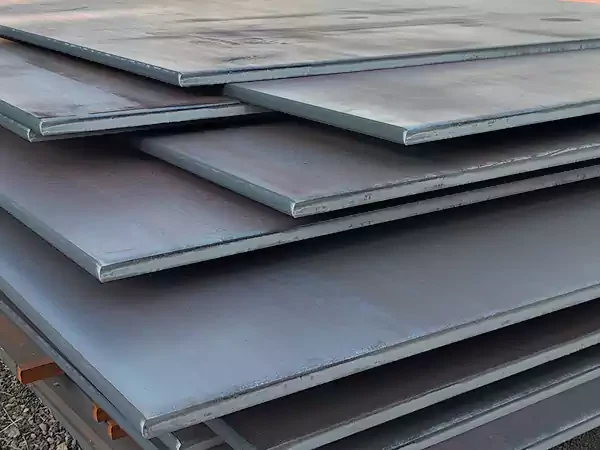
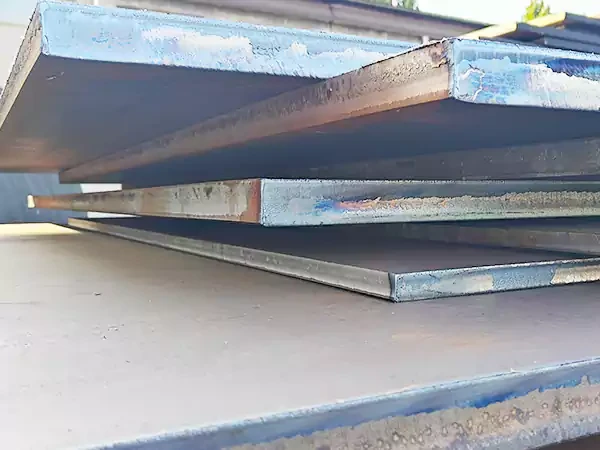
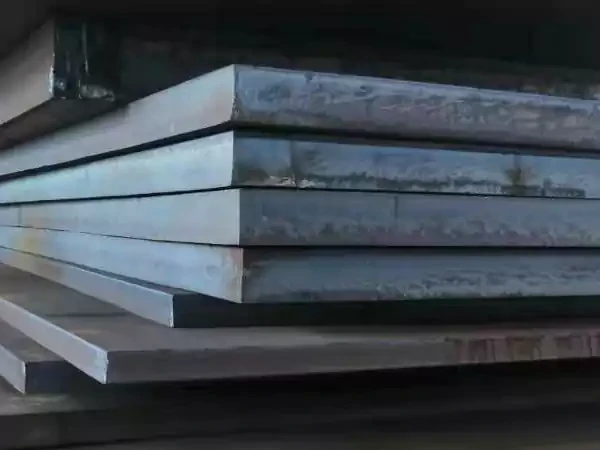
Horizontal Stacking: Steel plates should be stacked horizontally. Thicker plates require wooden spacers between layers (spaced approximately 1–2 meters apart).
Support Material: Use dry wooden planks or rot-resistant timber; the thickness should be determined based on the weight of the steel plates.
Prevent Warping: The stacking height should not be excessive, generally not exceeding 1.5–2 m, to prevent deformation of the steel plates due to their own weight.
The original DNV Grade D marking on each steel plate must remain intact to facilitate factory inspection and traceability.
Inspect the steel plate surface: Remove dust, dirt, and loose rust; apply rust-preventive oil if necessary.
Secure the steel plates: Transport vehicles must be equipped with steel wire ropes, chains, or specialized securing devices; steel plates must not come into direct contact with the metal vehicle body to prevent damage from friction.
Road Transport: Use flatbed trucks or low-bed trailers; secure the steel plates firmly to prevent swaying or collisions.
Sea Freight: Steel plates should be placed in a dry hold or covered with waterproof tarps to prevent salt spray corrosion; moisture-proof wooden boards should be placed beneath them.
Avoid prolonged exposure to rain or seawater. If steel plates become damp during transport, wipe them dry immediately and apply a rust inhibitor.
For extra-wide or extra-thick steel plates, a specialized transport plan should be developed, including reinforcement supports and lifting procedures.
The original rust-preventive oil film may be retained on the surface; inspect the integrity of the film periodically (every 2–4 weeks).
If the film is damaged or rust spots appear, clean the surface and reapply rust-preventive oil.
It is recommended to apply a layer of specialized anti-rust paint to the steel plate surface or use protective packaging film.
For long-term outdoor storage, inspect the steel plate surface regularly (monthly) and apply localized protective treatment as necessary.
Rust resulting from transportation or stacking should be treated using mechanical or chemical rust removal methods to achieve a Sa2.5 grade (in accordance with ISO 8501-1).
Apply primer or rust-preventive oil immediately after cleaning to prevent secondary rusting.
Marine or humid/hot environments: A long-term protective coating, such as epoxy primer or hot-dip galvanizing, should be applied to the steel plate surface.
Areas exposed to chemicals: Avoid direct exposure of the steel plates; use polymer coatings for protection when necessary.
Storage: Dry, well-ventilated, moisture-proof, and protected against chemical corrosion; stack properly.
Transportation: Securely fastened, protected against impact, rain, or salt spray; oversized steel plates require specialized securing solutions.
Corrosion Prevention and Maintenance: Maintain a rust-preventive oil film for short-term protection; apply paint or protective coatings for long-term protection; conduct regular inspections and spot treatments.
Customers choose to engage in long-term cooperation with Yuxin Steel not only because of our high-quality products and services, as well as our strong reputation in the international market, but also due to our experienced one-stop raw material supply and further steel processing capabilities!