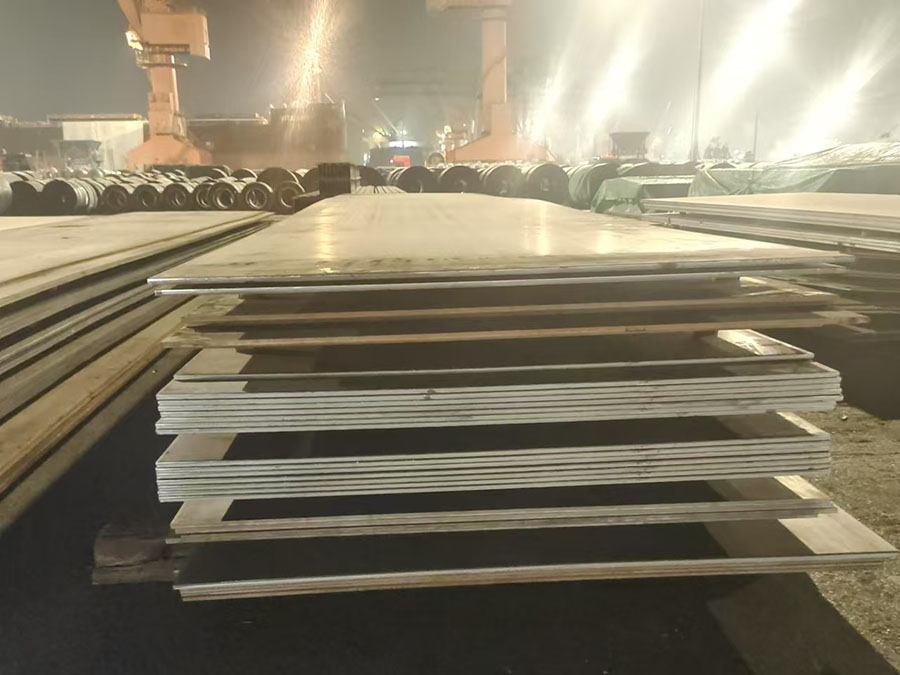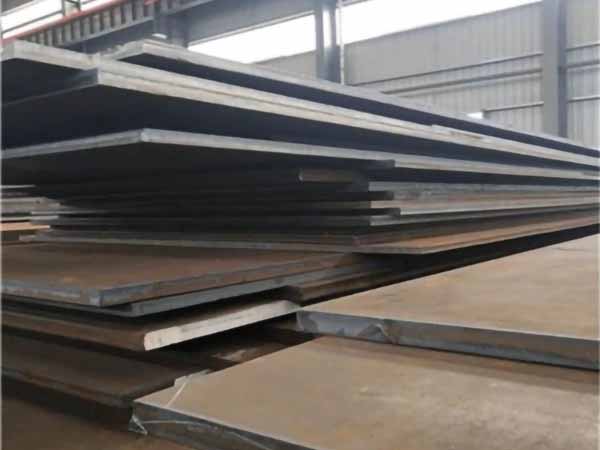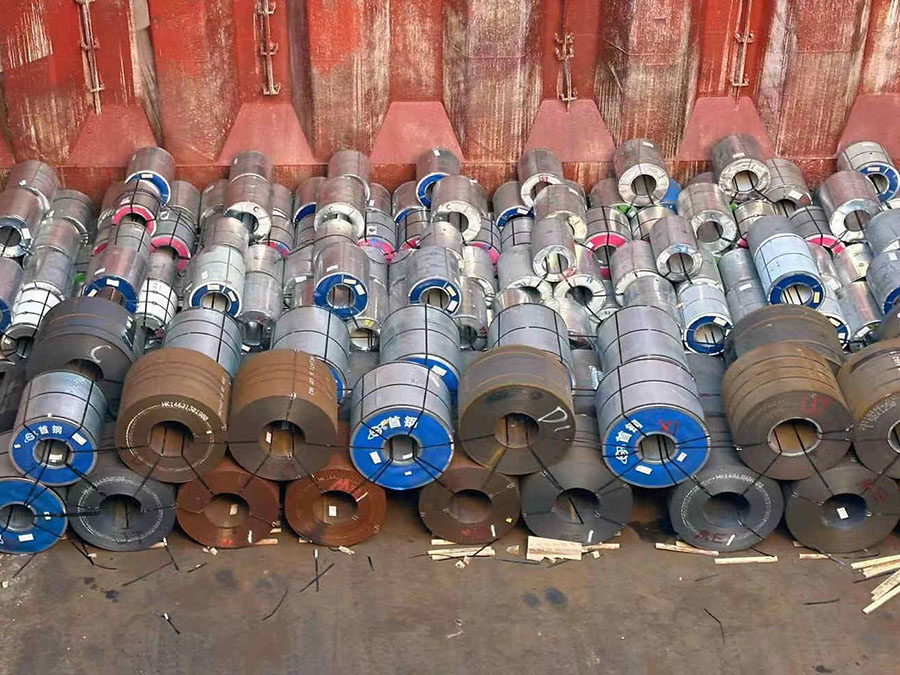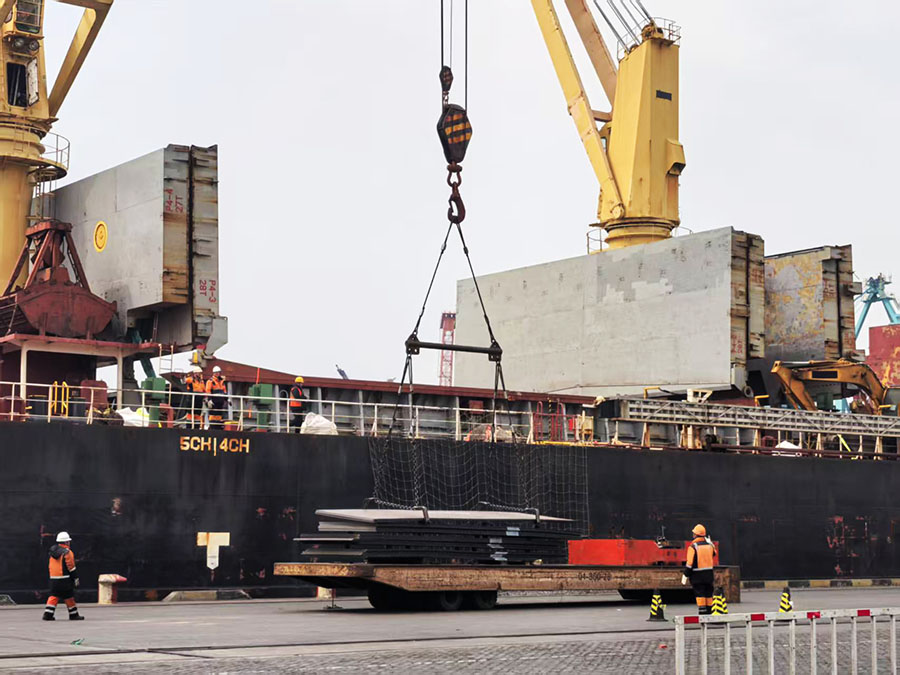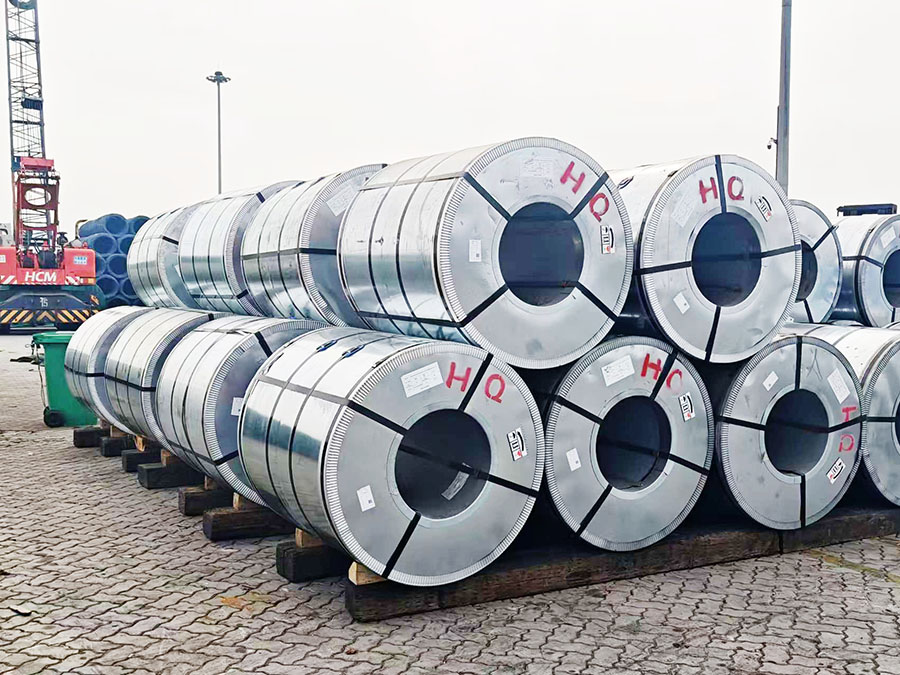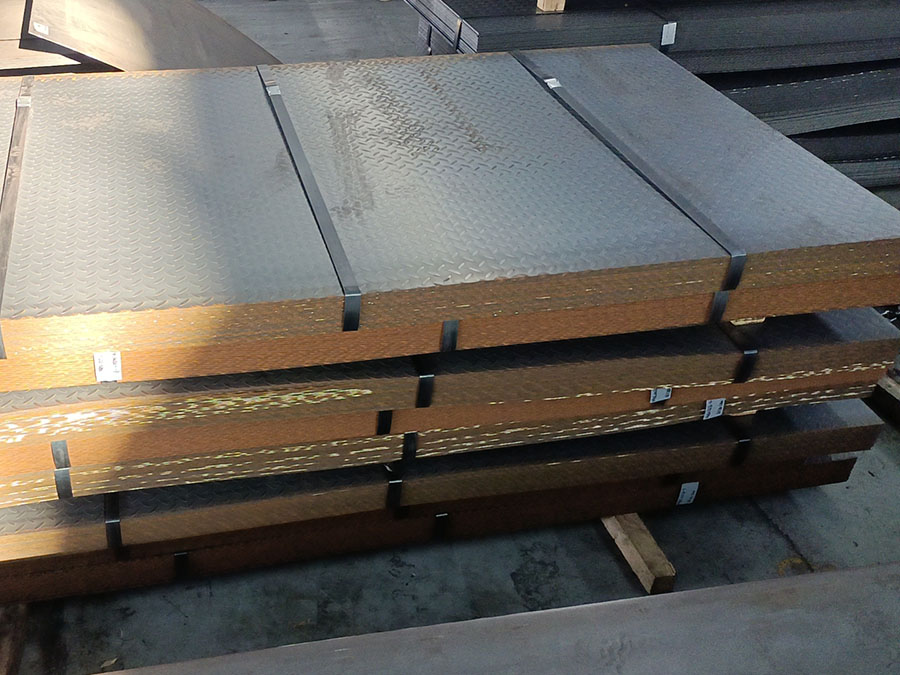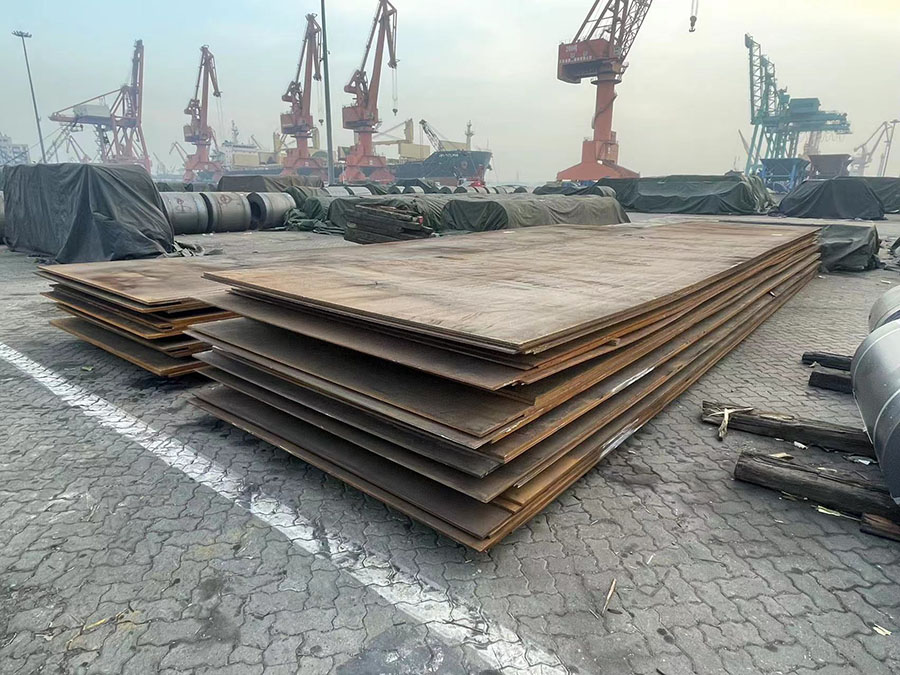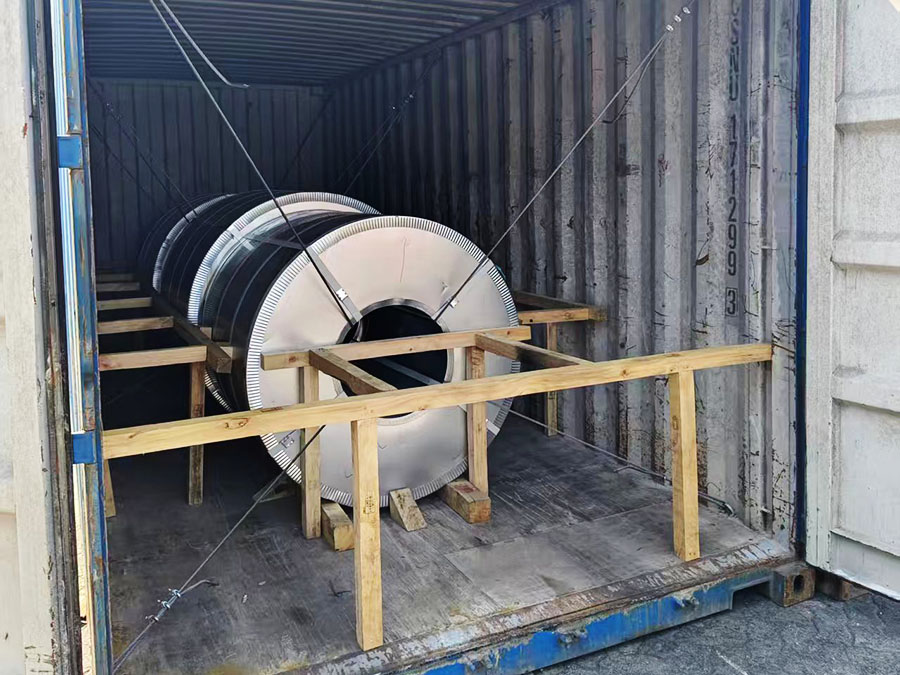
EN 10025-5 S355J2WP is a low-alloy high-strength weather-resistant structural steel under the European standard (EN), offering excellent atmospheric corrosion resistance. Also known as weathering steel or Corten steel, it is commonly used in structures such as buildings, bridges, railway vehicles, and containers that are exposed to outdoor atmospheric environments over the long term. This material significantly extends service life, reduces lifecycle maintenance costs, and provides a distinctive
Standard :
EN10025-5Grade :
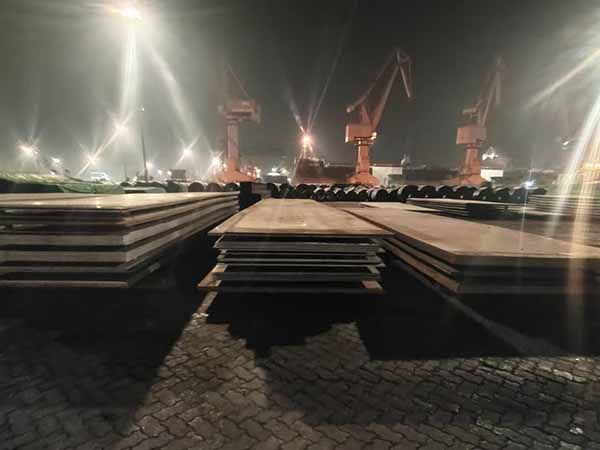
S355J2WPThickness :
6.0 - 200.0 mmWidth :
1500.0 - 4050.0 mmLength :
3000.0 - 15000.0 mmSpecial thickness, width, and length can be negotiated separately.
We also provide customized processing services.If you have any questions, please contact us.
EN 10025-5 S355J2WP Weathering Steel Plate (Corten Steel Plate) is a high-performance steel that combines structural strength, unique aesthetics, and low maintenance costs. Its most notable feature is the formation of a dense, strongly adhesive rust-resistant protective layer on the surface after exposure to natural environments, which prevents further corrosion of the internal metal. This makes it highly suitable for structures exposed to the atmosphere, requiring no painting or only minimal coating, thereby reducing maintenance costs over the entire lifecycle.
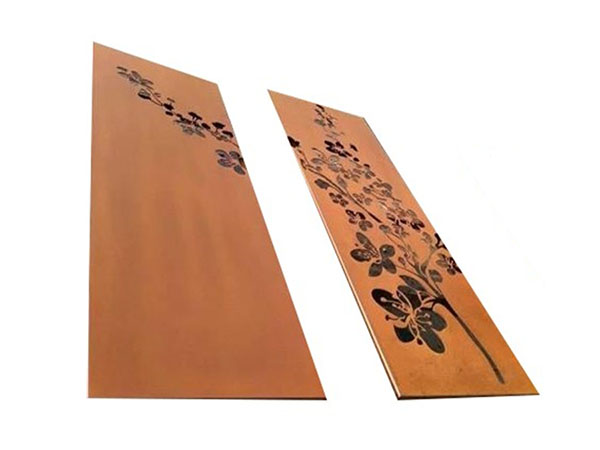
It offers irreplaceable advantages in applications such as architecture, bridges, railway vehicles, containers, sculptures, and other scenarios requiring long-term atmospheric exposure and where maintenance is challenging. The key to its successful application lies in a deep understanding of its weather-resistant principles and adherence to its specific usage specifications throughout the design, processing, and installation stages, ensuring its performance is fully realized.
1. Excellent Atmospheric Corrosion Resistance: The corrosion resistance is 4-6 times that of ordinary carbon steel (e.g., S355), depending on the specific environment (rural, urban, industrial, marine).
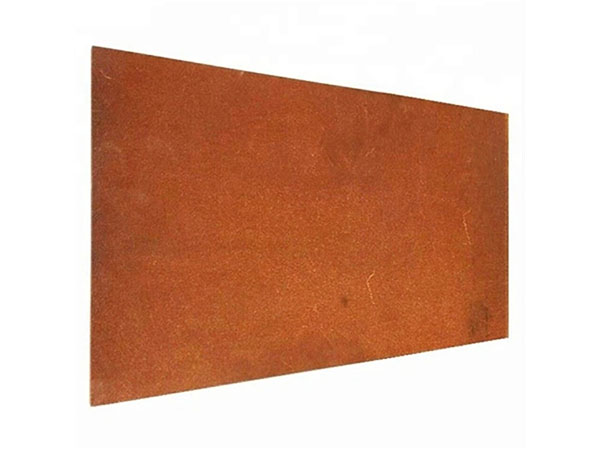
2. Paint-Free or Reduced Maintenance: Can be used without painting in suitable environments. The naturally formed rust layer acts as a protective barrier, offering a distinctive appearance (copper-brown or dark brown patina) with significant industrial aesthetic value. This eliminates the substantial costs associated with initial painting and periodic maintenance.
3. Good Mechanical Properties: As a structural steel, its strength (yield strength ≥ 355 MPa, tensile strength typically 470–630 MPa), plasticity, and low-temperature toughness (impact energy ≥ 27J at -20°C) fully meet the load-bearing requirements for construction and bridges.
4. Weldability: Offers good welding performance, but specific weathering steel welding procedures must be followed (e.g., using matching weathering electrodes, controlling heat input, etc.) to maintain corrosion resistance in the weld area.
5. Ease of Processing: Can be cut, bent, welded, and otherwise processed with good formability.
6. Eco-Friendly and Economical: Reduces coating-related pollution, extends service life, and offers low lifecycle costs.
| Grade | S355J2WP |
|---|---|
| Standard | EN10025-5 (Hot rolled products of structural steels - Part 5: Technicaldelivery conditions for structural steels with improved atmospheric corrosion resistance) |
| Classification | Weather-resistant Structural Steel |
| Thickness | 6 - 200 mm |
| Width | 1500 - 4050 mm |
| Length | 3000 - 15000 mm |
| Delivery Conditions | As Rolled (+AR), Normalized (+N) or Thermomechanically Rolled (+M) |
| Core Advantages | Excellent atmospheric corrosion resistance (4 - 6 times higher than ordinary carbon steel), high strength, low temperature toughness at -20°C and low maintenance cost. |
| Weldability | Good weldability, conventional welding methods (such as MAG, SMAW, etc.) are typically employed without the need for preheating. Matching weathering steel electrodes should be selected to avoid compromising the weather resistance of the joint. |
| Machinability | Good performance in cold bending, stamping, and cutting. |
| Quality Control | Provide the material certificate. If required, Charpy V-notch impact test, and Z-direction property test (Grades Z15/Z25/Z35) can be added. |
| Application Scenarios | Bridge Engineering, Building Structures, Power Facilities, Transportation Equipment, Landscape Sculpture, etc. for outdoor environments as low as -20°C |
| Grade | S355J2WP | ||||||||
|---|---|---|---|---|---|---|---|---|---|
| Element | C | Si | Mn | P | S | N | Addition of nitrogen binding elements | Cr | Cu |
| Content (max, %) | 0.12 | 0.75 | 1.0 | 0.06 - 0.15 | 0.030 | - | yes | 0.30 - 1.25 | 0.25 - 0.55 |
Carbon Equivalent: CEV ≤ 0.52%
Calculate using the International Institute of Welding (IIW) formula: CEV = C + Mn/6 + (Cr+Mo+V)/5 + (Ni+Cu)/15
| Grade | Thickness (t) [mm] | Yield Strength (ReH) [min, MPa] | Tensile Strength (Rm) [MPa] | Elongation (A) [min, %] | Impact Energy (KV) [min] |
|---|---|---|---|---|---|
| S355J2WP | t ≤ 16 | 355 | 470 - 630 | 20 | 27J (at -20°C, Longitudinal) |
| 16 < t ≤ 40 | 345 | 470 - 630 | 20 | 27J (at -20°C, Longitudinal) |
S355J2WP Weathering Steel Plate (Corten Steel Plate) is widely used in outdoor steel structures that require long-term durability and aesthetic appearance, and are difficult to maintain.
Bridges: Main girders, bridge piers, stay-cable systems (reducing the need for regular painting)
Railways: Vehicle frames, containers, platform canopies
Roads: Noise barriers, guardrails, toll booth canopies
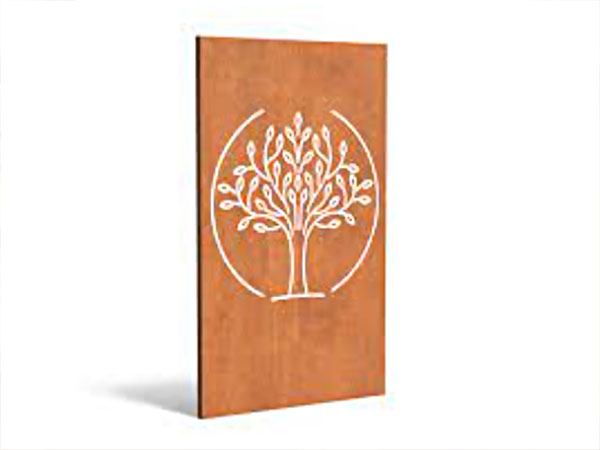
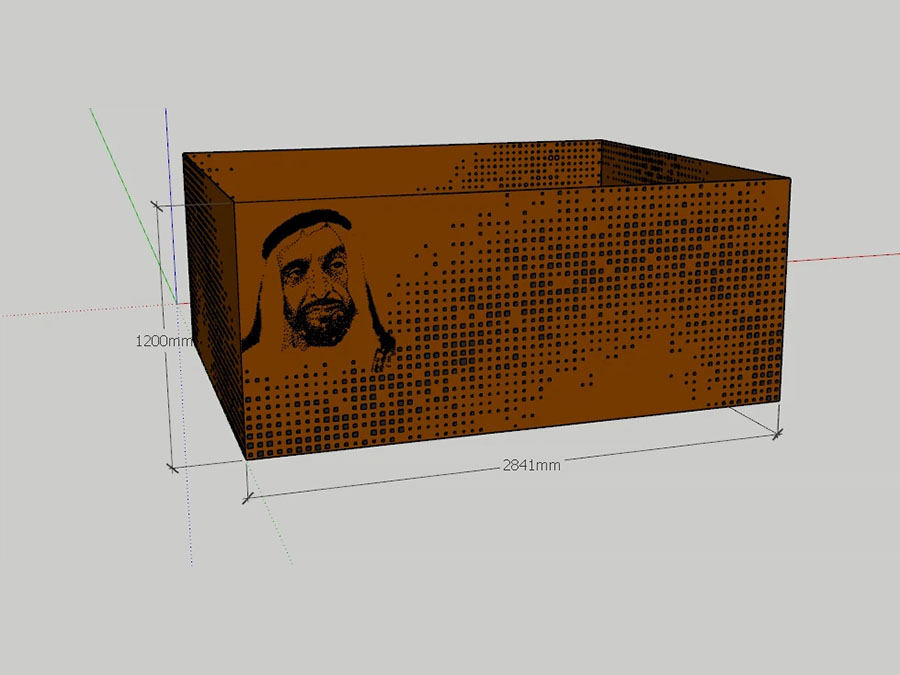
Building facades, roof structures (creating a distinctive "rust-colored" aesthetic effect)
Urban sculptures, cultural facilities
Outdoor staircases, walkways, viewing platforms
Chemical equipment: Storage tank supports, reaction tower frames (resistant to sulfur-containing corrosion)
Energy: Transmission towers, wind turbine tower sections
Chimneys, boilers, refinery equipment
Marine engineering: Port facilities, oil drilling platforms (requiring additional salt spray protection)
Environmental equipment: Waste incineration plant structures, sewage treatment facilities
Container manufacturing (industry-standard materials, extending service life)
1. Initial Rusting Stage: Before the formation of a stable protective layer (approximately 1-3 years), runoff rust water may contaminate surrounding walls or ground. The formation of a stable rust layer can be accelerated through "pre-rusting treatment."
2. Environmental Limitations: Its advantages cannot be realized in persistently damp, submerged, high salt spray, or strongly acidic/alkaline environments. In such conditions, unstable rust layers may even exacerbate corrosion. It is not recommended for parts that are permanently immersed in water or soil.
3. Connection and Welding: Fasteners and welding materials made of the same type of weathering steel should be used to avoid electrochemical corrosion caused by potential differences.
4. Contact with Other Materials: Avoid direct contact with metals that have significant potential differences, such as stainless steel or galvanized steel. If contact is necessary, proper insulation and isolation must be ensured.
5. Surface Treatment: If painting is required, loose rust must be thoroughly removed, and a specialized primer for weathering steel should be applied.
| Grade | Yield Strength (MPa) | Impact Temperature | Impact Energy Requirement | Contains "P" Strengthening? | Weathering Characteristics | Typical Application Scenarios |
|---|---|---|---|---|---|---|
| S355J0W | ≥355 | 0°C | ≥27 J | No | Basic weathering steel, Cu+Cr alloy system | Bridges, buildings, general outdoor structures |
| S355J0WP | ≥355 | 0°C | ≥27 J | Yes | Higher corrosion resistance (especially in initial stages) | Containers, high-humidity/industrial atmospheric environments |
| S355J2W | ≥355 | -20°C | ≥27 J | No | Comparable to J0W, but with better low-temperature toughness | Bridges in cold regions, northern engineering projects |
| S355J2WP | ≥355 | -20°C | ≥27 J | Yes | High corrosion resistance + low-temperature toughness | Harsh environments like marine/cold composite conditions |
| S355K2W | ≥355 | -20°C | ≥40 J | No | Similar to J2W, but with higher impact energy | High-safety-grade structures (e.g., seismic-resistant, heavy-load applications) |
| Grade | Standard | Yield Strength (ReH) [min, MPa] | Tensile Strength (Rm) [MPa] | Elongation (A) [min, %] | Impact Energy (KV) [min] |
|---|---|---|---|---|---|
| S355J2WP | EN 10025-5 | 355 | 470 - 630 | 22 | 27J (at -20°C, Longitudinal) |
| Q355NHD | GB/T 4171 | 355 | 490 - 630 | 22 | 34J (at -20°C, Longitudinal) |
| A588 Grade A/B | ASTM A588/A588M | 345 | ≥ 485 | 21 | - |
| SMA490AW | JIS G3114 | 325 | 490 - 610 | 17 | - |
* Since the requirements for chemical composition, mechanical properties, and corrosion resistance mechanisms vary slightly across different standards, "equivalence" typically refers to similarities in intended use and performance rather than exact identity.
A:
Inland, dry environments: 50+ years (maintenance-free); industrial/suburban environments: 30–50 years; coastal areas with low salt spray: 15–25 years (additional corrosion protection required in areas with high salt spray).
A:
Use with caution. In environments with high salt spray levels or high chloride ion concentrations, the rust layer on standard weathering steel is easily penetrated, accelerating corrosion and potentially leading to pitting or perforation.
A:
It has good welding properties and can be welded using conventional processes such as manual arc welding and gas shielded arc welding.
A:
In normal atmospheric conditions (urban or rural), painting is not required; a stable passivation layer will form after 6–18 months of exposure, providing a corrosion resistance lifespan of 80–100 years.
High-humidity / highly corrosive environments (coastal areas, industrial acid rain, salt spray zones): It is recommended to apply a thin coat of weathering primer initially or to carry out regular maintenance to prevent the early loss of the rust layer.
Concealed / damp, poorly ventilated areas: Waterproofing and anti-corrosion coating must be applied to prevent localised rusting from worsening.
A:
The rate at which the oxidation layer forms depends on climatic conditions. In outdoor environments with significant fluctuations between dry and wet conditions, it typically takes between six months and two years for a stable, dark brown protective layer to form. During the initial stage, rust streaks may form, so care should be taken to protect the surrounding building surfaces.
– We offer free samples and bespoke solutions. Please feel free to enquire about our latest prices and volume discounts.
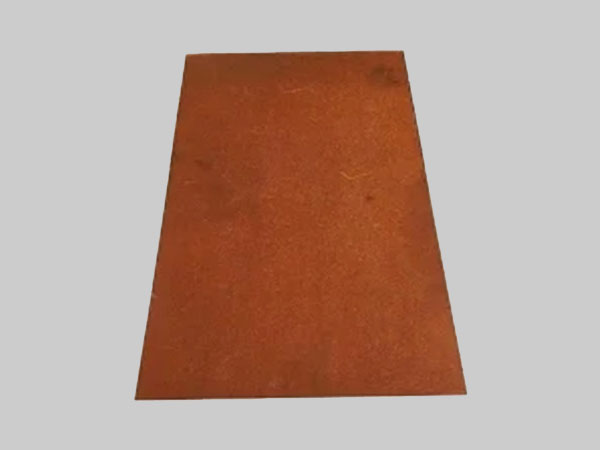
Yuxin Steel provides high-quality steel products to customers in more than 20 countries worldwide.
Contact Info
Would you like to know more about our offers? Please feel free to contact us.