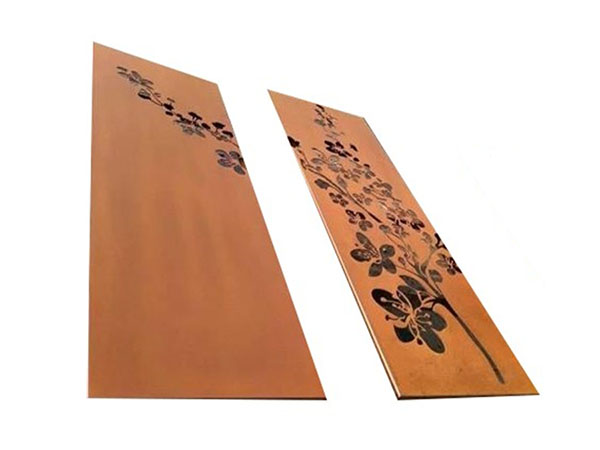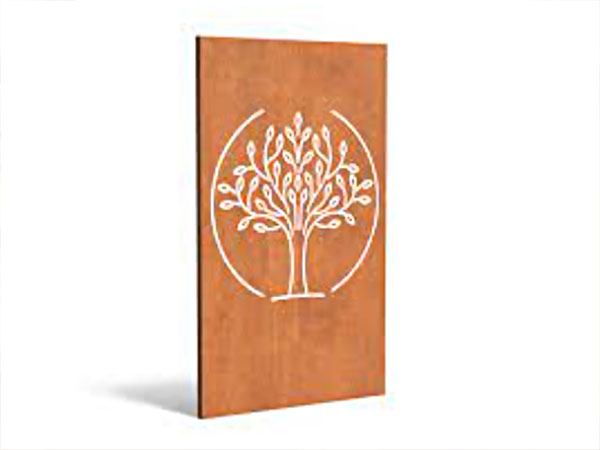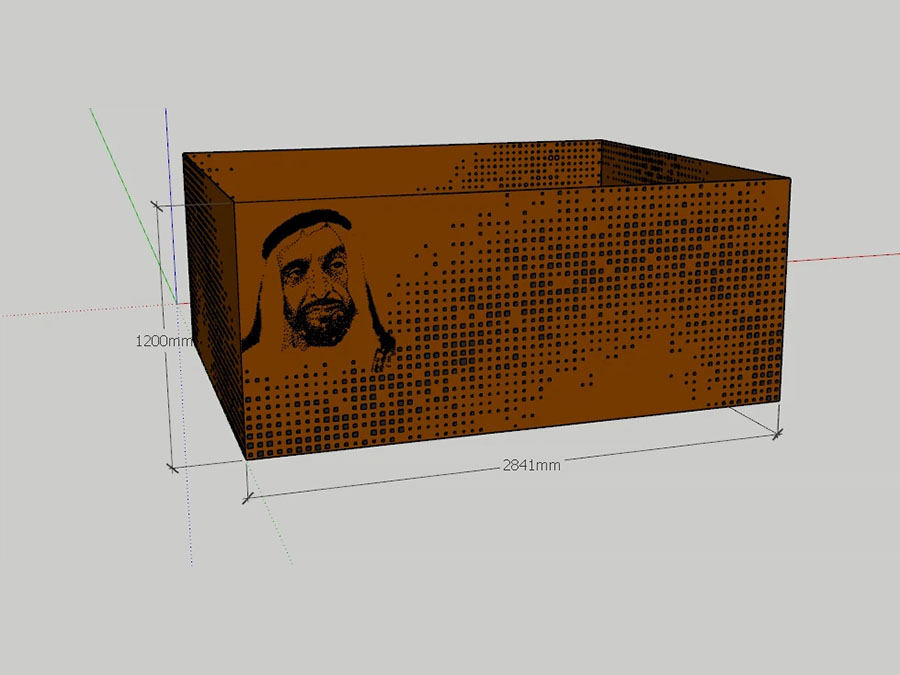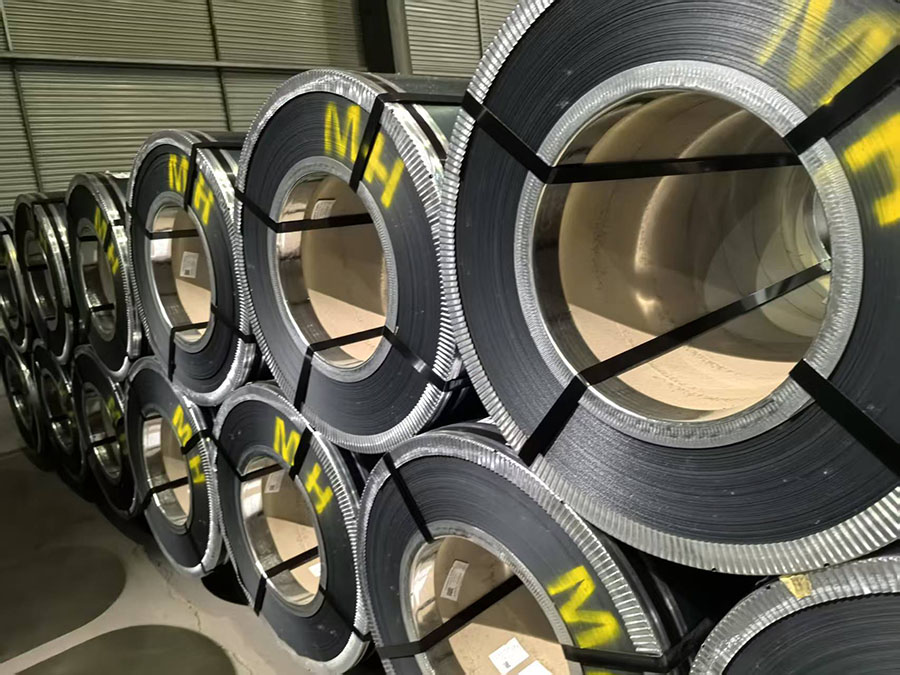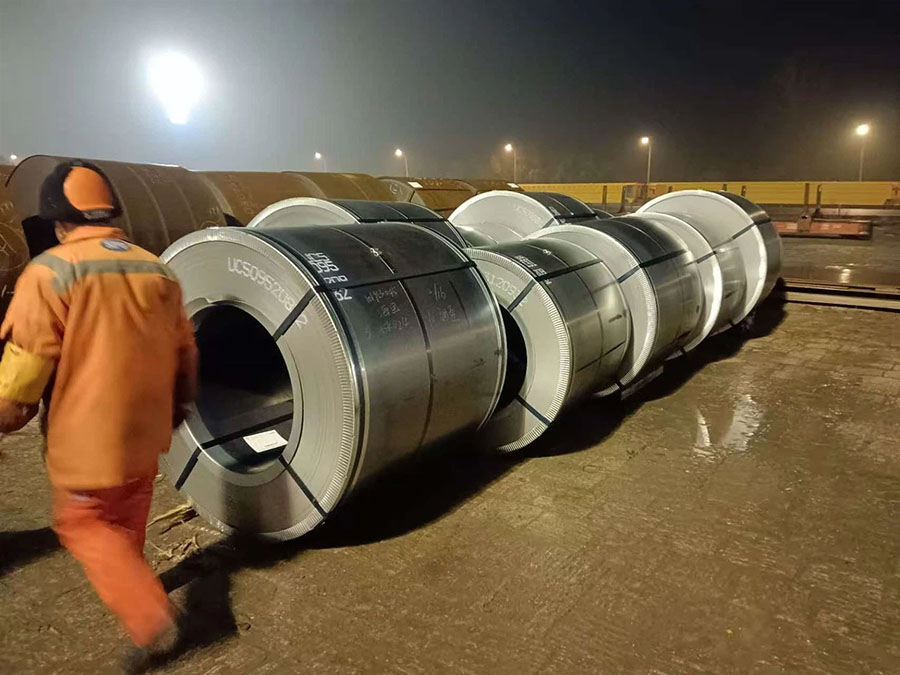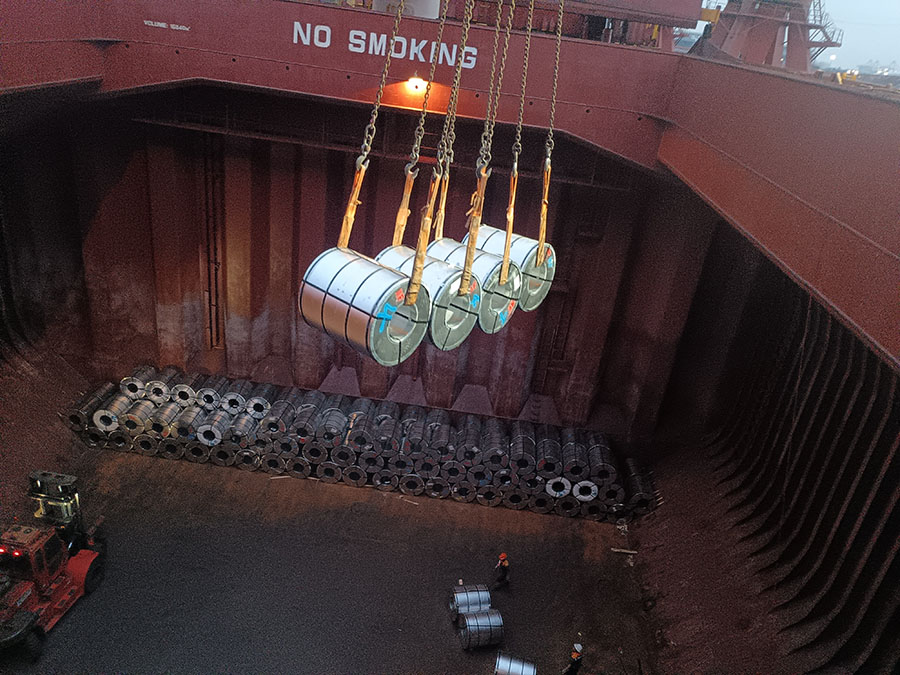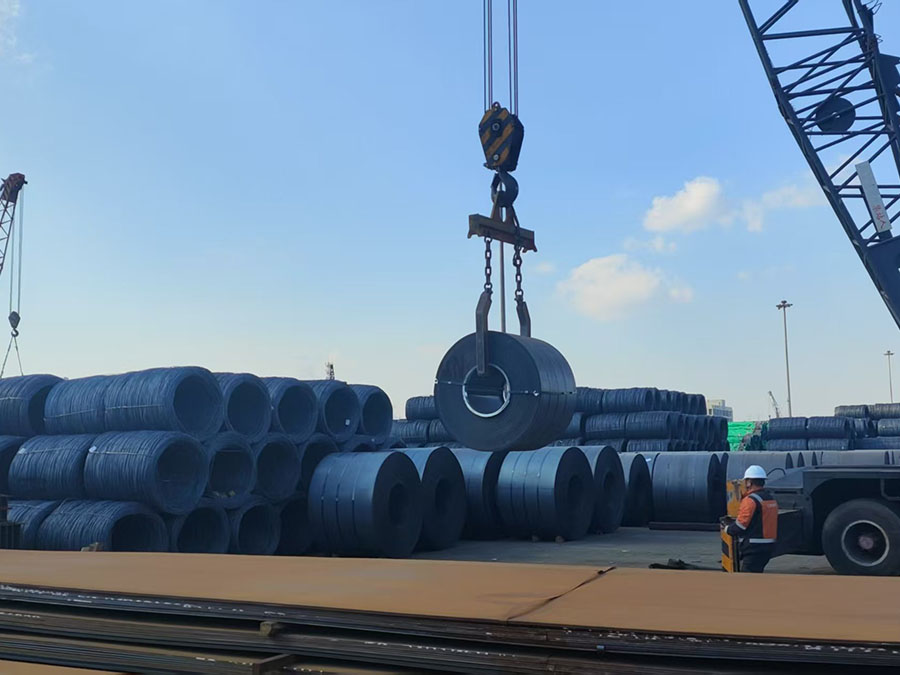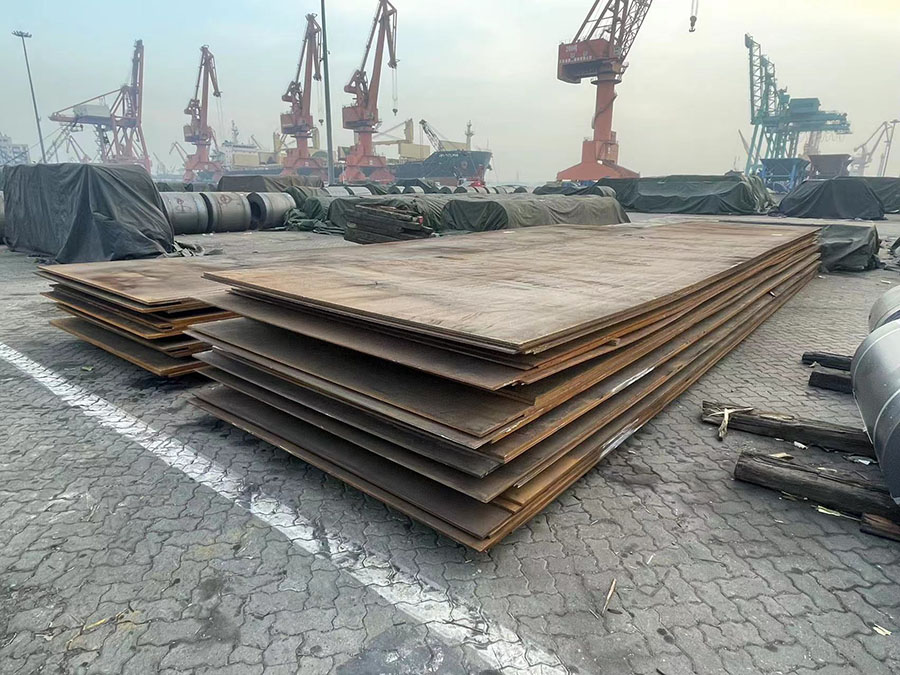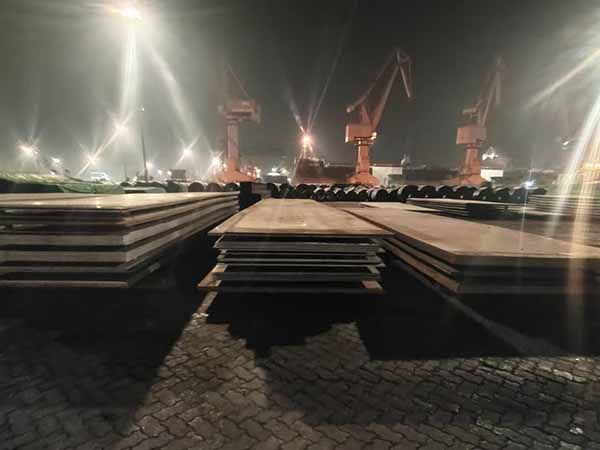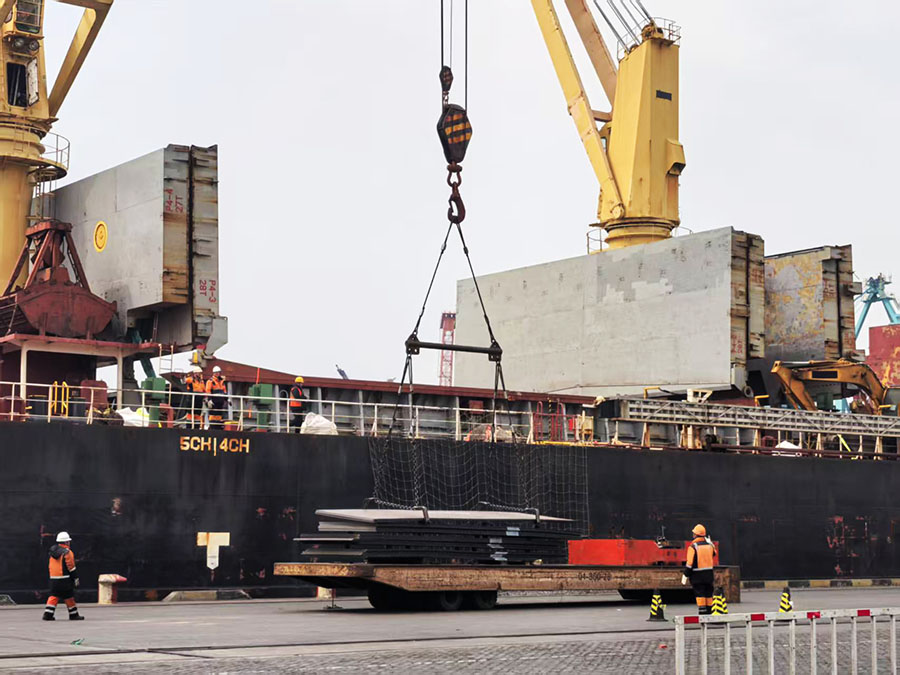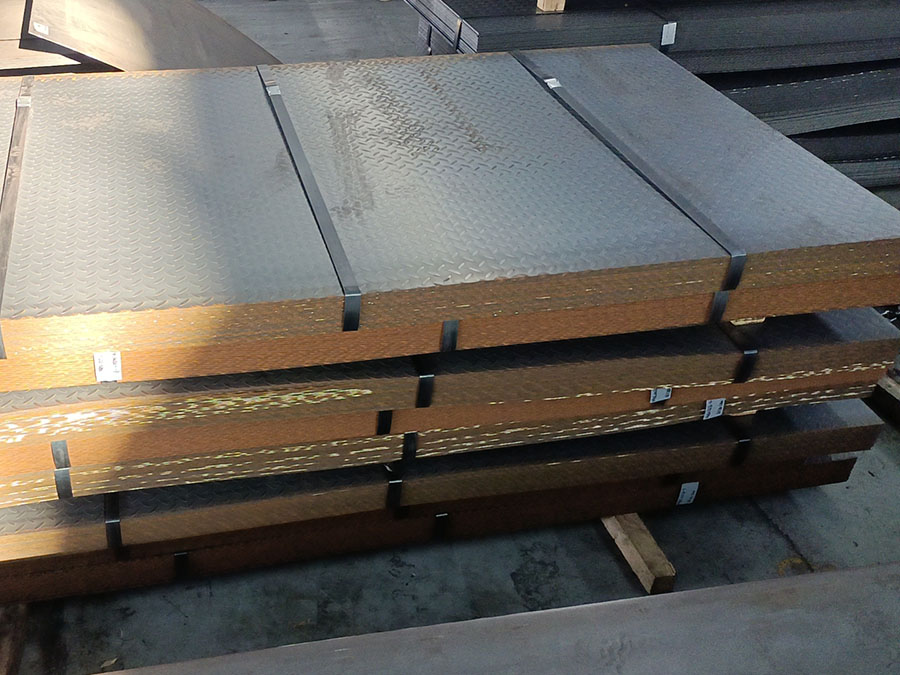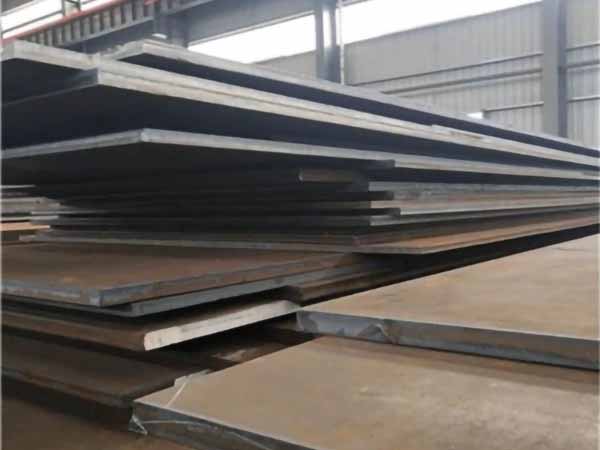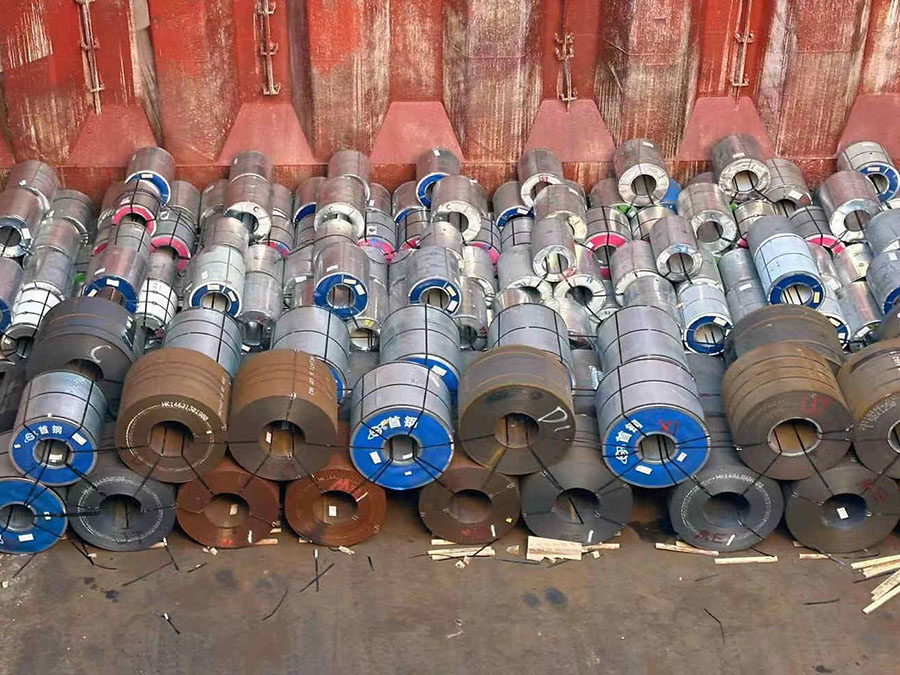
S235J0W is a weather-resistant structural steel standardized under the European standard (EN 10025-5), also known as Weathering Steel or Corten Steel. It offers medium strength, good toughness, and outstanding atmospheric corrosion resistance. It is commonly utilized in structures that are long-term exposed to outdoor atmospheric environments, such as building structures, bridges, railway vehicles, containers, and artistic sculptures.
Standard :
EN 10025-5Grade :
S235J0WThickness :
6.0 - 200.0 mmWidth :
1,500.0 - 4,050.0 mmLength :
3,000.0 - 15,000.0 mmSpecial thickness, width, and length can be negotiated separately.
We also provide customized processing services.If you have any questions, please contact us.
S235J0W weathering steel plate is a European-standard structural steel plate manufactured in strict accordance with the EN 10025-5 standard. It is an entry-level grade in the classic Corten steel series and is a low-carbon, high-toughness weathering steel plate optimized specifically for outdoor structural applications at ambient temperatures. It has a minimum yield strength of 235 MPa and a minimum impact energy absorption of 27 J at 0°C, and offers excellent resistance to atmospheric corrosion.
S235J0W weathering steel plates combine excellent structural stability at ambient temperatures, good atmospheric corrosion resistance, and good weldability and formability. They can reduce or eliminate the need for repeated painting and corrosion protection maintenance, significantly lowering long-term operating costs. They are a highly cost-effective weathering structural material for outdoor building curtain walls, highway bridges, transmission towers, landscape structures, and general outdoor projects in temperate atmospheric environments.
S: Structural steel
235: Yield strength (ReH) ≥ 235 MPa
J0: Impact toughness grade (≥ 27 J at 0℃)
W: Weathering steel
| Product Name | S235J0W Weathering Steel Plate |
|---|---|
| Standard | EN10025-5 (Hot rolled products of structural steels - Part 5: Technicaldelivery conditions for structural steels with improved atmospheric corrosion resistance) |
| Grade | S235J0W |
| Classification | Weather-resistant Structural Steel |
| Thickness | 6.0 - 200.0 mm |
| Width | 1,500.0 - 4,050.0 mm |
| Length | 3,000.0 - 15,000.0 mm |
| Delivery Conditions | As Rolled (+AR), Normalized (+N) or Thermomechanically Rolled (+M) |
| Surface Conditions | Original hot-rolled black scale |
| Core Advantages | Excellent atmospheric corrosion resistance (4 - 6 times higher than ordinary carbon steel), low maintenance cost. |
| Weldability | Good weldability, conventional welding methods (such as MAG, SMAW, etc.) are typically employed without the need for preheating. Matching weathering steel electrodes should be selected to avoid compromising the weather resistance of the joint. |
| Machinability | Good performance in cold bending, stamping, and cutting. |
| Quality Control | Provide the material certificate. If required, Charpy V-notch impact test, and Z-direction property test (Grades Z15/Z25/Z35) can be added. |
| Application Scenarios | Bridge Engineering, Building Structures, Power Facilities, Transportation Equipment, Landscape Sculpture, etc. for outdoor environments as low as 0°C |
| MOQ | 20 tons (small orders can be negotiated). |
| Delivery Time | 15 - 20 days after order confirmation (urgent orders accepted). |
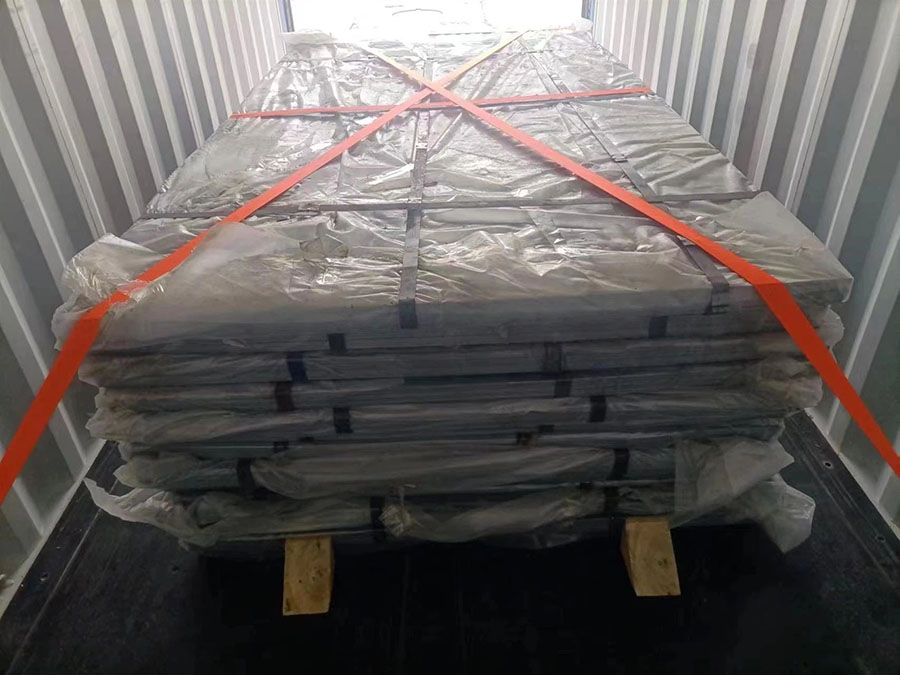
| Packaging | Standard export packaging for sea transport, or as required. |
| Country of origin | China |
| Grade | S235J0W | |||||||
|---|---|---|---|---|---|---|---|---|
| Element | C | Si | Mn | P | S | N | Cr | Cu |
| Content (max, %) | 0.13 | 0.40 | 0.20 - 0.60 | 0.035 | 0.035 | 0.012 | 0.40 - 0.80 | 0.25 - 0.55 |
Carbon Equivalent: CEV ≤ 0.44%
Calculate using the International Institute of Welding (IIW) formula: CEV = C + Mn/6 + (Cr+Mo+V)/5 + (Ni+Cu)/15
| Grade | Thickness (t) [mm] | Yield Strength (ReH) [min, MPa] | Tensile Strength (Rm) [MPa] | Elongation (A) [min, %] |
|---|---|---|---|---|
| S235J0W | t ≤ 16 | 235 | 360 - 510 | 26 |
| 16 < t ≤ 40 | 225 | 360 - 510 | 26 | |
| 40 < t ≤ 63 | 215 | 360 - 510 | 25 | |
| 63 < t ≤ 80 | 215 | 360 - 510 | 24 | |
| 80 < t ≤ 100 | 215 | 360 - 510 | 24 | |
| 100 < t ≤ 150 | 195 | 350 - 500 | 22 |
| Grade | Impact Test Temperature | Impact Energy (KV2) |
|---|---|---|
| S235J0W | 0 ℃ | ≥ 27 J |
Protects the underlying steel by forming a dense and stable oxide layer (rust layer), with corrosion resistance 4-6 times higher than that of ordinary carbon steel, depending on the specific environment (rural, urban, industrial, or coastal areas).
Low carbon content ensures excellent weldability, allowing the use of various welding methods (arc welding, gas shielded welding, etc.).
Exhibits favorable cold-forming properties (such as cutting, bending, drilling, etc.).
Offers adequate strength and toughness to meet the requirements for general structural components.
In many architectural and exposed structures, the material can be intentionally allowed to develop a stable rust layer (known as "Patina") as both the final appearance and a protective layer, significantly reducing long-term maintenance costs.
The uniform and stable rust-colored oxide layer formed on the surface is widely used in architectural decoration.
S235J0W Weathering Steel Plate (Corten Steel Plate) is primarily used for structural components that are exposed to atmospheric environments for extended periods, thanks to its coating-free nature, low maintenance requirements, and unique aesthetics. Applications include:
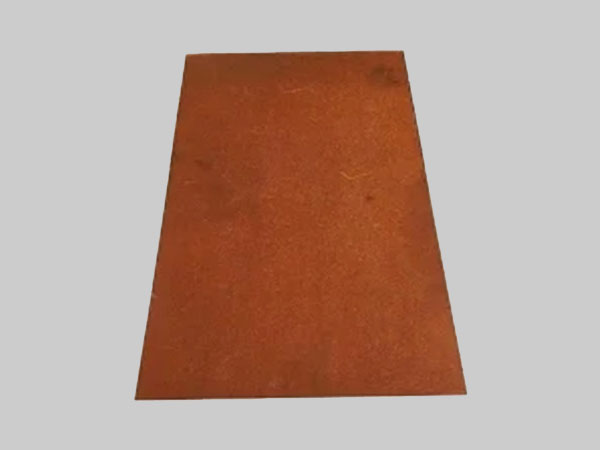
Beam-column systems, facades, curtain wall supports, roof structures, and decorative elements in high-rise buildings, factories, stadiums, etc.
Components such as bridge beams and slabs, arch ribs, piers, as well as pedestrian bridges, landscape bridges, and sound barrier supports for highways.
Transmission towers, communication towers, radio and television towers, lighting lighthouses, etc.
Railings, billboards, sculptures, containers, etc.
Various mechanical structural parts designed for long-term use outdoors or in harsh environments.
Structural components requiring certain weather resistance.
Utilizing the naturally weathered patina and texture of the steel.
Before a stable protective layer forms (approximately 1-3 years), rust runoff may occur, contaminating surrounding surfaces (such as concrete, stone). Drainage design or temporary diversion measures should be considered during planning.
In continuously damp, long-term submerged, high salt spray (e.g., coastal splash zones), or severely industrially polluted (high sulfur, high chloride ion) environments, its advantages may diminish, and additional protection may still be required.
Specially matched weathering steel electrodes should be used during welding to ensure the weld seam has corrosion resistance similar to that of the base metal.
Direct contact with less active metals, such as stainless steel or copper, should be avoided to prevent galvanic corrosion. Additionally, prolonged contact with ordinary carbon steel should be avoided, as corrosion products from carbon steel may contaminate and affect the protective rust layer.
To accelerate the formation of a stable rust layer and control color, "rust stabilizers" or "rust-inducing treatments" may be applied.
| Grade | Yield Strength (ReH) [min, MPa] | Tensile Strength (Rm) [MPa] | Elongation (A) [min, %] | Impact Energy (KV) [min] |
|---|---|---|---|---|
| S235J0W | 235 | 360 - 510 | 26 | 27J (at 0°C, Longitudinal) |
| S235J2W | 235 | 360 - 510 | 24 | 27J (at -20°C, Longitudinal) |
| Grade | Standard | Yield Strength (ReH) [min, MPa] | Tensile Strength (Rm) [MPa] | Elongation (A) [min, %] | Impact Energy (KV) [min] |
|---|---|---|---|---|---|
| S235J0W | EN 10025-5 | 235 | 360 - 510 | 26 | 27J (at 0°C, Longitudinal) |
| Q235NHC | GB/T 4171 | 235 | 360 - 510 | 25 | 34J (at 0°C, Longitudinal) |
| SMA400AW | JIS G3114 | 245 | 400 - 540 | 22 | 27J (at 0°C, Longitudinal) |
* Since the requirements for chemical composition, mechanical properties, and corrosion resistance mechanisms vary slightly across different standards, "equivalence" typically refers to similarities in intended use and performance rather than exact identity.
A:
Inland, dry environments: 50+ years (maintenance-free); industrial/suburban environments: 30–50 years; coastal areas with low salt spray: 15–25 years (additional corrosion protection required in areas with high salt spray).
A:
Use with caution. In environments with high salt spray levels or high chloride ion concentrations, the rust layer on standard weathering steel is easily penetrated, accelerating corrosion and potentially leading to pitting or perforation.
A:
It has good welding properties and can be welded using conventional processes such as manual arc welding and gas shielded arc welding.
A:
In normal atmospheric conditions (urban or rural), painting is not required; a stable passivation layer will form after 6–18 months of exposure, providing a corrosion resistance lifespan of 80–100 years.
High-humidity / highly corrosive environments (coastal areas, industrial acid rain, salt spray zones): It is recommended to apply a thin coat of weathering primer initially or to carry out regular maintenance to prevent the early loss of the rust layer.
Concealed / damp, poorly ventilated areas: Waterproofing and anti-corrosion coating must be applied to prevent localised rusting from worsening.
A:
The rate at which the oxidation layer forms depends on climatic conditions. In outdoor environments with significant fluctuations between dry and wet conditions, it typically takes between six months and two years for a stable, dark brown protective layer to form. During the initial stage, rust streaks may form, so care should be taken to protect the surrounding building surfaces.
– We offer free samples and bespoke solutions. Please feel free to enquire about our latest prices and volume discounts.
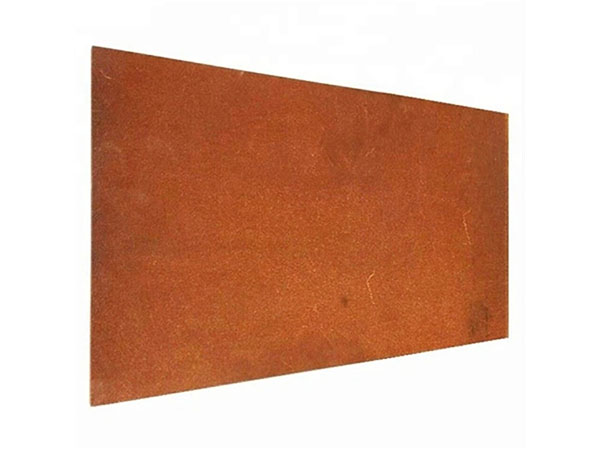
Yuxin Steel provides high-quality steel products to customers in more than 20 countries worldwide.
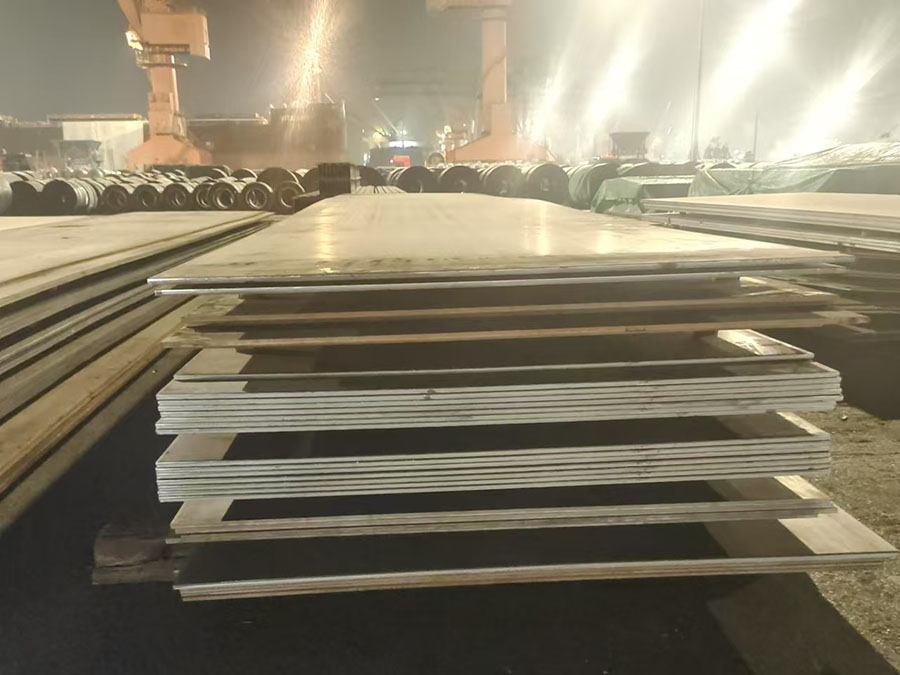
Contact Info
Would you like to know more about our offers? Please feel free to contact us.