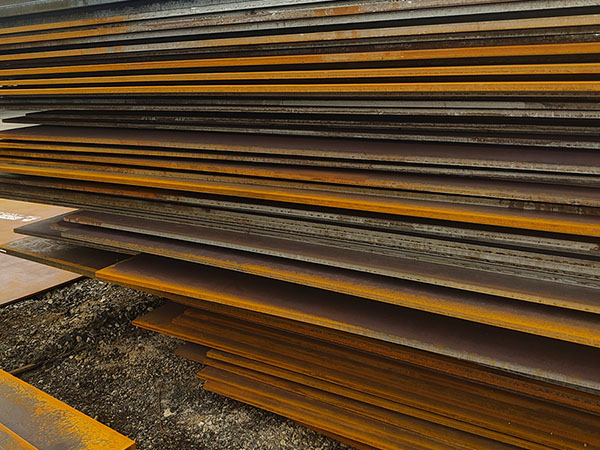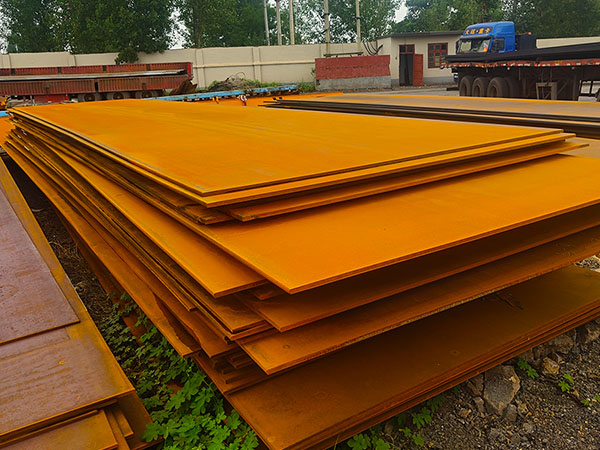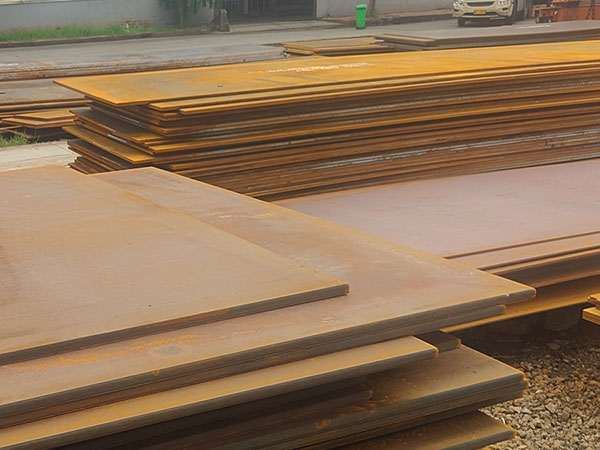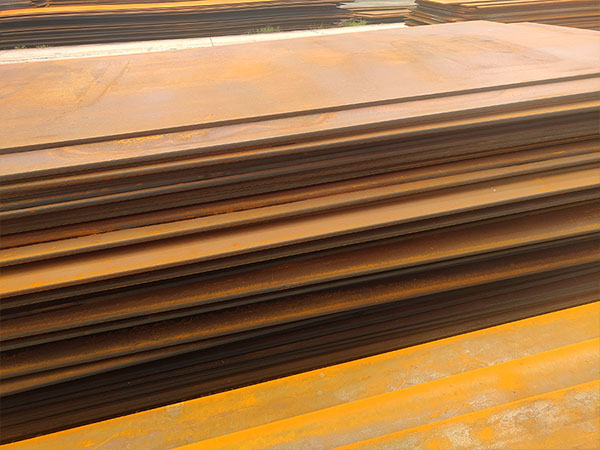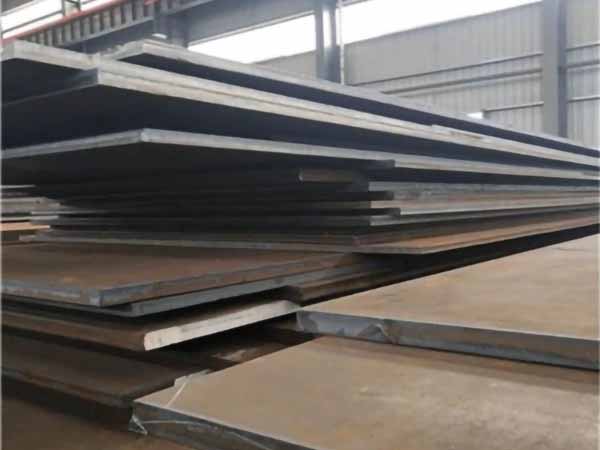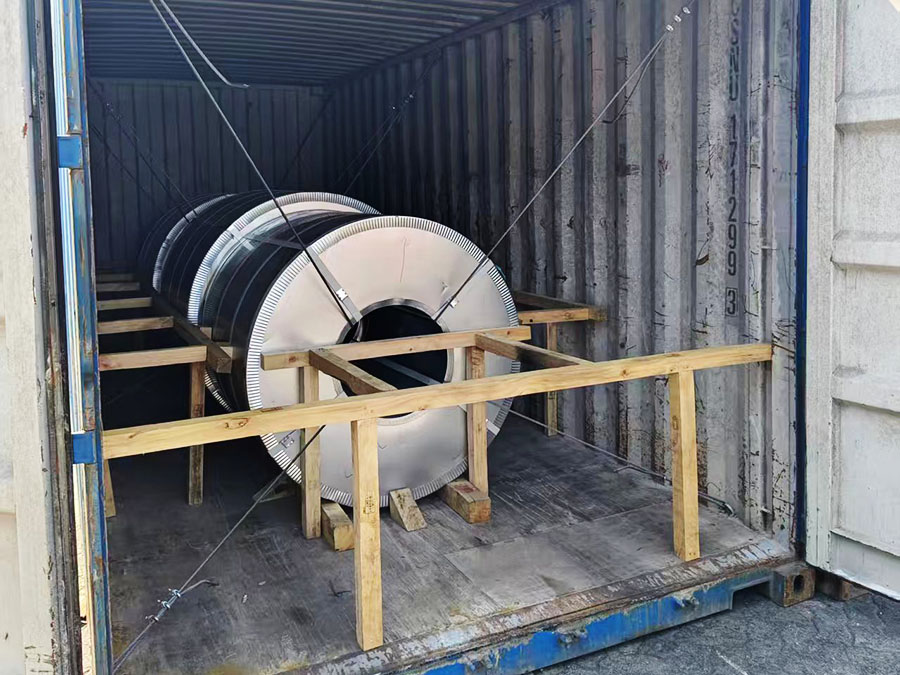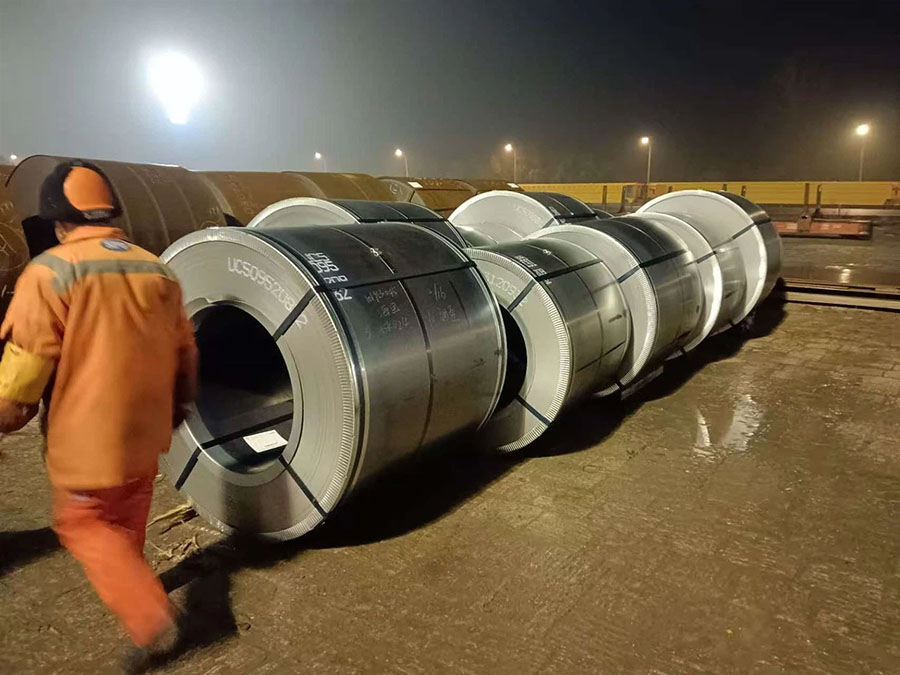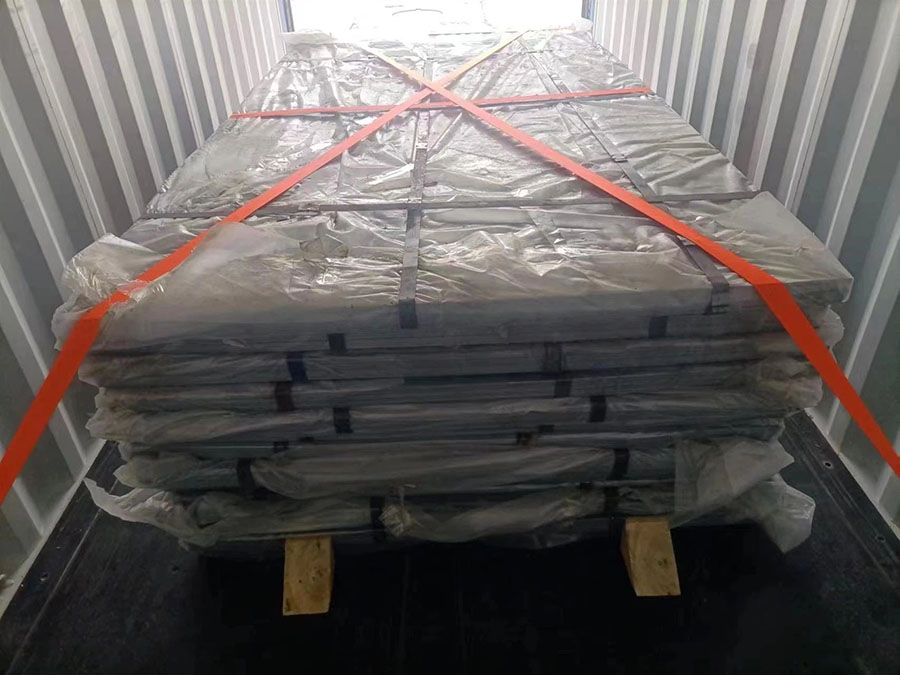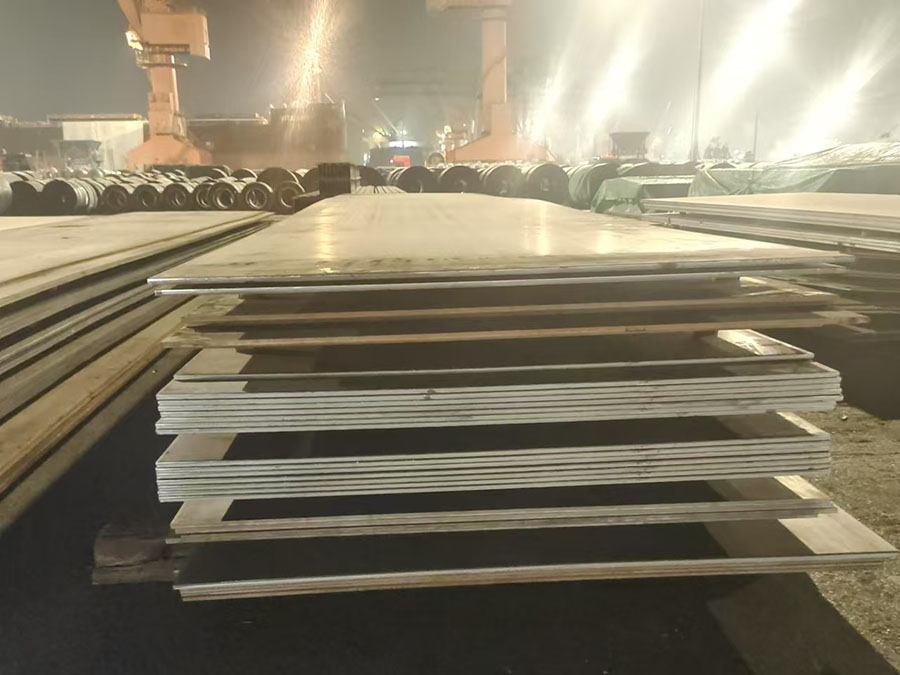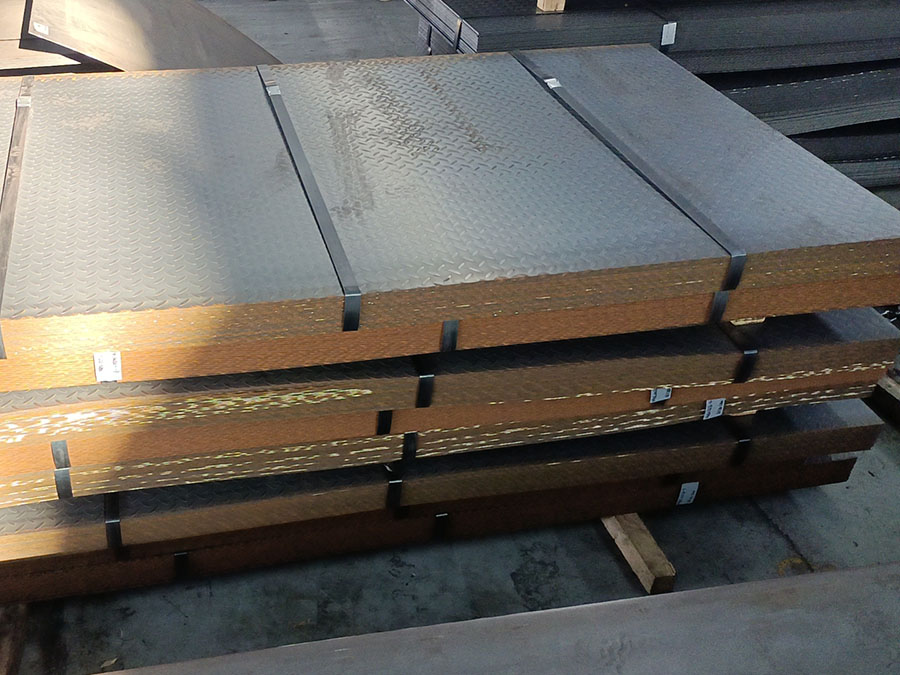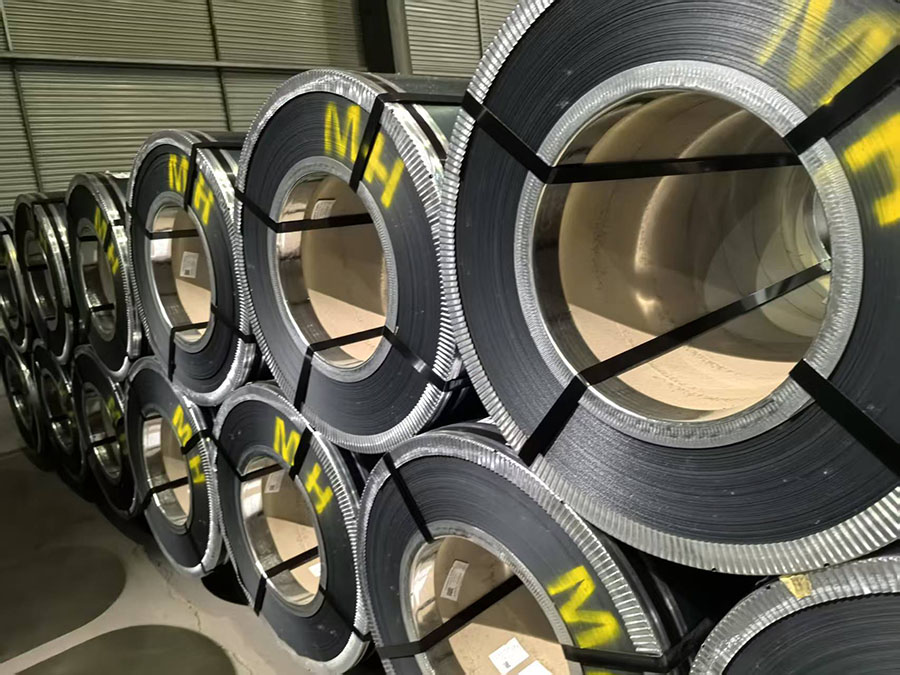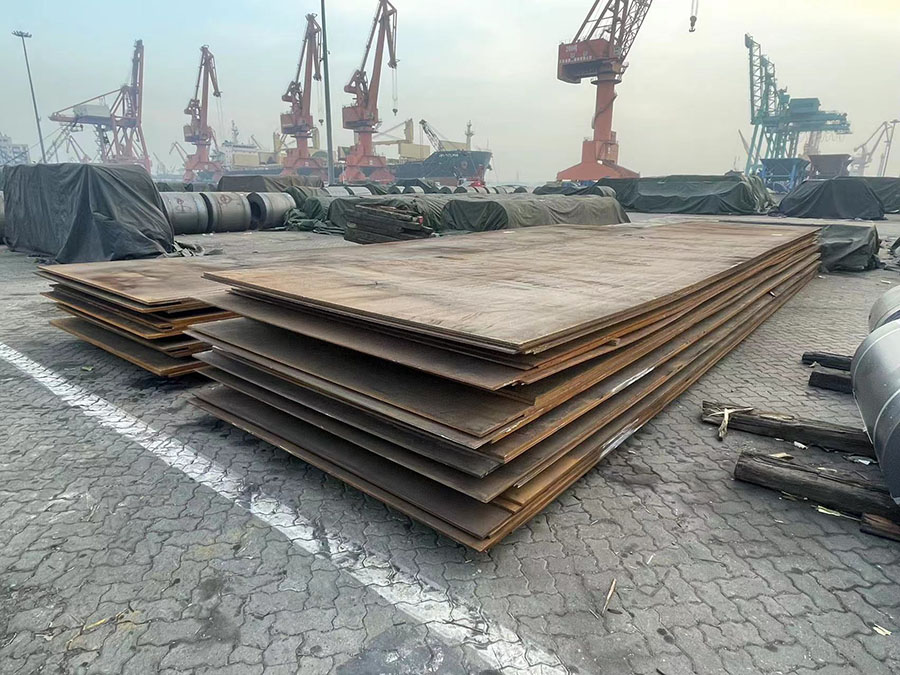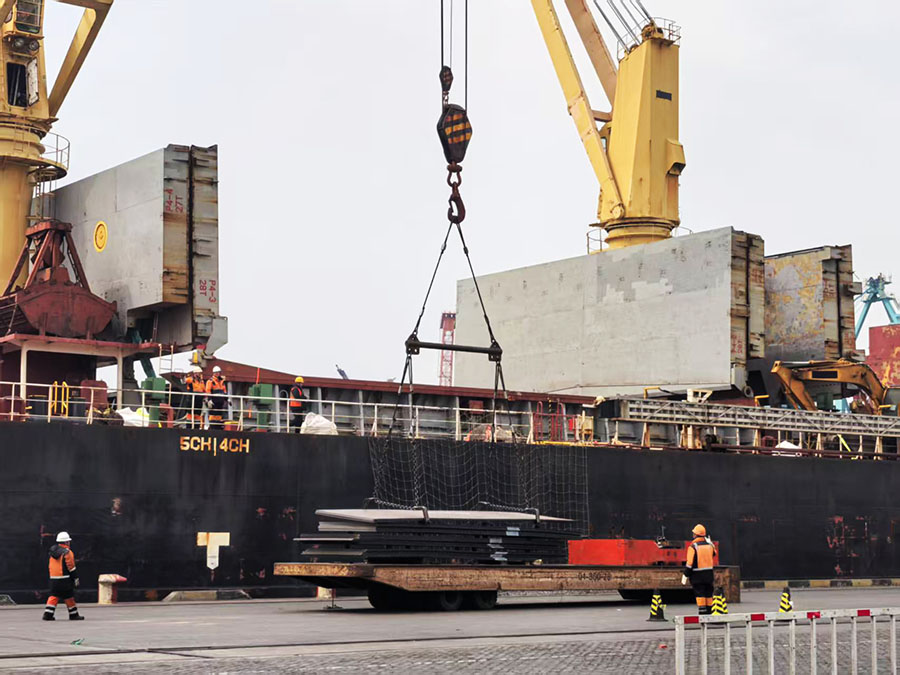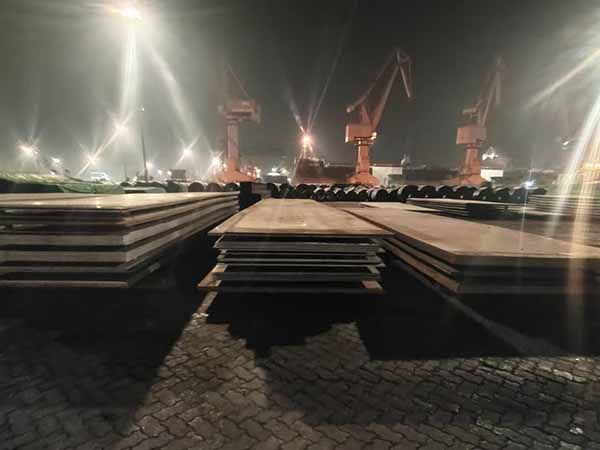
GB/T 4171 Q235NH is an economical structural steel with moderate strength and excellent atmospheric corrosion resistance, also known as Corten steel. It is a cost-effective weathering structural steel that offers good plasticity and toughness, and is easy to process and weld.
Standard :
GB/T 4171Grade :
Q235NHThickness :
6.0 - 200.0 mmWidth :
1500.0 - 4050.0 mmLength :
3000.0 - 15000.0 mmSpecial thickness, width, and length can be negotiated separately.
We also provide customized processing services.If you have any questions, please contact us.
Q235NH is a weathering structural steel grade specified in the Chinese National Standard GB/T 4171 with a minimum yield strength of 235 MPa. It belongs to the category of weldable weathering steel (distinguished from GNH high-weathering steel) and is also known as Corten steel. By adding elements such as copper and phosphorus to the steel, it achieves "rust prevention through rust formation," making it particularly suitable for structural steel engineering projects that are exposed to the atmosphere for extended periods, require low maintenance, or aim for specific aesthetic effects.
| Grade | Q235NH |
|---|---|
| Standard | GB/T 4171 (Atmospheric corrosion resisting structural steel) |
| Quality Grade | A, B, C, D, E (The main difference lies in the varying impact test temperature requirements) |
| Classification | Welding Weathering Steel |
| Delivery Conditions | As Rolled (AR), Thermo-Mechanical Controlled Processed (TMCP) or Normalized (N) |
| Surface Conditions | Generally provided as rolled surface, can be processed as required, such as shot blasting, pickling, etc. |
| Weldability | Good weldability, although attention must be paid to controlling heat input, using matching weathering steel welding materials to preserve the corrosion resistance of the weld area. |
| Machinability | Good machinability, it can be processed by flame cutting, plasma cutting, laser cutting, etc., and offers good performance in cold bending, stamping, and drilling. |
| Quality Control | Certificate of Quality. If required, Ultrasonic testing (UT), Charpy V-notch impact test, Z-direction property test (Grades Z15/Z25/Z35) can be added. |
1. Excellent Atmospheric Corrosion Resistance: Its corrosion resistance in the atmosphere is 2 to 8 times that of ordinary carbon steel.
2. Painting-Free or Simplified Painting: Suitable for structures with "exposed usage," saving substantial initial painting and maintenance repainting costs.
3. Good Weldability and Workability: Low carbon design and chemical composition control make it easy to weld and process both hot and cold.
4. Environmentally Friendly: Reduces the use of paint and waste over its entire life cycle, making it more eco-friendly.
5. Unique Visual Aesthetic: The stable reddish-brown rust layer offers an industrial and historical appeal, favored by architects.
Q235B lacks weather resistance and relies solely on paint for corrosion protection, resulting in high long-term maintenance costs.
Q235NH offers self-corrosion resistance and is suitable for exposed use or simplified painting.
Q235NH has the lowest strength but exhibits excellent plasticity and toughness, making it easy to process and weld.
Higher-strength grades are suitable for large-scale structures requiring higher load-bearing capacity and weight reduction.
| Grade | Q235NH | ||||||||
|---|---|---|---|---|---|---|---|---|---|
| Element | C | Si | Mn | P | S | Cu | Cr | Ni | Nb, V, Ti |
| Content (max, %) | 0.13 | 0.10 - 0.40 | 0.20 - 0.60 | 0.030 | 0.030 | 0.25 - 0.55 | 0.40 - 0.80 | 0.65 | Can be added |
* Calculate using the standard formula recommended by the International Institute of Welding (IIW): CE = C + Mn/6 + (Cr+Mo+V)/5 + (Ni+Cu)/15.
| Grade | Thickness (t) [mm] | Yield Strength (ReH) [min, MPa] | Tensile Strength (Rm) [MPa] | Elongation (A) [min, %] | 180° Bend Test Mandrel Diameter |
|---|---|---|---|---|---|
| Q235NH | t ≤ 6 | 235 | 360 - 510 | 25 | a |
| 6< t ≤ 16 | 235 | 360 - 510 | 25 | a | |
| 16 < t ≤ 40 | 225 | 360 - 510 | 25 | 2a | |
| 40 < t ≤ 60 | 215 | 360 - 510 | 24 | 2a | |
| t > 60 | 215 | 360 - 510 | 23 | 2a |
Note: "a" is the thickness of the steel material.
| Quality Grade | Charpy V-notch Impact Test | ||
|---|---|---|---|
| Orientation of test pieces | Temperature (°C) | Impact Energy (KV2 / J) | |
| A | longitudinal | - | - |
| B | longitudinal | +20 | ≥ 47 |
| C | longitudinal | 0 | ≥ 34 |
| D | longitudinal | -20 | ≥ 34 |
| E | longitudinal | -40 | ≥ 27 |
* The main difference lies in the varying impact test temperature requirements, ranging from Grade A (no requirement) to Grade E (-40°C), with progressively increasing demands for low-temperature toughness.
Railway Engineering: Railway vehicle bodies, chassis, containers, railway switch accessories, auxiliary components for railway bridges.
Road Transport: Truck body guardrails, bus stop structural components, road isolation barriers.
Container Manufacturing: Container bodies, floor plates, reducing sheet thickness while extending service life.
Marine and Offshore: Offshore platforms, harbor structures, oil drilling platforms, and other marine engineering structures.
Building Facades / Curtain Walls: Exposed facades for museums, art centers, commercial complexes, etc., creating an industrial aesthetic.
Bridge Engineering: Main beams, railings, sound barriers, piers, cables, etc., for pedestrian bridges and landscape bridges, with a maintenance-free service life of ≥30 years.
Tower Structures: Transmission towers, communication towers, oil derricks, and other tall structures long-term exposed outdoors.
Light Steel Structures: Load-bearing components and frame structures for sports stadiums, factories, warehouses, and other buildings.
Power Facilities: Power plant chimneys, desulfurization towers, transmission and distribution equipment supports.
New Energy Sector: Photovoltaic brackets, wind turbine tower foundations, solar power station structural components.
Petrochemical Industry: Containers and pipelines in chemical and petroleum equipment involving corrosive media such as hydrogen sulfide.
Industrial Plants: Factory exterior walls, enclosures, ventilation ducts, coal/ore stockyard retaining walls, hoppers.
Municipal Engineering: Large outdoor billboard supports, street light poles, trash bins, landscape corridors, retaining walls.
Environmental Protection Equipment: Equipment frames for sewage treatment plants, exhaust gas treatment device housings.
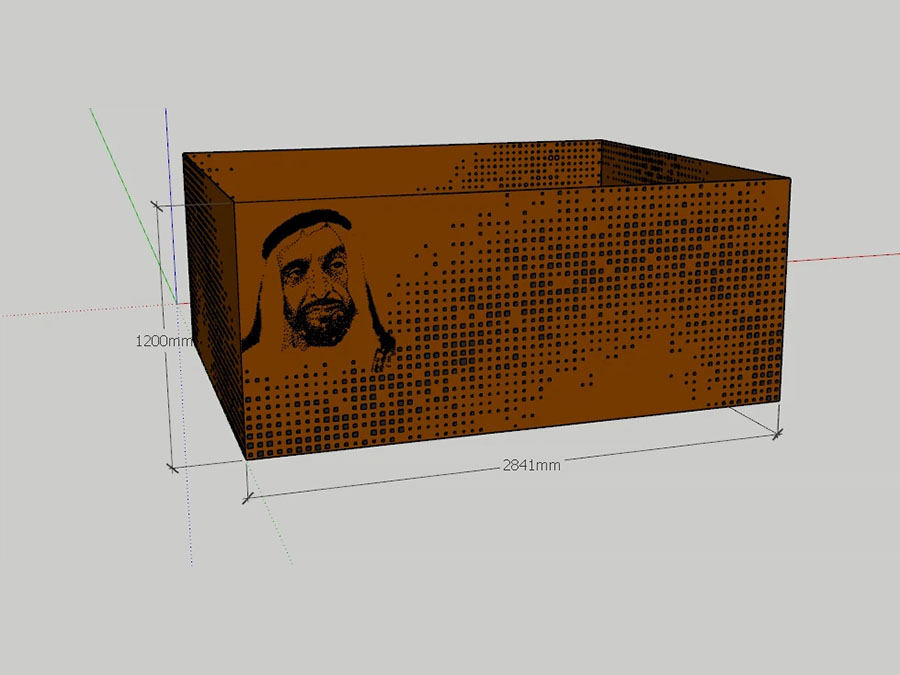
Garden Landscaping: Large outdoor sculptures, flower beds, walls, walkway railings, water feature design components
Interior Decoration: Feature walls, partitions, unique furniture, utilizing its distinctive rust-colored aestheticUnique Visual Aesthetic: The stable reddish-brown rust layer offers an industrial and historical appeal, favored by architects.
1. Initial Rust Control: Before the formation of a stable rust layer (approximately 1–3 years), issues such as rust runoff and contamination of surrounding objects may arise. Techniques like "pre-rusting treatment" can be employed to accelerate the development of a stable rust layer.
2. Environmental Limitations: In high-chloride environments (such as coastal splash zones or areas where deicing salts are heavily used) or strongly acidic or alkaline industrial settings, the corrosion resistance advantages of weathering steel may diminish. Careful evaluation or additional protective measures are required.
3. Design Specifications: When using weathering steel, structural design should prevent water accumulation, dust buildup, and address electrochemical corrosion issues at connections between weathering steel and ordinary steel or other materials.
4. Welding Material Compatibility: During welding, specialized welding materials compatible with the composition and performance of the base weathering steel should be selected to ensure the corrosion resistance of the weld seam.
| Quality Grade | Impact Temperature | Applicable Environment |
|---|---|---|
| A | No requirement | Room temperature, low stress, non-critical structures |
| B | +20°C | General outdoor environments, basic toughness requirements |
| C | 0°C | Cold regions (minimum temperature ≥ -10°C) |
| D | -20°C | Severe cold regions (minimum temperature ≥ -30°C) |
| E | -40°C | Extreme cold regions (minimum temperature ≥ -40°C) |
| Grade | Standard | Yield Strength (ReH) [min, MPa] | Tensile Strength (Rm) [MPa] | Elongation (A) [min, %] | Impact Energy (KV) [min] |
|---|---|---|---|---|---|
| Q235NHC | GB/T 4171 | 235 | 360 - 510 | 25 | 34J (at 0°C, Longitudinal) |
| S235J0W | EN 10025-5 | 235 | 360 - 510 | 26 | 27J (at 0°C, Longitudinal) |
| SMA400AW | JIS G3114 | 245 | 400 - 540 | 22 | 27J (at 0°C, Longitudinal) |
| Q235NHD | GB/T 4171 | 235 | 360 - 510 | 25 | 34J (at -20°C, Longitudinal) |
| S235J2W | EN 10025-5 | 235 | 360 - 510 | 26 | 27J (at -20°C, Longitudinal) |
* Since the requirements for chemical composition, mechanical properties, and corrosion resistance mechanisms vary slightly across different standards, "equivalence" typically refers to similarities in intended use and performance rather than exact identity.
A:
Inland, dry environments: 50+ years (maintenance-free); industrial/suburban environments: 30–50 years; coastal areas with low salt spray: 15–25 years (additional corrosion protection required in areas with high salt spray).
A:
Use with caution. In environments with high salt spray levels or high chloride ion concentrations, the rust layer on standard weathering steel is easily penetrated, accelerating corrosion and potentially leading to pitting or perforation.
A:
It has good welding properties and can be welded using conventional processes such as manual arc welding and gas shielded arc welding.
A:
In normal atmospheric conditions (urban or rural), painting is not required; a stable passivation layer will form after 6–18 months of exposure, providing a corrosion resistance lifespan of 80–100 years.
High-humidity / highly corrosive environments (coastal areas, industrial acid rain, salt spray zones): It is recommended to apply a thin coat of weathering primer initially or to carry out regular maintenance to prevent the early loss of the rust layer.
Concealed / damp, poorly ventilated areas: Waterproofing and anti-corrosion coating must be applied to prevent localised rusting from worsening.
A:
The rate at which the oxidation layer forms depends on climatic conditions. In outdoor environments with significant fluctuations between dry and wet conditions, it typically takes between six months and two years for a stable, dark brown protective layer to form. During the initial stage, rust streaks may form, so care should be taken to protect the surrounding building surfaces.
– We offer free samples and bespoke solutions. Please feel free to enquire about our latest prices and volume discounts.
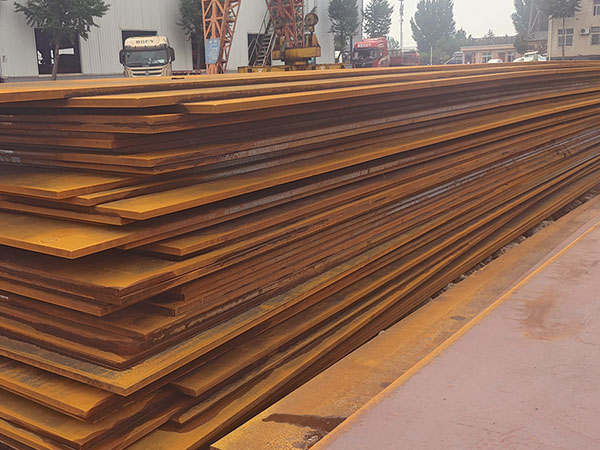
Yuxin Steel provides high-quality steel products to customers in more than 20 countries worldwide.
Contact Info
Would you like to know more about our offers? Please feel free to contact us.