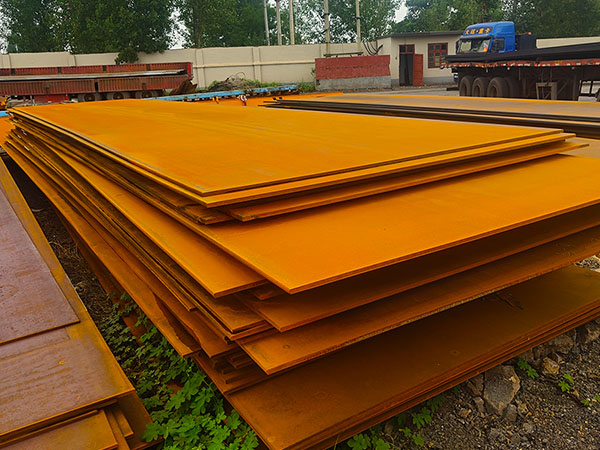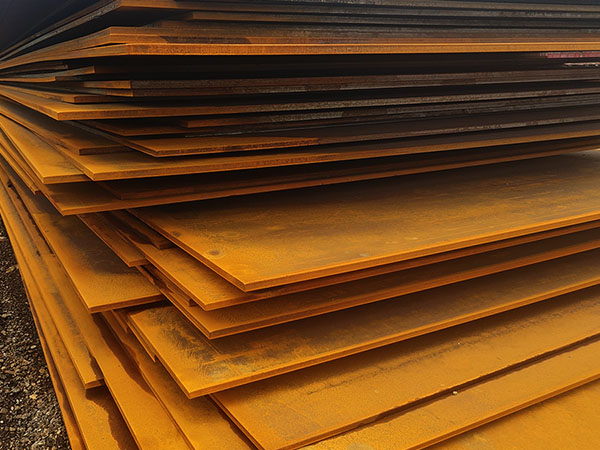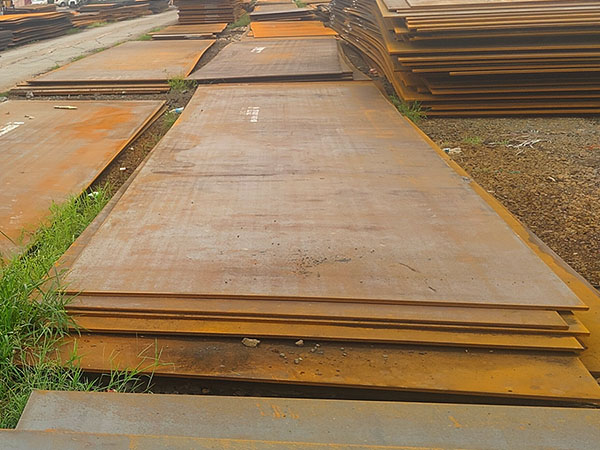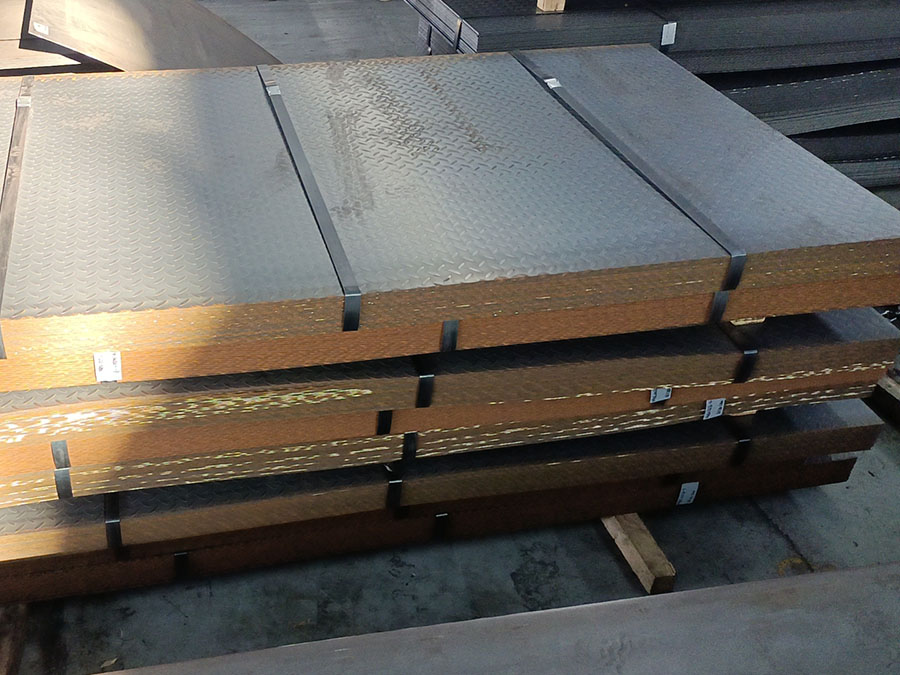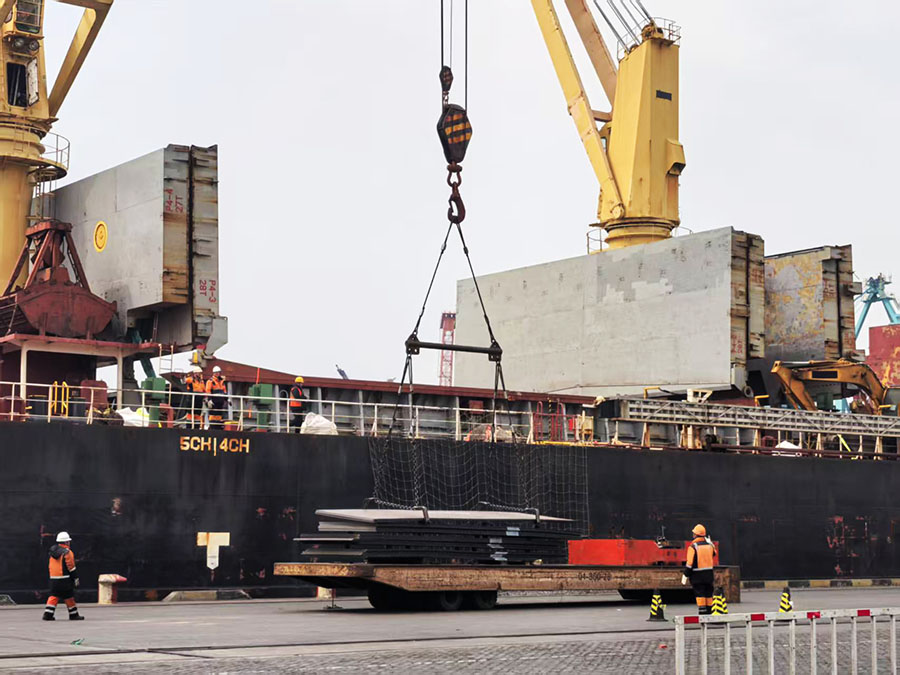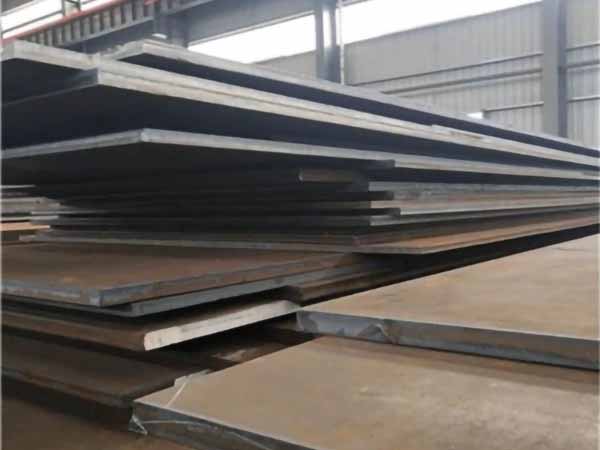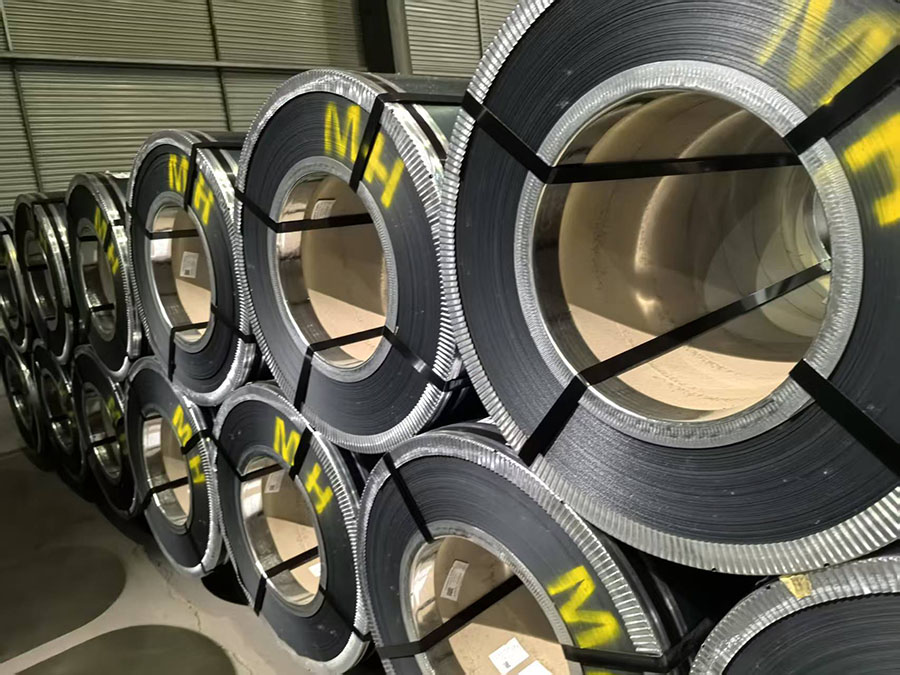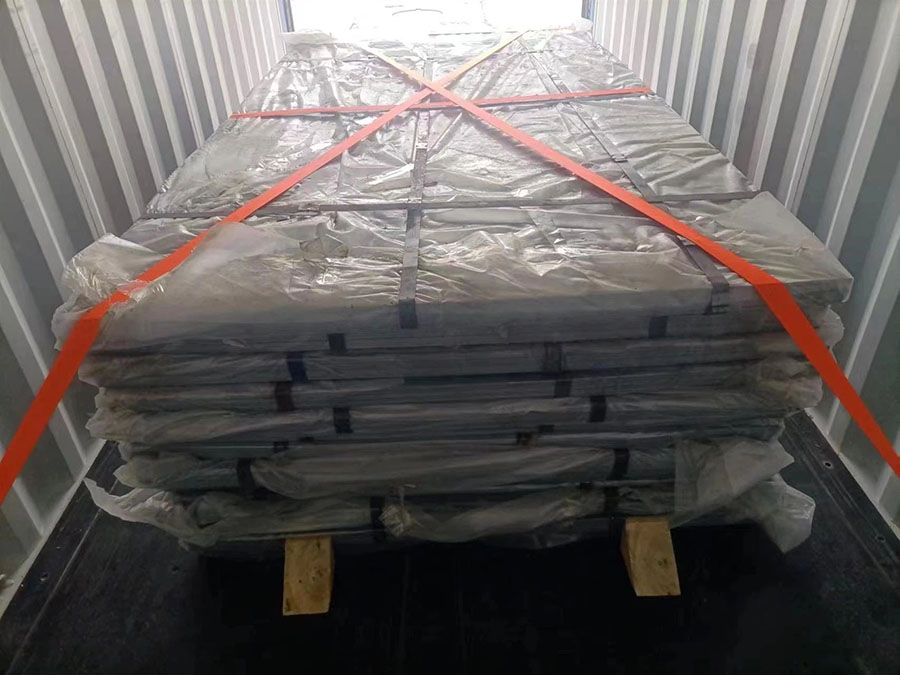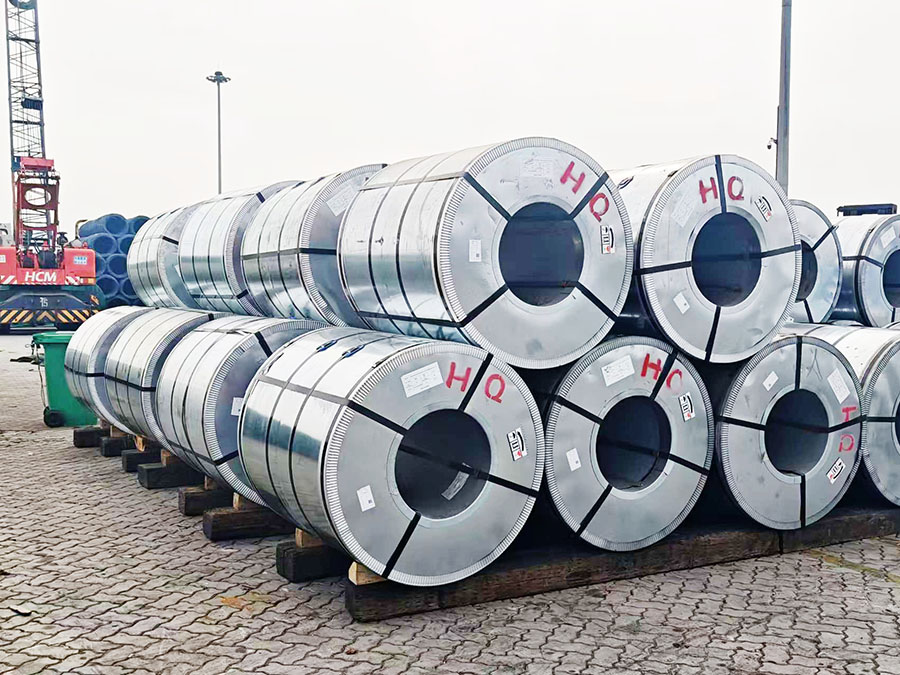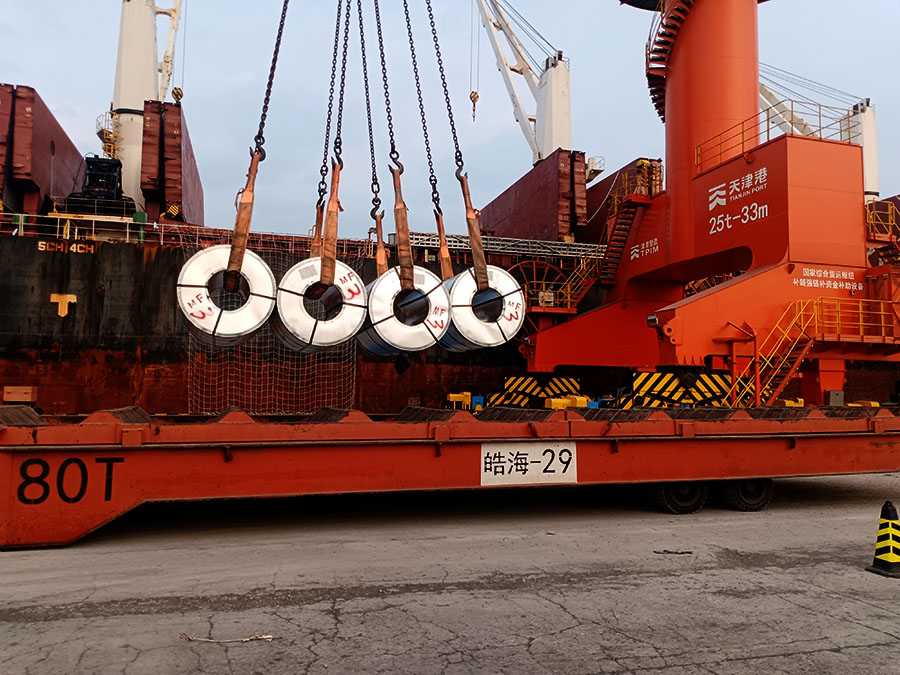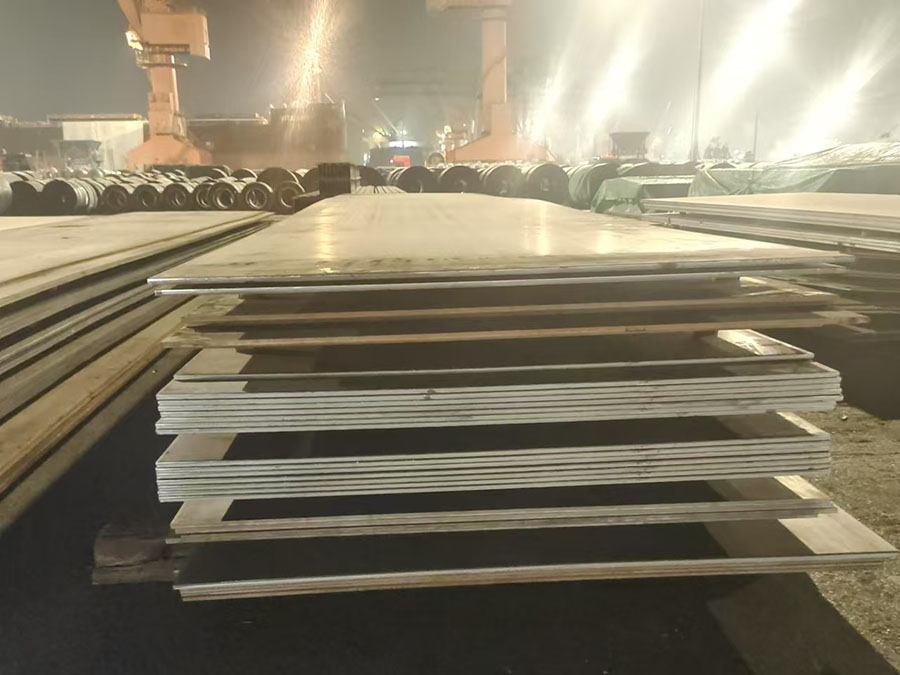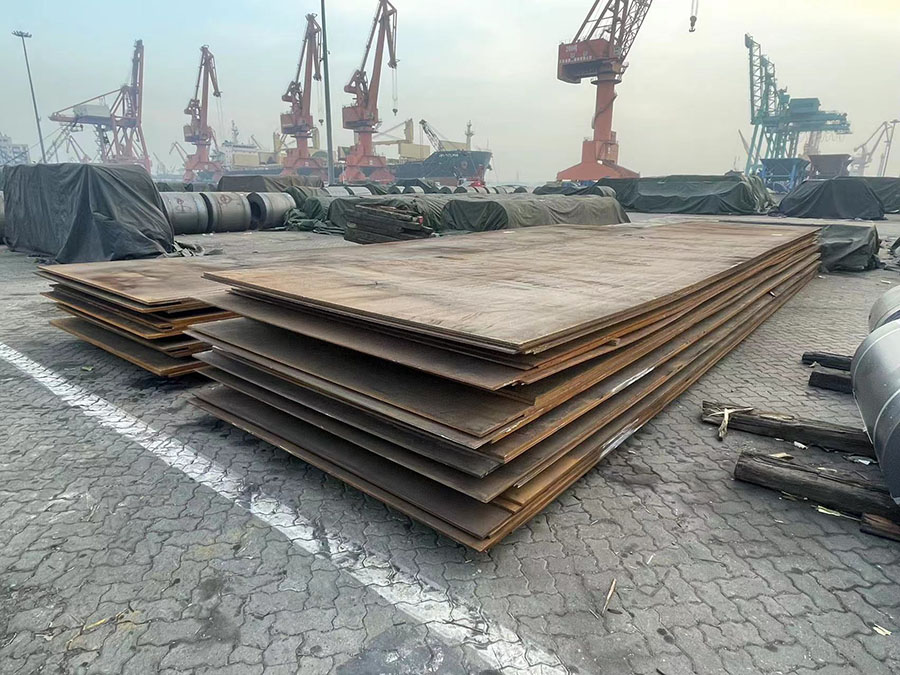
GB/T 4171 Q295NH is a welded weathering steel (Corten Steel) with excellent atmospheric corrosion resistance, which is widely used in the manufacture of steel structural components such as vehicles, bridges, towers, and containers that are exposed to the atmosphere for long-term applications.
Standard :
GB/T 4171Grade :
Q295NHThickness :
6.0 - 200.0 mmWidth :
1500.0 - 4050.0 mmLength :
3000.0 - 15000.0 mmSpecial thickness, width, and length can be negotiated separately.
We also provide customized processing services.If you have any questions, please contact us.
GB/T 4171 Q295NH weather-resistant structural steel plate offers a yield strength of 295 MPa, along with good atmospheric corrosion resistance and excellent weldability. It is widely used in steel structure engineering projects that are exposed to the atmosphere for extended periods, making it an ideal material to replace ordinary carbon steel plates and reduce maintenance costs.
GB/T 4171 Q295NH weathering steel (corten steel) plate is an ideal material that bridges "structural strength" with "long-term corrosion resistance." Its core application logic lies in achieving long-term corrosion protection through the material itself, significantly reducing maintenance costs and workload over the entire life cycle. It is particularly suitable for various engineering structures and equipment manufacturing that are exposed to atmospheric environments, where maintenance is inconvenient, or where industrial aesthetics are desired.
It serves as a cost-effective and efficient choice for outdoor steel structures with high requirements for corrosion resistance. When selecting the material for specific projects, comprehensive determination should be made based on factors such as design strength, corrosion environment, and plate thickness.
| Grade | Q295NH |
|---|---|
| Standard | GB/T 4171 (Atmospheric corrosion resisting structural steel) |
| Quality Grade | A, B, C, D, E (The main difference lies in the varying impact test temperature requirements) |
| Classification | Welding Weathering Steel |
| Delivery Conditions | As Rolled (AR), Normalized (N) or Thermo-Mechanical Controlled Processed (TMCP) |
| Surface Conditions | Generally provided as rolled surface, can be processed as required, such as shot blasting, pickling, etc. |
| Weldability | Good weldability, although attention must be paid to controlling heat input, using matching weathering steel welding materials to preserve the corrosion resistance of the weld area. |
| Machinability | Good machinability, enabling conventional processing such as cutting, bending, and stamping. |
| Quality Control | Certificate of Quality. If required, Ultrasonic testing (UT), Charpy V-notch impact test, Z-direction property test (Grades Z15/Z25/Z35) can be added. |
1. Excellent Life-Cycle Economic Performance:
Although the initial cost is higher than that of ordinary steel, its superior corrosion resistance (2–8 times that of ordinary carbon structural steel) allows it to be used without coating or with simplified coating in most environments. This significantly reduces long-term corrosion maintenance and repainting costs.
2. Safe and Durable:
The protective rust layer effectively slows down the corrosion rate, extending the safe service life of the structure, especially in corrosive environments such as industrial areas and coastal regions.
3. Moderate Strength:
Yield strength ≥ 295 MPa, tensile strength ranging from 390 to 570 MPa, meeting the strength requirements for general steel structures.
4. Good Weldability:
Low carbon equivalent simplifies welding processes. Matching welding materials and appropriate process measures (such as controlling heat input) are required during welding, and no complex post-weld heat treatment is necessary.
5. Good Machinability:
Suitable for conventional processing such as cutting, bending, and stamping.
6. Environmentally Friendly:
Reduces the use of coatings (especially primers containing heavy metals) and solvents, lowering VOC emissions, and better aligning with sustainability requirements.
7. Aesthetically Unique:
Forms a uniform and dense rust-red appearance, offering unique industrial aesthetic value.
| Grade | Q295NH | ||||||||
|---|---|---|---|---|---|---|---|---|---|
| Element | C | Si | Mn | P | S | Cu | Cr | Ni | Nb, V, Ti |
| Content (max, %) | 0.15 | 0.10 - 0.50 | 0.30 - 1.00 | 0.030 | 0.030 | 0.25 - 0.55 | 0.40 - 0.80 | 0.65 | Can be added |
* Calculate using the standard formula recommended by the International Institute of Welding (IIW): CE = C + Mn/6 + (Cr+Mo+V)/5 + (Ni+Cu)/15.
| Grade | Thickness (t) [mm] | Yield Strength (ReH) [min, MPa] | Tensile Strength (Rm) [MPa] | Elongation (A) [min, %] | 180° Bend Test Mandrel Diameter |
|---|---|---|---|---|---|
| Q295NH | t ≤ 6 | 295 | 430 - 560 | 24 | a |
| 6< t ≤ 16 | 295 | 430 - 560 | 24 | 2a | |
| 16 < t ≤ 40 | 285 | 430 - 560 | 24 | 3a | |
| 40 < t ≤ 60 | 275 | 430 - 560 | 23 | 3a | |
| t > 60 | 255 | 430 - 560 | 22 | 3a |
Note: "a" is the thickness of the steel material.
| Quality Grade | Charpy V-notch Impact Test | ||
|---|---|---|---|
| Orientation of test pieces | Temperature (°C) | Impact Energy (KV2 / J) | |
| A | longitudinal | - | - |
| B | longitudinal | +20 | ≥ 47 |
| C | longitudinal | 0 | ≥ 34 |
| D | longitudinal | -20 | ≥ 34 |
| E | longitudinal | -40 | ≥ 27 |
* The main difference lies in the varying impact test temperature requirements, ranging from Grade A (no requirement) to Grade E (-40°C), with progressively increasing demands for low-temperature toughness.
GB/T 4171 Q295NH Weathering Steel (Corten Steel) is mainly used in various steel structure fields that require long-term exposure to the atmosphere, have high demands for durability and maintenance-free performance, or pursue a specific rust aesthetic. It plays an especially important role in infrastructure such as bridges, buildings, and towers.
Railway Vehicles: Structural components such as freight car bodies, sidewalls, end walls, and door panels, which perform excellently in sandy and humid environments, reducing maintenance costs.
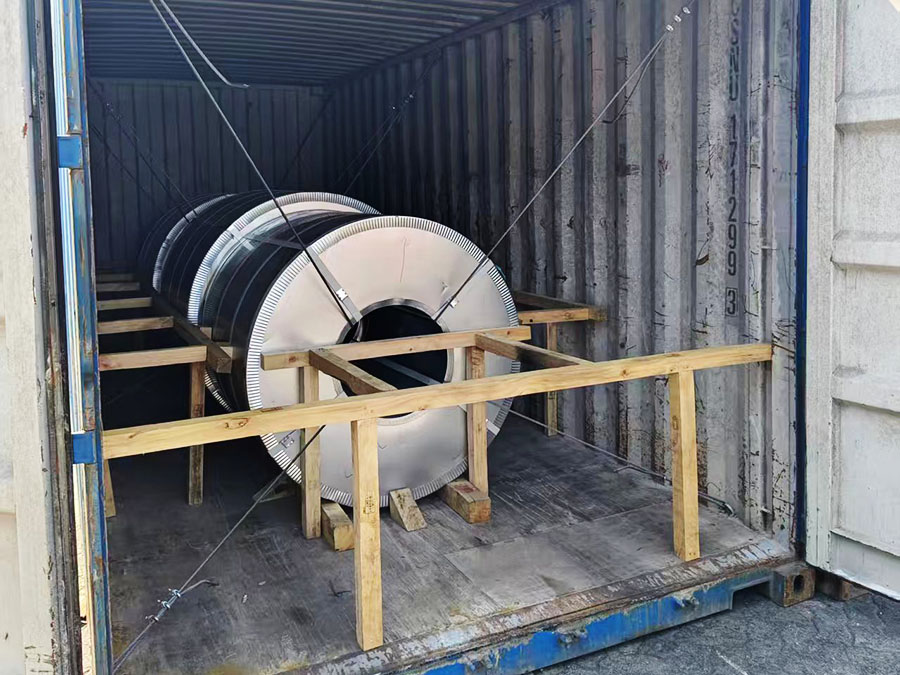
Container Manufacturing: Marine/rail container bodies with salt spray corrosion resistance, extending service life and lowering lifecycle costs.
Road Transport Equipment: Truck bodies and semi-trailer structural components designed for outdoor open-air operating conditions.
Building Structures: Exterior walls, frame structures, and decorative components for high-rise buildings, especially suited for architectural designs pursuing an industrial rust aesthetic. Enables paint-free or reduced painting maintenance.
Bridge Engineering: Load-bearing components, auxiliary structures, and steel box girders for small to medium-sized bridges, performing exceptionally in marine climates or heavily industrialized polluted areas. A case study of a cross-river bridge on the Yangtze River shows a 40% improvement in corrosion resistance of welded joints, achieving 15 years of maintenance-free painting.
Tower Structures: Transmission towers, communication towers, and wind turbine tower sections, with only 0.224mm corrosion after 8 years of service in C5-M high-corrosion environments.
Photovoltaic Facilities: Solar mounting systems, long-term outdoor exposure with significantly reduced maintenance needs due to excellent weather resistance.
Construction Machinery: Excavator bucket ends and structural components for outdoor equipment, designed for harsh working conditions to enhance durability.
Port Machinery: Crane structures and port facility components resistant to marine atmospheric corrosion, extending service life.
Outdoor Guardrails: Highway and municipal road guardrails, combining safety protection with weather-resistant aesthetics.
Storage Tanks and Containers: Medium-low pressure chemical containers and storage silos with corrosion resistance meeting long-term storage requirements.
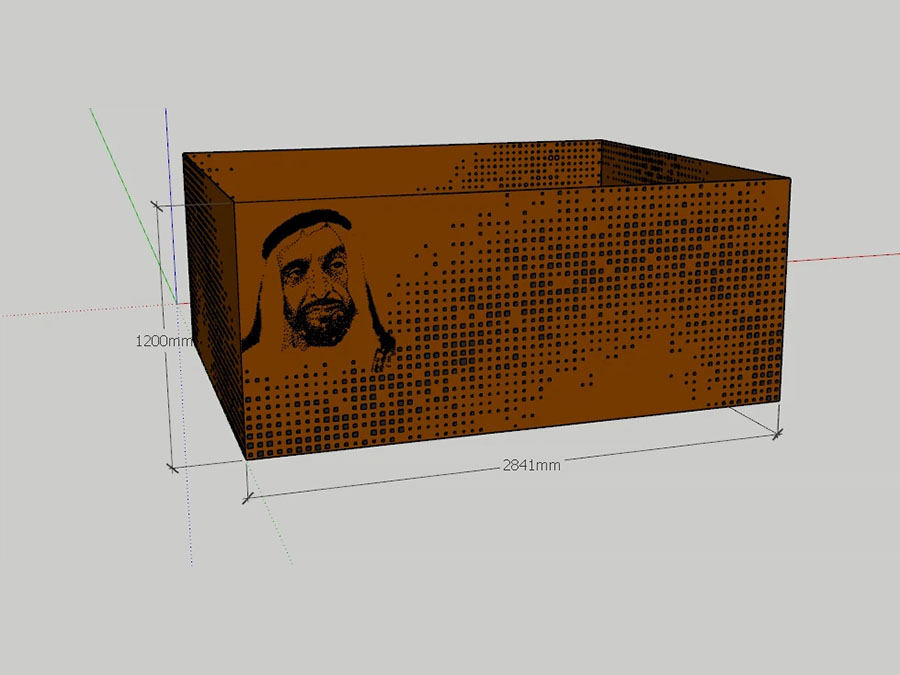
Landscape Art: Weathering steel sculptures, park pergolas, planters, etc., developing a unique rust-red appearance through natural corrosion, blending artistry and durability.
Offshore Platforms: Structural components for nearshore small platforms, resistant to seawater spray erosion and reducing maintenance frequency.
1. Environmental Adaptability: Its atmospheric corrosion resistance performs excellently in dry, less polluted rural and urban atmospheres. When exposed to humid, high-salinity environments (such as coastal spray zones) or strongly acidic or alkaline industrial pollution for extended periods, the advantages of weathering steel diminish, necessitating careful evaluation or additional corrosion protection measures.
2. Initial Treatment: Before the formation of a stable protective rust layer (which typically takes 1–3 years), rust-stained runoff may occur. This should be considered in advance during architectural design and landscape planning. For buildings with aesthetic requirements, a "stabilizing agent for rust layer" is often applied to accelerate the formation of a uniform and visually appealing rust layer.
3. Welding and Processing: Although welding performance is good, it is essential to follow welding procedures suitable for weathering steel and use matching weathering steel welding materials to ensure that the welds exhibit corrosion resistance similar to that of the base material.
4. Connection: Bolts, welding materials, and other connecting components should also use weathering-compatible products, or isolation measures should be taken to prevent galvanic corrosion.
5. Storage: During storage, care should be taken to prevent rainwater accumulation to avoid severe pitting corrosion.
| Quality Grade | Impact Temperature | Applicable Environment |
|---|---|---|
| A | No requirement | Room temperature, low stress, non-critical structures |
| B | +20°C | General outdoor environments, basic toughness requirements |
| C | 0°C | Cold regions (minimum temperature ≥ -10°C) |
| D | -20°C | Severe cold regions (minimum temperature ≥ -30°C) |
| E | -40°C | Extreme cold regions (minimum temperature ≥ -40°C) |
A:
Inland, dry environments: 50+ years (maintenance-free); industrial/suburban environments: 30–50 years; coastal areas with low salt spray: 15–25 years (additional corrosion protection required in areas with high salt spray).
A:
Use with caution. In environments with high salt spray levels or high chloride ion concentrations, the rust layer on standard weathering steel is easily penetrated, accelerating corrosion and potentially leading to pitting or perforation.
A:
It has good welding properties and can be welded using conventional processes such as manual arc welding and gas shielded arc welding.
A:
In normal atmospheric conditions (urban or rural), painting is not required; a stable passivation layer will form after 6–18 months of exposure, providing a corrosion resistance lifespan of 80–100 years.
High-humidity / highly corrosive environments (coastal areas, industrial acid rain, salt spray zones): It is recommended to apply a thin coat of weathering primer initially or to carry out regular maintenance to prevent the early loss of the rust layer.
Concealed / damp, poorly ventilated areas: Waterproofing and anti-corrosion coating must be applied to prevent localised rusting from worsening.
A:
The rate at which the oxidation layer forms depends on climatic conditions. In outdoor environments with significant fluctuations between dry and wet conditions, it typically takes between six months and two years for a stable, dark brown protective layer to form. During the initial stage, rust streaks may form, so care should be taken to protect the surrounding building surfaces.
– We offer free samples and bespoke solutions. Please feel free to enquire about our latest prices and volume discounts.
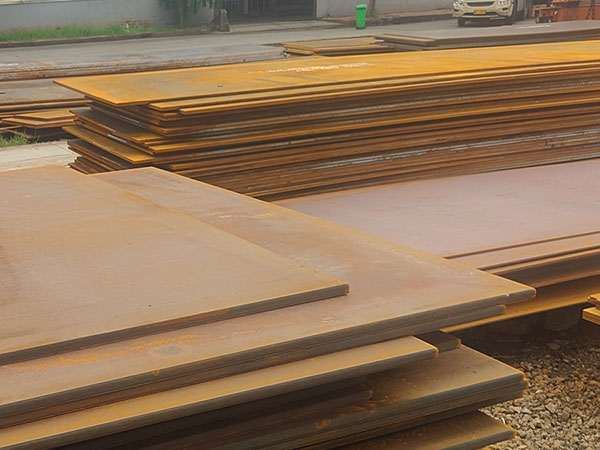
Yuxin Steel provides high-quality steel products to customers in more than 20 countries worldwide.
Contact Info
Would you like to know more about our offers? Please feel free to contact us.