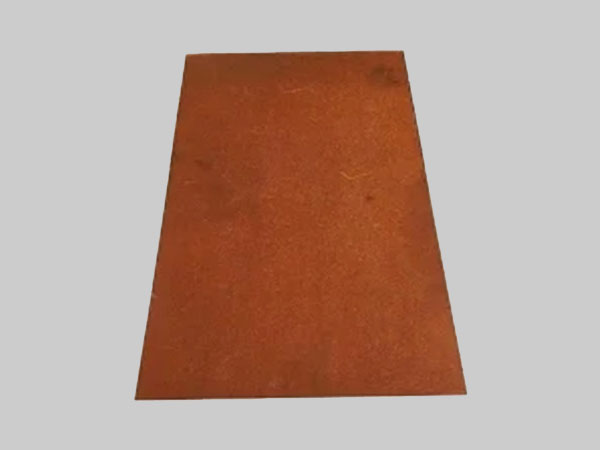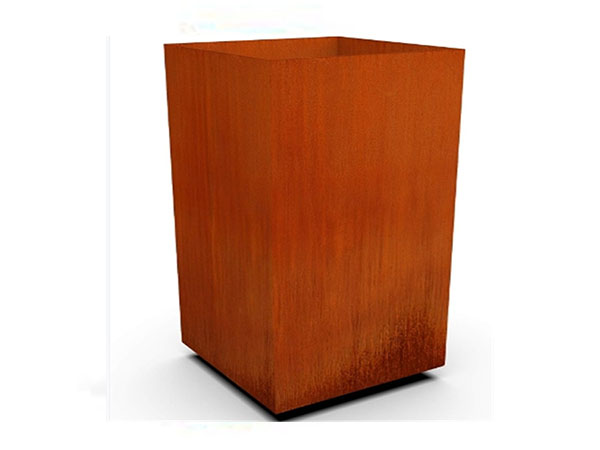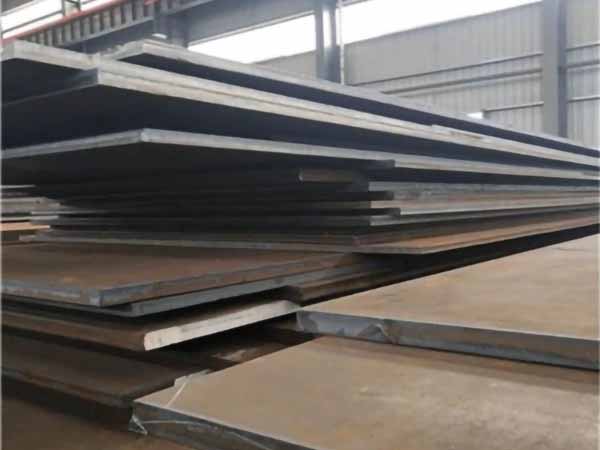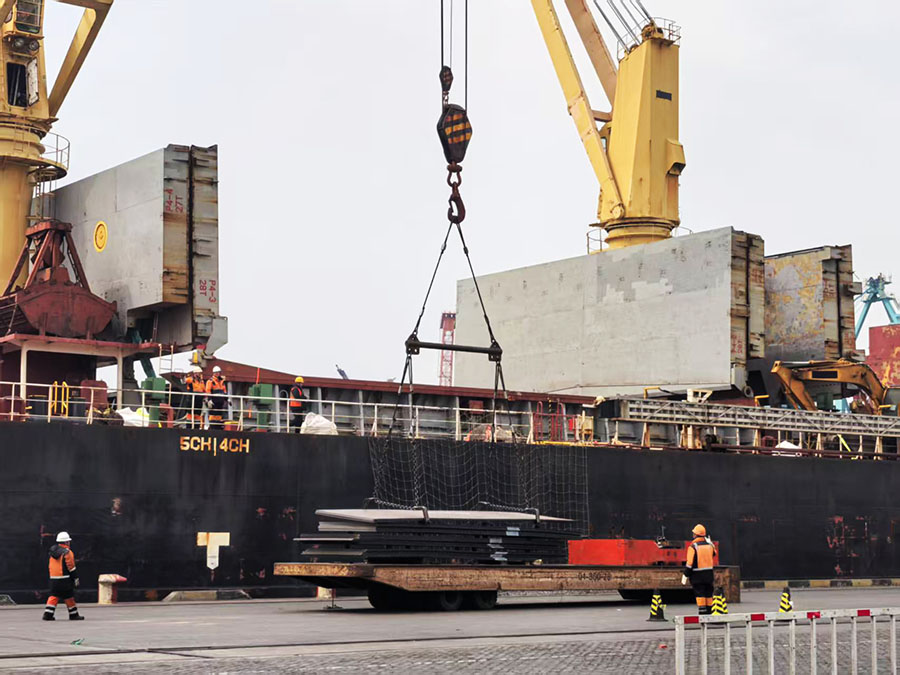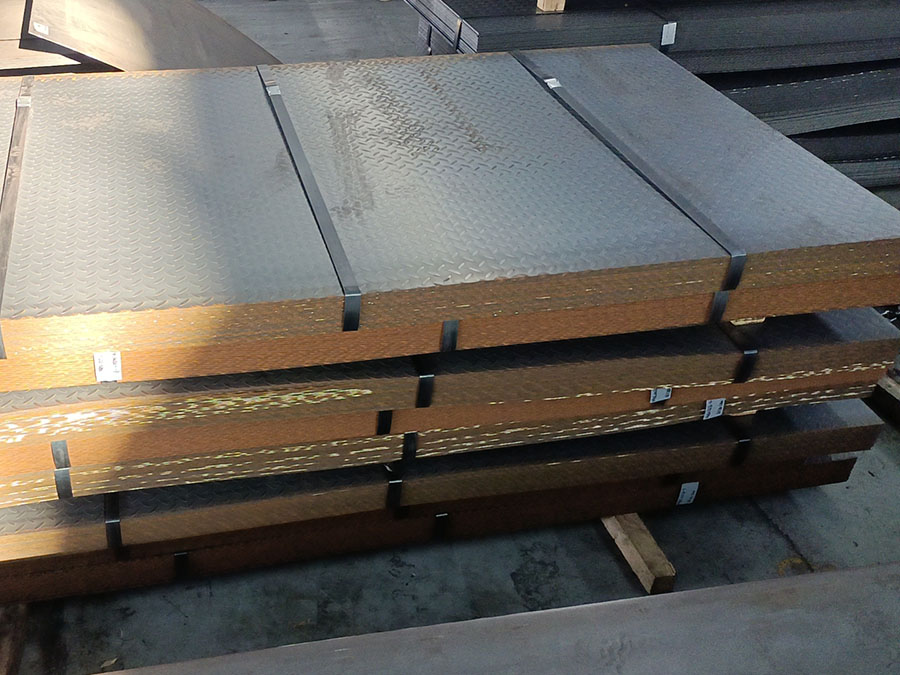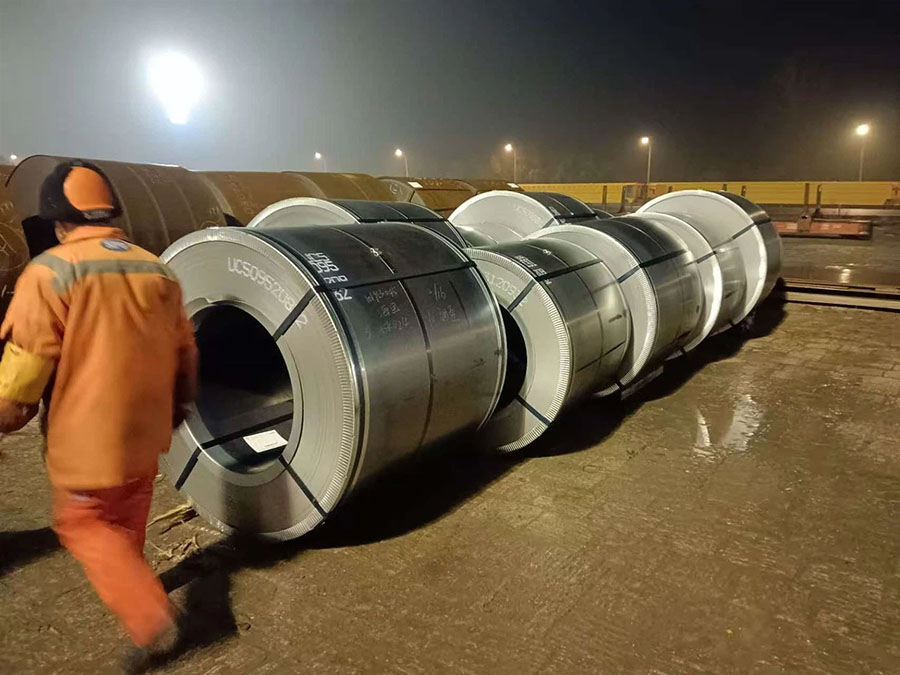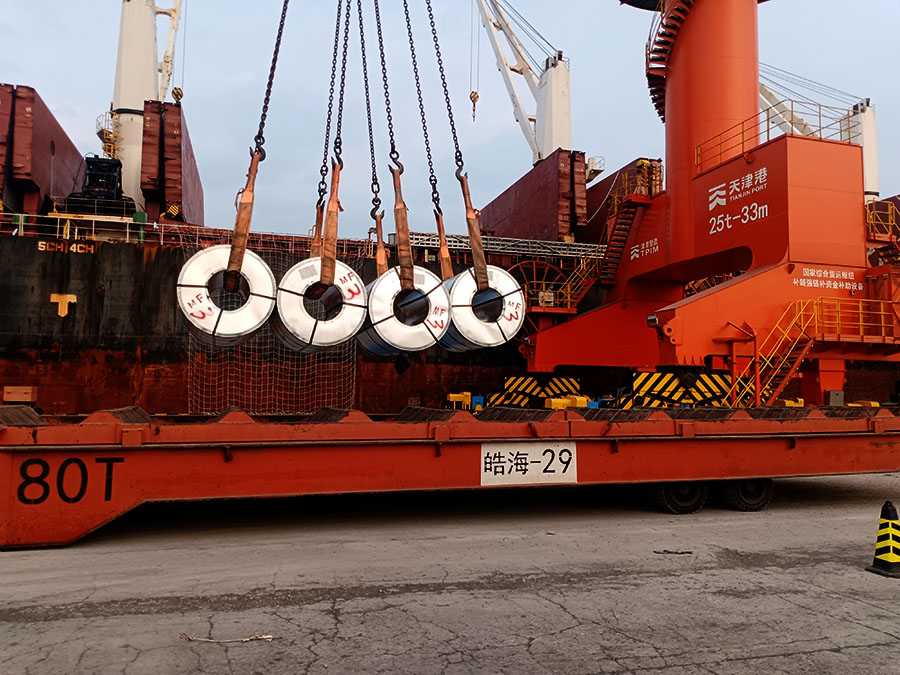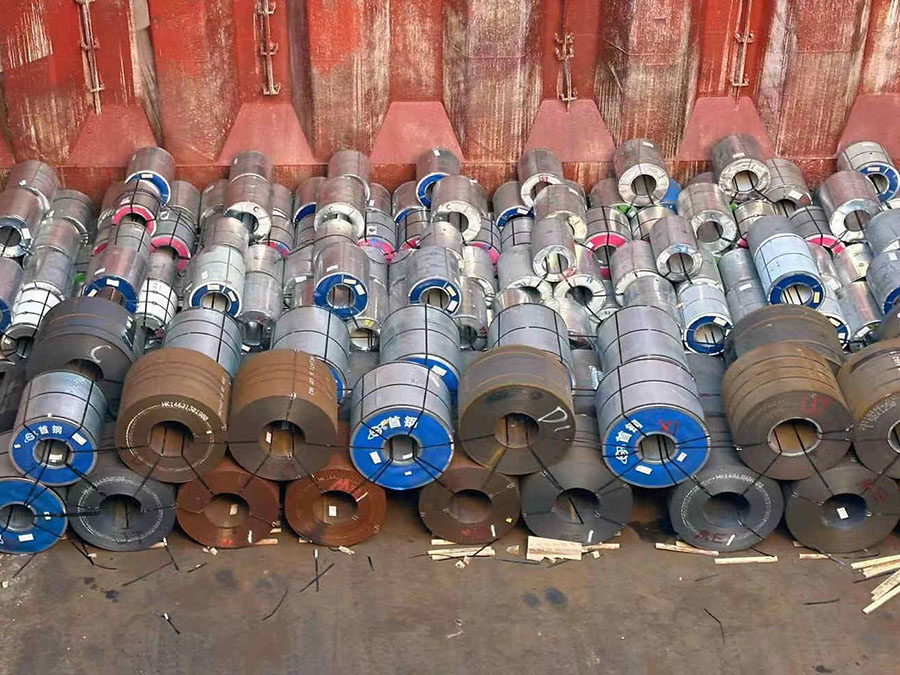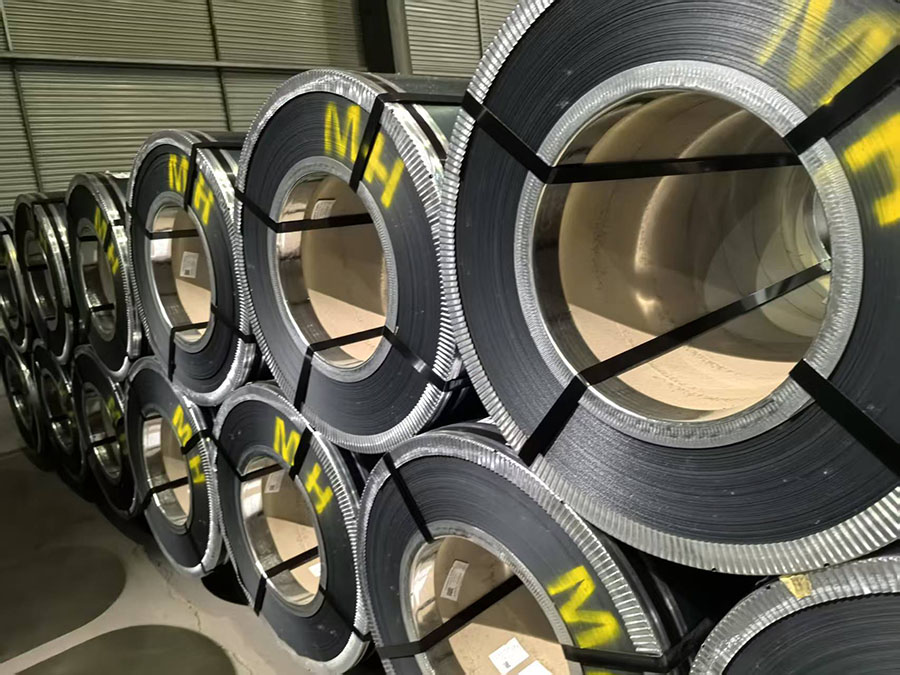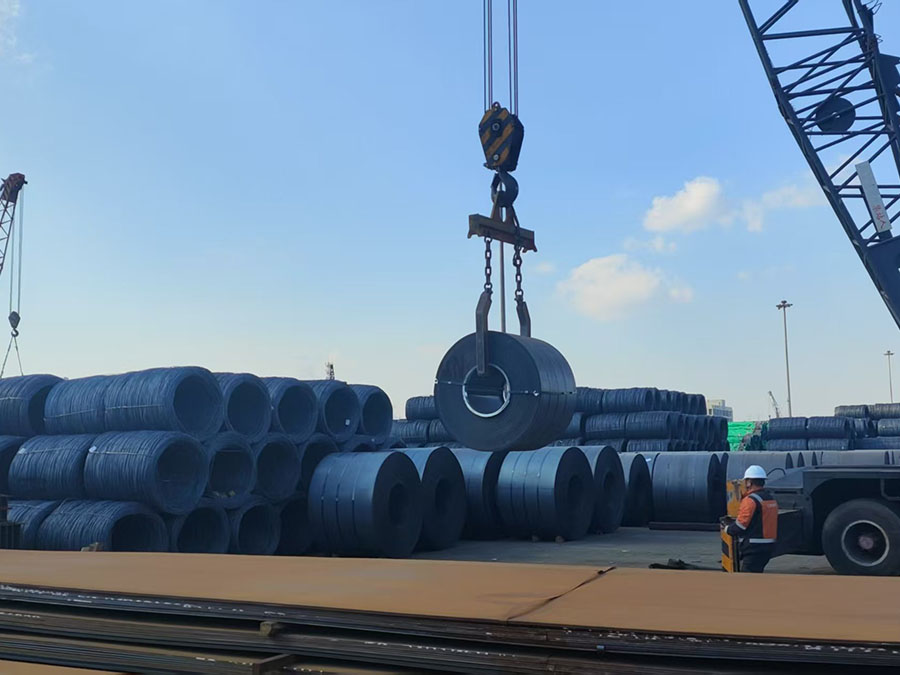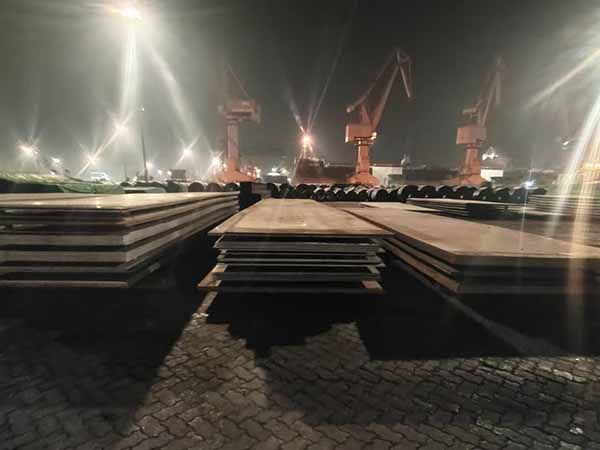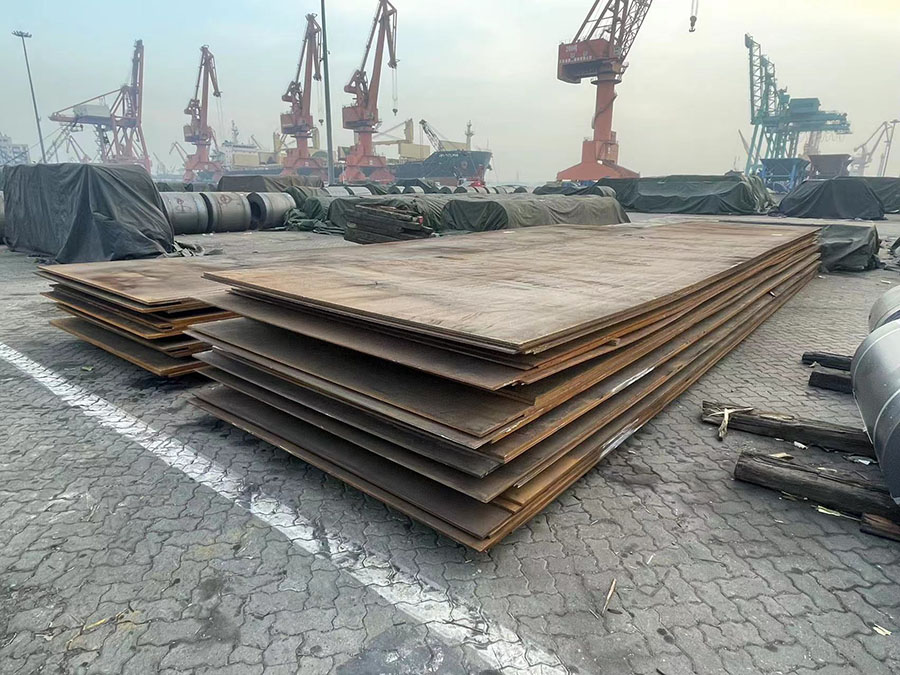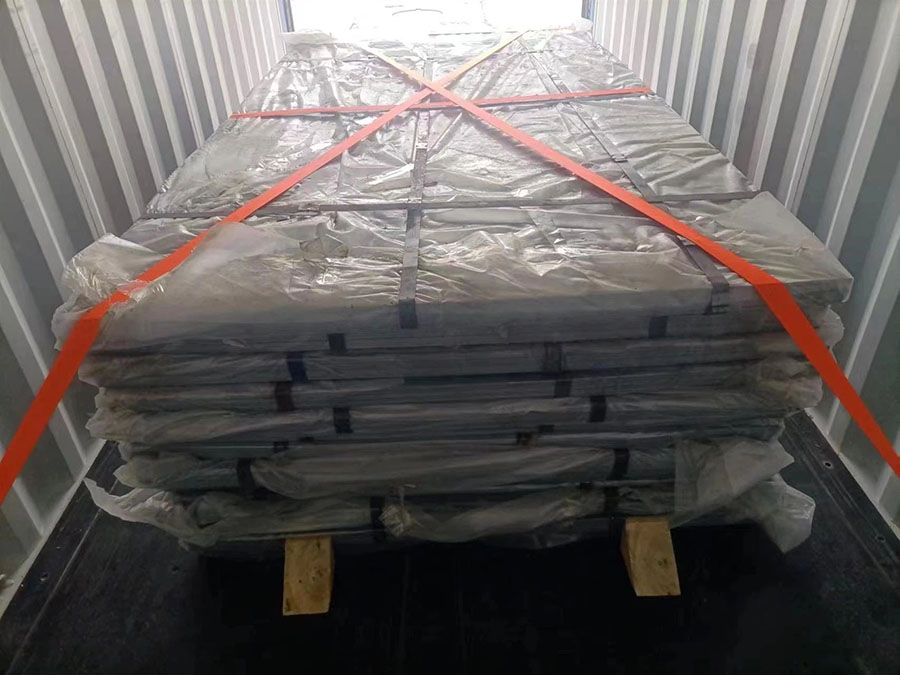
S355K2W is a type of improved weathering structural steel defined in the European standard EN 10025-5, also known as a type of Corten steel. It is commonly used in structures such as buildings, bridges, railway vehicles, and containers that are exposed to the atmosphere outdoors for extended periods.
Standard :
EN 10025-5Grade :
S355K2WThickness :
6.0 - 200.0 mmWidth :
1500.0 - 4050.0 mmLength :
3000.0 - 15000.0 mmSpecial thickness, width, and length can be negotiated separately.
We also provide customized processing services.If you have any questions, please contact us.
S355K2W is an improved weathering structural steel that complies with the European standard EN 10025-5 for atmospheric corrosion-resistant structural steel. It is also known as weathering steel or Corten steel. Compared to other grades of weathering steel in the S355W series, it offers higher impact energy at -20°C (≥40 J).
It resists atmospheric corrosion by forming a protective rust layer on its own. This makes it particularly suitable for outdoor structural engineering in cold climates, where low maintenance costs, long service life, and specific aesthetic effects are desired. It is commonly used in buildings, bridges, railway vehicles, containers, and other structures that are exposed to the atmosphere for extended periods.
By adding alloying elements such as copper and chromium, S355K2W forms a dense, stable, and strongly adherent oxide layer (patina) in atmospheric environments, effectively preventing further corrosion. Its weather resistance is typically 4 to 6 times that of ordinary carbon steel, especially excelling in industrial, marine, and rural atmospheric environments.
| Grade | S355K2W |
|---|---|
| Standard | EN10025-5 (Hot rolled products of structural steels - Part 5: Technicaldelivery conditions for structural steels with improved atmospheric corrosion resistance) |
| Classification | Weather-resistant Structural Steel |
| Delivery Conditions | As Rolled (+AR), Normalized (+N) or Thermomechanically Rolled (+M) |
| Core Advantages | Excellent atmospheric corrosion resistance (4 - 6 times higher than ordinary carbon steel), high strength, low temperature toughness at -20°C and low maintenance cost. |
| Weldability | Good weldability, conventional welding methods (such as MAG, SMAW, etc.) are typically employed without the need for preheating. Matching weathering steel electrodes should be selected to avoid compromising the weather resistance of the joint. |
| Machinability | Good performance in cold bending, stamping, and cutting. |
| Quality Control | Provide the material certificate. If required, Charpy V-notch impact test, and Z-direction property test (Grades Z15/Z25/Z35) can be added. |
| Application Scenarios | Bridge Engineering, Building Structures, Power Facilities, Transportation Equipment, Landscape Sculpture, etc. for outdoor environments as low as -20°C |
1. Excellent atmospheric corrosion resistance: The corrosion resistance is 4-6 times that of ordinary carbon steel, depending on the environment (rural, urban, industrial, marine).
2. Better mechanical properties: Yield strength ≥355 MPa, tensile strength of 470-630 MPa, and impact energy ≥40 J at -20°C.
3. Weldability: Good welding performance, but specific weathering steel welding procedures must be followed (e.g., using matching weathering electrodes, controlling heat input, etc.) to maintain corrosion resistance in the welded areas.
4. Ease of processing: Can be cut, bent, welded, etc., with good formability.
5. No need for painting and low maintenance costs: Under suitable environments, painting can be omitted or the painting maintenance cycle can be significantly extended, greatly reducing maintenance costs over the entire lifecycle.
6. Environmentally friendly and economical: Reduces pollution related to coatings, extends service life, and offers lower lifecycle costs.
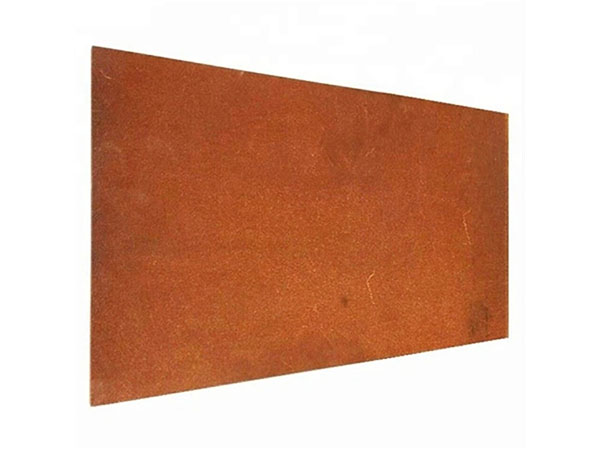
7. Unique industrial aesthetic: Over time, the steel surface develops a distinctive, uniform rust-red or dark brown appearance, which holds industrial aesthetic value.
| Grade | S355K2W | ||||||||
|---|---|---|---|---|---|---|---|---|---|
| Element | C | Si | Mn | P | S | N | Addition of nitrogen binding elements | Cr | Cu |
| Content (max, %) | 0.16 | 0.50 | 0.50 - 1.50 | 0.030 | 0.030 | - | yes | 0.40 - 0.80 | 0.25 - 0.55 |
Carbon Equivalent: CEV ≤ 0.52%
Calculate using the International Institute of Welding (IIW) formula: CEV = C + Mn/6 + (Cr+Mo+V)/5 + (Ni+Cu)/15
| Grade | Thickness (t) [mm] | Yield Strength (ReH) [min, MPa] | Tensile Strength (Rm) [MPa] | Elongation (A) [min, %] | Impact Energy (KV) [min] |
|---|---|---|---|---|---|
| S355K2W | t ≤ 16 | 355 | 470 - 630 | 22 | 40J (at -20°C, Longitudinal) |
| 16 < t ≤ 40 | 345 | 470 - 630 | 22 | 40J (at -20°C, Longitudinal) | |
| 40 < t ≤ 63 | 335 | 470 - 630 | 21 | 40J (at -20°C, Longitudinal) | |
| 63 < t ≤ 80 | 325 | 470 - 630 | 20 | 40J (at -20°C, Longitudinal) | |
| 80 < t ≤ 100 | 315 | 470 - 630 | 20 | 40J (at -20°C, Longitudinal) | |
| 100 < t ≤ 150 | 295 | 450 - 600 | 18 | 40J (at -20°C, Longitudinal) |
S355K2W Weathering Steel Plate (Corten Steel Plate) is particularly suitable for structural engineering in cold climates where long-term exposure to the atmosphere is required, keeping maintenance difficult or in the pursuit of specific aesthetic effects.
1. Bridges: Especially external structures such as trusses and box girders of railway bridges and highway bridges.
2. Exposed architectural structures: Supporting structures for building curtain walls, roof trusses of stadiums, and steel frameworks of exhibition centers and art galleries.
3. Tower structures: Transmission towers, communication towers, and lighthouses.
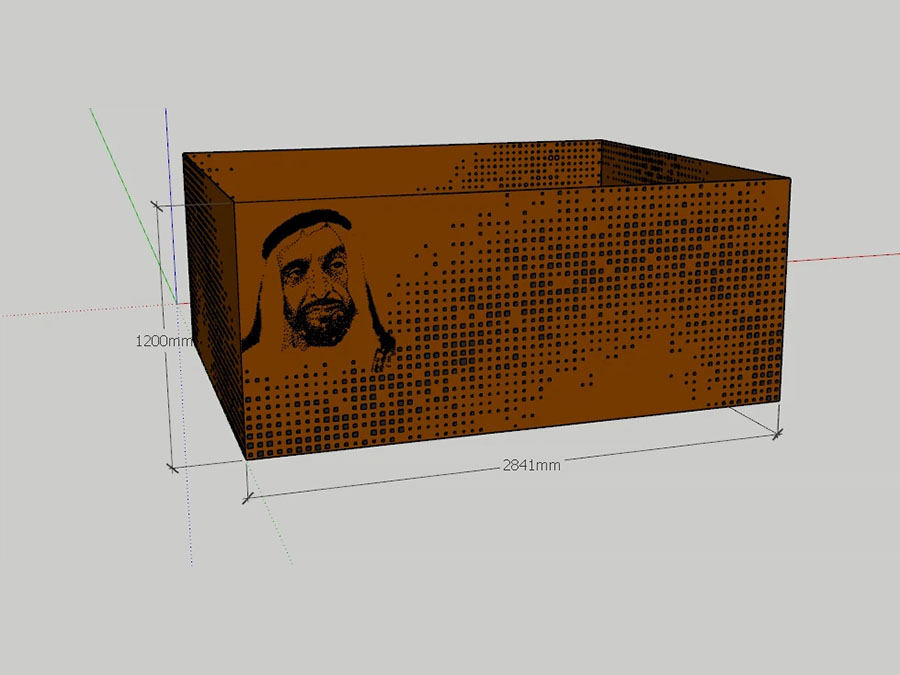
4. Sculptures and art installations: Utilizing the aesthetic effect of natural rusting.
5. Shipping containers and cargo equipment.
Usage Precautions
1. Environmental Suitability: The weather resistance performs well in rural, urban, or industrial atmospheric environments. However, in continuously humid, salt spray (coastal), highly chemically polluted, or long-term immersion environments, the protective rust layer may not form stably or may be damaged, which will accelerate corrosion rates. In such cases, additional protective measures may be required.
2. “Runoff Rust Water” Phenomenon: During the initial stabilization period of the rust layer (which typically takes several years), rainwater may wash away iron-containing runoff water, potentially staining surrounding walls or ground. Drainage design or initial diversion measures should be considered.
3. Welding and Processing: The material exhibits good weldability, but the welding materials (electrodes, wires) should be compatible with it. Weathering steel-specific welding materials are typically recommended to maintain corrosion resistance in the weld area. After processing (cutting, drilling), the exposed fresh metal edges may have slightly reduced corrosion resistance.
4. Contact with Other Materials: Direct contact with less active metals, such as stainless steel or copper, should be avoided to prevent galvanic corrosion. Additionally, prolonged contact with ordinary carbon steel should be avoided, as corrosion products from carbon steel may contaminate and affect the protective rust layer.
| Grade | Yield Strength (MPa) | Impact Temperature | Impact Energy Requirement | Contains "P" Strengthening? | Weathering Characteristics | Typical Application Scenarios |
|---|---|---|---|---|---|---|
| S355J0W | ≥355 | 0°C | ≥27 J | No | Basic weathering steel, Cu+Cr alloy system | Bridges, buildings, general outdoor structures |
| S355J0WP | ≥355 | 0°C | ≥27 J | Yes | Higher corrosion resistance (especially in initial stages) | Containers, high-humidity/industrial atmospheric environments |
| S355J2W | ≥355 | -20°C | ≥27 J | No | Comparable to J0W, but with better low-temperature toughness | Bridges in cold regions, northern engineering projects |
| S355J2WP | ≥355 | -20°C | ≥27 J | Yes | High corrosion resistance + low-temperature toughness | Harsh environments like marine/cold composite conditions |
| S355K2W | ≥355 | -20°C | ≥40 J | No | Similar to J2W, but with higher impact energy | High-safety-grade structures (e.g., seismic-resistant, heavy-load applications) |
| Grade | Standard | Yield Strength (ReH) [min, MPa] | Tensile Strength (Rm) [MPa] | Elongation (A) [min, %] | Impact Energy (KV) [min] |
|---|---|---|---|---|---|
| S355K2W | EN 10025-5 | 355 | 470 - 630 | 22 | 40J (at -20°C, Longitudinal) |
| Q355NHD | GB/T 4171 | 355 | 490 - 630 | 22 | 34J (at -20°C, Longitudinal) |
| A588 Grade A/B | ASTM A588/A588M | 345 | ≥ 485 | 21 | - |
| SMA490AW | JIS G3114 | 325 | 490 - 610 | 17 | - |
* Since the requirements for chemical composition, mechanical properties, and corrosion resistance mechanisms vary slightly across different standards, "equivalence" typically refers to similarities in intended use and performance rather than exact identity.
A:
Inland, dry environments: 50+ years (maintenance-free); industrial/suburban environments: 30–50 years; coastal areas with low salt spray: 15–25 years (additional corrosion protection required in areas with high salt spray).
A:
Use with caution. In environments with high salt spray levels or high chloride ion concentrations, the rust layer on standard weathering steel is easily penetrated, accelerating corrosion and potentially leading to pitting or perforation.
A:
It has good welding properties and can be welded using conventional processes such as manual arc welding and gas shielded arc welding.
A:
In normal atmospheric conditions (urban or rural), painting is not required; a stable passivation layer will form after 6–18 months of exposure, providing a corrosion resistance lifespan of 80–100 years.
High-humidity / highly corrosive environments (coastal areas, industrial acid rain, salt spray zones): It is recommended to apply a thin coat of weathering primer initially or to carry out regular maintenance to prevent the early loss of the rust layer.
Concealed / damp, poorly ventilated areas: Waterproofing and anti-corrosion coating must be applied to prevent localised rusting from worsening.
A:
The rate at which the oxidation layer forms depends on climatic conditions. In outdoor environments with significant fluctuations between dry and wet conditions, it typically takes between six months and two years for a stable, dark brown protective layer to form. During the initial stage, rust streaks may form, so care should be taken to protect the surrounding building surfaces.
– We offer free samples and bespoke solutions. Please feel free to enquire about our latest prices and volume discounts.
Yuxin Steel provides high-quality steel products to customers in more than 20 countries worldwide.
Contact Info
Would you like to know more about our offers? Please feel free to contact us.