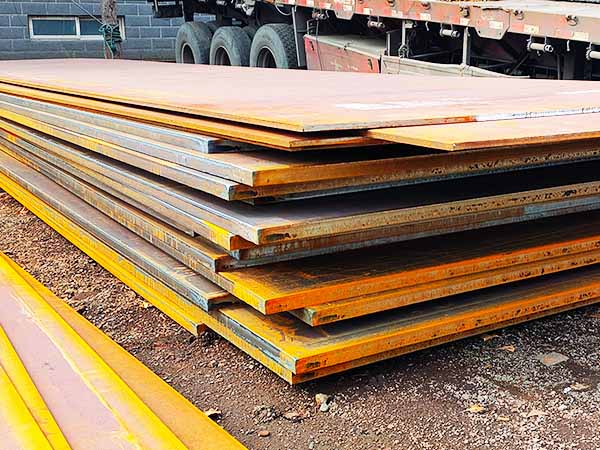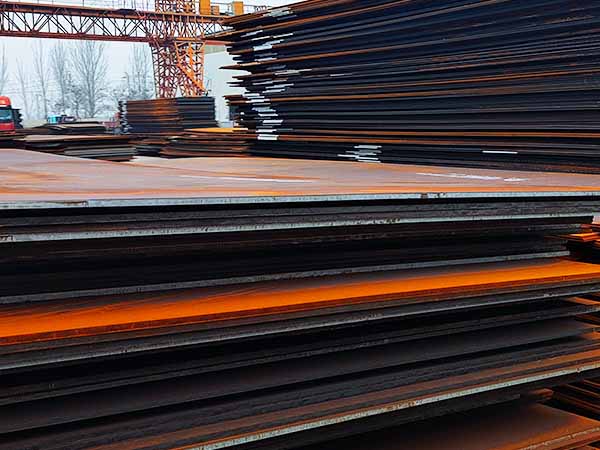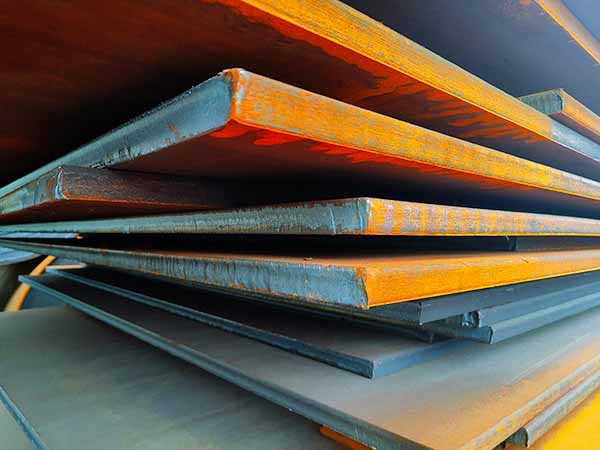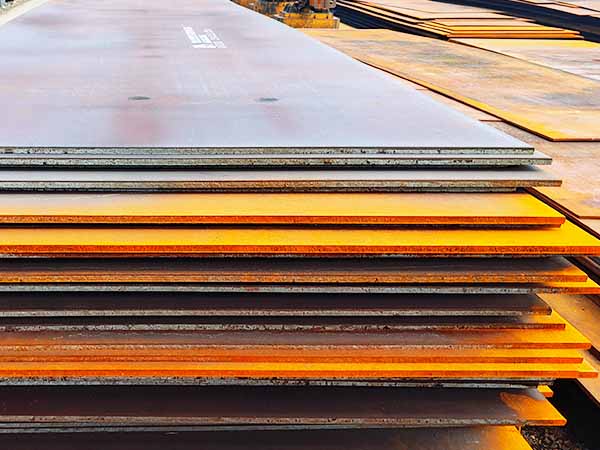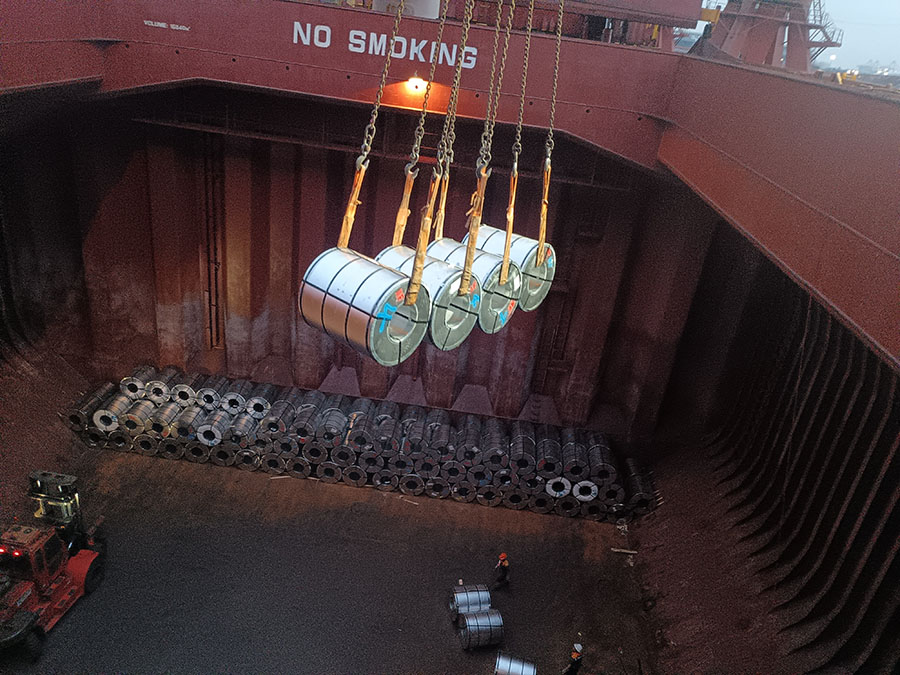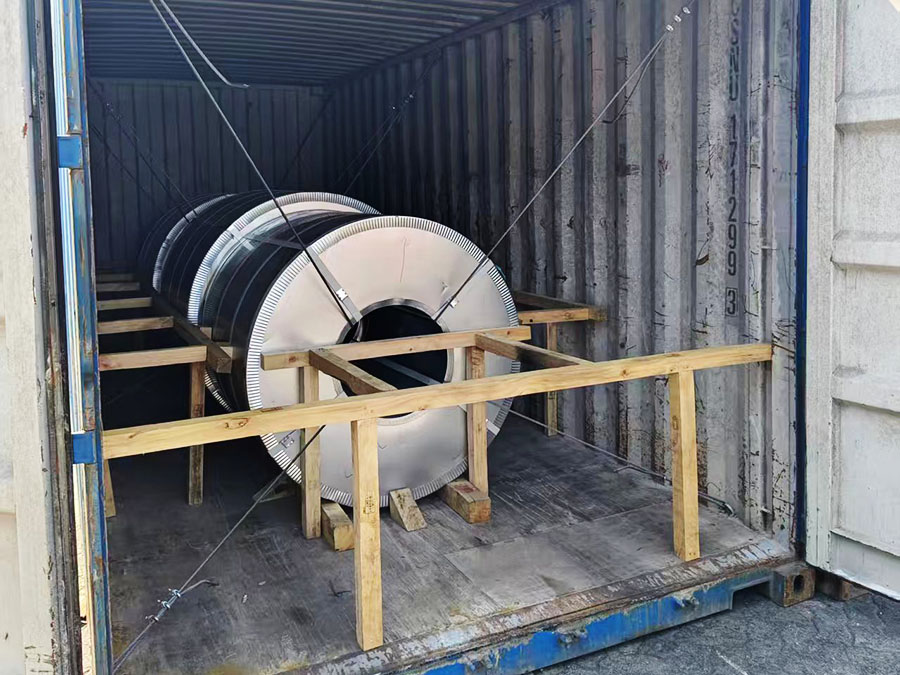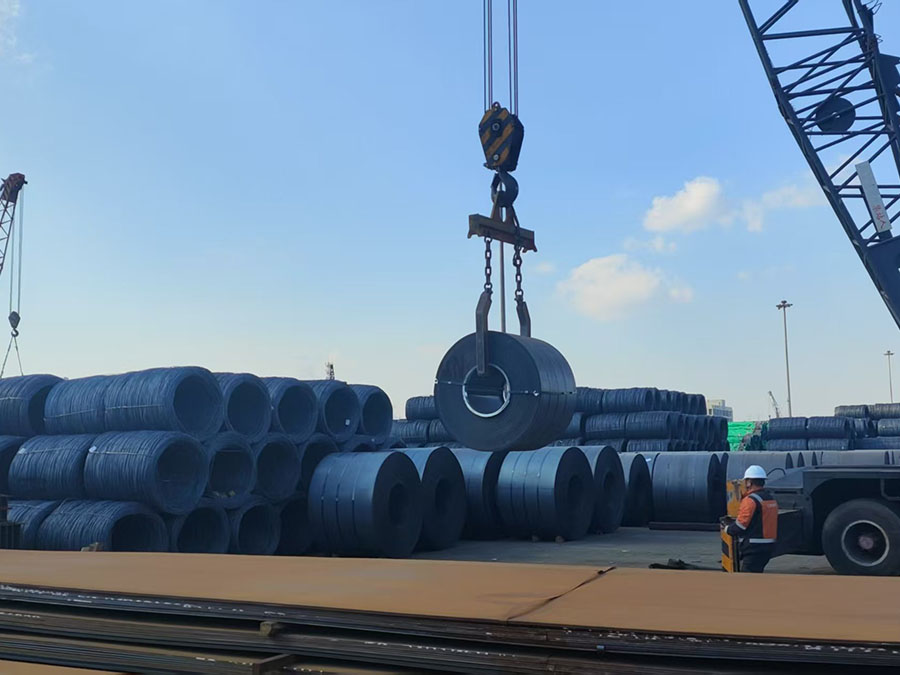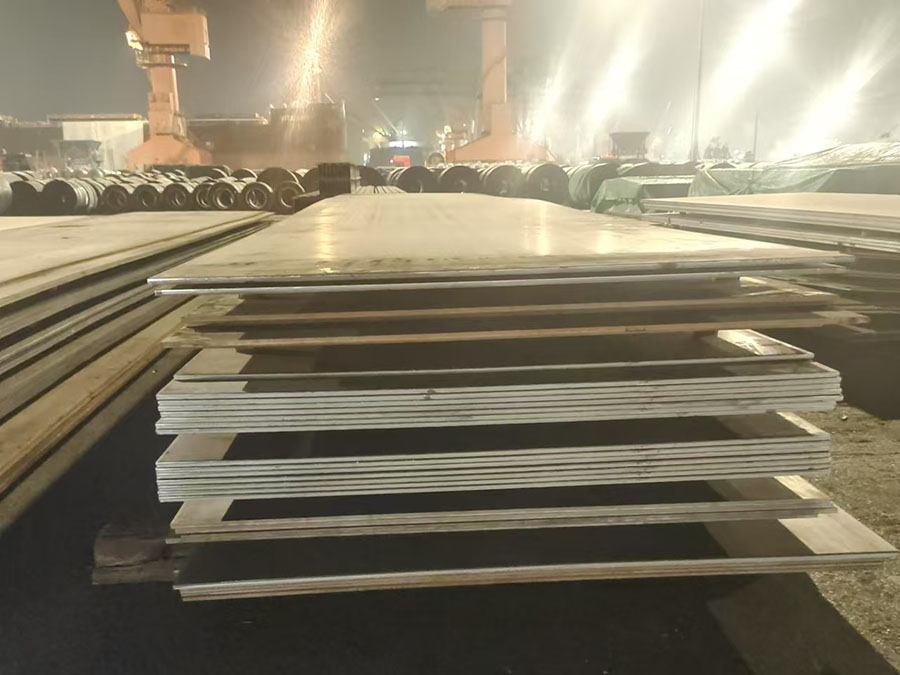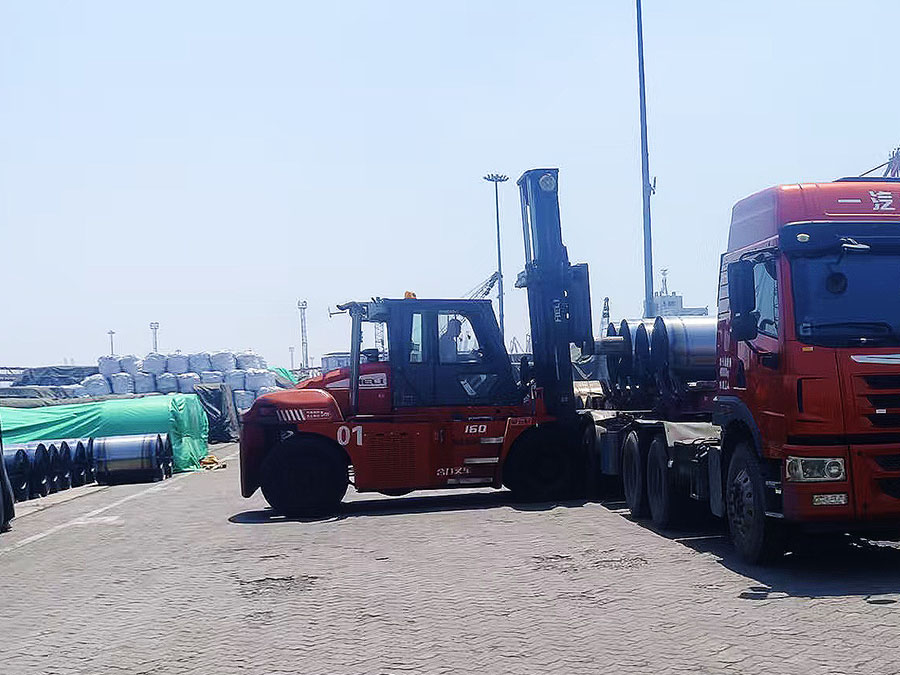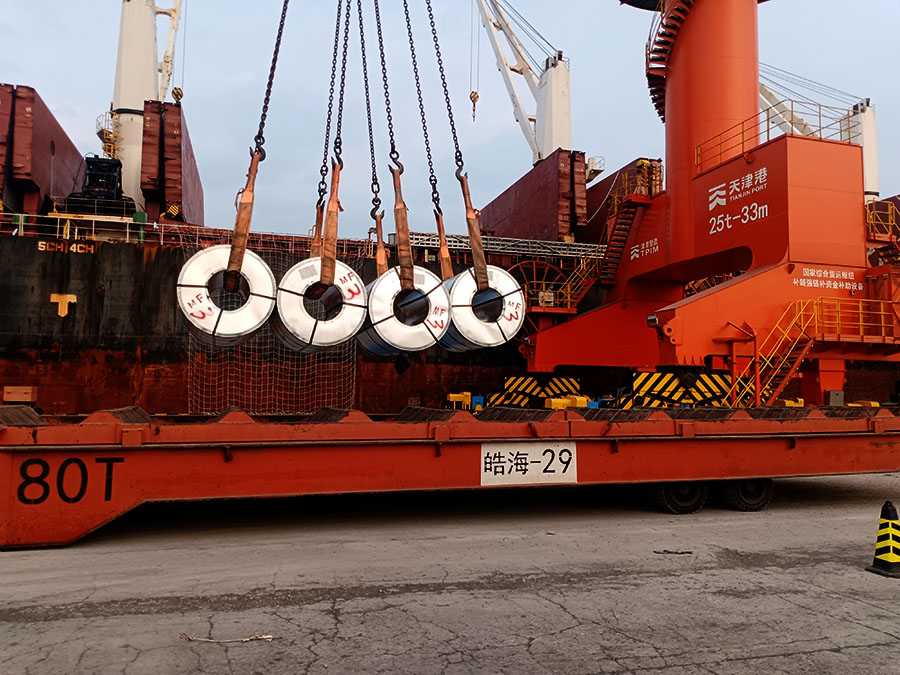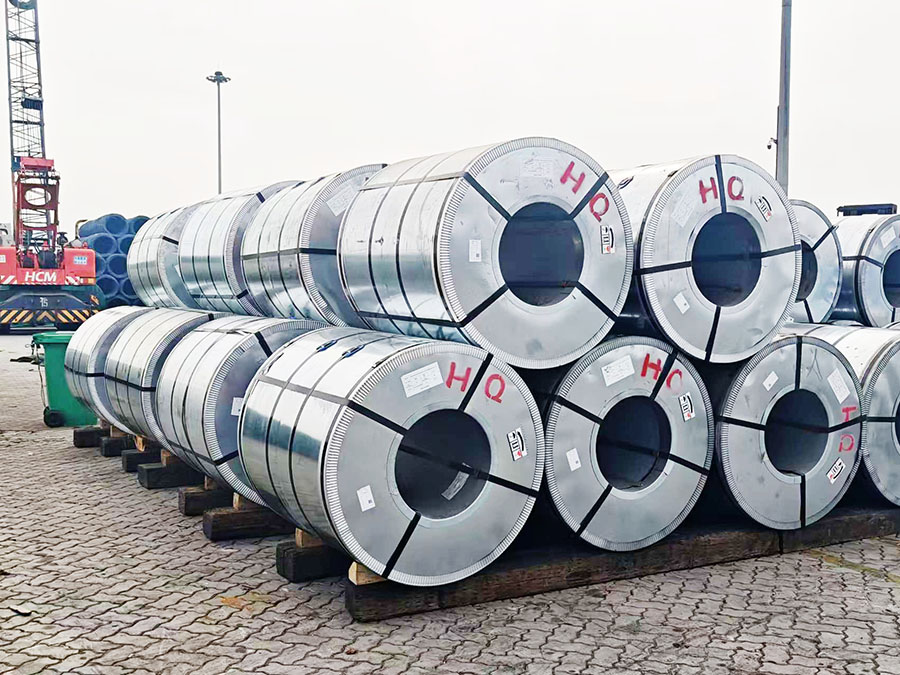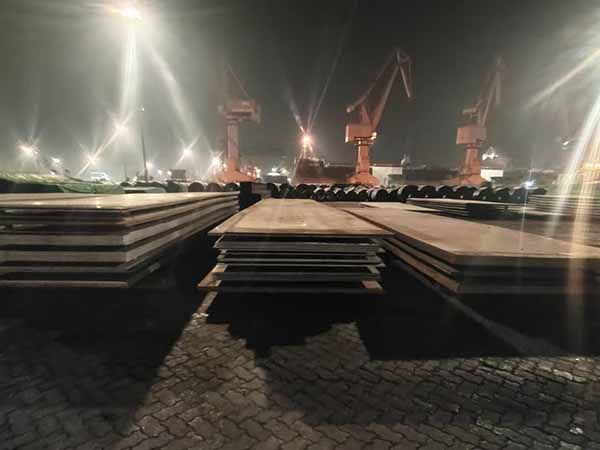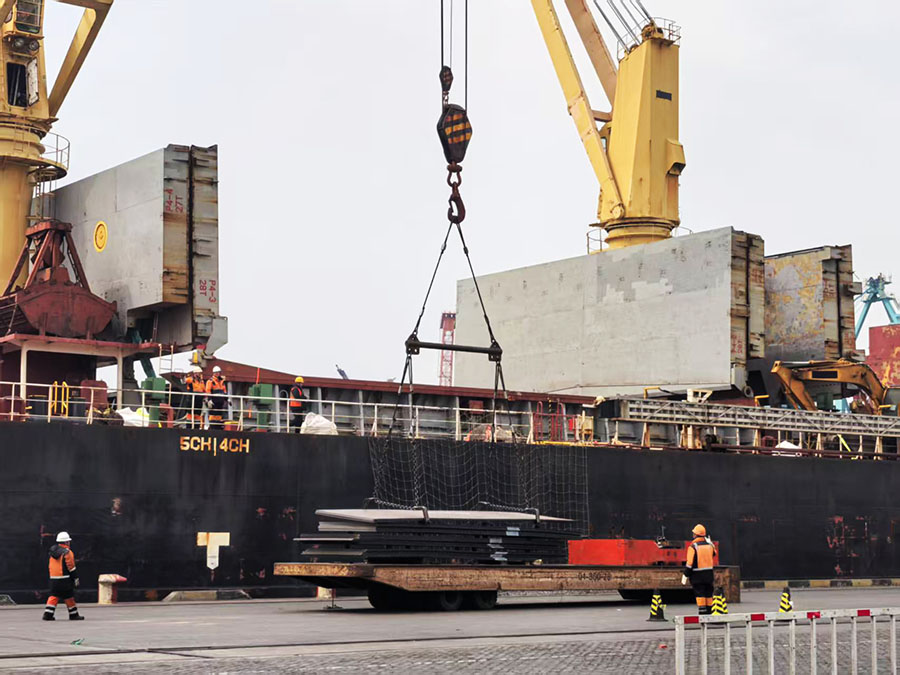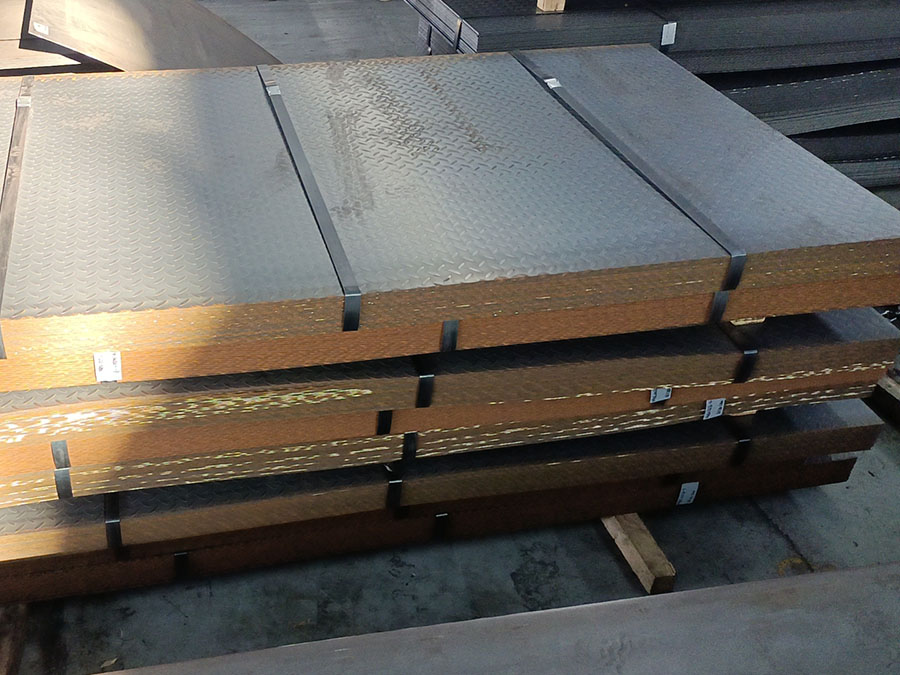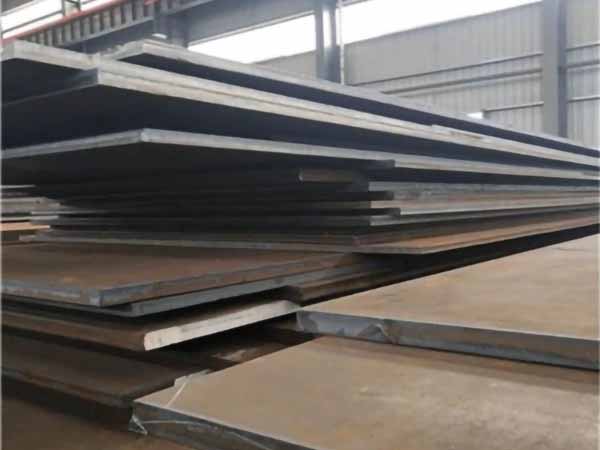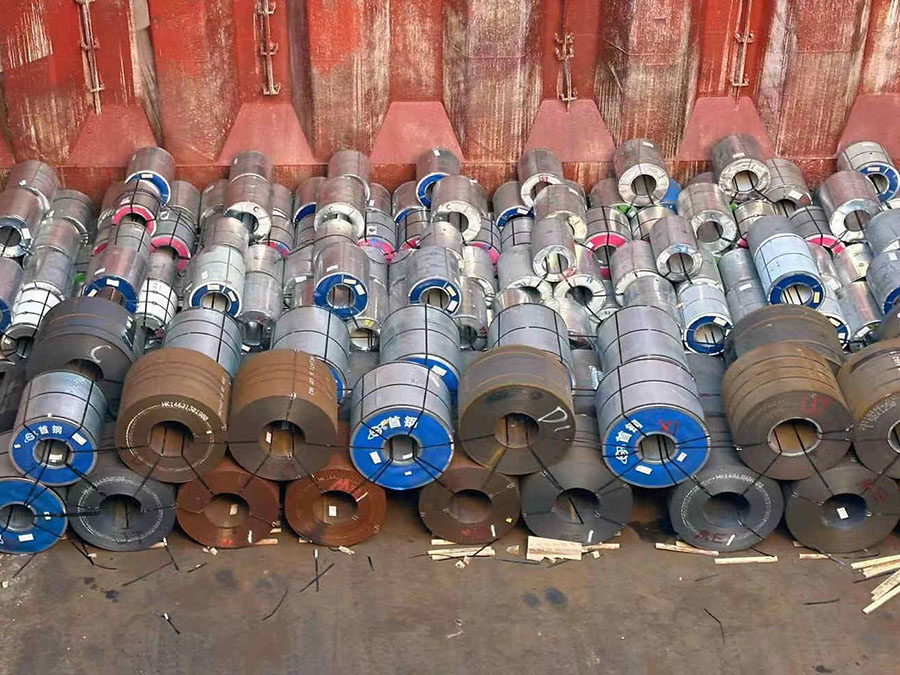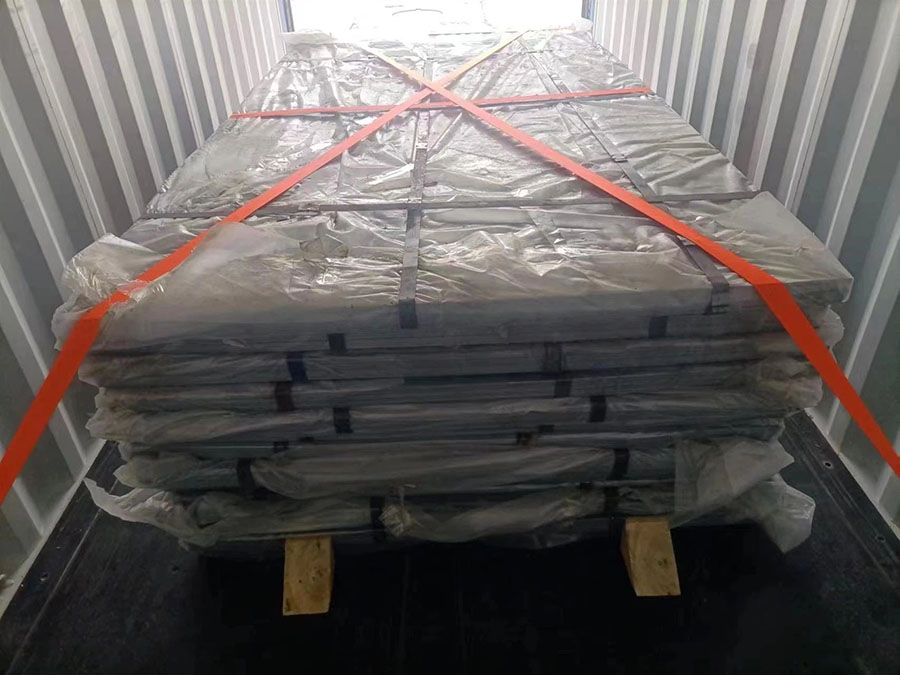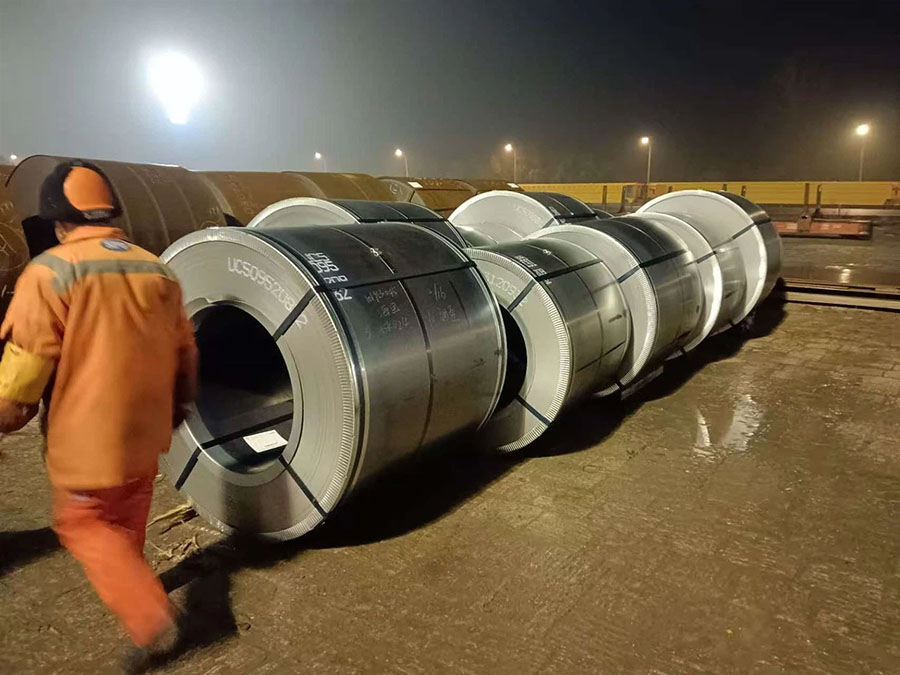
The DNV Grade E shipbuilding steel plates we supply have been certified by DNV (Det Norske Veritas). They are classified as ordinary-strength marine structural steel and are specifically designed for ships and offshore platforms operating in extreme low-temperature conditions. All products come with complete mill test certificates and DNV certification, are available for third-party inspection, and fully comply with international shipbuilding and offshore engineering standards. We offer both standard sizes and custom-cut options to global customers, with reliable delivery times and competitive pricing.
Certification :
DNV RulesGrade :
DNV Grade E (NV E)Thickness :
5.0 - 150.0 mmWidth :
1500.0 - 4000.0 mmLength :
6000.0 - 18000.0 mmSpecial thickness, width, and length can be negotiated separately.
We also provide customized processing services.If you have any questions, please contact us.
DNV Grade E shipbuilding steel plate is a ordinary-strength marine structural steel plate certified by DNV (Det Norske Veritas), specifically designed for extreme low-temperature marine environments. It offers excellent low-temperature toughness, stable mechanical properties, good weldability, and corrosion resistance. Its core advantage is its impact toughness at -40°C, which effectively prevents brittle fracture in ultra-low-temperature environments. It is suitable for the construction of ships, offshore platforms, and marine engineering equipment operating in ice-covered, polar, and high-latitude cold waters.
NV: Certified by the Det Norske Veritas (DNV)
E: Quality grade D (Impact testing must be conducted at -40°C)
| Product | DNV Grade D Shipbuilding Steel Plate |
|---|---|
| Certification | DNV |
| Grade | NV E |
| Classification | Ordinary-Strength Structural Steel for Ship and Ocean Engineering |
| Thickness | 5 - 150 mm |
| Width | 1500 - 4000 mm |
| Length | 6000 - 18000 mm |
| Delivery Conditions | Normalized (N), Thermo-Mechanical Controlled Processed (TMCP), Quenched and Tempered (Q+T). |
| Surface Conditions | The surface is in its original condition; surface treatments such as sandblasting, rust removal, oiling and painting are available. |
| Testing | Tensile test, Charpy V-notch impact test, Ultrasonic testing (UT), Z-direction property test (Grades Z15/Z25/Z35). |
| Applications | Suitable for ship structures, offshore platforms, and offshore engineering equipment in polar regions, ice-covered areas, and cold-water seas. |
| MOQ | 5 tons (small orders can be negotiated). |
| Delivery Time | 15 - 20 days after order confirmation (urgent orders accepted) |
| Packaging | Standard export packaging for sea transport, or as required. |
| Country of origin | China |
| Quality | Provide complete Mill Test Certificates (MTCs) and DNV certification, and support third-party testing by SGS, BV, and others. |
| Grade | C | Si | Mn | P | S | Cu | Cr | Ni | Als |
|---|---|---|---|---|---|---|---|---|---|
| NV E | ≤ 0.18 | ≤ 0.35 | ≥ 0.70 | ≤ 0.025 | ≤ 0.025 | ≤ 0.35 | ≤ 0.30 | ≤ 0.30 | ≥ 0.015 |
| Thickness (mm) | 5 - 50 | 50 - 150 |
|---|---|---|
| Typical CEV (wt %) | ≤ 0.38 | ≤ 0.40 |
Calculation formula (IIW): CEV = C + Mn/6 + (Cr + Mo + V)/5 + (Ni + Cu)/15
| Grade | Yield Strength (ReH), MPa | Tensile Strength (Rm), MPa | Elongation (A), % |
|---|---|---|---|
| NV E | ≥ 235 | 400 - 520 | ≥ 22 |
| Grade | Thickness, mm | Temperature, ℃ | Impact Energy, KV2 / J | |
|---|---|---|---|---|
| Longitudinal | Transverse | |||
| NV E | ≤ 50 | - 40 | ≥ 27 | ≥ 20 |
| > 50 - 70 | - 40 | ≥ 34 | ≥ 24 | |
| > 70 - 150 | - 40 | ≥ 41 | ≥ 27 | |
Ice-class bulk carriers, oil tankers, and container ships: outer plating in ice-class zones, side longitudinal frames, deck stiffeners, and hatch coamings.
Arctic research vessels and icebreakers: bow ice-breaking zone, ice-load zones, main deck, and side outer plating.
Large bulk carriers, oil tankers: deck stringers, side plating, and reinforced components in cargo hold areas.
Ultra-large container ships: hatch coamings, top stiffeners, and container load support structures.
LNG carriers, liquid cargo carriers: transition structures in cryogenic zones, support frames, and critical load-bearing members in non-cryogenic zones.
Small and medium-sized vessels: Main hull, decks, sides, and bulkheads.
Offshore oil and gas platforms: Platform main structures, pipe joints, support legs, and deck frames.
FPSOs/FSOs: Module support structures, mooring system connectors, and critical weld zones on the hull.
Offshore wind turbine jackets: Lower support structures, pile legs, and joints.
Subsea pipelines and risers: Cryogenic sections, stress concentration zones, and welded joint reinforcement.
Ship Repair: Plate replacement, structural reinforcement, and crack repair for vessels operating in sub-zero and ice-prone regions.
Cryogenic Pressure Vessels: Storage tanks, reactors, and heat exchangers operating at -40°C.
Steel Structures in Sub-Zero Regions: Port machinery, bridges, cranes, and mining equipment.
DNV E-Class shipbuilding steel plates stand out among marine steels thanks to their balanced high strength, excellent low-temperature toughness, and good formability, effectively addressing structural safety concerns for vessels and offshore equipment in frigid waters.
Maintains stable structural toughness at -40°C, withstanding impacts and vibrations in sub-zero waters. Suitable for Arctic navigation, operations in ice-covered areas, and extreme marine environments, effectively preventing structural brittle fracture.
Through optimized chemical composition and a low-carbon equivalent design, the steel exhibits no tendency for weld cracking and is compatible with traditional marine welding processes. It is also easy to cut, bend, and form, meeting the demands of complex ship structure manufacturing and on-site maintenance.
Utilizing a precisely controlled alloy composition, this material enhances resistance to seawater erosion, marine atmospheric conditions, and salt spray corrosion, significantly extending the service life of ship hulls and offshore structural components.
Produced in strict compliance with DNV shipbuilding codes, each batch comes with complete factory test reports and DNV certification documents, supporting global ship inspections and project acceptance.
As a specialized supplier of DNV Grade E shipbuilding steel plates, we provide one-stop marine steel plate supply solutions to customers worldwide:
All products come with complete certification documents and factory test reports, supporting third-party inspections and global project acceptance.
Every batch of steel plates undergoes chemical composition analysis, mechanical property testing, ultrasonic testing, and low-temperature impact testing to ensure zero quality defects.
We maintain a long-term stock of ready-to-ship materials, supporting both small-batch trial orders and large-volume orders to meet the procurement needs of various projects.
We offer cutting, bending, surface treatment, and custom-sized processing services to help customers reduce processing costs and lead times.
We use standard export packaging for ocean freight and support international trade terms such as FOB, CIF, and CFR, enabling rapid delivery to major ports worldwide.
A:
Good weldability: With a carbon equivalent (CEV) of ≤0.40%, this low-carbon, low-alloy steel is suitable for manual arc welding, submerged arc welding, and gas shielded arc welding. When welding at low temperatures, heat input must be controlled to prevent cold cracks.
A:
Its key application advantage is its excellent resistance to cryogenic brittle fracture, which addresses structural safety concerns for marine steel in extremely cold polar regions. It is an essential high-performance material for high-end icebreakers and extreme offshore engineering projects.
A:
Certainly. Every batch of our DNV Grade E shipbuilding steel plates comes with official DNV certification and a Mill Test Certificate (MTC), fully compliant with international ship inspection and offshore engineering tender standards.
A:
Yes. We offer custom manufacturing and processing for thickness, width, and length, and can provide tailored heat treatment and surface finishing services based on customer project requirements to meet specific engineering needs.
A:
The key difference lies in low-temperature toughness:
DNV Grade D: Impact testing is conducted at -20°C; suitable for temperate and cold climates.
DNV Grade E: Impact testing is conducted at -40°C; suitable for vessels operating in Arctic or ice-covered waters that require exceptional cold resistance.
– We offer free samples and bespoke solutions. Please feel free to enquire about our latest prices and volume discounts.
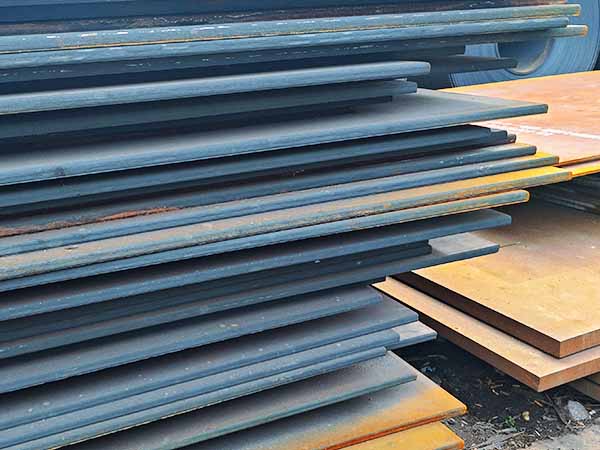
Yuxin Steel provides high-quality steel products to customers in more than 20 countries worldwide.
Contact Info
Would you like to know more about our offers? Please feel free to contact us.