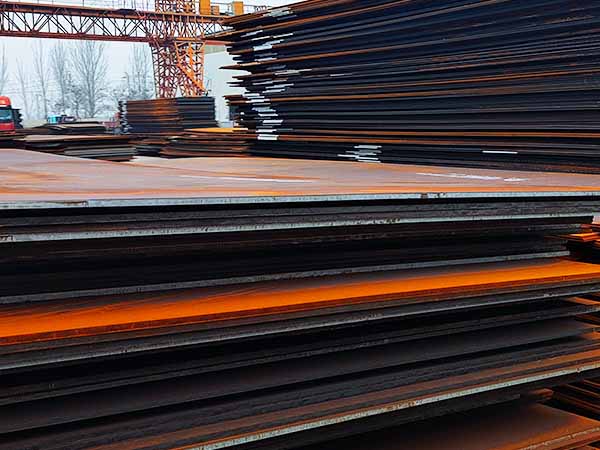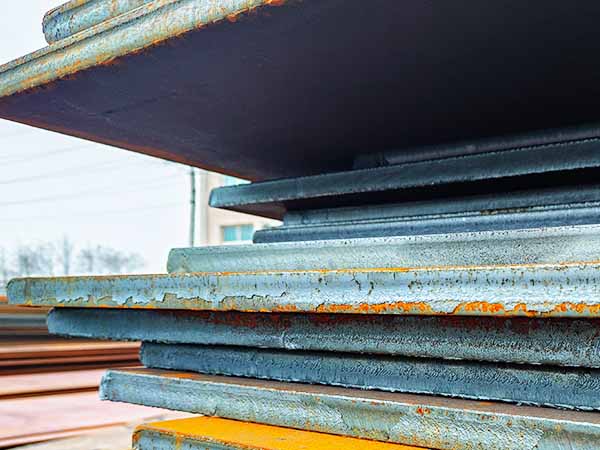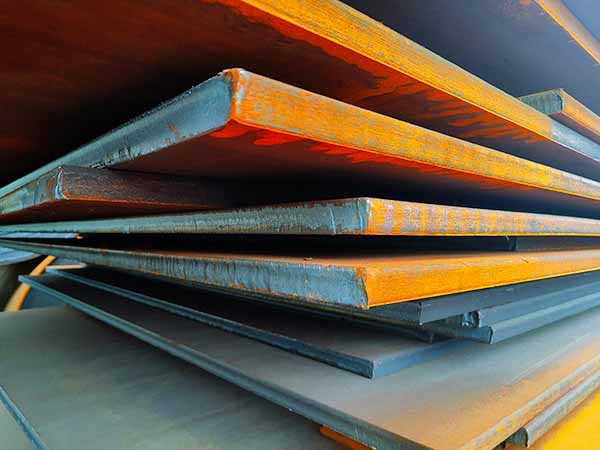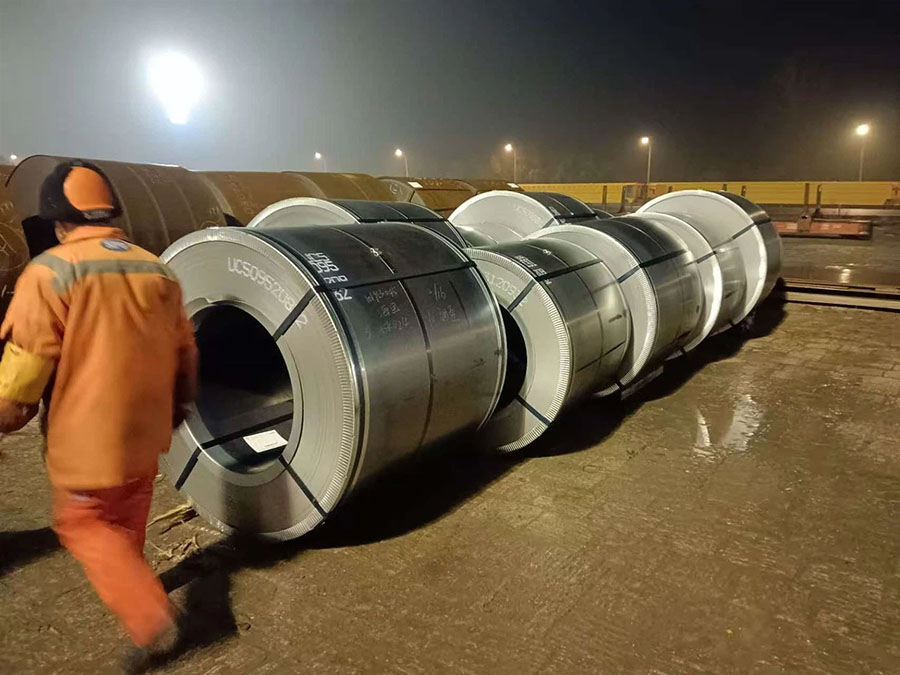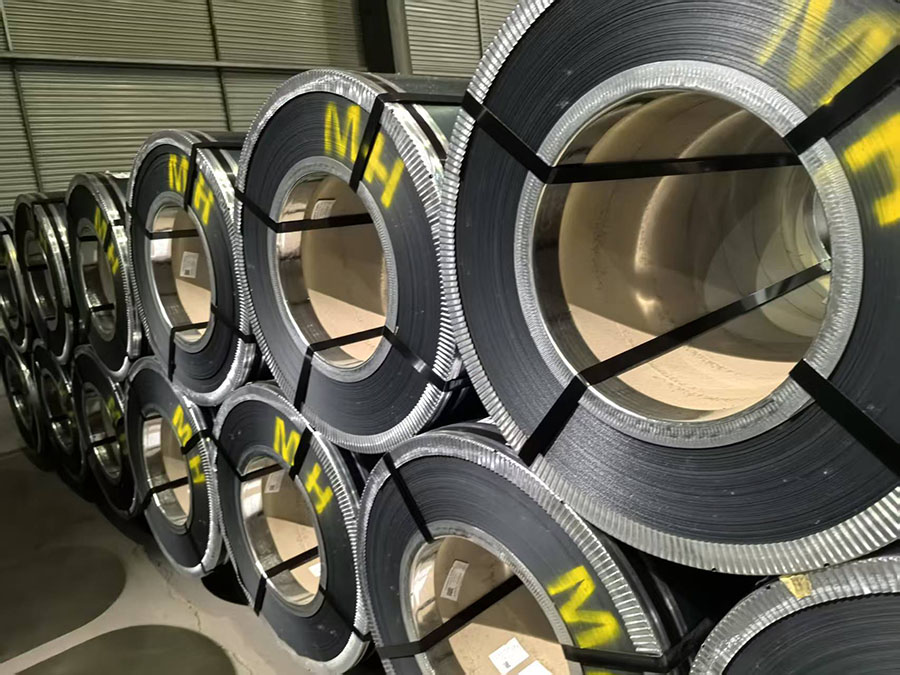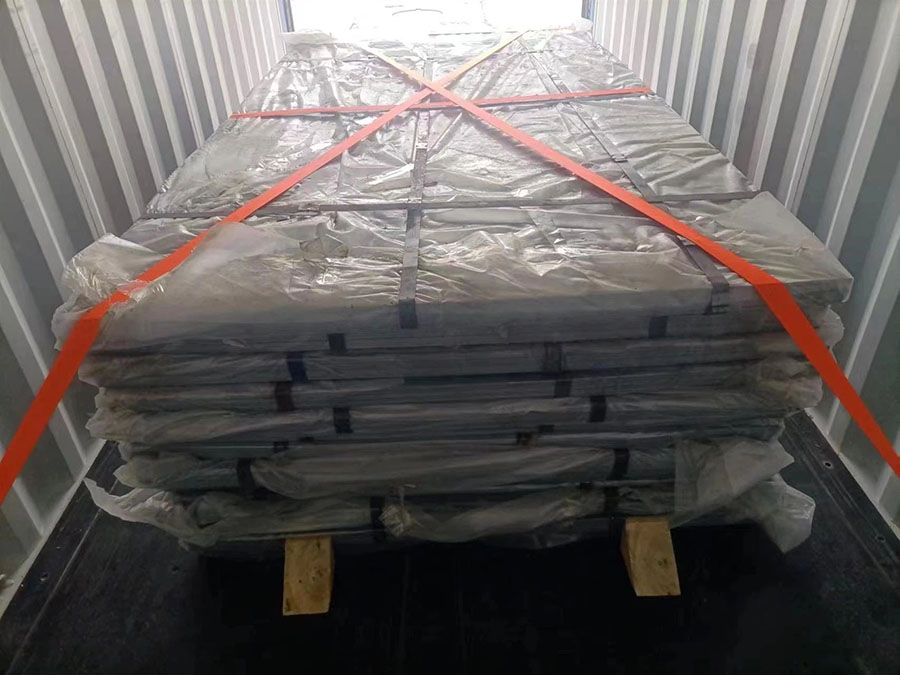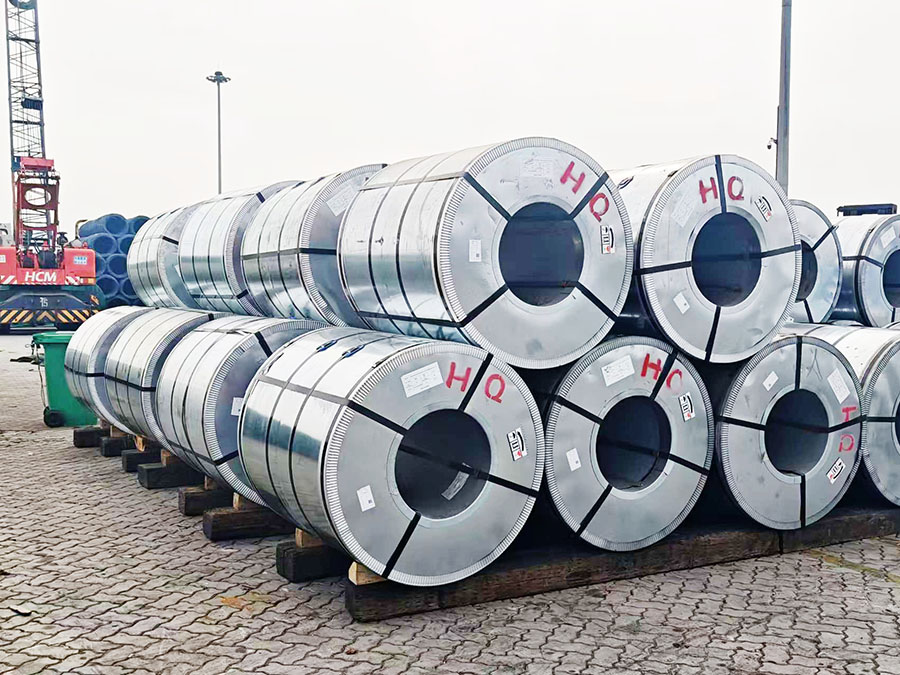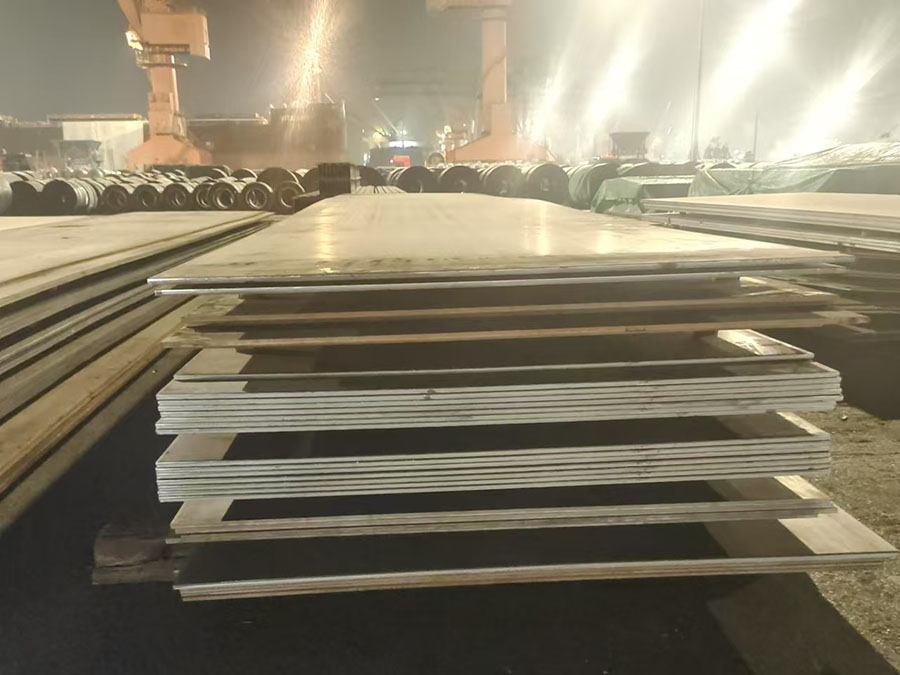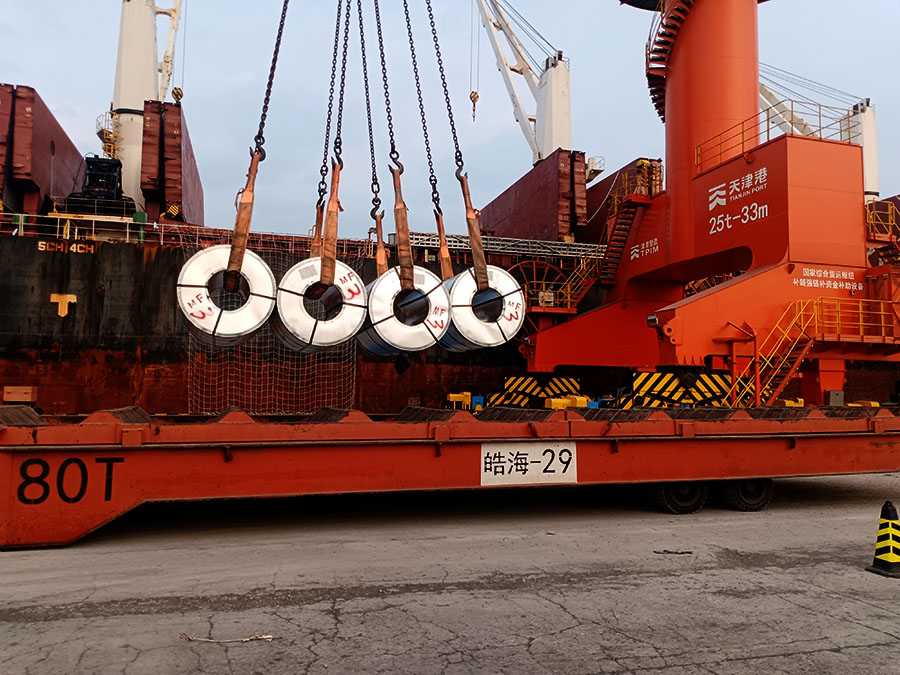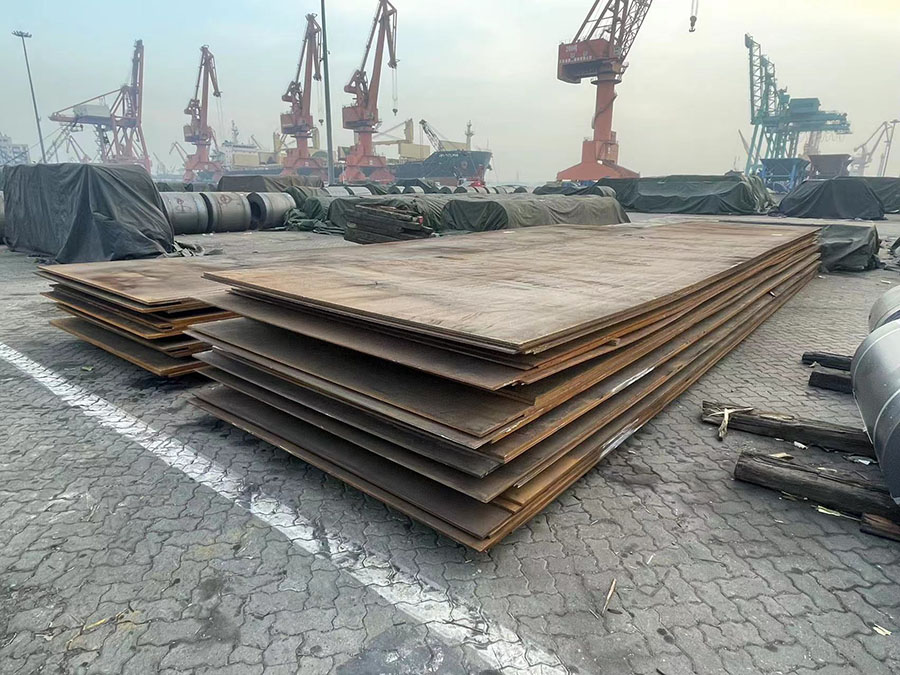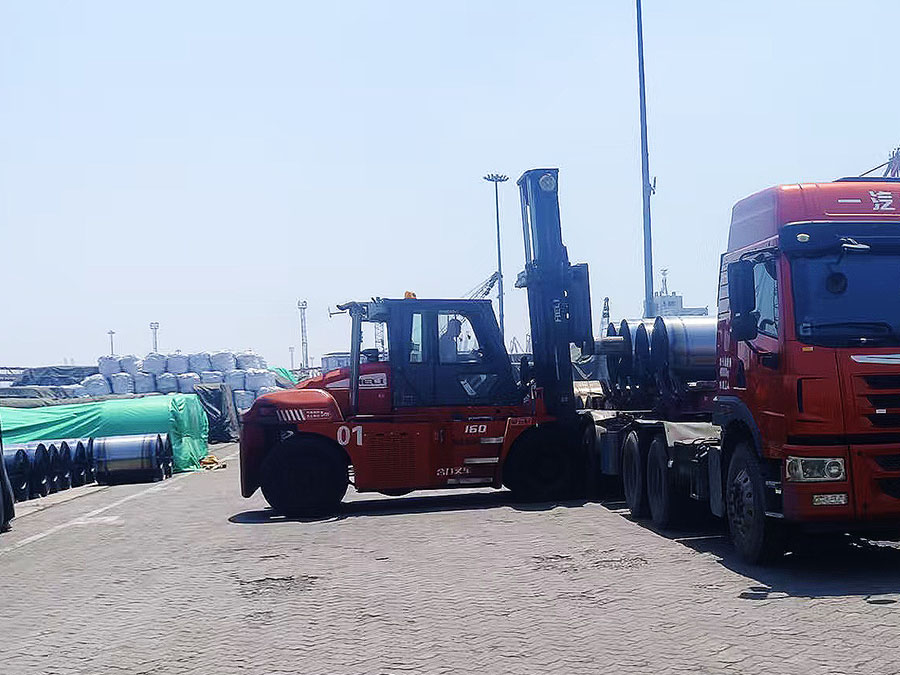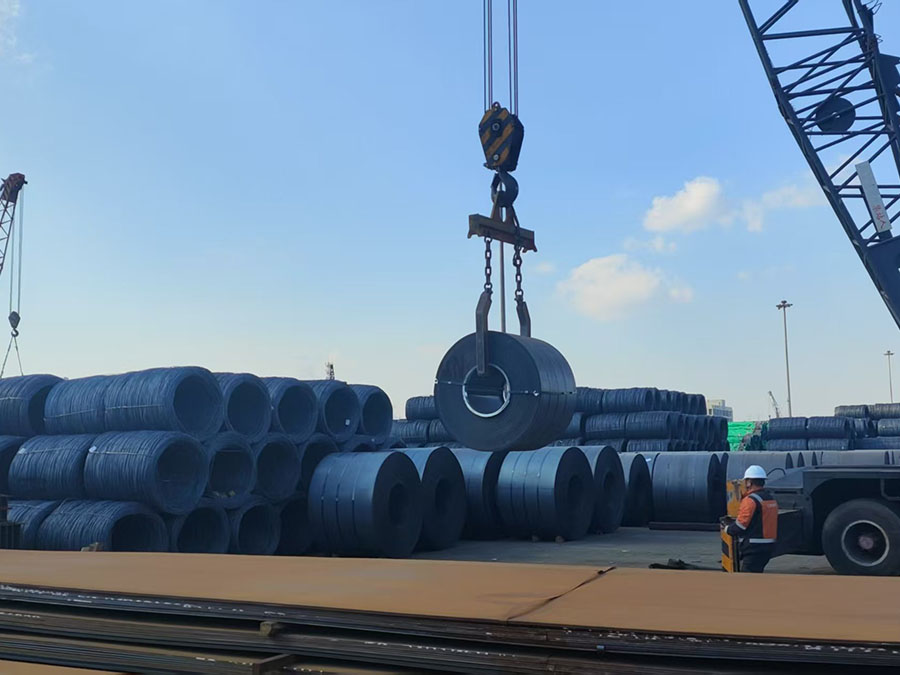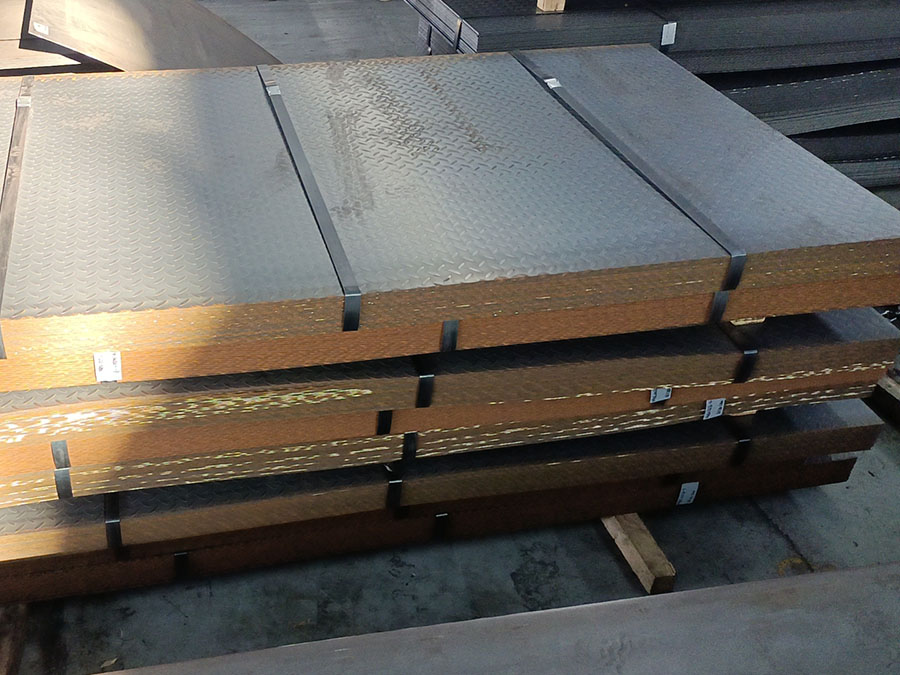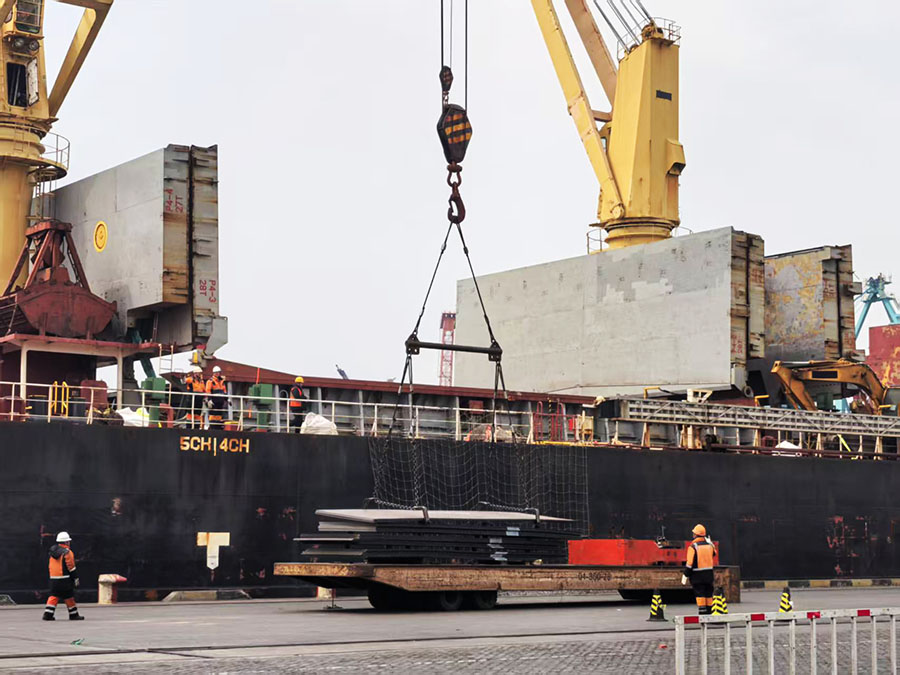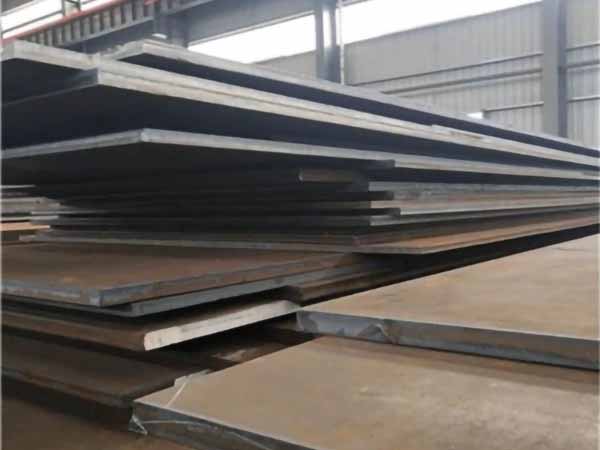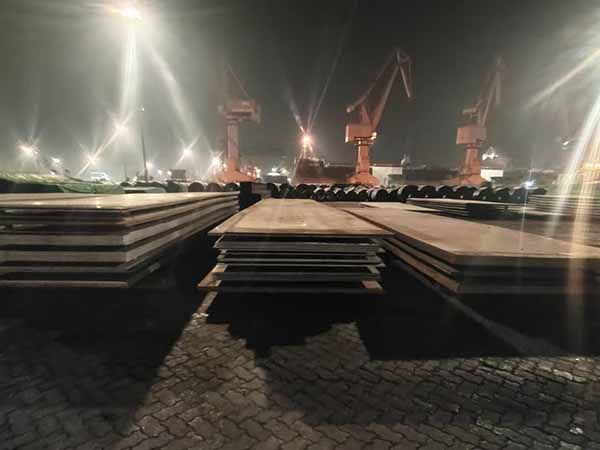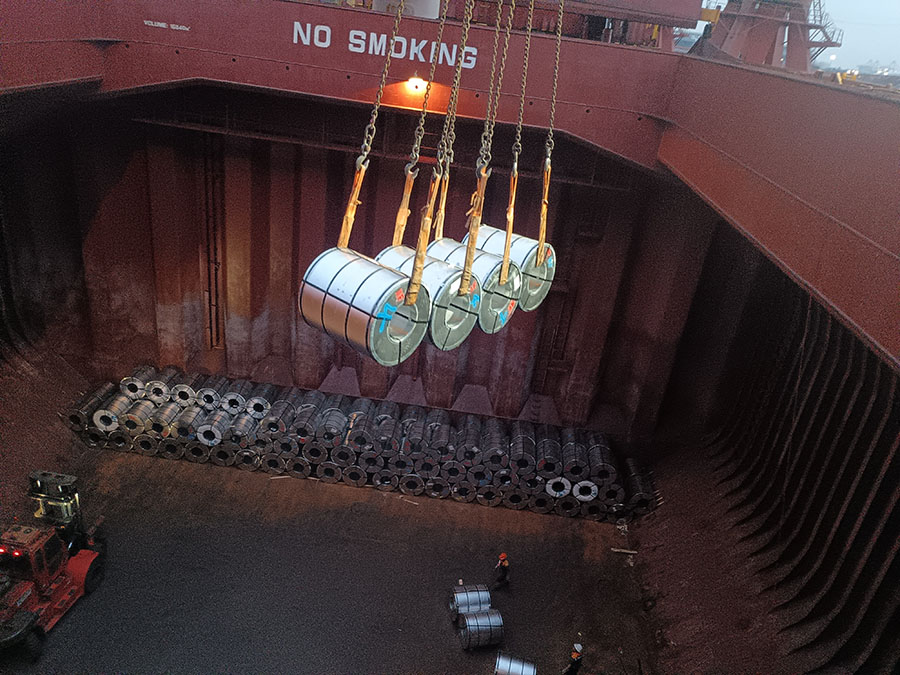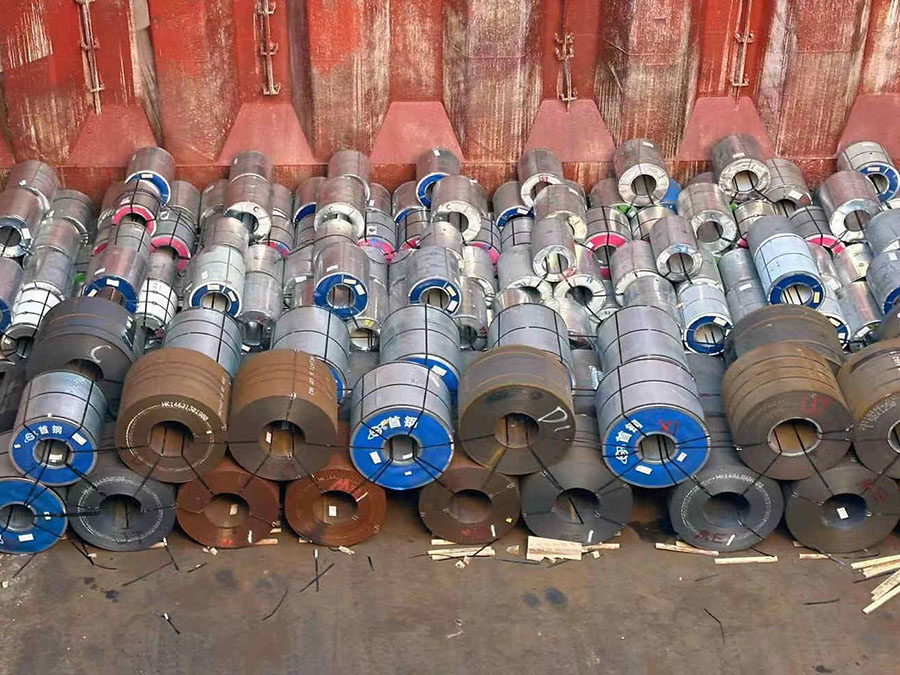
DNV Grade AH32 shipbuilding steel plates are high-quality, high-strength structural steel plates certified by DNV (Det Norske Veritas) and are widely used in ship hull structures, decks, offshore platforms, and marine engineering projects. Our DNV Grade AH32 shipbuilding steel plates strictly comply with DNV standards and come with full DNV certification and complete factory test certificates. We offer custom cutting, surface treatment, and third-party inspection services.
Certification :
DNV RulesGrade :
DNV Grade AH32 (NV A32)Thickness :
5.0 - 150.0 mmWidth :
1500.0 - 4000.0 mmLength :
6000.0 - 18000.0 mmSpecial thickness, width, and length can be negotiated separately.
We also provide customized processing services.If you have any questions, please contact us.
DNV Grade AH32 shipbuilding steel plate is a high-quality, high-strength structural steel plate certified by DNV (Det Norske Veritas). It offers excellent toughness, weldability, and corrosion resistance, and is a commonly used structural steel plate in shipbuilding and offshore engineering, employed in the fabrication of ship hulls, offshore platform structures, and marine engineering structures.
DNV: Certified by Det Norske Veritas
A: Quality grade A (Impact testing must be conducted at 0°C)
H: High-strength steel
32: Minimum yield strength: 315 MPa (≈ 32 kgf/mm²)
| Product | DNV Grade AH32 Shipbuilding Steel Plate |
|---|---|
| Certification | DNV |
| Grade | NV A32 |
| Classification | High-Strength Structural Steel for Ship and Ocean Engineering |
| Thickness | 5 - 150 mm |
| Width | 1500 - 4000 mm |
| Length | 6000 - 18000 mm |
| Delivery Conditions | Hot Rolled (HR), Controlled Rolled (CR), Normalized (N), Thermo-Mechanical Controlled Processed (TMCP), Quenched and Tempered (Q+T). |
| Surface Conditions | The surface is in its original condition; surface treatments such as sandblasting, rust removal, oiling and painting are available. |
| Testing | Tensile test, Charpy V-notch impact test, Ultrasonic testing (UT), Z-direction property test (Grades Z15/Z25/Z35). |
| Applications | It is primarily used in critical structural components of container ships, bulk carriers, oil tankers, and other vessels, as well as in offshore platforms and pipelines. |
| MOQ | 5 tons (small orders can be negotiated). |
| Delivery Time | 15 - 20 days after order confirmation (urgent orders accepted) |
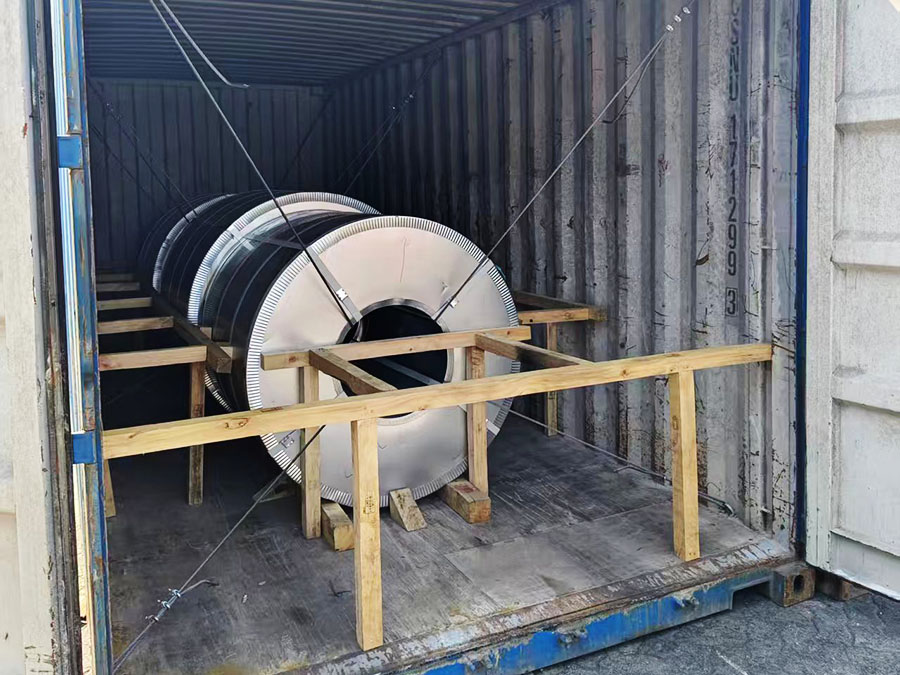
| Packaging | Standard export packaging for sea transport, or as required. |
| Country of origin | China |
| Quality | Provide complete Mill Test Certificates (MTCs) and DNV certification, and support third-party testing by SGS, BV, and others. |
| Grade | C | Si | Mn | P | S | Cu | Cr | Ni | Nb | V | Ti | Mo | Als |
|---|---|---|---|---|---|---|---|---|---|---|---|---|---|
| NV A32 | ≤ 0.18 | ≤ 0.50 | 0.90 - 1.60 | ≤ 0.030 | ≤ 0.030 | ≤ 0.35 | ≤ 0.20 | ≤ 0.40 | 0.02 - 0.05 | 0.05 - 0.10 | ≤ 0.02 | ≤ 0.08 | ≥ 0.015 |
| Thickness (mm) | 5 - 50 | 50 - 150 |
|---|---|---|
| Typical CEV (wt %) | ≤ 0.36 | ≤ 0.38 |
Calculation formula (IIW): CEV = C + Mn/6 + (Cr + Mo + V)/5 + (Ni + Cu)/15
| Grade | Yield Strength (ReH), MPa | Tensile Strength (Rm), MPa | Elongation (A), % |
|---|---|---|---|
| NV A32 | ≥ 315 | 450 - 570 | ≥ 22 |
| Grade | Thickness, mm | Temperature, ℃ | Impact Energy, KV2 / J | |
|---|---|---|---|---|
| Longitudinal | Transverse | |||
| NV A32 | ≤ 50 | 0 | ≥ 31 | ≥ 22 |
| > 50 - 70 | 0 | ≥ 38 | ≥ 26 | |
| > 70 - 150 | 0 | ≥ 46 | ≥ 31 | |
Ocean-going cargo ships: Key load-bearing components of container ships, bulk carriers, and oil tankers, including decks, outer hull plating, bulkheads, and keel frames.
Special-purpose vessels: Superstructures and hull frames of ferries, cruise ships, and yachts.
Offshore Oil and Gas Platforms: Main platform structures, jackets, joints, and deck supports designed to withstand wave, current, and dead loads.
Subsea Engineering: Subsea pipeline support structures, risers, and pile foundations with resistance to seawater corrosion and high-pressure environments.
Offshore Wind Facilities: Foundations and transition sections for offshore wind turbine towers, engineered for harsh marine environments.
Hull repair, structural reinforcement, and component replacement.
Heavy Machinery: Port heavy machinery, coastal infrastructure, offshore heavy equipment, and load-bearing structures for heavy machinery.
Bridges and Buildings: Main girders and piers of coastal bridges, and load-bearing structures of high-rise buildings.
We provide DNV certification, which complies with international maritime standards and is suitable for use in export vessels and offshore engineering projects.
Yield strength ≥ 315 MPa, with excellent impact performance at 0°C, effectively withstanding wave impact, cyclic loading, and seawater corrosion.
Low carbon equivalent, compatible with various welding processes; crack-free 180° cold bending, easy to cut, bend, and form.
Enriched with corrosion-resistant alloying elements such as Cu and Ni, it resists seawater corrosion and marine microbial attack, significantly extending the service life of the hull.
Thickness range: 6 mm - 150 mm. Custom cutting, heat treatment, and Z-direction property (Z15/Z25/Z35) services are available.
A:
DNV DH32 marine steel has better low-temperature toughness (-20°C) than DNV AH32 marine steel and is suitable for colder waters and marine structures subjected to higher loads, while DNV AH32 is more suitable for traditional coastal shipbuilding projects.
A:
Yes. Its low carbon equivalent ensures good weldability, making it suitable for manual metal arc welding (SMAW), submerged arc welding (SAW), gas metal arc welding (GMAW), and flux-cored arc welding (FCAW). Welding procedures should be carried out in accordance with the relevant DNV welding codes.
A:
DNV AH32 is similar to ABS AH32, CCS AH32, BV AH32, and LR AH32 in terms of basic chemical composition and mechanical properties. The main differences lie in the following three aspects:
1. Different certifying classification societies: They are recognized by different classification societies, including DNV, ABS, CCS, BV, and LR.
2. Different inspection standards: There are variations in the specific inspection codes and testing requirements of each classification society.
3. Different certificates and scope of application: The flag states, classification requirements, and project locations covered by the certification certificates of different classification societies may vary.
Engineering Application Recommendations
These steel grades are generally interchangeable under normal operating conditions; however, in actual applications, the requirements of the project-designated classification society must be strictly adhered to.
A:
1. Verify the Certificates
The steel mill must include the original MTC (Material Test Certificate) with the shipment. The certificate must be of the EN 10204 3.2 type and bear the signature and official stamp of a DNV surveyor.
2. Inspect the Surface Stamping
The surface of the steel plate should bear clear mechanical stamps, including: the mill mark, furnace batch number, nominal dimensions, and the steel grade designation “DNV A32.”
3. Commission Third-Party Testing
If necessary, request third-party testing (SGS, BV, etc.) prior to delivery.
A:
Z-direction performance refers to the resistance to laminar tearing in the thickness direction of the steel plate.
Required: When used in special joints of ships, such as cross joints or T-joints, that are subject to significant tensile stress in the thickness direction, users typically specify Z-direction testing requirements (e.g., Z25 or Z35) at the time of ordering to prevent laminar tearing in the structure under welding restraint stresses.
Not required: This test is not required for conventional, non-load-bearing areas.
– We offer free samples and bespoke solutions. Please feel free to enquire about our latest prices and volume discounts.
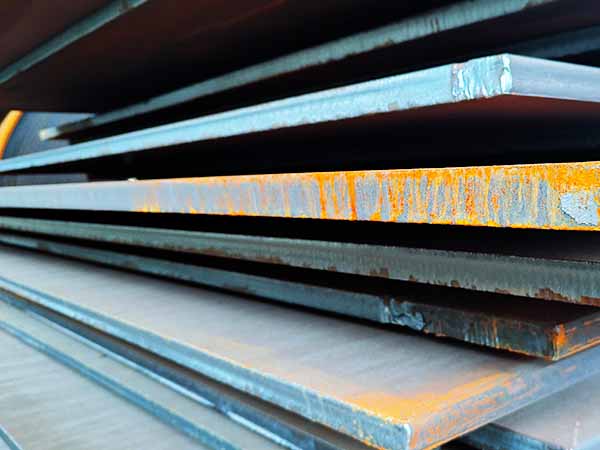
Yuxin Steel provides high-quality steel products to customers in more than 20 countries worldwide.
Contact Info
Would you like to know more about our offers? Please feel free to contact us.