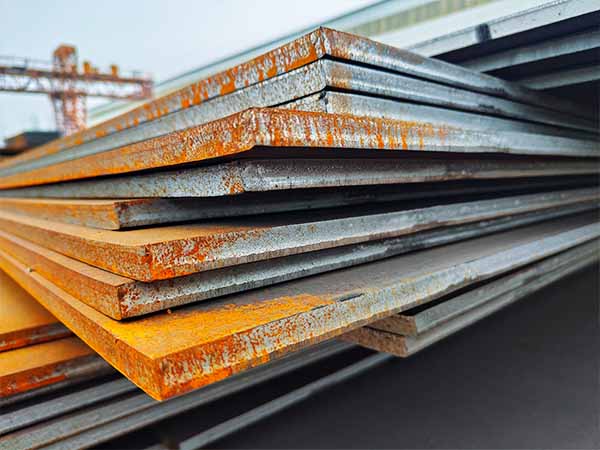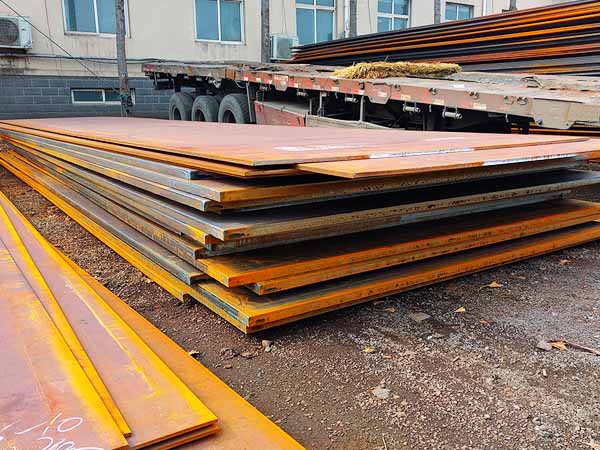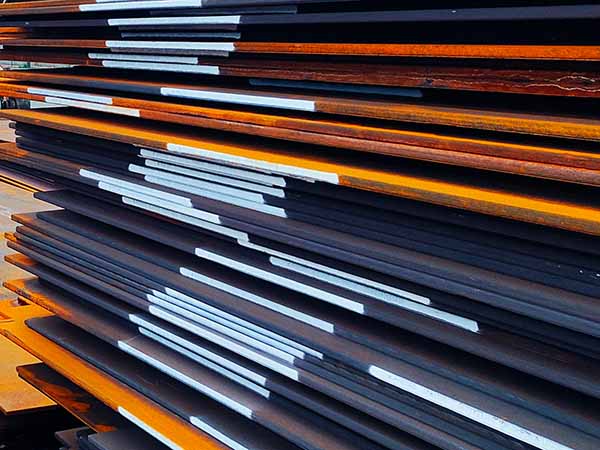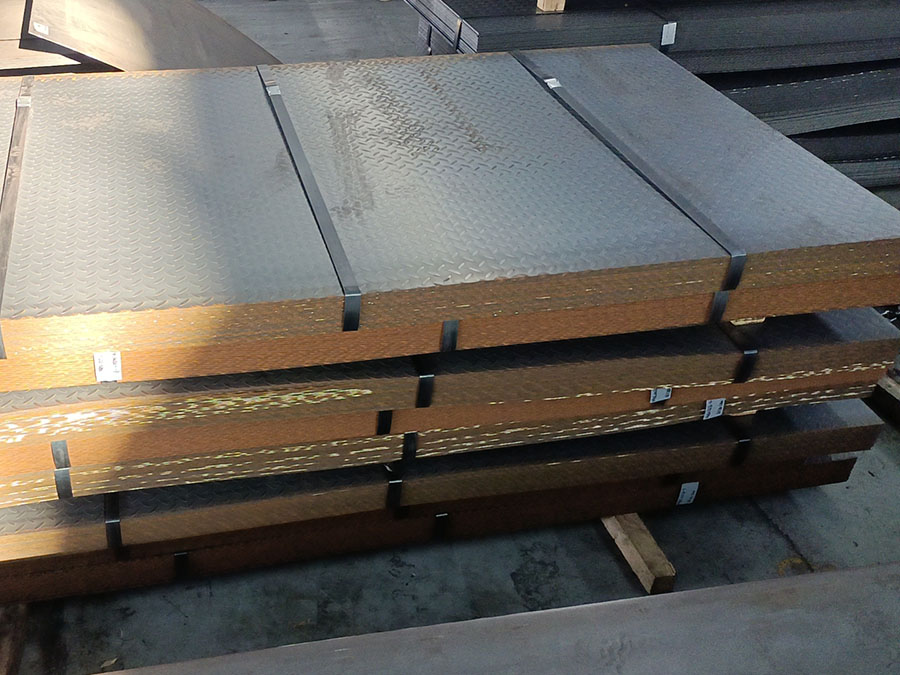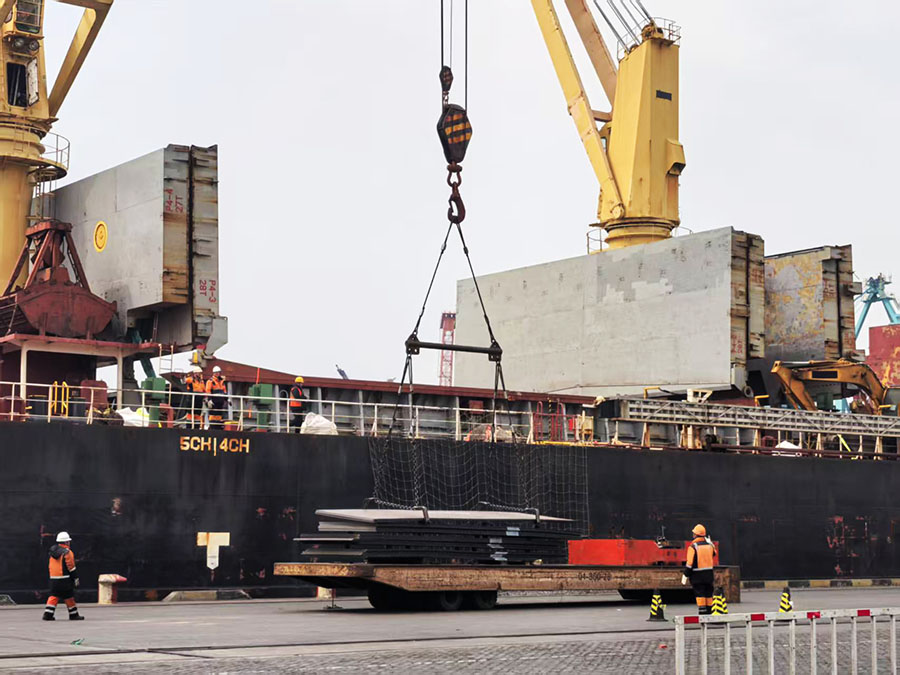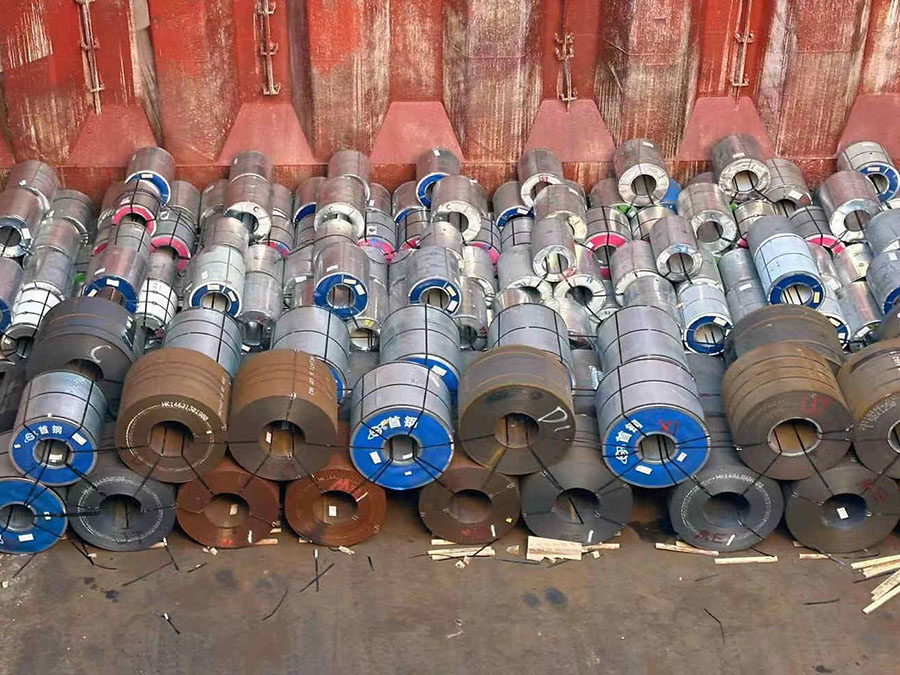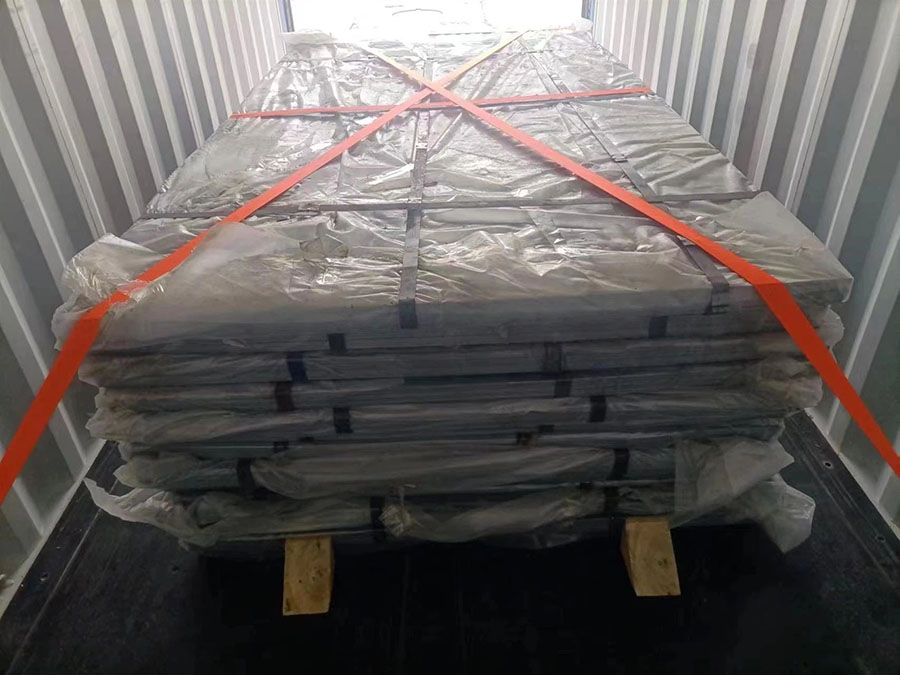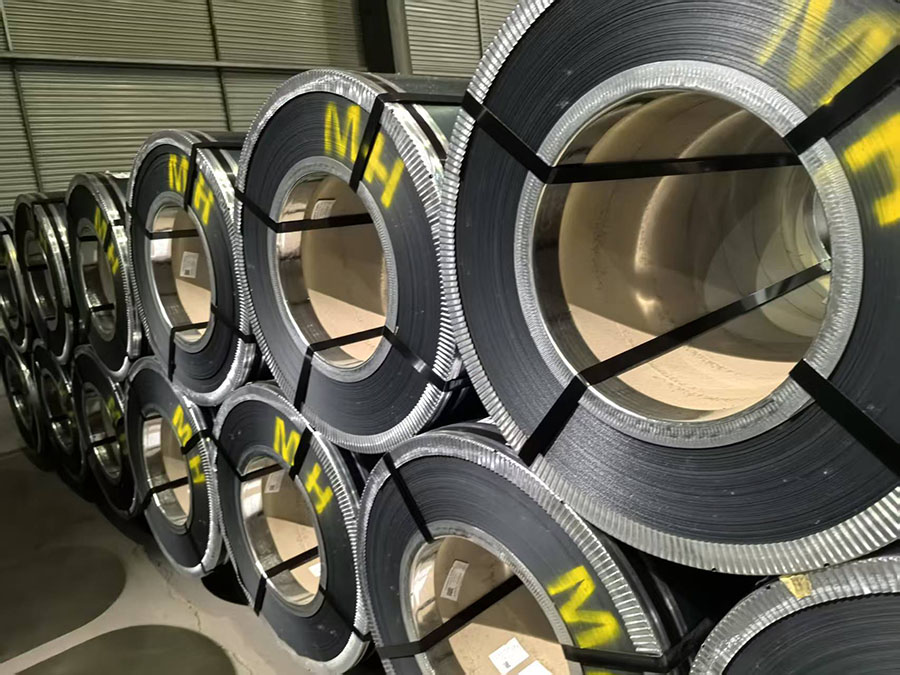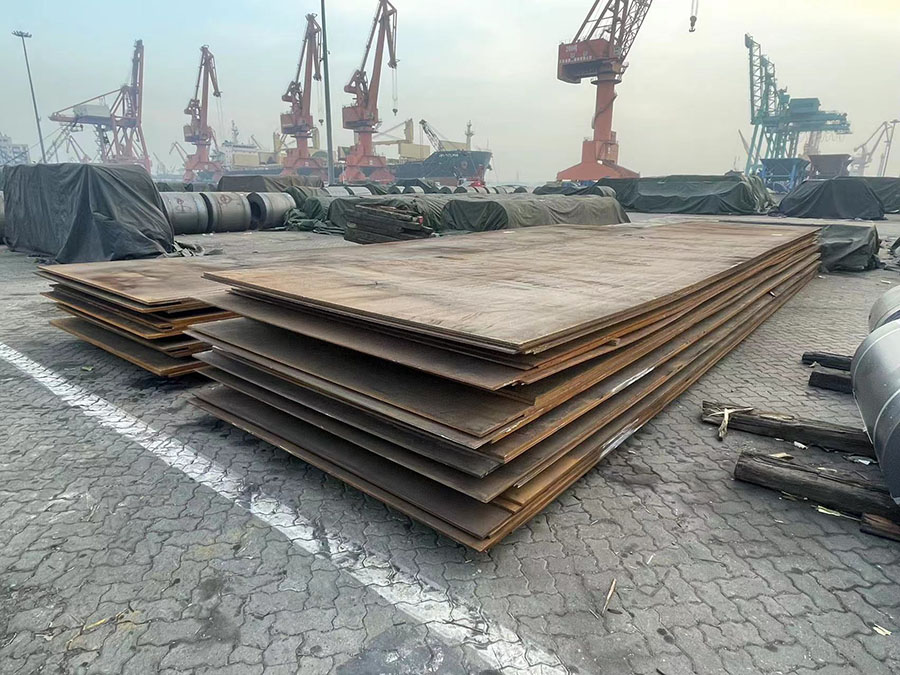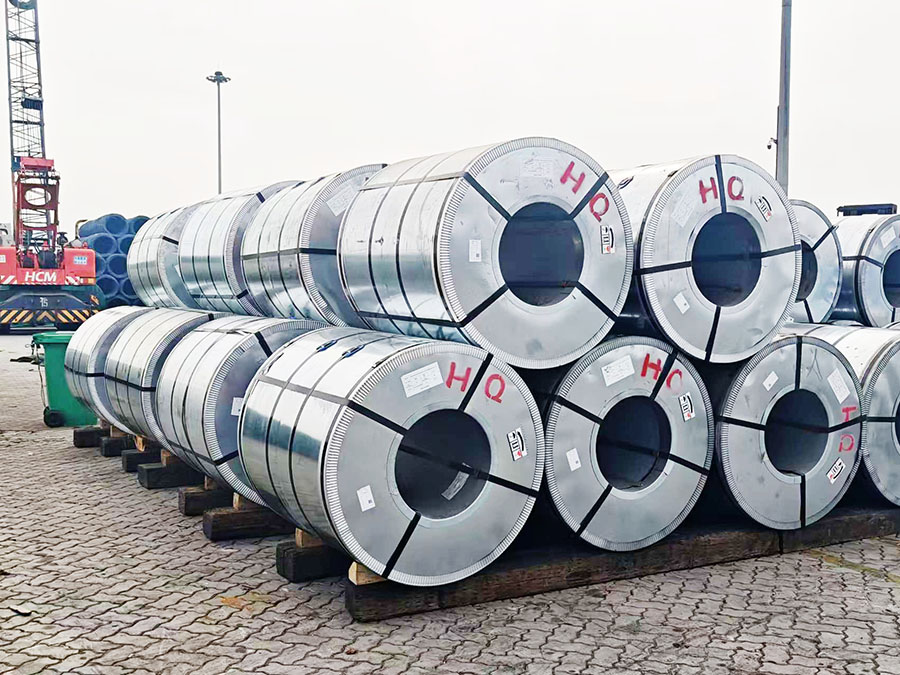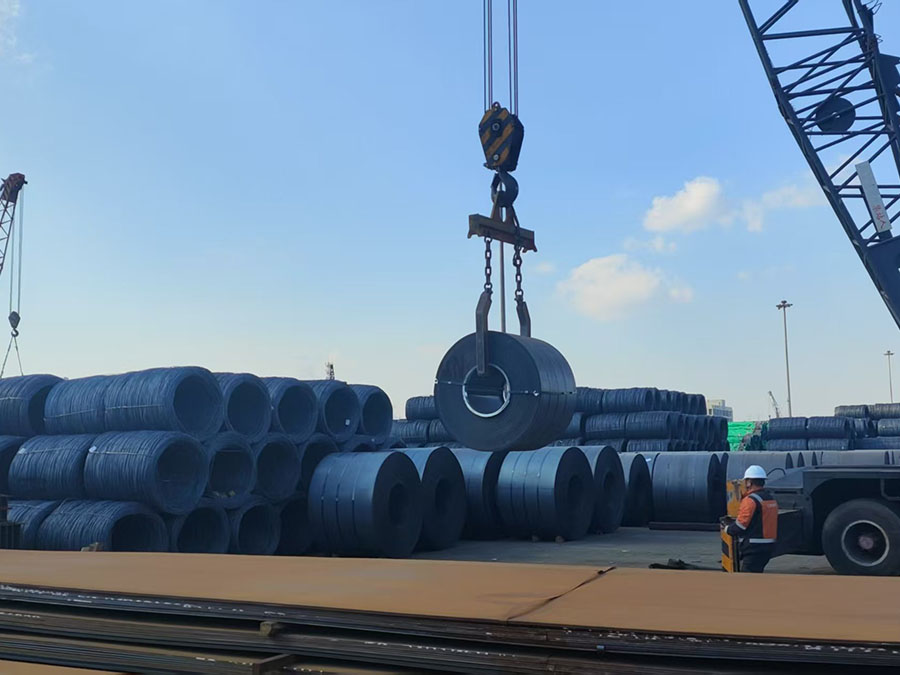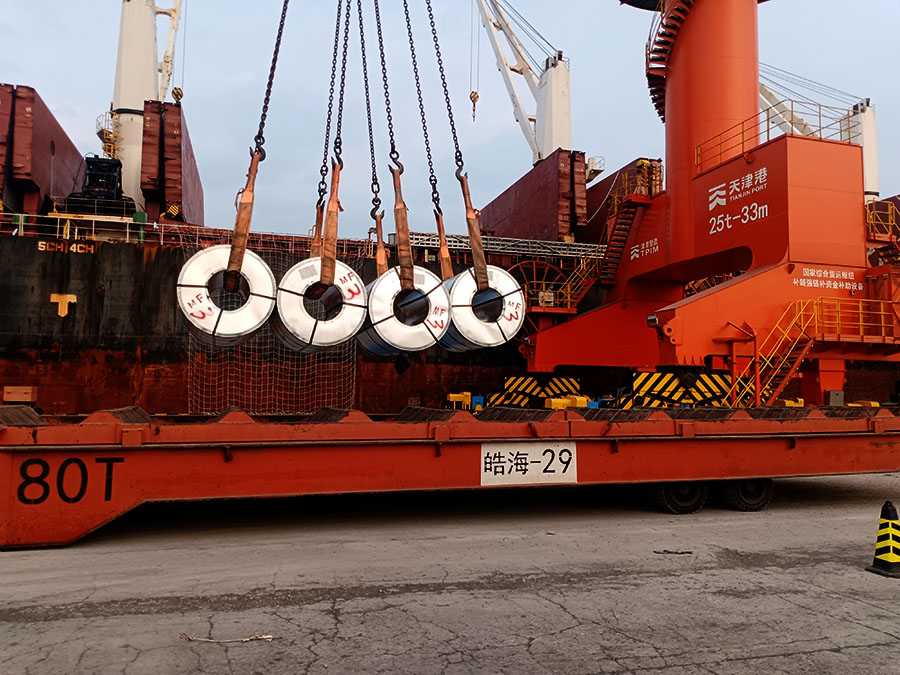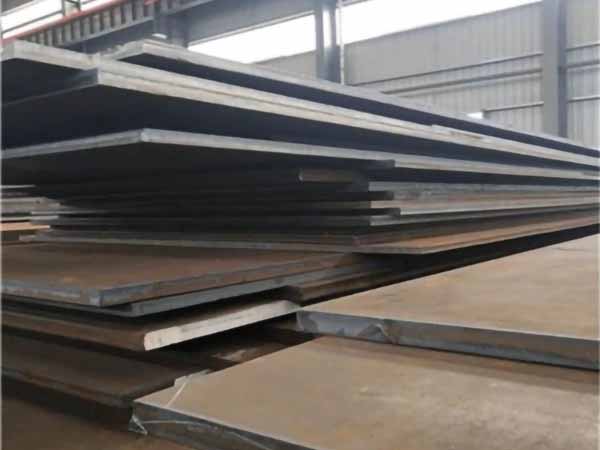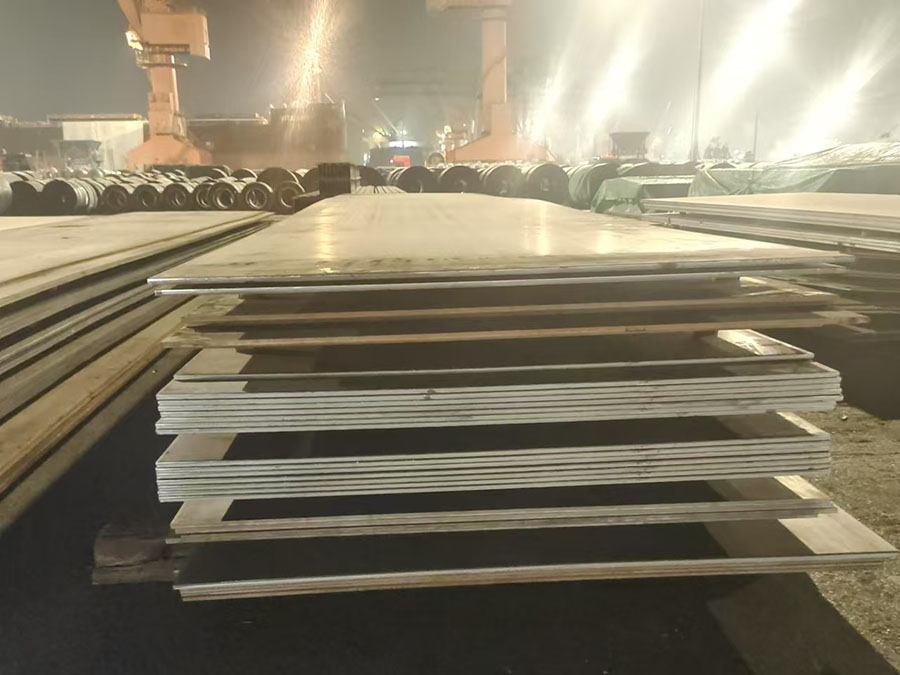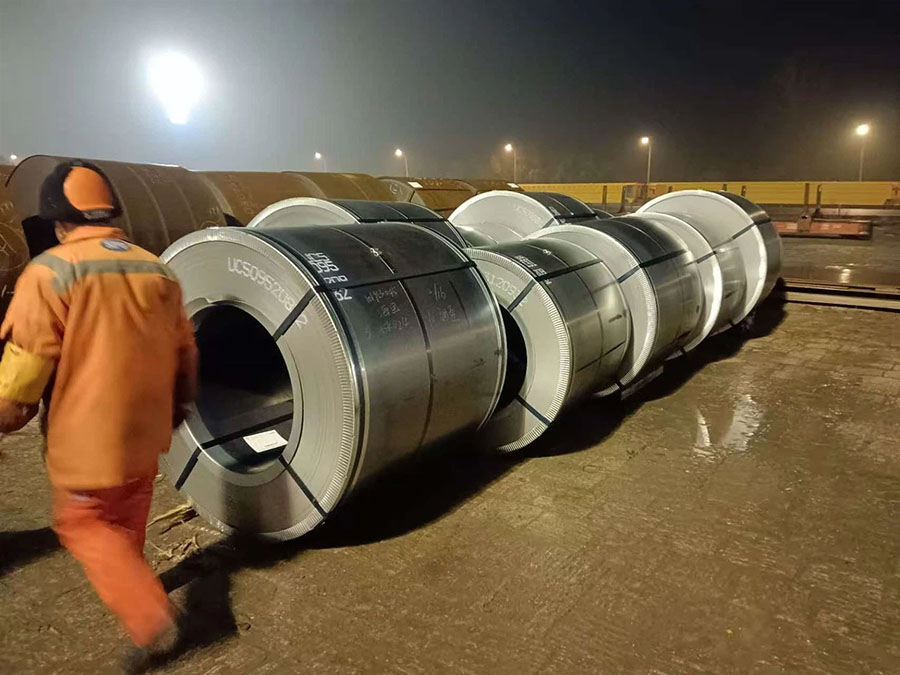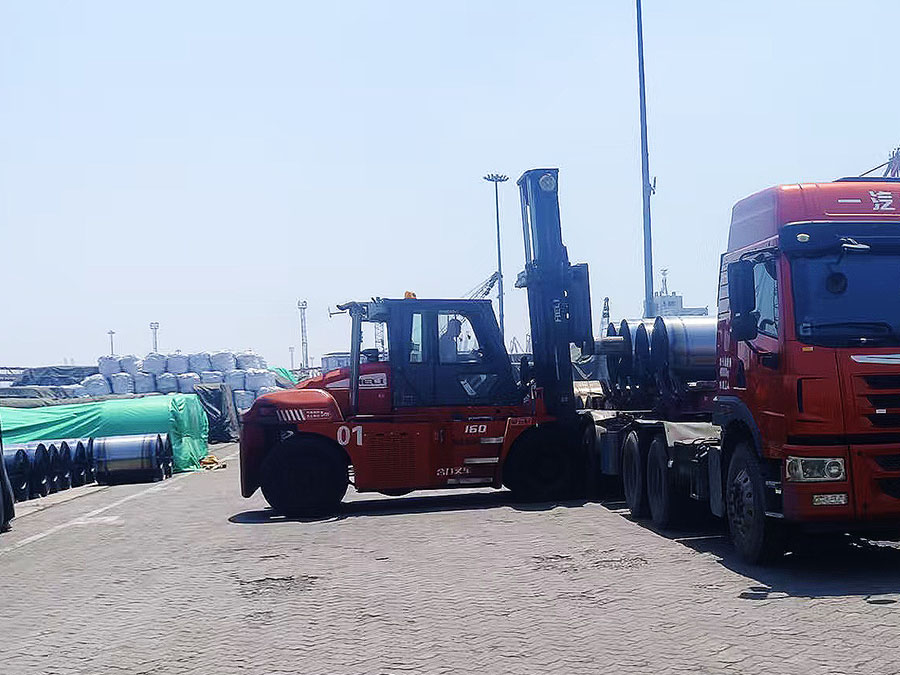
We supply high-quality ABS Grade DH36 shipbuilding steel plates, suitable for use in ships, offshore platforms and marine structural engineering, which have been fully factory-certified by the American Bureau of Shipping (ABS). This product offers excellent low-temperature toughness and good weldability. Please feel free to consult the detailed specifications, chemical composition and mechanical properties. We offer bulk stock, third-party inspection and competitive pricing to buyers worldwide.
Standard :
ABS: Rules for Building and Classing Steel VesselsGrade :
ABS Grade DH36Thickness :
5.0 - 150.0 mmWidth :
1500.0 - 3950.0 mmLength :
6000.0 - 18000.0 mmSpecial thickness, width, and length can be negotiated separately.
We also provide customized processing services.If you have any questions, please contact us.
ABS Grade DH36 is a high-strength low-alloy (HSLA) structural steel plate certified by the American Bureau of Shipping (ABS) for use in shipbuilding and offshore structures. It is specifically designed for critical hull and offshore components requiring high strength, good low-temperature toughness and weldability. ABS Grade DH36 offers excellent yield strength and outstanding impact toughness at -20°C, enabling it to withstand harsh marine environmental conditions, making it the steel of choice for hull structures, offshore platforms and marine engineering.
D: Steel quality grade (impact toughness grade, indicating good toughness at -20°C).
H: High-strength steel
36: Minimum yield strength of 315 MPa (≈ 36 kg/mm²)
| Product | ABS Grade DH36 Shipbuilding Steel Plate |
|---|---|
| Certification | ABS |
| Grade | DH36 |
| Material Category | Heigh-strength Structural Steel for Shipbuilding |
| Thickness | 5 - 150 mm |
| Width | 1500 - 3950 mm |
| Length | 6000 - 18000 mm |
| Delivery Conditions | Hot Rolled (HR), Controlled Rolled (CR), Normalized (N), Thermo-Mechanical Controlled Processed (TMCP), Quenched and Tempered (Q+T). |
| Surface Conditions | Surface pretreatment (shot blasting, rust removal, oiling, painting, etc.) is available. |
| Testing | Tensile test, Charpy V-notch impact test, Ultrasonic testing (UT), Z-direction property test (Grades Z15/Z25/Z35), Dimensional inspection, Custom cutting. |
| Primary Applications | Key structural components of ship hulls, offshore engineering structures. |
| MOQ | 50 tons (small orders can be negotiated). |
| Delivery Time | 15–20 days after order confirmation (urgent orders accepted) |
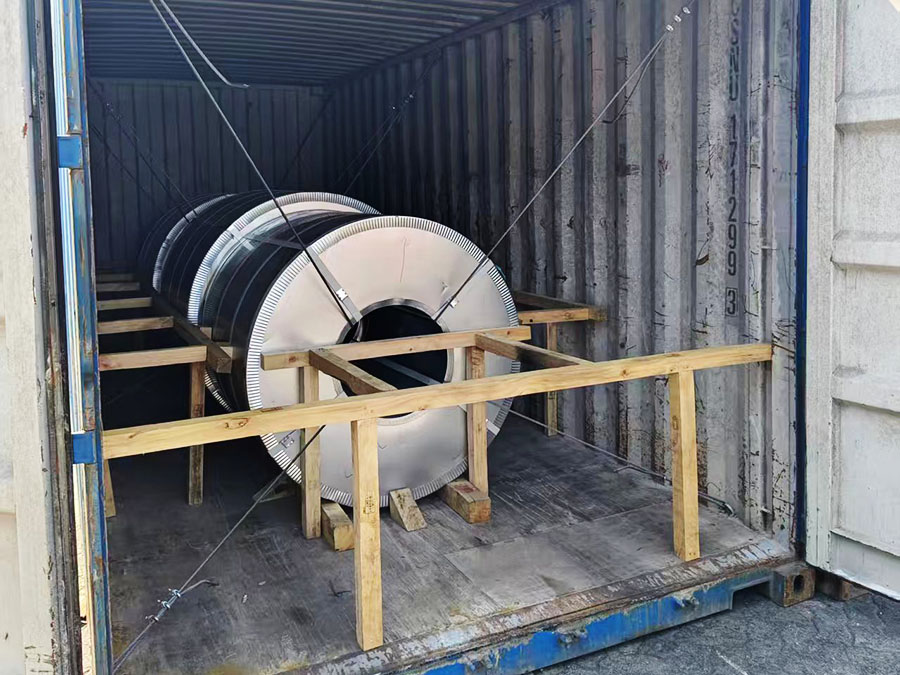
| Packaging | Standard export packaging for sea transport (primarily steel strapping and moisture-proof cloth wrapping). |
| Country of origin | China |
| Grade | C | Si | Mn | P | S | Cu | Cr | Ni | Nb | V | Ti | Mo | Als |
|---|---|---|---|---|---|---|---|---|---|---|---|---|---|
| ABS DH36 | ≤ 0.18 | ≤ 0.50 | 0.90 - 1.60 | ≤ 0.025 | ≤ 0.025 | ≤ 0.35 | ≤ 0.20 | ≤ 0.40 | 0.02 - 0.05 | 0.05 - 0.10 | ≤ 0.02 | ≤ 0.08 | ≥ 0.015 |
| Thickness (mm) | 5 - 50 | 50 - 150 |
|---|---|---|
| Typical CEV (wt %) | ≤ 0.38 | ≤ 0.40 |
Calculation formula (IIW): CEV = C + Mn/6 + (Cr + Mo + V)/5 + (Ni + Cu)/15
| Grade | Thickness, mm | Yield Strength (ReH), MPa | Tensile Strength (Rm), MPa | Elongation (A), % |
|---|---|---|---|---|
| ABS Grade DH36 | ≤ 50 | ≥ 355 | 490 - 630 | ≥ 21 |
| Grade | Thickness, mm | Temperature, ℃ | Impact Energy, KV2 / J | |
|---|---|---|---|---|
| Longitudinal | Transverse | |||
| ABS Grade DH36 | ≤ 50 | -20 | ≥ 34 | ≥ 24 |
Due to its excellent strength-to-weight ratio, ABS DH32 Shipbuilding Steel Plate is widely used in the load-bearing framework of large vessels, primarily comprising:
The main deck and side plating, which are designed to withstand wave impacts and longitudinal bending stresses on the hull.
In cargo hold areas, ABS DH32 Shipbuilding Steel Plate provides sufficient structural support whilst reducing the hull’s deadweight by minimising plate thickness, thereby increasing the payload capacity.
These areas are subjected to severe hydrodynamic loads during navigation; the toughness of ABS DH32 Shipbuilding Steel Plate prevents brittle fracture.
In addition to conventional vessels, this steel plays a vital role in both fixed and mobile offshore installations:
Used for support legs, platform decks and connection joints subject to significant environmental loads.
Such as helicopter deck support beams and accommodation block frames.
With the development of renewable energy, ABS DH32 Shipbuilding Steel Plate is increasingly being used for the bases and bridging structures of wind turbine towers.
Every batch of products is ABS-certified and complies with ASTM A131, GB/T 712 and IMO maritime standards. We provide full factory test certificates (MTC) and support third-party inspections by BV/SGS, meeting customs clearance and shipyard audit requirements.
Through precise control of alloy composition, the steel plate achieves a Charpy V-notch impact energy of ≥34 J at -20°C, effectively resisting severe wave impacts, seawater corrosion and cyclic marine stresses, and preventing brittle fracture.
Minimum yield strength ≥355 MPa, tensile strength 490–630 MPa, and elongation after fracture ≥21%. Particularly suitable for heavy-duty marine engineering structures requiring high structural stability and fatigue resistance.
With a low carbon equivalent (CEV ≤ 0.40%) and an optimised alloy composition, it is suitable for submerged arc welding, gas welding and on-site welding in marine engineering. The steel plate has a flat surface and a dense internal structure, free from laminar tearing defects.
Strict control of harmful impurities such as P and S, combined with the addition of trace alloying elements including Cu, Cr and Ni, provides excellent resistance to salt spray and seawater corrosion, significantly extending service life in marine saline environments.
Every batch undergoes 100% ultrasonic testing, and full-thickness quality grades (Z15, Z25, Z35) can be provided in accordance with project requirements, making it suitable for critical marine construction and offshore structural projects.
Ultrasonic testing (UT) in accordance with ASTM A578/A435
ABS, CCS, DNV, LR, BV and GL class certifications available upon request.
Custom cutting, bending, shot blasting, anti-corrosion coating and bespoke dimensions according to customer drawings.
ABS certificates, factory test reports, packing lists and bills of lading to ensure smooth customs clearance.
A:
Common delivery conditions: hot-rolled AR, normalised N, TMCP. TMCP is the most popular choice due to its superior toughness and value for money.
Dimension range: thickness 5–150 mm, width 1200–4200 mm, length 3000–18000 mm. Custom cutting and Z-direction properties Z15/Z25/Z35 are available.
A:
ABS DH36 shipbuilding plate offers excellent weldability; due to its low carbon content, it has a low susceptibility to weld cracking. Conventional welding methods (such as submerged arc welding, gas shielded arc welding and manual arc welding) can generally be used.
However, low-hydrogen welding consumables must be used during welding, and preheating is still required for thicker plates. For thick plates or highly constrained joints, post-weld heat treatment (PWHT) may be necessary to relieve residual stresses.
A:
International equivalent grades:
China: GB/T 712 DH36
USA: ASTM A131 Grade DH36
Classification society equivalent: CCS DH36, DNV DH36, BV DH36, LR DH36
All equivalent grades meet the same chemical and mechanical requirements.
A:
ABS DH36 marine steel plate complies with the ABS Materials and Welding Rules, meets the IACS Unified Requirements and conforms to the ASTM A131 standard. It is approved by ABS, CCS, DNV, BV, LR and other major classification societies for use in global shipbuilding and offshore engineering projects.
A:
Due to its high strength and resistance to low-temperature impact, it is widely used in:
the main deck and outer plating of the hull, hatch coamings on container ships, structural components of offshore drilling platforms, and critical load-bearing areas of vessels operating in cold waters.
A:
Yes, we offer value-added services, including plasma cutting and laser cutting.
A:
Both have the same yield strength (≥355 MPa). The key difference lies in the impact test temperature: AH36 is tested at 0°C, whilst DH36 is tested at -20°C, offering better safety performance in cold environments.
A:
| Grade | Impact Test Requirements | Microalloying | Suitable for Marine Environments |
|---|---|---|---|
| AH36 | Passes impact testing at 0°C | Optional | Standard marine environments. |
| DH36 | Passes impact testing at -20°C | Optional | Cold-water marine environments. |
| EH36 | Passes impact testing at -40°C | Must contain Nb/V/Ti. | Polar marine environments with extremely low temperatures. |
| FH36 | Passes impact testing at -60°C | Must contain Nb/V/Ti, and restricted N content. | Polar/ice regions and ultra-low-temperature deep-sea environments. |
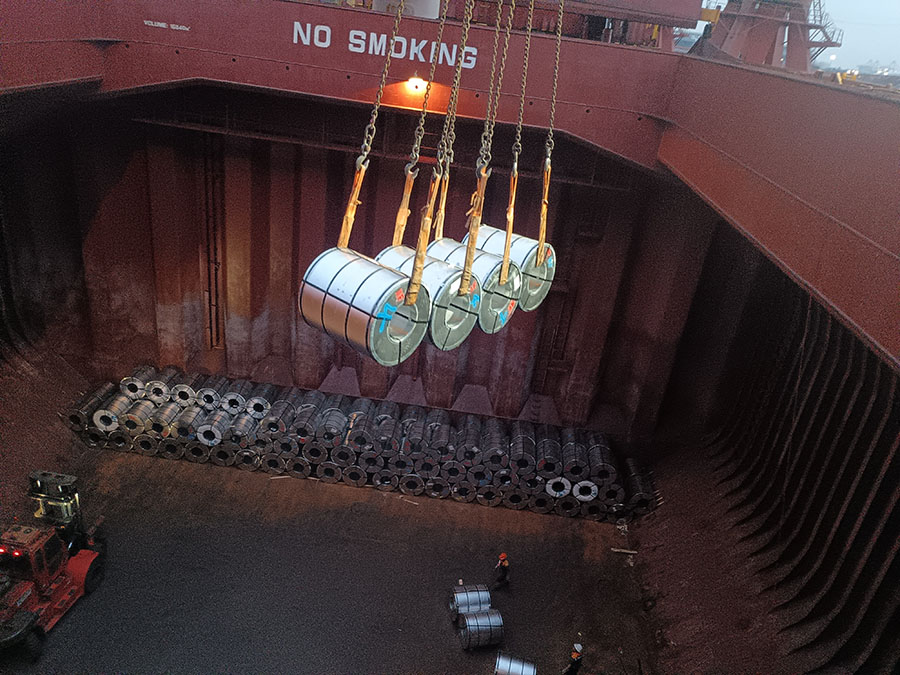
Yuxin Steel provides high-quality steel products to customers in more than 20 countries worldwide.
Contact Info
Would you like to know more about our offers? Please feel free to contact us.