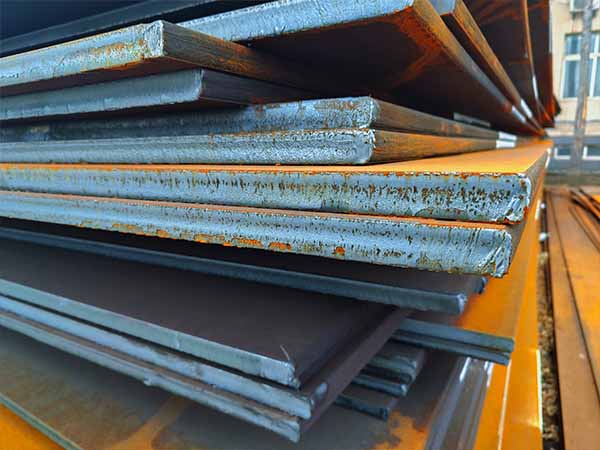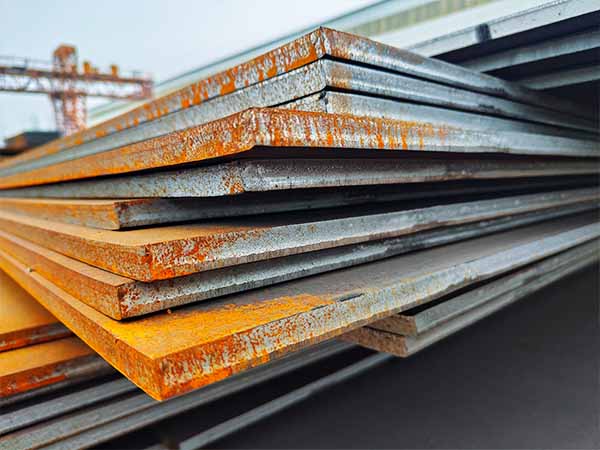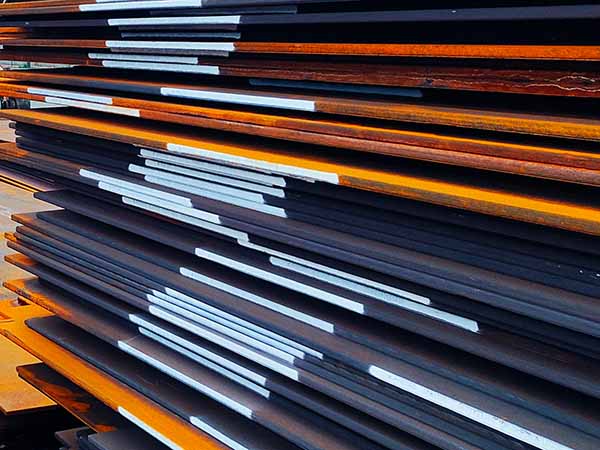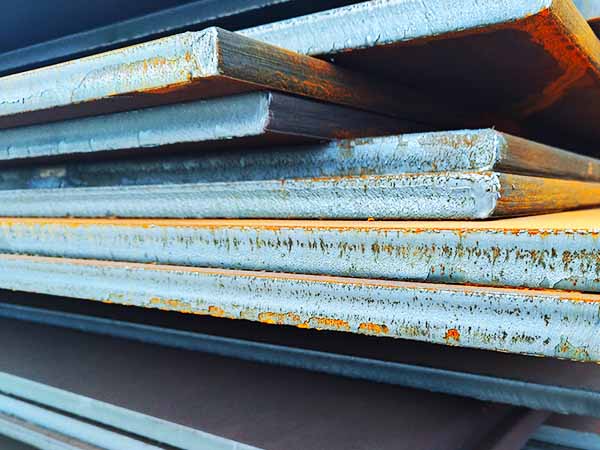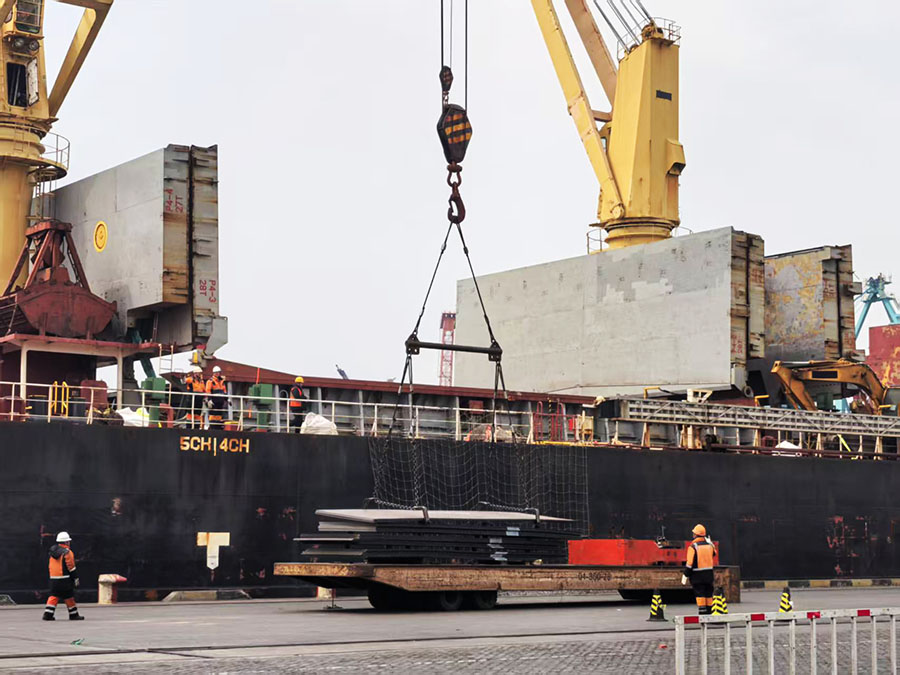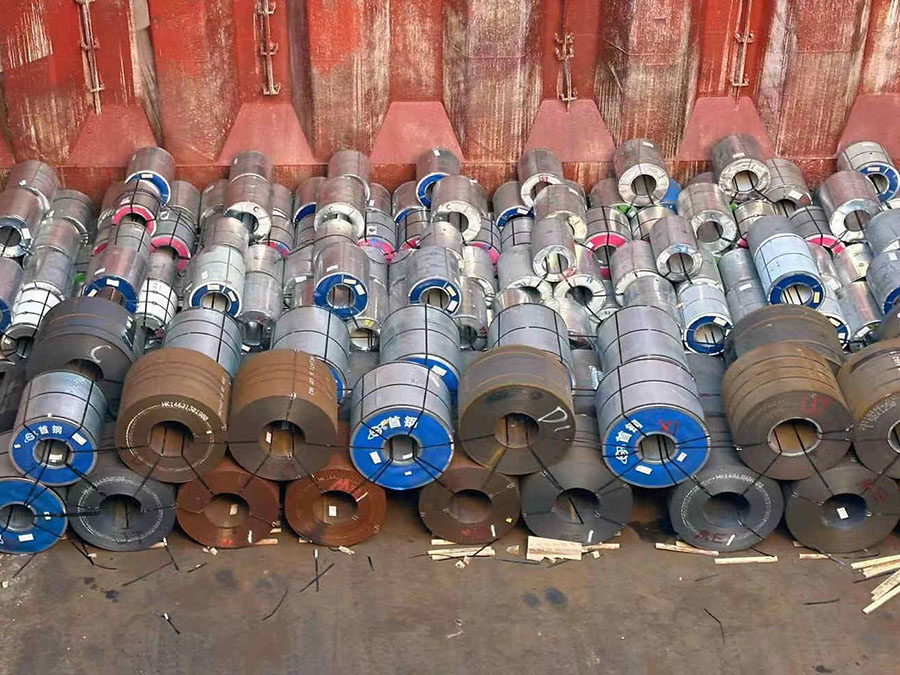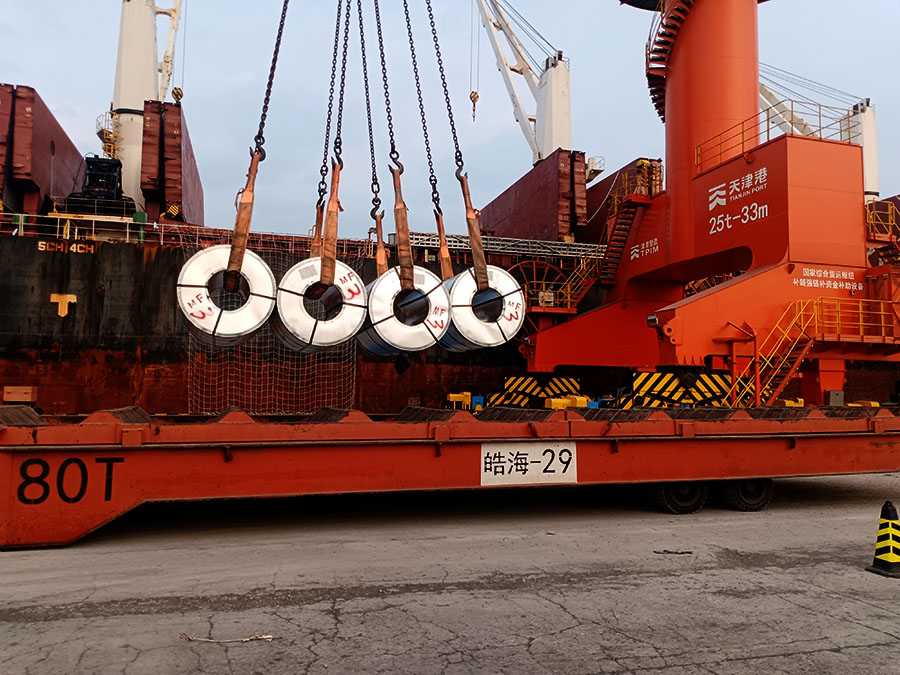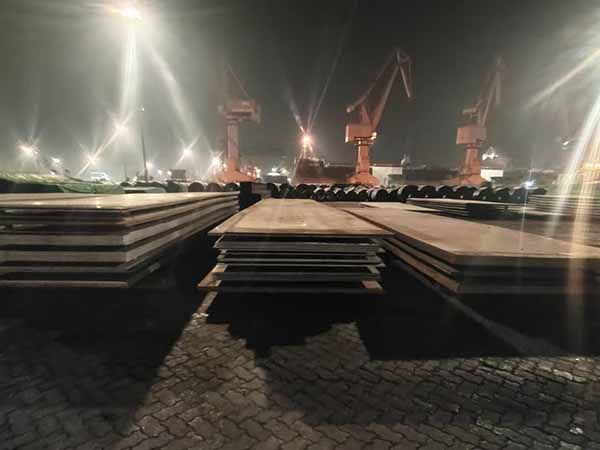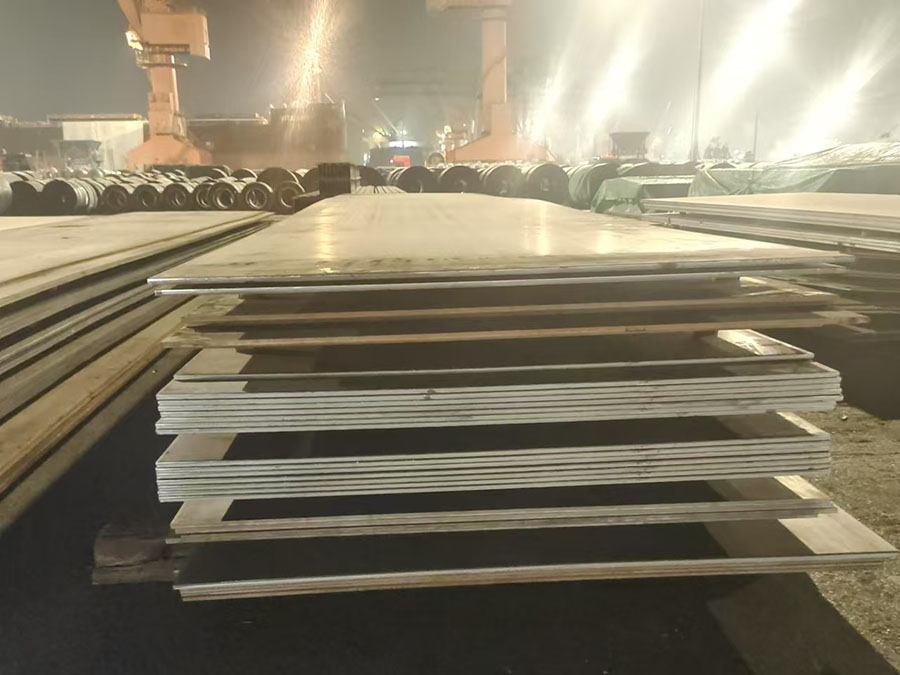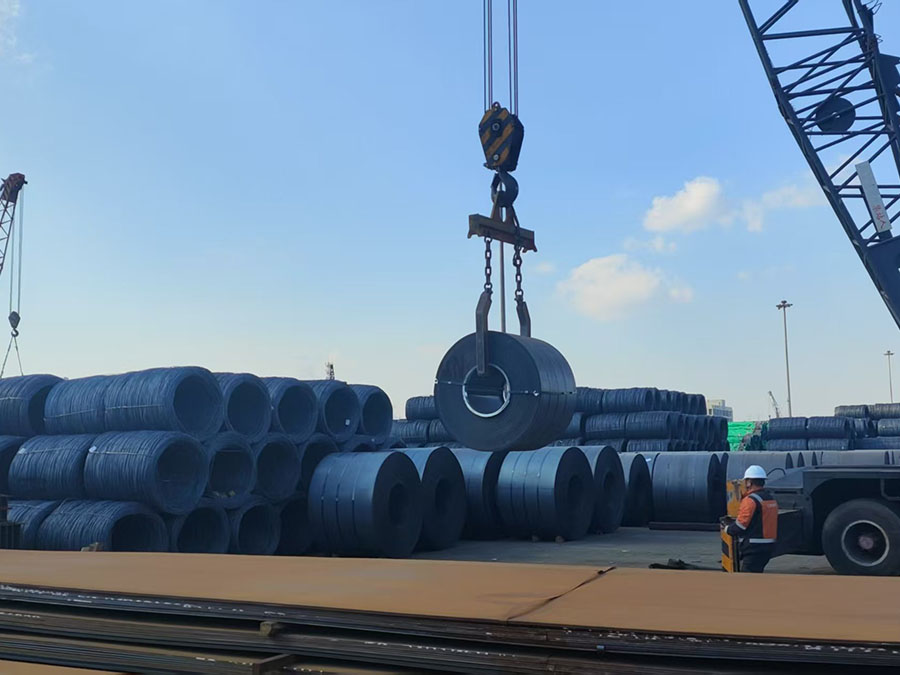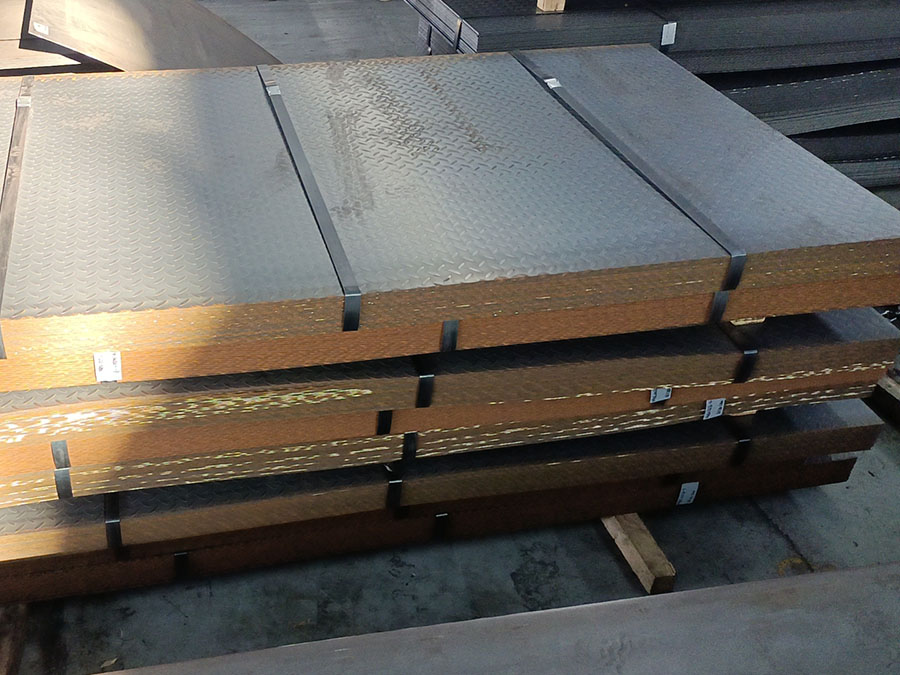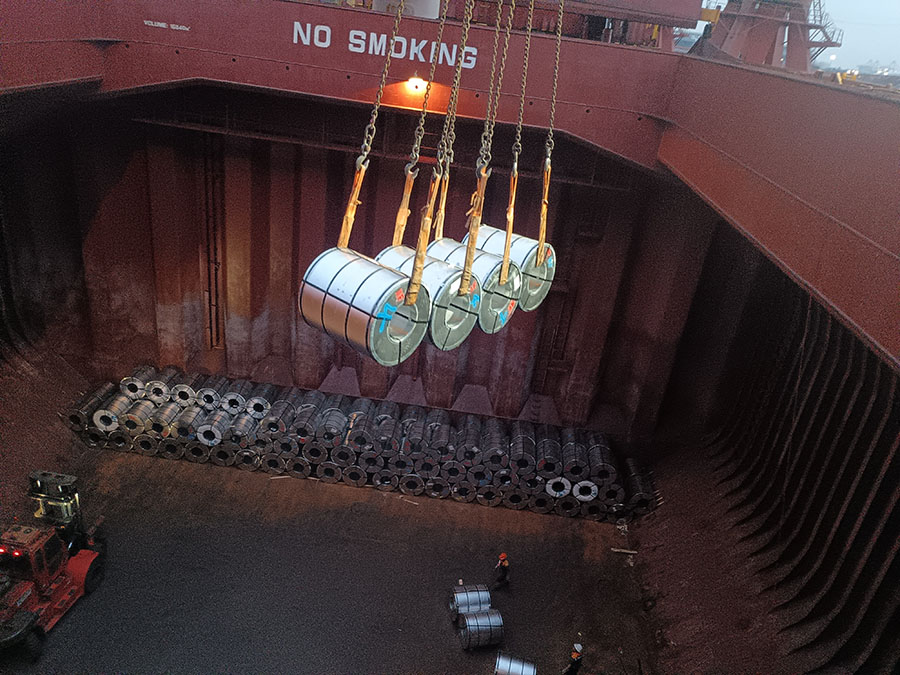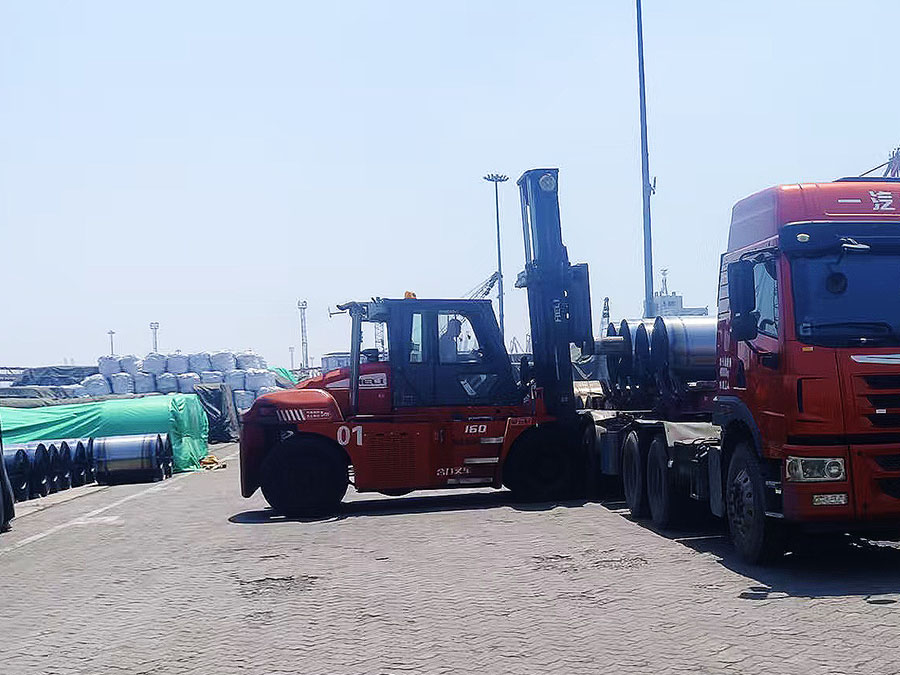
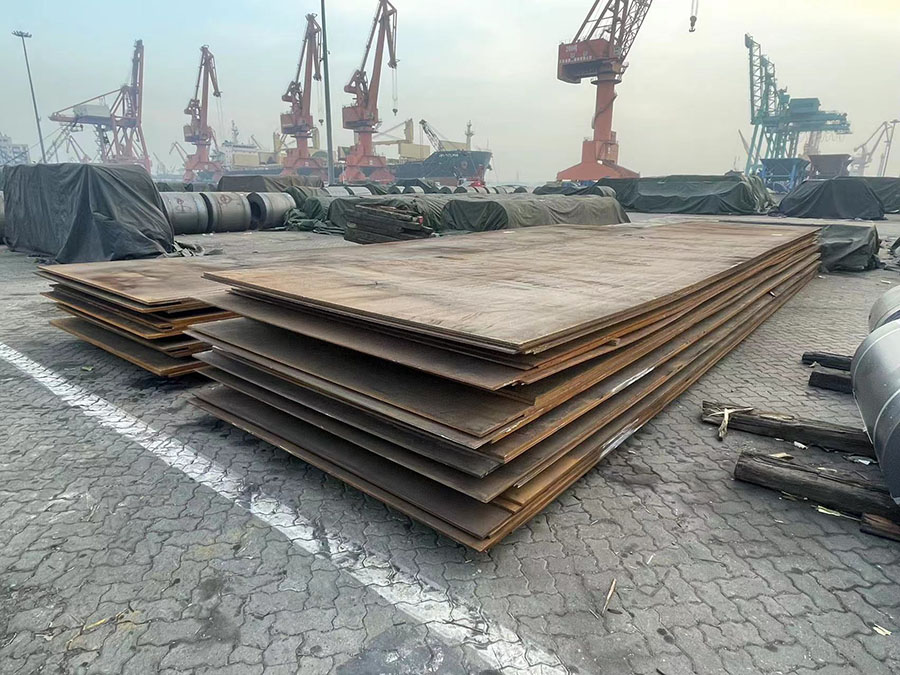
ABS Grade DH32 Steel Plates – A Reliable Choice for Shipbuilding and Offshore Platforms. ABS Grade DH32 high-strength marine steel plates, sourced from ABS-approved mills, comply with ABS standards for high-strength structural applications. This grade is specifically designed for low-temperature environments and offers excellent weldability, making it widely used in hull structures, bulk carriers and offshore drilling platforms. As a specialist Chinese steel plate supplier, Yuxin Steel supplies ABS-certified DH32 shipbuilding steel plates, providing reliable material solutions with high strength, low-temperature resistance and excellent weldability for global shipbuilding, offshore engineering and marine structural projects.
Certification :
ABS RulesGrade :
ABS Grade DH32Thickness :
5.0 - 150.0 mmWidth :
1500.0 - 4000.0 mmLength :
6000.0 - 18000.0 mmSpecial thickness, width, and length can be negotiated separately.
We also provide customized processing services.If you have any questions, please contact us.
ABS Grade DH32 shipbuilding plate is a high-strength, low-alloy structural steel specifically designed for shipbuilding and offshore structural applications. It is certified by the American Bureau of Shipping (ABS) and meets the stringent safety and performance requirements of the global shipping industry. It has undergone rigorous Charpy V-notch impact testing at -20°C, ensuring excellent toughness in cold marine environments. It is an ideal material for the construction of vessels and offshore platforms operating in cold waters, and is widely used in hulls, decks, bulkheads and offshore platform components, providing stable structural support for a variety of vessels and offshore facilities.
ABS: Certified by the American Bureau of Shipping
D: Steel quality grade (impact toughness grade, indicating good toughness at -20°C).
H: High-strength steel
32: Minimum yield strength of 315 MPa (≈ 32 kgf/mm²)
| Product | ABS Grade DH32 Shipbuilding Steel Plate |
|---|---|
| Certification | ABS |
| Grade | DH32 |
| Material Category | Heigh-strength Structural Steel for Shipbuilding |
| Thickness | 5 - 150 mm |
| Width | 1500 - 4000 mm |
| Length | 6000 - 18000 mm |
| Delivery Conditions | Hot Rolled (HR), Controlled Rolled (CR), Normalized (N), Thermo-Mechanical Controlled Processed (TMCP), Quenched and Tempered (Q+T). |
| Surface Conditions | Surface pretreatment (shot blasting, rust removal, oiling, painting, etc.) is available. |
| Testing | Tensile test, Charpy V-notch impact test, Ultrasonic testing (UT), Z-direction property test (Grades Z15/Z25/Z35), Dimensional inspection, Custom cutting. |
| Primary Applications | Shipbuilding, Marine Engineering, Port Machinery, Ship Repair & Other Fields. |
| MOQ | 5 tons (small orders can be negotiated). |
| Delivery Time | 15–20 days after order confirmation (urgent orders accepted) |
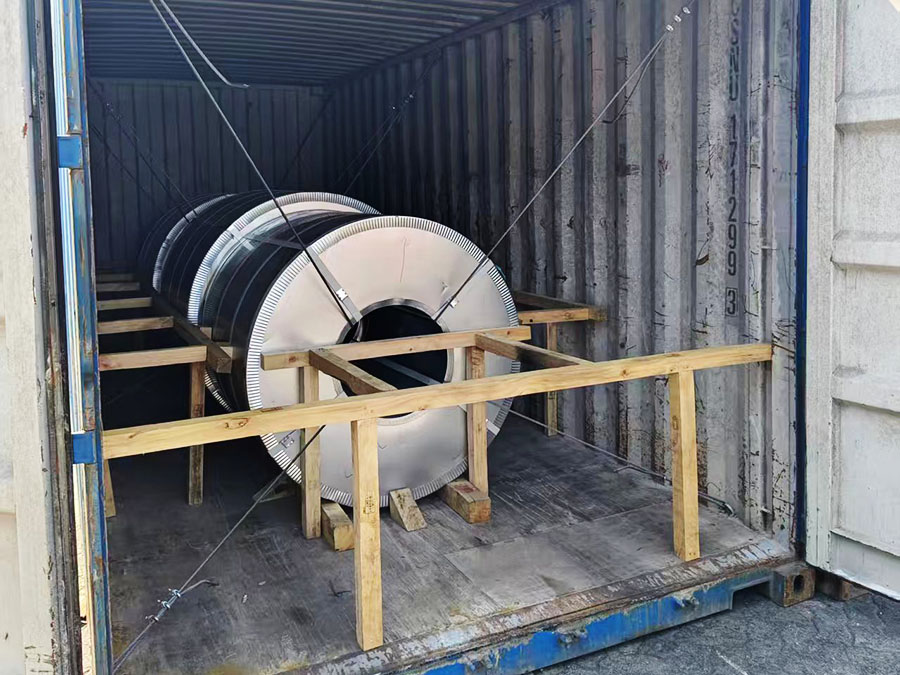
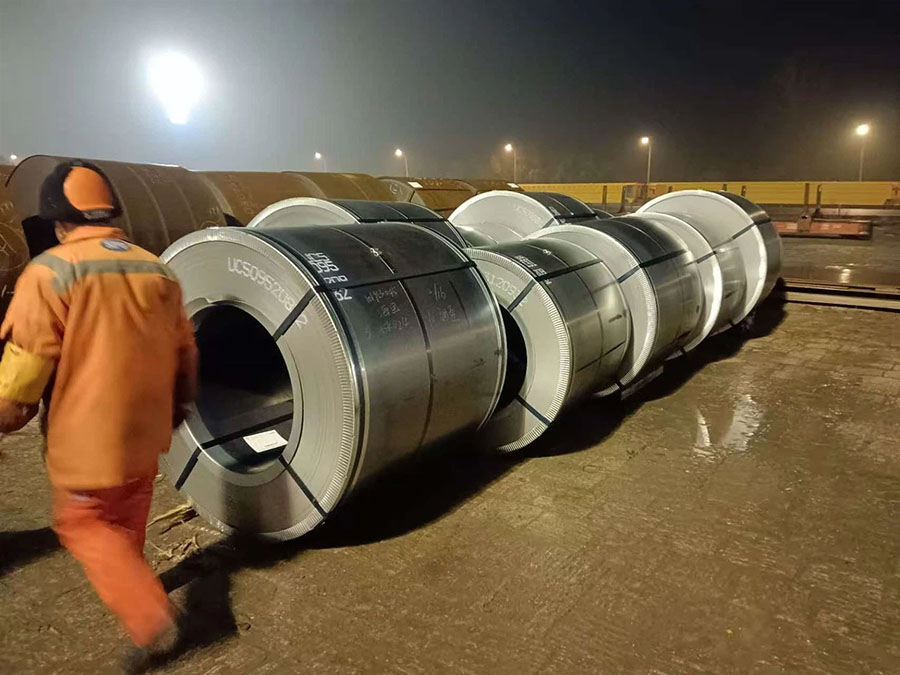
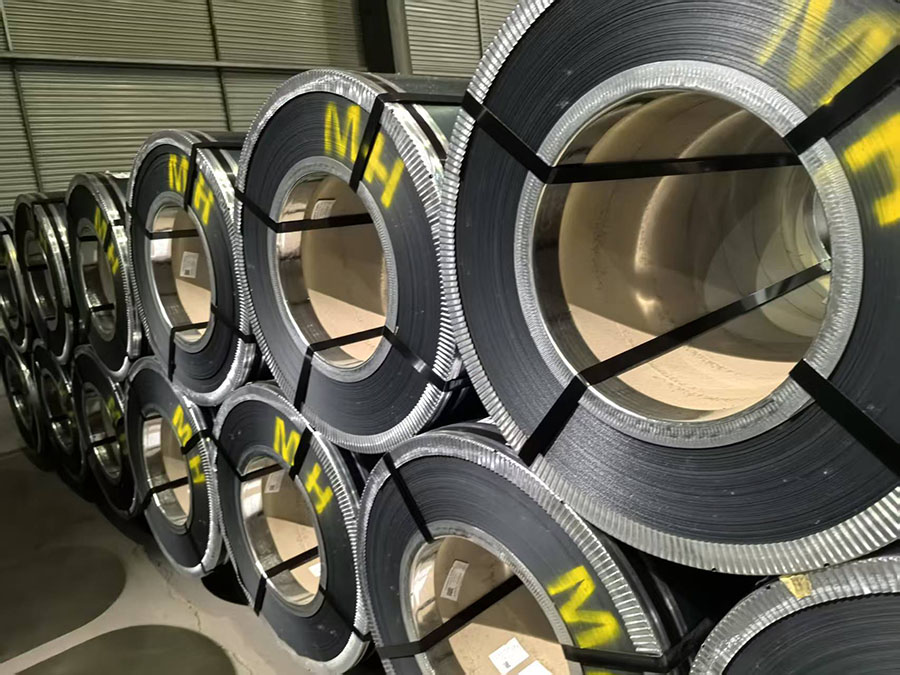
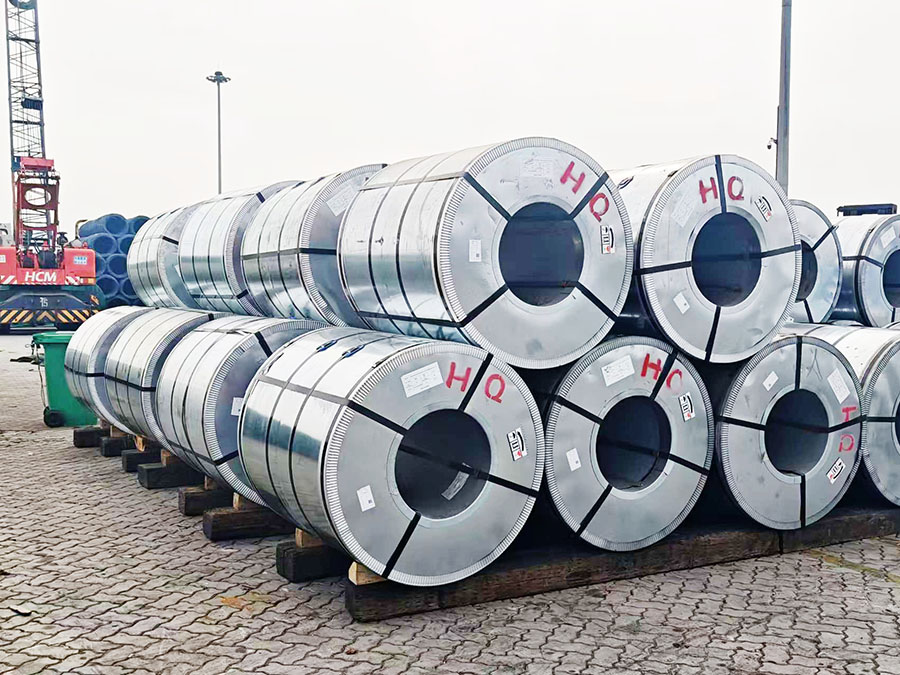
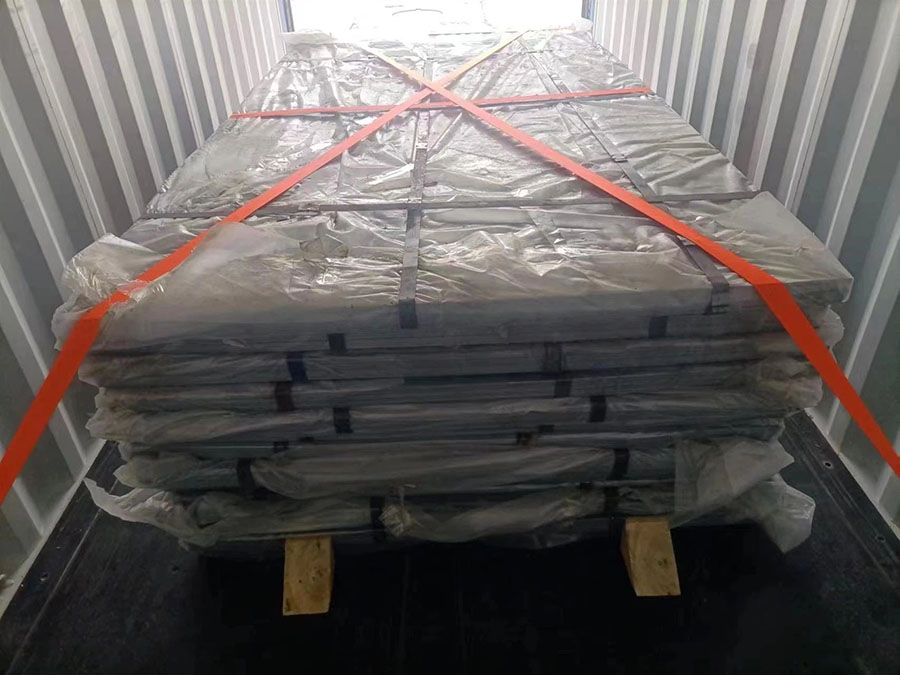
| Packaging | Standard export packaging for sea transport (primarily steel strapping and moisture-proof cloth wrapping). |
| Country of origin | China |
| Grade | C | Si | Mn | P | S | Cu | Cr | Ni | Nb | V | Ti | Mo | Als |
|---|---|---|---|---|---|---|---|---|---|---|---|---|---|
| ABS DH32 | ≤ 0.18 | ≤ 0.50 | 0.90 - 1.60 | ≤ 0.025 | ≤ 0.025 | ≤ 0.35 | ≤ 0.20 | ≤ 0.40 | 0.02 - 0.05 | 0.05 - 0.10 | ≤ 0.02 | ≤ 0.08 | ≥ 0.015 |
| Thickness (mm) | 5 - 50 | 50 - 150 |
|---|---|---|
| Typical CEV (wt %) | ≤ 0.36 | ≤ 0.38 |
Calculation formula (IIW): CEV = C + Mn/6 + (Cr + Mo + V)/5 + (Ni + Cu)/15
| Grade | Thickness, mm | Yield Strength (ReH), MPa | Tensile Strength (Rm), MPa | Elongation (A), % |
|---|---|---|---|---|
| ABS Grade DH32 | ≤ 50 | ≥ 315 | 450 - 570 | ≥ 22 |
| Grade | Thickness, mm | Temperature, ℃ | Impact Energy, KV2 / J | |
|---|---|---|---|---|
| Longitudinal | Transverse | |||
| ABS Grade DH32 | ≤ 50 | -20 | ≥ 31 | ≥ 22 |
ABS Grade DH32 shipbuilding steel plates, with their excellent overall performance—particularly their outstanding low-temperature toughness and high strength—are widely used in the global shipping industry and related sectors, primarily including:
Hull structures, decks, keels, frames, bulkheads and beams for polar research vessels, icebreakers, cargo ships, container ships, oil tankers, bulk carriers and general merchant vessels operating in cold regions. It is particularly suitable for outer plating and deck structures on vessels operating in low-temperature environments of -20°C.
Offshore oil drilling platforms, platform pipe joints, offshore wind power structures, coastal terminal facilities and FPSO vessels. It is widely used in critical load-bearing components such as platform jackets and legs, with a fatigue life exceeding 25 years, making it suitable for harsh marine environments such as North Sea offshore platforms.
Support structures for LNG carrier cargo holds, as well as structural components for submarines and other specialised marine equipment.
Maintenance and replacement of existing ship structural components, structural components for port machinery, and low-temperature-resistant structural components in coastal engineering and bridge construction, ensuring stability under heavy loads and in harsh environments.
Our DH32 shipbuilding steel plates have been officially certified by the American Bureau of Shipping (ABS). Material Test Certificates (MTCs) are provided with each shipment, and we support third-party testing.
We specialise in the production of high-end shipbuilding steel plates, ensuring a stable supply and consistent quality for every batch.
Leveraging our extensive experience in international logistics, we can ship to over 80 countries and regions worldwide, ensuring on-time delivery.
We can tailor thickness, width, length, delivery condition, surface treatment and additional testing requirements to meet your specific needs. Our professional technical team will design the most suitable ABS Grade DH32 shipbuilding steel plate solution for you, reducing processing costs and enhancing construction efficiency.
We offer high-quality ABS Grade DH32 shipbuilding steel plates at reasonable prices, helping you control project costs and enhance your competitiveness in the global maritime market.
Our dedicated after-sales team provides a one-stop service ranging from pre-sales consultation and product inspection to post-sales technical support.
A:
The main difference between the two lies in the minimum impact test temperature.
DH32: The impact test temperature is -20°C.
EH32: The impact test temperature is -40°C, which is a more stringent requirement.
Consequently, EH32 is suitable for lower ambient temperatures or colder marine environments, whilst DH32 is suitable for milder marine environments.
A:
The choice depends primarily on strength requirements:
DH32: Yield strength 315 MPa. Suitable for most standard hull structures and offers good value for money.
DH36: Yield strength 355 MPa. Although the impact temperature is also -20°C, DH36 offers higher strength.
Recommendation: If the design allows for weight reduction, or for critical areas subject to high stress (such as hatch coamings and deckhead plates), the design may specify DH36; for standard hull plating, DH32 is usually sufficient and more economical.
A:
ABS Grade DH32 is essentially a carbon-manganese steel and does not form a protective oxide layer like stainless steel. In marine environments, it must be used in conjunction with marine paint (anti-corrosion coating) and sacrificial anodes (cathodic protection). Typically, prior to processing, the steel plates undergo shot blasting or sandblasting and are coated with a primer.
A:
The mechanical properties of ABS Grade DH32 shipbuilding steel plates are typically achieved through controlled rolling and heat treatment. The most common delivery conditions include:
TMCP: This is an advanced controlled rolling process that yields good low-temperature toughness and weldability.
Normalizing: For thicker gauges, normalising is usually employed to refine the grain structure.
Controlled rolling: Improving production efficiency.
A:
Buyers should confirm three key documents and inspections:
1. Original classification society mill certificate.
2. Complete MTC mill test report with chemical and mechanical properties.
3. UT ultrasonic inspection and surface quality check to ensure no internal lamination or surface defects.
A:
Yes, ABS DH32 has excellent weldability with low carbon equivalent. It is compatible with SAW, GMAW and SMAW welding processes.
A:
Yes, DH32 is suitable for structural components on offshore platforms subject to high loads and operating at ambient temperatures of no less than -20°C. Where structures are exposed to extremely low temperatures or involve critical connection joints (such as TKY joints), it is usually required to use higher-grade EH32 steel or steel plates with Z-direction properties (Z25/Z35) to ensure resistance to laminar tearing.
A:
Both have the same yield strength; the main difference lies in the impact test temperature. AH32 is tested at 0°C, whilst DH32 is tested at -20°C, making DH32 more suitable for colder or harsher sea conditions.
A:
ABS Grade AH32, DH32, EH32 and FH32 shipbuilding steel plates have the same strength. The core difference is low-temperature impact resistance.
| Grade | Impact Test Temperature | Impact Energy, KV2 / J | Suitable for Marine Environments |
|---|---|---|---|
| ABS AH32 | 0°C | 31(Longitudinal), 22(Transverse) | Standard marine environments. |
| ABS DH32 | -20°C | 31(Longitudinal), 22(Transverse) | Cold-water marine environments. |
| ABS EH32 | -40°C | 31(Longitudinal), 22(Transverse) | Polar marine environments with extremely low temperatures. |
| ABS FH32 | -60°C | 31(Longitudinal), 22(Transverse) | Polar/ice regions and ultra-low-temperature deep-sea environments. |
– We offer free samples and bespoke solutions. Please feel free to enquire about our latest prices and volume discounts.
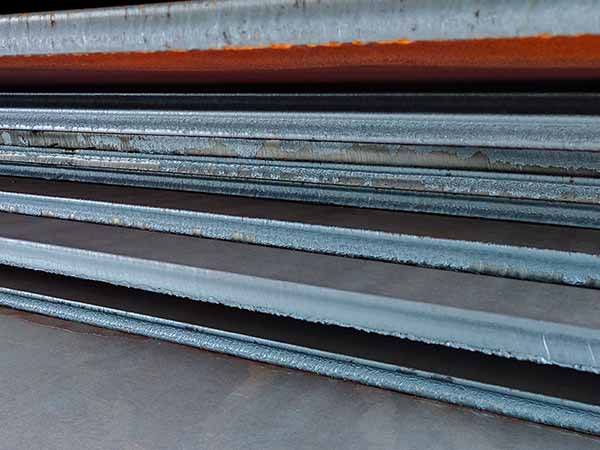
Yuxin Steel provides high-quality steel products to customers in more than 20 countries worldwide.
Contact Info
Would you like to know more about our offers? Please feel free to contact us.