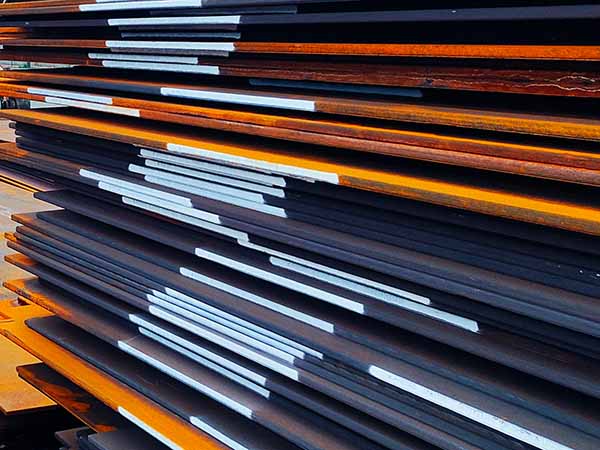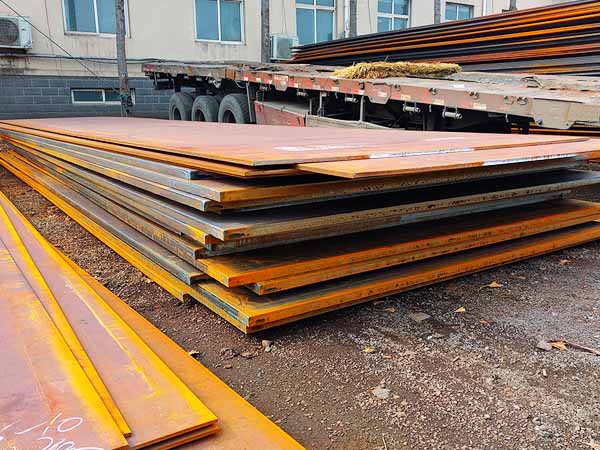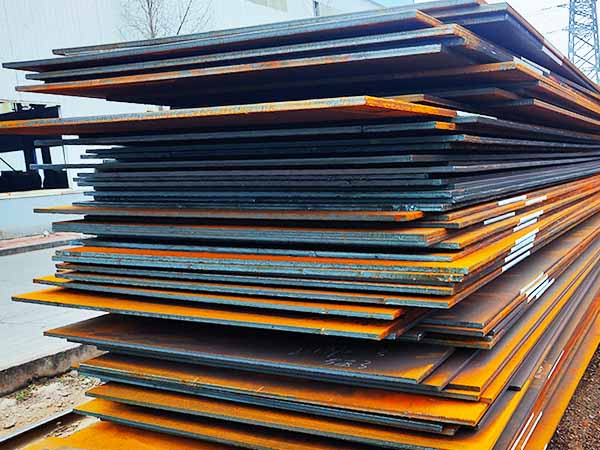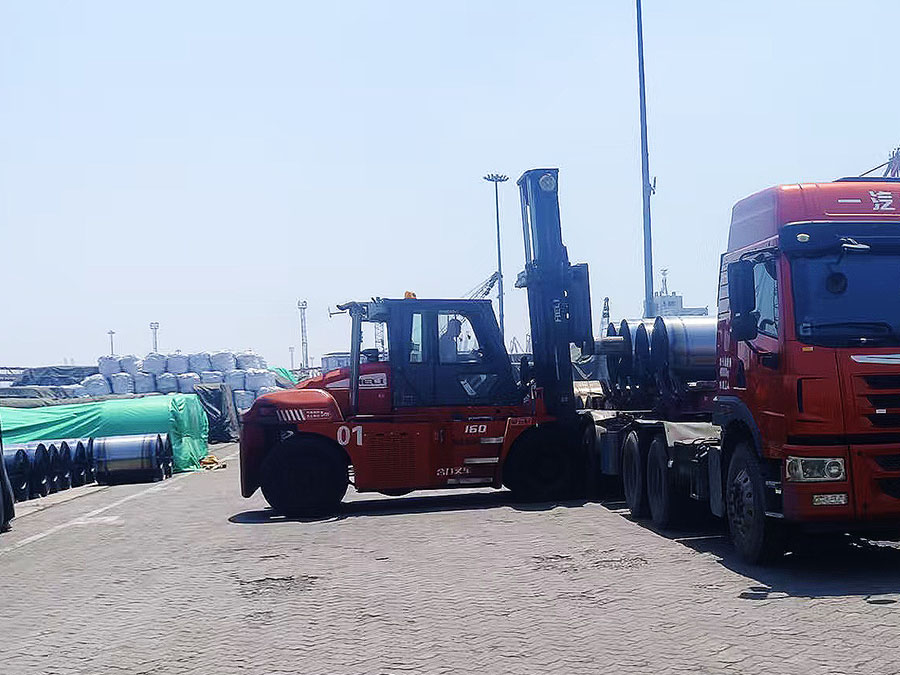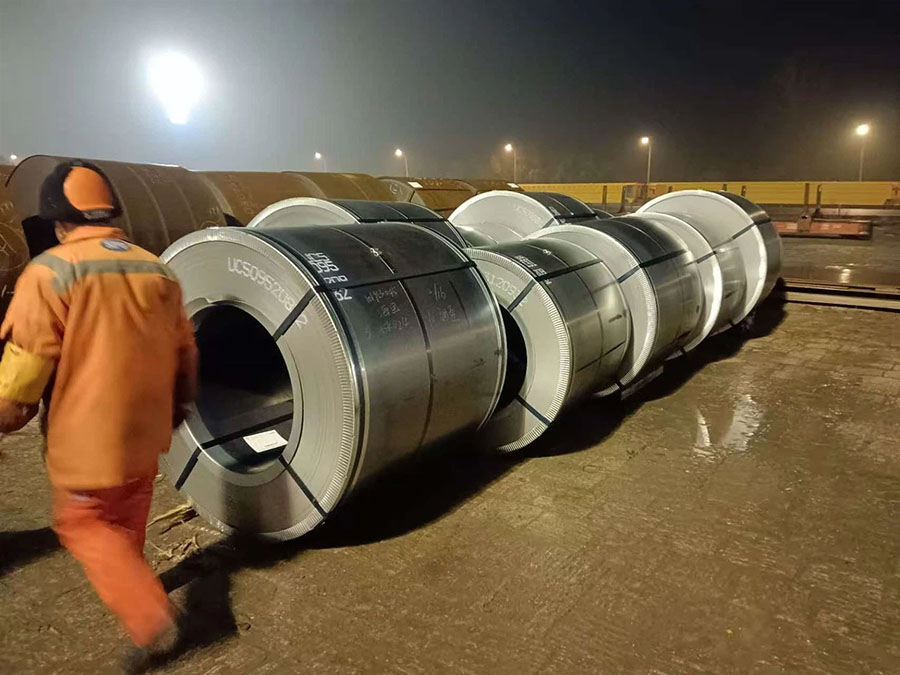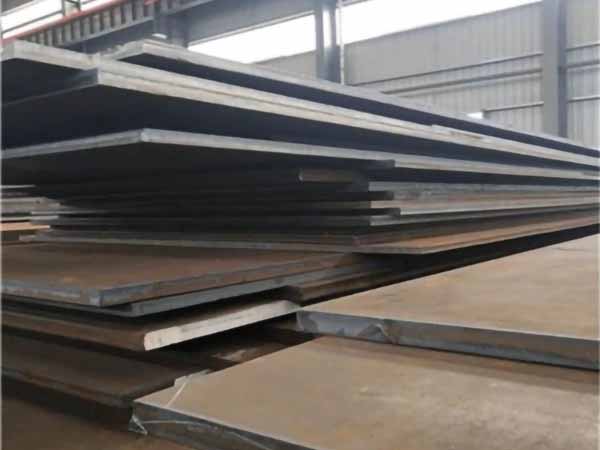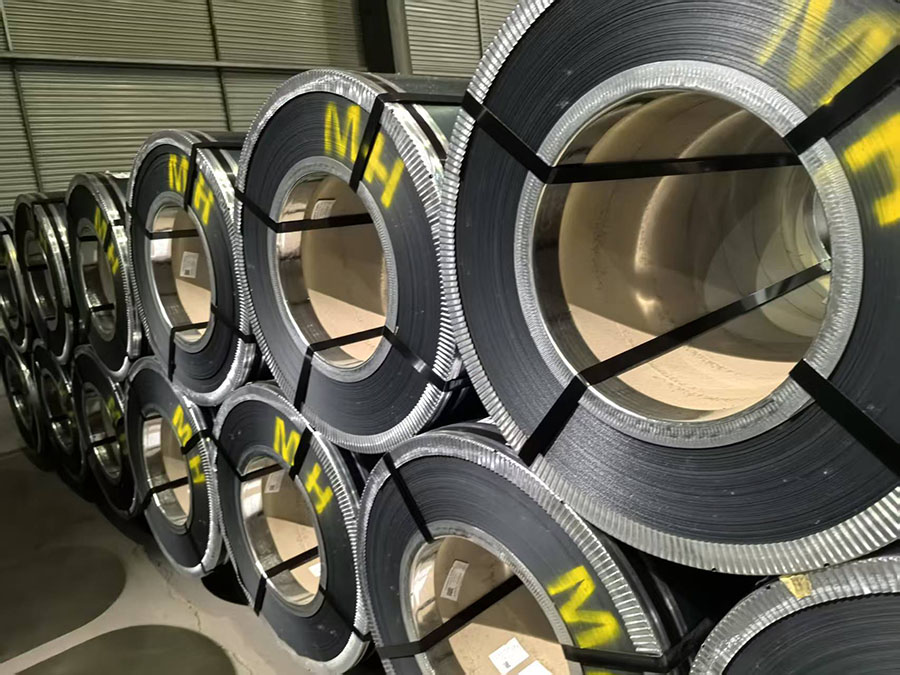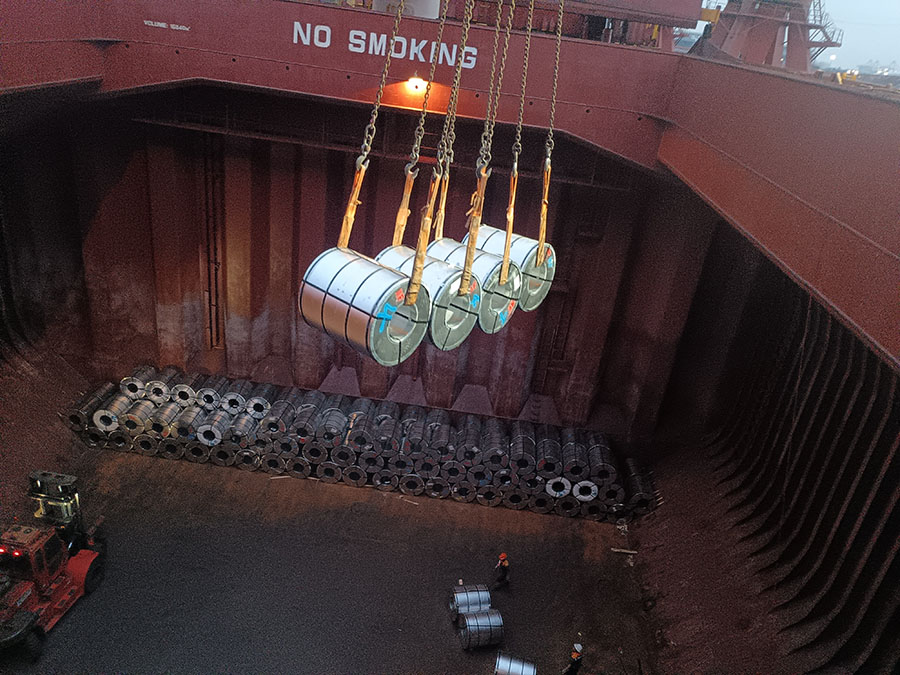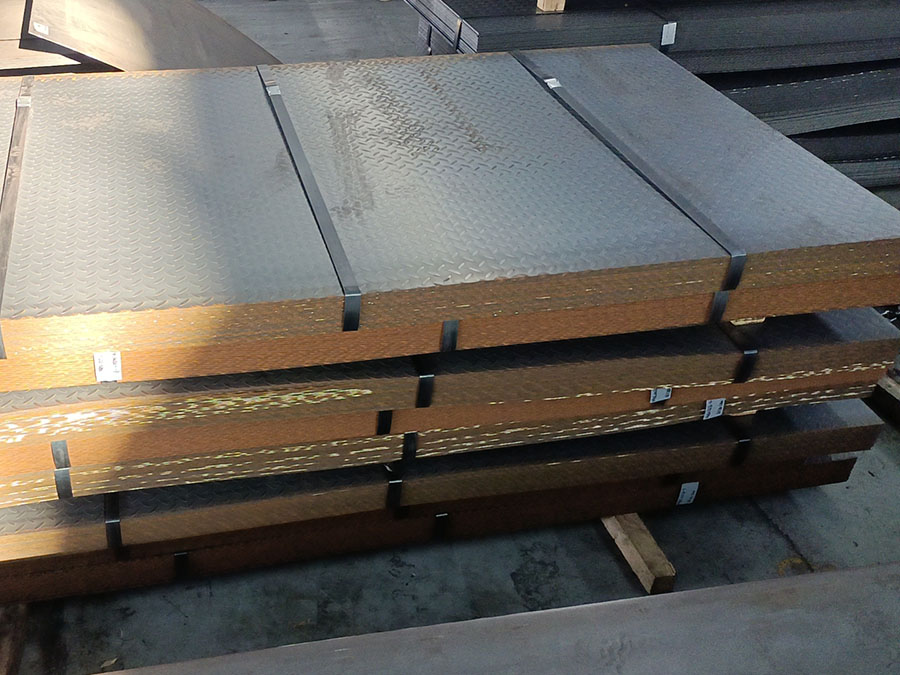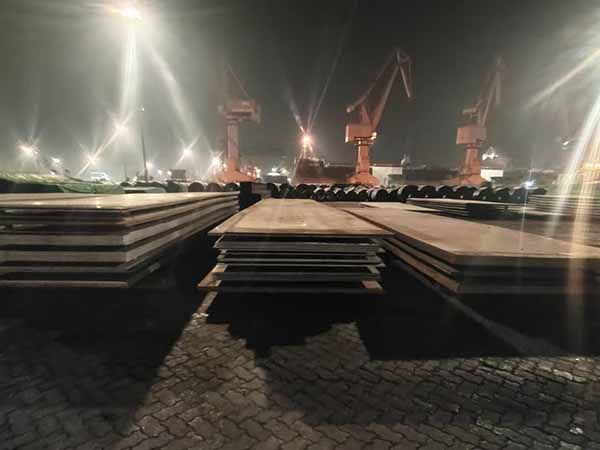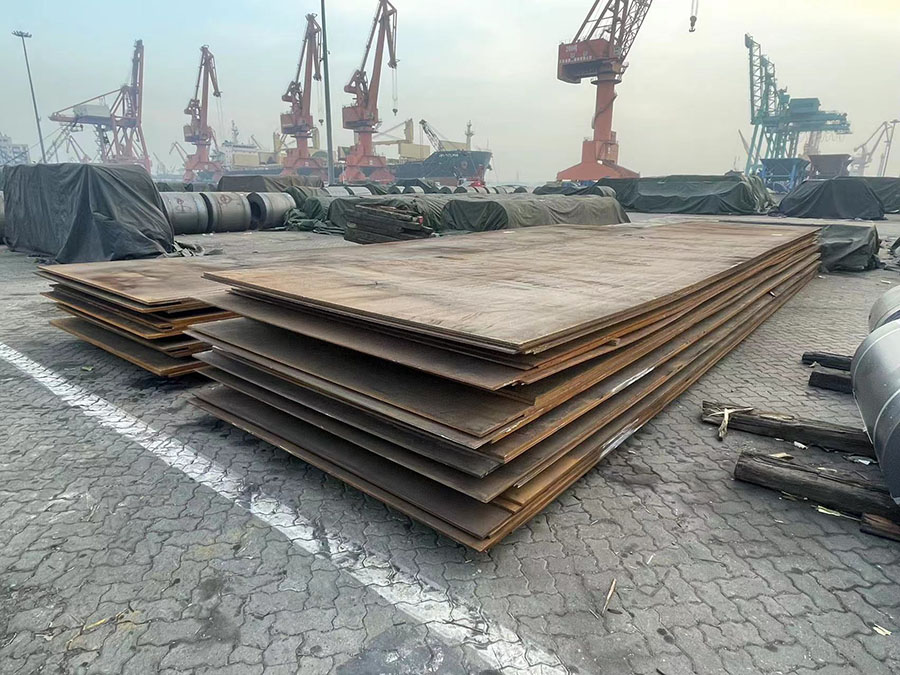
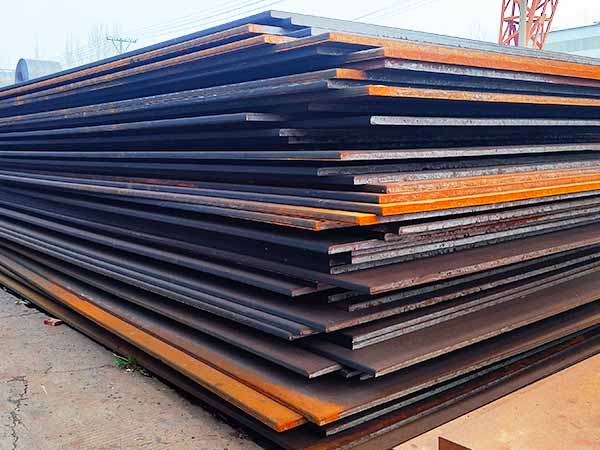
As a professional Chinese supplier of ABS Grade A marine steel plates, we provide high-quality certified marine steel plates that fully comply with the stringent standards of the American Bureau of Shipping (ABS). Our ABS Grade A marine steel plates are widely used in hull construction, offshore engineering and marine equipment manufacturing, featuring stable performance and reliable quality, and have been widely recognized by the market. Whether for new shipbuilding or ship repair and maintenance, our products can meet your requirements.
Certification :
ABS RulesGrade :
ABS Grade AThickness :
5.0 - 150.0 mmWidth :
1500.0 - 4000.0 mmLength :
6000.0 - 18000.0 mmSpecial thickness, width, and length can be negotiated separately.
We also provide customized processing services.If you have any questions, please contact us.
ABS Grade A steel plates are hot-rolled steel plates certified by the American Bureau of Shipping (ABS) for general-strength ship hull structures, and are also one of the most widely used basic structural materials in the shipbuilding industry.
As one of the most commonly used grades of general-strength marine steel, ABS Grade A marine steel plates are primarily used in the construction of ship hulls, bulkheads, decks, superstructures and various marine engineering structures. It should be noted that this steel plate is not suitable for critical components of large vessels where extremely high low-temperature toughness is required, nor is it suitable for vessels operating in low-temperature environments such as polar regions.
ABS Grade A shipbuilding steel plates offer moderate strength combined with excellent ductility and toughness. They possess excellent cold-forming and weldability, fully meeting the strength design requirements for conventional ship hull structures. Furthermore, they offer outstanding value for money, making them the material of choice for basic shipbuilding structures.
Impact tests must be conducted at ambient temperature (20°C). As its low-temperature toughness is limited, it is not suitable for ship structural components operating in low-temperature environments.
ABS Grade A shipbuilding steel plates have a moderate carbon equivalent, ensuring good weldability. Conventional welding operations do not require preheating, which effectively improves construction efficiency and reduces welding costs.
| Grade | ABS Grade A |
|---|---|
| Certification | ABS (American Bureau of Shipping): Rules for Building and Classing Steel Vessels |
| Material Category | Normal-strength structural steel for shipbuilding |
| Primary Applications | Construction of ship hulls, bulkheads, decks, superstructures and offshore engineering structures. |
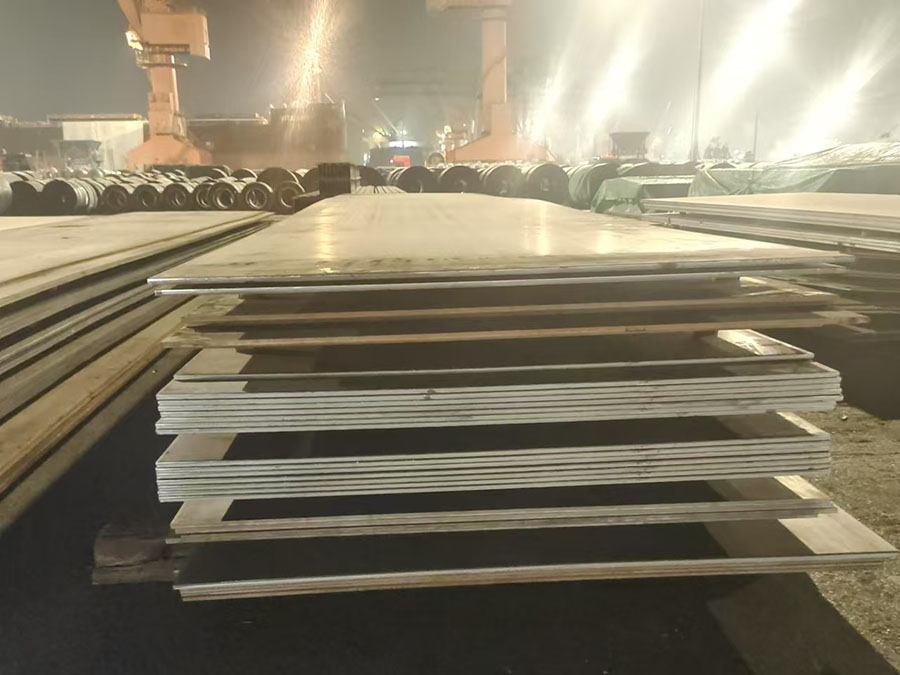
| Dimensions | Thickness: 5 - 150 mm, width: 1500 - 4000 mm, length: 6000 - 18000 mm. |
| Delivery Conditions | Hot Rolled, Controlled Rolled, Normalized, Thermo-Mechanical Controlled Processed (TMCP). |
| Surface Conditions | Typically black skin, shot blasting, pickling, oiling and painting are available. |
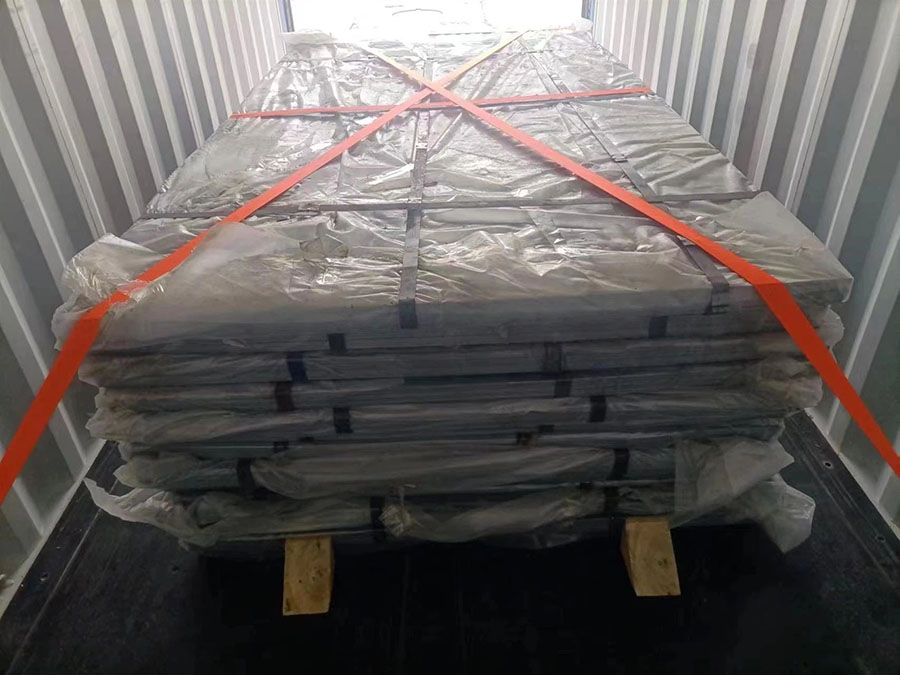
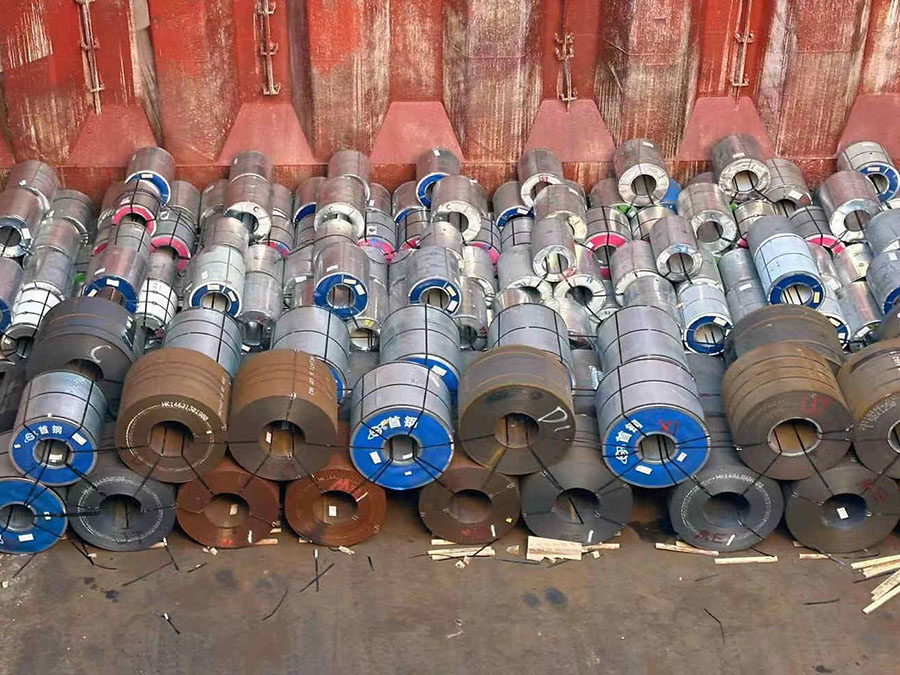
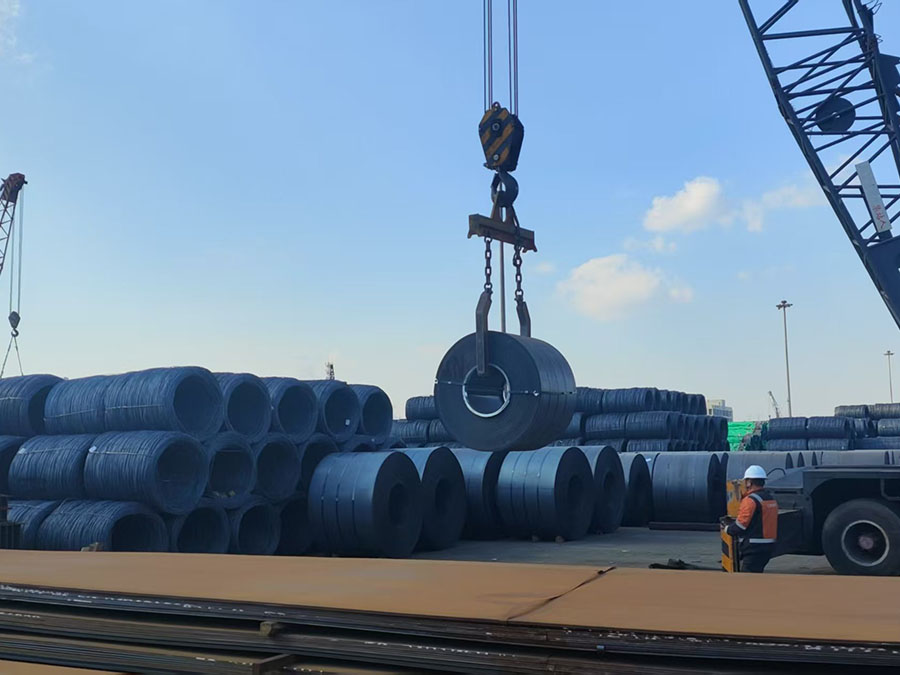
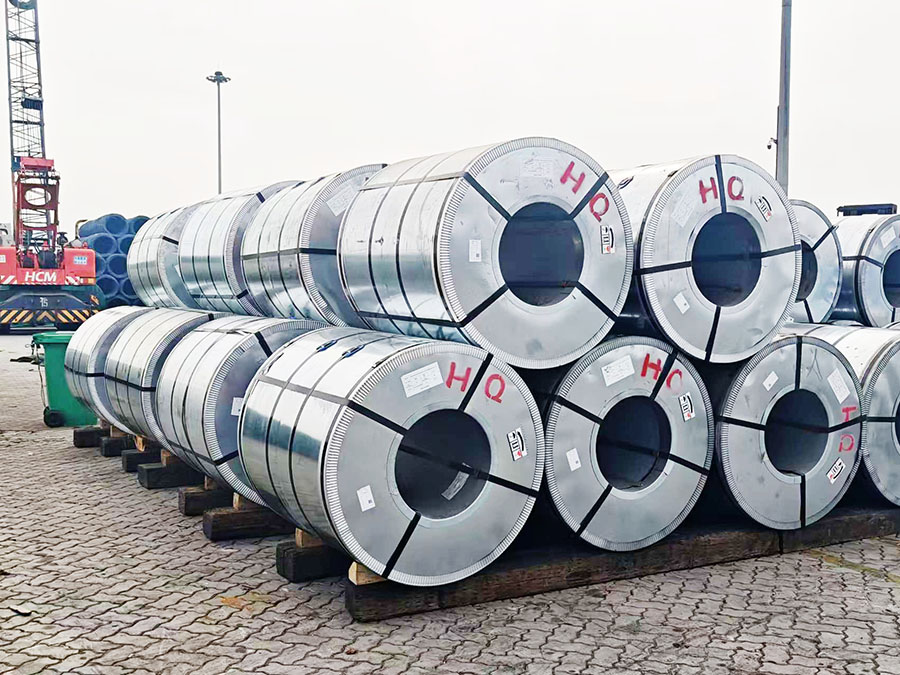
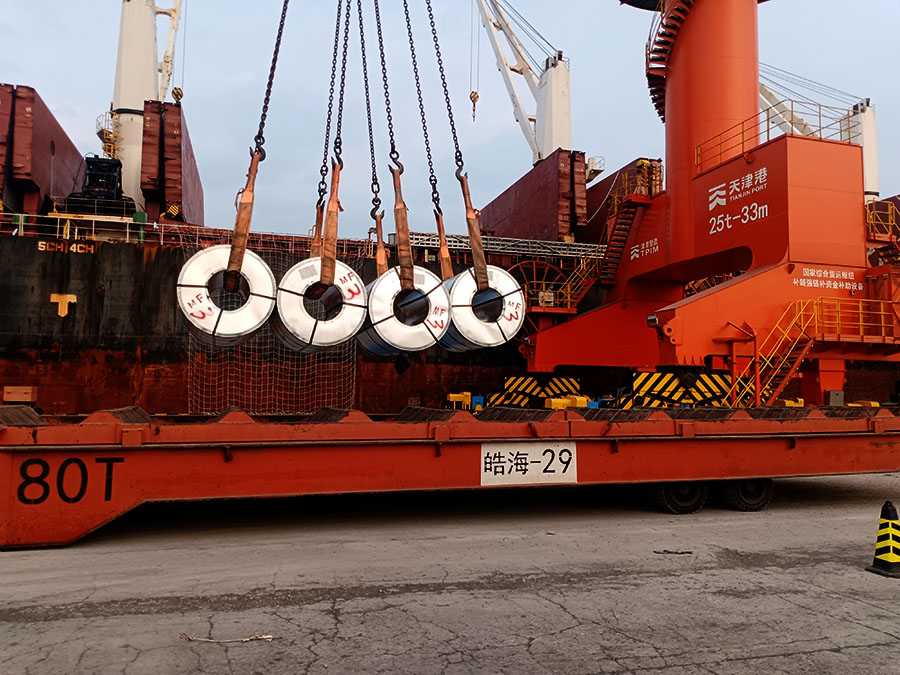
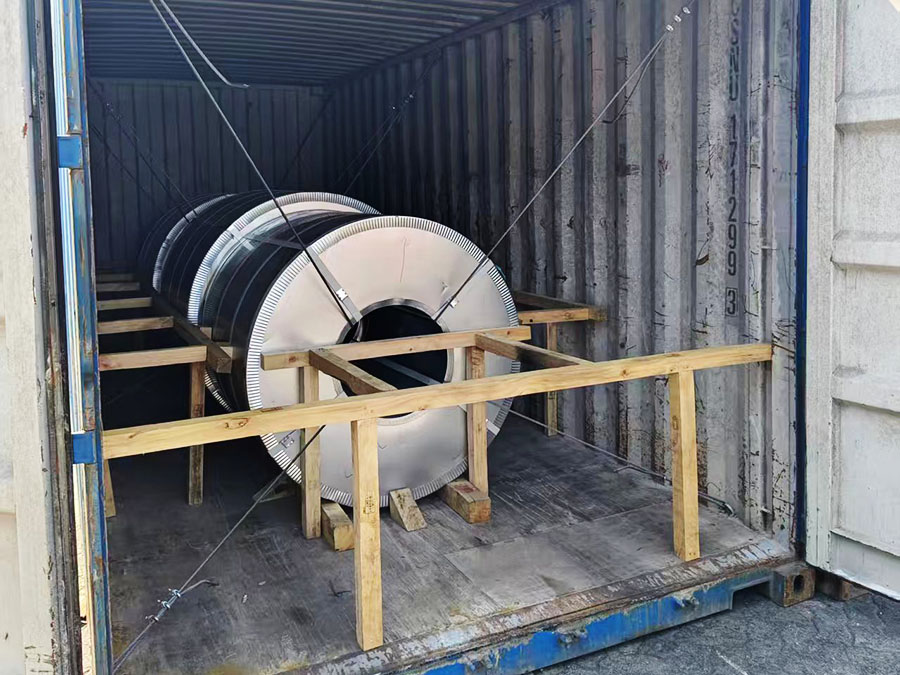
| Packaging | Standard export packaging for sea transport (primarily steel strapping and moisture-proof cloth wrapping). |
| Country of origin | China |
| Grade | C | Si | Mn | P | S | Cu | Cr | Ni |
|---|---|---|---|---|---|---|---|---|
| ABS Grade A | ≤ 0.21 | ≤ 0.50 | ≥ 0.50 | ≤ 0.035 | ≤ 0.035 | ≤ 0.35 | ≤ 0.30 | ≤ 0.30 |
| Thickness (mm) | 5 - 50 | 50 - 150 |
|---|---|---|
| Typical CEV (wt %) | ≤ 0.36 | ≤ 0.40 |
* Calculation formula (IIW): CEV = C + Mn/6 + (Cr + Mo + V)/5 + (Ni + Cu)/15
| Grade | Thickness, mm | Yield Strength (ReH), MPa | Tensile Strength (Rm), MPa | Elongation (A), % |
|---|---|---|---|---|
| ABS Grade A | ≤ 50 | ≥ 235 | 400 - 520 | ≥ 22 |
| Grade | Thickness, mm | Temperature, ℃ | Impact Energy, KV2 / J | |
|---|---|---|---|---|
| Longitudinal | Transverse | |||
| ABS Grade A | ≤ 50 | 20 | - | - |
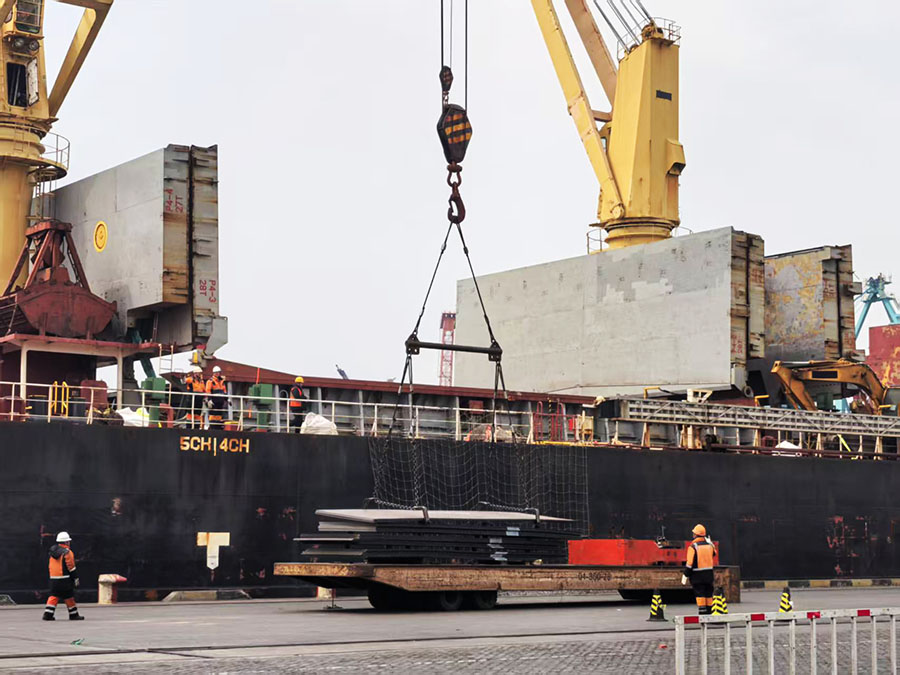
Suitable for the hull structures of various types of vessels, including cargo ships, passenger ships, barges and small craft, encompassing core structural components such as hull plates, inner bottom plates, outer side plates, decks and bulkheads; it serves as the fundamental material for the main structure of a vessel.
Used in the structural fabrication of offshore engineering facilities such as offshore oil and gas platforms, offshore wind turbines, platform pipe joints and offshore terminals, meeting the load-bearing requirements of basic structures in marine environments.
Used to replace hull structural components that have become worn or damaged during vessel operation, enabling the timely repair of hull defects to ensure navigational safety and operational stability.
Suitable for the manufacture of marine auxiliary equipment, as well as other marine structural components with standard requirements for strength and corrosion resistance, and is suitable for a wide range of medium- and low-load marine applications.
A:
Although both grades have the same strength rating, the main difference lies in the impact toughness requirements. Grade A does not typically require low-temperature impact testing, whereas Grade D must achieve the specified impact energy at -20°C (longitudinal: ≥ 27 kJ, transverse: ≥ 20 kJ).
A:
Yes, all our ABS shipbuilding plates are certified by the American Bureau of Shipping (ABS). We will provide full certification documents and a Material Test Certificate (MTC) to ensure that our ABS steel plate products comply with international maritime industry regulations and meet the acceptance requirements for our customers’ projects.
A:
Yes. Depending on the thickness (typically 40 mm or more), we can supply ABS shipbuilding steel plates in either normalized (N) or thermomechanically controlled process (TMCP) conditions to improve the grain structure.
A:
ABS Grade A is a type of carbon steel. It is not corrosion-resistant in marine environments and is prone to rusting; therefore, it must undergo anti-corrosion treatment.
Surface preparation: Sandblasting to Sa2.5
Coating: Epoxy primer + intermediate coat + topcoat
Ballast tanks: Specialised anti-corrosion coating + cathodic protection
A:
1. Selection of welding consumables: Electrodes or welding wire should be selected from marine-grade welding materials that match the strength grade of the base metal.
2. Preheating requirements: For thick plates exceeding 25 mm in thickness, it is recommended that the preheating temperature be maintained between 80–120°C.
3. Carbon equivalent control: With a carbon equivalent (CEV) ≤ 0.40%, the steel exhibits moderate susceptibility to cold cracking.
4. Welding procedure: Strictly control the heat input during welding and avoid excessive heat input per unit length.
A:
The yield strength (≥235 MPa) and tensile strength of ABS Grades A, B, D and E are identical (400–520 MPa).
The key difference lies in their impact temperature:
Grade A at 20°C (room temperature), Grade B at 0°C, Grade D at –20°C and Grade E at –40°C.
A:
Inner compartments, bulkheads, frames, decks (non-high-stress areas), superstructures, hull plates for vessels operating in inland waterways and mild seas, and non-critical structural components (such as platforms and walkways).
A:
We accept small-volume orders, with a minimum order quantity of 50 tonnes.
A:
Yes, we offer shot blasting to SA2.5 standard and high-quality shop primer coating to prevent corrosion during the manufacturing process.
A:
Both grades are ordinary-strength marine steels with identical yield and tensile strengths, but ABS Grade B undergoes impact testing at 0°C, whereas Grade A typically does not require a specific impact test temperature, making Grade B more suitable for colder environments or high-stress zones.
– We offer free samples and bespoke solutions. Please feel free to enquire about our latest prices and volume discounts.
Yuxin Steel provides high-quality steel products to customers in more than 20 countries worldwide.
Contact Info
Would you like to know more about our offers? Please feel free to contact us.