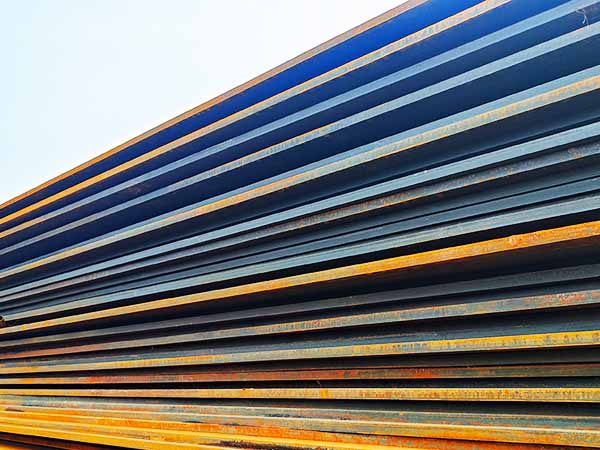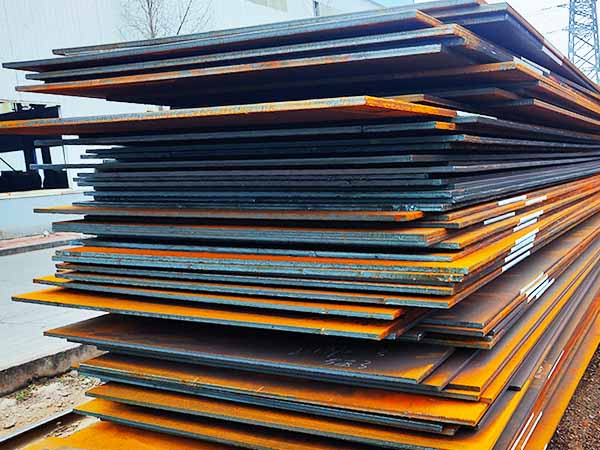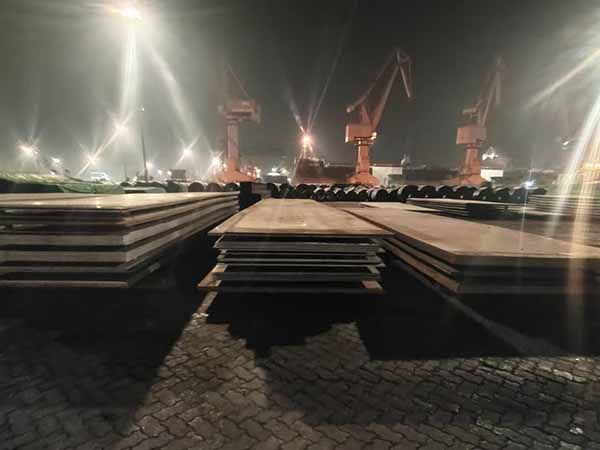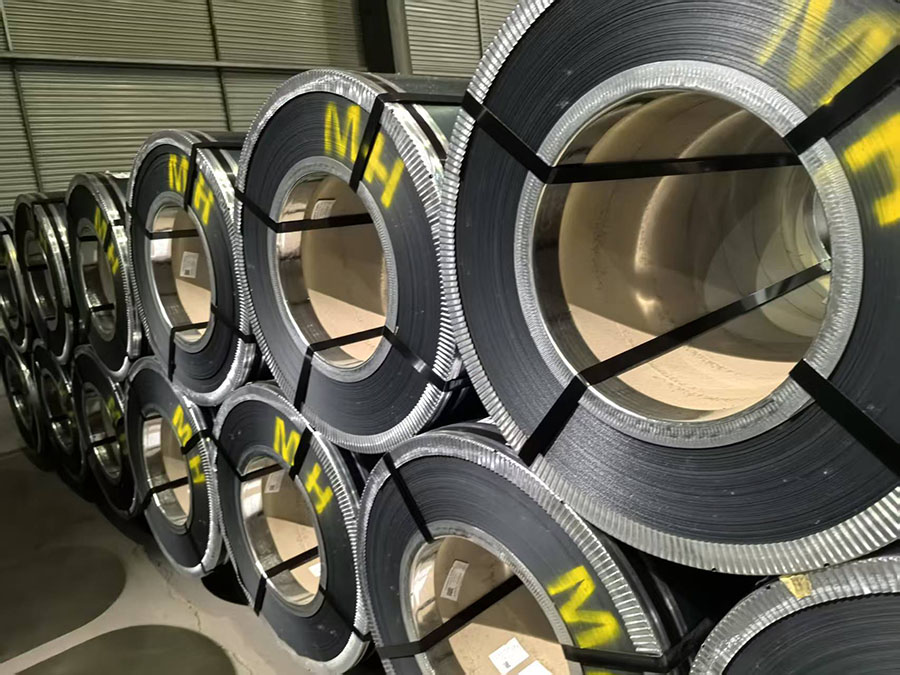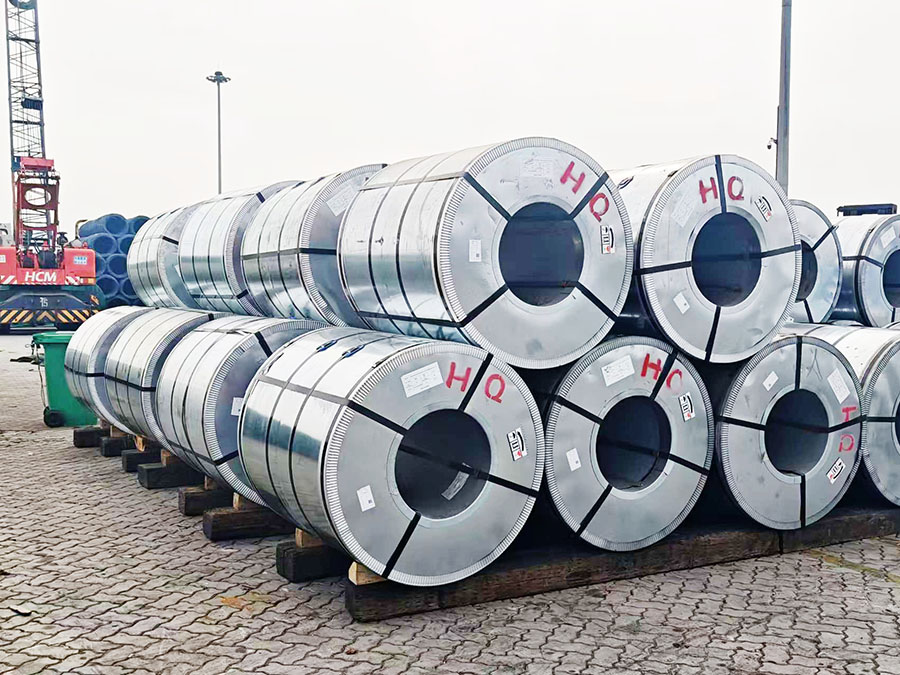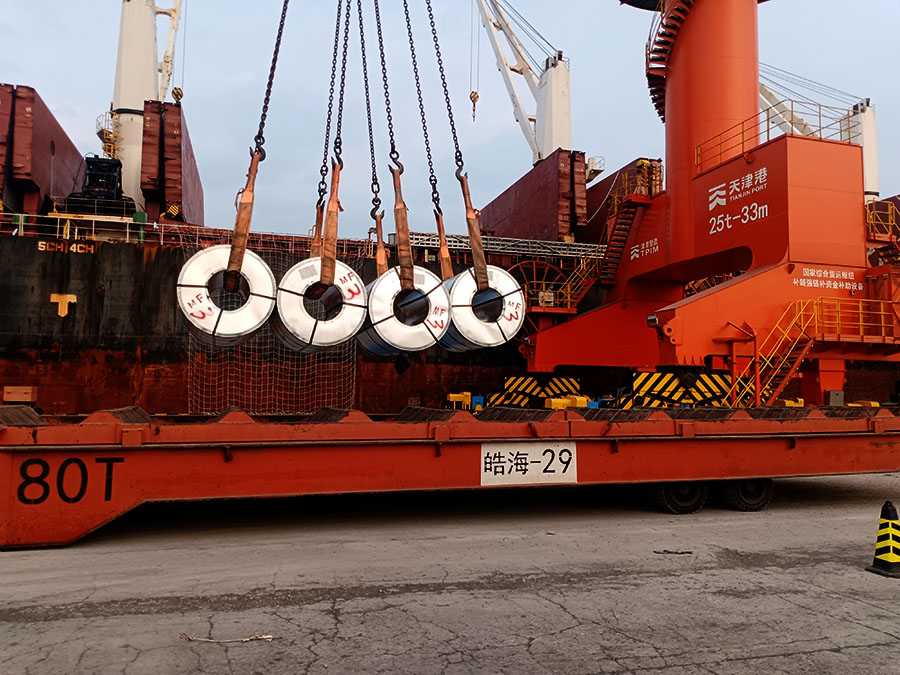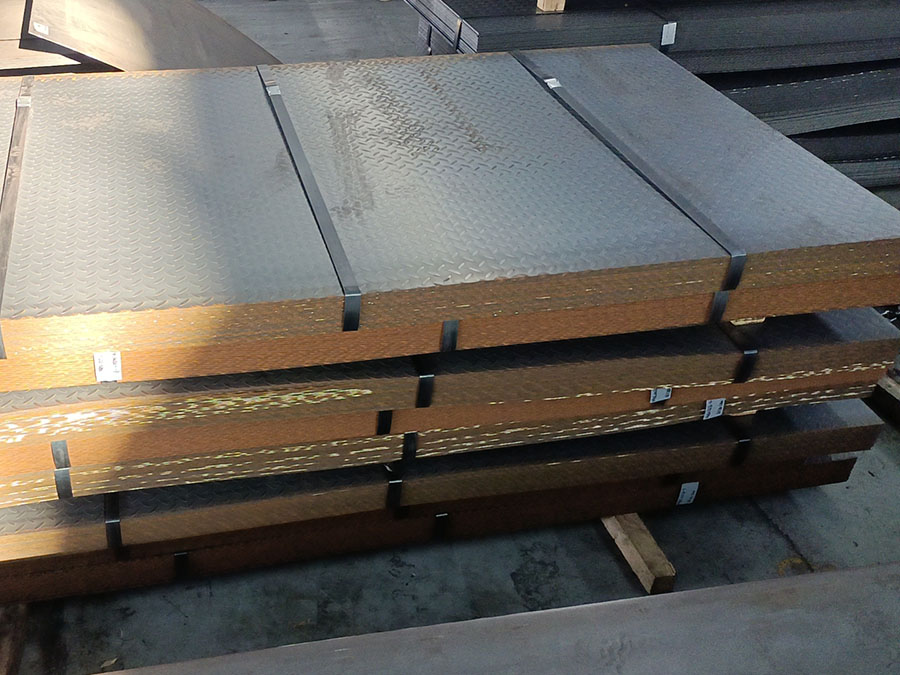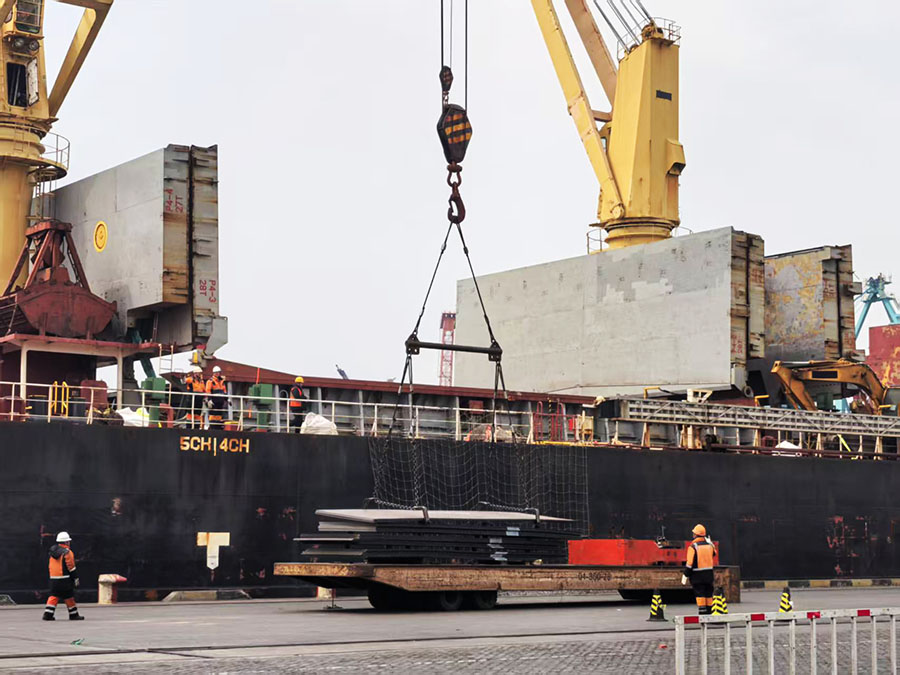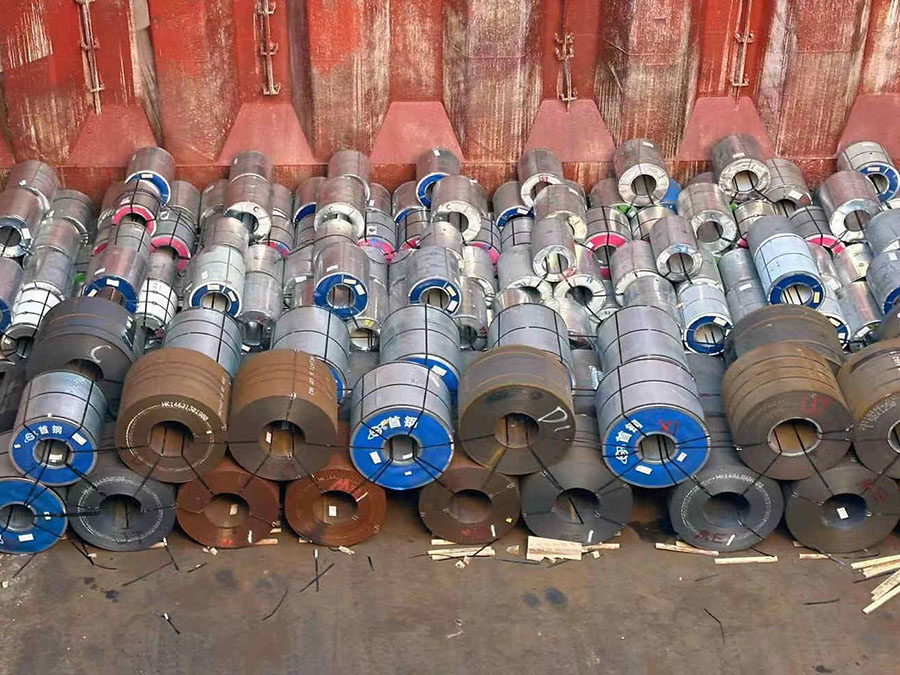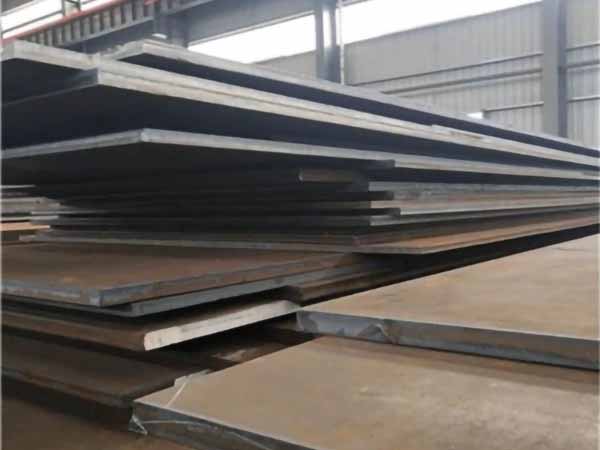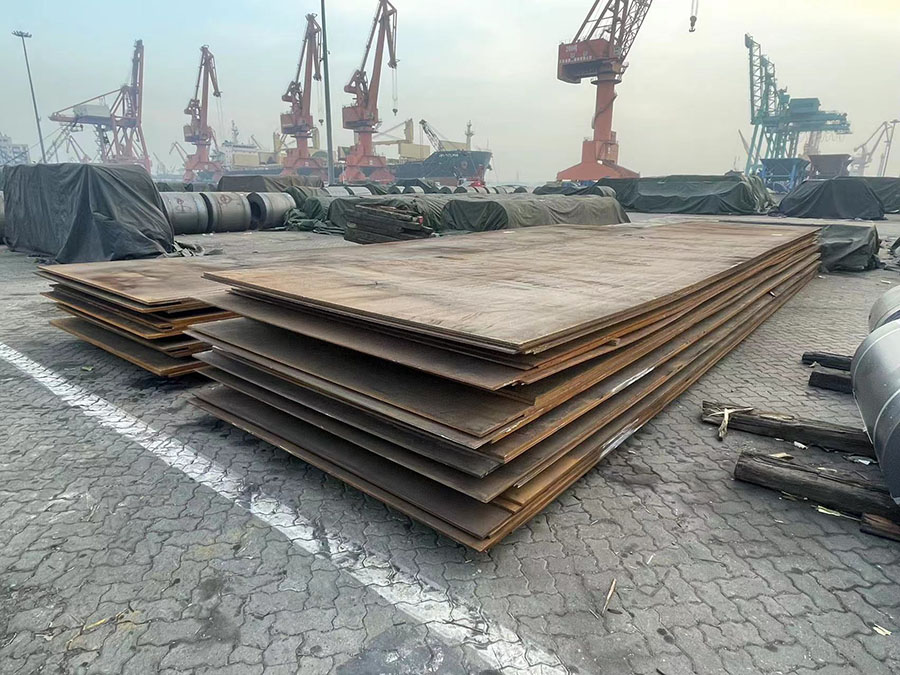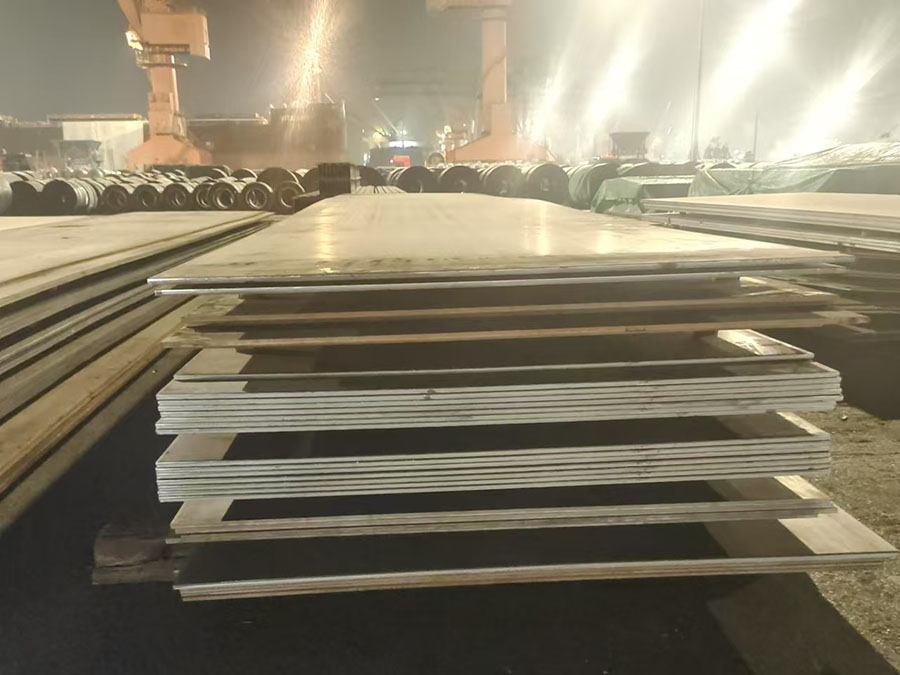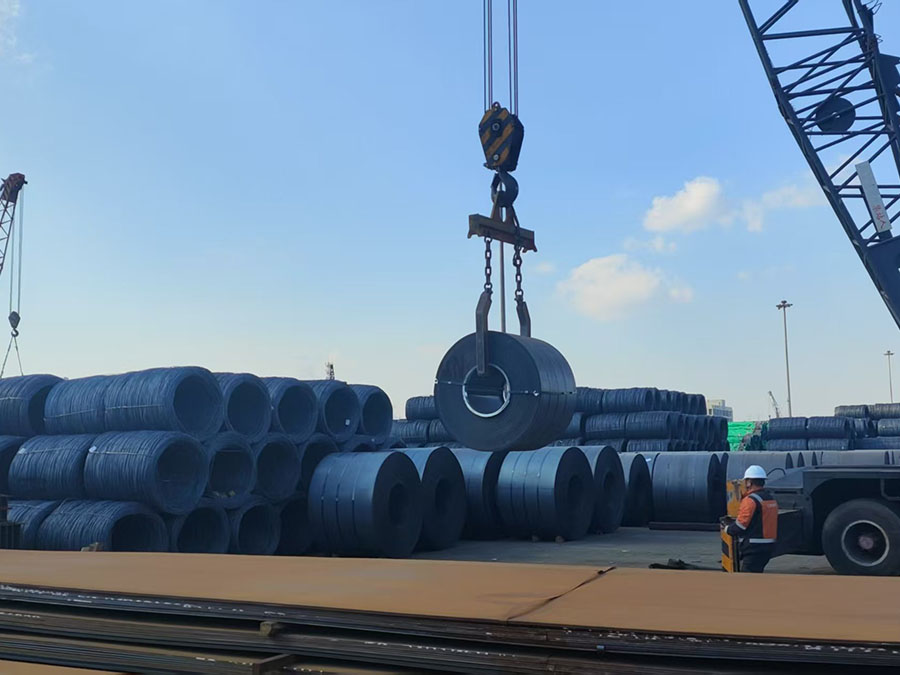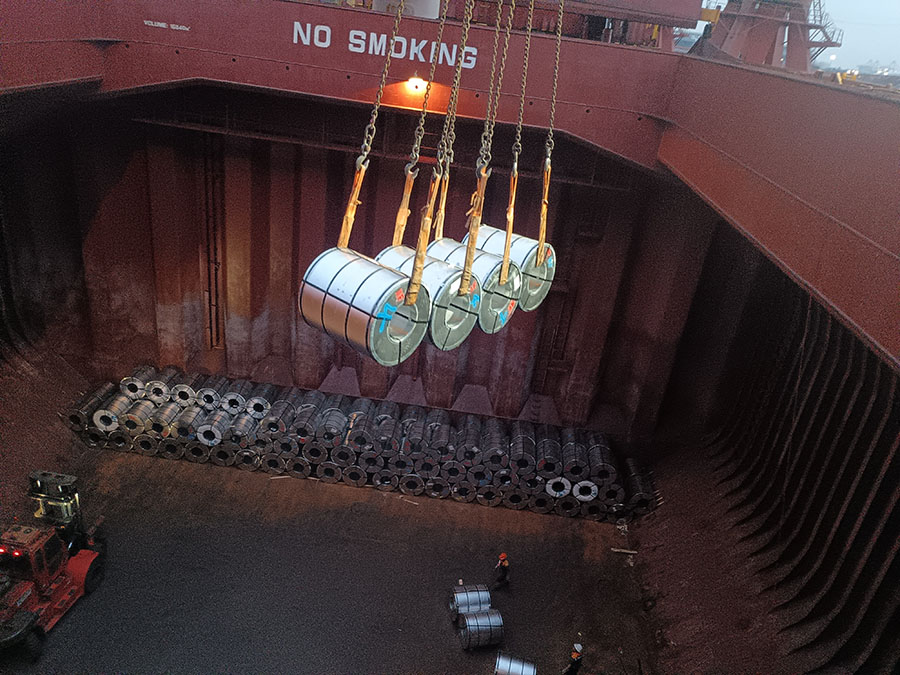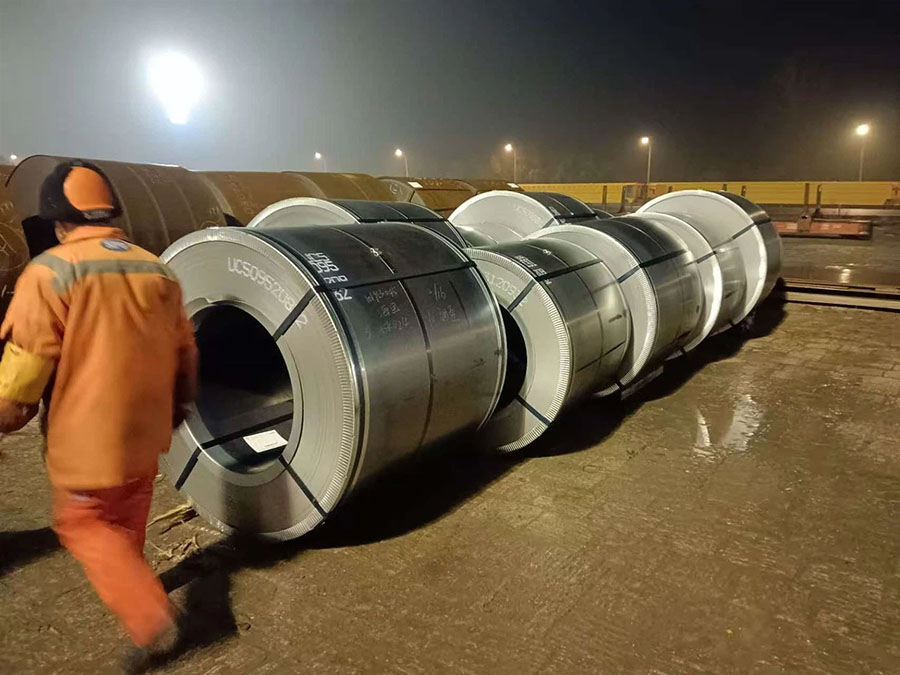
ABS Grade E shipbuilding steel plate is a standard-strength, high-toughness marine steel certified by the American Bureau of Shipping (ABS). It offers excellent low-temperature impact resistance, good corrosion resistance and good weldability, making it suitable for harsh marine environments such as ice-class vessels, offshore platforms and critical hull structures. As a specialist supplier of ABS Grade E shipbuilding steel plates, we provide marine steel plate products that meet global maritime industry standards for low-temperature and corrosion resistance. All steel plates are accompanied by factory test reports and are available for rapid global delivery, providing a reliable material supply for shipbuilding and offshore engineering projects.
Certification :
ABS RulesGrade :
ABS Grade EThickness :
5.0 - 150.0 mmWidth :
1500.0 - 4000.0 mmLength :
6000.0 - 18000.0 mmSpecial thickness, width, and length can be negotiated separately.
We also provide customized processing services.If you have any questions, please contact us.
ABS Grade E shipbuilding steel plates are certified by the American Bureau of Shipping (ABS) and are high-quality structural steels specifically designed for the construction of vessels and offshore structures operating in cold waters, meeting the stringent technical requirements of the maritime industry. The ‘E’ in ABS Grade E denotes excellent low-temperature impact performance, requiring the steel to pass the Charpy V-notch impact test at -40°C. This characteristic distinguishes it from lower-grade shipbuilding steel plates, ensuring reliable safety performance in cold and harsh marine environments. ABS Grade E shipbuilding steel plates are widely used in the manufacture of critical structural components such as hulls, decks and offshore platforms, providing stable structural support for various vessels and offshore facilities operating in cold waters.
ABS Grade E shipbuilding steel plates are specifically designed for vessels and offshore engineering equipment operating in cold waters. They exhibit excellent impact toughness at -40°C, making them suitable for demanding environments such as ice-class vessels, offshore platforms, critical hull structures and marine equipment in cold and harsh marine conditions. In addition to its excellent low-temperature impact resistance, ABS Grade E shipbuilding steel plate also offers good weldability and complies with the highest safety and regulatory standards in the global maritime industry.
Our ABS Grade E steel plates have been fully certified by the American Bureau of Shipping (ABS) and comply with the requirements of GB/T 712 and ABS specifications, ensuring consistent quality and global applicability. Furthermore, we support third-party testing to meet your bespoke quality verification requirements.
Through optimised chemical composition and advanced production processes, the steel plates maintain excellent toughness even at -40°C, with an average impact energy of no less than 27 J across three test specimens, effectively preventing brittle fracture in polar or high-latitude cold waters.
The steel plates have a minimum yield strength of 235 MPa, a tensile strength range of 400–520 MPa, and an elongation after fracture of no less than 22%. Their high load-bearing capacity enables them to withstand harsh marine conditions such as wave impact and structural stress.
Through strict control of harmful elements such as sulphur and phosphorus, combined with optional surface anti-corrosion treatments, the steel plate exhibits excellent resistance to corrosion in marine salt spray and humid environments.
With a low carbon equivalent (CEV ≤ 0.40%), the steel plate is suitable for a variety of welding processes, ensuring stable welded joints and facilitating the efficient construction of complex ship structures. We also offer custom cutting services according to drawings.
| Product | ABS Grade E Shipbuilding Steel Plate |

|---|---|
| Certification | ABS (American Bureau of Shipping): Rules for Building and Classing Steel Vessels |
| Grade | E |
| Material Category | Ordinary-strength structural steel for shipbuilding |
| Primary Applications | Key structures of ships and offshore engineering projects with high requirements for low-temperature safety. |
| Dimensions | Thickness: 5 - 150 mm, width: 1500 - 4000 mm, length: 6000 - 18000 mm. |
| Delivery Conditions | Controlled Rolled (CR), Normalized (N), Quenched and Tempered (Q+T), Thermo-Mechanical Controlled Processed (TMCP). |
| Surface Conditions | Shot blasting, pickling, oiling and painting are available. |
| Additional Services | Charpy V-notch impact test, Z-direction property test (Grades Z15/Z25/Z35), Ultrasonic testing (UT), Custom cutting. |
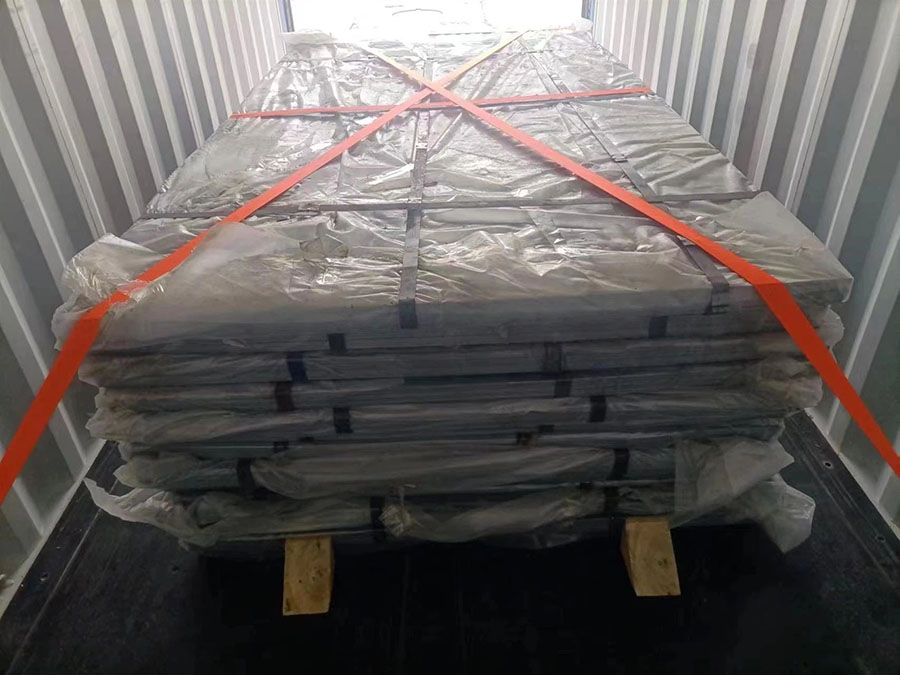
| Packaging | Standard export packaging for sea transport (primarily steel strapping and moisture-proof cloth wrapping). |
| Country of origin | China |
| Grade | C | Si | Mn | P | S | Cu | Cr | Ni | Als |
|---|---|---|---|---|---|---|---|---|---|
| ABS Grade E | ≤ 0.18 | ≤ 0.35 | ≥ 0.70 | ≤ 0.025 | ≤ 0.025 | ≤ 0.35 | ≤ 0.30 | ≤ 0.30 | ≥ 0.015 |
| Thickness (mm) | 5 - 50 | 50 - 150 |
|---|---|---|
| Typical CEV (wt %) | ≤ 0.38 | ≤ 0.40 |
* Calculation formula (IIW): CEV = C + Mn/6 + (Cr + Mo + V)/5 + (Ni + Cu)/15
| Grade | Thickness, mm | Yield Strength (ReH), MPa | Tensile Strength (Rm), MPa | Elongation (A), % |
|---|---|---|---|---|
| ABS Grade E | ≤ 50 | ≥ 235 | 400 - 520 | ≥ 22 |
| Grade | Thickness, mm | Temperature, ℃ | Impact Energy, KV2 / J | |
|---|---|---|---|---|
| Longitudinal | Transverse | |||
| ABS Grade D | ≤ 50 | -40 | ≥ 27 | ≥ 20 |
The key advantage of ABS Grade E shipbuilding steel plates lies in their excellent low-temperature toughness, enabling them to maintain reliable mechanical properties even in the harsh conditions of -40°C and effectively resist brittle fracture. They are primarily used in the manufacture of critical hull structures, vessels operating in polar and low-temperature environments, and offshore engineering equipment.
As Grade E steel plates retain excellent impact toughness even at -40°C, they are widely used in structural areas of ships where stress levels are high and safety requirements are most stringent:
a) Sheer Strake: Located at the junction of the top of the hull sidewall and the deck, it bears significant longitudinal bending moments.
b) Stringer Plates: A primary load-bearing component ensuring deck strength.
c) Keel Plates: A core component of the ship’s longitudinal framework.
d) Corner Areas: Such as hatch corners, where the material prevents low-temperature brittle fracture caused by stress concentration.
For vessels operating in polar or sub-polar waters, the hull plating must withstand impacts from ice and endure extremely low ambient temperatures.
a) Bow Reinforcement Area: Grade E is the material of choice for the bow plating of icebreakers and reinforced ice-class vessels (Ice Class Vessels).
b) External structural components: Deck fittings exposed to cold sea winds and spray.
In harsh offshore environments, structural failure can have serious consequences.
a) Jack-up rigs and legs: The supporting structures of drilling rigs, subjected to long-term wave impact and low-temperature corrosion.
b) Helicopter decks: Require lightweight structural supports with high toughness.
c) Pressure vessel supports: Bases supporting large marine engineering equipment.
For vessels transporting certain cryogenic cargoes, Grade E may be used to construct secondary barriers or supporting structures adjacent to cryogenic cargo holds, serving a safety protection function.
As a reliable supplier of ABS Class E shipbuilding steel plates, we help ensure the successful completion of your projects through the following core strengths.
We operate a rigorous quality control system, and our high-end shipbuilding steel plate products have obtained multiple international certifications, ensuring a stable supply and consistent quality.
We maintain substantial stock of ABS Class E shipbuilding steel plates in various specifications, enabling us to respond swiftly to urgent orders. With extensive experience in international logistics, we offer short lead times.
Based on your project drawings and technical requirements, we provide customised services including cutting, processing and delivery specifications, tailoring the most suitable ABS Class E steel plate solution for your needs.
We offer high-quality ABS Class E shipbuilding steel plates at competitive prices. Whilst guaranteeing product performance, we help you control project costs and enhance your market competitiveness.
We have a professional after-sales team providing a one-stop service ranging from pre-sales consultation and product inspection to post-sales technical support. We respond promptly to your queries and requirements to ensure the smooth progress of your project.
A:
Yes, its low-temperature toughness and high strength make it ideal for offshore structures in cold regions.
A:
ABS Grade E marine steel plates offer good weldability and have a low carbon equivalent. However, when welding thick plates, it is recommended to preheat appropriately depending on the ambient temperature and to use low-hydrogen welding consumables (such as E7018 or submerged arc welding flux certified by the classification society) to prevent cold cracks and maintain low-temperature toughness in the joint.
A:
For use in areas requiring high low-temperature toughness, such as hull structures, decks, bulkheads, ice-exposed zones, icebreakers, polar vessels and offshore platforms.
A:
Normalising refines the microstructure of the steel and ensures a uniform distribution of carbides. For Grade E, a material that must retain its toughness at -40°C, normalising is a standard process requirement for eliminating internal stresses and improving low-temperature impact resistance.
A:
Among the major international classification societies, the following grades are generally regarded as equivalent to ABS Grade E:
| Classification Society | Abbreviation | Equivalent Grade |
|---|---|---|
| China Classification Society | CCS | CCS E |
| Det Norske Veritas | DNV | NV E |
| Lloyd's Register of Shipping | LR | LR E |
| Bureau Veritas | BV | BV E |
| Registro Italiano Navale | RINA | RINA E |
| ClassNK | NK | KE |
A:
Yes. We can provide 100% ultrasonic testing (UT) and can include third-party inspection reports upon request.
A:
Yes, all our ABS shipbuilding plates are certified by the American Bureau of Shipping (ABS). We will provide full certification documents and a Material Test Certificate (MTC) to ensure that our ABS steel plate products comply with international maritime industry regulations and meet the acceptance requirements for our customers’ projects.
A:
Yes. Depending on the thickness (typically 40 mm or more), we can supply ABS shipbuilding steel plates in either normalized (N) or thermomechanically controlled process (TMCP) conditions to improve the grain structure.
A:
The yield strength (≥235 MPa) and tensile strength of ABS Grades A, B, D and E are identical (400–520 MPa).
The key difference lies in their impact temperature:
Grade A at 20°C (room temperature), Grade B at 0°C, Grade D at –20°C and Grade E at –40°C.
A:
We accept small-volume orders, with a minimum order quantity of 5 tons.
– We offer free samples and bespoke solutions. Please feel free to enquire about our latest prices and volume discounts.
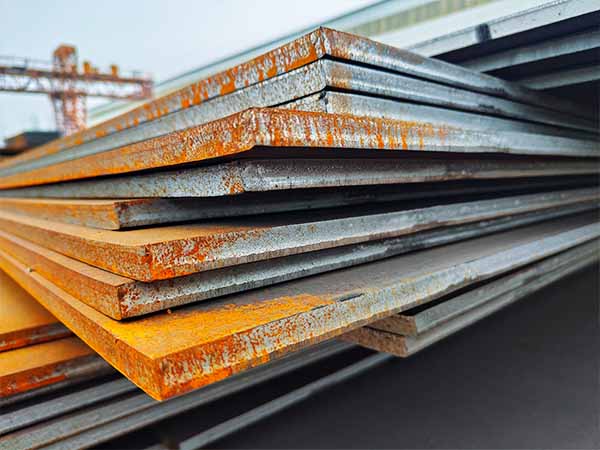
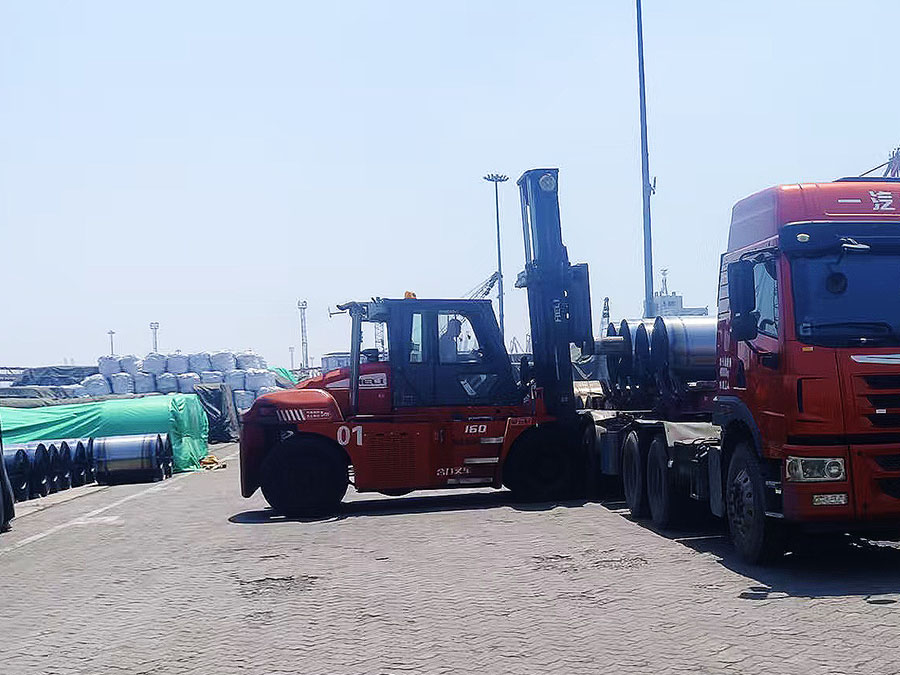
Yuxin Steel provides high-quality steel products to customers in more than 20 countries worldwide.
Contact Info
Would you like to know more about our offers? Please feel free to contact us.