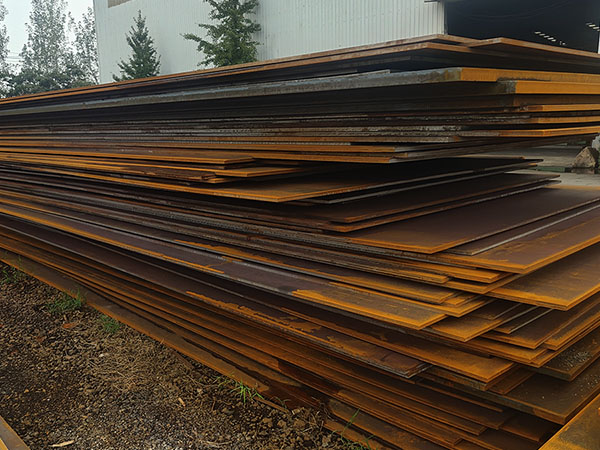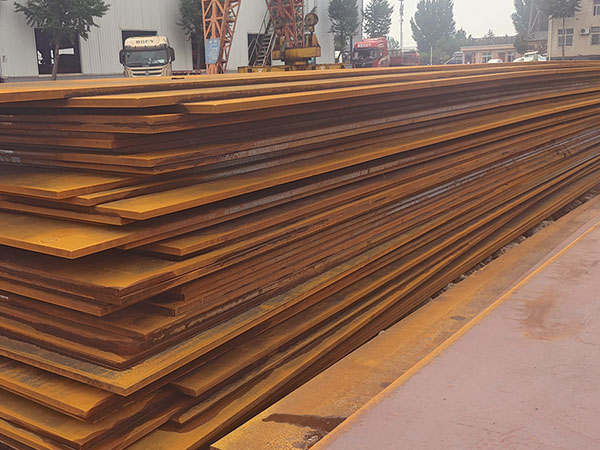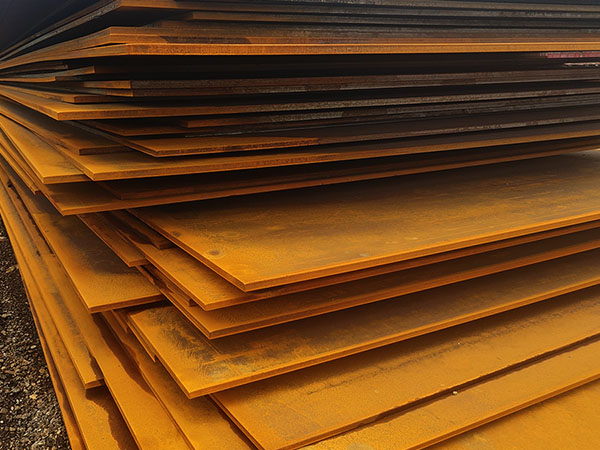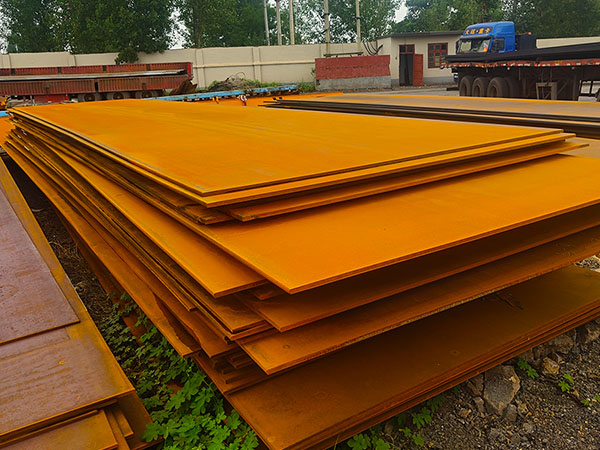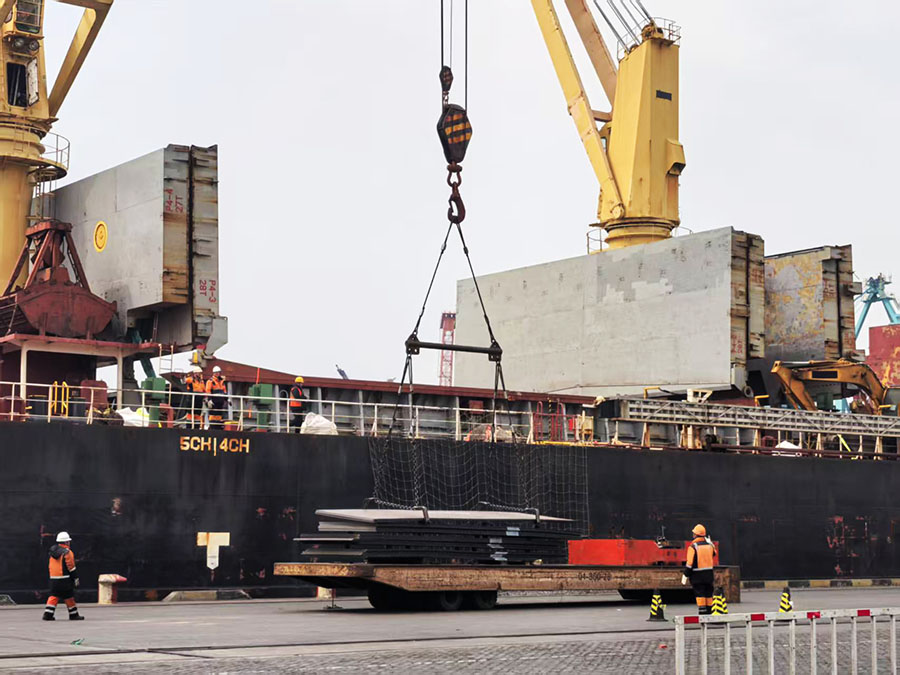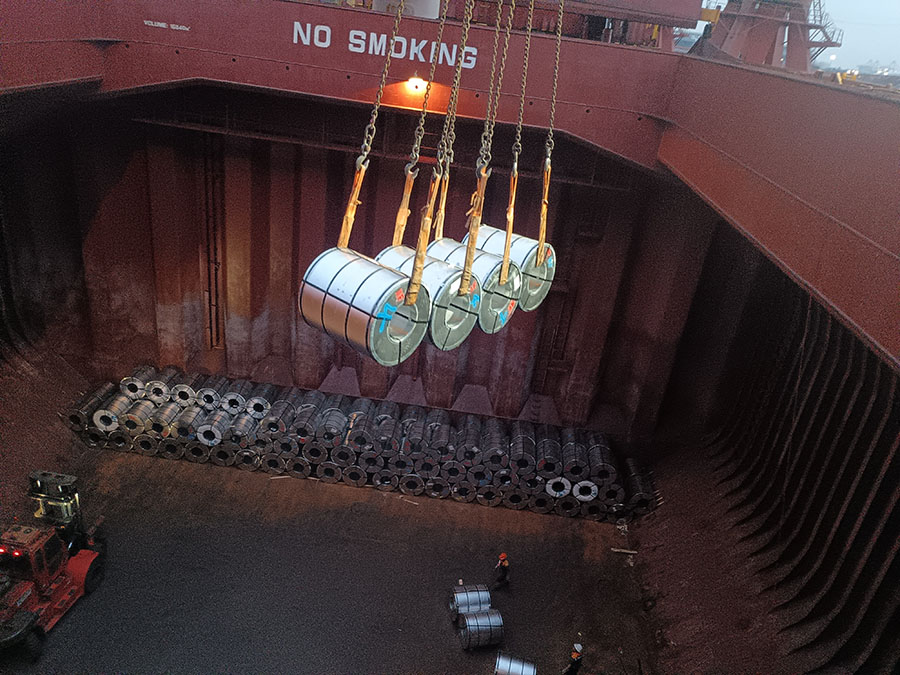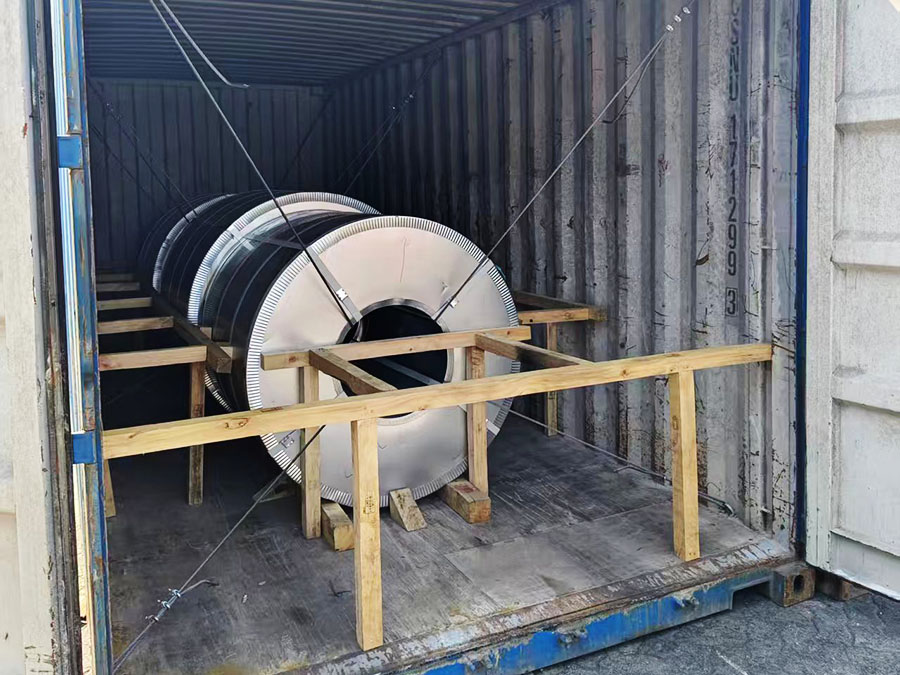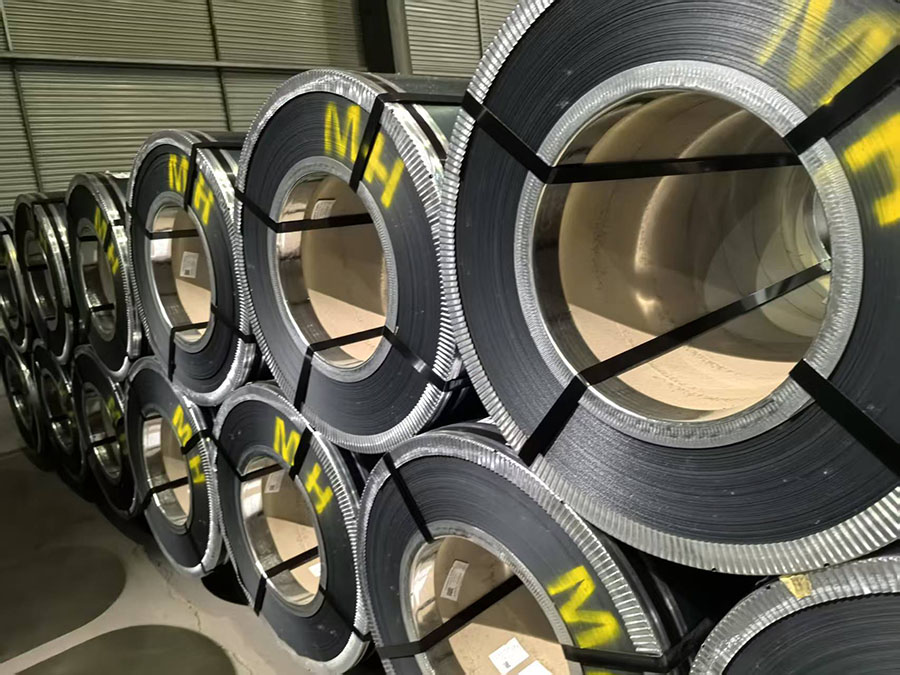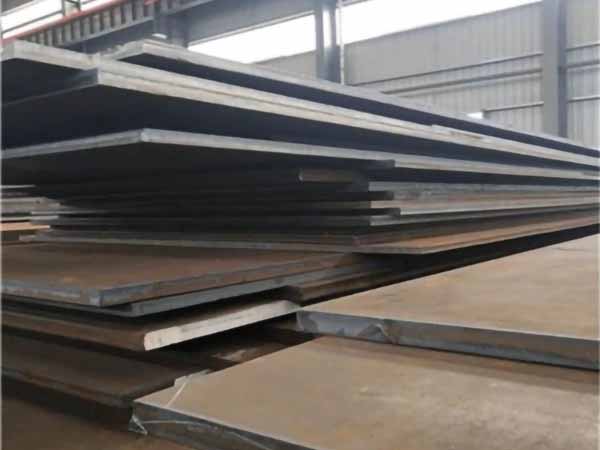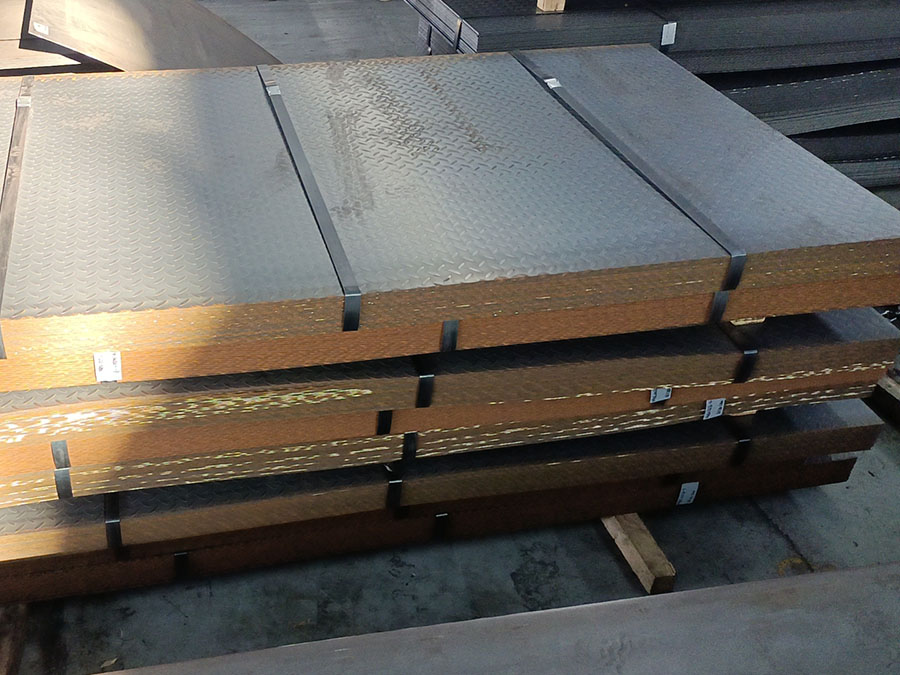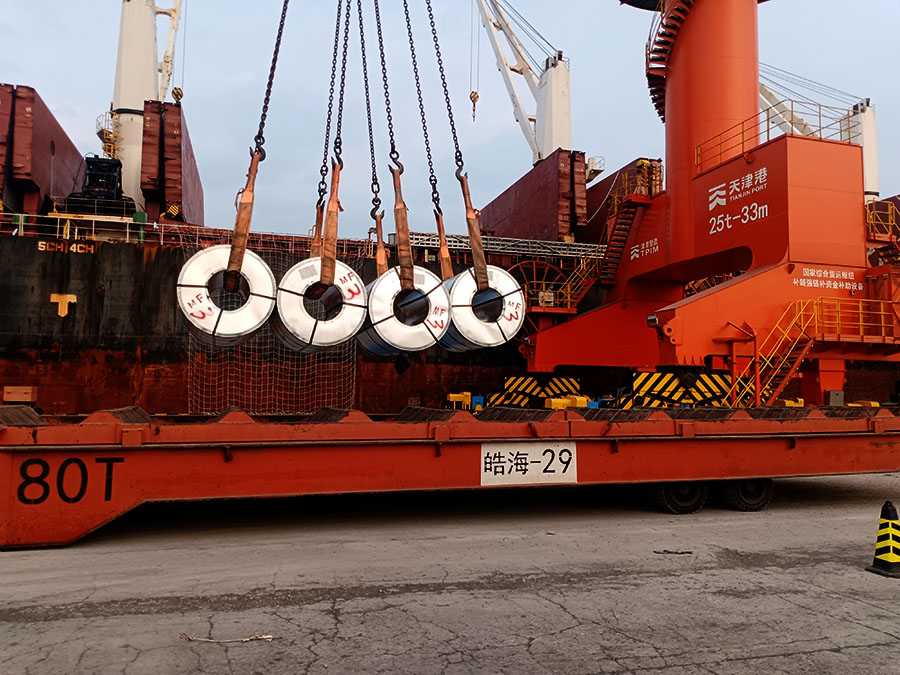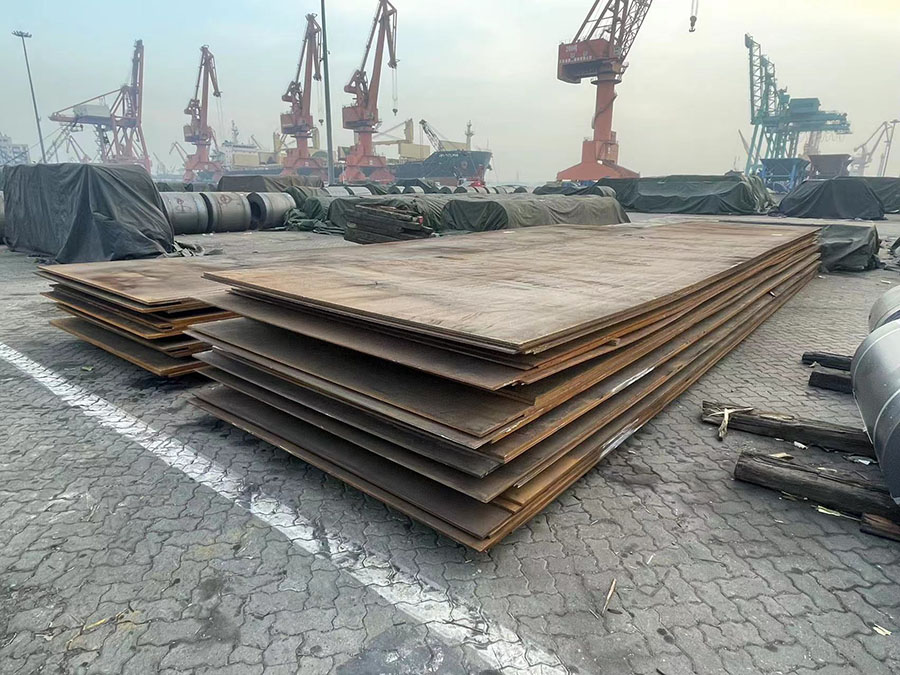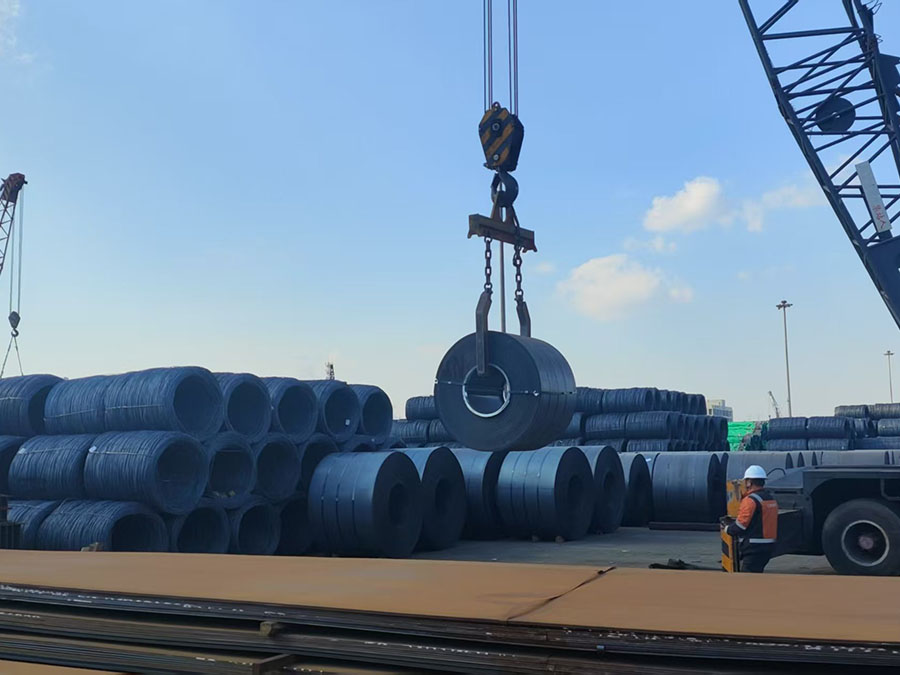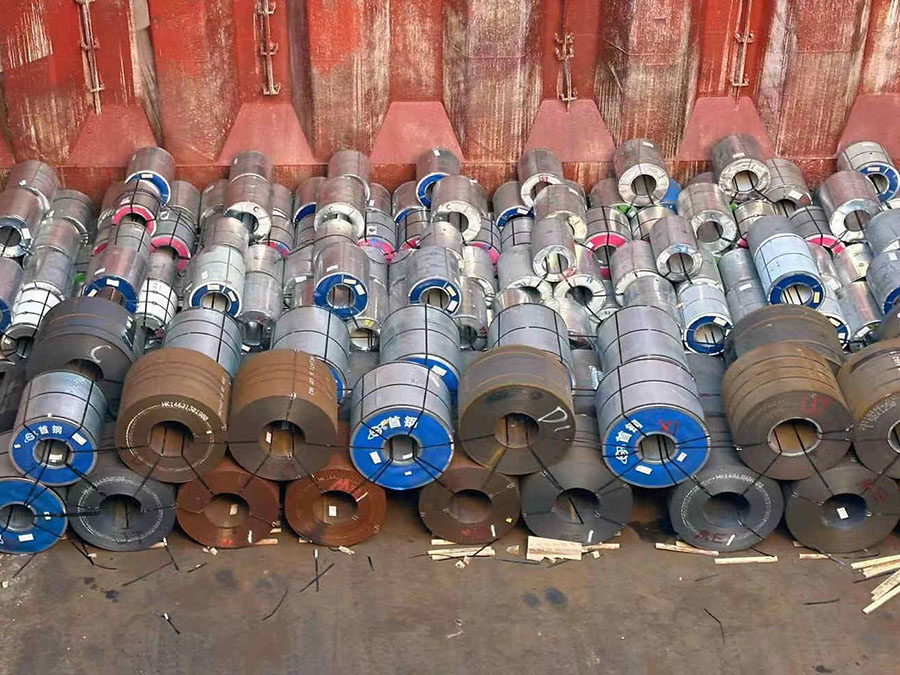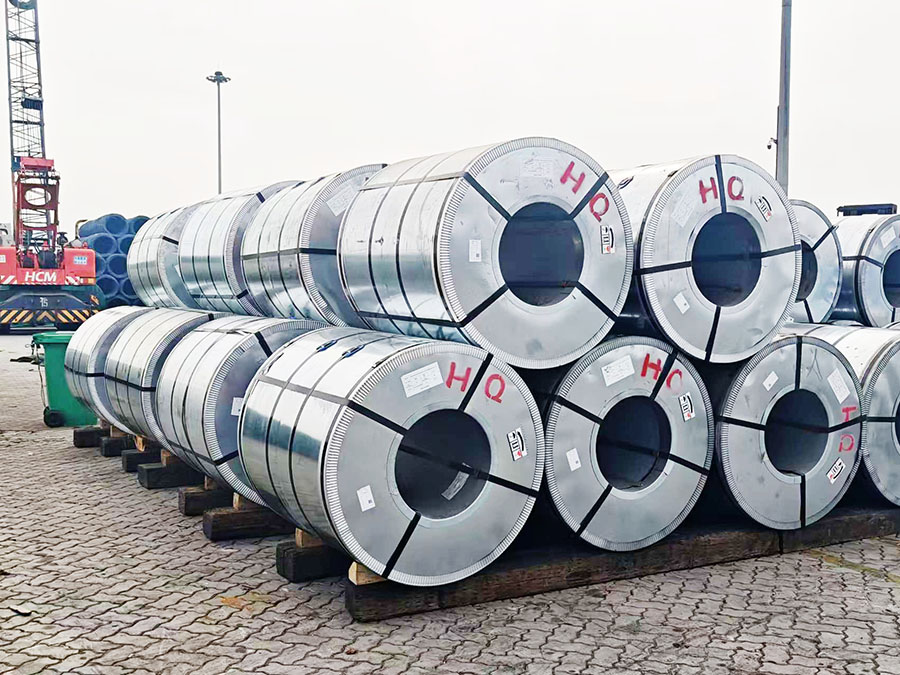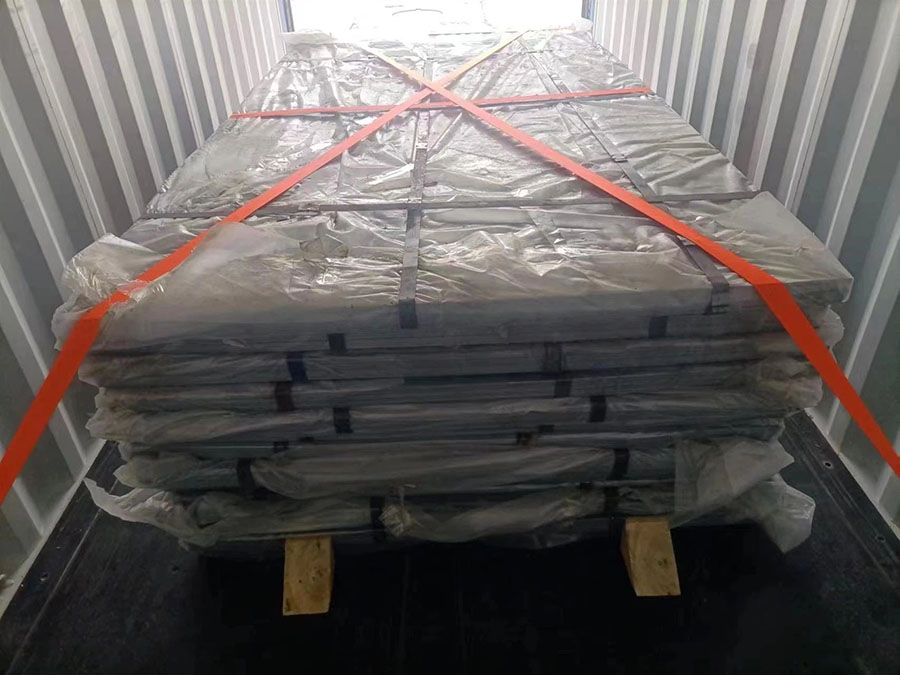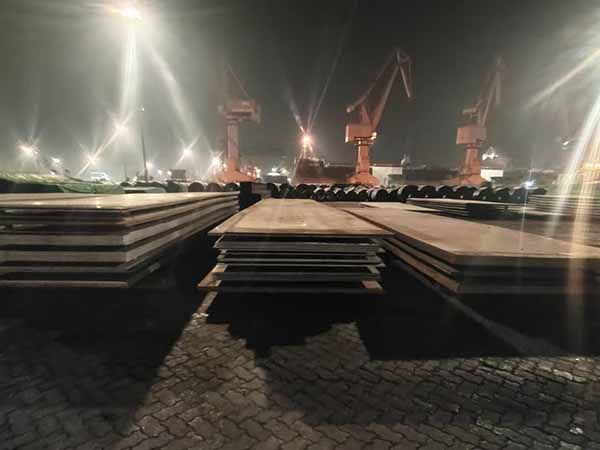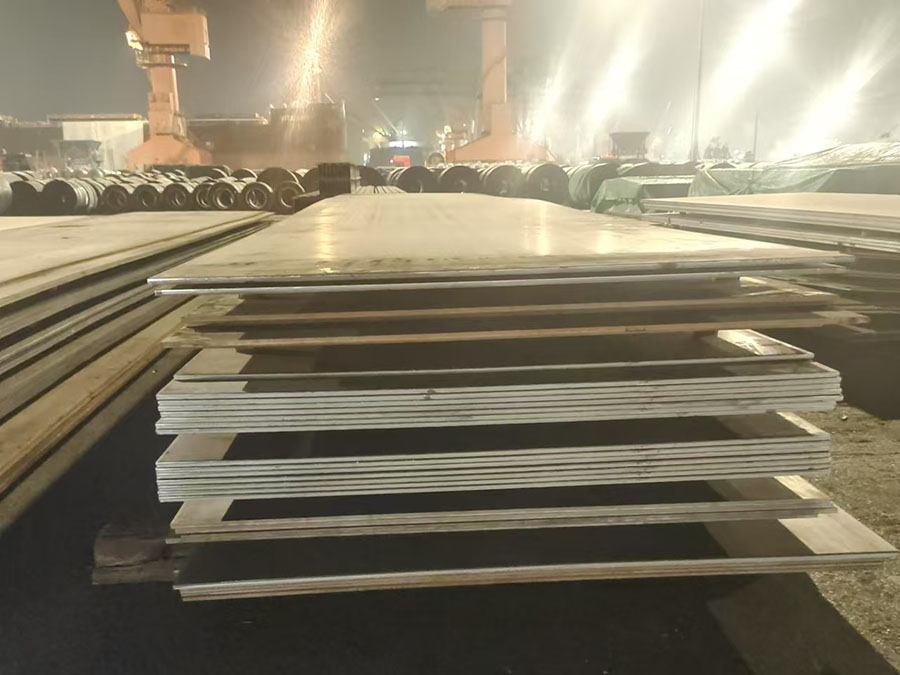
GB/T 4171 Q310GNH is a high-weathering structural steel characterized by high strength, excellent atmospheric corrosion resistance, and good workability. It is particularly suitable for manufacturing various engineering structures and equipment that are exposed to the natural environment for extended periods and require low maintenance costs.
Standard :
GB/T 4171Grade :
Q310GNHThickness :
6.0 - 200.0 mmWidth :
1500.0 - 4050.0 mmLength :
3000.0 - 15000.0 mmSpecial thickness, width, and length can be negotiated separately.
We also provide customized processing services.If you have any questions, please contact us.
GB/T 4171 Q310GNH is a cost-effective cold-rolled high-weathering structural steel (particularly resistant to marine atmospheric corrosion), featuring high strength (yield strength ≥ 310 MPa), excellent atmospheric corrosion resistance, and good workability. It is suitable for structures requiring long-term exposure to harsh atmospheric environments.
By forming a dense oxide film on the surface to achieve "rust resistance," it reduces maintenance costs, extends service life, and minimizes environmental impact. Positioned as an economical and efficient material between ordinary steel and stainless steel, it is gradually becoming a preferred choice for modern infrastructure construction.
During material selection, factors such as design strength, environmental corrosivity, appearance requirements, and initial rust treatment must be comprehensively considered to fully leverage its advantages.
| Grade | Q310GNH |
|---|---|
| Standard | GB/T 4171 (Atmospheric corrosion resisting structural steel) |
| Quality Grade | A, B, C, D, E (The main difference lies in the varying impact test temperature requirements) |
| Classification | High Weathering Steel (High weathering steel [GNH series] exhibits better atmospheric corrosion resistance compared to welded weathering steel [NH series], but slightly inferior weldability.) |
| Delivery Conditions | Cold Rolled (CR) |
| Surface Conditions | Generally provided as rolled surface, can be processed as required, such as shot blasting, pickling, etc. |
| Weldability | Good weldability. Matching welding materials exclusive for weathering steel must be used. Prior to welding, remove the surface oxidation layer in the welding area, and pre-heating may be applied if necessary. |
| Machinability | It exhibits excellent performance in both hot and cold processing, such as cutting, stamping, drilling, and bending. |
| Quality Control | Certificate of Quality. If required, Ultrasonic testing (UT), Charpy V-notch impact test, Z-direction property test (Grades Z15/Z25/Z35) can be added. |
1. Long lifespan, low maintenance: After the formation of a protective rust layer, the corrosion rate is extremely low, with atmospheric corrosion resistance 2–8 times that of ordinary steel. This enables "paint-free" or "minimal painting" applications, significantly reducing maintenance costs and extending service life.
2. High strength and lightweight: With a yield strength of 310 MPa, it allows for the design of thinner and lighter structures, reducing self-weight while increasing payload capacity. This meets load-bearing requirements and saves materials.
3. Workability: It can be processed using conventional methods such as cutting, welding, and bending. However, during welding, attention must be paid to using matching welding materials and processes to maintain the weathering resistance of the weld area.
4. Aesthetic value: The unique rust-colored texture blends perfectly with natural environments and modern architecture, offering an industrial aesthetic style.
5. Environmentally friendly: Throughout its lifecycle, it reduces environmental pollution from paint usage and maintenance, and the steel itself is 100% recyclable.
6. Certain seawater corrosion resistance: It offers better corrosion resistance in salt-laden environments such as coastal areas and marine platforms.
| Grade | Q310GNH | ||||||||
|---|---|---|---|---|---|---|---|---|---|
| Element | C | Si | Mn | P | S | Cu | Cr | Ni | Nb, V, Ti |
| Content (max, %) | 0.12 | 0.25 - 0.75 | 0.20 - 0.50 | 0.07 - 0.12 | 0.020 | 0.20 - 0.50 | 0.30 - 1.25 | 0.65 | Can be added |
* Calculate using the standard formula recommended by the International Institute of Welding (IIW): CE = C + Mn/6 + (Cr+Mo+V)/5 + (Ni+Cu)/15.
| Grade | Thickness (t) [mm] | Yield Strength (ReH) [min, MPa] | Tensile Strength (Rm) [MPa] | Elongation (A) [min, %] | 180° Bend Test Mandrel Diameter |
|---|---|---|---|---|---|
| Q310GNH | t ≤ 6 | 310 | ≥ 450 | 26 | a |
| 6< t ≤ 16 | 310 | ≥ 450 | 26 | - | |
| 16 < t ≤ 40 | - | ≥ 450 | - | - | |
| 40 < t ≤ 60 | - | ≥ 450 | - | - | |
| t > 60 | - | ≥ 450 | - | - |
Note: "a" is the thickness of the steel material.
| Quality Grade | Charpy V-notch Impact Test | ||
|---|---|---|---|
| Orientation of test pieces | Temperature (°C) | Impact Energy (KV2 / J) | |
| A | longitudinal | - | - |
| B | longitudinal | +20 | ≥ 47 |
| C | longitudinal | 0 | ≥ 34 |
| D | longitudinal | -20 | ≥ 34 |
| E | longitudinal | -40 | ≥ 27 |
* The main difference lies in the varying impact test temperature requirements, ranging from Grade A (no requirement) to Grade E (-40°C), with progressively increasing demands for low-temperature toughness.
Thanks to its excellent corrosion resistance, high strength, and relatively economical cost, Q310GNH is widely used in steel structures that are exposed to atmospheric environments for long periods, require long service life, and are difficult to maintain or are intended to reduce maintenance costs. The main application areas include:
Railway vehicles: One of the primary application areas. It is used to manufacture the main structure, side walls, end walls, and components of railway freight open wagons, covered wagons, flatbed container cars, and tank cars. It can significantly reduce the vehicle's weight, increase load capacity, and extend maintenance intervals.
Containers: Particularly suitable for shipping containers and special-purpose containers, effectively resisting severe corrosion from marine and industrial atmospheres.
Road vehicles: Used in certain special transport vehicles, dump truck bodies, etc.
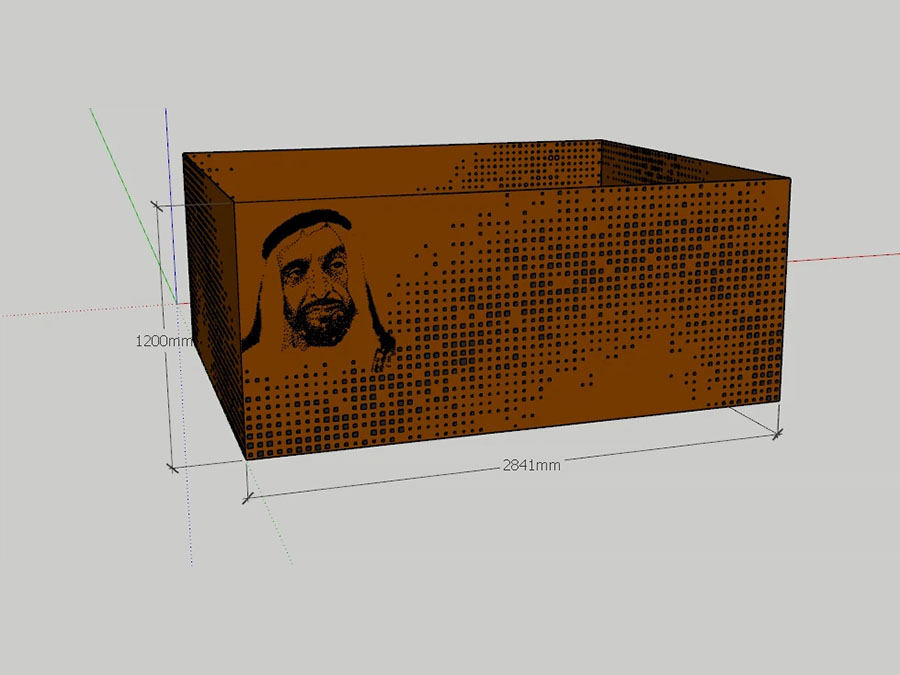
Building exteriors and roofs: Used for weathering steel curtain walls and roofing systems in large public buildings (stadiums, exhibition halls, airport terminals), creating a distinctive russet appearance that combines aesthetic appeal with durability.
Bridge structures: Used for pedestrian bridges, landscape bridges, and auxiliary or main structures of road and railway bridges (especially in highly corrosive environments), reducing the need for painting and maintenance and optimizing lifecycle costs.
Outdoor art sculptures and landscape structures: Designers utilize its naturally formed stable rust color as an artistic material.
Power and communication towers: Such as transmission towers and communication signal towers, providing longer service life in harsh environments.
Lighting poles and traffic signal poles: Reducing the frequency of replacement and maintenance due to corrosion.
Wind turbine towers: Used for specific parts to enhance resistance to environmental corrosion.
Port machinery and offshore structures: Used for structural components exposed to salt-laden atmospheres, such as offshore docks and cranes.
Mining machinery: Used for equipment structures exposed to humid and dusty environments.
Agricultural storage facilities: Such as grain silos and feed towers.
1. Initial Rust Control:
Before the formation of a protective stable rust layer (approximately 1-3 years), issues such as rust runoff and uneven coloration may occur. The surface can be treated using the technical process of "promoting rust stabilization" to accelerate the development of a uniform and aesthetically pleasing rust layer.
2. Design Details:
Structural designs should avoid areas prone to water accumulation, dust buildup, or stagnant corners. Proper drainage and ventilation must be considered to fully leverage the weathering performance of the material.
3. Welding and Processing:
Welding materials should be compatible with weathering steel electrodes. The processing techniques are similar to those for ordinary low-alloy steel, but attention must be paid to the influence of its unique alloy system on welding parameters.
4. Applicable Environments:
Weathering steel performs best in dry, well-ventilated atmospheric conditions. In environments with prolonged moisture, submersion, high salt exposure in splash zones, or severe acid-base corrosion in industrial areas, its advantages may diminish. Special assessments or supplementary protective measures may be required under such conditions.
| Usage Environment | Recommended Grade | Explanation |
|---|---|---|
| Normal temperature, dry environment | A or B | No special low-temperature requirements |
| Humid environment above 0°C | B or C | Consideration of impact toughness at normal temperature is needed |
| Environment between 0°C and -20°C | C or D | Low-temperature toughness requirements |
| Severe cold environment ≤ -20°C | D or E | Extremely low-temperature toughness requirements |
| Grade | Yield Strength (MPa) | Tensile Strength (MPa) | Elongation (A) [min, %] | Delivery Conditions |
|---|---|---|---|---|
| Q355GNH | 355 | 490 - 630 | 22 | As Rolled, Normalized or Thermo-Mechanical Controlled Processed |
| Q310GNH | 310 | ≥ 450 | 26 | Cold Rolled |
| Q295GNH | 295 | 430 - 560 | 24 | As Rolled, Normalized or Thermo-Mechanical Controlled Processed |
| Q265GNH | 265 | ≥ 410 | 27 | Cold Rolled |
| * Thickness ≤ 16mm | ||||
A:
Inland, dry environments: 50+ years (maintenance-free); industrial/suburban environments: 30–50 years; coastal areas with low salt spray: 15–25 years (additional corrosion protection required in areas with high salt spray).
A:
Use with caution. In environments with high salt spray levels or high chloride ion concentrations, the rust layer on standard weathering steel is easily penetrated, accelerating corrosion and potentially leading to pitting or perforation.
A:
It has good welding properties and can be welded using conventional processes such as manual arc welding and gas shielded arc welding.
A:
In normal atmospheric conditions (urban or rural), painting is not required; a stable passivation layer will form after 6–18 months of exposure, providing a corrosion resistance lifespan of 80–100 years.
High-humidity / highly corrosive environments (coastal areas, industrial acid rain, salt spray zones): It is recommended to apply a thin coat of weathering primer initially or to carry out regular maintenance to prevent the early loss of the rust layer.
Concealed / damp, poorly ventilated areas: Waterproofing and anti-corrosion coating must be applied to prevent localised rusting from worsening.
A:
The rate at which the oxidation layer forms depends on climatic conditions. In outdoor environments with significant fluctuations between dry and wet conditions, it typically takes between six months and two years for a stable, dark brown protective layer to form. During the initial stage, rust streaks may form, so care should be taken to protect the surrounding building surfaces.
– We offer free samples and bespoke solutions. Please feel free to enquire about our latest prices and volume discounts.
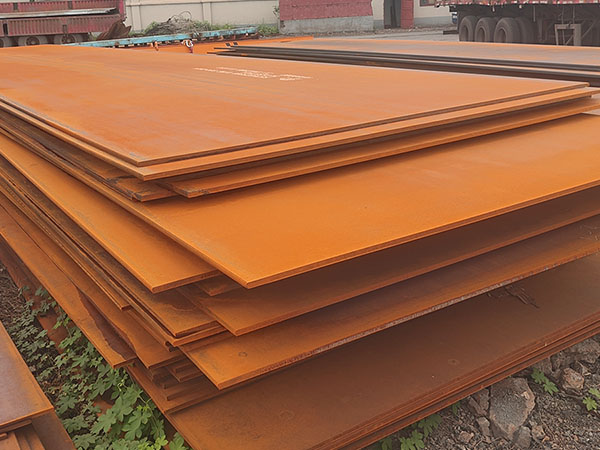
Yuxin Steel provides high-quality steel products to customers in more than 20 countries worldwide.
Contact Info
Would you like to know more about our offers? Please feel free to contact us.