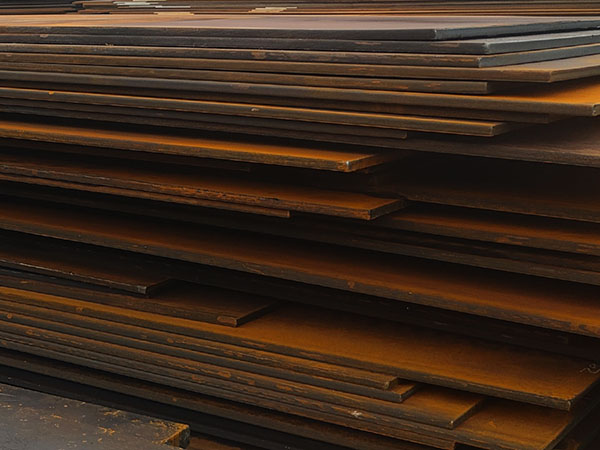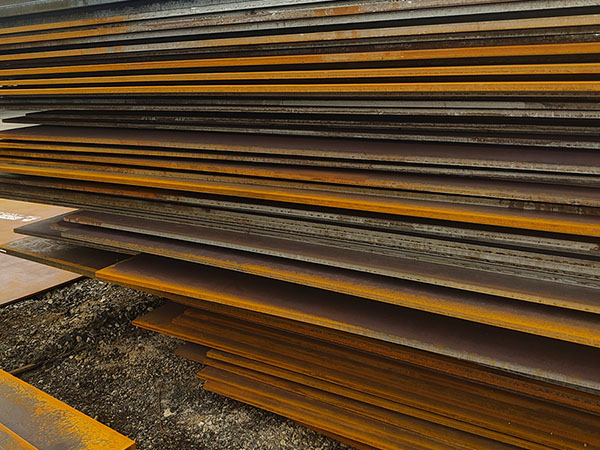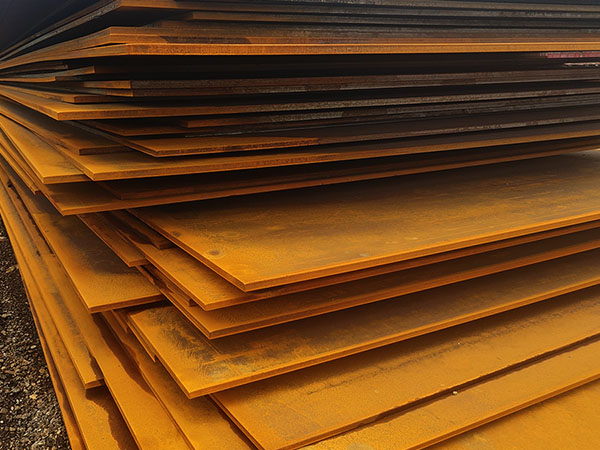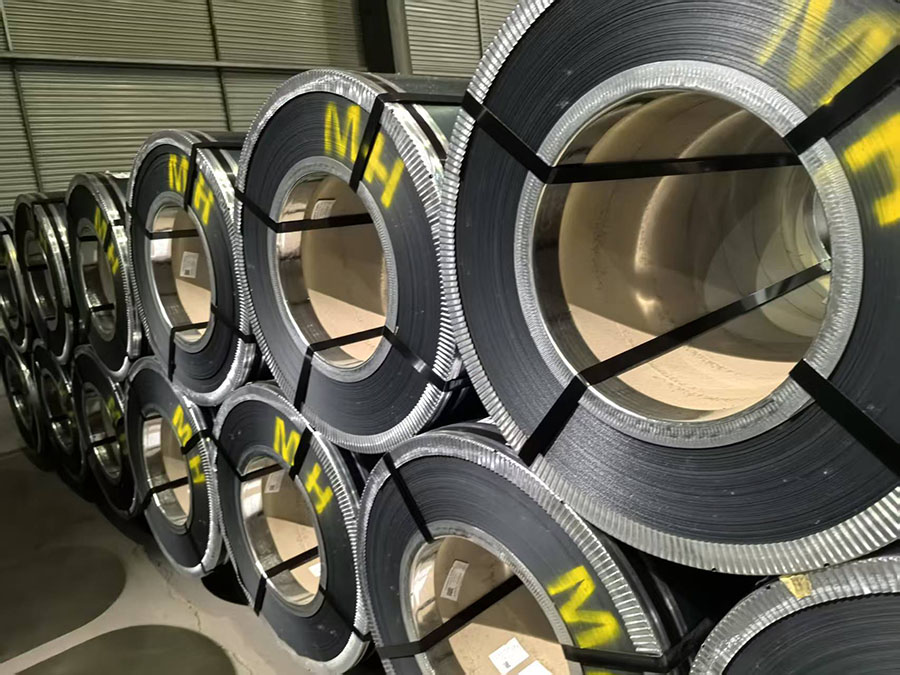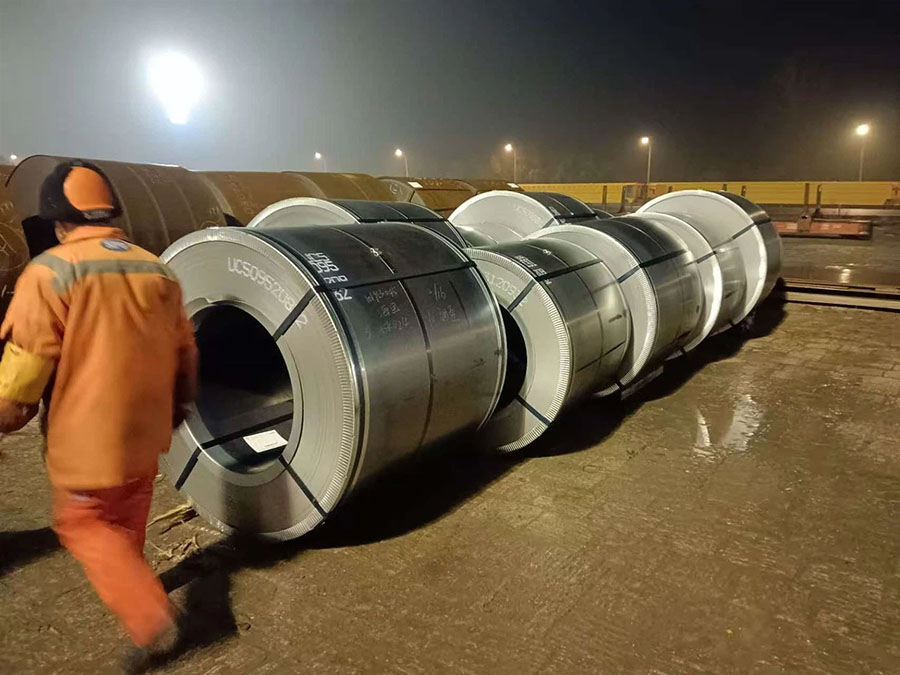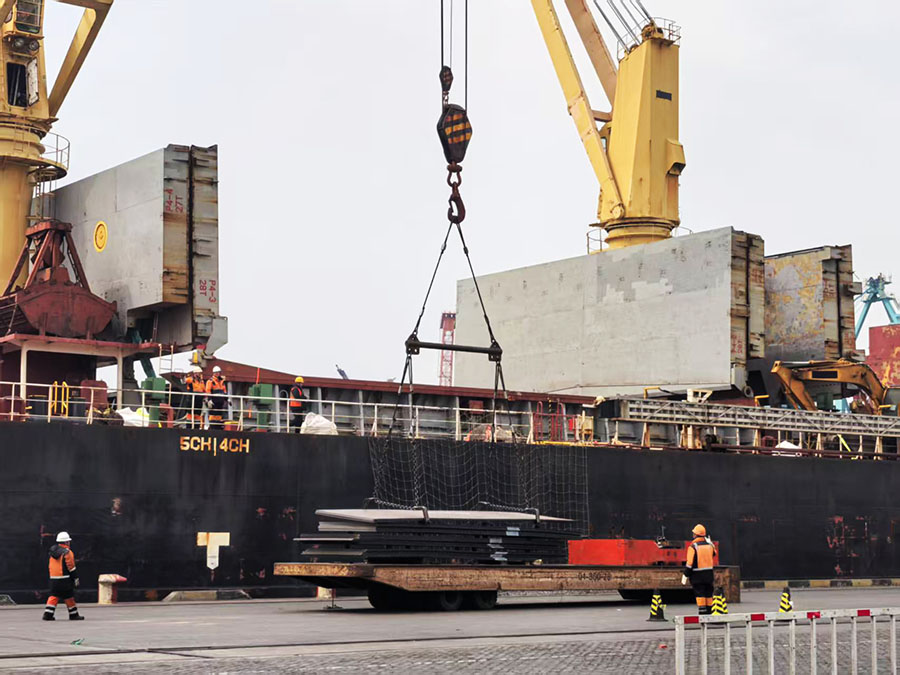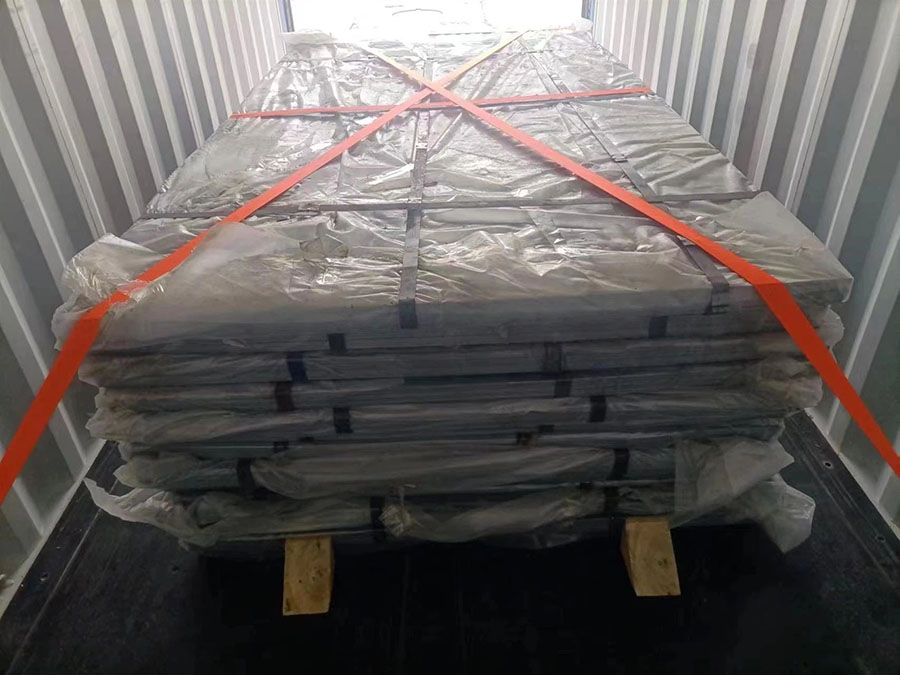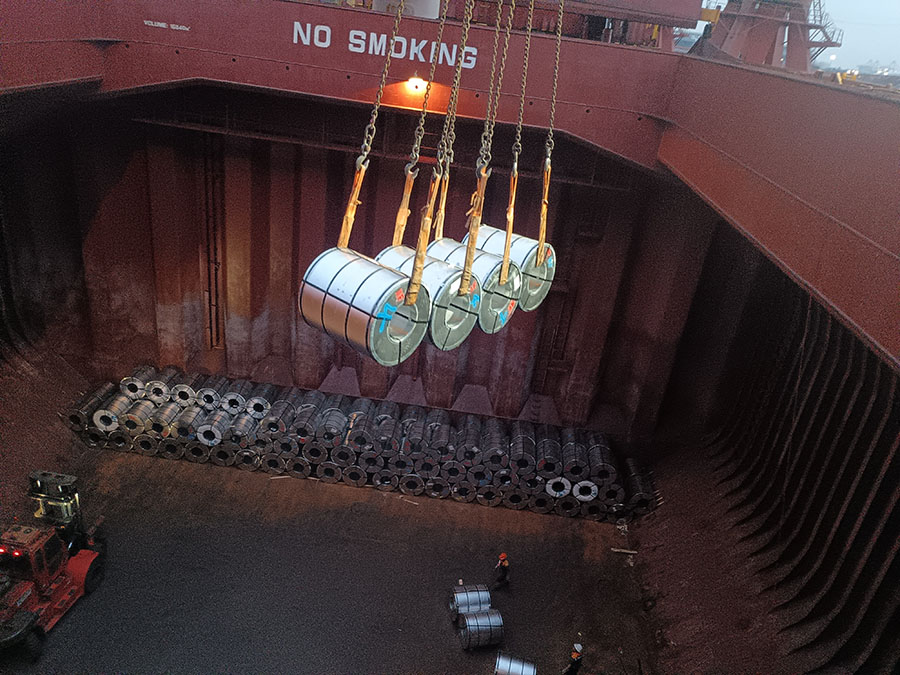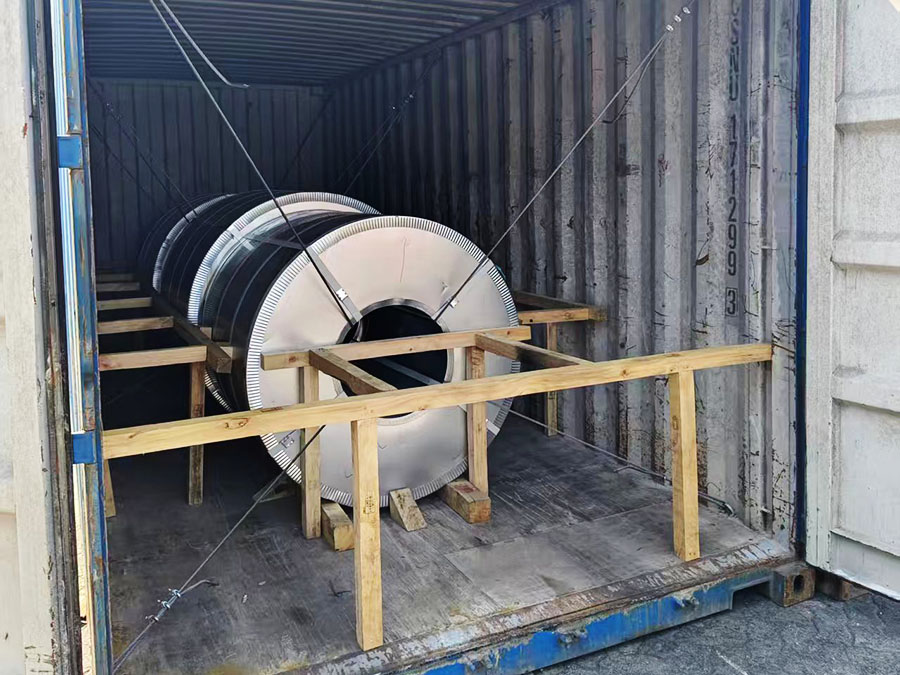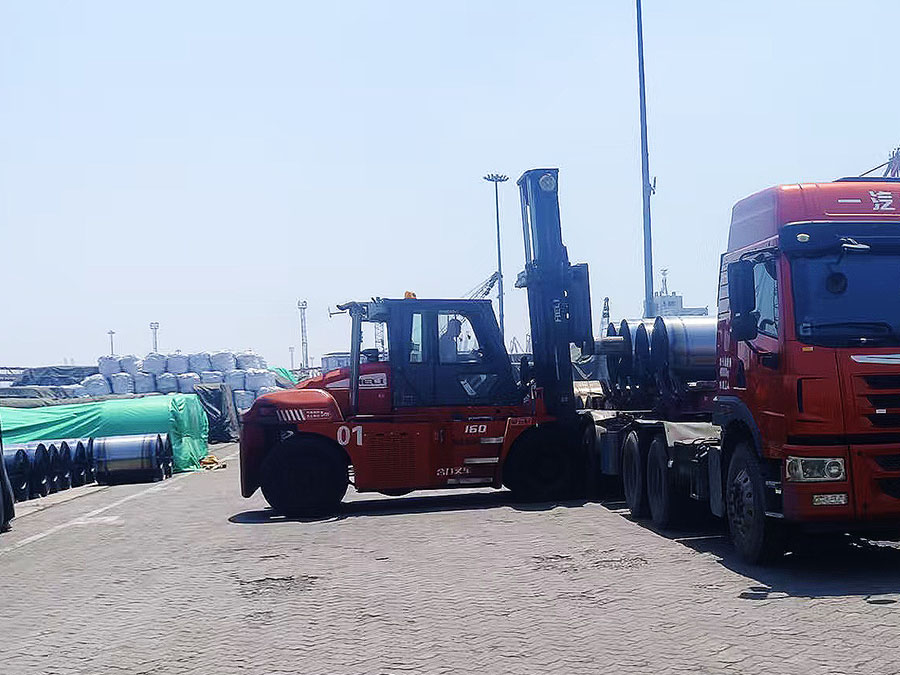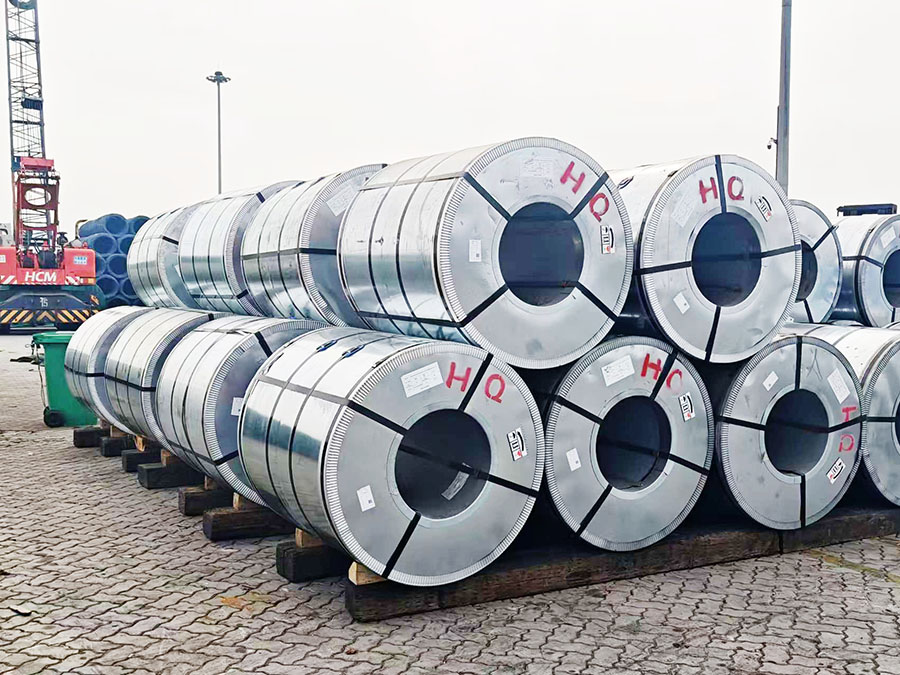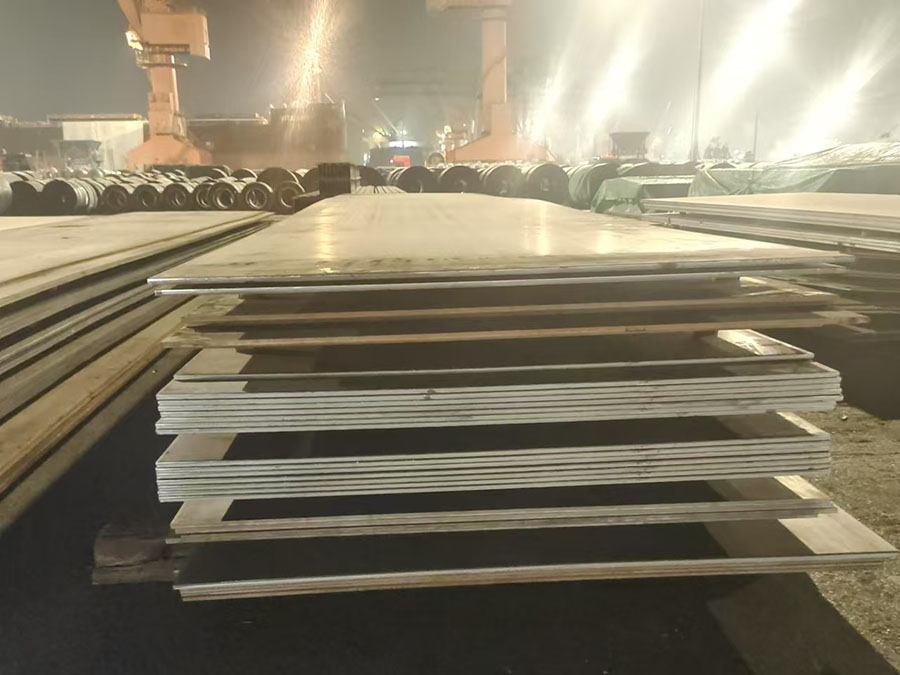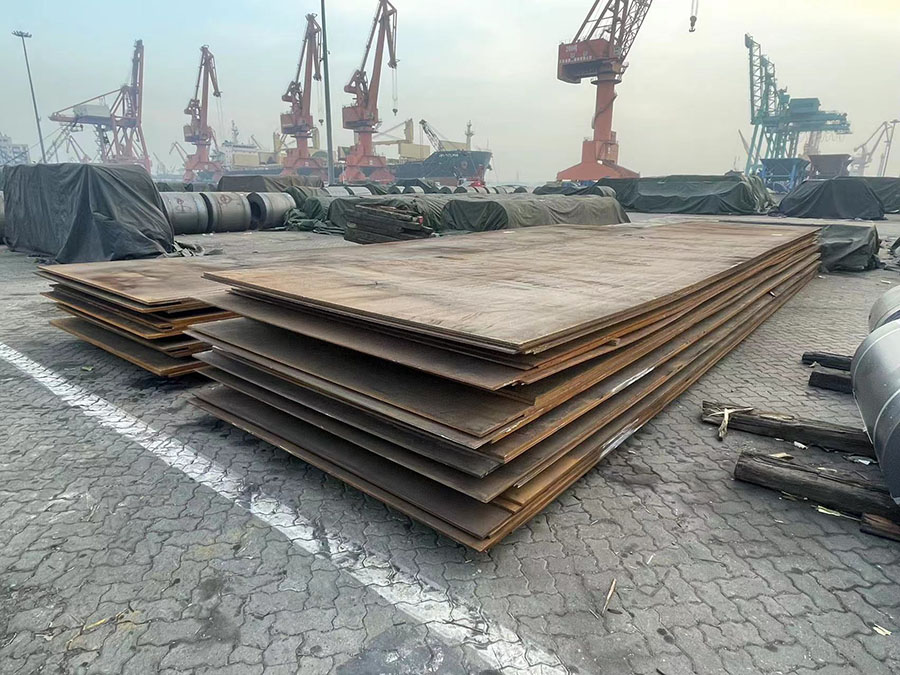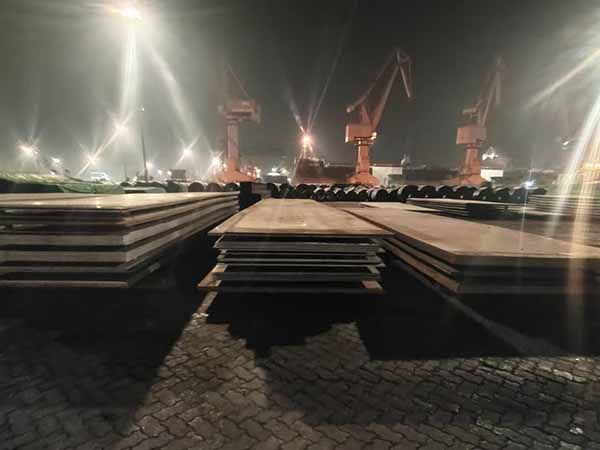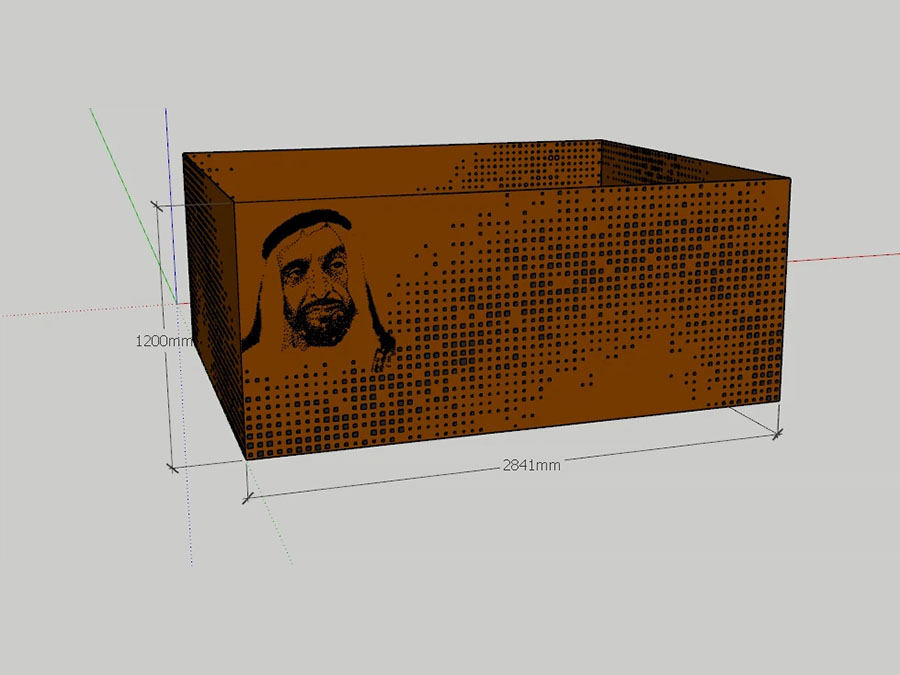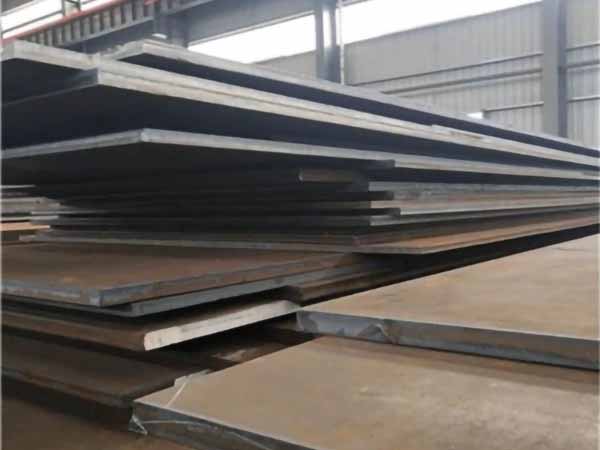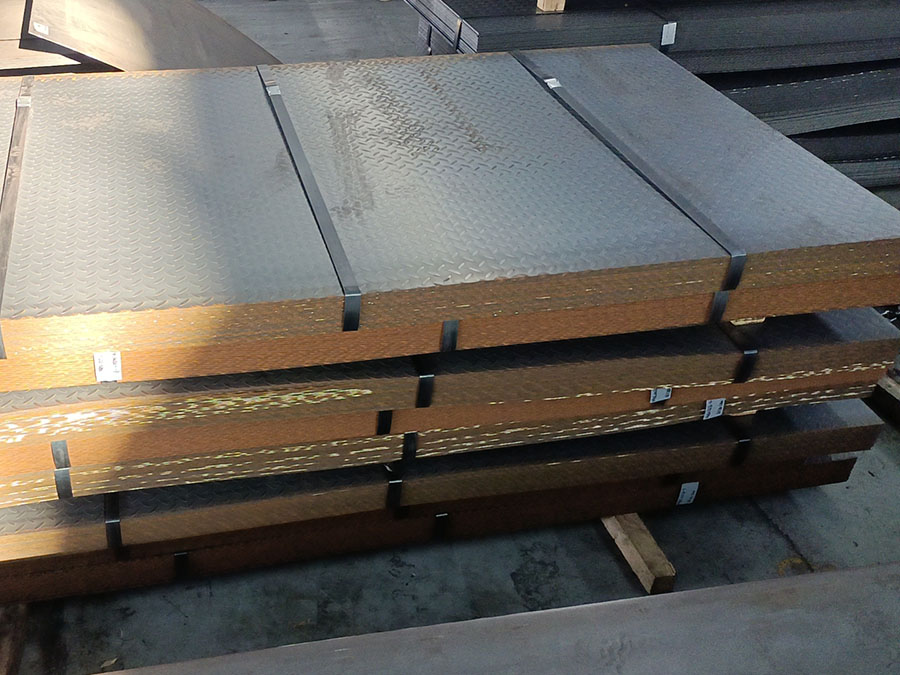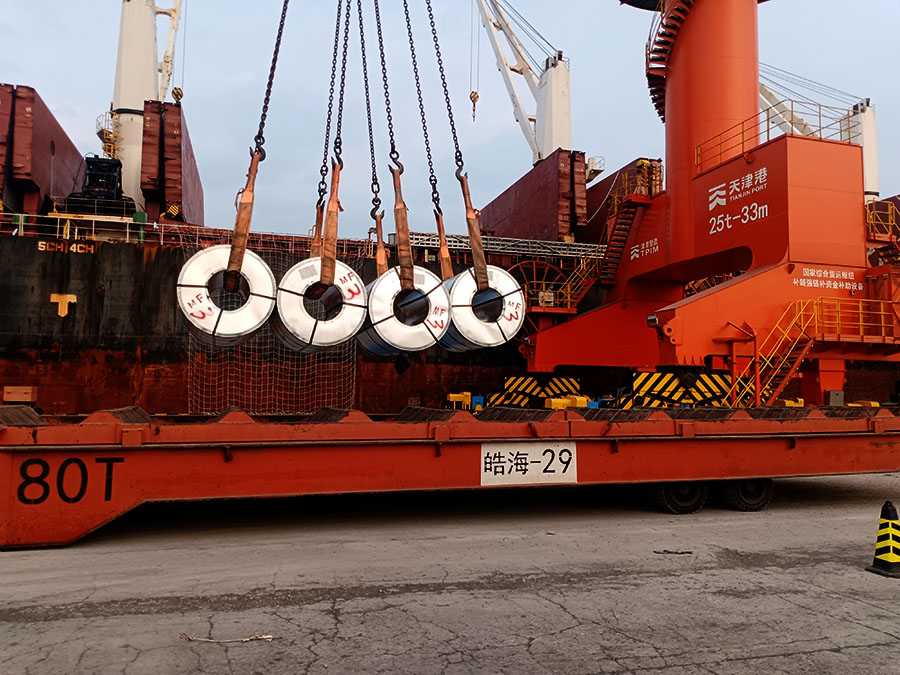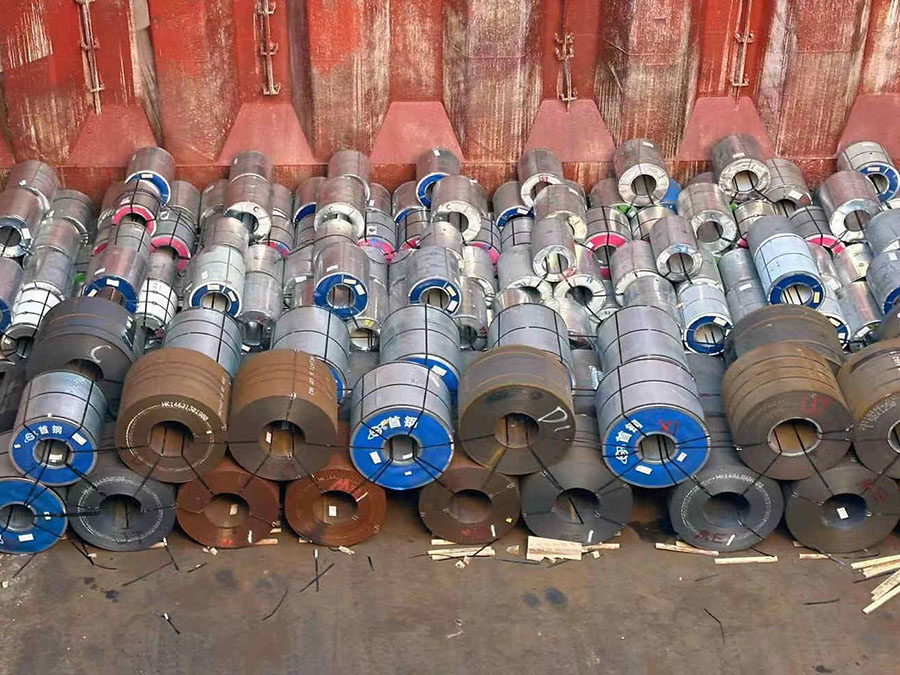
Q265GNH is a cold-rolled high-weathering structural steel specified in the Chinese national standard GB/T 4171. It offers high resistance to atmospheric corrosion and places particular emphasis on weldability. Suitable for long-term outdoor exposed structural components such as vehicles, bridges, containers, buildings, and towers, it effectively extends the service life of the components while reducing painting and maintenance costs.
Standard :
GB/T 4171Grade :
Q265GNHThickness :
6.0 - 200.0 mmWidth :
1500.0 - 4050.0 mmLength :
3000.0 - 15000.0 mmSpecial thickness, width, and length can be negotiated separately.
We also provide customized processing services.If you have any questions, please contact us.
GB/T 4171 Q265GNH is an economical and practical high weathering structural steel with atmospheric corrosion resistance 2-8 times that of ordinary carbon steel. It is the Chinese version of Corten steel. Q265GNH high weathering steel plates are mainly used in outdoor steel structure projects that prioritize low maintenance costs, strong durability, and a unique rusted aesthetic. It plays a key role in modern architecture, bridges, transportation, and municipal engineering, serving as one of the essential materials for realizing the design philosophy of "painting-free and low-maintenance."
Before selecting it for actual projects, it is advisable to make a choice based on specific environmental corrosivity, design service life, processing techniques, aesthetic requirements, and maintenance plans.
| Grade | Q265GNH |
|---|---|
| Standard | GB/T 4171 (Atmospheric corrosion resisting structural steel) |
| Quality Grade | A, B, C, D, E (The main difference lies in the varying impact test temperature requirements) |
| Classification | High Weathering Steel High weathering steel (GNH series) exhibits better atmospheric corrosion resistance compared to welded weathering steel (NH series), but slightly inferior weldability. |
| Delivery Conditions | Cold Rolled (CR) |
| Surface Conditions | Generally provided as rolled surface, can be processed as required, such as shot blasting, pickling, etc. |
| Weldability | Good weldability, although attention must be paid to controlling heat input, using matching weathering steel welding materials to preserve the corrosion resistance of the weld area. |
| Machinability | Good machinability, it can be processed by flame cutting, plasma cutting, laser cutting, etc., and offers good performance in cold bending, stamping, and drilling. |
| Quality Control | Certificate of Quality. If required, Ultrasonic testing (UT), Charpy V-notch impact test, Z-direction property test (Grades Z15/Z25/Z35) can be added. |
1. No Painting / Low Maintenance: The surface forms a dense oxide layer, which can reduce or eliminate the need for anti-corrosion coatings, lowering maintenance costs.
2. Cost-Effectiveness: Overall costs are reduced by 15%–20% compared to ordinary carbon steel, with a service life extended to over 50 years, offering significant long-term economic benefits.
3. Aesthetic Value: The unique rusty color and texture make it an important element in modern architecture and landscape design.
4. Environmentally Friendly: Reduces the use of coatings and waste emissions, aligning with green building concepts.
5. Excellent Performance: Exhibits good mechanical properties, cold-forming performance, and weldability.
| Grade | Q265GNH | ||||||||
|---|---|---|---|---|---|---|---|---|---|
| Element | C | Si | Mn | P | S | Cu | Cr | Ni | Nb, V, Ti |
| Content (max, %) | 0.12 | 0.10 - 0.40 | 0.20 - 0.50 | 0.07 - 0.12 | 0.020 | 0.25 - 0.45 | 0.30 - 0.65 | 0.25 - 0.50 | Can be added |
* Calculate using the standard formula recommended by the International Institute of Welding (IIW): CE = C + Mn/6 + (Cr+Mo+V)/5 + (Ni+Cu)/15.
| Grade | Thickness (t) [mm] | Yield Strength (ReH) [min, MPa] | Tensile Strength (Rm) [MPa] | Elongation (A) [min, %] | 180° Bend Test Mandrel Diameter |
|---|---|---|---|---|---|
| Q265GNH | t ≤ 6 | 265 | ≥ 410 | 27 | a |
| 6< t ≤ 16 | 265 | ≥ 410 | 27 | - | |
| 16 < t ≤ 40 | - | ≥ 410 | - | - | |
| 40 < t ≤ 60 | - | ≥ 410 | - | - | |
| t > 60 | - | ≥ 410 | - | - |
Note: "a" is the thickness of the steel material.
| Quality Grade | Charpy V-notch Impact Test | ||
|---|---|---|---|
| Orientation of test pieces | Temperature (°C) | Impact Energy (KV2 / J) | |
| A | longitudinal | - | - |
| B | longitudinal | +20 | ≥ 47 |
| C | longitudinal | 0 | ≥ 34 |
| D | longitudinal | -20 | ≥ 34 |
| E | longitudinal | -40 | ≥ 27 |
* The main difference lies in the varying impact test temperature requirements, ranging from Grade A (no requirement) to Grade E (-40°C), with progressively increasing demands for low-temperature toughness.
Q265GNH high weathering steel (Corten Steel) plate is widely used in outdoor steel structures that are long-term exposed to the atmosphere and require no coating or reduced maintenance, due to its excellent atmospheric corrosion resistance, weldability, and certain strength. Its typical application areas include:
a) Railway vehicles: freight car bodies, locomotive frames, railway passenger car bodies, etc., suitable for open-air operating environments and reducing maintenance frequency.
b) Container manufacturing: shipping and railway transport containers, resistant to marine and industrial atmospheric corrosion, extending service life.
c) Highway facilities: highway guardrails, barriers, traffic sign poles, requiring minimal maintenance despite long-term outdoor exposure.
a) Sea/river-crossing bridges: main beams, decks, piers, and other components of steel bridges, reducing the thickness of anti-corrosion coatings, lowering lifecycle costs by 20%, with a service life exceeding 50 years.
b) Urban bridges: pedestrian overpasses, interchange steel structures, combining structural strength and aesthetics.
c) Municipal facilities: steel structures for sewage treatment plants and waste disposal sites, resistant to humid and corrosive gas environments.
a) Building facades: cultural buildings, art centers, commercial building exteriors, forming a reddish-brown rust layer through natural oxidation to achieve integration with the environment.
b) Roof systems: industrial plants, warehouses, stadium roofs, resistant to acid rain corrosion and extending service life.
c) Indoor and outdoor decoration: stair handrails, railings, grilles, combining durability and decorative appeal.
a) Oil and gas: oil derricks, drilling platform components, pipeline supports, resistant to hydrogen sulfide and salt spray corrosion.
b) Chemical industry: containers, pipelines, reactor supports exposed to corrosive media, resistant to industrial atmospheres and chemical corrosion.
c) Power facilities: transmission towers, substation steel structures, wind power equipment supports, adaptable to various climatic conditions.
a) Port docks: front piles, sheet piles for bank protection, mooring posts, resistant to seawater and salt spray erosion, reducing maintenance costs.
b) Marine platforms: offshore oil platforms, lighthouses, navigation buoys, and other steel structures long-term exposed to marine environments.
c) Seawater treatment: steel structures for desalination plants and marine aquaculture farms, resistant to chloride ion corrosion.
a) Public art: urban sculptures, landscape installations, art galleries, utilizing rust color gradients to create unique visual effects.
b) Outdoor furniture: park benches, sunshades, flower stands, highly weather-resistant and requiring infrequent replacement.
c) Garden landscapes: feature walls, railings, walkways, combining natural rust colors with greenery to enhance landscape quality.
1. Initial Rust Control: During the early stage of rust layer stabilization (approximately 1-2 years), issues such as rust runoff and contamination of surrounding objects may occur. Necessary "induced rusting" treatments or drainage structure designs should be implemented.
2. Environmental Adaptability: It performs excellently in dry, clean atmospheric environments as well as heavily polluted industrial and marine atmospheres. However, in environments with prolonged humidity, repeated wet-dry cycles, or the presence of chlorides, further evaluation or additional protective measures are required.
3. Design Specifications: When using weathering steel, structural design should comply with relevant specifications to avoid water accumulation and dust deposition. Electrochemical corrosion issues arising from connections between weathering steel and ordinary steel or other materials should also be considered.
4. Material Compatibility: Compatible welding materials and fasteners specifically designed for weathering steel should be used to ensure the overall corrosion resistance of the structure.
| Quality Grade | Impact Temperature | Applicable Environment |
|---|---|---|
| A | No requirement | Room temperature, low stress, non-critical structures |
| B | +20°C | General outdoor environments, basic toughness requirements |
| C | 0°C | Cold regions (minimum temperature ≥ -10°C) |
| D | -20°C | Severe cold regions (minimum temperature ≥ -30°C) |
| E | -40°C | Extreme cold regions (minimum temperature ≥ -40°C) |
| Grade | Yield Strength (MPa) | Tensile Strength (MPa) | Elongation (A) [min, %] | Delivery Conditions |
|---|---|---|---|---|
| Q355GNH | 355 | 490 - 630 | 22 | As Rolled, Normalized or Thermo-Mechanical Controlled Processed |
| Q310GNH | 310 | ≥ 450 | 26 | Cold Rolled |
| Q295GNH | 295 | 430 - 560 | 24 | As Rolled, Normalized or Thermo-Mechanical Controlled Processed |
| Q265GNH | 265 | ≥ 410 | 27 | Cold Rolled |
| * Thickness ≤ 16mm | ||||
A:
Inland, dry environments: 50+ years (maintenance-free); industrial/suburban environments: 30–50 years; coastal areas with low salt spray: 15–25 years (additional corrosion protection required in areas with high salt spray).
A:
Use with caution. In environments with high salt spray levels or high chloride ion concentrations, the rust layer on standard weathering steel is easily penetrated, accelerating corrosion and potentially leading to pitting or perforation.
A:
It has good welding properties and can be welded using conventional processes such as manual arc welding and gas shielded arc welding.
A:
In normal atmospheric conditions (urban or rural), painting is not required; a stable passivation layer will form after 6–18 months of exposure, providing a corrosion resistance lifespan of 80–100 years.
High-humidity / highly corrosive environments (coastal areas, industrial acid rain, salt spray zones): It is recommended to apply a thin coat of weathering primer initially or to carry out regular maintenance to prevent the early loss of the rust layer.
Concealed / damp, poorly ventilated areas: Waterproofing and anti-corrosion coating must be applied to prevent localised rusting from worsening.
A:
The rate at which the oxidation layer forms depends on climatic conditions. In outdoor environments with significant fluctuations between dry and wet conditions, it typically takes between six months and two years for a stable, dark brown protective layer to form. During the initial stage, rust streaks may form, so care should be taken to protect the surrounding building surfaces.
– We offer free samples and bespoke solutions. Please feel free to enquire about our latest prices and volume discounts.
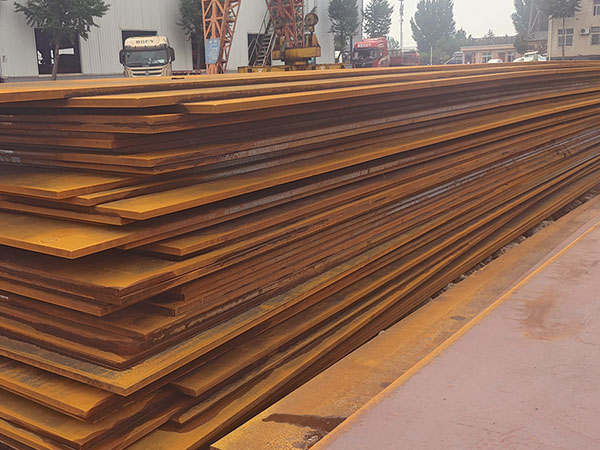
Yuxin Steel provides high-quality steel products to customers in more than 20 countries worldwide.
Contact Info
Would you like to know more about our offers? Please feel free to contact us.