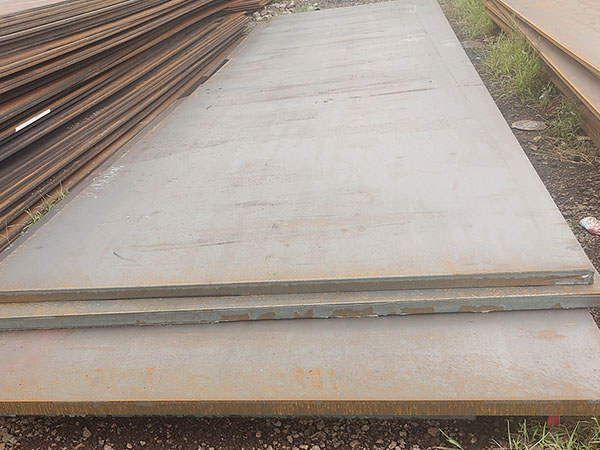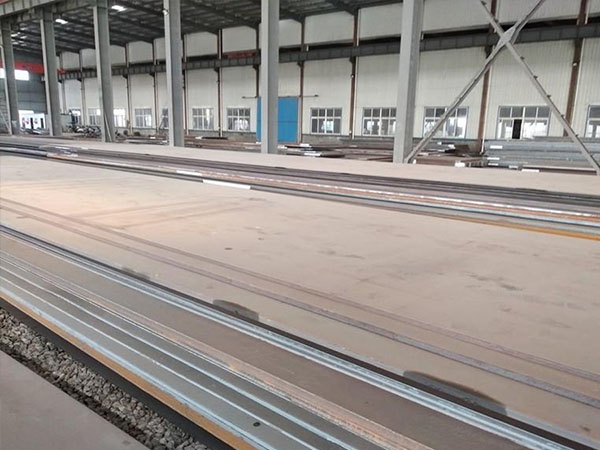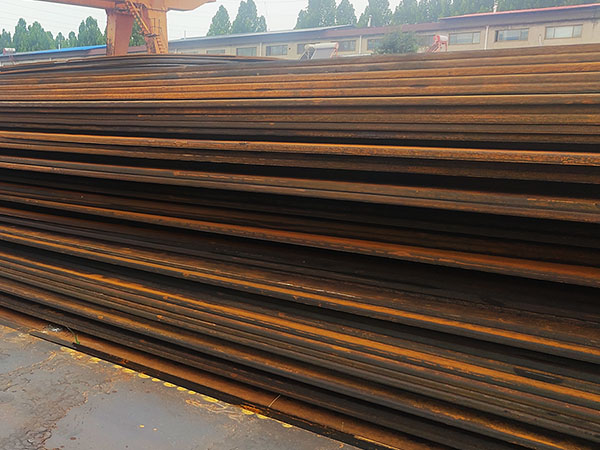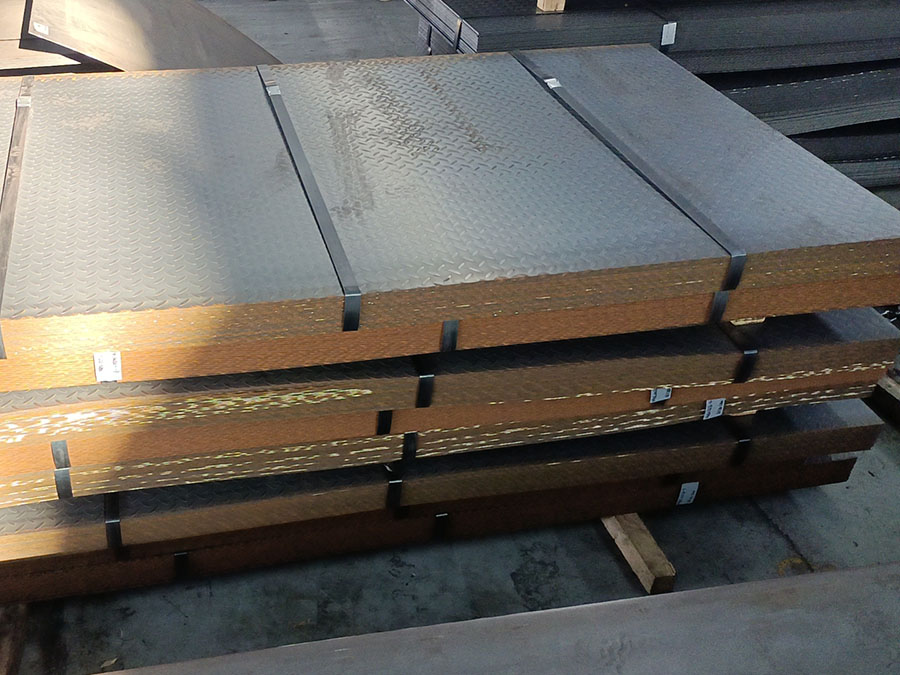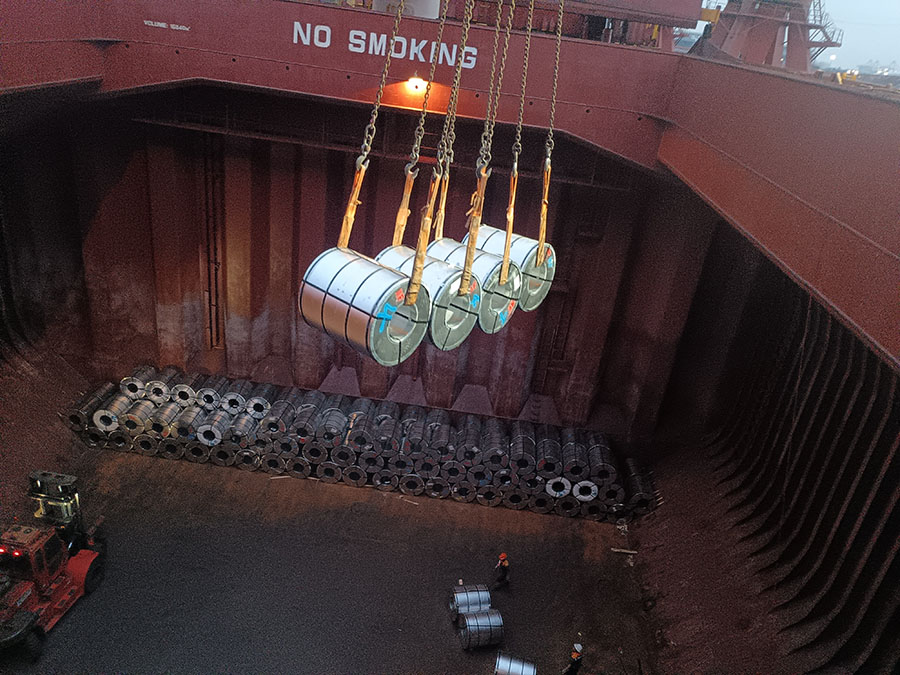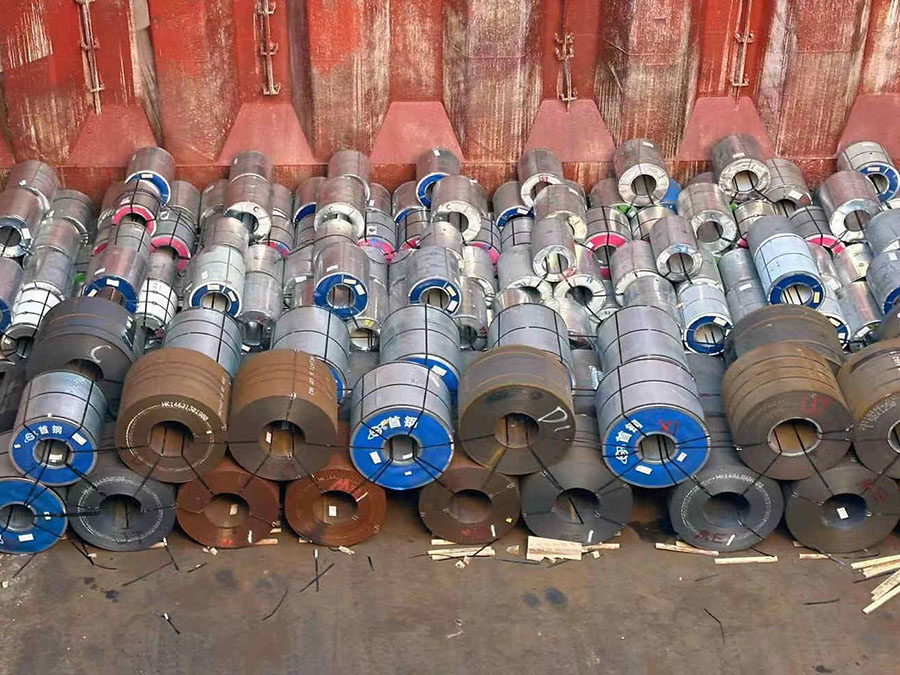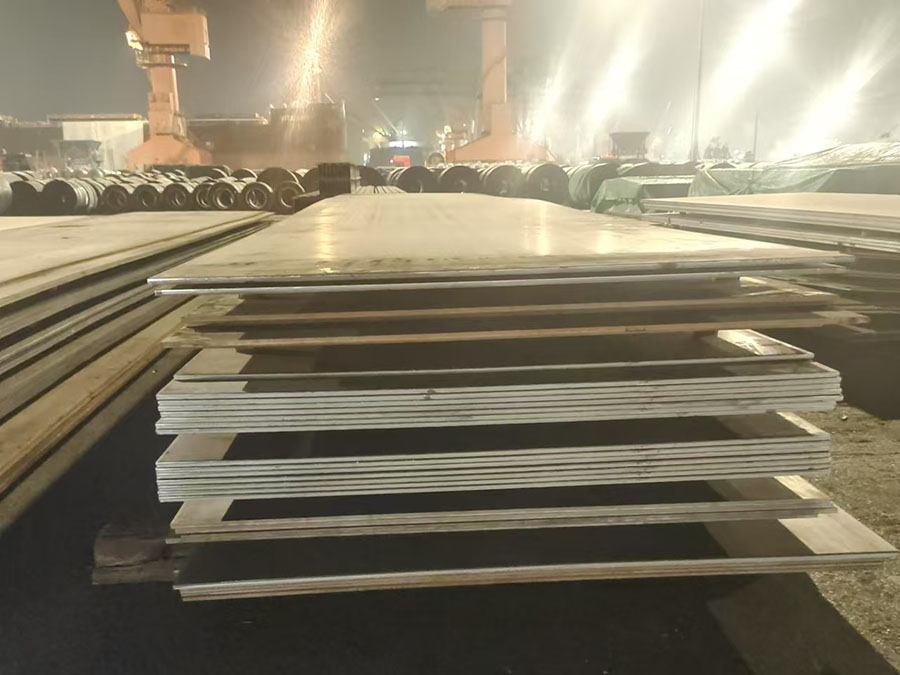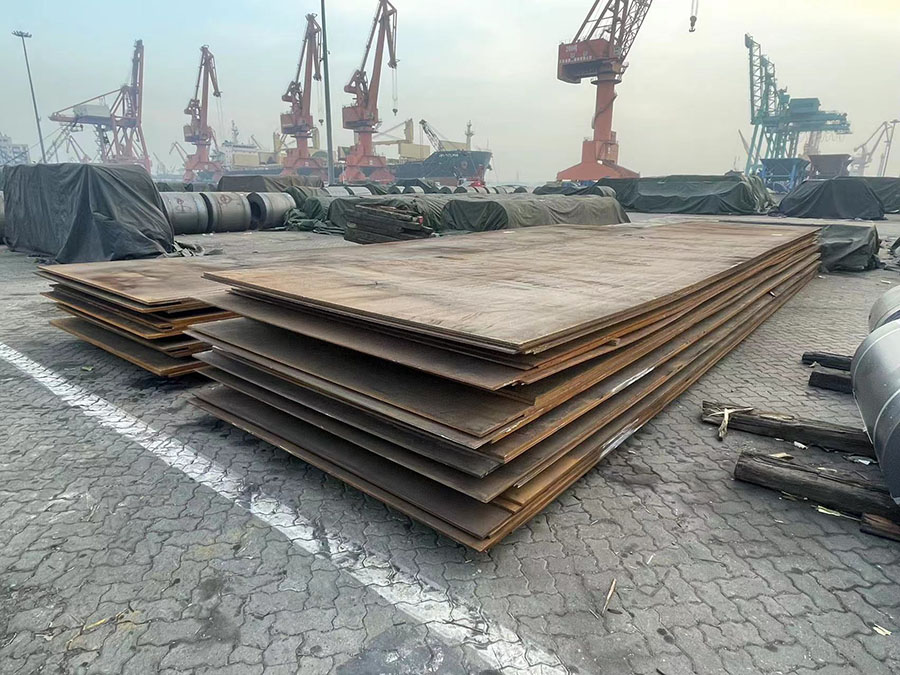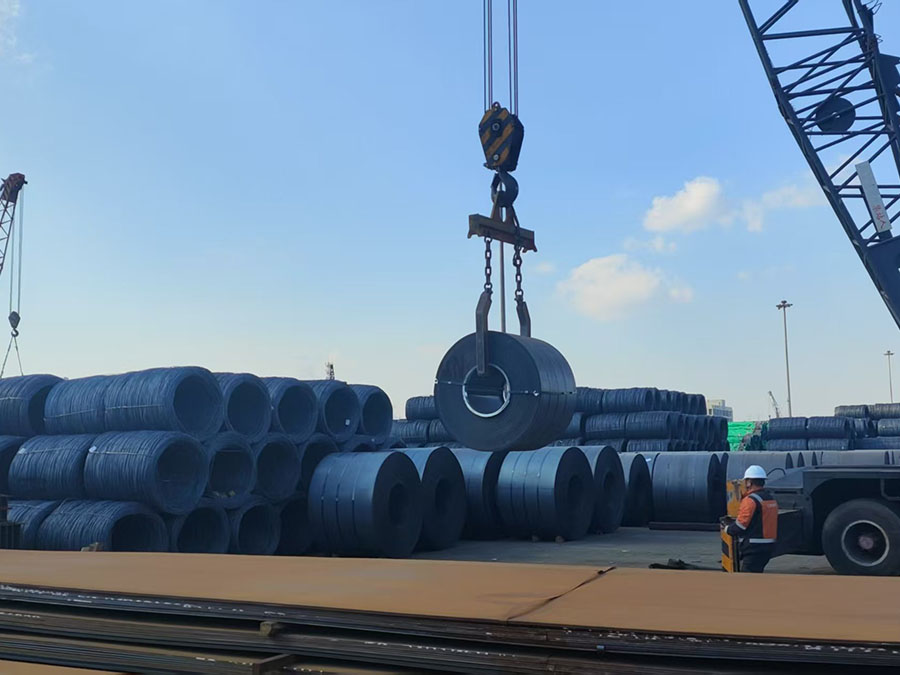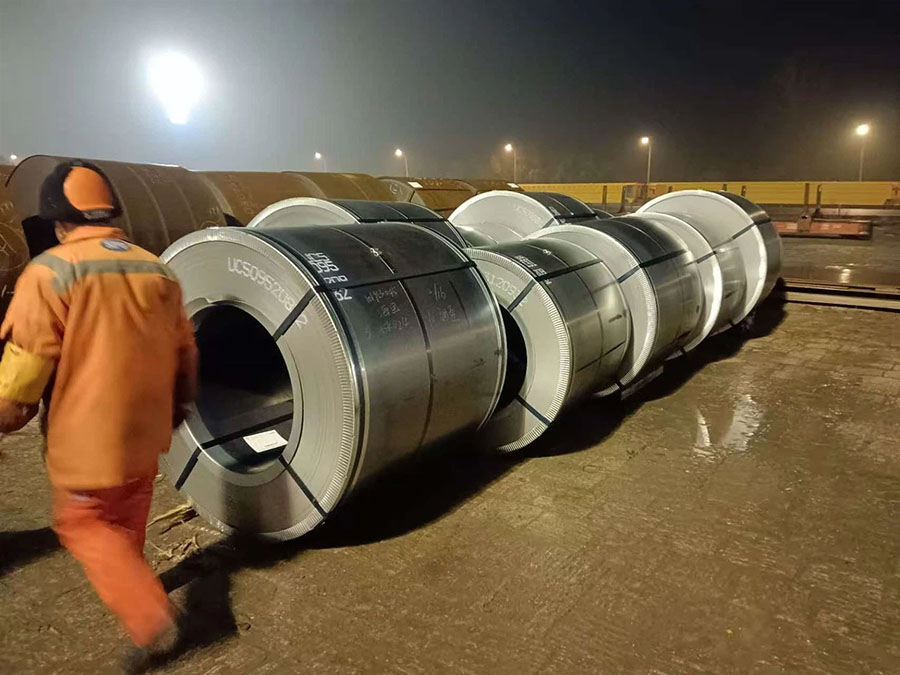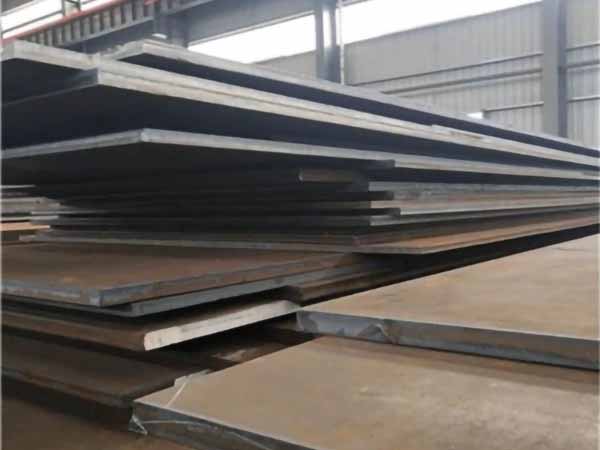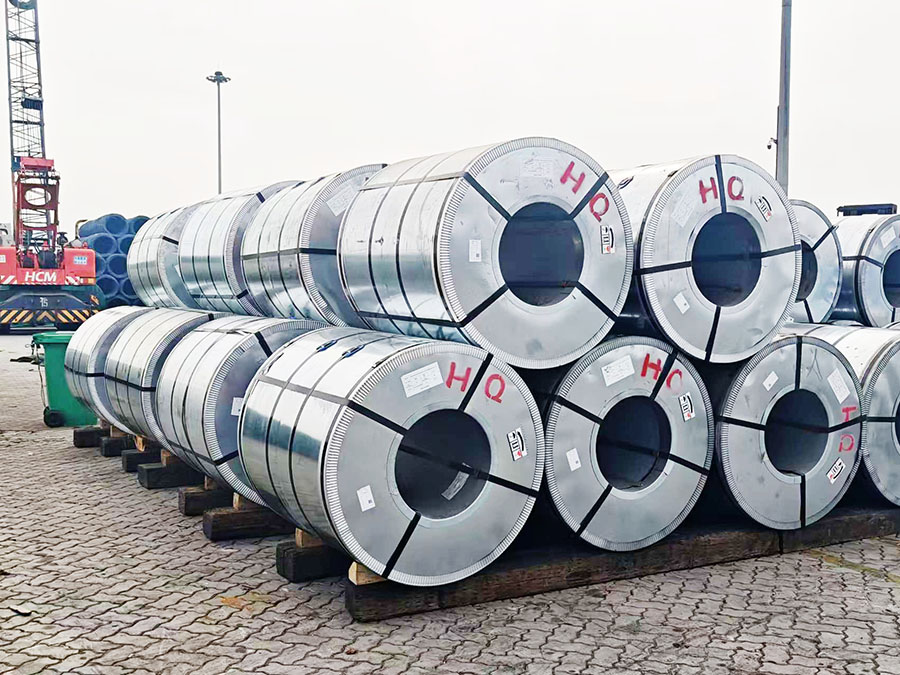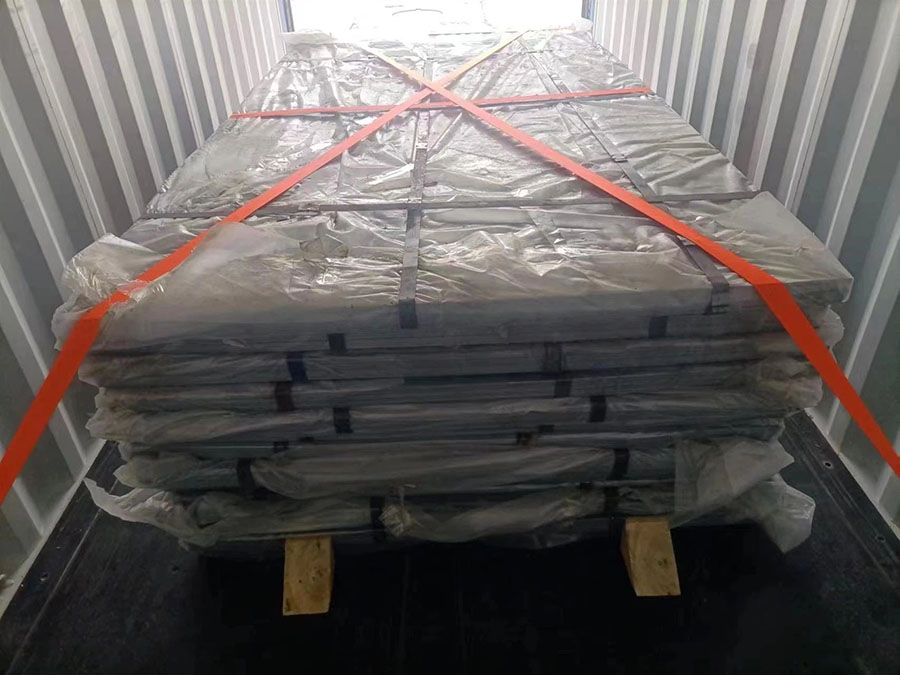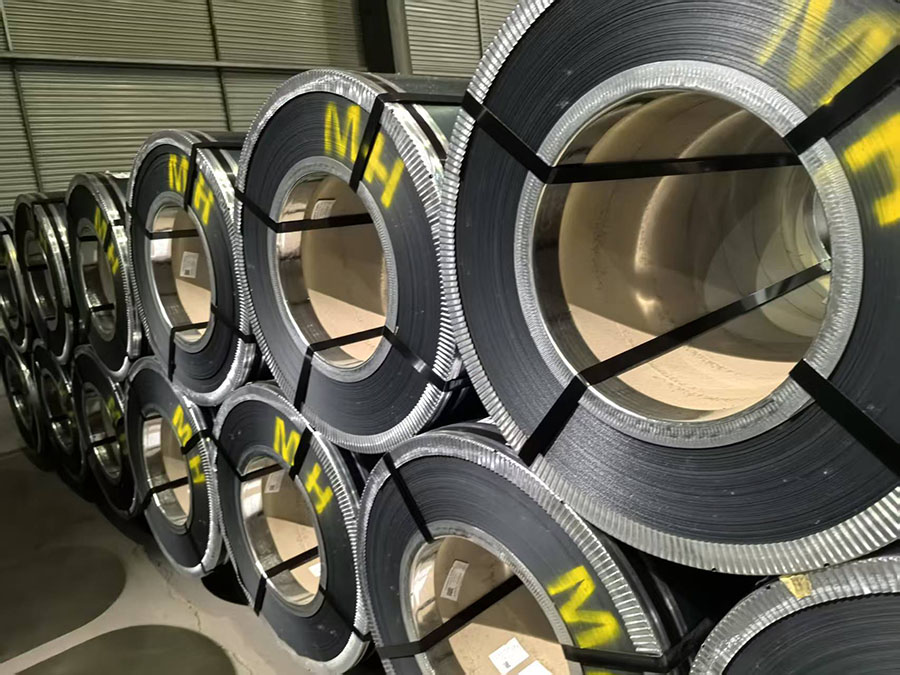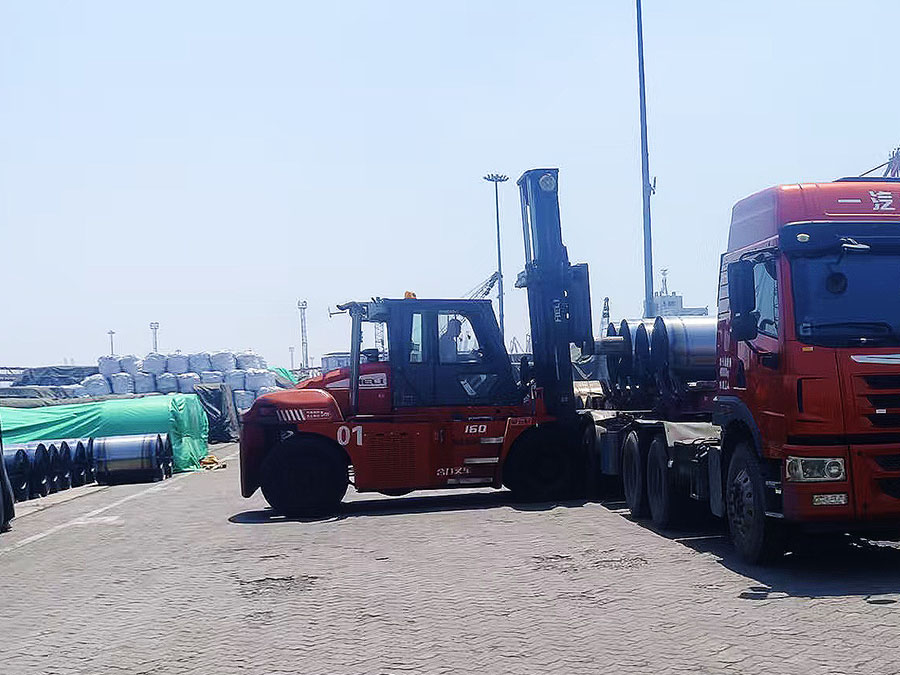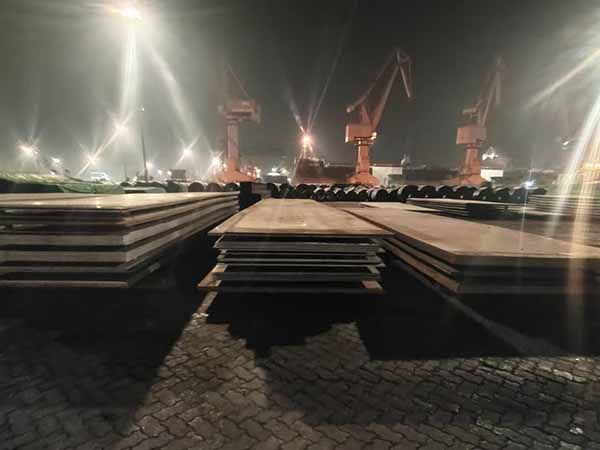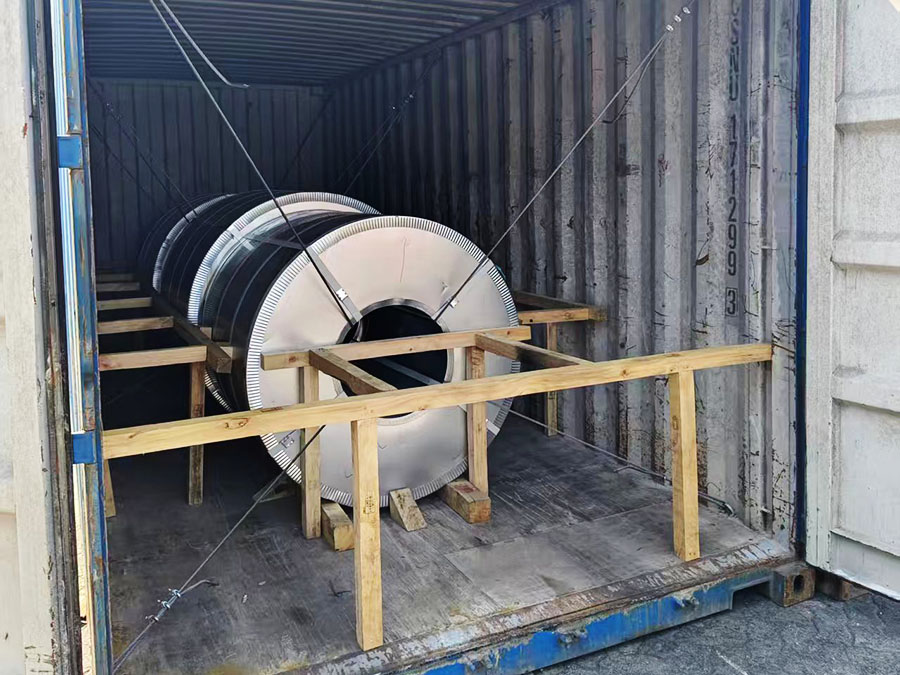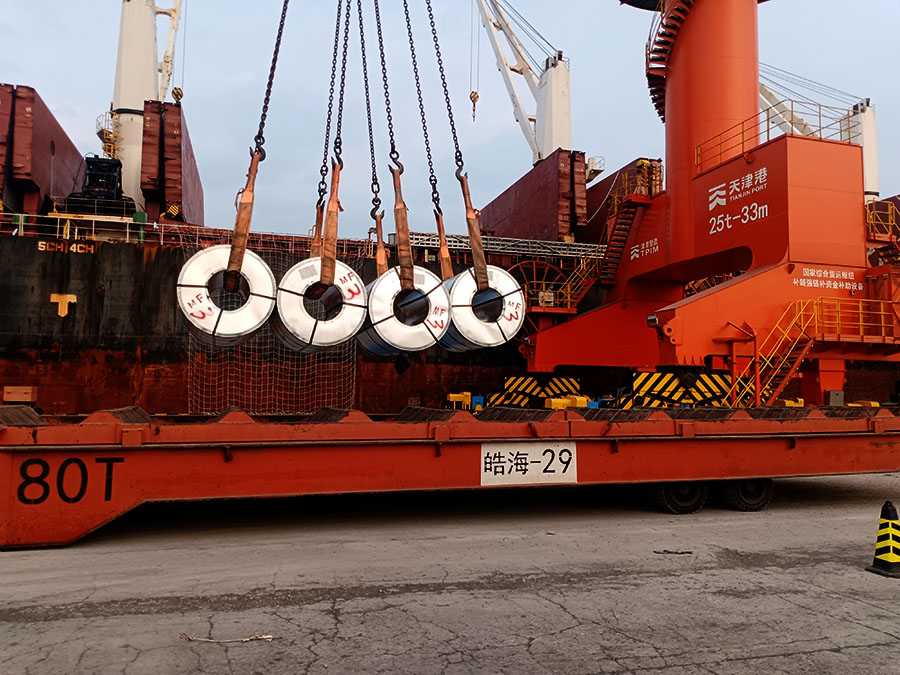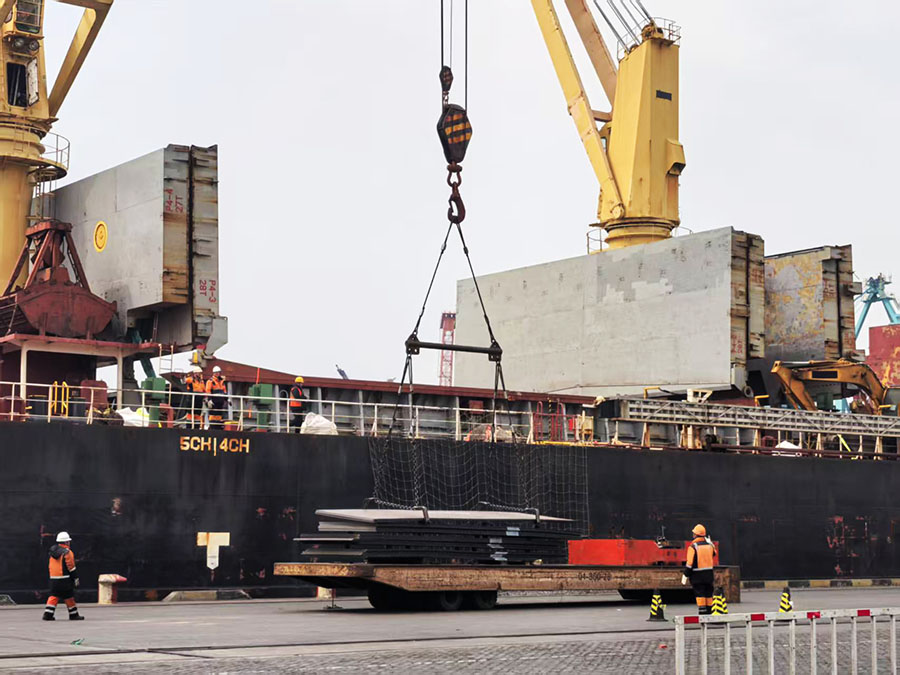
EN 10025-4 S275ML is a thermomechanically rolled, fine-grained, non-alloy, high strength structural steel plate primarily used in welded constructions for low-temperature environments.
Standard :
EN 10025-4Grade :
S275MLThickness :
0.8-30.0 mmWidth :
800-2500 mmLength :
3000-12000 mmSpecial thickness, width, and length can be negotiated separately.
We also provide customized processing services.If you have any questions, please contact us.
EN10025-4 S275ML is a thermomechanically rolled,fine-grained, non-alloy, low-temperature toughness, high-strength structural steel under the European Standard (EN) system, primarily used for structural components requiring mechanical properties (especially impact toughness) in low-temperature environments. It is widely applied in bridges, pressure vessels, construction machinery, offshore engineering, and other fields.
Standard and Grade Designation
EN: Euro Norm (European Standard).
10025: The number designates the series of standards for "Hot rolled products of structural steels".
-4: This part specifies the technical delivery conditions for thermomechanically rolled weldable fine grain structural steels.
This is a key distinction. Part 4 steels are produced using a controlled thermomechanical rolling process (followed by accelerated cooling), which refines the grain structure of the steel. This results in:
Higher strength and better toughness compared to normalized or as-rolled steels of the same composition.
Excellent weldability without the need for further heat treatment after welding (in most cases).
S: Stands for "Structural" steel.
275: Indicates the minimum specified yield strength at room temperature (16mm thickness). In this case, it is 275 MPa (or N/mm²).
Note: The actual yield strength value decreases slightly with increasing material thickness.
M: Stands for "Thermomechanically rolled" (from the German thermomechanisch gewalzt). This confirms the manufacturing process defined in Part 4 of the standard.
L: Stands for "Low temperature" application. This signifies that the steel is qualified for use at lower temperatures due to its enhanced impact toughness.
| Element | Typical Maximum Value (%) | Notes |
|---|---|---|
| C | 0.16 | Low carbon for excellent weldability. |
| Mn | 1.50 | Aids strength and toughness. |
| P | 0.025 | Low impurity levels to prevent brittleness. |
| S | 0.015 | Low impurity levels to improve toughness. |
| Si | 0.50 | Deoxidant during steelmaking. |
| Nb | 0.05 | Micro-alloying element for grain refinement. |
| V | 0.10 | Micro-alloying element for grain refinement. |
| Ti | 0.05 | Micro-alloying element for grain refinement. |
| Cu | 0.50 | Improves atmospheric corrosion resistance. |
The properties, especially yield strength, vary with material thickness. Thicker sections have lower yield strength.
| Property | Value | Notes |
|---|---|---|
| Yield Strength (ReH), min | 275 MPa | For nominal thickness ≤ 16 mm. Decreases to 255 MPa for thickness > 80 mm. |
| Tensile Strength (Rm) | 370 - 510 MPa | The range it must fall within. |
| Elongation (A), min | 22% | (For longitudinal test pieces, thickness 3mm - 150mm) |
| Impact Toughness (KV) | 27 Joules min. | Test Temperature: -50°C (-58°F) |
Important Note on Impact Test: The 27J value is the minimum for the average of three tests, with only one single value allowed to be below 27J (but not below 70% of it, i.e., ~19J).
EN 10025-4 S275ML is primarily used in low-temperature environments or structures sensitive to toughness due to its combination of advantages: low-temperature toughness + good weldability + moderate strength.
Bridge Engineering: Main girders and supports for highway/railway bridges in cold regions, which must withstand low-temperature freeze-thaw cycles and dynamic loads.
Pressure Vessels/Storage Tanks: Tanks for storing low-temperature media (e.g., liquefied natural gas, propane) and shells of low-temperature pressure vessels.
Construction Machinery: Structural components (e.g., booms, frames) of excavators and cranes operating in cold regions.
Marine Engineering: Support structures for offshore platforms and ship hull components (low-temperature and corrosive seawater environments require additional anti-corrosion treatment).
Building Structures: High-rise steel structures and load-bearing frames of industrial buildings in cold regions (particularly those needing to withstand low-temperature impact during winter).
Precautions for Procurement and Inspection
Delivery Condition: Default to "Thermomechanical Rolling + Controlled Cooling" (TMCP condition). The surface can be selected as "pickling," "sandblasting," or "oiling" based on requirements.
Inspection Basis: Suppliers must provide material certificates compliant with EN 10025-4 (e.g., EN 10204 Type 3.1 or 3.2), clearly stating mechanical properties, chemical composition, and impact test results.
Thickness Impact: When steel thickness exceeds 40mm, yield strength and impact energy may decrease (e.g., for thickness 40-63mm, ReH ≥ 255MPa, KV2 ≥ 34J). Confirm with suppliers in advance.
Substitution Relationship: For higher low-temperature toughness (e.g., -60°C), alternatives such as S355ML (yield strength ≥ 355MPa) from EN 10025-4 or lower-temperature grades (e.g., S275NL, -50°C impact) may be used.
Important Notes for Fabrication
Welding: While its chemical composition is designed for good weldability, welding must be performed using qualified procedures. The preheat and interpass temperatures might be different from those used for standard S275JR steel. Welding consumables should be chosen to match the strength and, more importantly, the low-temperature toughness properties of the base metal.
Machining & Cutting: It can be machined, drilled, and cut using standard methods for structural steel (plasma, laser, waterjet, shear). Its higher toughness may require appropriate tooling and parameters.
Comparison with Other S275 Grades
| Grade Standard | Grade | Delivery Condition | Key Use / Difference | Impact Test Temp. |
|---|---|---|---|---|
| EN 10025-2 | S275JR | Hot Rolled (AR) | General purpose, most common | +20°C |
| EN 10025-2 | S275J0 | Hot Rolled (AR) | Improved toughness | 0°C |
| EN 10025-2 | S275J2 | Hot Rolled (N) | Normalized, better toughness | -20°C |
| EN 10025-4 | S275M | Thermomechanical (TM) | For low temperature(-20°C) service | -20°C |
| EN 10025-5 | S275NL | Normalized (N) | For low temperature service | -50°C |
Summary
EN 10025-4 S275ML is a high-strength structural steel specifically designed to address the "demand for structural toughness in low-temperature environments." Its properties, manufacturing process, and application scenarios are all centered around "low-temperature safety," making it one of the core materials for engineering in cold regions and low-temperature equipment.
A:
High-strength low-alloy steel plates offer excellent weldability. As their carbon content is typically low (below 0.2%), they present a lower risk of cracking during welding compared to standard high-strength steel plates and generally do not require complex preheating treatments.
A:
The key advantage of high-strength low-alloy steels is weight reduction. As they offer greater strength, thinner sheets can be used to withstand the same loads, thereby reducing the overall weight of the structure; in the automotive sector, this leads to improved fuel efficiency.
A:
High-strength low-alloy steel (HSLA) is a type of steel in which small amounts of alloying elements (such as niobium, vanadium, titanium or copper) are added to enhance its mechanical properties. Compared to traditional carbon steel, it offers higher yield strength and better corrosion resistance whilst maintaining good weldability and formability.
– We offer free samples and bespoke solutions. Please feel free to enquire about our latest prices and volume discounts.
Yuxin Steel provides high-quality steel products to customers in more than 20 countries worldwide.
Contact Info
Would you like to know more about our offers? Please feel free to contact us.