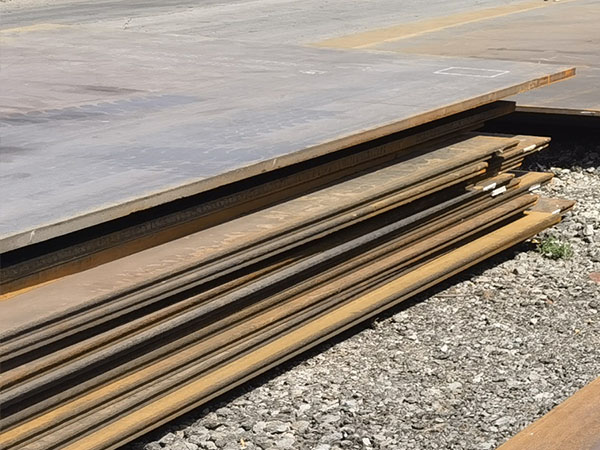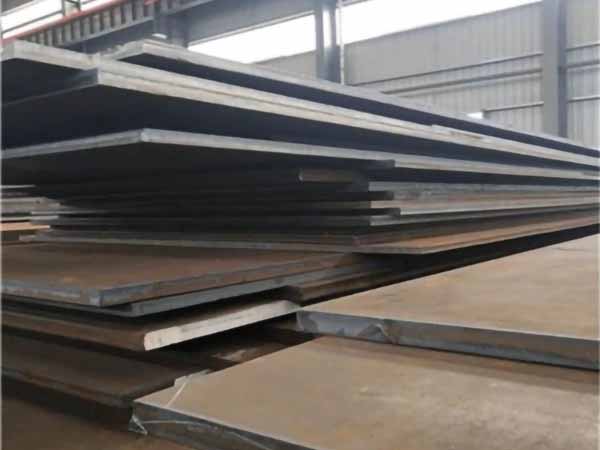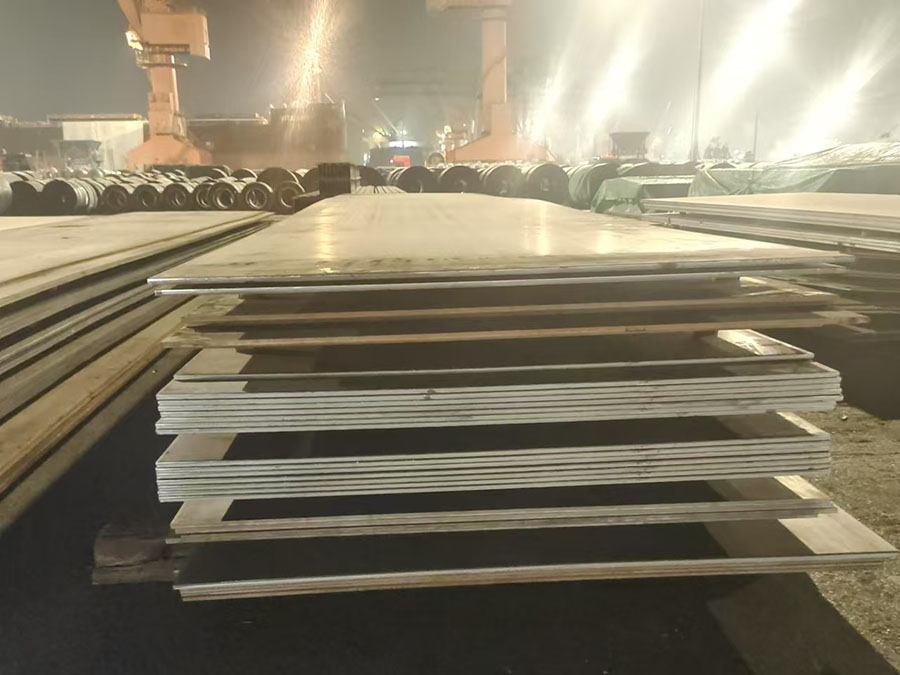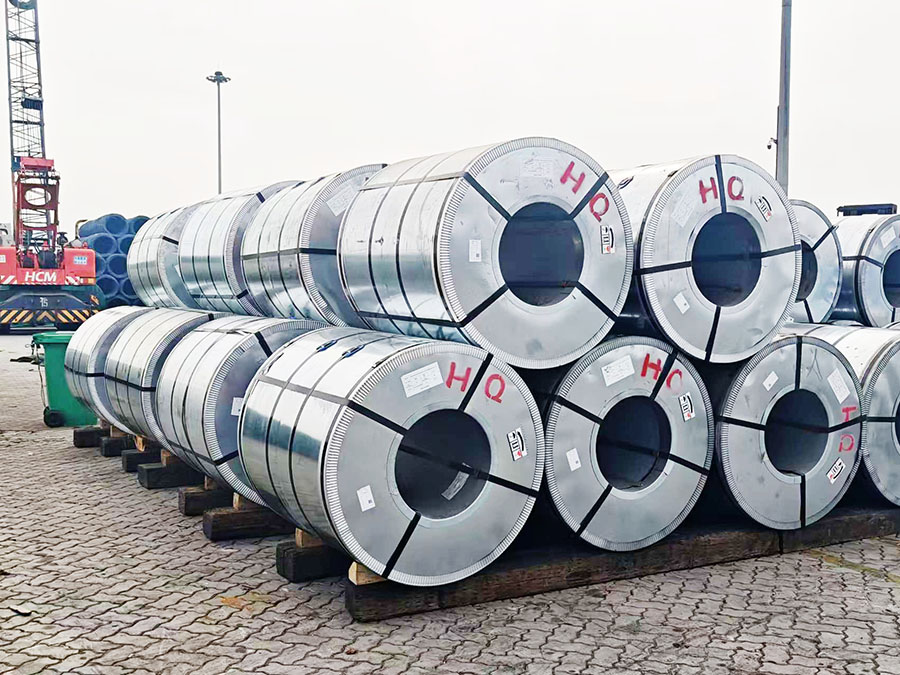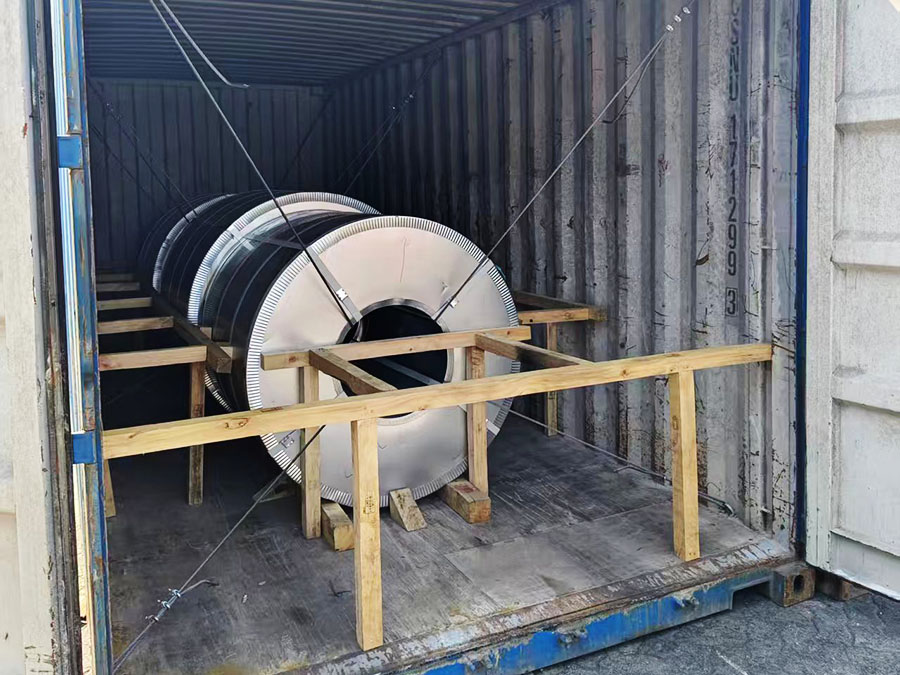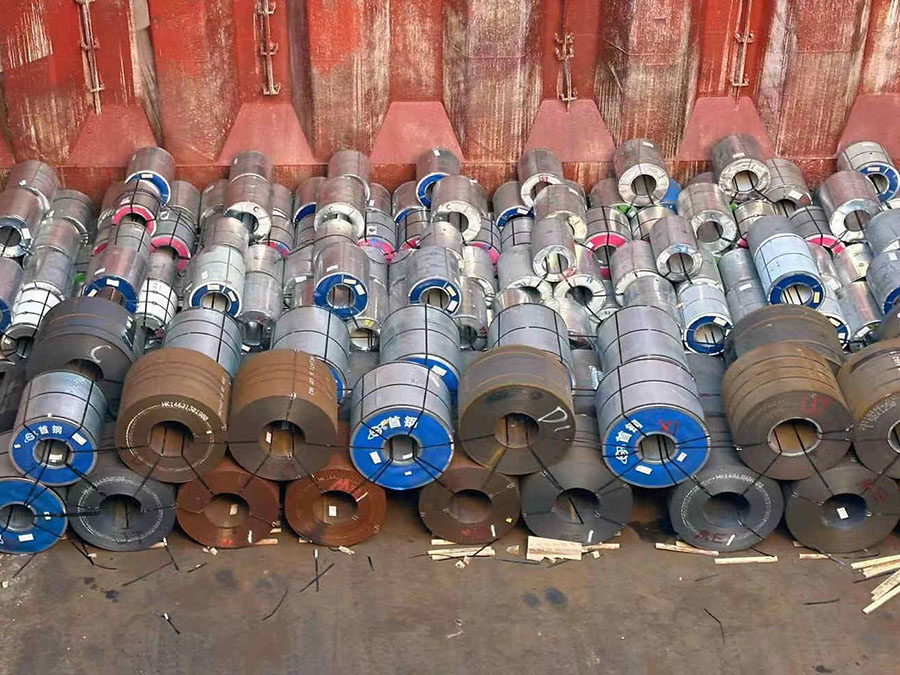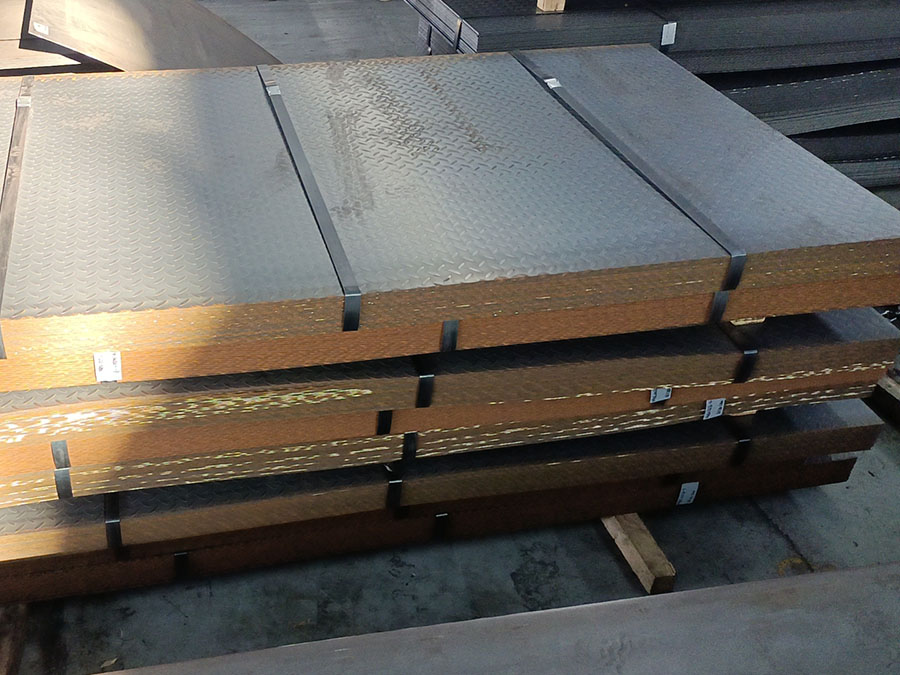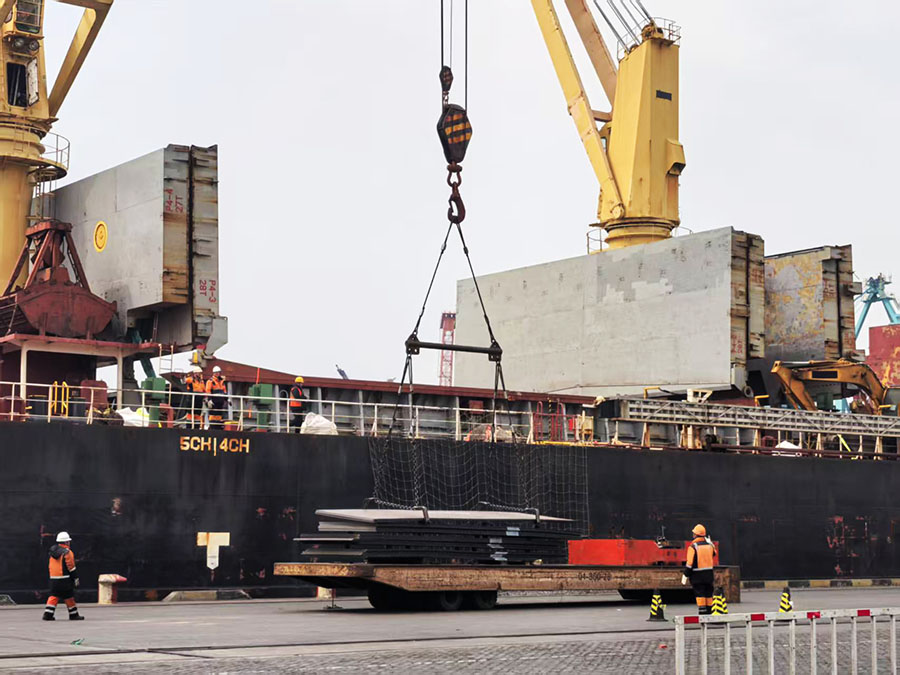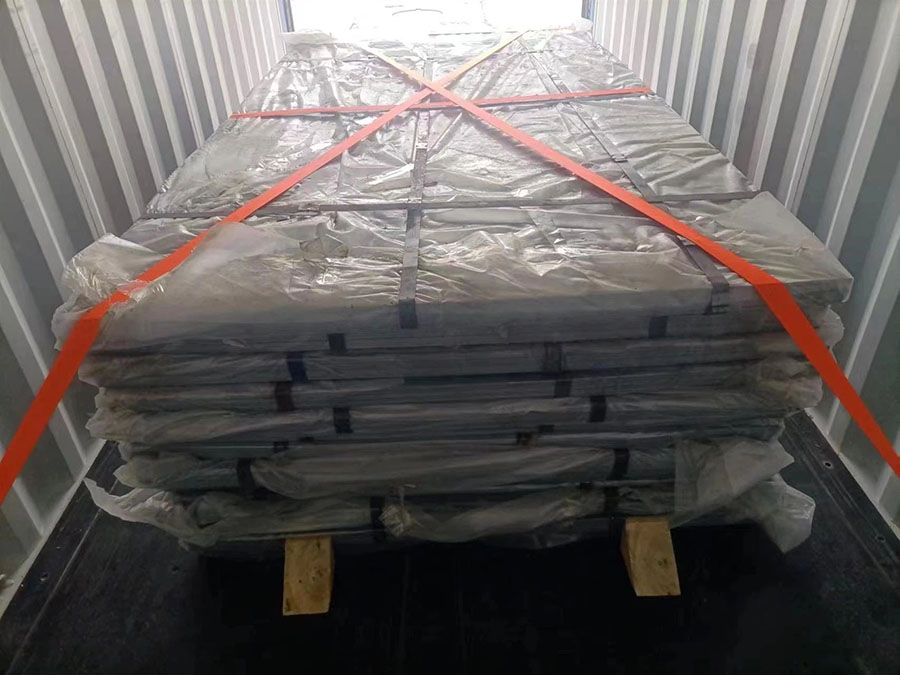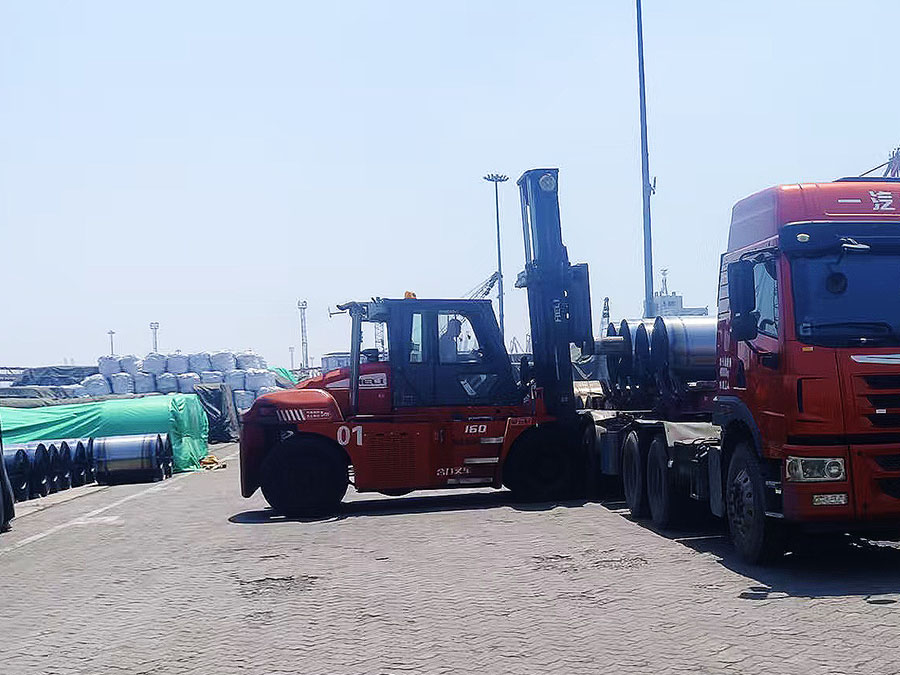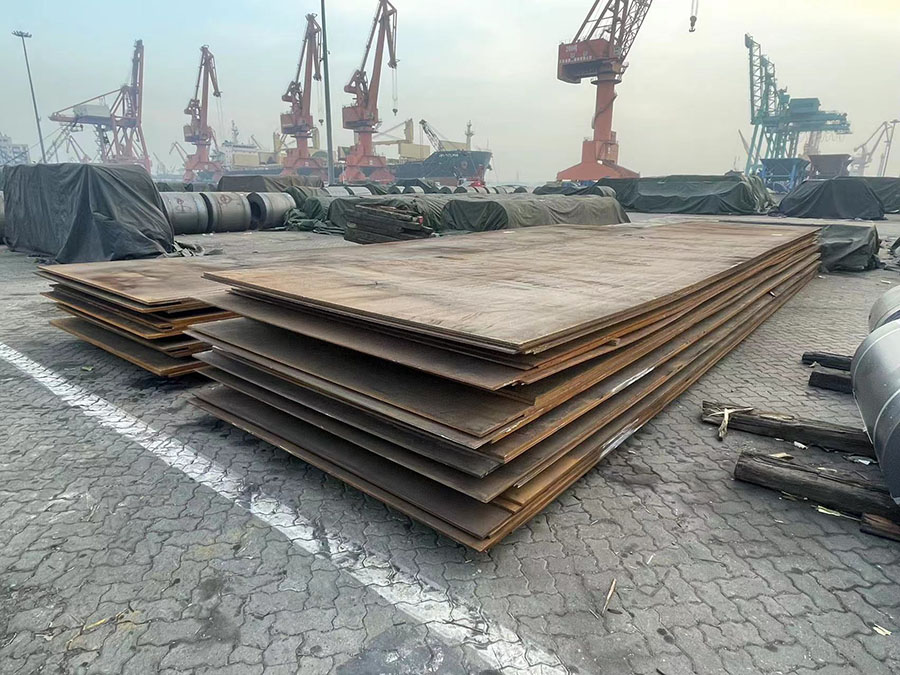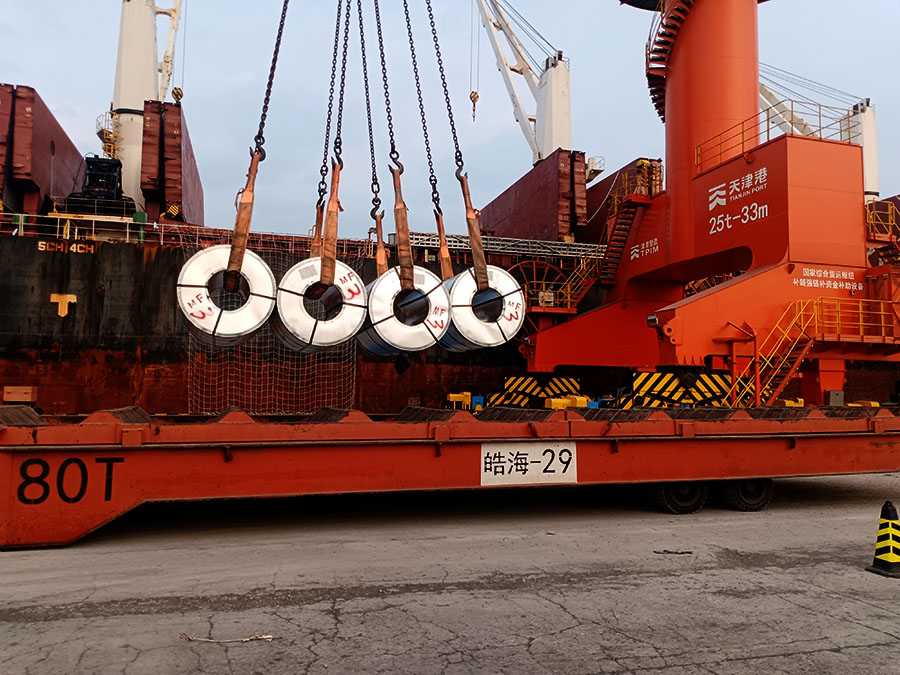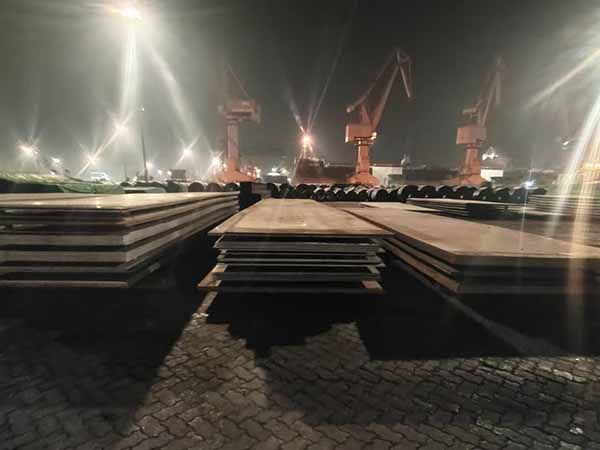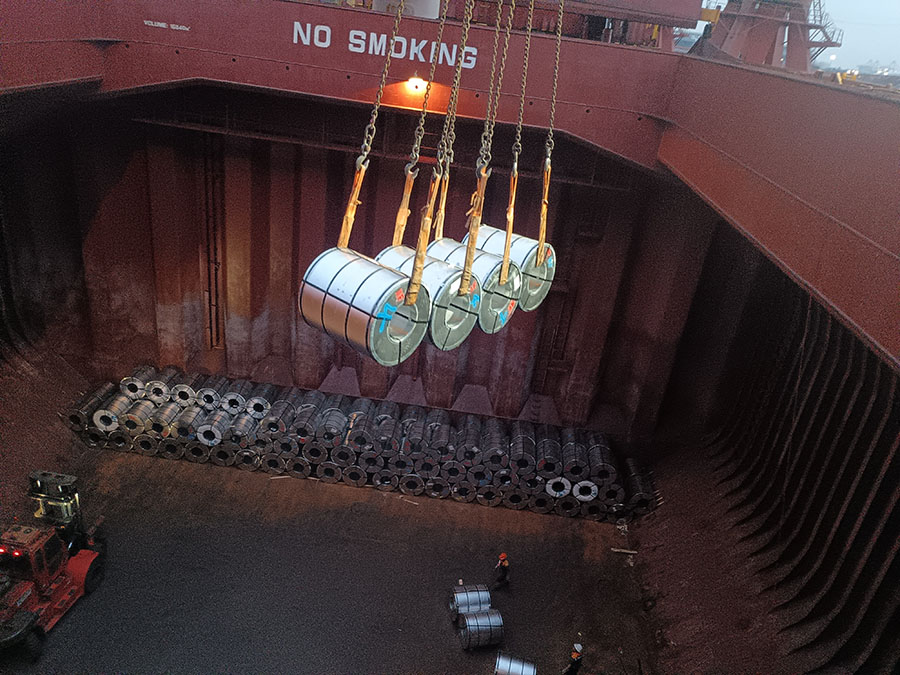
EN 10025-2 S275J2 High-strength Low-alloy (HSLA) Steel Plate is a commonly used structural steel plate in European standards, widely applied in fields such as construction, machinery manufacturing, and bridges.
Standard :
EN 10025-2Grade :
S275J2Thickness :
0.8-30.0 mmWidth :
800-2500 mmLength :
3000-12000 mmSpecial thickness, width, and length can be negotiated separately.
We also provide customized processing services.If you have any questions, please contact us.
EN 10025-2 S275J2 is a European standard for hot-rolled structural steel products, commonly used in construction and engineering applications.
EN 10025-2 S275J2 High-strength Low-alloy (HSLA) structural steel plate is designed for improved mechanical properties and weldability compared to standard carbon steel plates.
It offers a balanced combination of strength, toughness, and weldability, making it an ideal choice for structural applications in moderately low-temperature environments.
Key Features:
1. High Strength-to-Weight Ratio: Stronger than mild steel (e.g., S235) but with good formability.
2. Improved Toughness: J2 grade ensures resistance to brittle fracture at -20°C.
3. Weldability: Good weldability with common methods (SMAW, GMAW, FCAW). Preheating may be needed for thick sections.
4. Corrosion Resistance: Better than carbon steel due to micro-alloying elements.
| Grade | EN10025-2 S275J2 | |||||
| Element | C | Si | Mn | P | S | Others |
| Content(%) | ≤0.20 | ≤0.50 | ≤1.50 | ≤0.030 | ≤0.025 | Micro-alloyed (Nb, V, Ti) |
| Grade | Yield Strength | Tensile Strength | Elongation | Impact Energy (KV) |
| EN10025-2 S275J2 | ≥275 MPa | 370-530 MPa | ≥23% (Thickness ≤ 40mm) | ≥27 J at -20°C |
EN 10025-2 S275J2 High-strength Low-alloy (HSLA) Steel Plate is primarily used in the following applications due to its good strength, toughness, and workability (welding, bending, cutting, etc.):
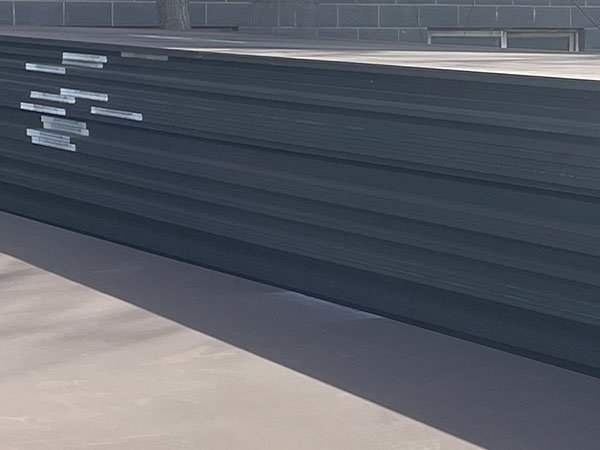
1. Building structures: Such as factory building frames, bridge components, steel structure supports, etc.
2. Mechanical manufacturing: Such as equipment bases, load-bearing components, pressure vessel shells (non-high pressure), etc.
3. Engineering vehicles: Such as truck bodies, crane booms, and other components requiring low-temperature toughness.
Comparison with Similar Grades:
| Grade | Yield Strength (MPa) | Impact Test Temp. | Common Use Cases |
| S235JR | 235 | +20°C | General construction |
| S275J2 | 275 | -20°C | Low-temperature structures |
| S355J2 | 355 | -20°C | Higher-strength applications |
A:
High-strength low-alloy steel plates offer excellent weldability. As their carbon content is typically low (below 0.2%), they present a lower risk of cracking during welding compared to standard high-strength steel plates and generally do not require complex preheating treatments.
A:
The key advantage of high-strength low-alloy steels is weight reduction. As they offer greater strength, thinner sheets can be used to withstand the same loads, thereby reducing the overall weight of the structure; in the automotive sector, this leads to improved fuel efficiency.
A:
High-strength low-alloy steel (HSLA) is a type of steel in which small amounts of alloying elements (such as niobium, vanadium, titanium or copper) are added to enhance its mechanical properties. Compared to traditional carbon steel, it offers higher yield strength and better corrosion resistance whilst maintaining good weldability and formability.
– We offer free samples and bespoke solutions. Please feel free to enquire about our latest prices and volume discounts.
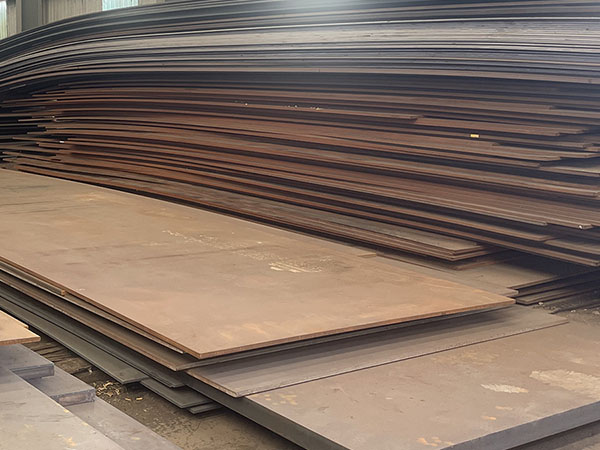
Yuxin Steel provides high-quality steel products to customers in more than 20 countries worldwide.
Contact Info
Would you like to know more about our offers? Please feel free to contact us.