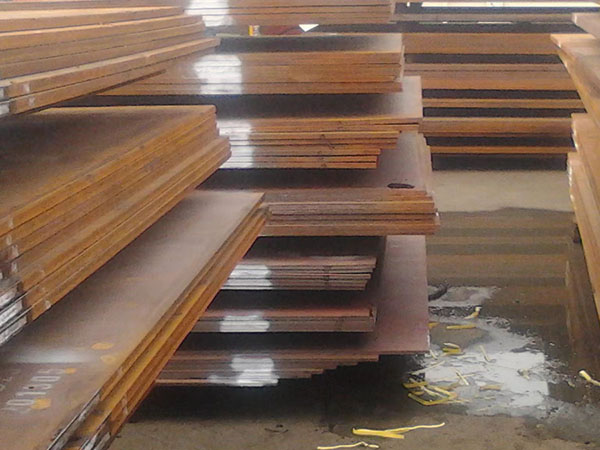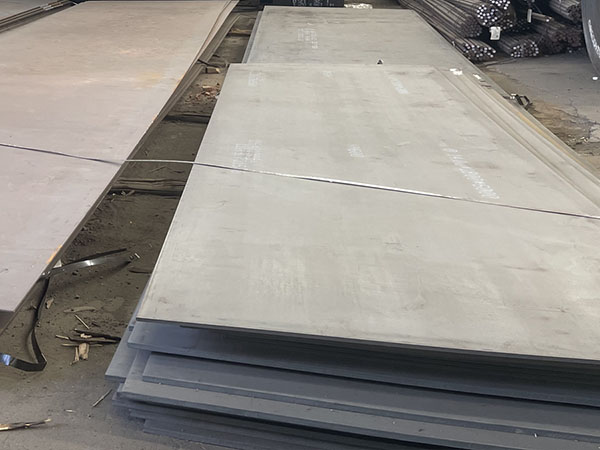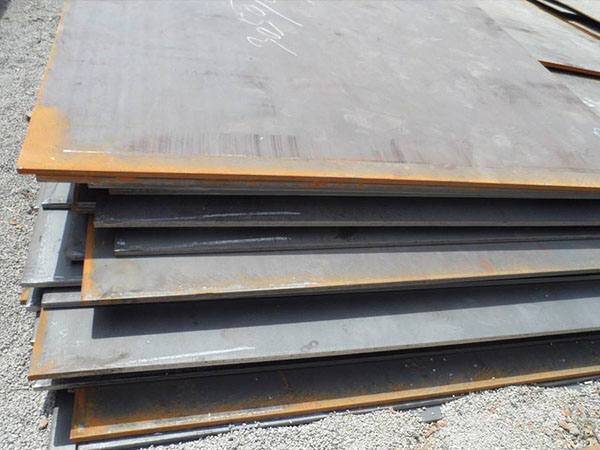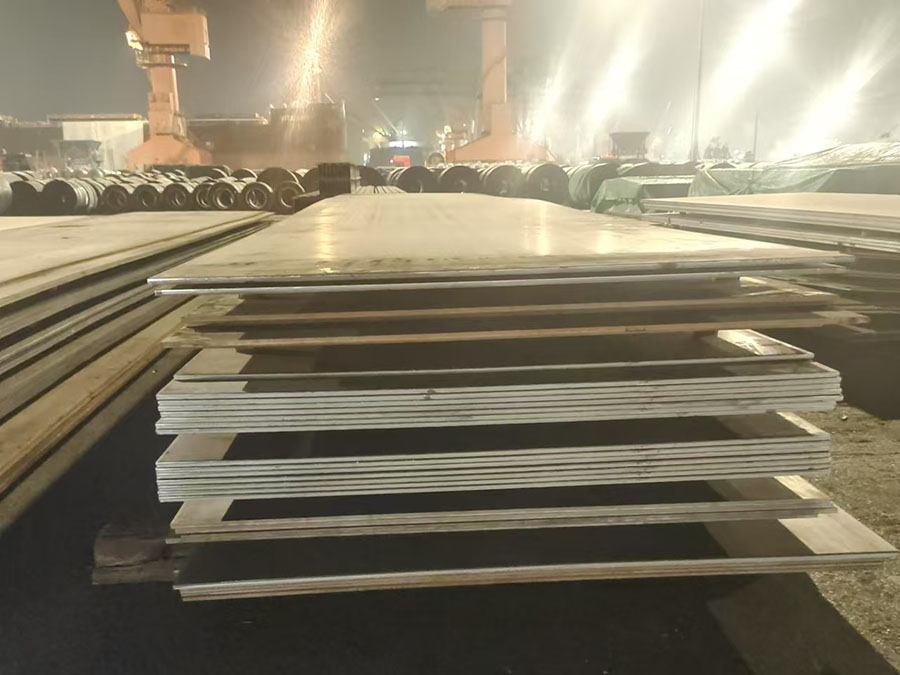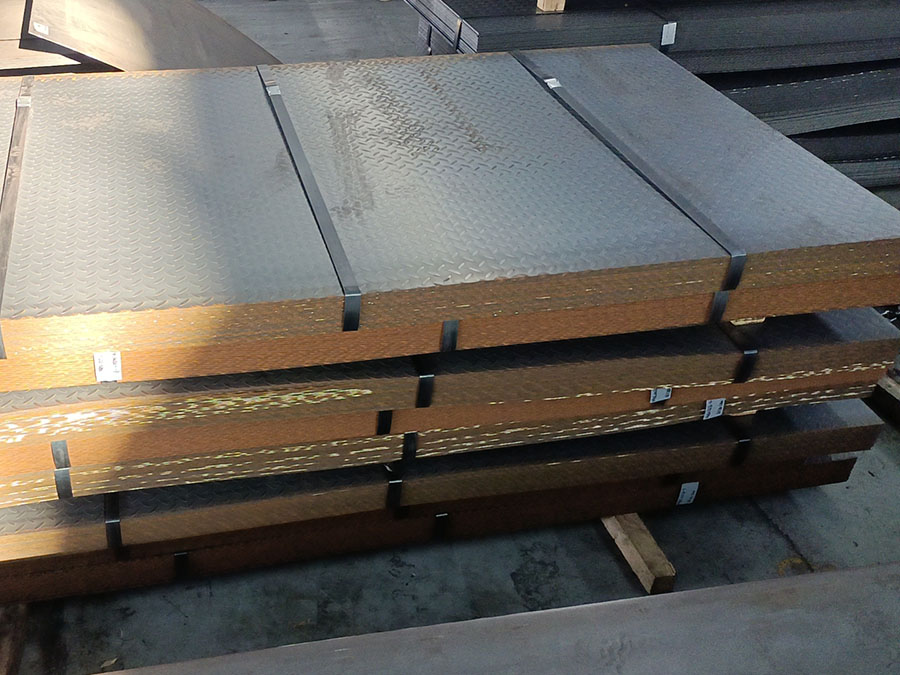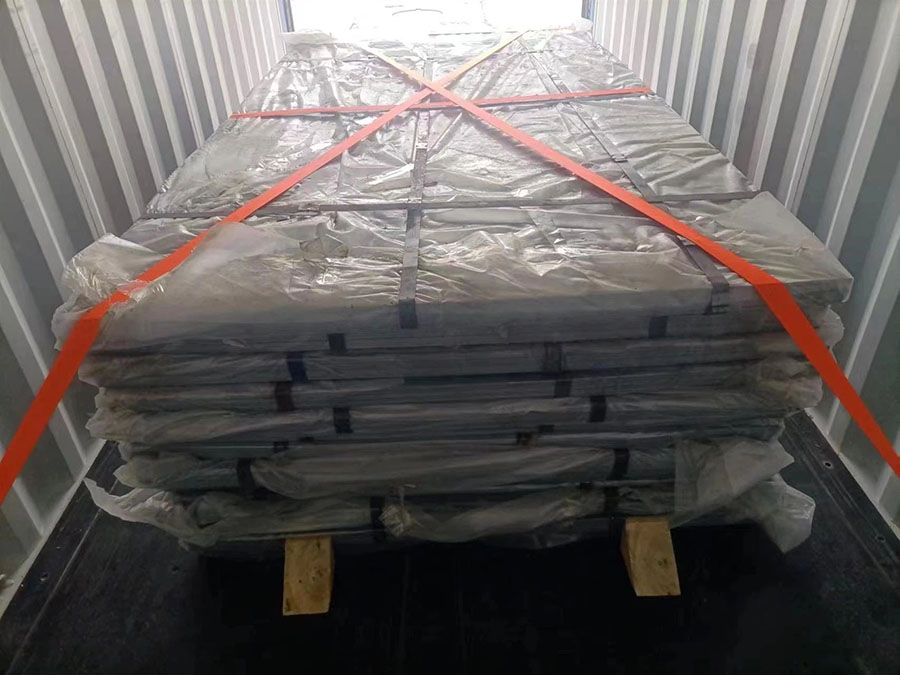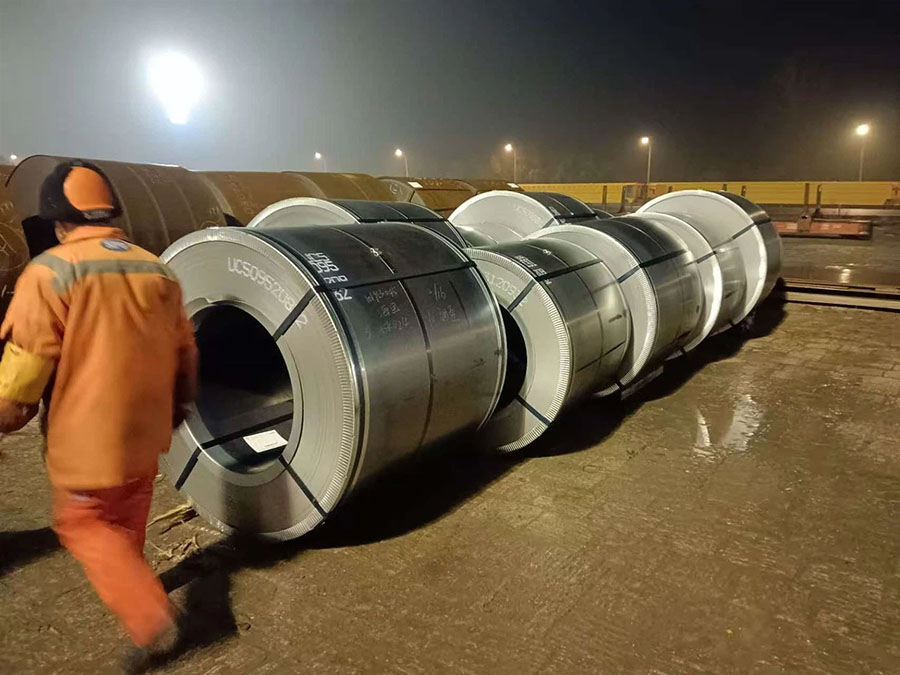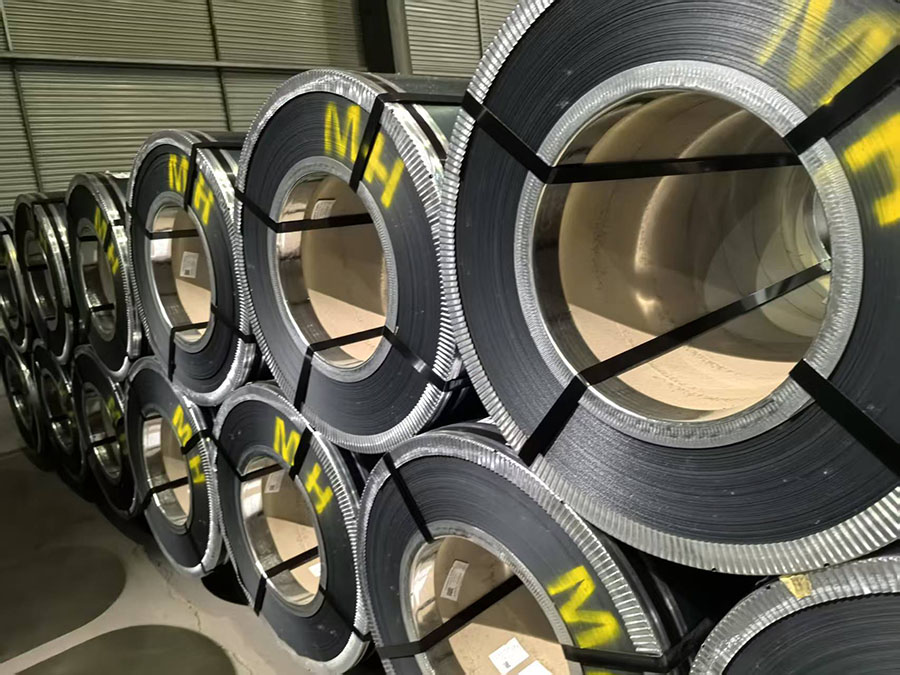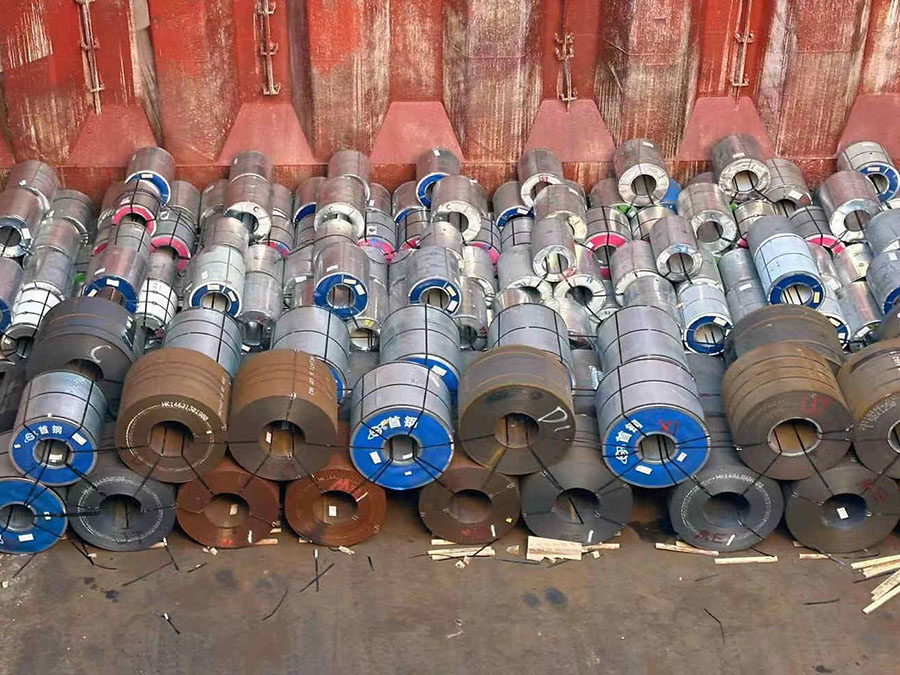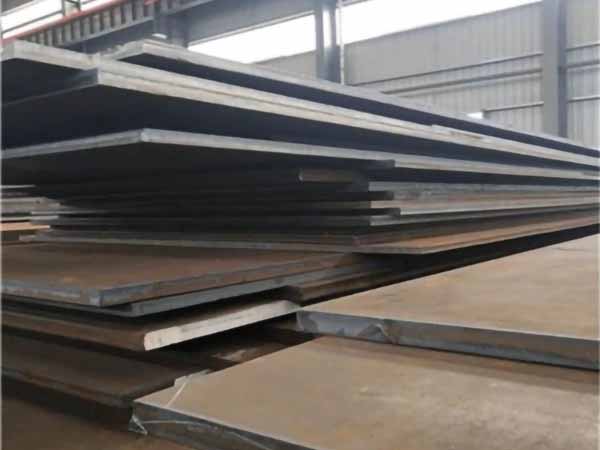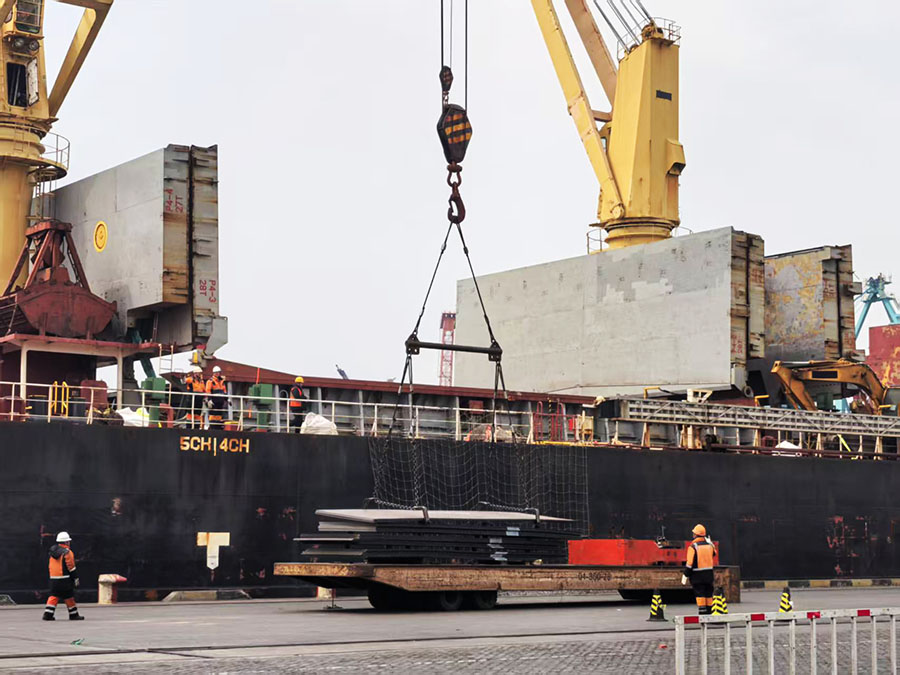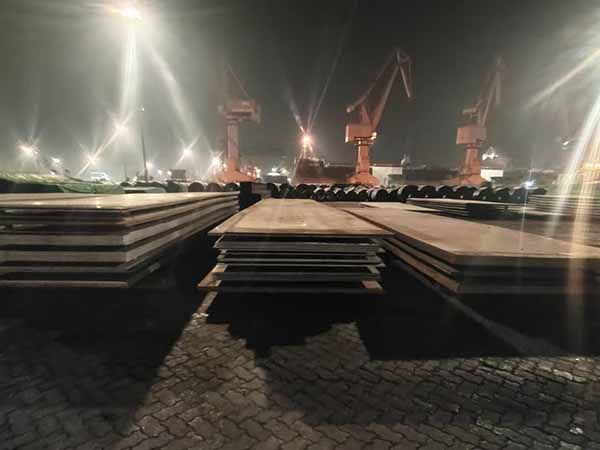
EN10025-2 S355J0 is a high-strength structural steel with well-balanced comprehensive properties, offering cost-effectiveness. It is widely used in various structural and engineering applications due to its excellent strength, good toughness, and welding performance. When selecting, it is necessary to determine whether a higher grade with improved low-temperature toughness (such as S355J2 or S355K2) is required based on the minimum ambient temperature the structure will be exposed to.
Standard :
EN 10025-2Grade :
S355J0Thickness :
0.8-30.0 mmWidth :
800-2500 mmLength :
3000-12000 mmSpecial thickness, width, and length can be negotiated separately.
We also provide customized processing services.If you have any questions, please contact us.
EN 10025-2 S355J0 is a high-strength low-alloy (HSLA) structural steel grade widely used in construction and engineering due to its good strength, weldability, and toughness. It is part of the S355 series, with the "J0" suffix indicating impact testing at 0°C (instead of -20°C or -30°C for other variants like S355J2 or S355K2).
Standard and Grade Designation
Standard: EN 10025-2
This is the European standard for "Hot rolled products of structural steels - Part 2: Technical delivery conditions for non-alloy structural steels."
Grade: S355J0
"S" = Structural steel
"355" = Minimum yield strength of 355 MPa (at ≤16mm thickness)
"J0" = Impact toughness requirement at 0°C (27J min, longitudinal Charpy V-notch test)
Material Type: Non-alloy steel (but may contain small amounts of alloying elements like Mn, Si, etc.)
Delivery Condition: Typically hot-rolled (as-rolled) or normalized
Key Features:
✔ High strength-to-weight ratio
✔ Good weldability and formability
✔ Cost-effective for structural applications
✔ Reliable impact resistance at low temperatures (0°C)
S355J0 is a non-alloy steel whose chemical composition is strictly controlled to ensure good weldability and mechanical properties.
| Grade | S335J0 | |||||||
| Element | C | Si | Mn | P | S | N | Cu | |
| Content (max, %) | thickness ≤ 40 mm | thickness >40 mm | ||||||
| 0.20 | 0.22 | 0.55 | 1.60 | 0.030 | 0.030 | 0.012 | 0.55 | |
Carbon Equivalent of S355J0 High-strength Low-alloy Steel Plate
| Grade | Thickness (t) [mm] | CEV [max, %] |
|---|---|---|
| S355J0 | t ≤ 40 | 0.40 |
| 40 < t ≤ 63 | 0.42 | |
| 63 < t ≤ 80 | 0.44 | |
| 80 < t ≤ 100 | 0.45 | |
| 100 < t ≤ 150 | 0.46 |
* The carbon equivalent value varies depending on the thickness.For detailed information, please contact us for inquiries.
* Carbon equivalent (CEV) is calculated using the International Institute of Welding (IIW) formula:
CEV = C + Mn/6 + (Cr+Mo+V)/5 + (Ni+Cu)/15
| Grade | Thickness (t) [mm] | Yield Strength (ReH) [min, MPa] | Tensile Strength (Rm) [MPa] | Elongation (A) [min, %] | Impact Energy (KV) [min] |
|---|---|---|---|---|---|
| S355J0 | t ≤ 16 | 355 | 470 - 630 | 22 | 27J (at 0°C) |
| 16 < t ≤ 40 | 345 | 470 - 630 | 22 | 27J (at 0°C) | |
| 40 < t ≤ 63 | 335 | 470 - 630 | 21 | 27J (at 0°C) | |
| 63 < t ≤ 80 | 325 | 470 - 630 | 21 | 27J (at 0°C) | |
| 80 < t ≤ 100 | 315 | 470 - 630 | 20 | 27J (at 0°C) |
* The actual yield strength value decreases as the material thickness increases.
1. Building & Bridge Construction (beams, columns, frames)
2. Heavy Machinery & Equipment (cranes, forklifts, trailers)
3. General Fabrication (brackets, supports, platforms)
4. Shipbuilding & Offshore Structures (non-critical parts)
Fabrication & Processing:
Cutting: Suitable for laser, plasma, flame, or shear cutting.
Welding: Compatible with SMAW, GMAW, FCAW, SAW (preheat if thickness >25mm).
Forming: Can be cold-formed; annealing may help for severe bends.
Heat treatment: Typically supplied in the "hot-rolled condition" (no additional heat treatment required). If increased hardness is needed, normalizing treatment (heating to 850-950°C followed by air cooling) can be performed, though this may slightly reduce toughness.
Precautions for Procurement and Inspection
Delivery Condition: Default is "as-rolled (AR)." If normalized (N) or controlled rolled (CR) condition is required, it must be specified in the order (controlled rolled steel generally offers better toughness).
Quality Certificate: Suppliers must provide a quality certificate compliant with EN 10204 standards, including:
1. Certificate: Includes test results for chemical composition and mechanical properties, suitable for most structural engineering applications.
2. Certificate: Requires third-party inspection agency involvement (e.g., SGS, BV) for witness testing, applicable to high-demand scenarios (e.g., bridges, pressure vessels).
Thickness Tolerance: The thickness tolerance grade (e.g., "normal tolerance" or "high precision tolerance" as per EN 10025-2) must be selected based on the application to avoid affecting structural load calculations.
Surface Quality: Default is "usual surface (U)." For applications with high aesthetic requirements (e.g., exposed steel structures), specify "improved surface (R)" to minimize surface defects (e.g., scratches, scale).
Comparison with Other Grades:
| Grade | Yield Strength(≥MPa) | Impact Test Temperature | Differences in Applicable Scenarios |
| S355J0 | 355(≤16mm) | 0℃ | Medium strength, more commonly used for general structures |
| S420J0 | 420(≤16mm) | 0℃ | High strength for load-bearing structures with greater demands |
| S460J0 | 460(≤16mm) | 0℃ | Even higher strength, suitable for ultra-heavy-duty structures |
Comparison with Other S355 Grades:
| Grade | Impact Test Temp. | Key Difference |
| S355JR | +20°C | Lower strength, suitable for light structures with smaller loads. |
| S355J0 | 0°C | Good toughness at room temperature, suitable for structures in non-low temperature regions. |
| S355J2 | -20°C | Better low-temperature toughness, suitable for structures in cold regions. |
| S355K2 | -20°C | Higher guaranteed impact energy (≥40J at -20°C) |
Summary
EN 10025-2 S355J0 is a high-strength structural steel plate with excellent toughness at ambient temperatures and good processability. It is widely used in industrial and construction applications globally. Key factors to consider during procurement include yield strength, impact toughness, and the compliance of quality certificates.
A:
High-strength low-alloy steel plates offer excellent weldability. As their carbon content is typically low (below 0.2%), they present a lower risk of cracking during welding compared to standard high-strength steel plates and generally do not require complex preheating treatments.
A:
The key advantage of high-strength low-alloy steels is weight reduction. As they offer greater strength, thinner sheets can be used to withstand the same loads, thereby reducing the overall weight of the structure; in the automotive sector, this leads to improved fuel efficiency.
A:
High-strength low-alloy steel (HSLA) is a type of steel in which small amounts of alloying elements (such as niobium, vanadium, titanium or copper) are added to enhance its mechanical properties. Compared to traditional carbon steel, it offers higher yield strength and better corrosion resistance whilst maintaining good weldability and formability.
– We offer free samples and bespoke solutions. Please feel free to enquire about our latest prices and volume discounts.
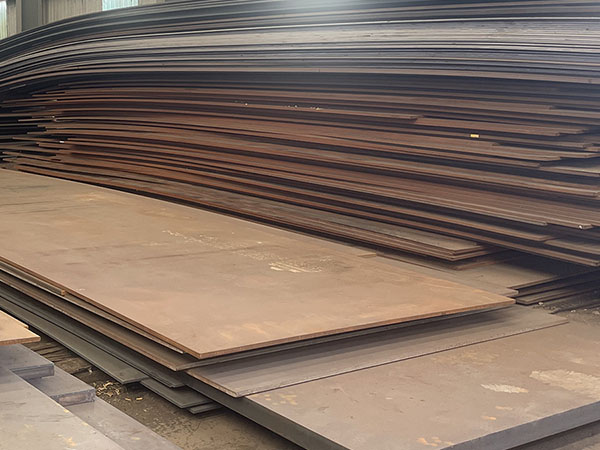
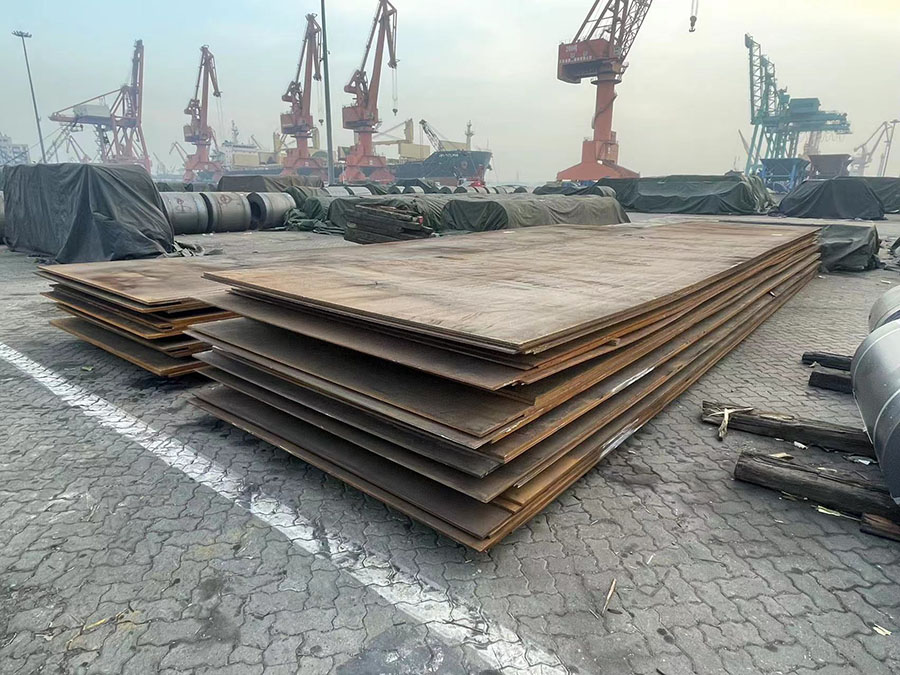
Yuxin Steel provides high-quality steel products to customers in more than 20 countries worldwide.
Contact Info
Would you like to know more about our offers? Please feel free to contact us.