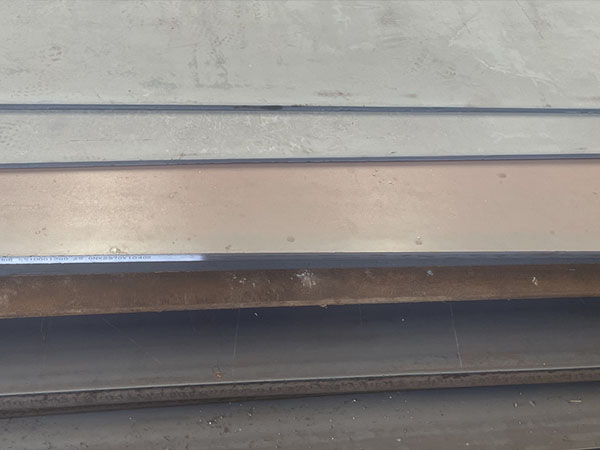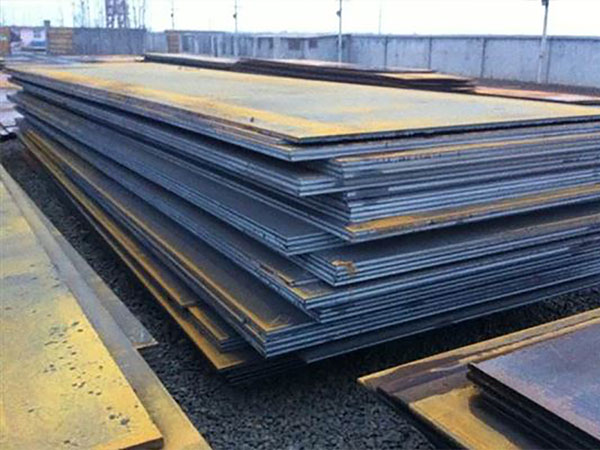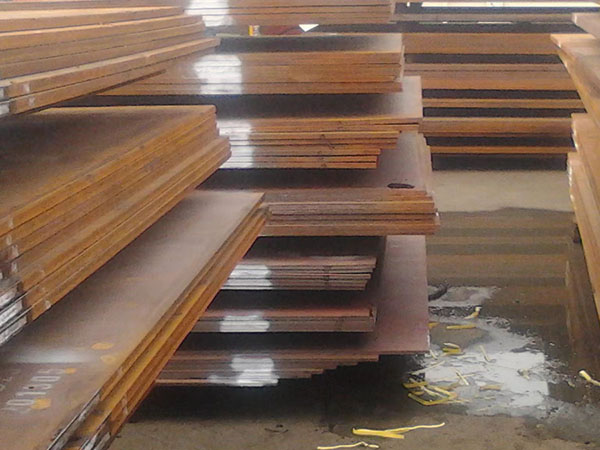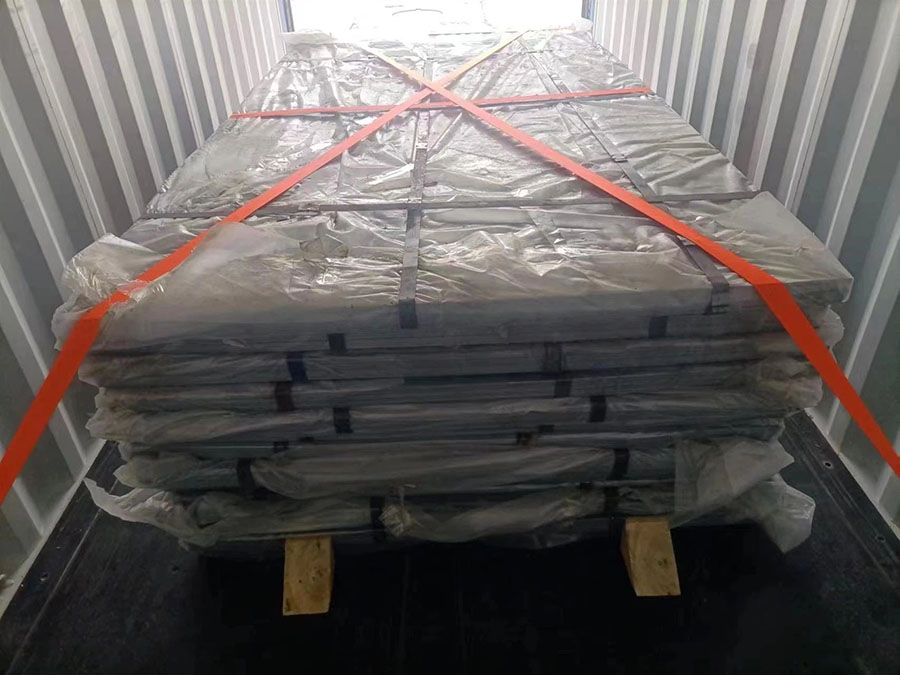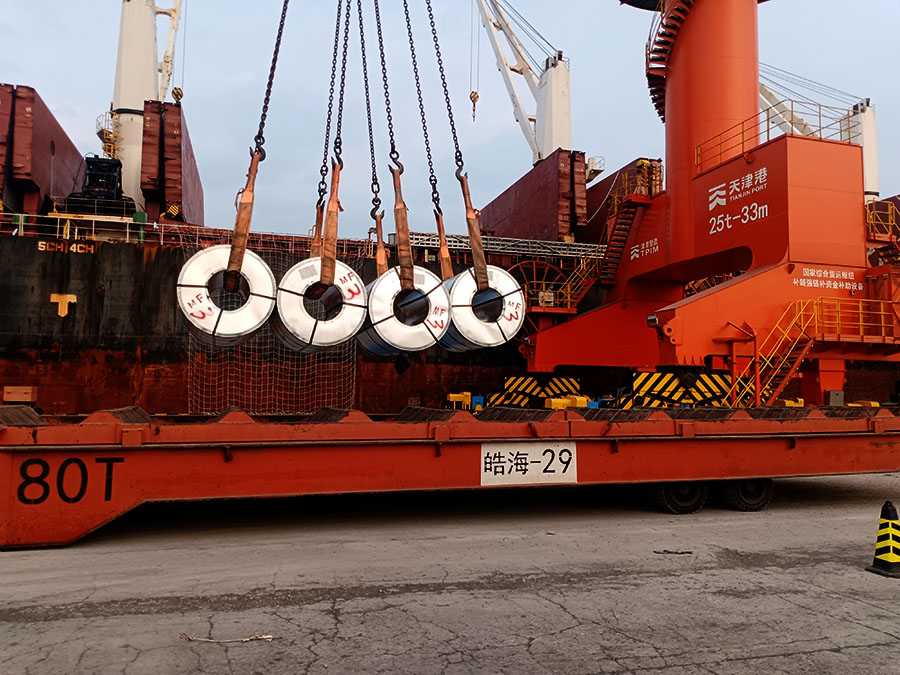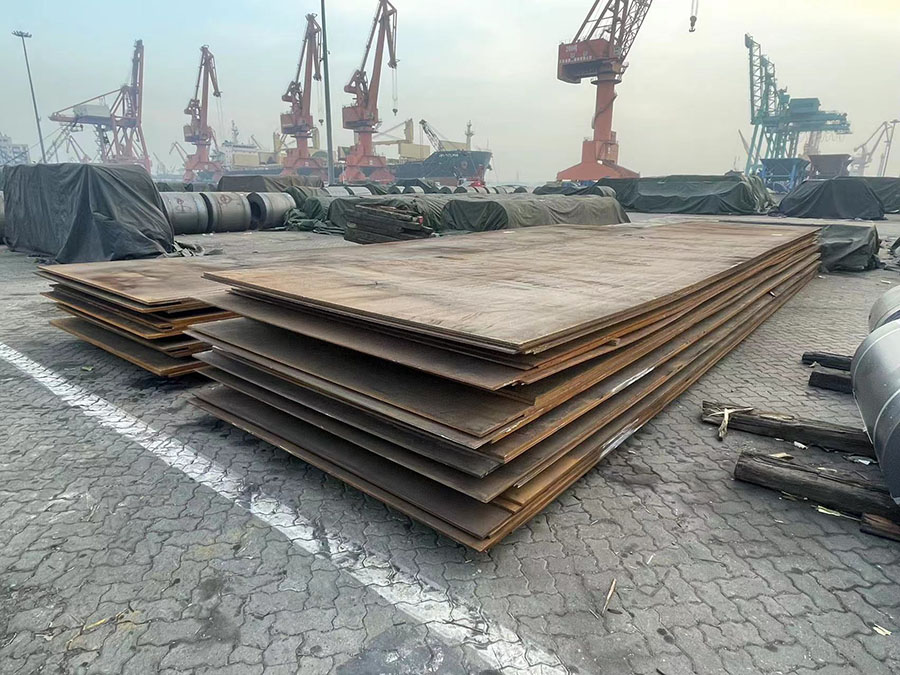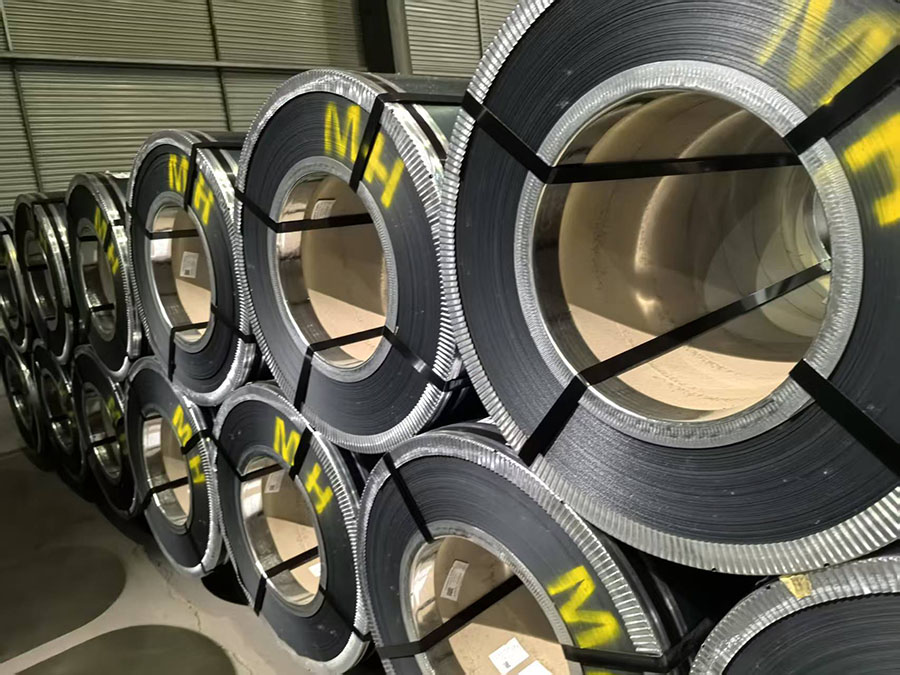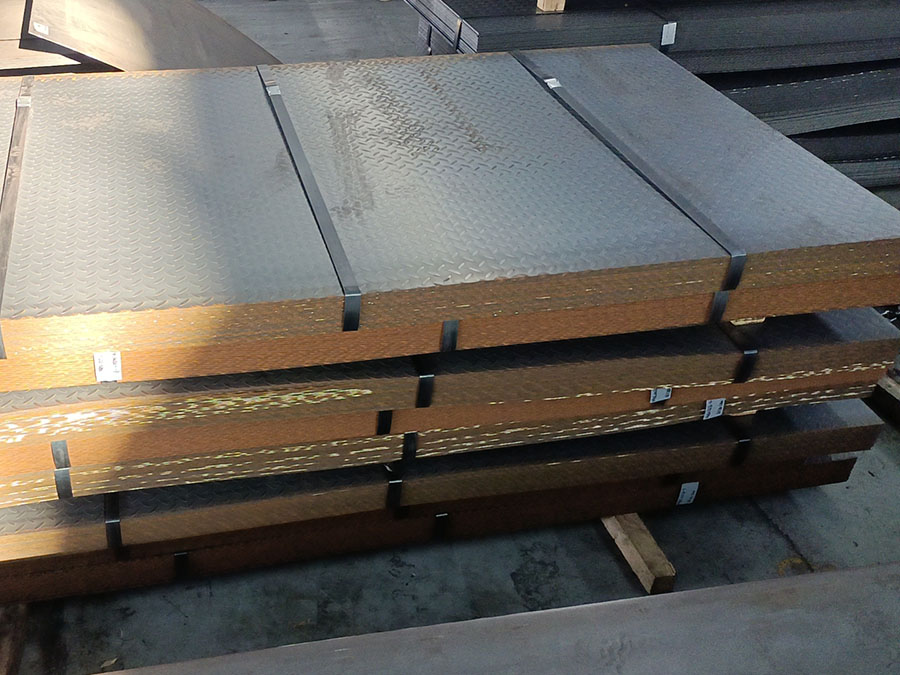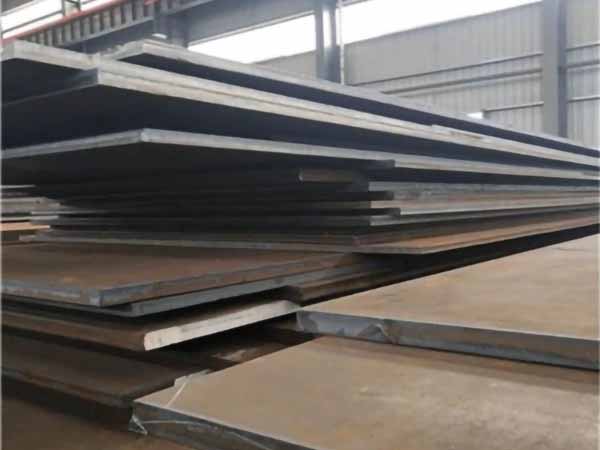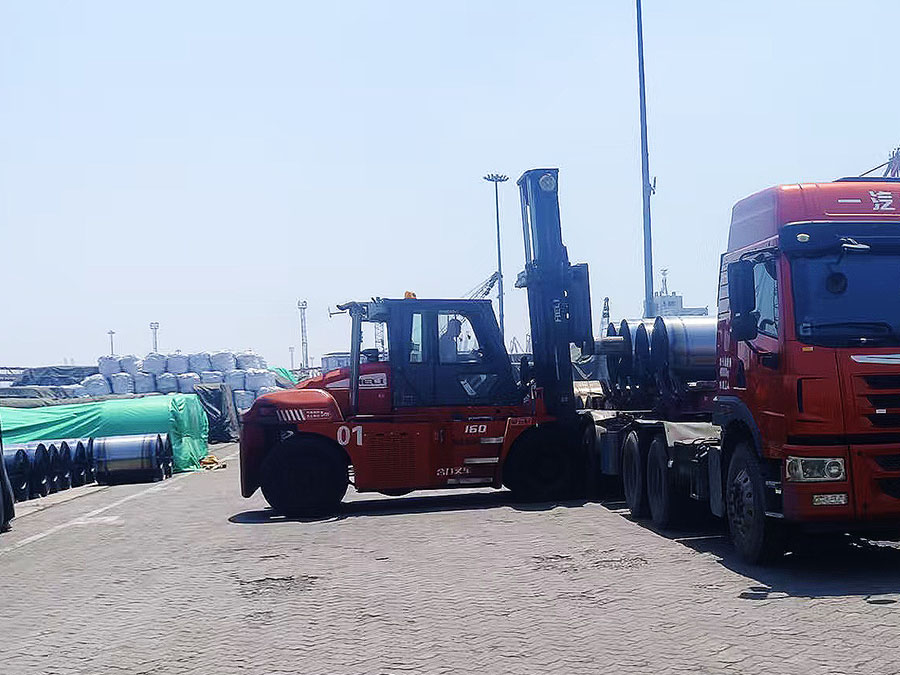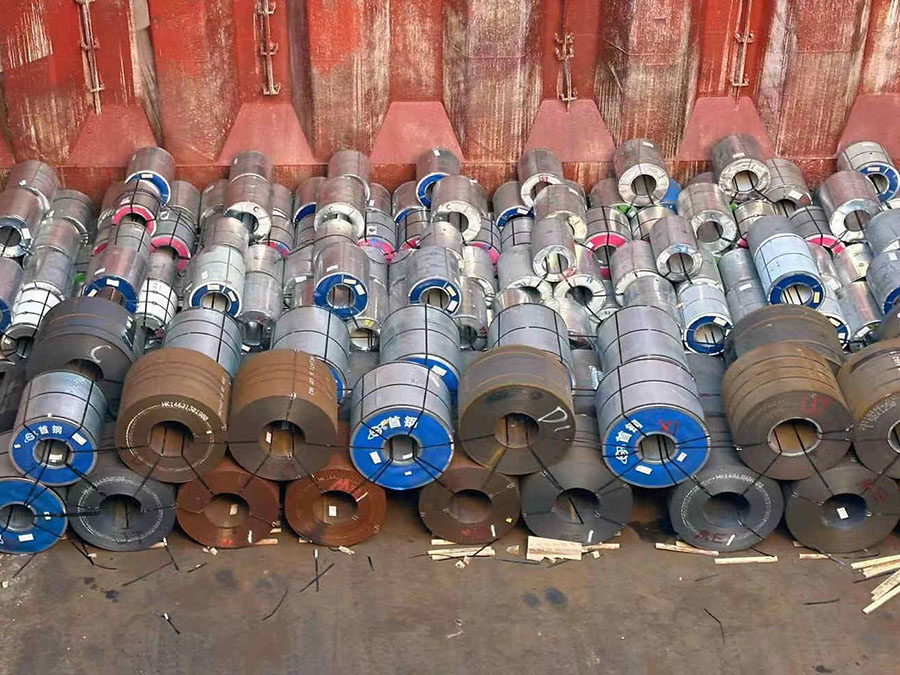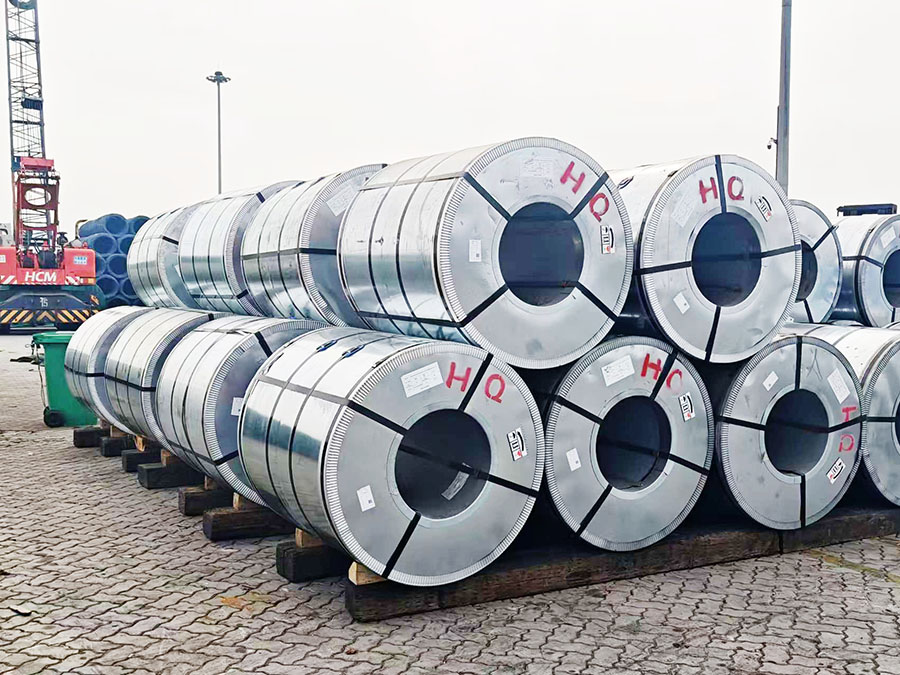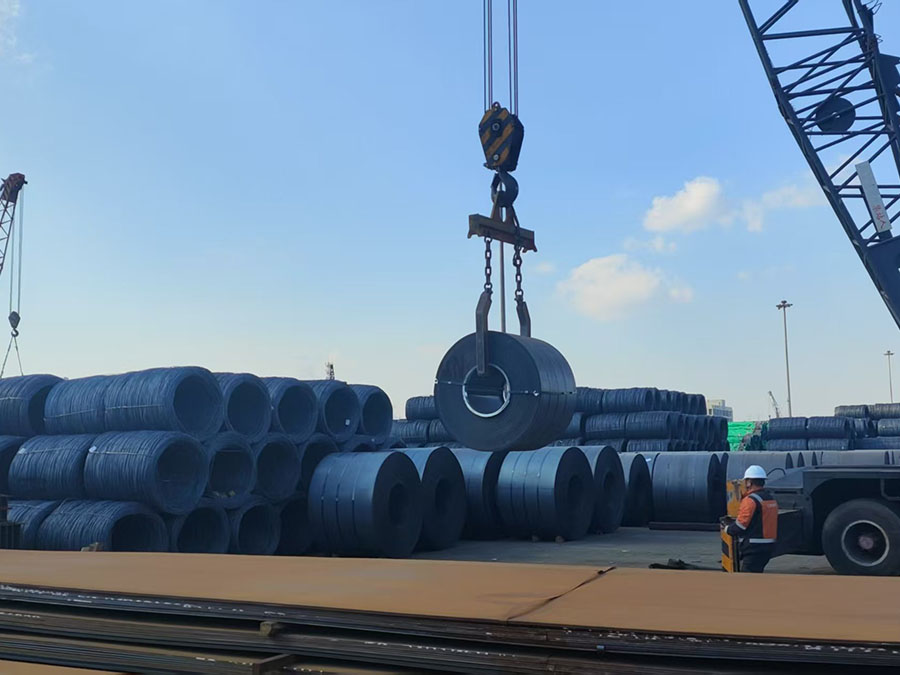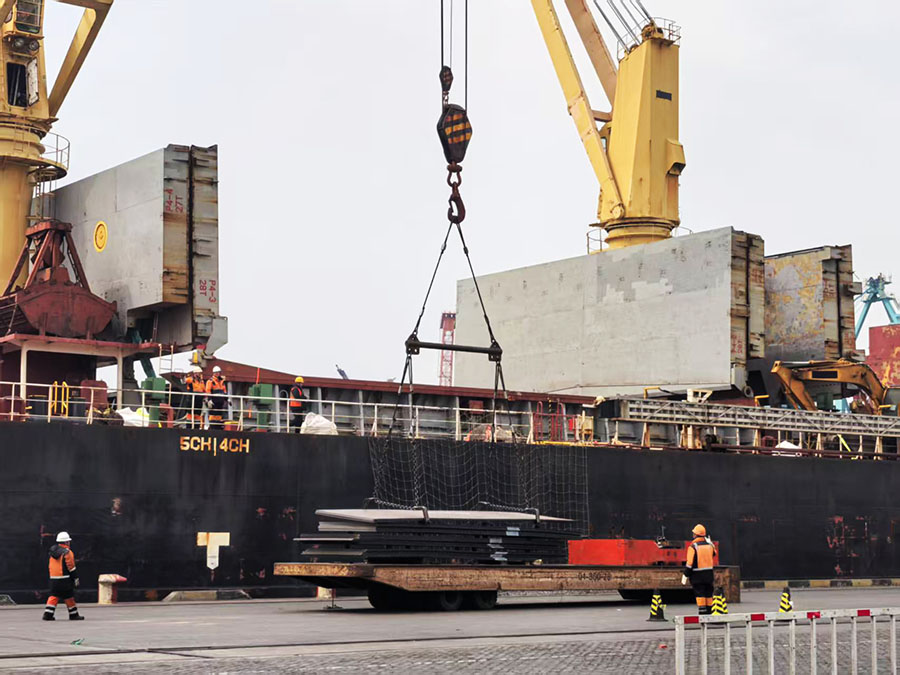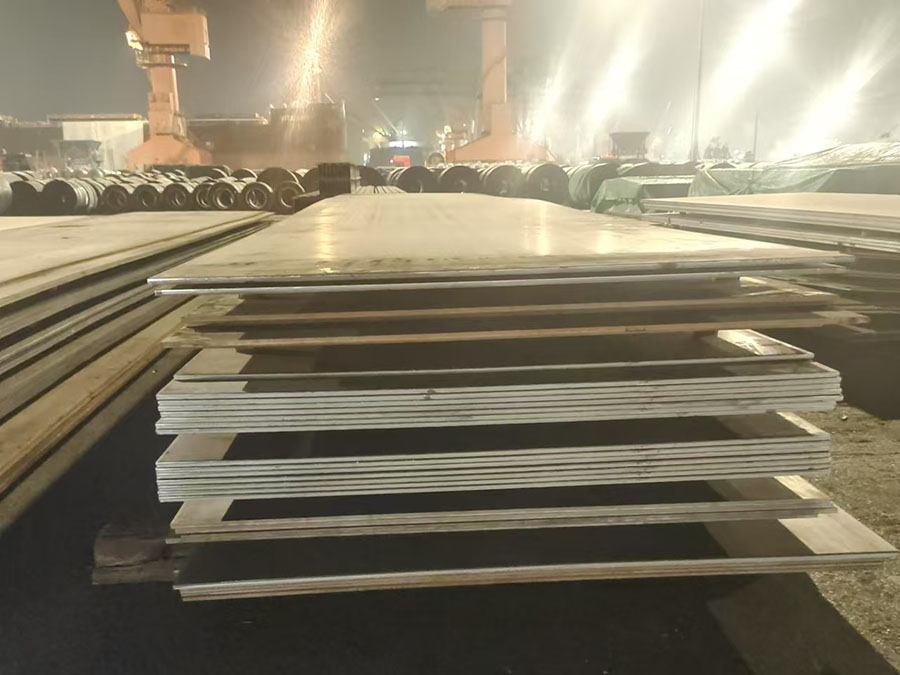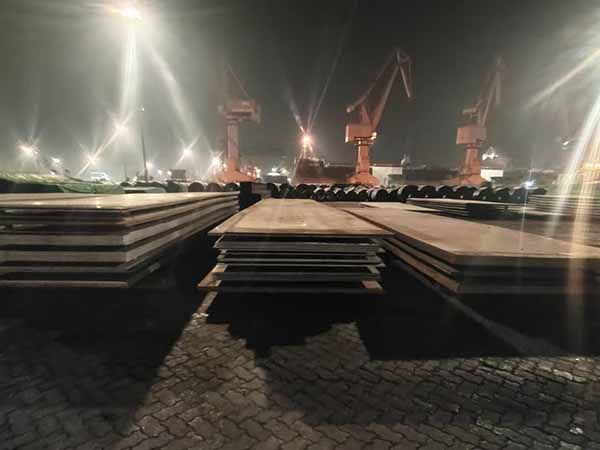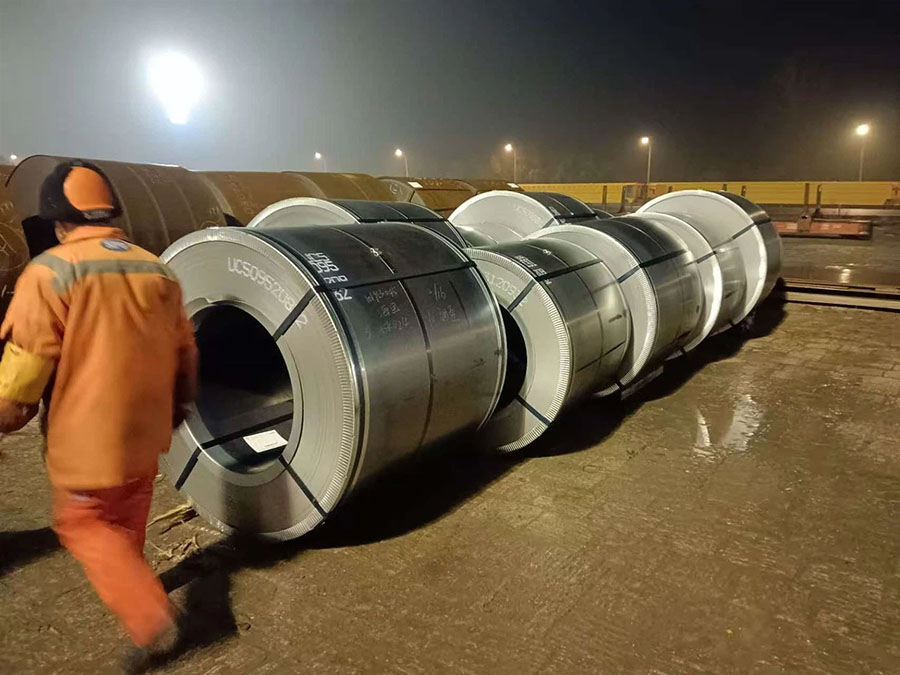
EN 10025-2 S275JR is a commonly used non-alloy structural steel in European standards, widely applied in fields such as construction, machinery manufacturing, and bridges.
Standard :
EN 10025-2Grade :
S275JRThickness :
0.8-30.0 mmWidth :
800-2500 mmLength :
3000-12000 mmSpecial thickness, width, and length can be negotiated separately.
We also provide customized processing services.If you have any questions, please contact us.
EN 10025-2 S275JR is a high-strength low-alloy (HSLA) structural steel plate standardized under the European EN 10025-2 specification. It is widely used in construction, bridges, machinery, and general structural applications due to its good mechanical properties, weldability, and cost-effectiveness.
| Grade | EN10025-2 S275JR | |||||
| Element | C | Si | Mn | P | S | Others |
| Content(%) | ≤0.21 | ≤0.55 | ≤1.50 | ≤0.035 | ≤0.035 | Trace Amounts (Cu, Cr, Ni, etc.) |
| Grade | Yield Strength | Tensile Strength | Elongation | Impact Toughness (KV) |
| EN10025-2 S275JR | ≥275 MPa | 410-560 MPa | ≥23% (Thickness ≤ 40mm) | ≥27 J at +20°C |
1. Construction Field: Used as structural materials for large public buildings, industrial plants, high-rise buildings, etc., such as H-beams and I-beams; in bridge engineering, it can be used to manufacture bridge decks, support structures, and more.
2. Mechanical Manufacturing: Can be used to produce structural components for construction machinery such as excavators, loaders, and bulldozers, as well as mining machinery like electric shovels, electric wheel dump trucks, and coal mine hydraulic supports.
3. Shipbuilding and Offshore Engineering: Suitable for ship hulls and deck structures, such as ship shells and deck beams, and can also be used in offshore platforms and port machinery to withstand harsh marine environments.
4. Energy Equipment: Can be used to manufacture pressure vessels, such as boilers and storage tanks, as well as wind turbine towers and foundation structures to endure wind loads and dynamic stresses.
Performance Characteristics:
1. High Strength and Toughness: Through alloy design and heat treatment processes, a good balance between strength and toughness is achieved, enabling it to withstand heavy loads and resist fracture under impact.
2. Good Weldability: With a low carbon equivalent (CE), it exhibits excellent welding performance. However, preheating and post-weld treatment are still required to ensure welding quality.
3. Excellent Machinability: Supports various processing techniques such as cutting, bending, and stamping. Normalizing treatment can improve microstructural uniformity, further enhancing machinability.
4. Corrosion Resistance: Optional addition of copper enhances corrosion resistance, making it suitable for harsh environments.
Equivalent Grades:
ASTM A36 (similar properties but not identical)
ISO 630 E275B
Comparison with Other Grades:
| Grade | Yield Strength | Impact Toughness (KV) | Differences In Applicable Scenarios |
| S235JR | ≥235 MPa | 20℃/≥27J | Lower strength, suitable for light structures |
| S275JR | ≥275 MPa | 20℃/≥27J | Medium strength, with a wider range of applications |
| S355JR | ≥355 MPa | 20℃/≥27J | High strength, suitable for heavy-duty structures |
S275JR sits between S235JR (lower strength) and S355JR (higher strength), striking a good balance between strength and cost, making it a common choice for small to medium-sized structural engineering projects.
Conclusion:
EN 10025-2 S275JR is a versatile, cost-effective structural steel with balanced strength and ductility, making it ideal for general construction and industrial applications. For higher strength requirements, S355JR or S420 grades may be considered.
A:
High-strength low-alloy steel plates offer excellent weldability. As their carbon content is typically low (below 0.2%), they present a lower risk of cracking during welding compared to standard high-strength steel plates and generally do not require complex preheating treatments.
A:
The key advantage of high-strength low-alloy steels is weight reduction. As they offer greater strength, thinner sheets can be used to withstand the same loads, thereby reducing the overall weight of the structure; in the automotive sector, this leads to improved fuel efficiency.
A:
High-strength low-alloy steel (HSLA) is a type of steel in which small amounts of alloying elements (such as niobium, vanadium, titanium or copper) are added to enhance its mechanical properties. Compared to traditional carbon steel, it offers higher yield strength and better corrosion resistance whilst maintaining good weldability and formability.
– We offer free samples and bespoke solutions. Please feel free to enquire about our latest prices and volume discounts.
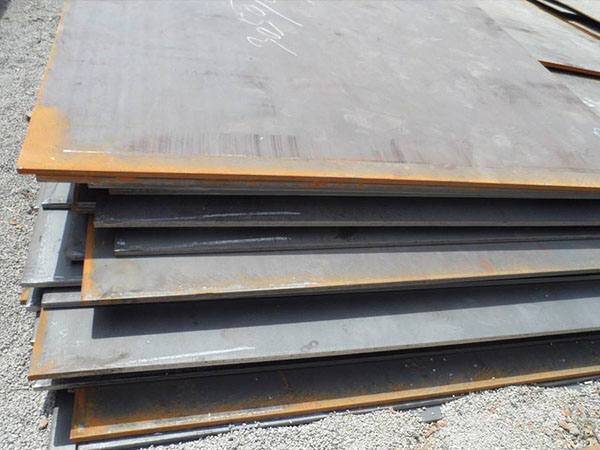
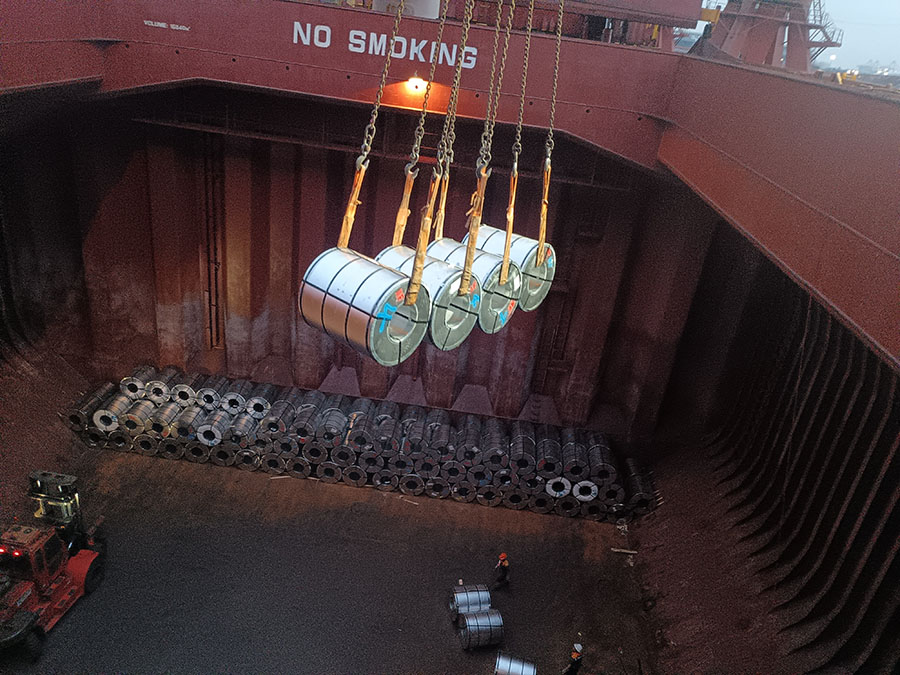
Yuxin Steel provides high-quality steel products to customers in more than 20 countries worldwide.
Contact Info
Would you like to know more about our offers? Please feel free to contact us.