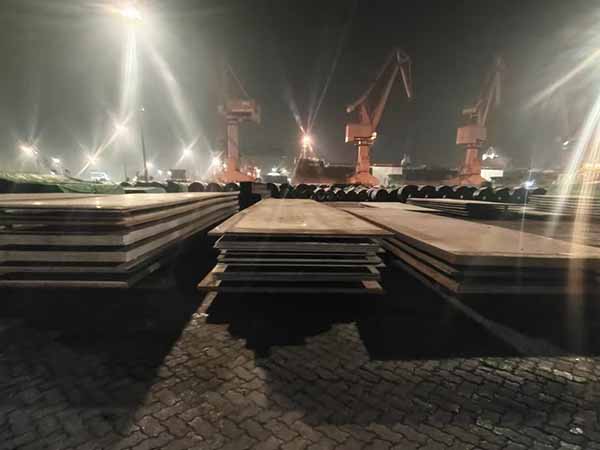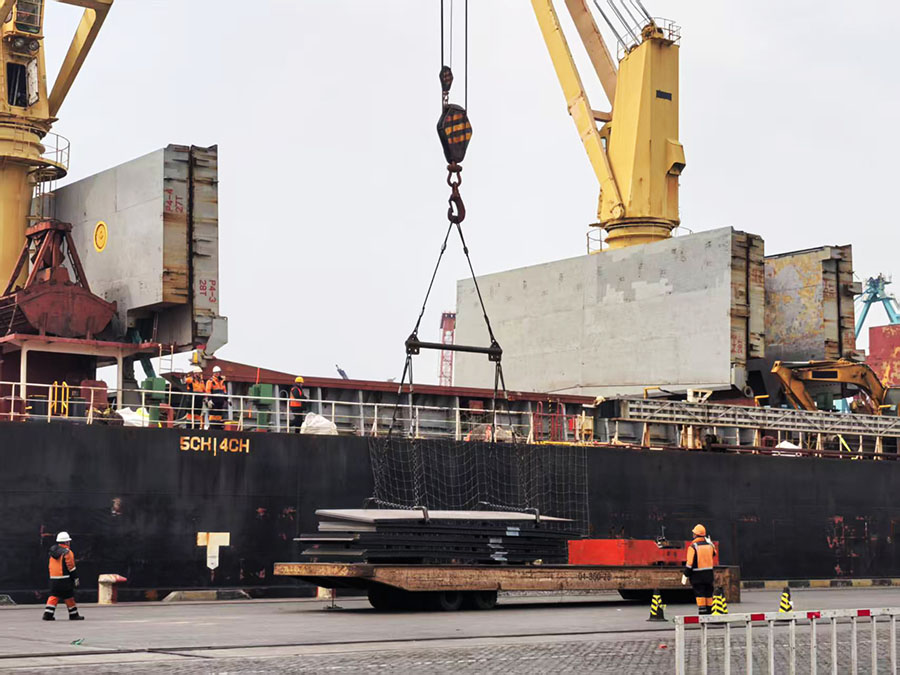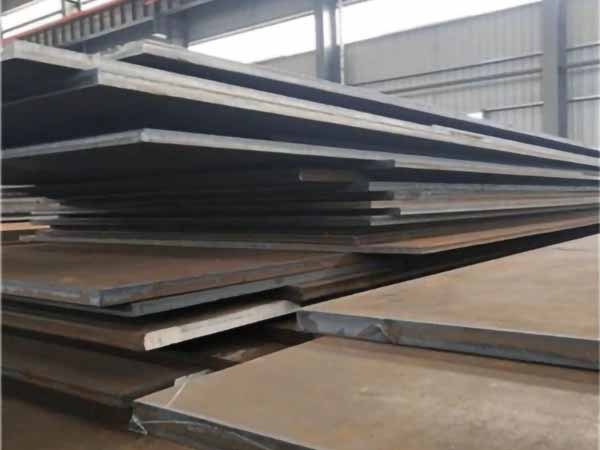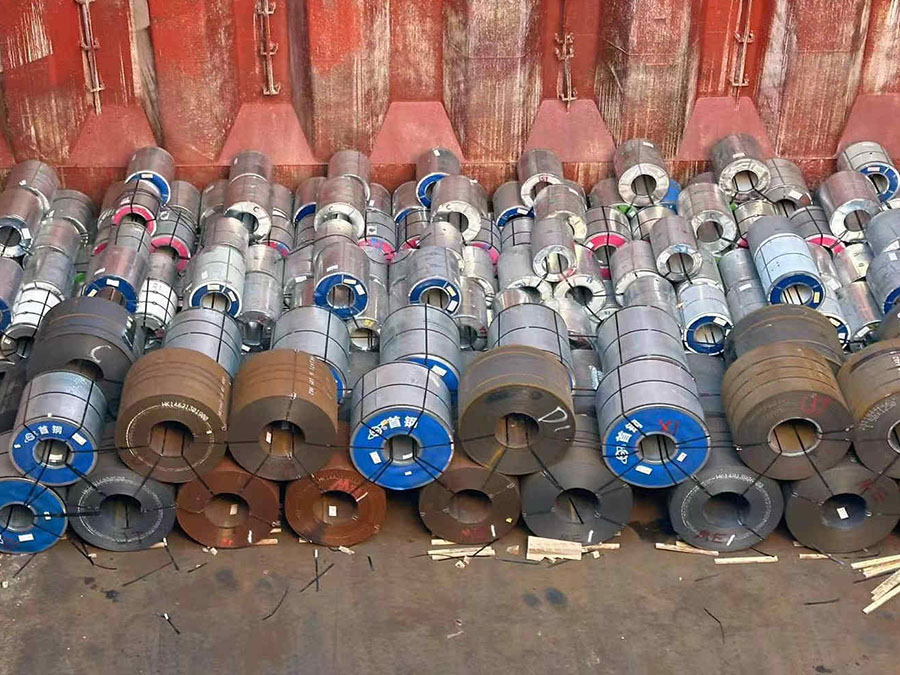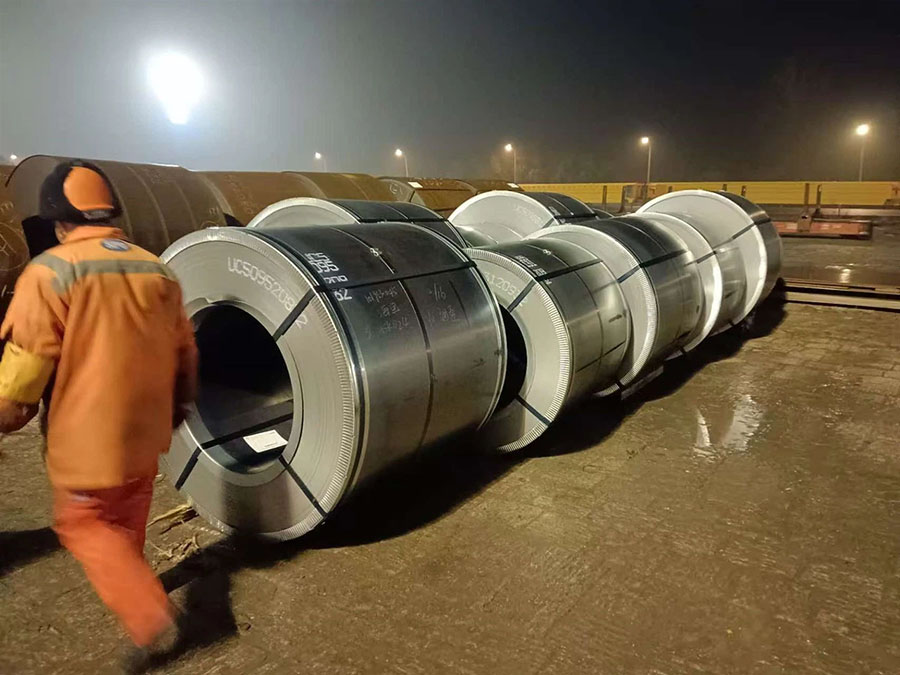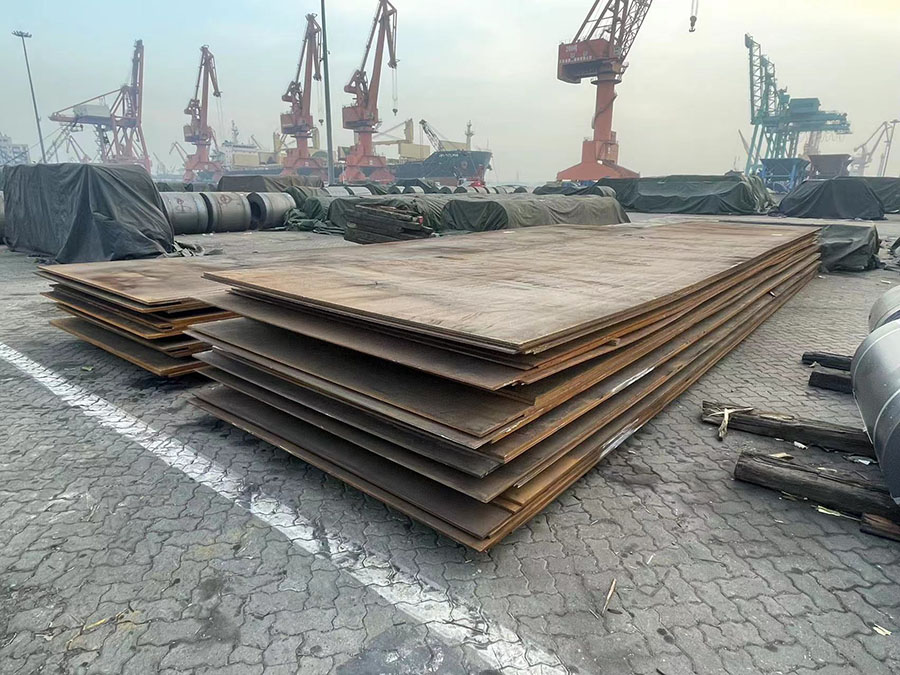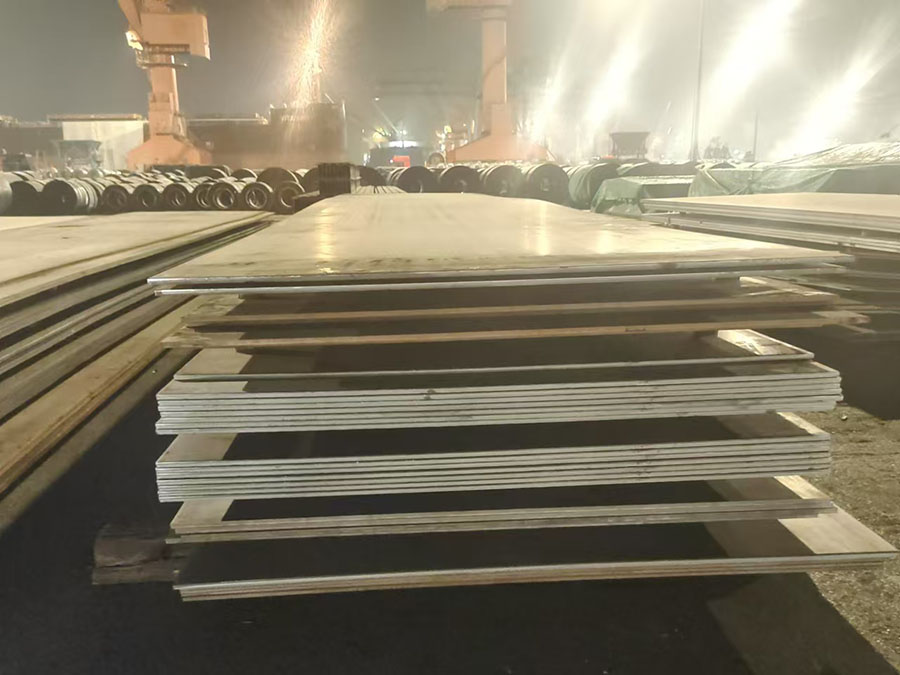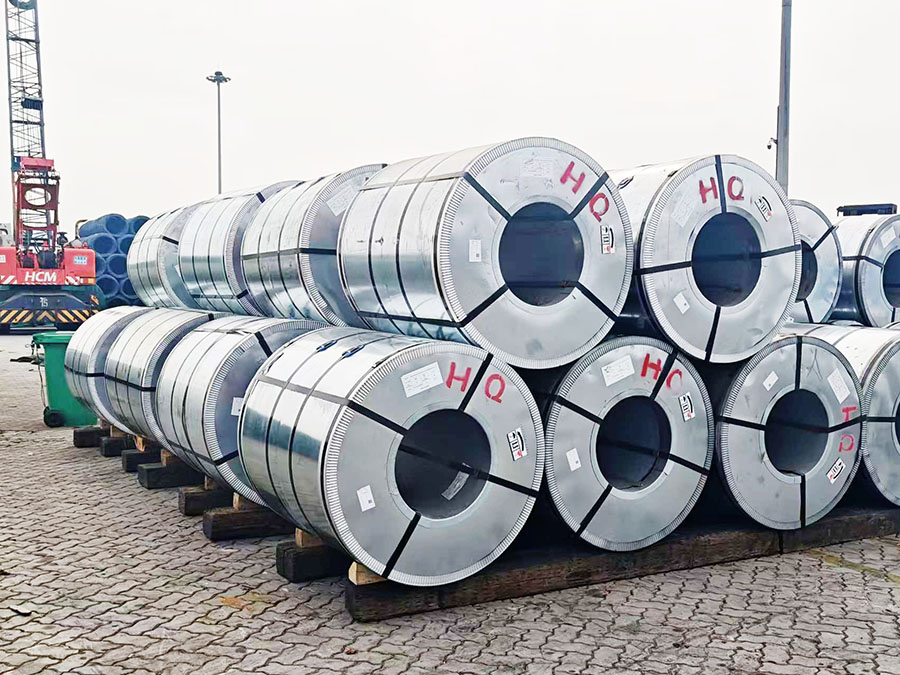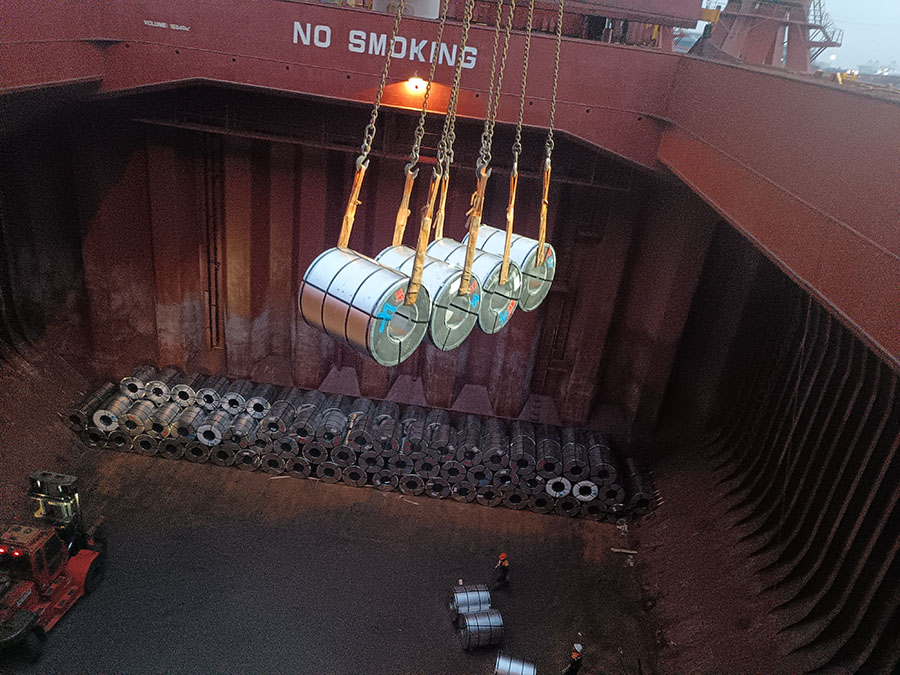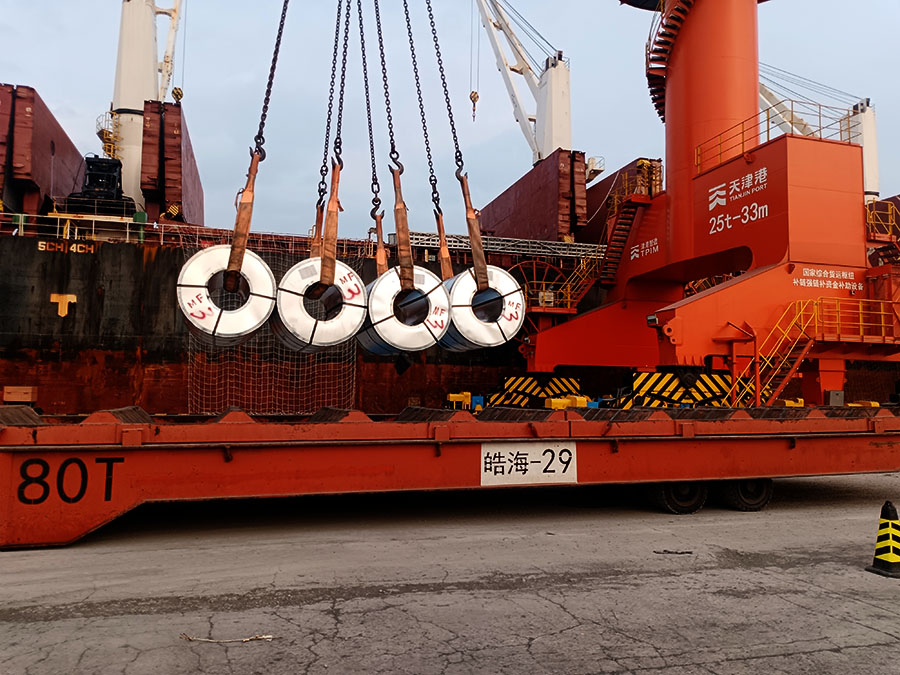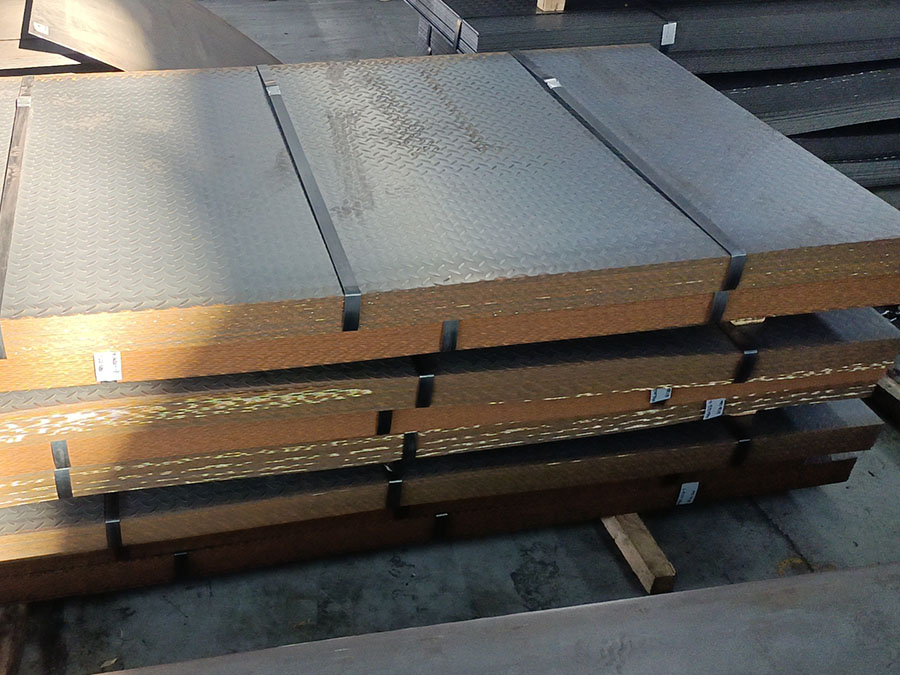
ASTM A36 is a widely used carbon structural steel specification defined by the American Society for Testing and Materials (ASTM). It is commonly used in construction, bridges, buildings, and general structural applications due to its good strength, weldab
Standard :
ASTM A36/A36MGrade :
A36Thickness :
0.8-30.0 mmWidth :
800-2500 mm* Specifications and dimensions can be customized.
* Machining services are available.
ASTM A36 is a widely used carbon structural steel specification defined by the American Society for Testing and Materials (ASTM). It is commonly used in construction, bridges, buildings, and general structural applications due to its good strength, weldability, and formability.
ASTM A36 is a versatile, cost-effective steel widely used in structural applications where high strength is not the primary requirement.
| Grade | A36 | ||||
| Element | C | Si | Mn | P | S |
| Content(%) | ≤0.26 | ≤0.40 | ≤ 0.75% (but typically 0.60–1.20%) | ≤0.04 | ≤0.05 |
| Grade | Yield Strength | Tensile Strength | Elongation | Brinell Hardness |
| A36 | ≥221 MPa | 400-500 MPa | ≥20% | 119–159 HB |
1. Construction: Beams, columns, brackets
2. Bridges & Infrastructure
3. Machinery & Equipment Frames
4. General Fabrication
Weldability: Excellent (commonly welded using SMAW, GMAW, FCAW, etc.)
Machinability: Fair (better than high-carbon steels but may require lubrication)
Not suitable for high-strength or high-temperature applications (use A572 or A588 instead).
Lower corrosion resistance compared to weathering steels (e.g., ASTM A588).
| Grade | Standard | Yield Strength (ReH) [min, MPa] | Tensile Strength (Rm) [MPa] | Elongation (A) [min, %] | Impact Energy (KV2) [min] |
|---|---|---|---|---|---|
| A36 | ASTM A36/A36M (USA) | 250 | 400 - 550 | 23 | - |
| Q235C | GB/T 700 (China) | 235 | 370 - 500 | 26 | 27J (at 0°C) |
| S235J0 | EN 10025-2 (European) | 235 | 360 - 510 | 26 | 27J (at 0°C) |
| SS400 | JIS G3101-2015 (Japan) | 245 | 400 - 510 | 21 | - |
* Since the requirements for chemical composition, mechanical properties, and corrosion resistance mechanisms vary slightly across different standards, "equivalence" typically refers to similarities in intended use and performance rather than exact identity.
A:
We can provide official MTC factory test reports, ISO 9001 quality management system certification, and authoritative third-party inspection reports from SGS, BV, and TÜV. All documents are internationally recognized and can be used to support bidding for projects in cold regions worldwide, engineering acceptance inspections, and customs clearance for cross-border trade.
A:
High-strength low-alloy steel plates offer excellent weldability. As their carbon content is typically low (below 0.2%), they present a lower risk of cracking during welding compared to standard high-strength steel plates and generally do not require complex preheating treatments.
A:
The key advantage of high-strength low-alloy steels is weight reduction. As they offer greater strength, thinner sheets can be used to withstand the same loads, thereby reducing the overall weight of the structure; in the automotive sector, this leads to improved fuel efficiency.
A:
High-strength low-alloy steel (HSLA) is a type of steel in which small amounts of alloying elements (such as niobium, vanadium, titanium or copper) are added to enhance its mechanical properties. Compared to traditional carbon steel, it offers higher yield strength and better corrosion resistance whilst maintaining good weldability and formability.
– We offer free samples and bespoke solutions. Please feel free to enquire about our latest prices and volume discounts.
Yuxin Steel provides high-quality steel products to customers in more than 20 countries worldwide.
Contact Info
Would you like to know more about our offers? Please feel free to contact us.
You may also send us your contact information. Your phone number and email address will not be made public.