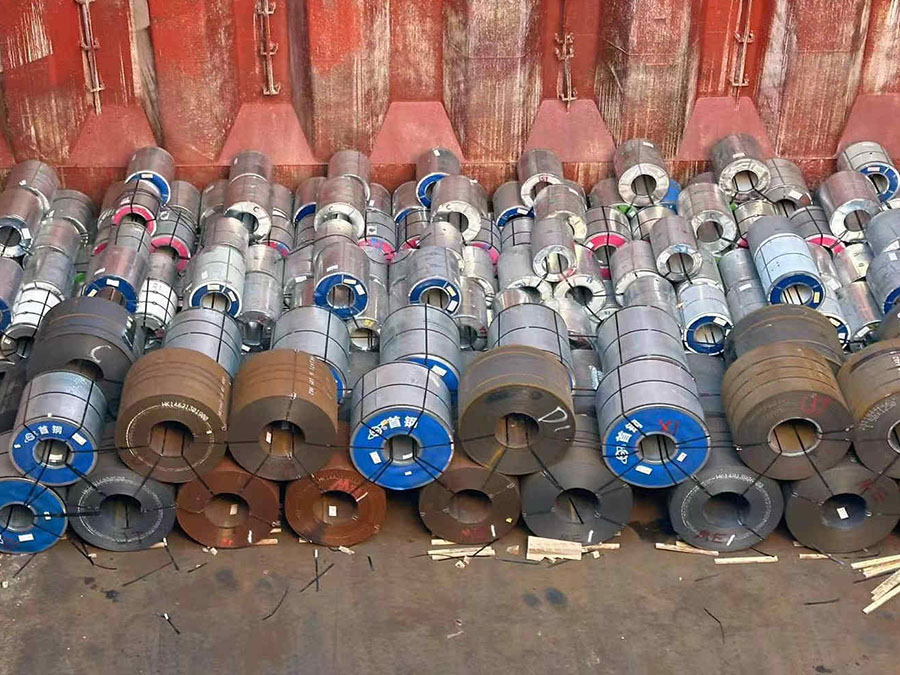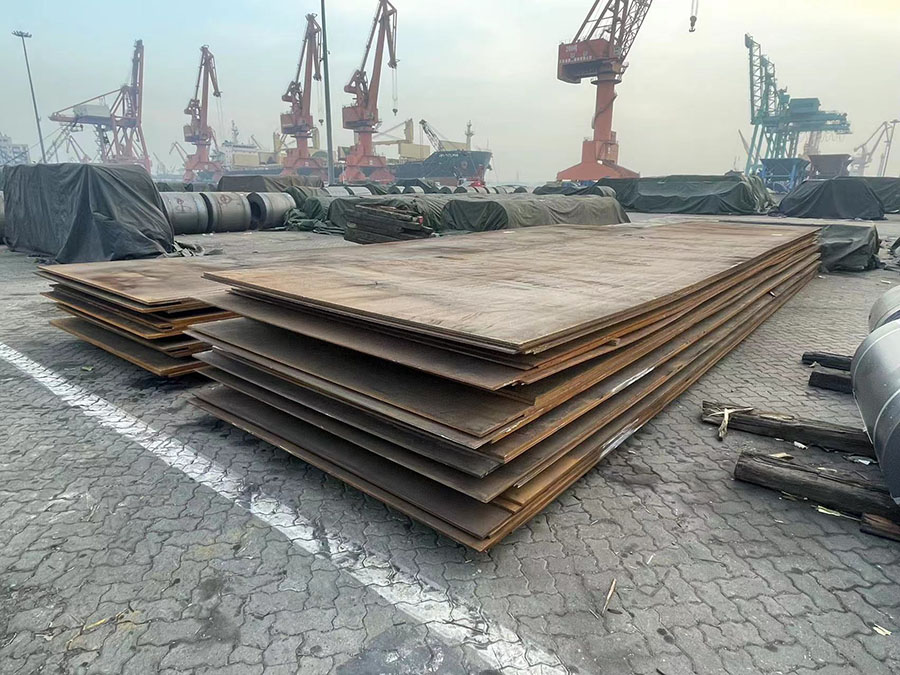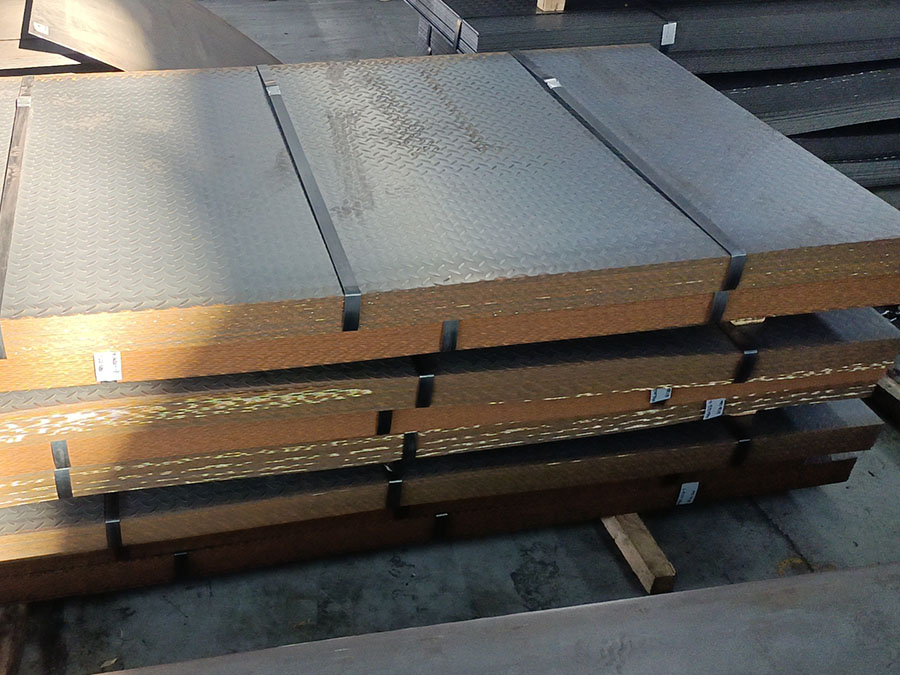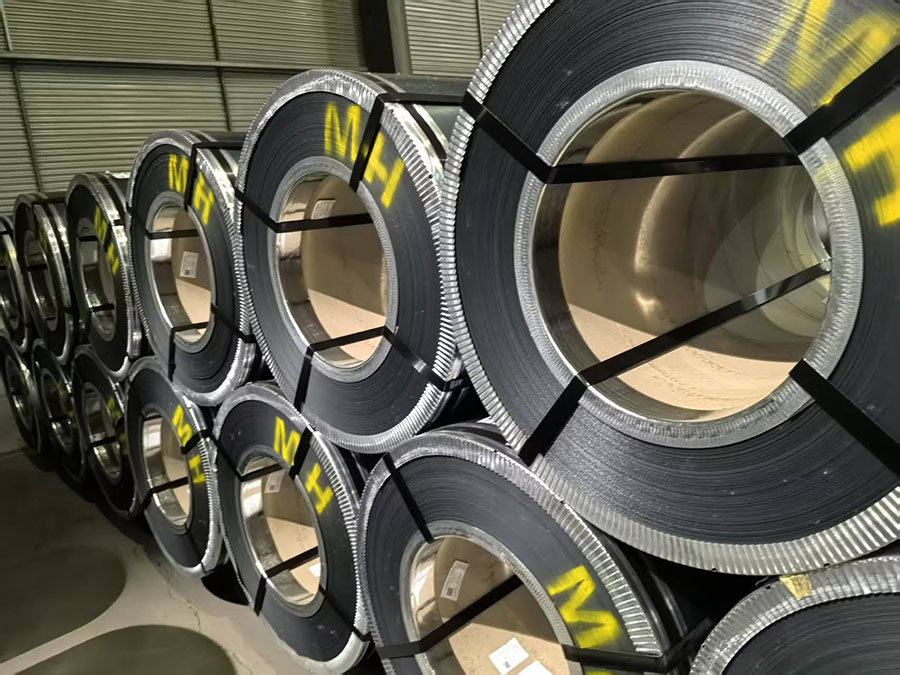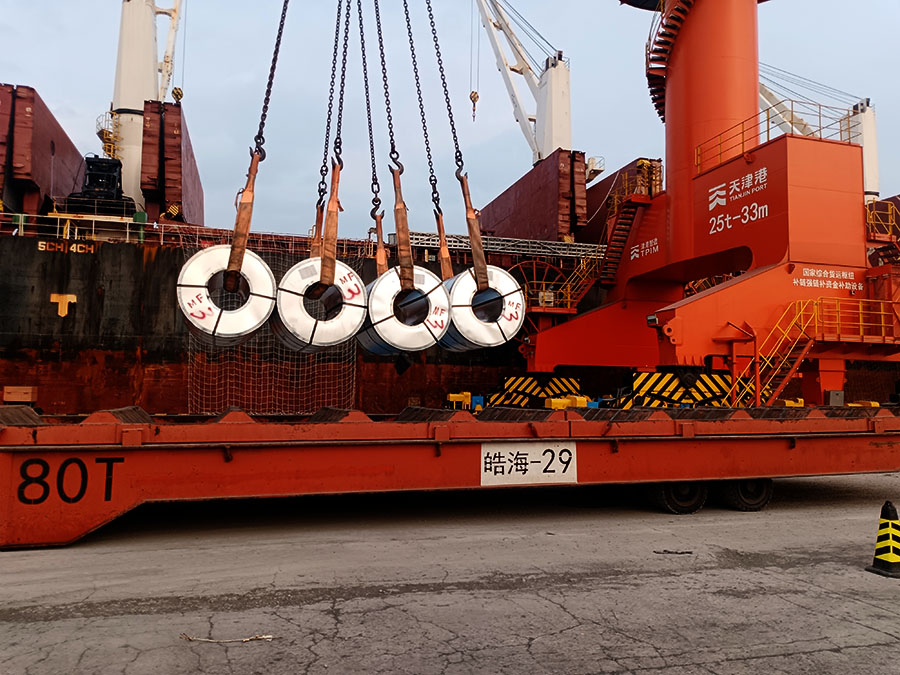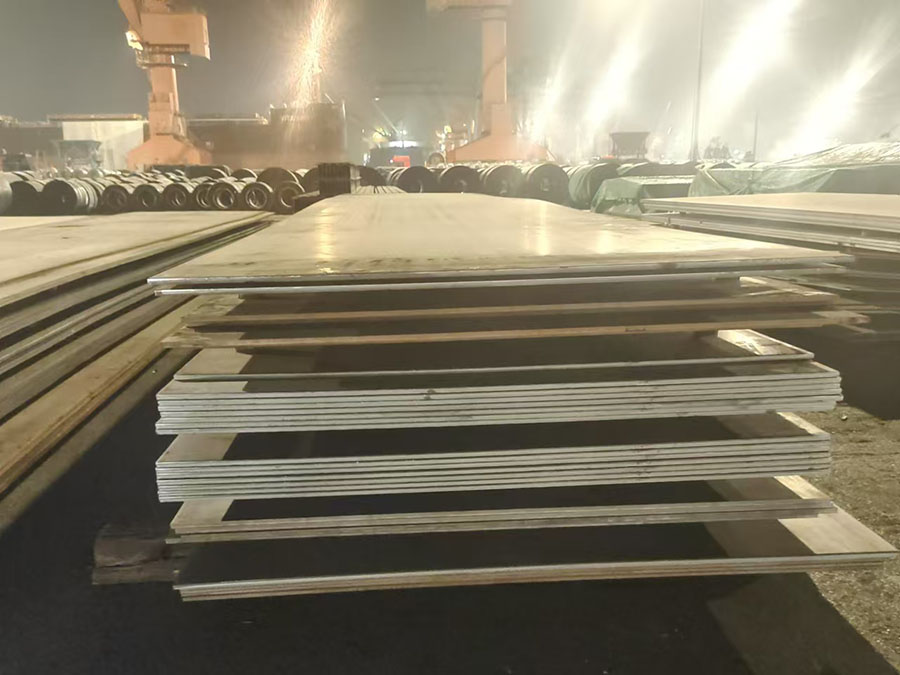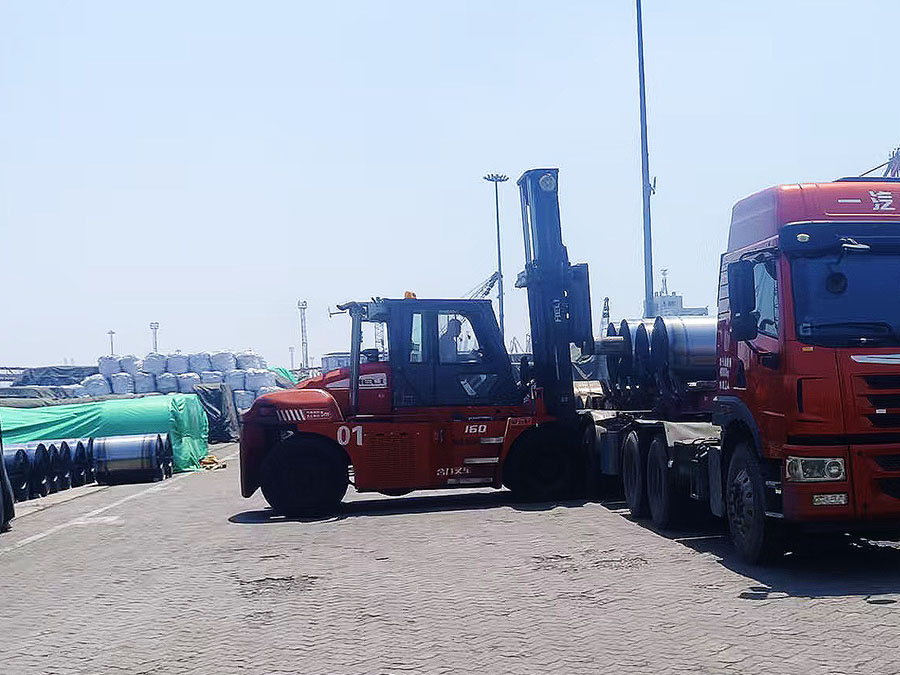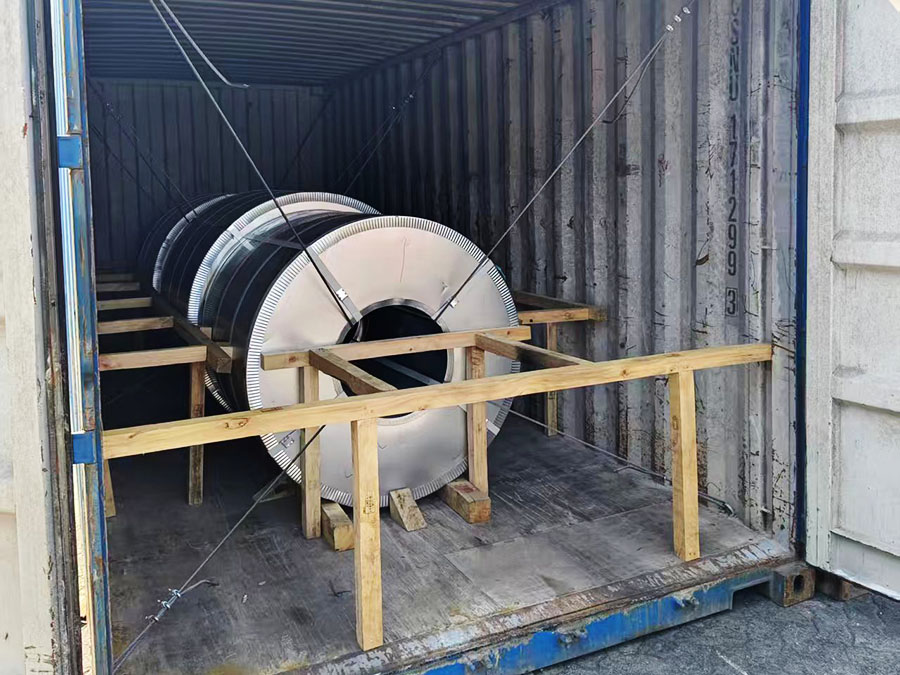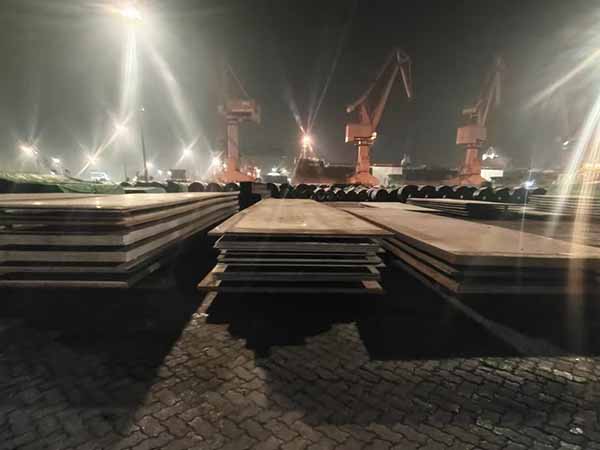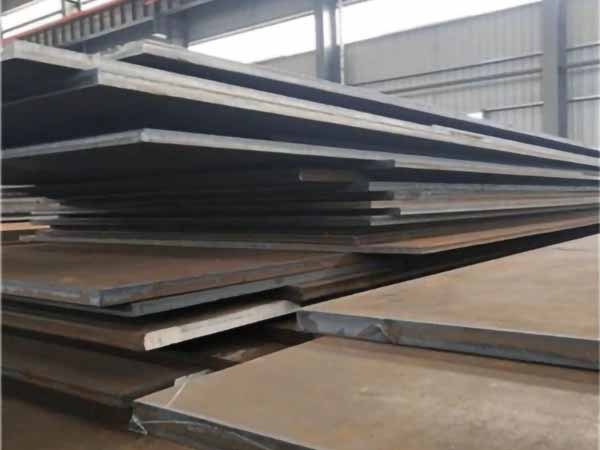
JIS G3101 SS400 steel plate is an economical and practical general structural steel plate with extremely wide applications. Its core advantages lie in its excellent comprehensive properties combined with low cost.
Standard :
JIS G3101Grade :
SS400Thickness :
3 - 100 mmWidth :
1500 - 2500 mmLength :
3000-12000 mm* Specifications and dimensions can be customized.
* Machining services are available.
JIS G3101 SS400 is a very common Japanese Industrial Standard hot-rolled steel for general structural purposes. The core advantage of SS400 steel plates lies in their well-rounded performance (strength, plasticity, and weldability) combined with low cost, making it an economical and widely used ordinary structural steel plate.
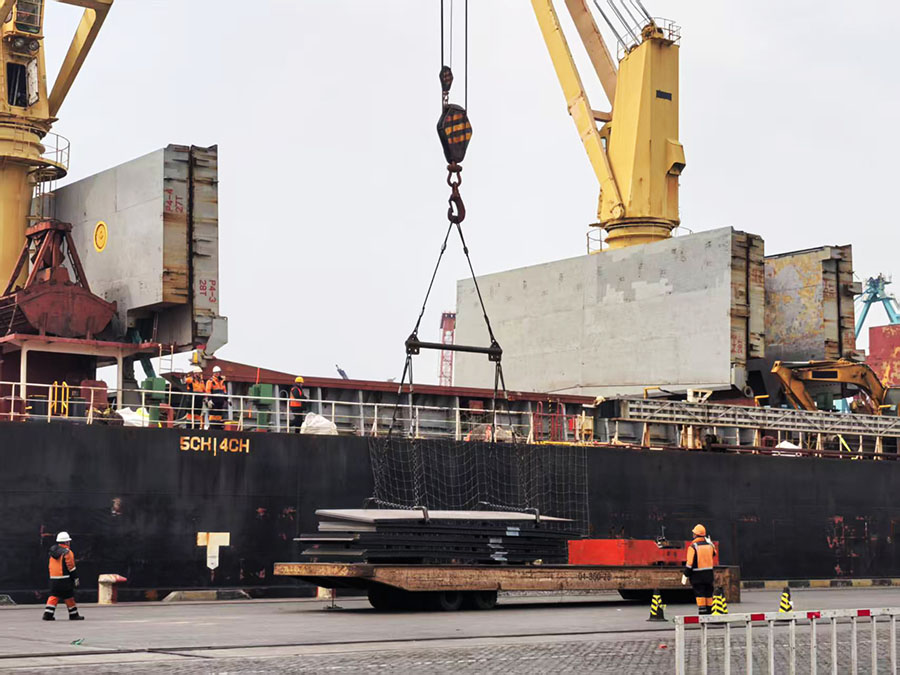
SS400 steel plates are in stock and can be cut to suitable sizes and shapes according to your requirements. Our SS400 steel plates are sourced from high-quality steel manufacturers in China, which have been reviewed and evaluated by our procurement team.
| Grade | SS400 |
|---|---|
| Standard | JIS G3101: Japanese Industrial Standards (JIS) - Rolled steels for general structure |
| Classification | Unalloyed Carbon Structural Steel |
| Delivery Conditions | Hot-rolled |
| Weldability | Good weldability |
| Machinability | Good machinability (Easily undergoes cold working such as shearing, stamping, and bending.) |
| Surface Quality | Default surface in hot-rolled condition. It can be treated with shot blasting, acid pickling, or oil coating as required. |
| Quality Control | Provide material certificate. |
| Grade | SS400 | ||||
|---|---|---|---|---|---|
| Element | C | Si | Mn | P | S |
| Content (Thickness ≤ 16mm) [max, %] | 0.210 | 0.350 | 1.400 | 0.045 | 0.045 |
| Content (Thickness > 16mm) [max, %] | 0.220 | 0.350 | 1.400 | 0.045 | 0.045 |
* The chemical composition of SS400 steel plate primarily places restrictions on harmful elements such as phosphorus and sulfur to ensure basic welding and processing performance.
| Grade | Thickness (t) [mm] | Yield Strength (ReH) [min, MPa] | Tensile Strength (Rm) [MPa] | Elongation (A) [min, %] |
|---|---|---|---|---|
| SS400 | t ≤ 16 | 245 | 400 - 510 | 21 |
| 16 < t ≤ 40 | 235 | 400 - 510 | 21 | |
| 40 < t ≤ 100 | 215 | 400 - 510 | 21 | |
| t > 100 | 205 | 400 - 510 | 21 |
* The yield strength of SS400 steel plate tends to decrease as the steel thickness increases.
JIS G3101 SS400 steel plate is easy to weld, cut, bend, and punch, and is low in cost, making it highly versatile in application.
1. Construction field: Steel structures for factory buildings, beams/columns in civil construction, and steel structure frameworks.
2. Mechanical manufacturing: Base plates, brackets, protective covers, and other non-critical load-bearing components for general machinery.
3. Infrastructure: Small bridge components, street light poles, traffic sign poles, and water pipelines (low-pressure).
4. Other fields: Container bodies, simple shelving, welded steel sections, etc.
| Grade | Standard | Yield Strength (ReH) [min, MPa] | Tensile Strength (Rm) [MPa] | Elongation (A) [min, %] | Impact Energy (KV2) [min] |
|---|---|---|---|---|---|
| SS400 | JIS G3101-2015 (Japan) | 245 | 400 - 510 | 21 | - |
| Q235C | GB/T 700 (China) | 235 | 370 - 500 | 26 | 27J (at 0°C) |
| S235J0 | EN 10025-2 (European) | 235 | 360 - 510 | 26 | 27J (at 0°C) |
| A36 | ASTM A36/A36M (USA) | 250 | 400 - 550 | 23 | - |
* Since the requirements for chemical composition, mechanical properties, and corrosion resistance mechanisms vary slightly across different standards, "equivalence" typically refers to similarities in intended use and performance rather than exact identity.
A:
We can provide official MTC factory test reports, ISO 9001 quality management system certification, and authoritative third-party inspection reports from SGS, BV, and TÜV. All documents are internationally recognized and can be used to support bidding for projects in cold regions worldwide, engineering acceptance inspections, and customs clearance for cross-border trade.
A:
High-strength low-alloy steel plates offer excellent weldability. As their carbon content is typically low (below 0.2%), they present a lower risk of cracking during welding compared to standard high-strength steel plates and generally do not require complex preheating treatments.
A:
The key advantage of high-strength low-alloy steels is weight reduction. As they offer greater strength, thinner sheets can be used to withstand the same loads, thereby reducing the overall weight of the structure; in the automotive sector, this leads to improved fuel efficiency.
A:
High-strength low-alloy steel (HSLA) is a type of steel in which small amounts of alloying elements (such as niobium, vanadium, titanium or copper) are added to enhance its mechanical properties. Compared to traditional carbon steel, it offers higher yield strength and better corrosion resistance whilst maintaining good weldability and formability.
– We offer free samples and bespoke solutions. Please feel free to enquire about our latest prices and volume discounts.
Yuxin Steel provides high-quality steel products to customers in more than 20 countries worldwide.
Contact Info
Would you like to know more about our offers? Please feel free to contact us.
You may also send us your contact information. Your phone number and email address will not be made public.