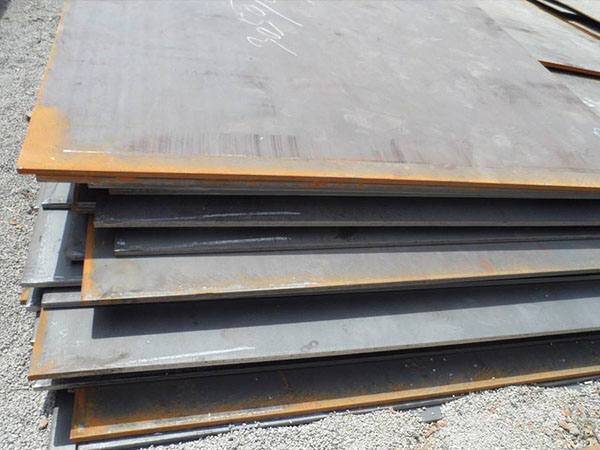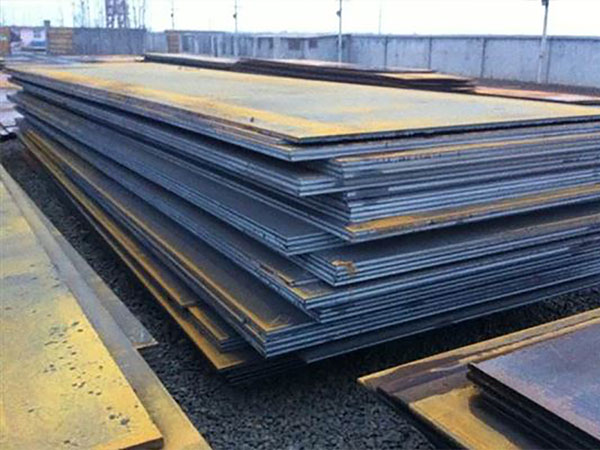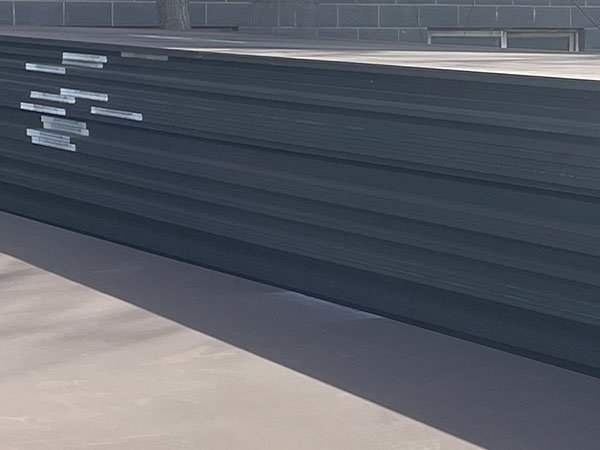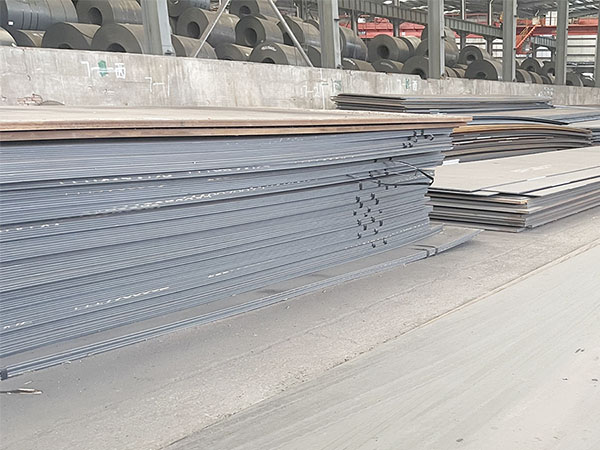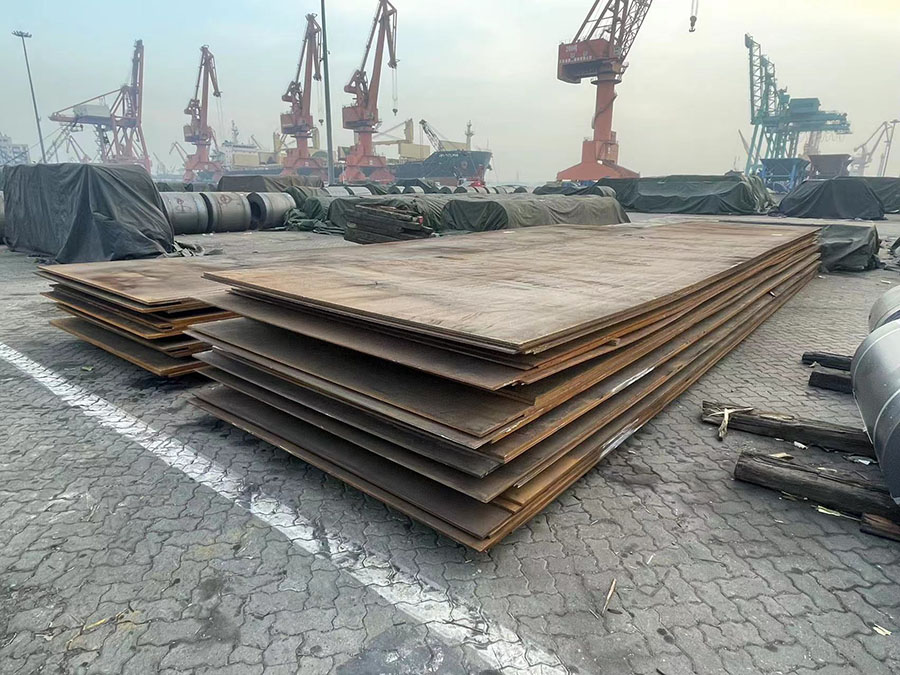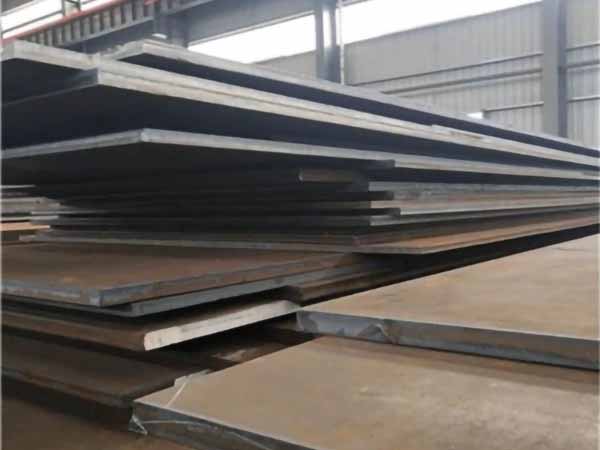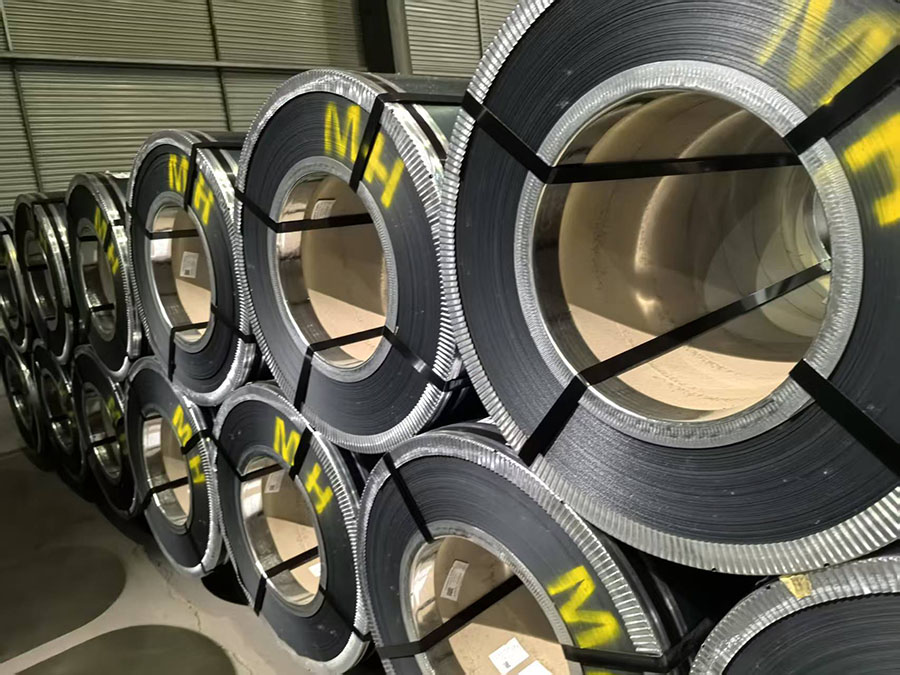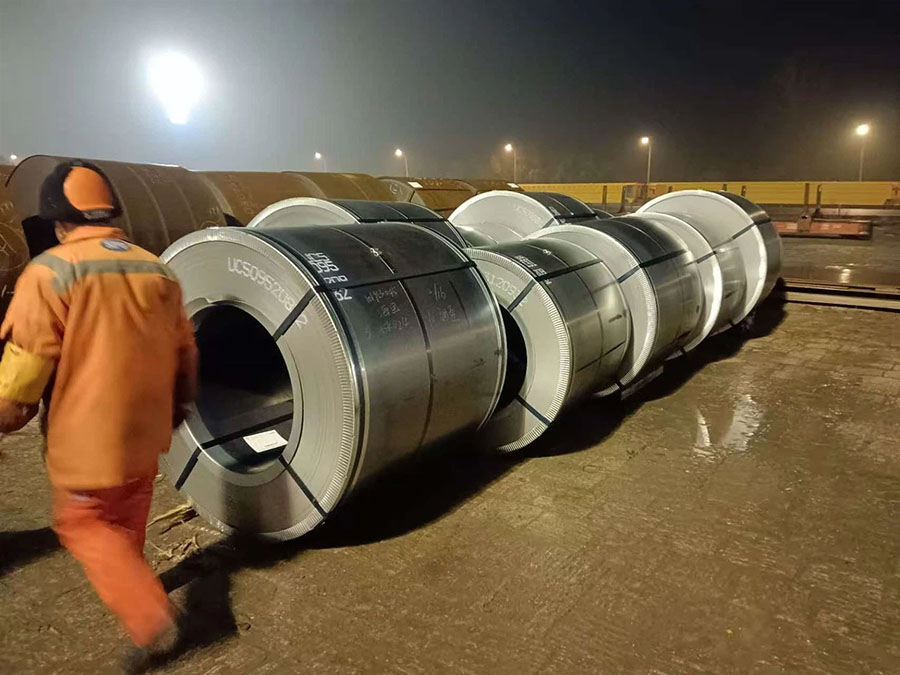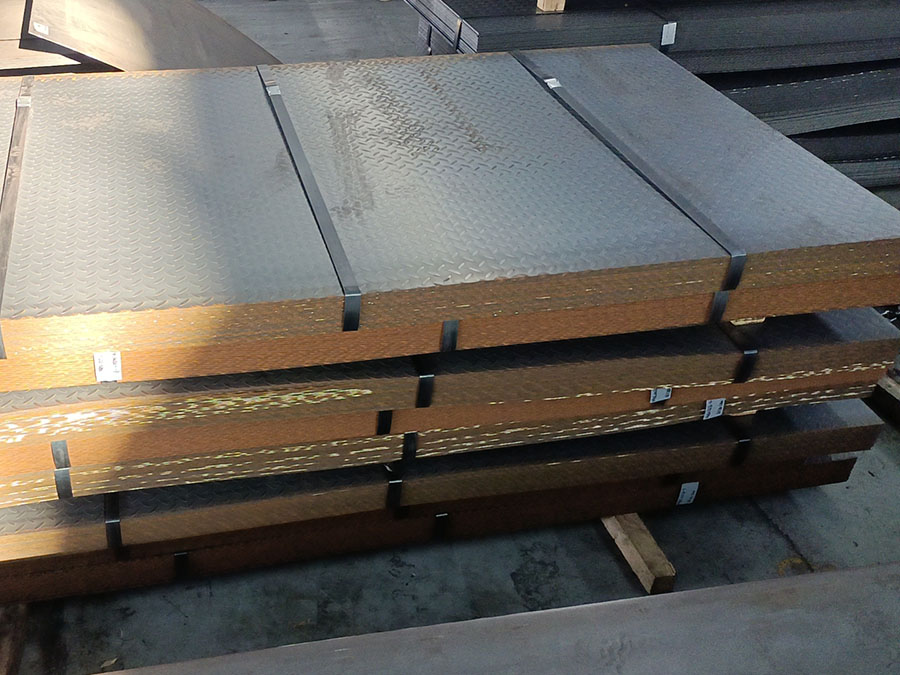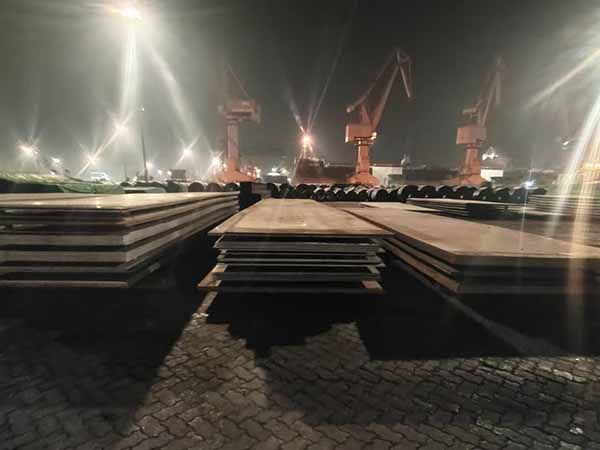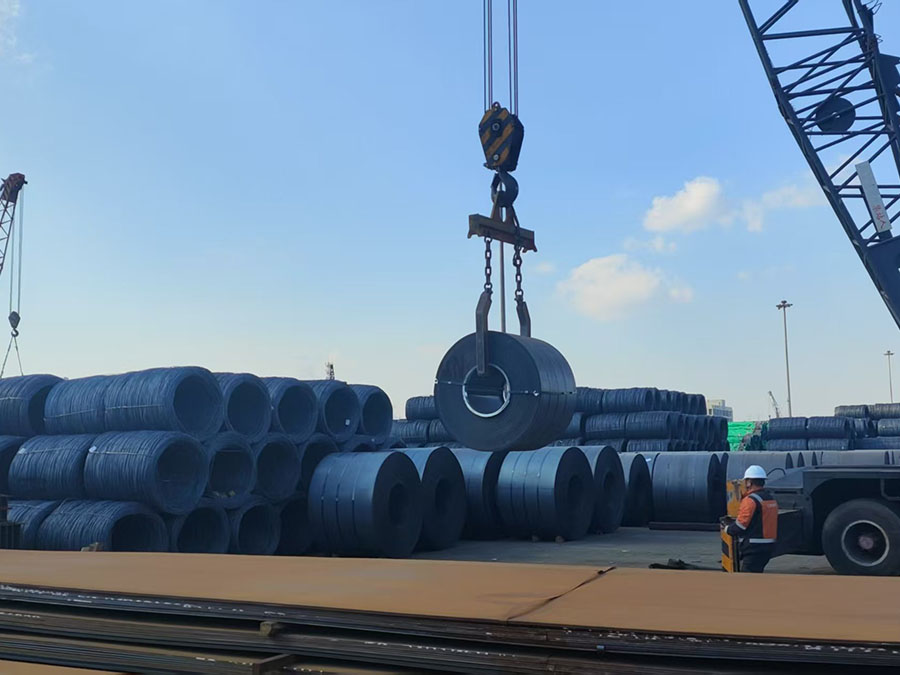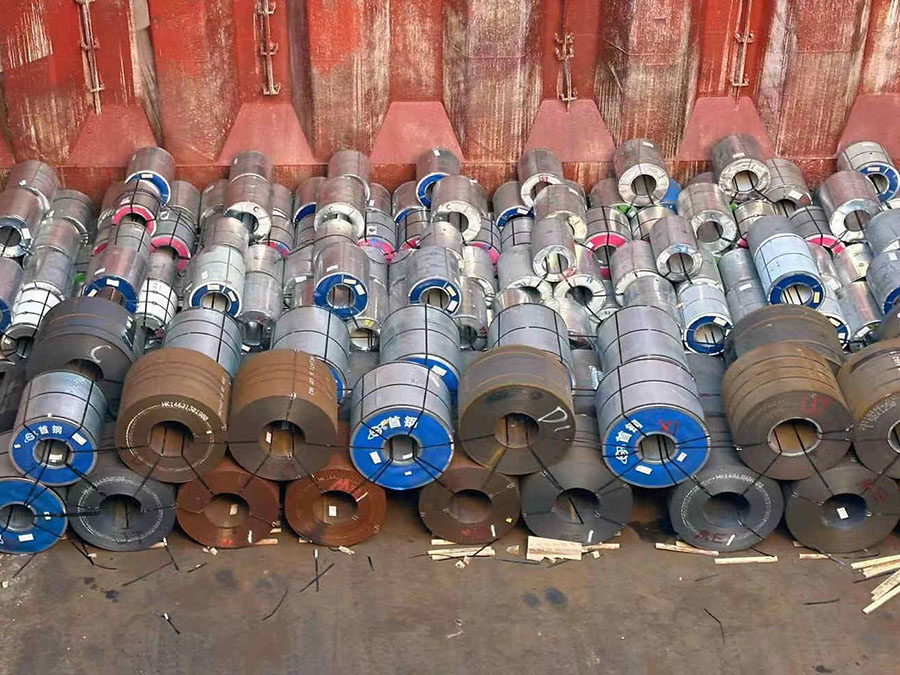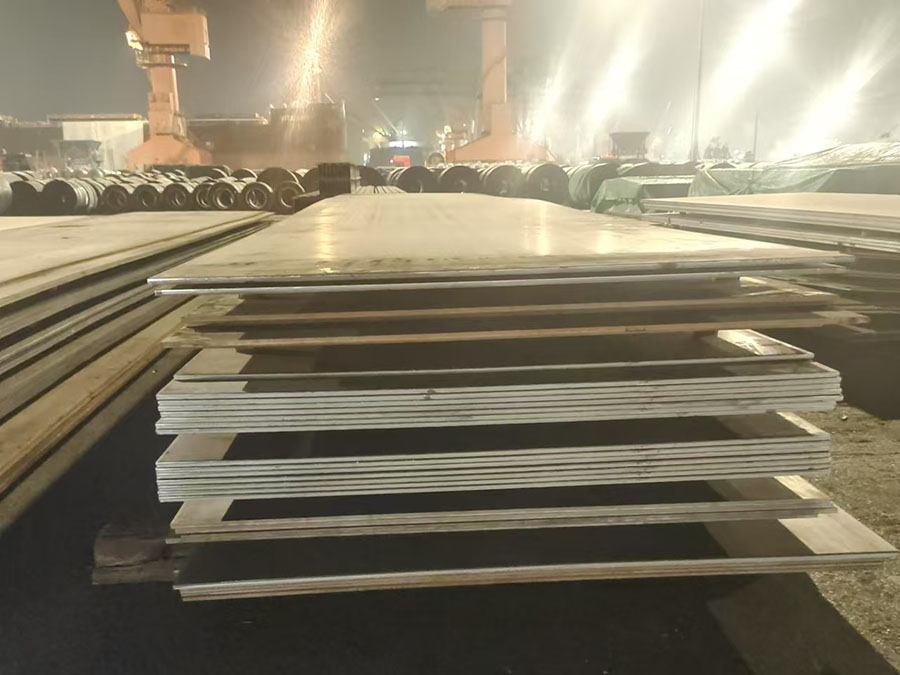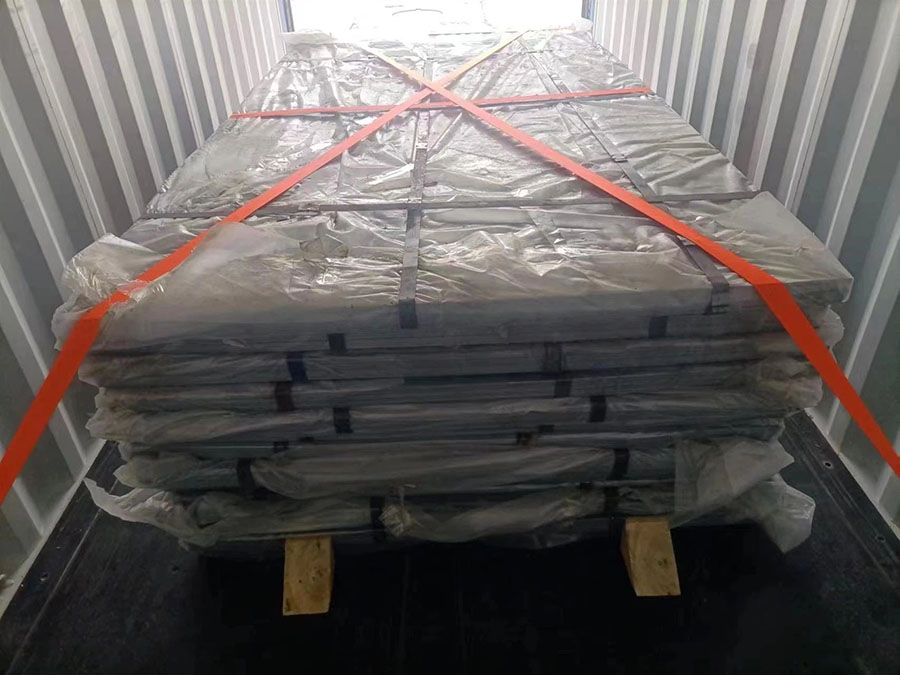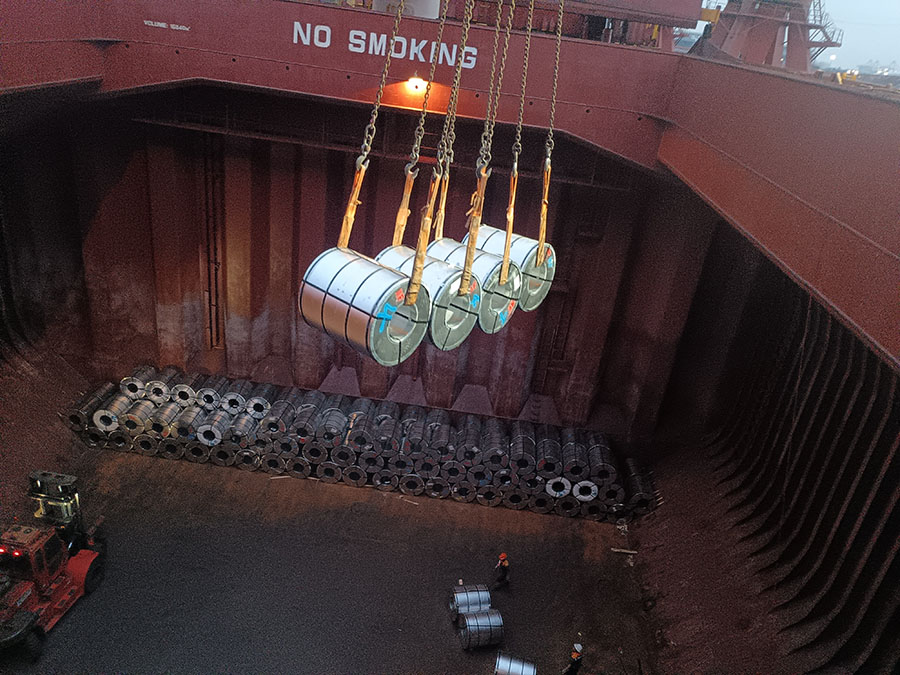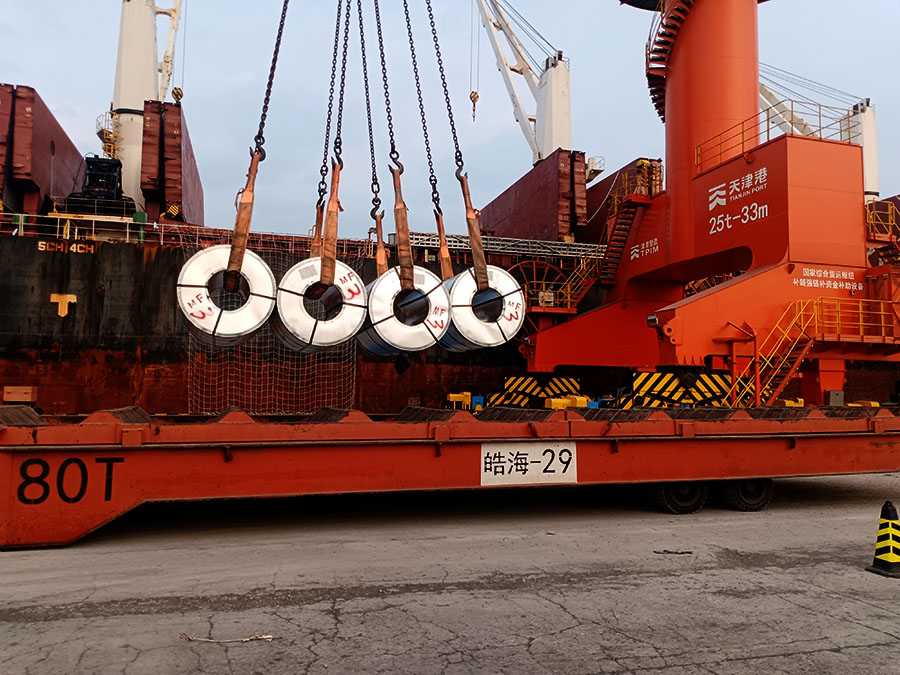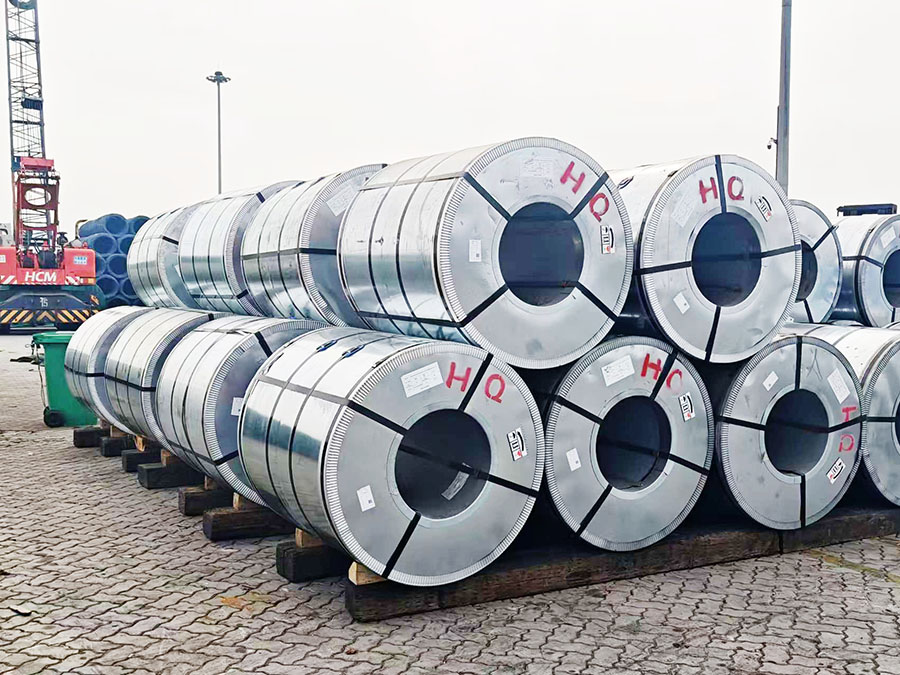
S235J0 is a cost-effective and widely used non-alloy structural steel, whose properties meet the requirements of general structural engineering. It is particularly suitable for load-bearing structures in environments around 0°C.
Standard :
EN 10025-2Grade :
S235J0Thickness :
0.8-30.0 mmWidth :
800-2500 mmLength :
3000-12000 mmSpecial thickness, width, and length can be negotiated separately.
We also provide customized processing services.If you have any questions, please contact us.
EN 10025-2 S235J0 is a High-strength Low-alloy (HSLA) structural steel plate standardized under the European EN 10025-2 specification. It is designed for improved mechanical properties and weldability compared to standard carbon steels.
Steel Type: High-Strength Low-Alloy (HSLA) – Contains small alloying additions (e.g., Nb, V, Ti) for better strength and toughness.
| Grade | S235J0 |
|---|---|
| Standard | EN 10025-2 (Hot rolled products of structural steels - Part 2 : Technical delivery conditions for non-alloy structural steels) |
| Delivery Conditions | As Rolled (AR), Normalized (N) or Thermomechanical Control Process (TMCP) |
| Approval By Third Party | ABS, DNV, GL, CCS, LR , RINA, KR, TUV, CE |
| Weldability | Good weldability, can be welded without special preheating, and suitable for various welding methods. |
| Machinability | Good cold forming performance, easy to cut, shape, and bend. |
| Surface | The surface may have mill scale. Additional treatments such as shot blasting, sandblasting, painting, and galvanizing can be performed upon request. |
| Quality Control | Provide the material certificate. If required, Charpy V-notch impact test, and Z-direction property test (Grades Z15/Z25/Z35) can be added. |
Standard and Grade Designation
Standard: EN 10025-2 (Hot-rolled structural steel products)
Material Grade: S235J0
"S" = Structural steel
"235" = Minimum yield strength (235 MPa) at ≤16mm thickness
"J0" = Impact toughness requirement at 0°C (minimum 27 Joules in Charpy V-notch test)
Key Features:
✔ Good weldability: Low carbon equivalent, can be welded without special preheating and is suitable for various welding methods.
✔ Excellent plasticity and machinability: Easy to cut, shape, and bend.
✔ Low temperature toughness: Maintains good toughness even at 0°C.
✔ Balanced comprehensive mechanical properties: Moderate strength suitable for general structural applications.
✔ Cost-effective: Low cost and widely available.
| Grade | S235J0 | ||||||
|---|---|---|---|---|---|---|---|
| Element | C | Si | Mn | P | S | N | Cu |
| Content (max, %) | 0.17 | - | 1.4 | 0.030 | 0.030 | 0.012 | 0.55 |
| Grade | Thickness (t) [mm] | CEV [max, %] |
|---|---|---|
| S235J0 | t ≤ 30 | 0.35 |
| 30 < t ≤ 40 | 0.35 | |
| 40 < t ≤ 150 | 0.38 | |
| 150 < t ≤ 250 | 0.40 | |
| 250 < t ≤ 400 | 0.40 |
* The carbon equivalent value varies depending on the thickness.For detailed information, please contact us for inquiries.
* Carbon equivalent (CEV) is calculated using the International Institute of Welding (IIW) formula:
CEV = C + Mn/6 + (Cr+Mo+V)/5 + (Ni+Cu)/15
| Grade | Thickness (t) [mm] | Yield Strength (ReH) [min, MPa] | Tensile Strength (Rm) [MPa] | Elongation (A) [min, %] | Impact Energy (KV2) [min] |
|---|---|---|---|---|---|
| S235J0 | t ≤ 16 | 235 | 360 - 510 | 26 | 27J (at 0°C) |
| 16 < t ≤ 40 | 225 | 360 - 510 | 26 | 27J (at 0°C) | |
| 40 < t ≤ 63 | 215 | 360 - 510 | 25 | 27J (at 0°C) | |
| 63 < t ≤ 80 | 215 | 360 - 510 | 24 | 27J (at 0°C) | |
| 80 < t ≤ 100 | 215 | 360 - 510 | 24 | 27J (at 0°C) | |
| 100 < t ≤ 150 | 195 | 350 - 550 | 22 | 27J (at 0°C) | |
| 150 < t ≤ 200 | 185 | 340 - 490 | 21 | 27J (at 0°C) | |
| 200 < t ≤ 250 | 175 | 340 - 490 | 21 | 27J (at 0°C) | |
| 250 < t ≤ 400 | 165 | 330 - 480 | 21 | 27J (at 0°C) |
* The yield strength, tensile strength, and elongation of S235J0 high strength structural steel plate slightly decrease with the increase in thickness.
S235J0 is widely used due to its moderate strength, good plasticity and toughness (especially at 0°C), and low cost. Its applications include:
1. Building structures: Load-bearing components such as factory buildings, warehouses, and frame structures.
2. Bridges and municipal engineering: Components like bridge supports and guardrails.
3. Mechanical manufacturing: Parts that do not require high strength, such as equipment frames, bases, and casings.
4. Steel structure fabrication: Welded or riveted structural components (this grade has good weldability and typically requires no preheating or only minimal preheating).
| Grade | Standard | Yield Strength (ReH) [min, MPa] | Tensile Strength (Rm) [MPa] | Elongation (A) [min, %] | Impact Energy (KV2) [min] |
|---|---|---|---|---|---|
| S235J0 | EN 10025-2 (European) | 235 | 360 - 510 | 26 | 27J (at 0°C) |
| Q235C | GB/T 700 (China) | 235 | 370 - 500 | 26 | 27J (at 0°C) |
| SS400 | JIS G3101-2015 (Japan) | 245 | 400 - 510 | 21 | - |
| A36 | ASTM A36/A36M (USA) | 250 | 400 - 550 | 23 | - |
* Since the requirements for chemical composition, mechanical properties, and corrosion resistance mechanisms vary slightly across different standards, "equivalence" typically refers to similarities in intended use and performance rather than exact identity.
Comparison with Similar Grades:
| Grade | Yield Strength (MPa) | Impact Test Temp. | Impact Toughness (KV) | Differences In Applicable Scenarios |
| S235JR | ≥ 235 | +20℃ | ≥ 27 J | Lower impact toughness. Suitable for normal temperature environment |
| S235J0 | ≥ 235 | 0℃ | ≥ 27 J | Intermediate toughness. Suitable for slightly low-temperature environments (such as mild winter areas) |
| S235J2 | ≥ 235 | -20℃ | ≥ 27 J | Better low-temperature toughness. Suitable for cold regions with high low-temperature toughness requirements |
Conclusion:
EN 10025-2 S235J0 is a cost-effective HSLA steel with good strength, weldability, and low-temperature toughness, making it suitable for structural applications where moderate strength and impact resistance are required.
A:
High-strength low-alloy steel plates offer excellent weldability. As their carbon content is typically low (below 0.2%), they present a lower risk of cracking during welding compared to standard high-strength steel plates and generally do not require complex preheating treatments.
A:
The key advantage of high-strength low-alloy steels is weight reduction. As they offer greater strength, thinner sheets can be used to withstand the same loads, thereby reducing the overall weight of the structure; in the automotive sector, this leads to improved fuel efficiency.
A:
High-strength low-alloy steel (HSLA) is a type of steel in which small amounts of alloying elements (such as niobium, vanadium, titanium or copper) are added to enhance its mechanical properties. Compared to traditional carbon steel, it offers higher yield strength and better corrosion resistance whilst maintaining good weldability and formability.
– We offer free samples and bespoke solutions. Please feel free to enquire about our latest prices and volume discounts.
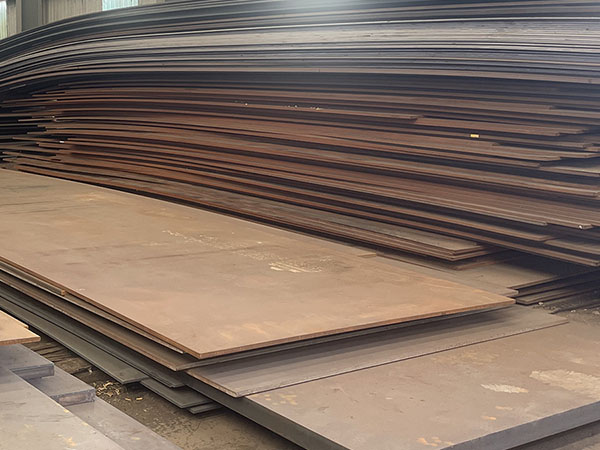
Yuxin Steel provides high-quality steel products to customers in more than 20 countries worldwide.
Contact Info
Would you like to know more about our offers? Please feel free to contact us.