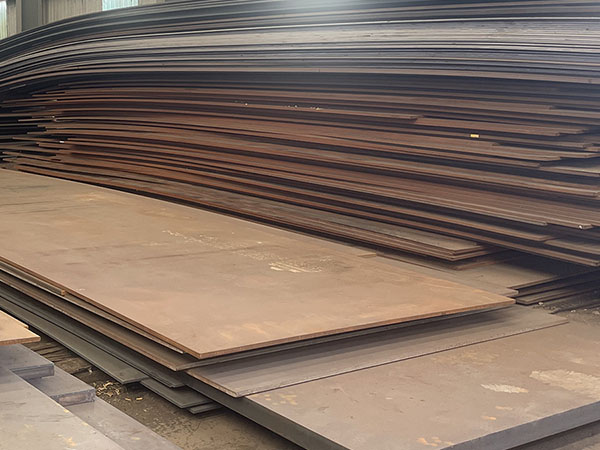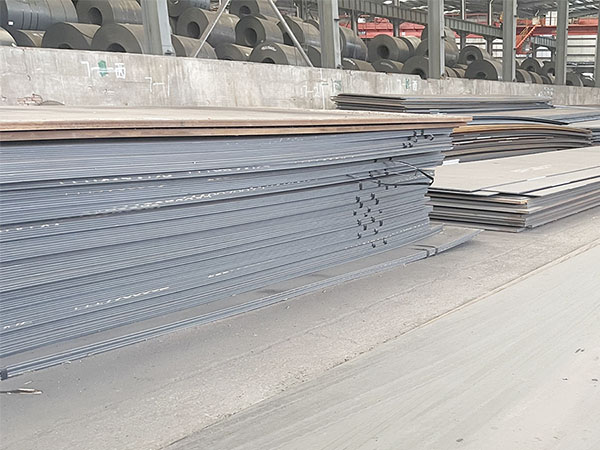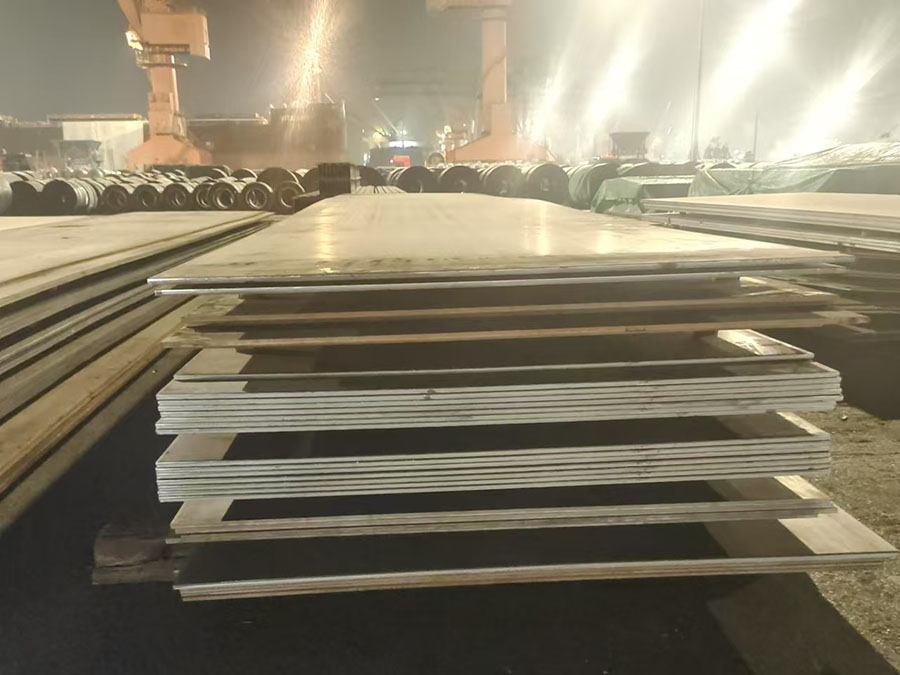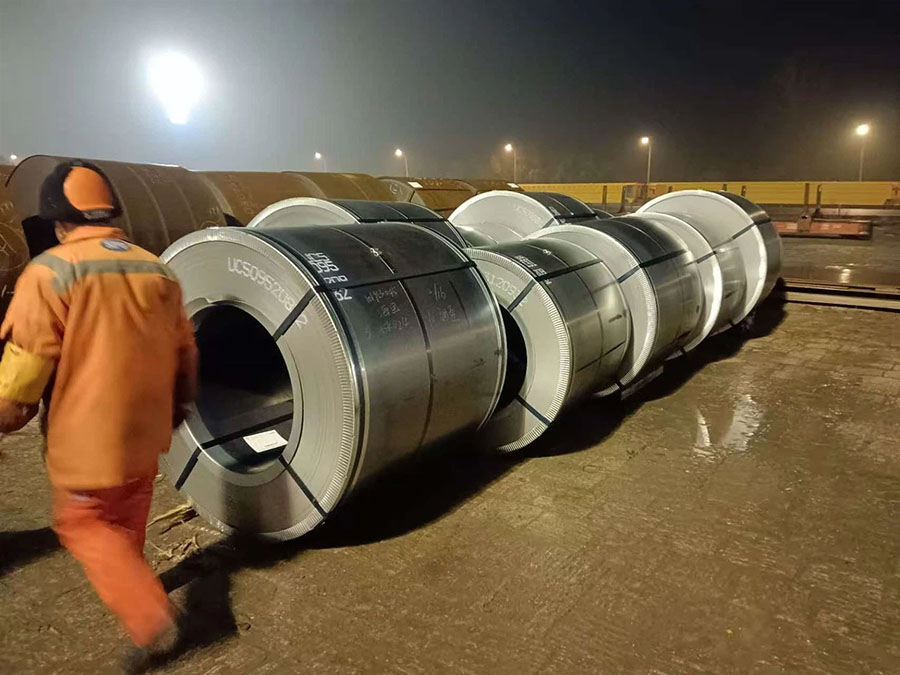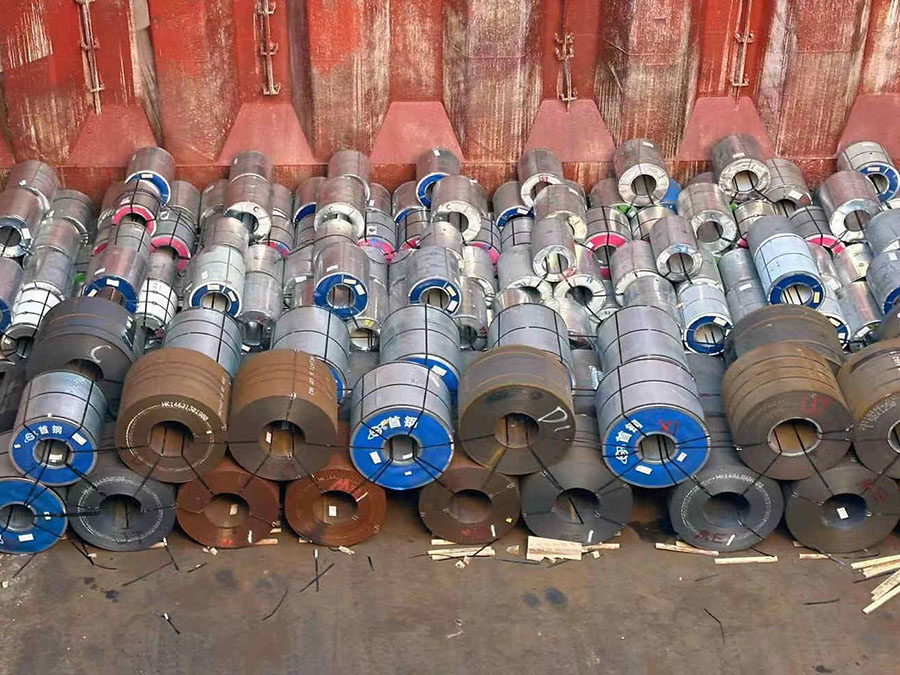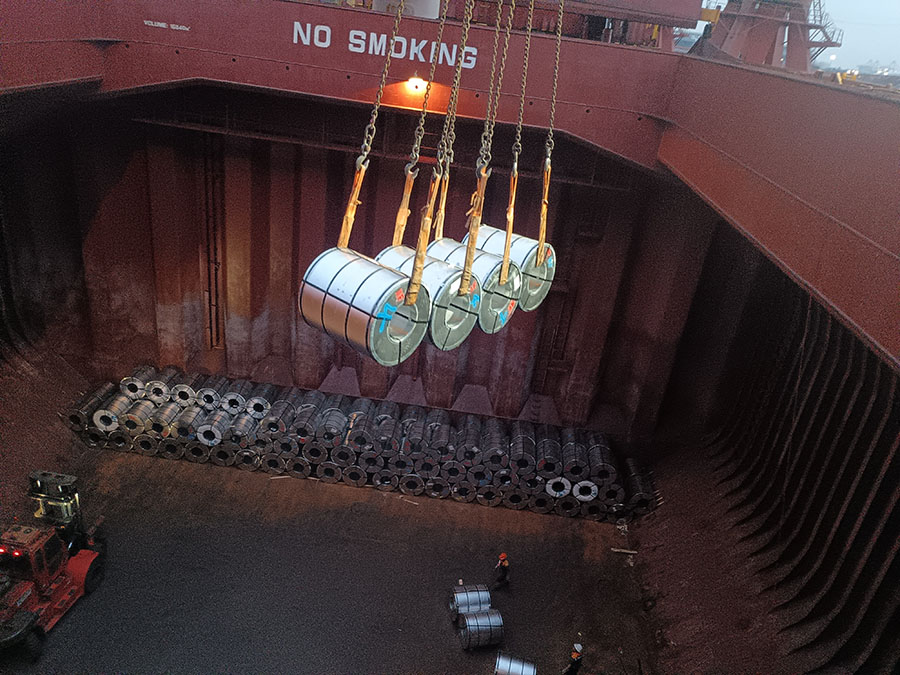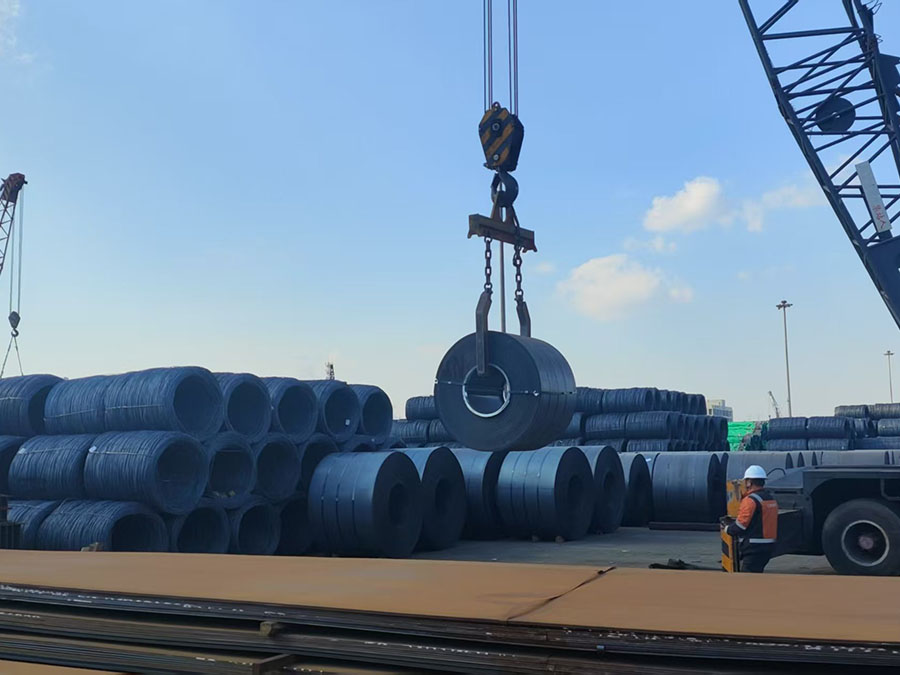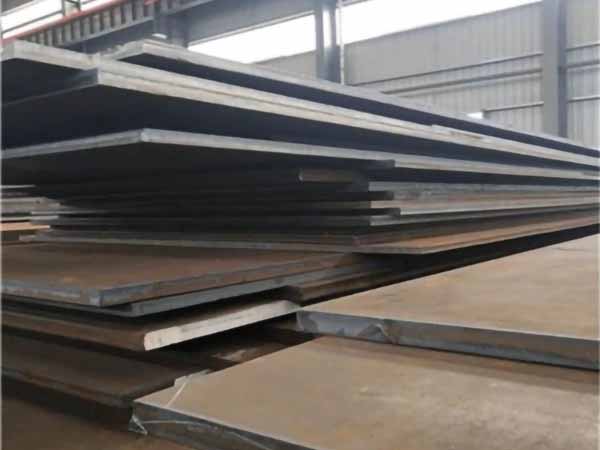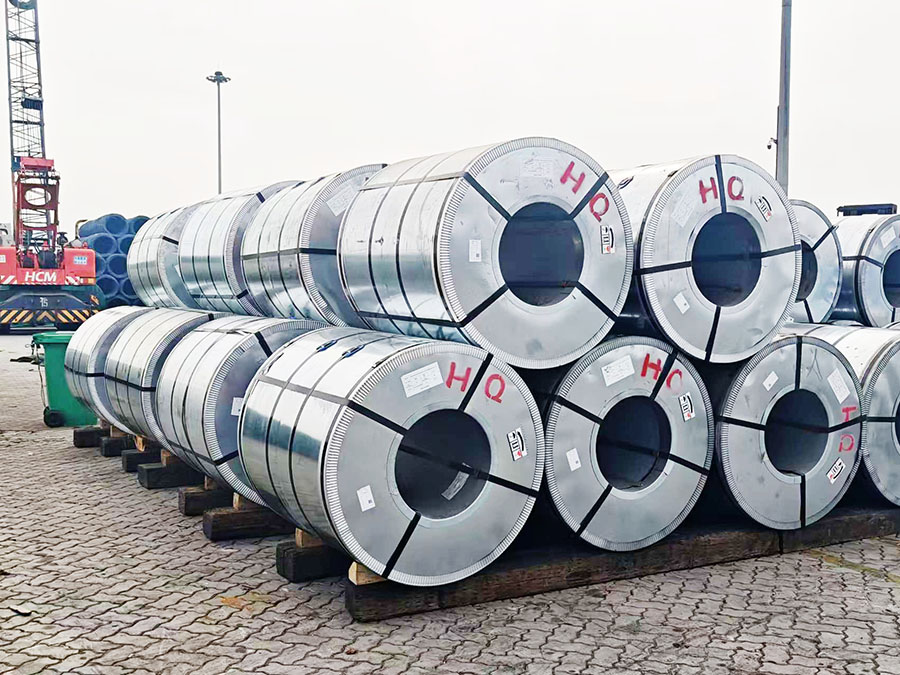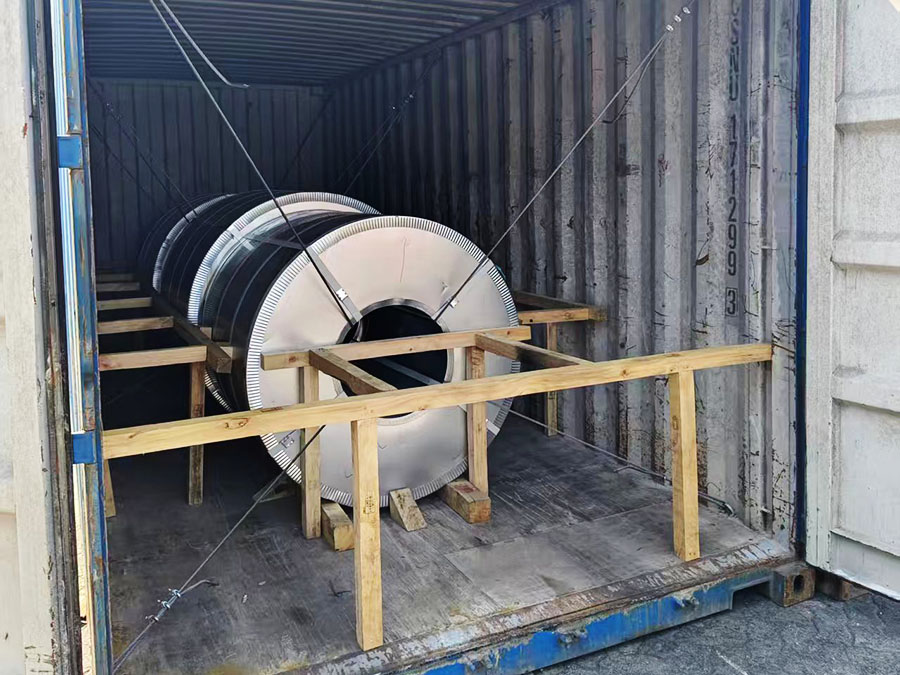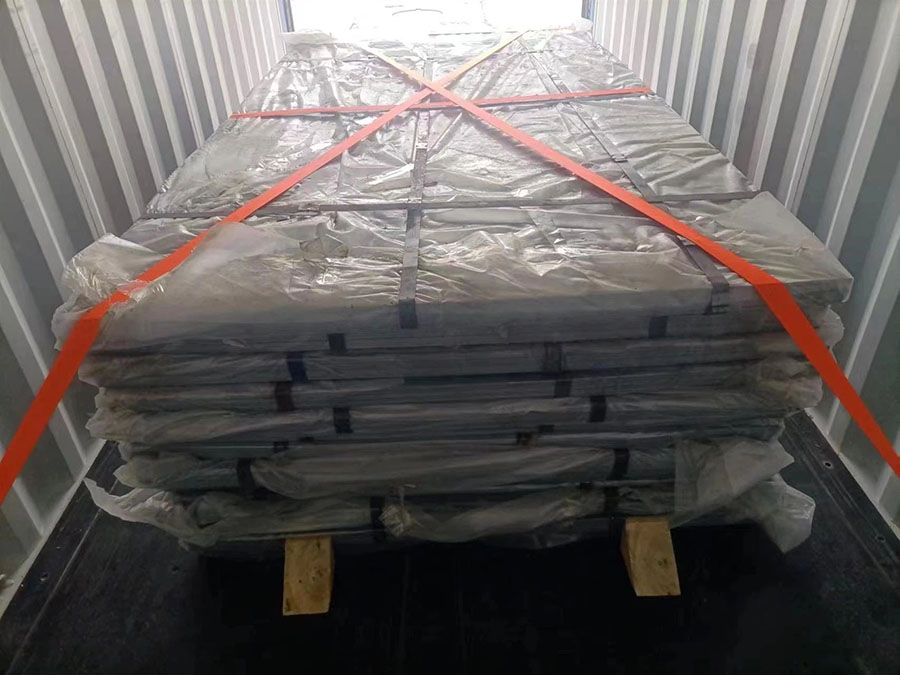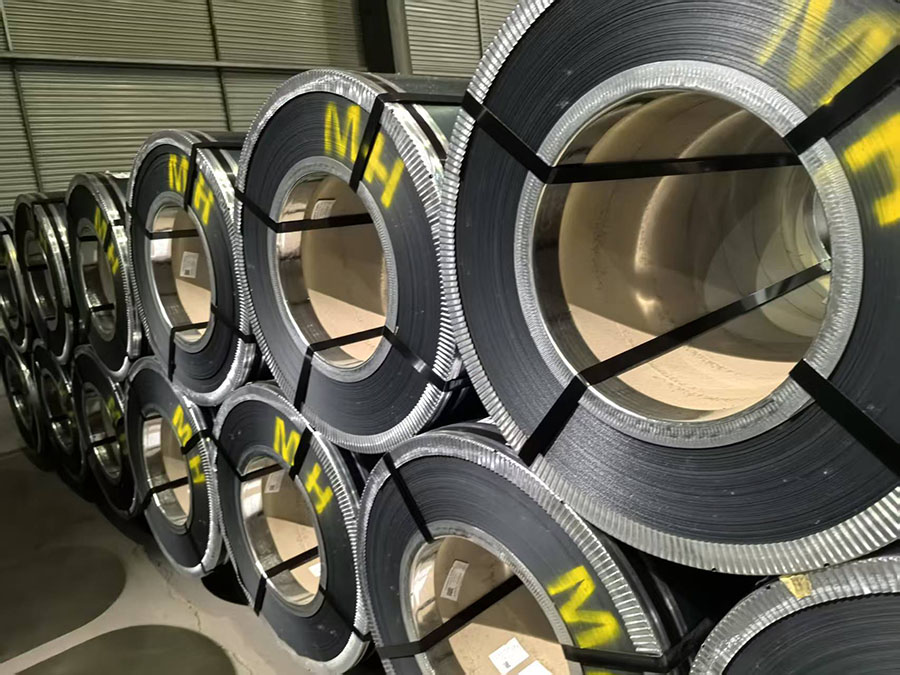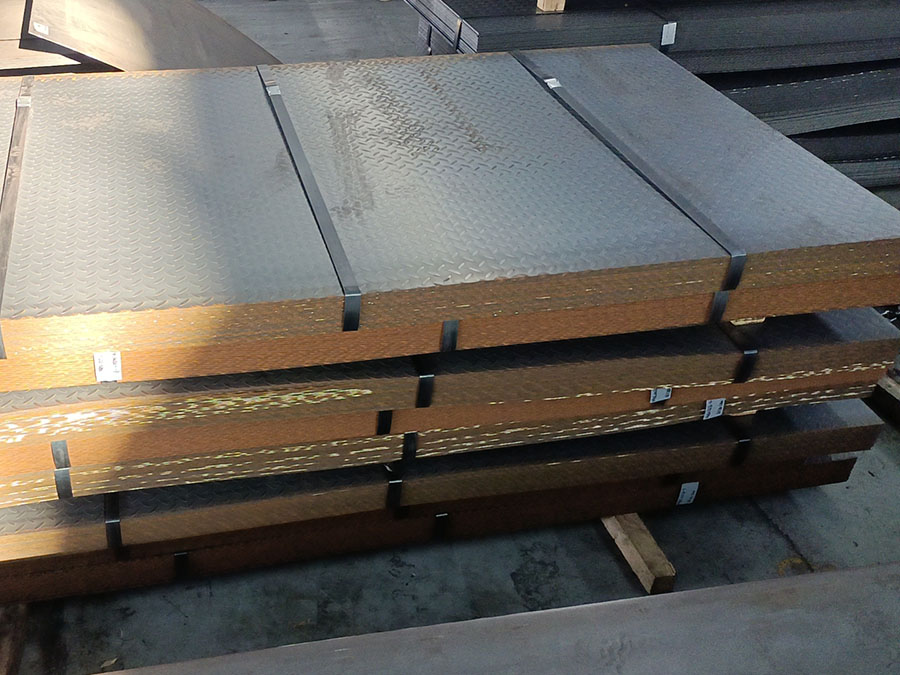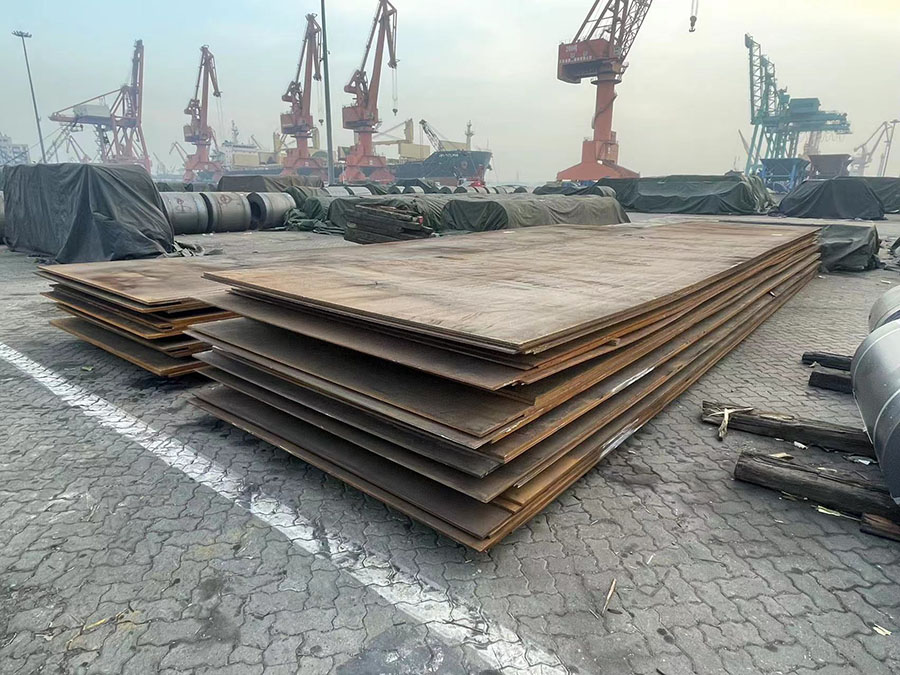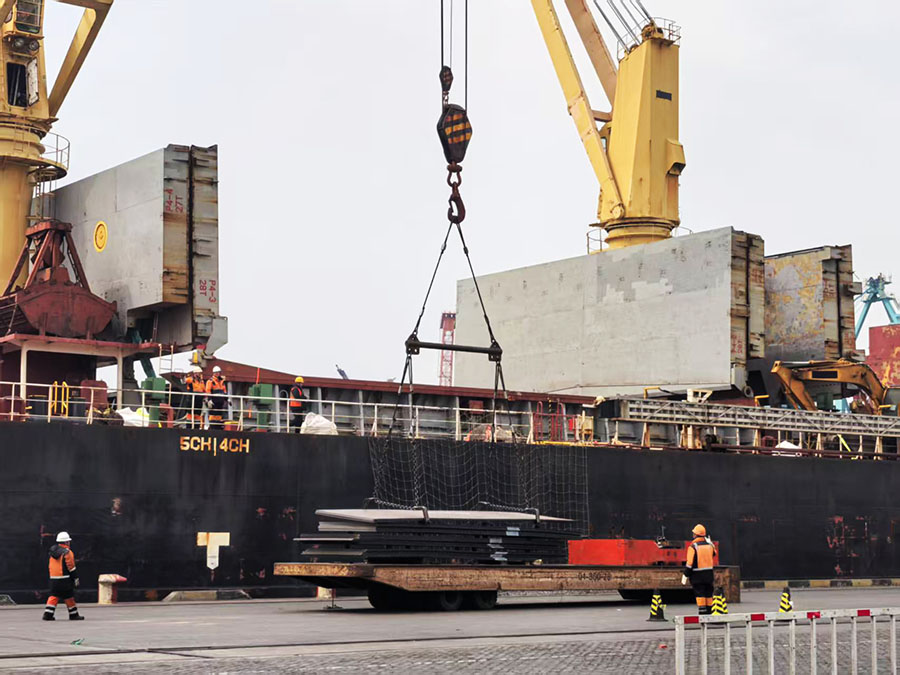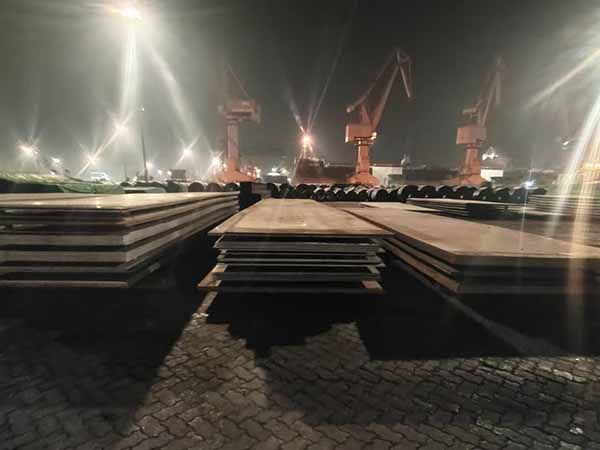
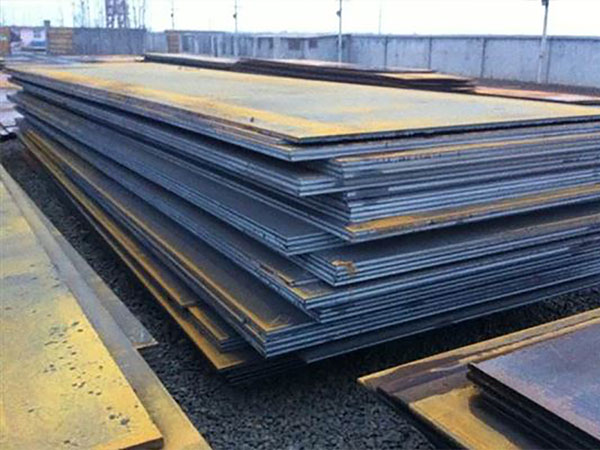
EN10025-2 S355JR steel plate, characterized by its high strength, good weldability, and cost-effectiveness, is suitable for various applications such as construction, bridges, and machinery, making it a commonly used material in global engineering projects.
Standard :
EN 10025-2Grade :
S355JRThickness :
0.8-30.0 mmLength :
800-2500 mmSpecial thickness, width, and length can be negotiated separately.
We also provide customized processing services.If you have any questions, please contact us.
EN10025-2 S355JR High-Strength Low-Alloy Steel Plate is a kind of hot-rolled structural steel plate in accordance with EN standards, with high strength and toughness, suitable for the manufacture of various machinery, engineering, mining equipment and other structural parts.
Standard and Grade Designation
Standard: EN 10025-2
This is the European standard for "Hot rolled products of structural steels - Part 2: Technical delivery conditions for non-alloy structural steels."
Grade: S355JR
"S" = Structural steel
"355" = Minimum yield strength of 355 MPa (at ≤16mm thickness)
"JR" = Impact toughness requirement at +20°C (27J min, longitudinal Charpy V-notch test)
Material Type: Non-alloy steel (but may contain small amounts of alloying elements like Mn, Si, etc.)
Delivery Condition: Typically hot-rolled (as-rolled) or normalized
The characteristics of S355JR Low Alloy High Strength Steel Plate are as follows:
1. high strength and toughness, able to withstand large loads and impacts;
2. good corrosion resistance, able to be used in harsh environments;
3. good processing properties, easy to weld and process;
4. low cost, high cost performance.
| Grade | S335JR | |||||||
| Element | C | Si | Mn | P | S | N | Cu | |
| Content (max, %) | thickness ≤ 40 mm | thickness >40 mm | ||||||
| 0.24 | 0.24 | 0.55 | 1.60 | 0.035 | 0.035 | 0.012 | 0.55 | |
Carbon Equivalent of S355JR High-strength Low-alloy Steel Plate
| Grade | Thickness (t) [mm] | CEV [max, %] |
|---|---|---|
| S355JR | t ≤ 40 | 0.40 |
| 40 < t ≤ 63 | 0.42 | |
| 63 < t ≤ 80 | 0.44 | |
| 80 < t ≤ 100 | 0.45 | |
| 100 < t ≤ 150 | 0.46 |
* The carbon equivalent value varies depending on the thickness.For detailed information, please contact us for inquiries.
* Carbon equivalent (CEV) is calculated using the International Institute of Welding (IIW) formula:
CEV = C + Mn/6 + (Cr+Mo+V)/5 + (Ni+Cu)/15
| Grade | Thickness (t) [mm] | Yield Strength (ReH) [min, MPa] | Tensile Strength (Rm) [MPa] | Elongation (A) [min, %] | Impact Energy (KV) [min] |
|---|---|---|---|---|---|
| S355JR | t ≤ 16 | 355 | 470 - 630 | 21 | 27J (at +20°C) |
| 16 < t ≤ 40 | 345 | 470 - 630 | 21 | 27J (at +20°C) | |
| 40 < t ≤ 63 | 335 | 470 - 630 | 21 | 27J (at +20°C) | |
| 63 < t ≤ 80 | 325 | 470 - 630 | 20 | 27J (at +20°C) | |
| 80 < t ≤ 100 | 315 | 470 - 630 | 20 | 27J (at +20°C) |
* The actual yield strength value decreases as the material thickness increases.
Due to its high strength, good toughness, and weldability, S355JR is widely used in:
1. Building structures: Steel frames, beams, columns, supports, etc.
2. Mechanical manufacturing: Construction machinery (cranes, excavators), equipment bases, pressure vessel shells, etc.
3. Bridges and infrastructure: Bridge components, pipeline supports, port machinery, etc.
4. Vehicle manufacturing: Truck frames, large vehicle chassis, etc.
Delivery Condition
Primary Condition: Hot-rolled (R). The steel is delivered directly after high-temperature rolling without additional heat treatment, resulting in lower costs. It is suitable for most structural applications.
Optional Condition: Normalized (N, designated as S355JN). This involves heating above Ac3, holding at temperature, and then air cooling. It refines the grain structure and improves toughness, making it suitable for low-temperature or high-stress conditions.
Surface Quality
Standard Requirements: The surface must be free from harmful defects such as cracks, scars, folds, and delamination. Minor iron oxide scale and scratches (depth ≤ 1/2 of the steel thickness tolerance) are permitted.
Surface Treatment: The steel is typically supplied with a "black skin" (hot-rolled mill surface). For rust prevention, treatments such as pickling, oiling, or galvanizing can be arranged upon negotiation.
Common problems in the use of S355JR Low Alloy High Strength Steel Plate include the following:
1. Corrosion problems: S355JR steel plates are prone to corrosion in humid, acidic and alkaline environments, so anti-corrosion measures are required.
2. Welding problems: S355JR steel plates have good welding properties, but care needs to be taken to select suitable welding methods and parameters to avoid problems such as cracks.
3. Processing problems: S355JR steel plates have high hardness and are difficult to process, requiring the selection of suitable cutting tools and processing parameters.
4. Fatigue issues: S355JR steel plates are susceptible to fatigue cracking when subjected to repeated loads over long periods of time, so fatigue life assessment and monitoring is required.
5. Temperature issues: S355JR steel plates are used in a narrow temperature range, and suitable materials need to be selected according to the specific conditions of use.
Key Considerations for Material Selection
Thickness Effect: As the thickness of the steel increases, the yield strength and impact toughness decrease (e.g., when thickness > 63mm, ReH ≥ 315MPa). It is essential to select the appropriate grade based on the actual structural thickness.
Welding Requirements: Although the steel exhibits good weldability, surface contaminants such as oil and rust must be cleaned before welding. The use of low-hydrogen electrodes (e.g., E5015) is recommended to avoid cold cracking.
Low-Temperature Applications: If the service environment temperature is below 0°C (e.g., bridges in cold regions), upgrading to S355JK (impact tested at -20°C) or S355JL (impact tested at -40°C) is necessary to prevent low-temperature brittle fracture.
Inspection Requirements: For critical structural components, manufacturers must provide a "Material Test Certificate (MTC)" to verify compliance with the chemical composition and mechanical properties specified in the EN 10025-2 standard.
Comparison with Other S355 Grades:
| Grade | Impact Test Temp. | Key Difference |
| S355JR | +20°C | Lower strength, suitable for light structures with smaller loads. |
| S355J0 | 0°C | Good toughness at room temperature, suitable for structures in non-low temperature regions. |
| S355J2 | -20°C | Better low-temperature toughness, suitable for structures in cold regions. |
| S355K2 | -20°C | Higher guaranteed impact energy (≥40J at -20°C) |
Summary
EN 10025-2 S355JR is a benchmark grade for "high-strength structural steel" in the European standard system. With its stable performance and wide range of applications, understanding its technical parameters and selection logic is key to ensuring structural safety and cost optimization.
A:
High-strength low-alloy steel plates offer excellent weldability. As their carbon content is typically low (below 0.2%), they present a lower risk of cracking during welding compared to standard high-strength steel plates and generally do not require complex preheating treatments.
A:
The key advantage of high-strength low-alloy steels is weight reduction. As they offer greater strength, thinner sheets can be used to withstand the same loads, thereby reducing the overall weight of the structure; in the automotive sector, this leads to improved fuel efficiency.
A:
High-strength low-alloy steel (HSLA) is a type of steel in which small amounts of alloying elements (such as niobium, vanadium, titanium or copper) are added to enhance its mechanical properties. Compared to traditional carbon steel, it offers higher yield strength and better corrosion resistance whilst maintaining good weldability and formability.
– We offer free samples and bespoke solutions. Please feel free to enquire about our latest prices and volume discounts.
Yuxin Steel provides high-quality steel products to customers in more than 20 countries worldwide.
Contact Info
Would you like to know more about our offers? Please feel free to contact us.