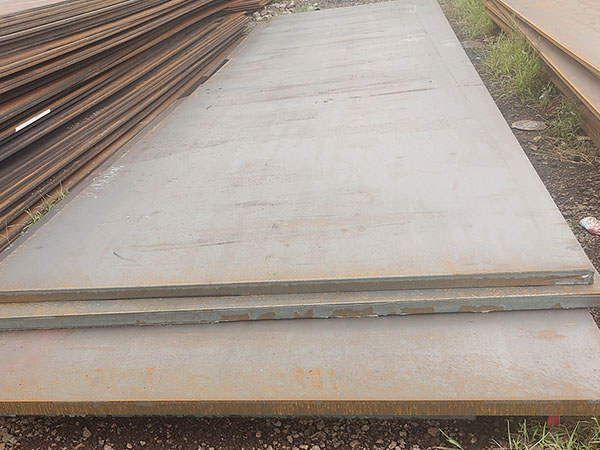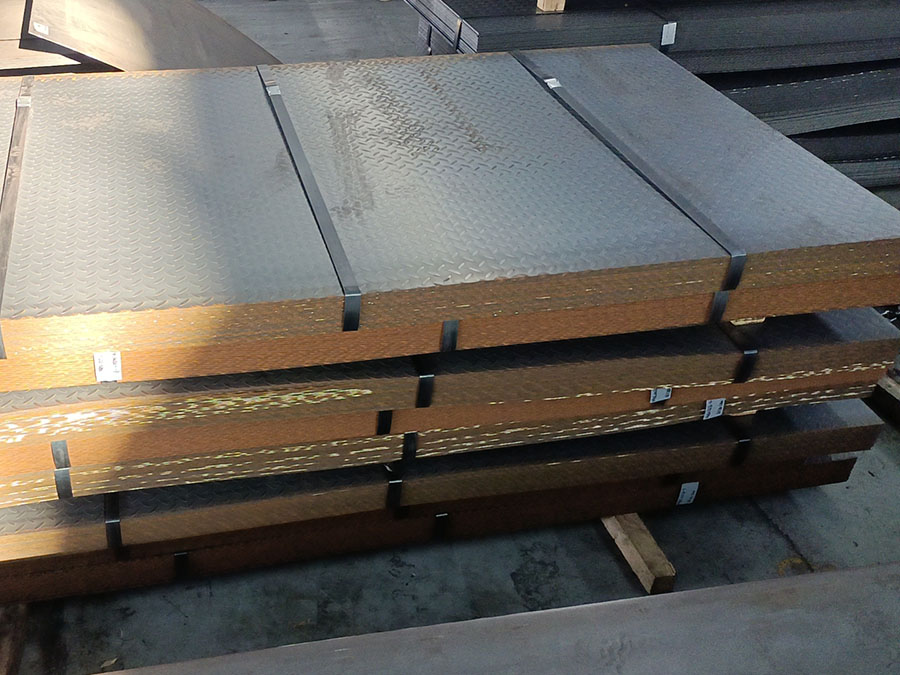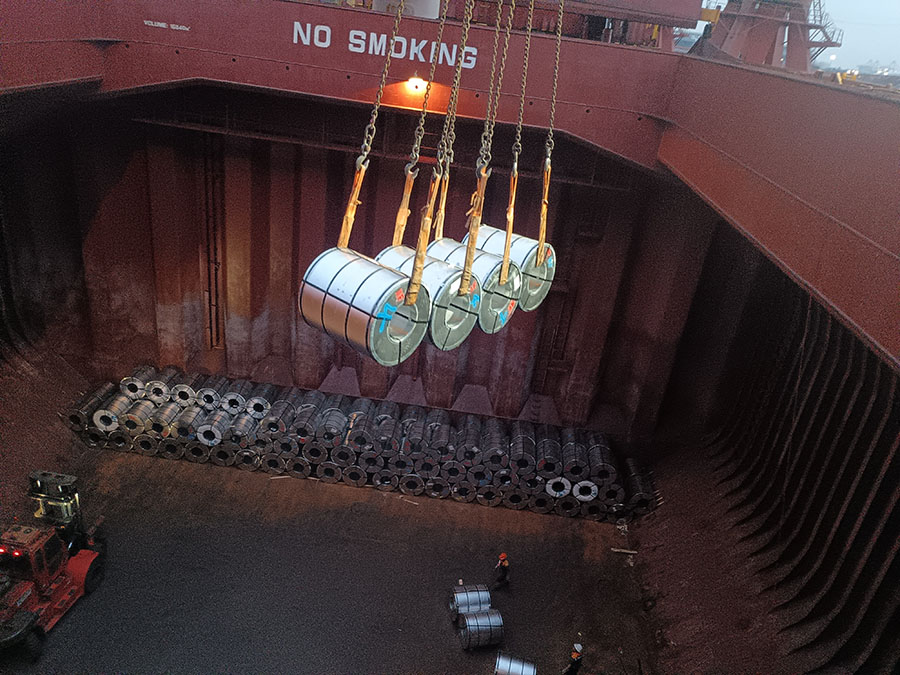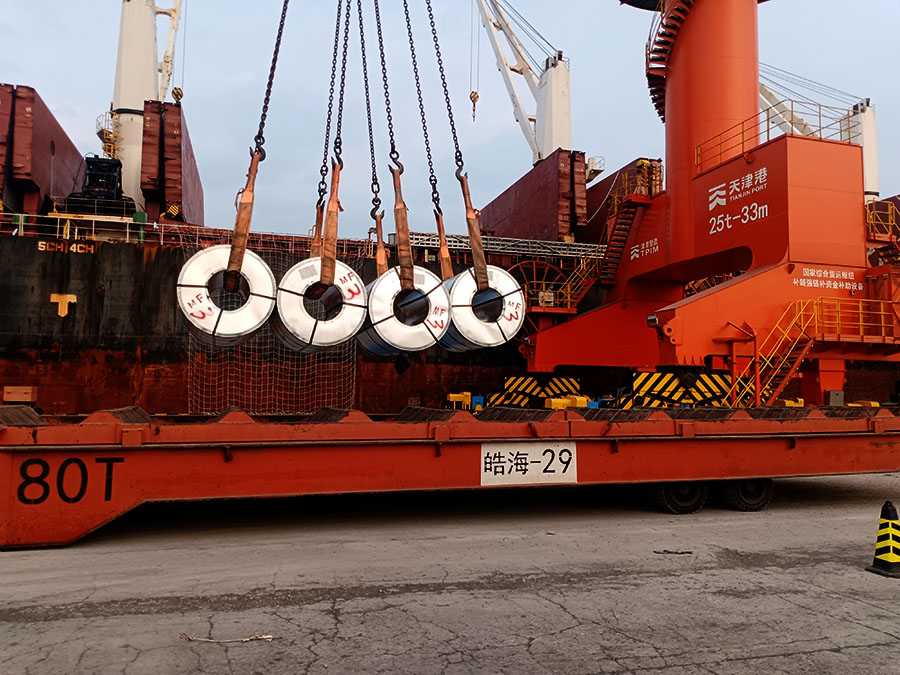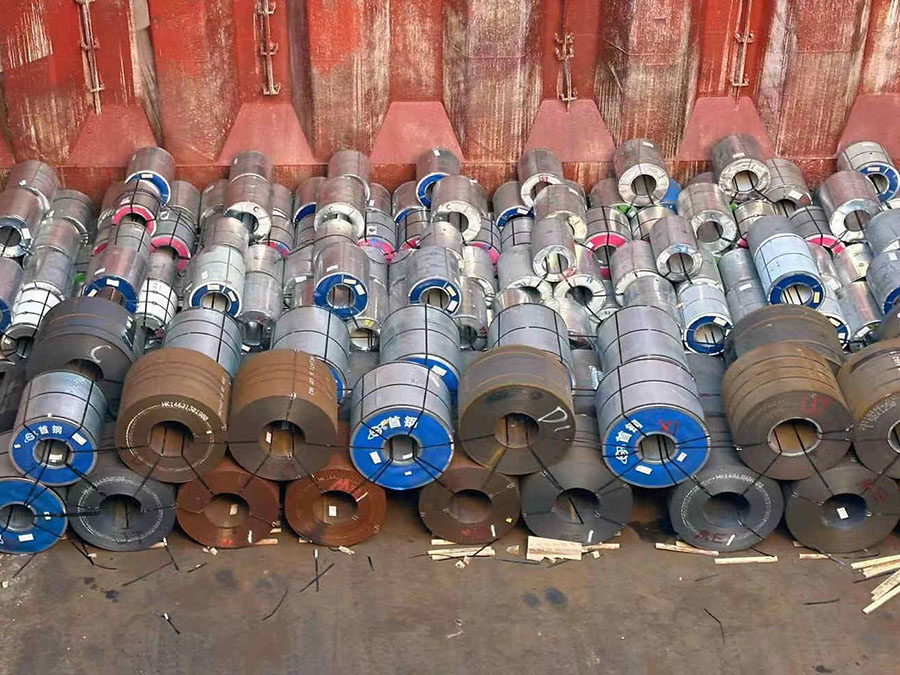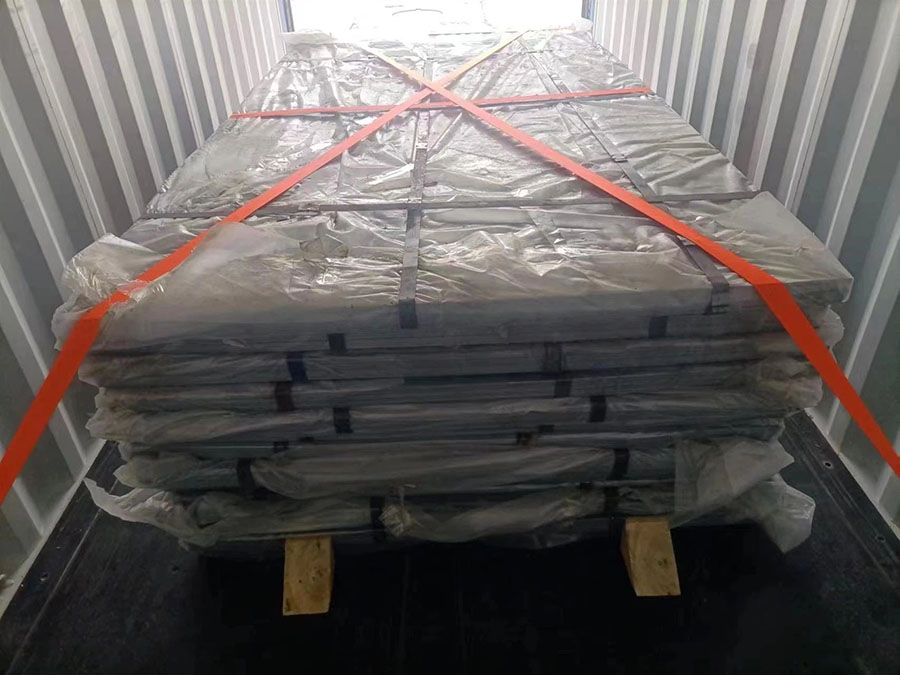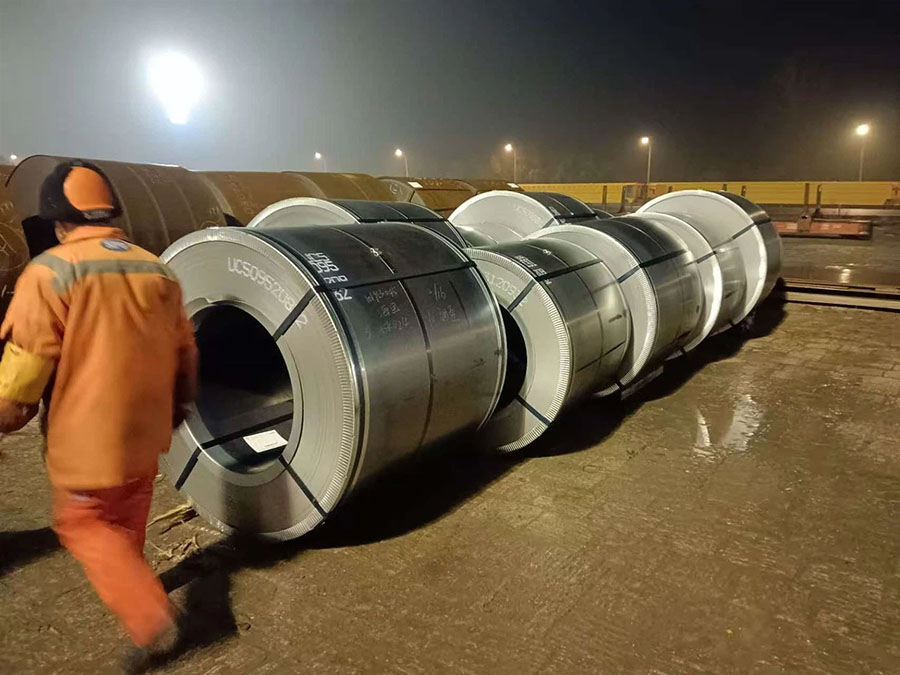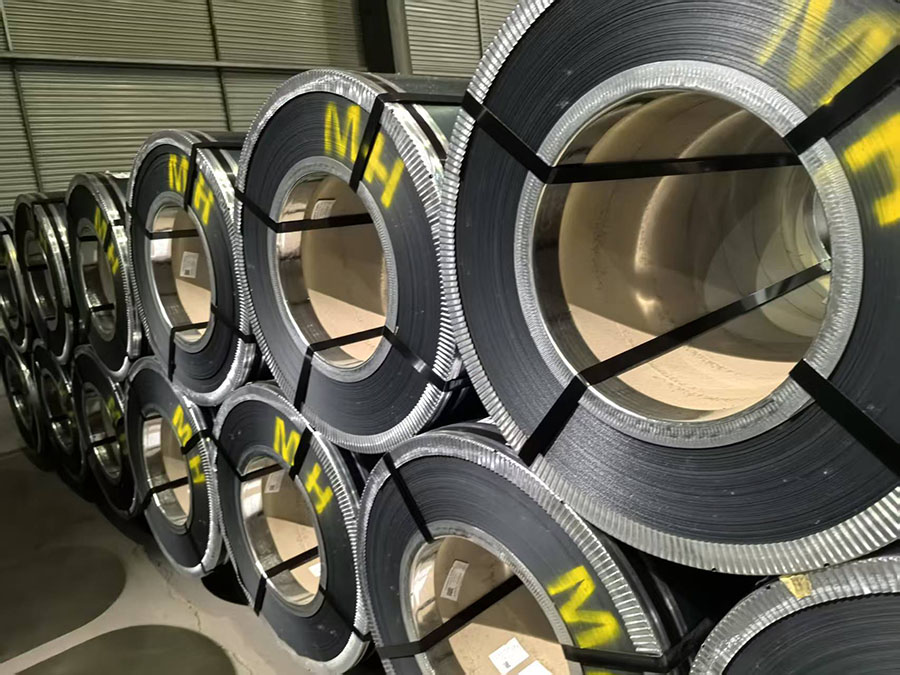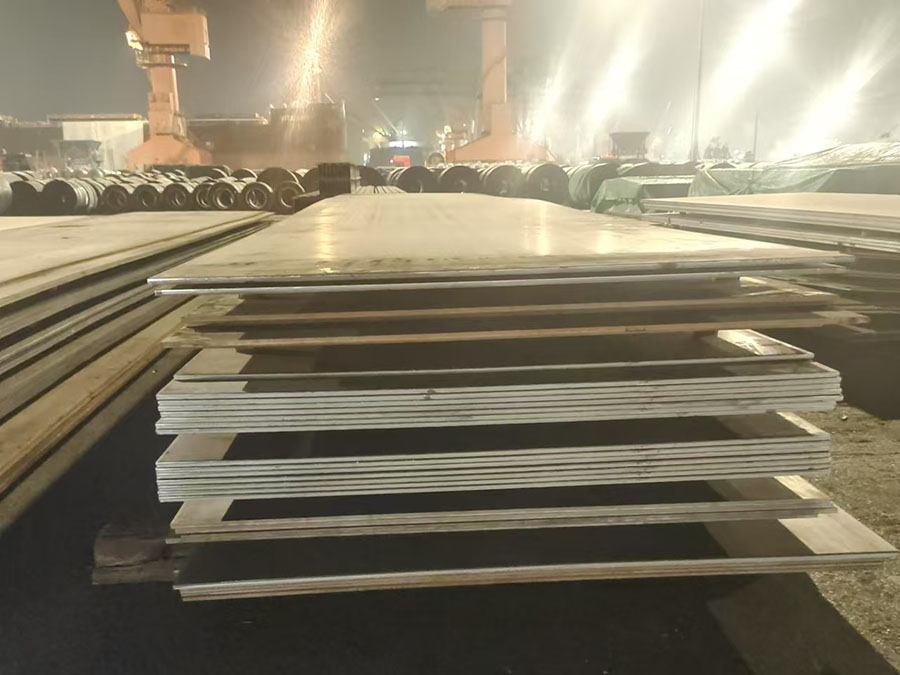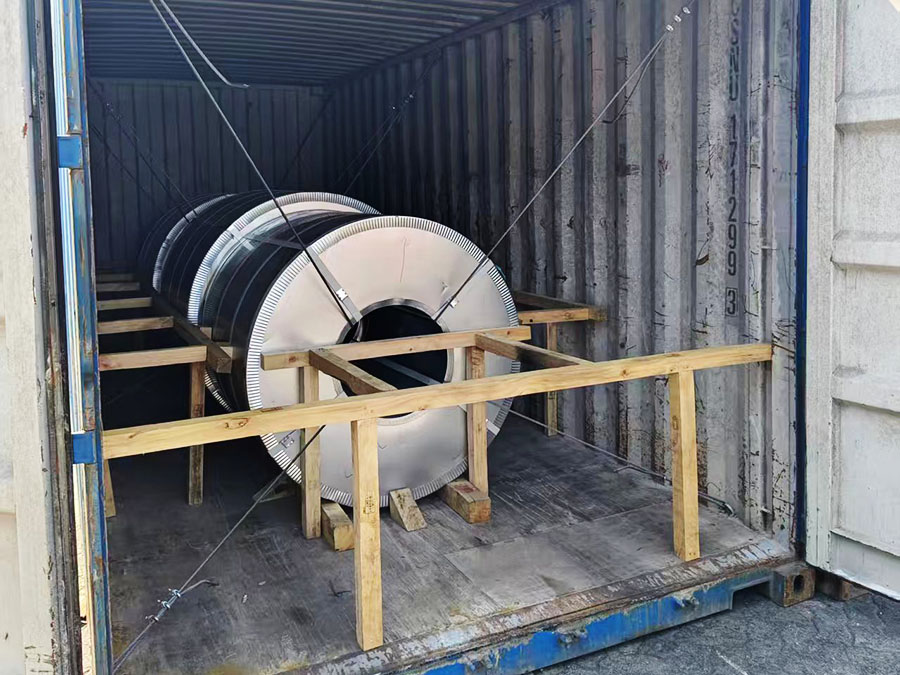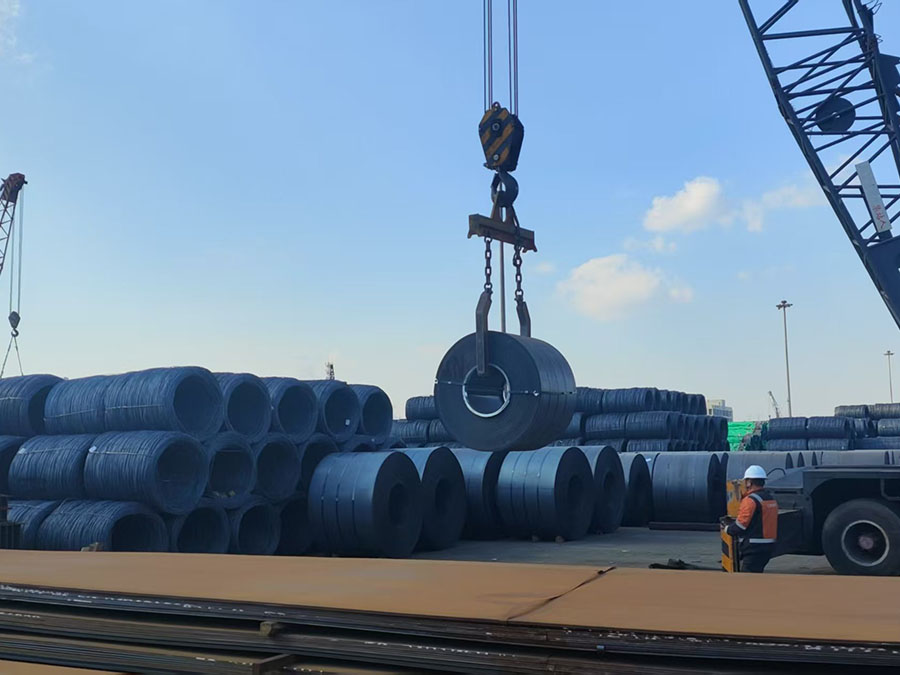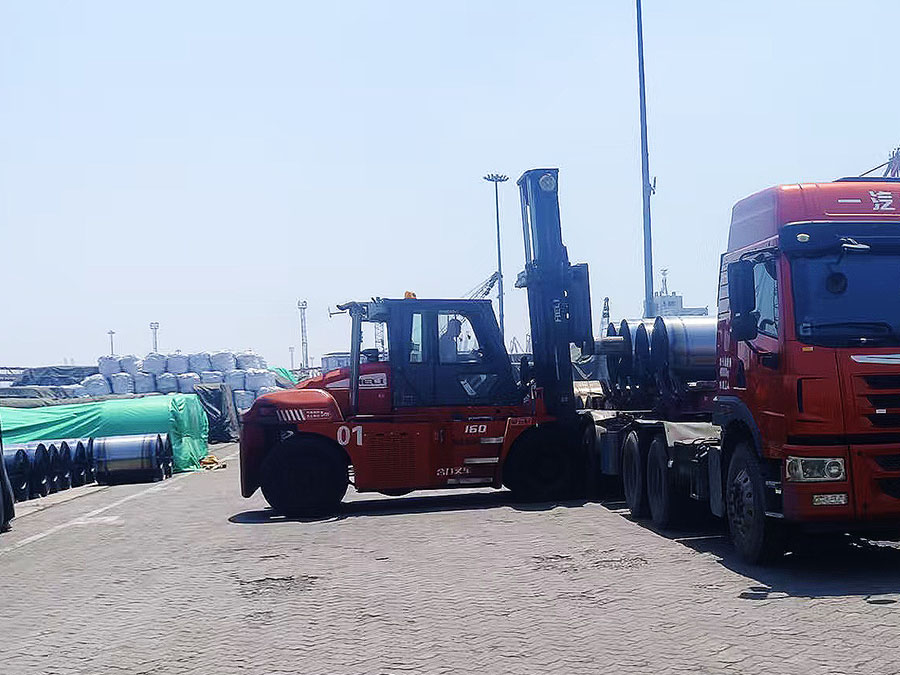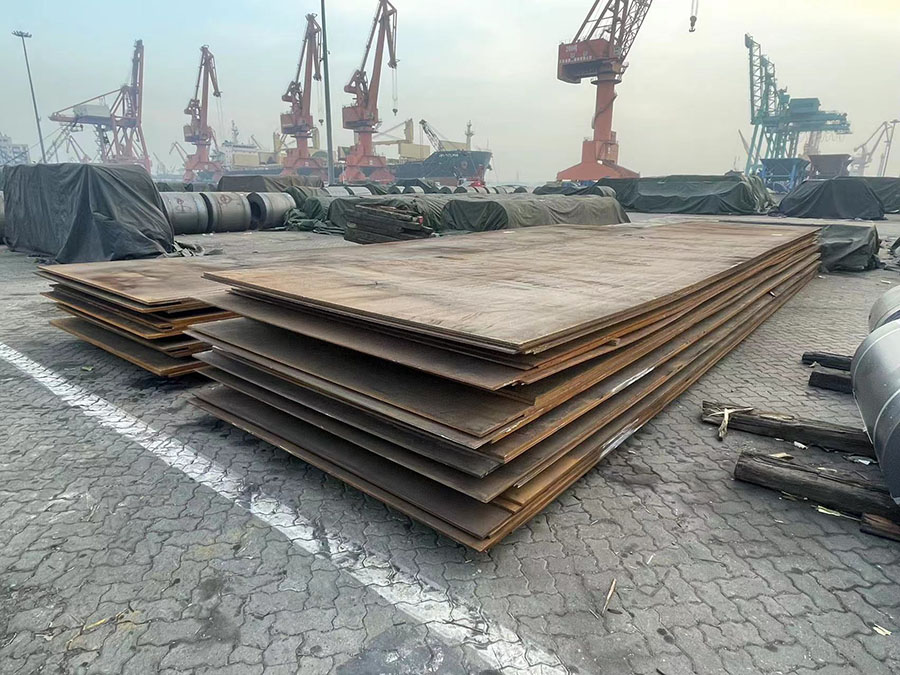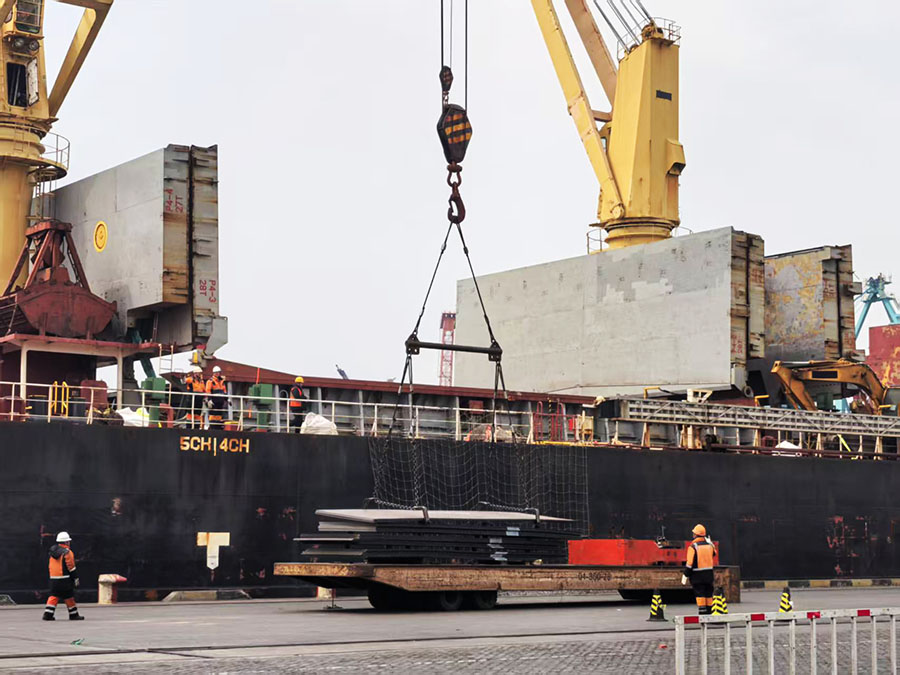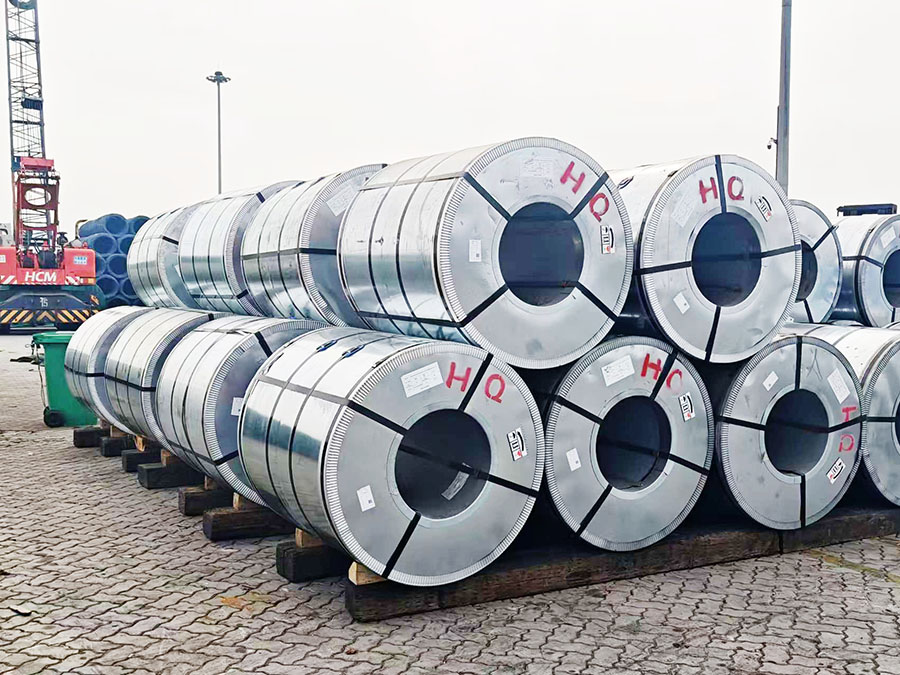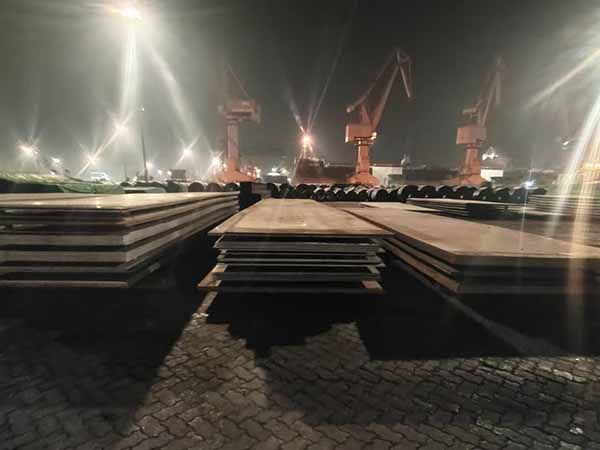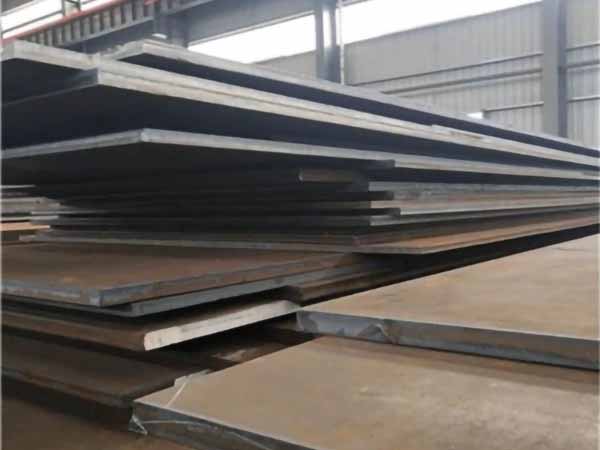
EN 10025-4 S420ML is a thermomechanically rolled, notch-tough, fine-grained structural steel designed for use in low-temperature environments.
Standard :
EN 10025-4Grade :
S420MLThickness :
0.8-30.0 mmWidth :
800-2500 mmLength :
3000-12000 mmSpecial thickness, width, and length can be negotiated separately.
We also provide customized processing services.If you have any questions, please contact us.
EN 10025-4 S420M is a European standard for thermomechanically rolled fine grain structural steels with improved toughness in the normalized delivery condition. The "M" stands for "Thermomechanically rolled," which is a specific controlled rolling process.
This material is known for its high strength and excellent toughness, even in thicker sections, making it ideal for highly stressed components in demanding environments.
Standard and Grade Designation
The standard EN 10025-4:2019 is titled "Hot rolled products of structural steels - Part 4: Technical delivery conditions for thermomechanical rolled weldable fine grain structural steels."
Breakdown of the Designation
EN 10025: The European standard for hot-rolled structural steel products.
-4: The specific part of the standard covering thermomechanically rolled steels.
S420: The letter 'S' stands for "Structural" steel. The number '420' indicates the minimum specified yield strength in MPa (Megapascals) for thicknesses ≤ 16mm. So, this steel has a minimum yield strength of 420 MPa.
Note: The yield strength decreases slightly with increasing material thickness.
M: Delivery condition is Thermomechanical Rolling. This is a controlled rolling process that refines the grain structure, increasing strength and toughness without requiring as much alloying content (like carbon), which improves weldability.
L: This signifies that the steel is suitable for low-temperature applications. It has guaranteed impact energy (toughness) at low temperatures.
The composition is carefully controlled to achieve the desired mechanical properties and weldability.
| Element | Typical / Maximum Value (%) | Purpose / Note |
|---|---|---|
| C | ≤ 0.12 | Low Carbon for good weldability and formability. |
| Si | ≤ 0.50 | Deoxidizer and strength agent. |
| Mn | ≤ 1.60 | Increases strength and toughness. Works in synergy with the thermomechanical process. |
| P | ≤ 0.025 | Low Phosphorus to improve toughness. |
| S | ≤ 0.015 | Very Low Sulphur to improve formability and through-thickness properties. |
| Nb | ≤ 0.05 | Micro-alloying element. Key for grain refinement during thermomechanical rolling. |
| V | ≤ 0.10 | Micro-alloying element. Contributes to precipitation strengthening. |
| Ti | ≤ 0.05 | Micro-alloying element. Helps with grain refinement and nitride formation. |
| Cu | ≤ 0.55 | Improves atmospheric corrosion resistance. |
| N | ≤ 0.015 | Controlled to prevent aging and brittleness. |
| CEV | ≤ 0.42 (for t ≤ 50mm) | Carbon Equivalent Value. A calculated value (based on C, Mn, Cr, Mo, V, Ni, Cu) that predicts weldability. A lower CEV means easier welding with a lower risk of cracking. |
The values depend on the product form (sheet, plate, section) and thickness. The following is for flat products (plates):
| Thickness (t) [mm] | Yield Strength (ReH) [min, MPa] | Tensile Strength (Rm) [MPa] | Elongation (A) [min, %] |
|---|---|---|---|
| t ≤ 16 | 420 | 500 - 640 | 18 |
| 16 < t ≤ 40 | 400 | 480 - 620 | 18 |
| 40 < t ≤ 63 | 390 | 470 - 610 | 18 |
| 63 < t ≤ 80 | 380 | 460 - 600 | 18 |
| 80 < t ≤ 100 | 370 | 450 - 590 | 18 |
| 100 < t ≤ 150 | 360 | 440 - 580 | 17 |
Impact Toughness (The Most Important Feature for 'L' grades)
This is the core reason for specifying S420ML. The steel is tested using the Charpy V-notch impact test at -50°C (-58°F).
Minimum Average Impact Energy: 27 Joules for longitudinal test pieces.
Test Temperature: -50°C
This guaranteed toughness at extremely low temperatures makes it resistant to brittle fracture, which is critical for structures in cold climates or subjected to cryogenic temperatures.
EN10025-4 S420ML High-strength Low-alloy (HSLA) Steel Plate is used in critical structures where a combination of high strength, excellent weldability, and superior toughness at low temperatures is required. Typical applications include:
1. Offshore structures (oil & gas platforms, wind turbine monopiles and transition pieces)
2. Heavy-duty mining and excavation equipment
3. Lifting equipment and cranes
4. Pressure vessels and storage tanks for low-temperature services
5. Bridges and construction in cold climates (e.g., Arctic regions)
6. Any highly stressed component where weight savings are important
Important Note on Welding and Fabrication
While S420ML has excellent weldability due to its low carbon equivalent, it is crucial to follow appropriate welding procedures (WPS) to preserve its mechanical properties, especially the impact toughness in the Heat-Affected Zone (HAZ). The thermomechanical rolling process creates a specific microstructure that can be altered by excessive heat input during welding.
Comparison with Other Grades
S420ML vs. S355J2: S420ML has a higher yield strength (420 vs. 355 MPa) and is qualified for much lower service temperatures (-50°C vs. -20°C).
S420ML vs. S460ML: S460ML has an even higher yield strength (460 MPa) but may have slightly different toughness or welding requirements. They are part of the same family.
"L" vs. "N" and "Q": An N grade is qualified for impact at -20°C, and an L grade for -50°C. A Q grade indicates Quenched and Tempered, a different process from Thermomechanical Rolling (M).
In summary: EN 10025-4 S420ML is a high-strength, thermomechanically rolled structural steel specifically engineered for use in low-temperature environments down to -50°C. Its key advantages are its excellent toughness at these temperatures combined with good weldability, making it a prime choice for critical and safety-heavy applications in the energy, marine, and heavy machinery sectors.
A:
High-strength low-alloy steel plates offer excellent weldability. As their carbon content is typically low (below 0.2%), they present a lower risk of cracking during welding compared to standard high-strength steel plates and generally do not require complex preheating treatments.
A:
The key advantage of high-strength low-alloy steels is weight reduction. As they offer greater strength, thinner sheets can be used to withstand the same loads, thereby reducing the overall weight of the structure; in the automotive sector, this leads to improved fuel efficiency.
A:
High-strength low-alloy steel (HSLA) is a type of steel in which small amounts of alloying elements (such as niobium, vanadium, titanium or copper) are added to enhance its mechanical properties. Compared to traditional carbon steel, it offers higher yield strength and better corrosion resistance whilst maintaining good weldability and formability.
– We offer free samples and bespoke solutions. Please feel free to enquire about our latest prices and volume discounts.
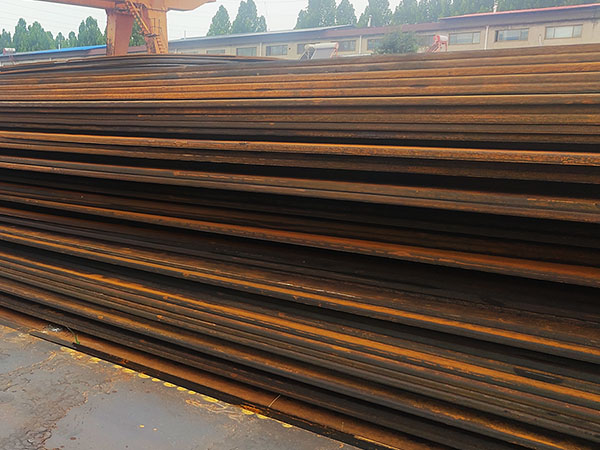
Yuxin Steel provides high-quality steel products to customers in more than 20 countries worldwide.
Contact Info
Would you like to know more about our offers? Please feel free to contact us.