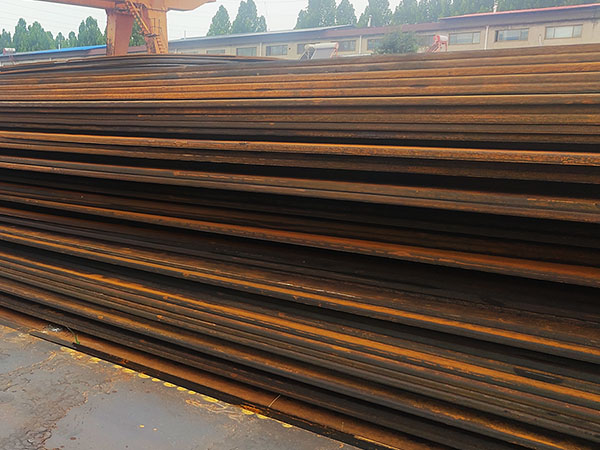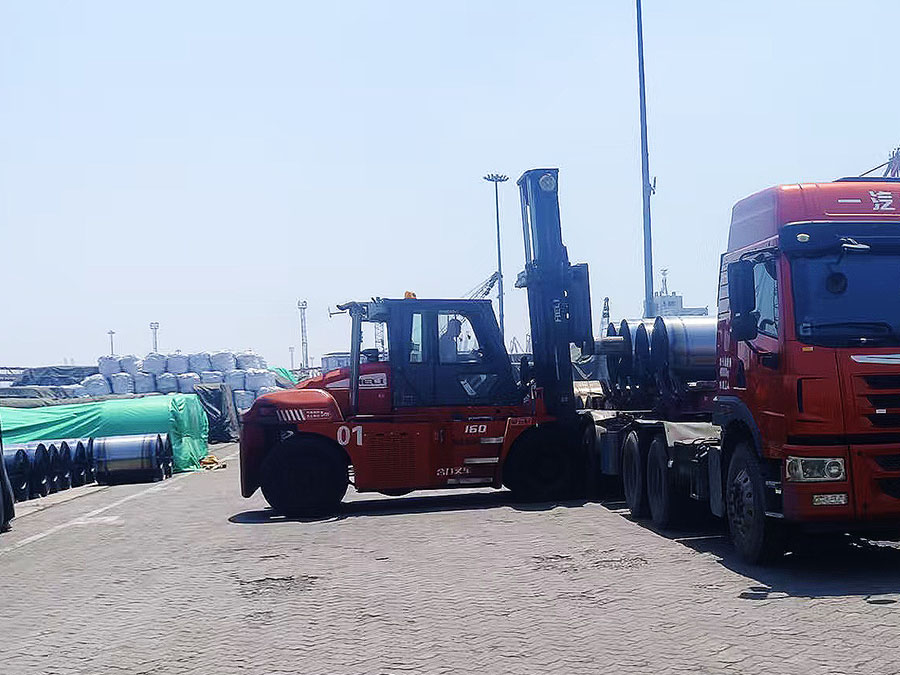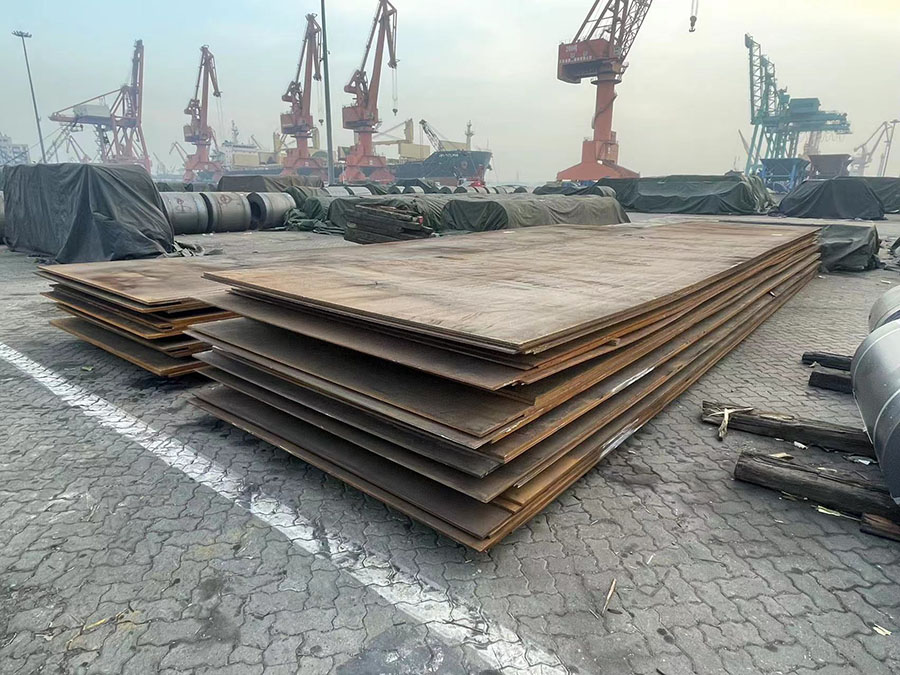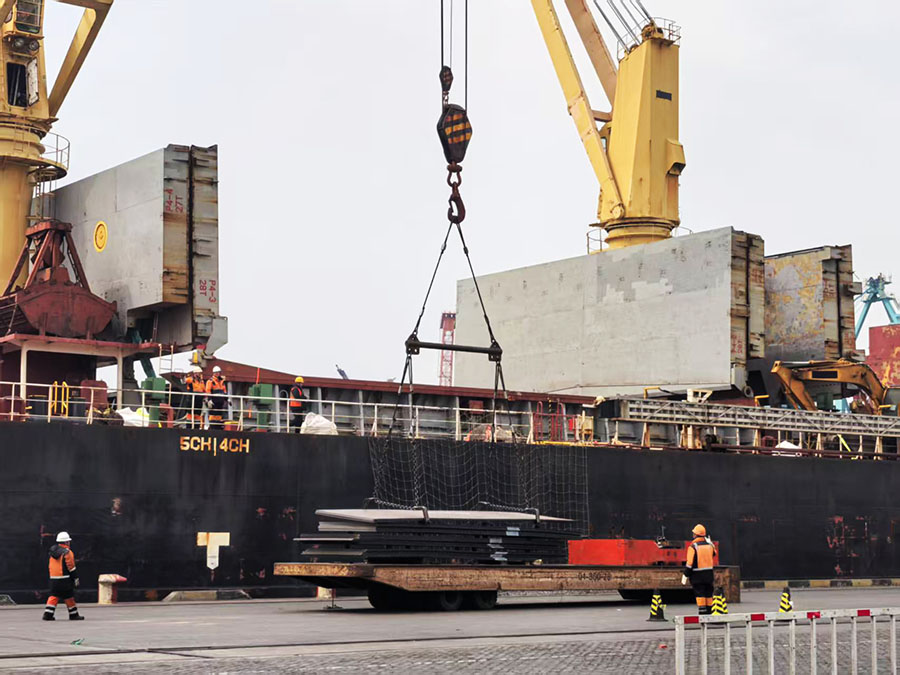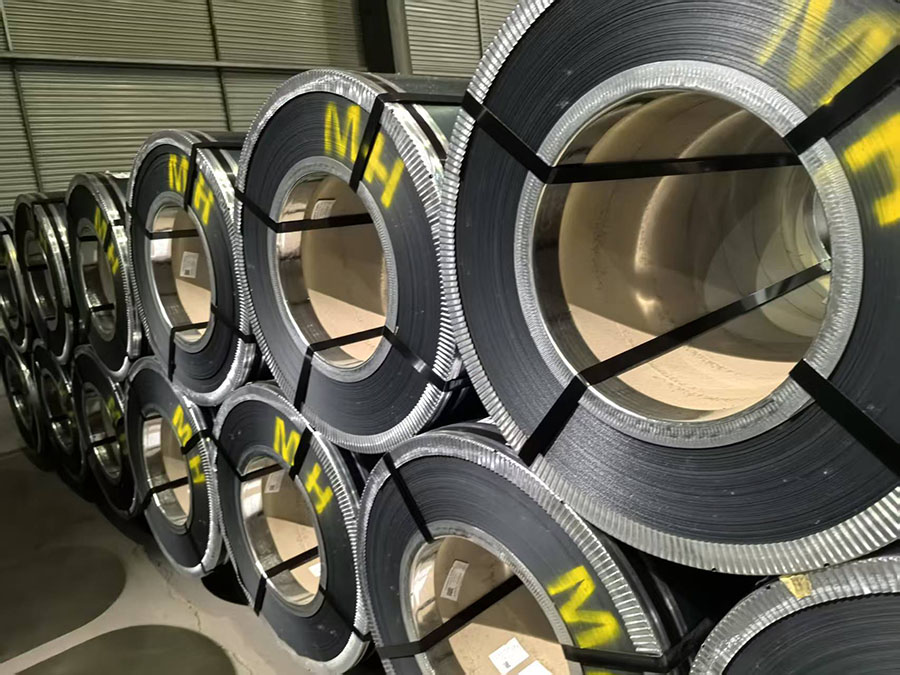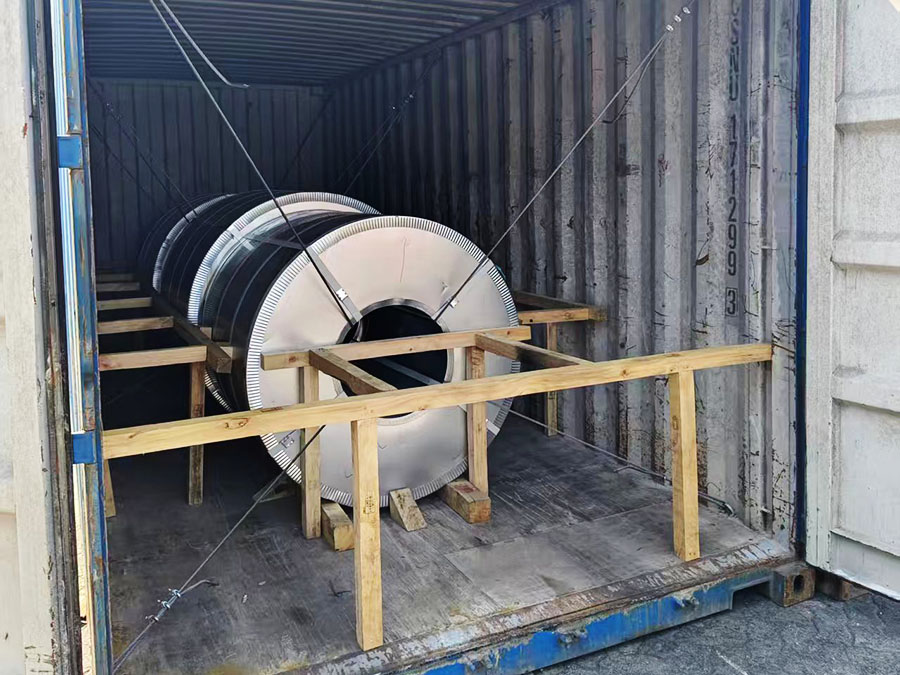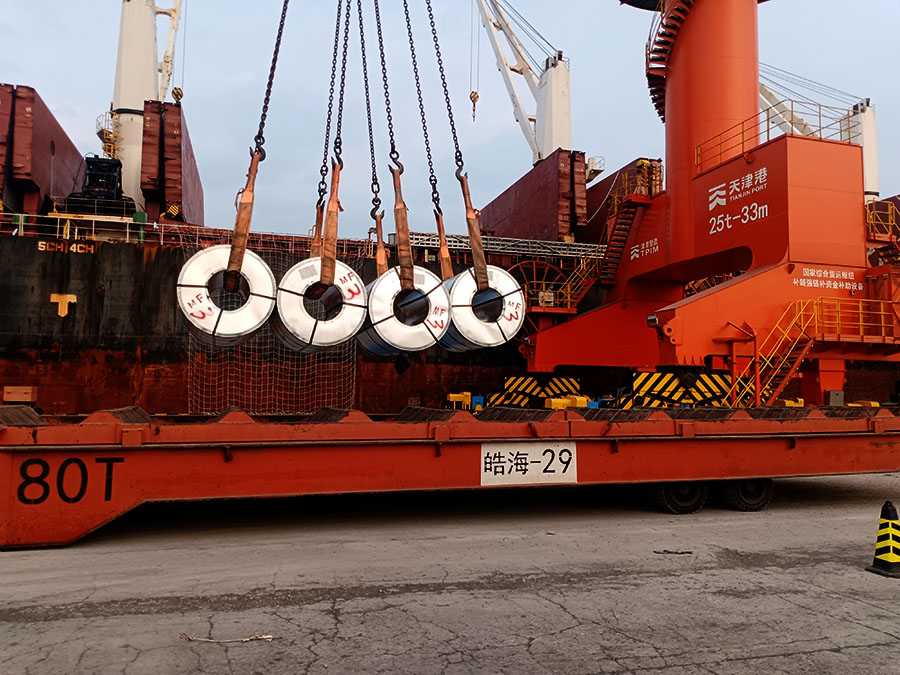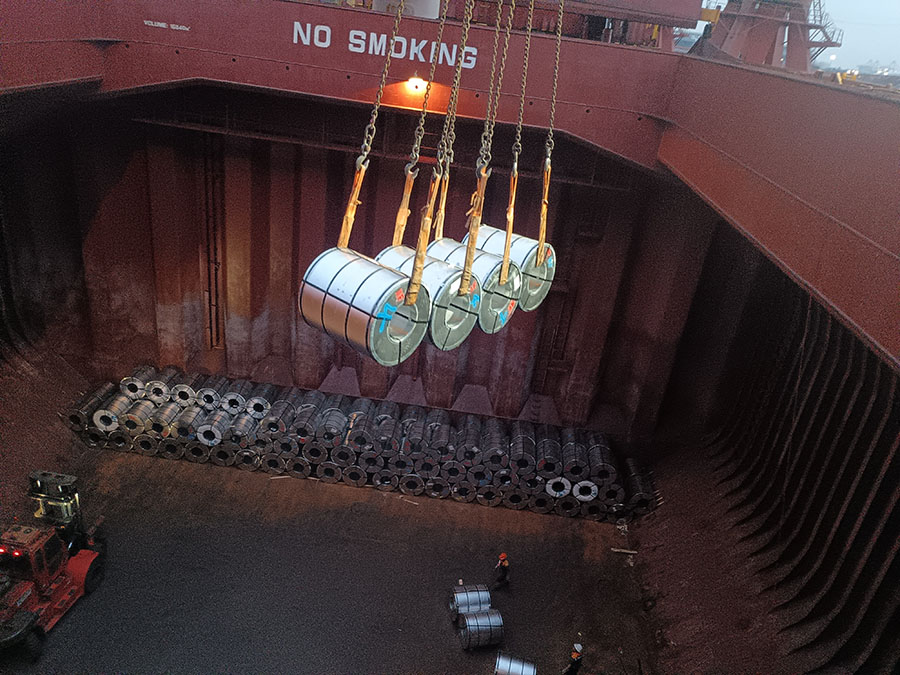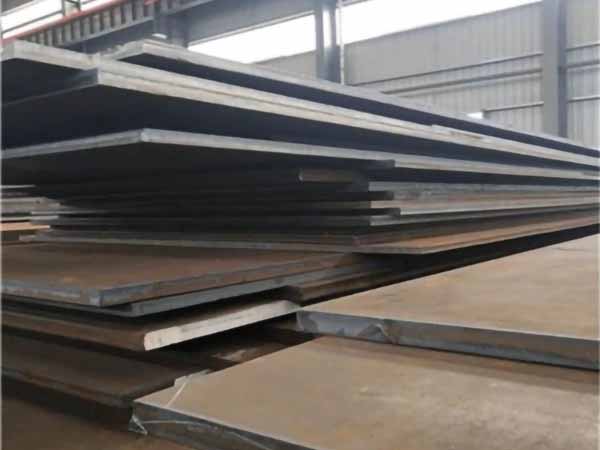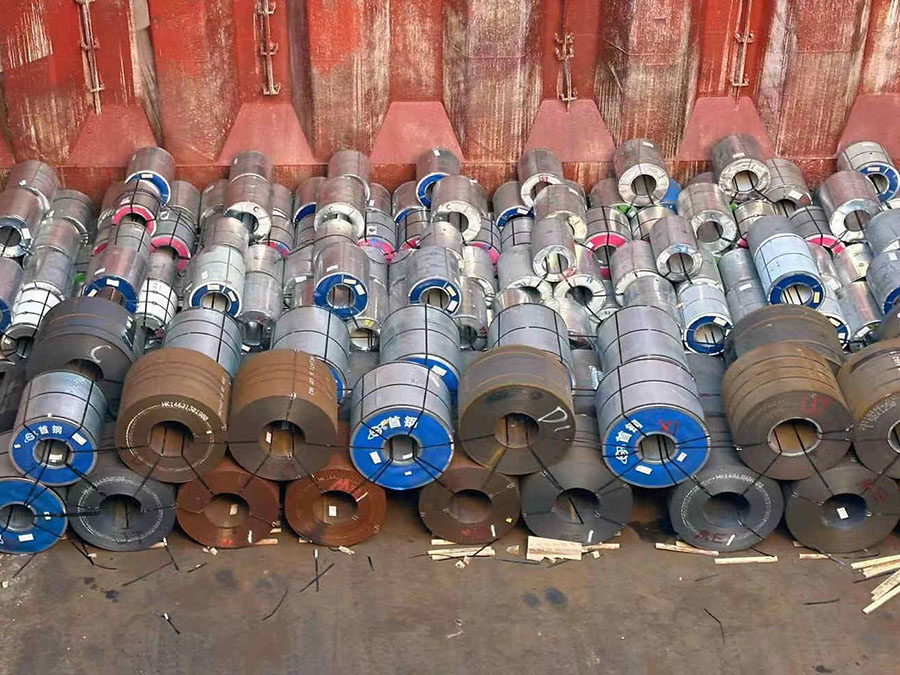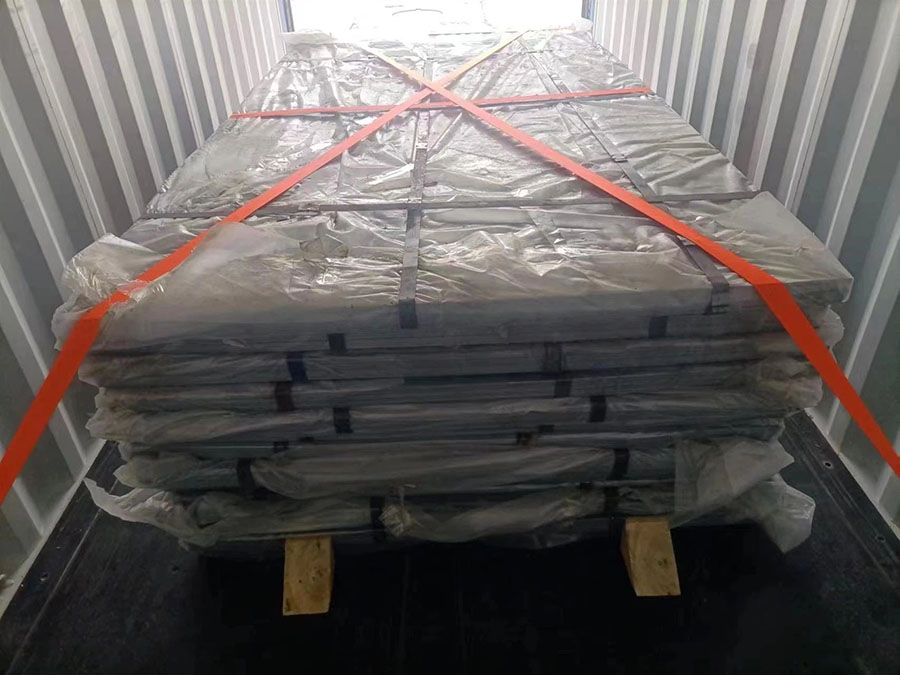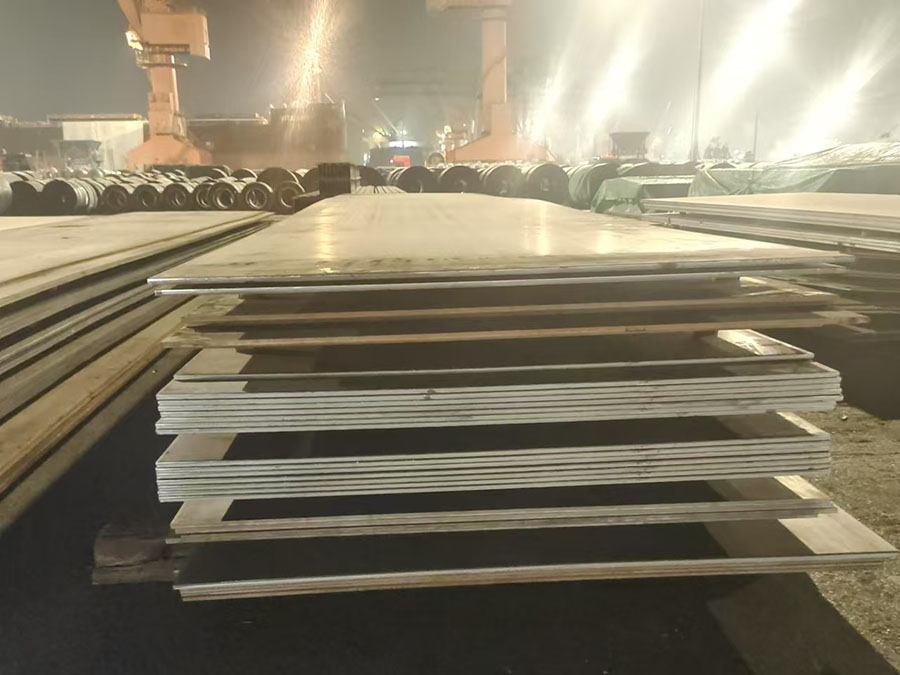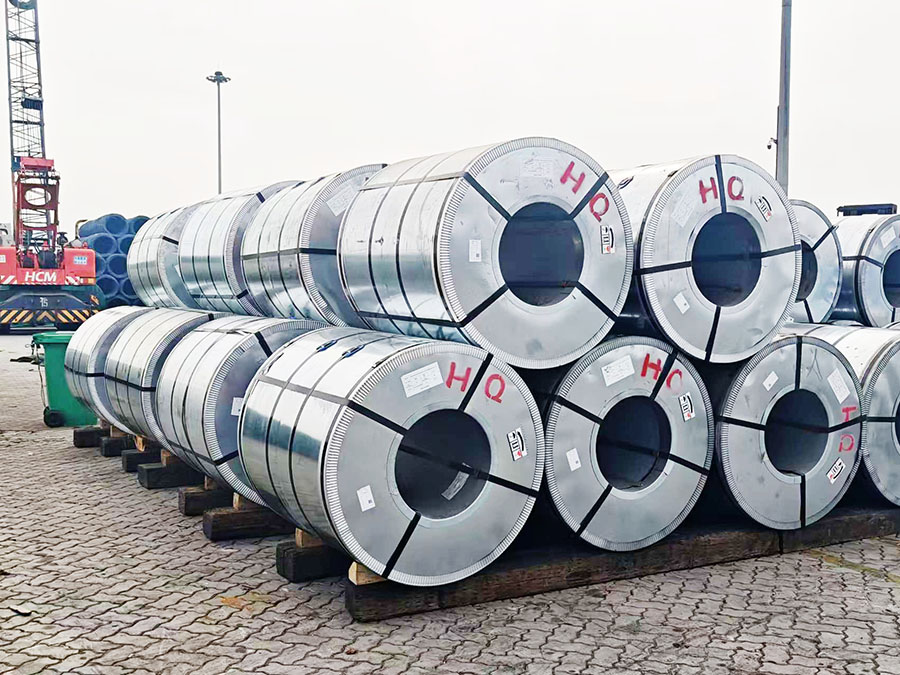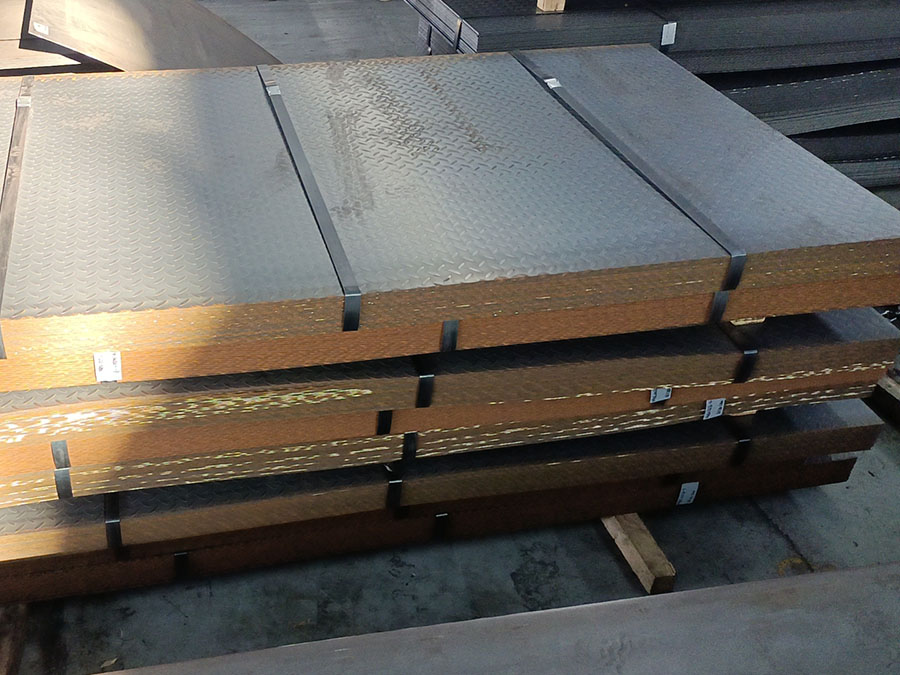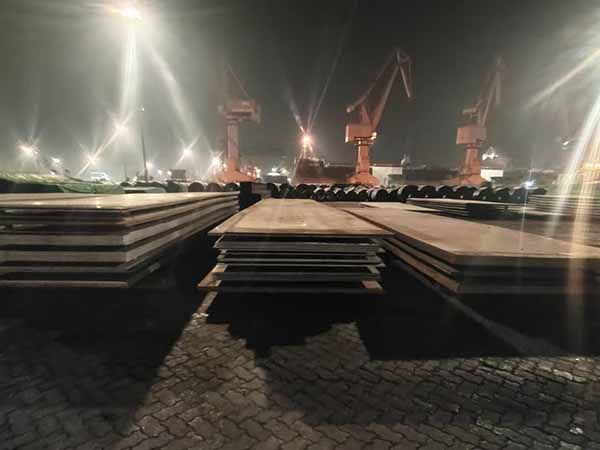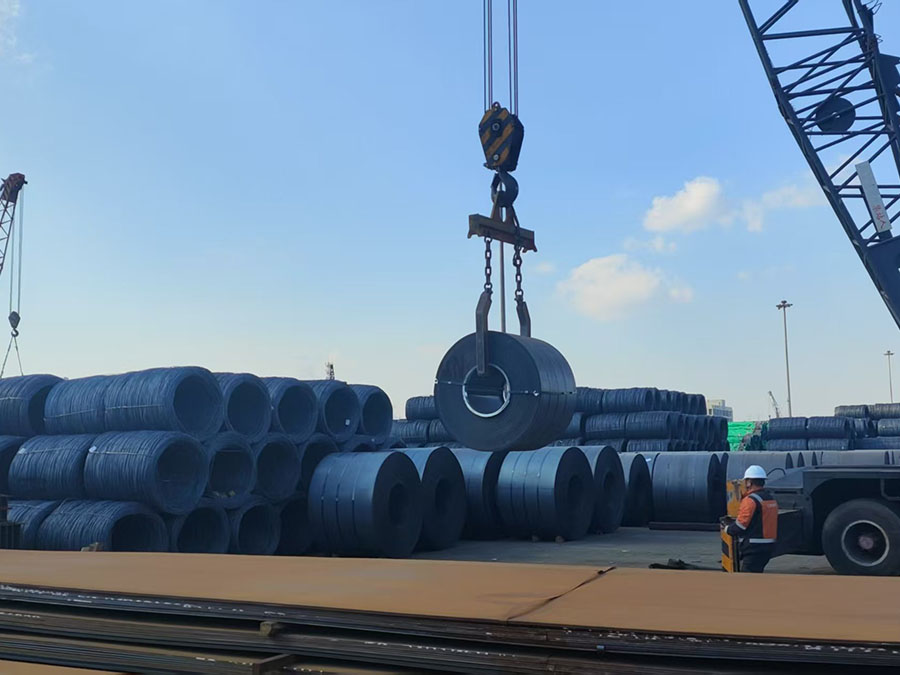
EN 10025-4 S420M is a low-alloy high-strength structural steel that complies with European standards and is widely used in various engineering fields.
Standard :
EN10025-4Grade :
S420MThickness :
0.8-30.0 mmWidth :
800-2500 mmLength :
3000-12000 mmSpecial thickness, width, and length can be negotiated separately.
We also provide customized processing services.If you have any questions, please contact us.
EN 10025-4 S420M is a European standard for thermomechanically rolled fine grain structural steels with improved toughness in the normalized delivery condition. The "M" stands for "Thermomechanically rolled," which is a specific controlled rolling process.
This material is known for its high strength and excellent toughness, even in thicker sections, making it ideal for highly stressed components in demanding environments.
Standard and Grade Designation
EN 10025: The overarching European standard for "Hot rolled products of structural steels".
-4: Part 4 of the standard, which covers "Technical delivery conditions for thermomechanically rolled weldable fine grain structural steels".
S: Stands for "Structural" steel.
420: Indicates the minimum yield strength at thicknesses ≤ 16 mm. The number 420 means a minimum yield strength of 420 MPa.
M: Denotes that the material was delivered in the Thermomechanically rolled condition.
Manufacturing Process: Thermomechanical Rolling (M)
This is a controlled rolling process that involves precise deformation at specific temperatures. This refines the grain structure of the steel, significantly enhancing its mechanical properties (like yield strength and toughness) without requiring a subsequent heat treatment. This makes it stronger and tougher than normalized steels (denoted by N).
The composition is carefully controlled to achieve the fine grain structure and good weldability. Key elements include low carbon and carbon equivalent (CEV).
| Element | Typical Max % | Notes |
| C | 0.12 | Low carbon for good weldability. |
| Si | 0.50 | |
| Mn | 1.60 | Contributes to strength and hardenability. |
| P | 0.025 | Low impurity levels to improve toughness. |
| S | 0.015 | Low impurity levels to improve toughness. |
| CEV | ~0.42 | Carbon Equivalent Value (max). A key indicator of weldability. The lower the better. |
The minimum values vary with product thickness. Thinner sections have higher yield and tensile strength.
| Product Thickness (t) [mm] | Yield Strength (ReH) [min, MPa] | Tensile Strength (Rm) [MPa] | Elongation (A) [min, %] |
| t ≤ 16 | 420 | 500 - 640 | 18 |
| 16 < t ≤ 40 | 400 | 480 - 630 | 18 |
| 40 < t ≤ 63 | 380 | 470 - 620 | 18 |
| 63 < t ≤ 80 | 360 | 460 - 610 | 18 |
| 80 < t ≤ 100 | 340 | 450 - 600 | 18 |
| 100 < t ≤ 150 | 330 | 440 - 590 | 18 |
Impact Toughness:
This is a major feature of S420M. It is tested at -20°C.
The minimum Charpy V-Notch (KV) impact energy is 40 Joules.
This makes it suitable for structures subject to dynamic loads and cold environments, as it resists brittle fracture.
EN 10025-4 S420M High-strength Low-alloy (HSLA) Steel Plate is used in critical structures where high strength, good weldability, and exceptional low-temperature toughness are required. Typical applications include:
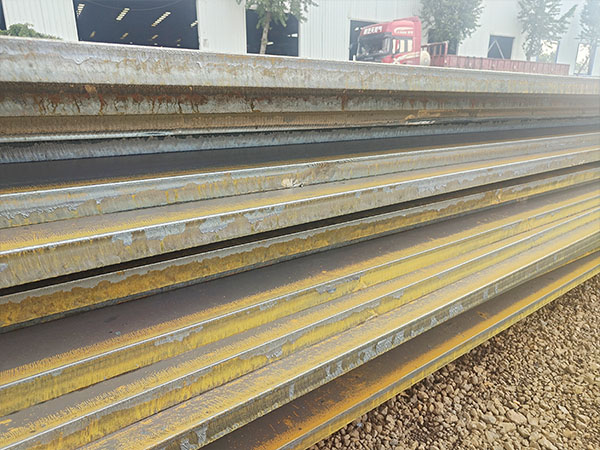
1. Heavy-duty construction equipment: Booms, arms, and frames for excavators and cranes.
2. Mining equipment: Chassis, buckets, and support structures.
3. Offshore and marine structures: Components that face Arctic or cold ocean environments.
4. Wind turbine towers: Especially in cold climates.
5. Pressure vessels and penstocks for high-strength requirements.
6. Lifting equipment and commercial vehicle frames.
Delivery Condition: Thermomechanical Rolling (TMCP)
This is the defining process for S420M. Instead of using heat treatment (like normalizing or quenching & tempering) to achieve its properties, the steel gets its microstructure and mechanical properties from a carefully controlled hot-rolling process with specific temperature ranges and deformation levels.
Advantages of TMCP:
Finer Grain Size: Results in higher strength and better toughness.
Good Weldability: Lower carbon equivalent (CEV) compared to normalized steels of the same strength.
Cost-Effective: Eliminates the need for a separate heat treatment step after rolling.
Welding and Fabrication
Weldability: Generally good due to its low Carbon Equivalent (CEV). The typical CEV for S420M is around 0.40-0.45%, but this must be calculated for each heat.
Precautions: Standard welding procedures for high-strength fine-grained steels apply. It is crucial to use matching strength welding consumables (e.g., classified under EN ISO 16834-A). Pre-heating might be necessary, especially for thicker sections and in cold environments, to prevent hydrogen-induced cold cracking. Always follow a qualified welding procedure.
Comparison with Similar Grades
S420M vs. S355J2 (+N): S420M is significantly stronger (420 vs. 355 MPa yield) and has better impact toughness tested at a lower temperature (-20°C vs. -20°C for J2, but S420M typically has higher absorbed energy values). The thermomechanical process gives it superior properties.
S420M vs. S420ML: The L stands for "Low temperature". S420ML has even stricter toughness requirements, tested at -50°C, making it suitable for Arctic conditions or critical applications.
S420M vs. S690Q/QL (Quenched & Tempered): Q&T steels are even higher strength (690 MPa yield) but are more expensive and require more careful welding procedures. S420M offers a great balance of high strength and good manufacturability.
In summary, EN 10025-4 S420M is a high-strength low-alloy steel delivered in thermomechanically rolled condition, offering strength, weldability, and excellent impact toughness at temperatures above -20°C.
A:
High-strength low-alloy steel plates offer excellent weldability. As their carbon content is typically low (below 0.2%), they present a lower risk of cracking during welding compared to standard high-strength steel plates and generally do not require complex preheating treatments.
A:
The key advantage of high-strength low-alloy steels is weight reduction. As they offer greater strength, thinner sheets can be used to withstand the same loads, thereby reducing the overall weight of the structure; in the automotive sector, this leads to improved fuel efficiency.
A:
High-strength low-alloy steel (HSLA) is a type of steel in which small amounts of alloying elements (such as niobium, vanadium, titanium or copper) are added to enhance its mechanical properties. Compared to traditional carbon steel, it offers higher yield strength and better corrosion resistance whilst maintaining good weldability and formability.
– We offer free samples and bespoke solutions. Please feel free to enquire about our latest prices and volume discounts.
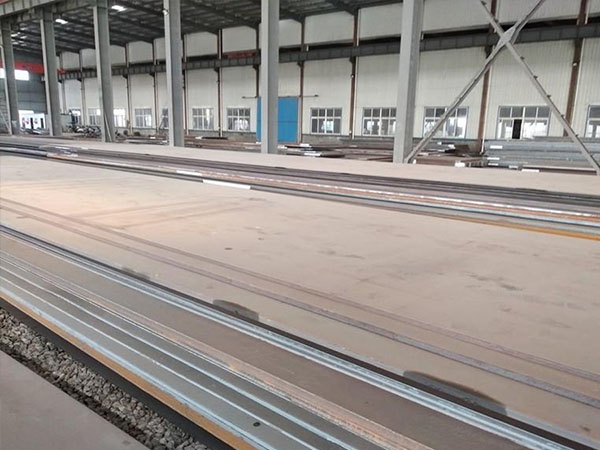
Yuxin Steel provides high-quality steel products to customers in more than 20 countries worldwide.
Contact Info
Would you like to know more about our offers? Please feel free to contact us.