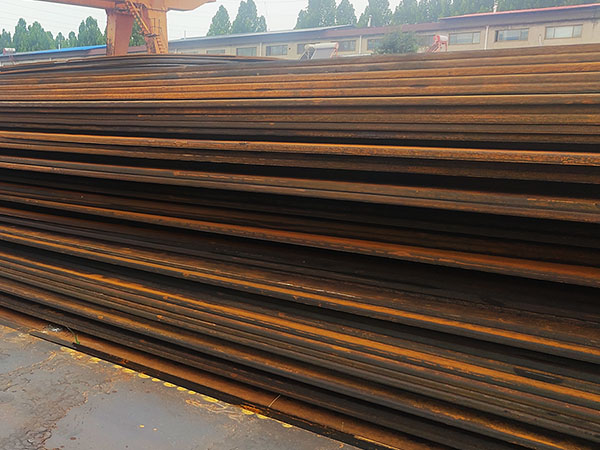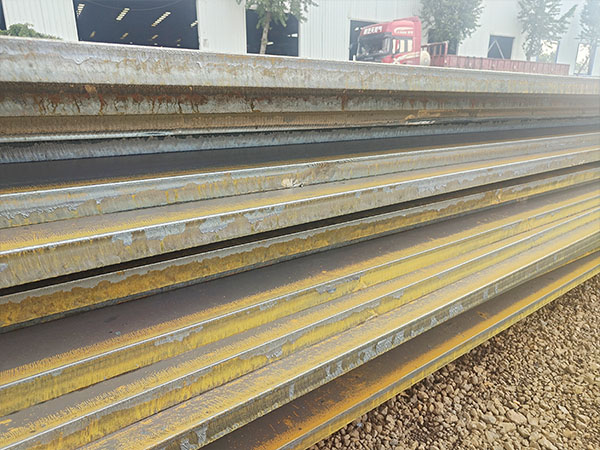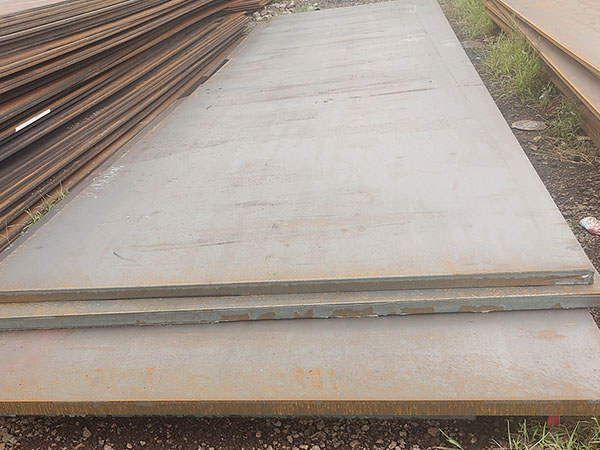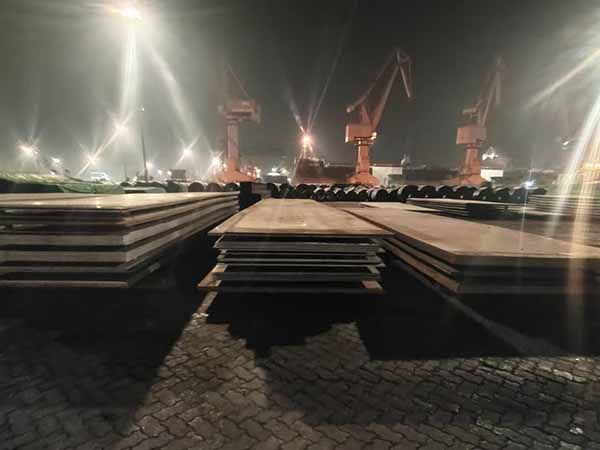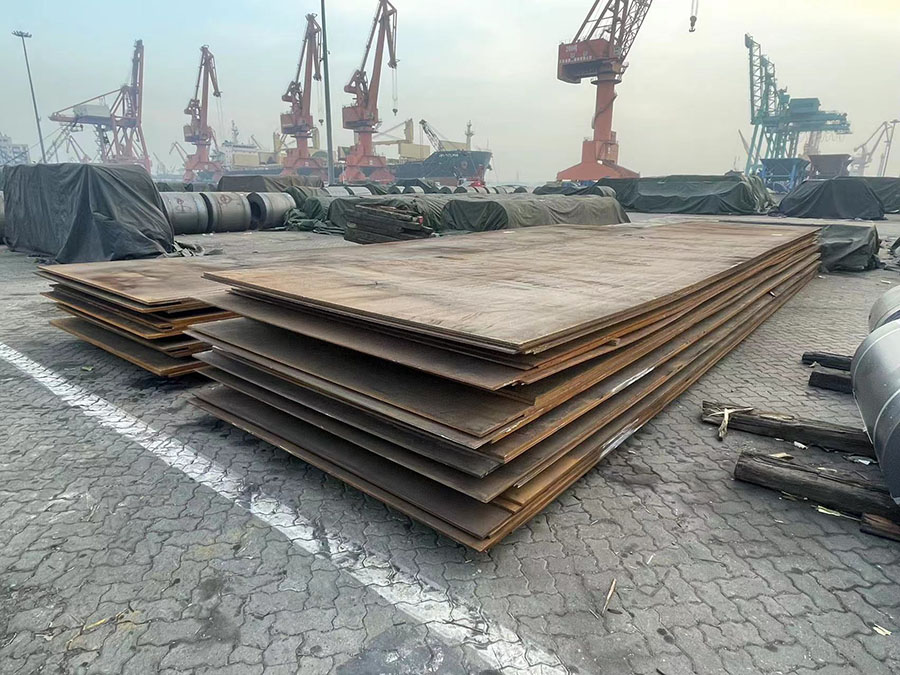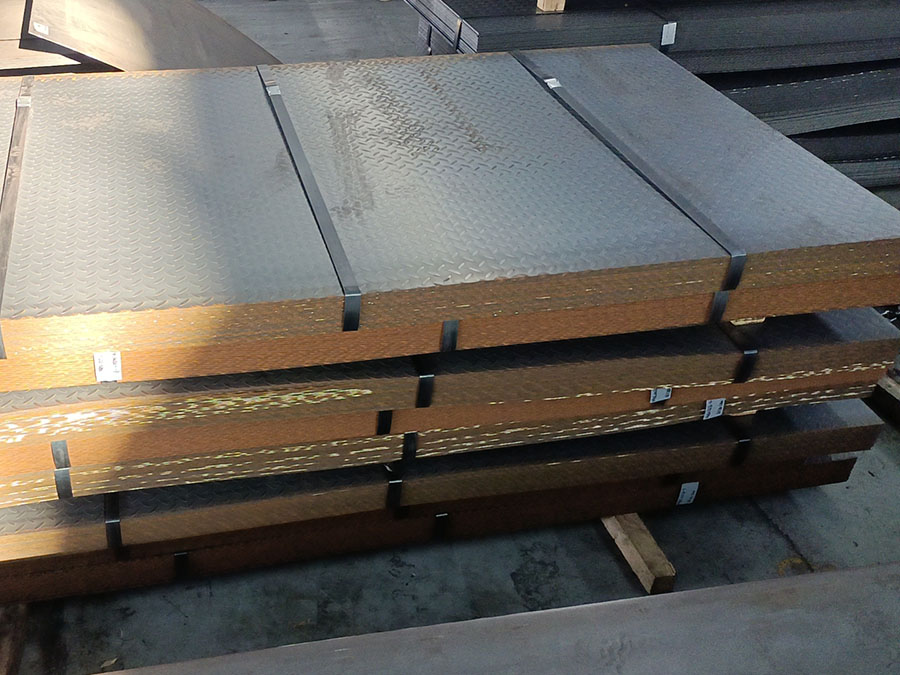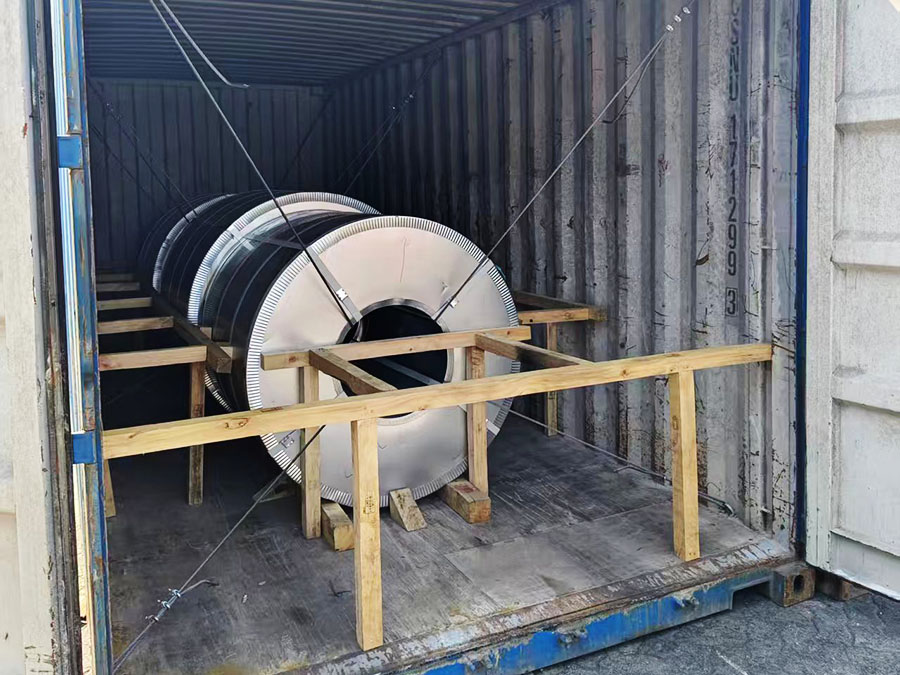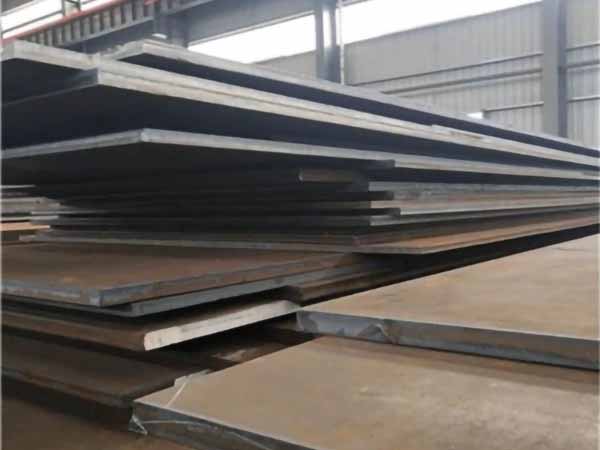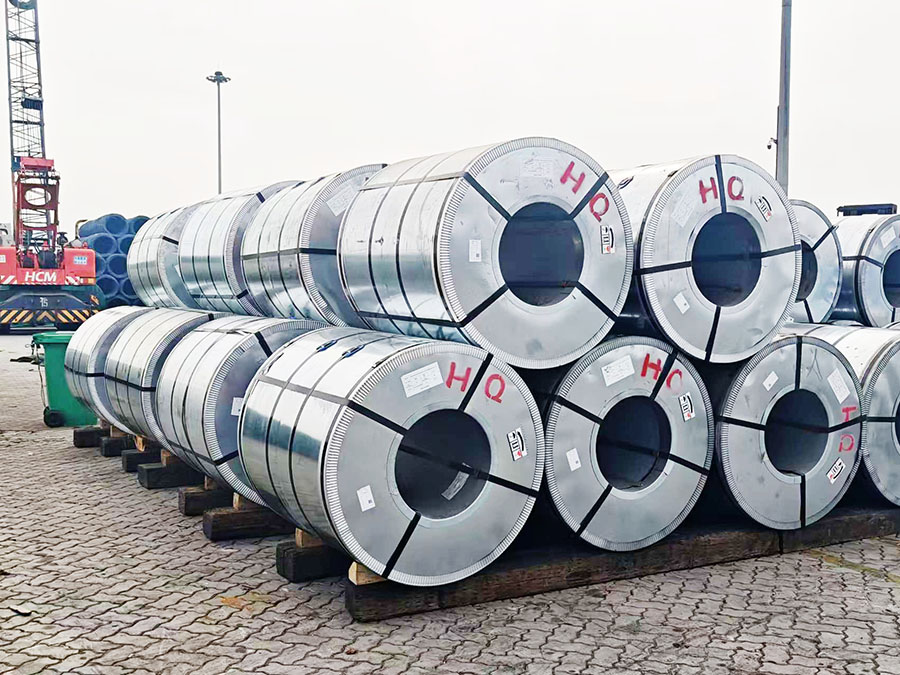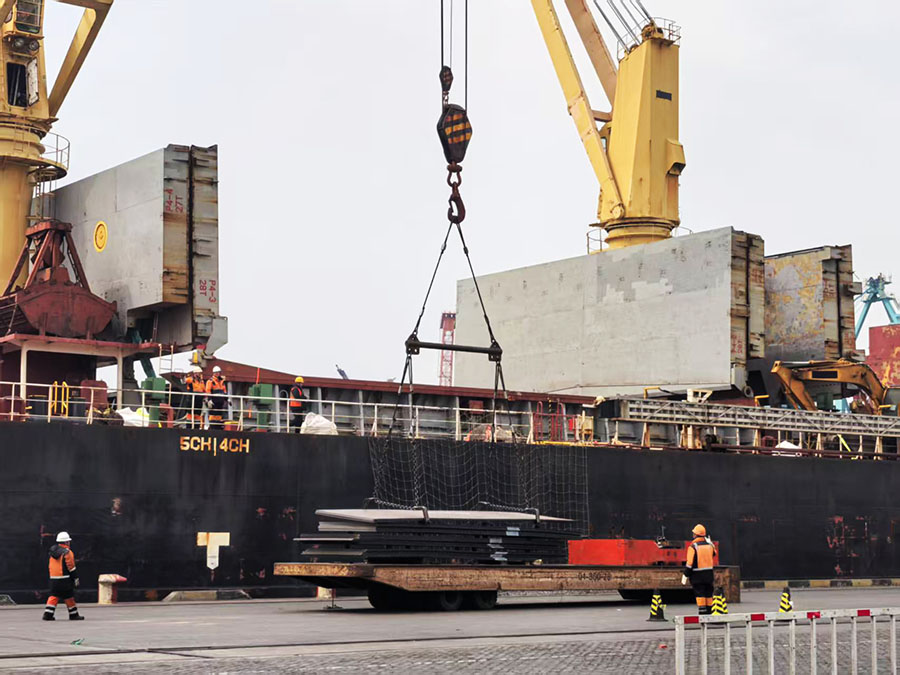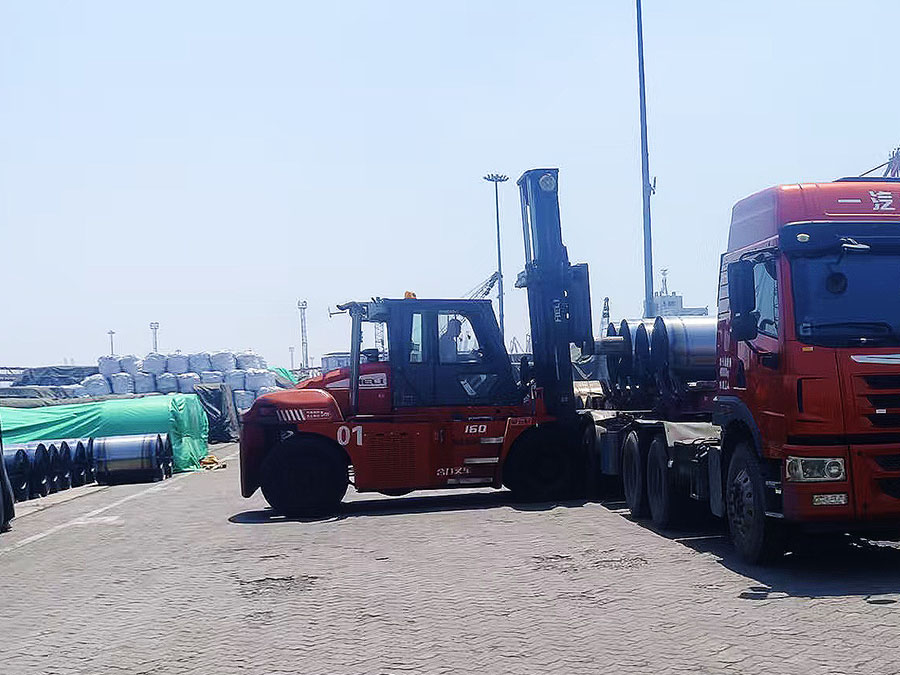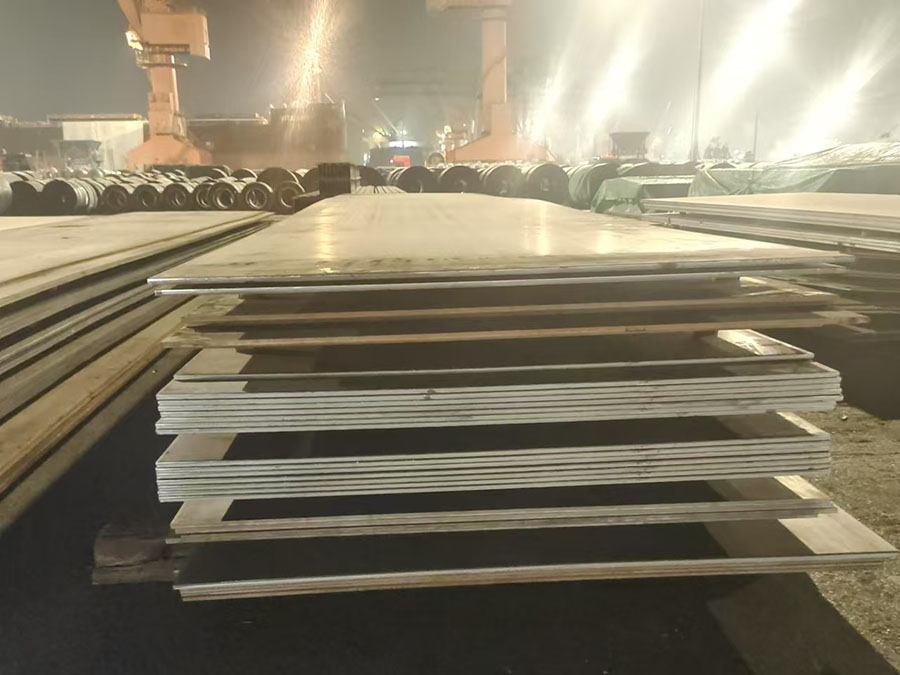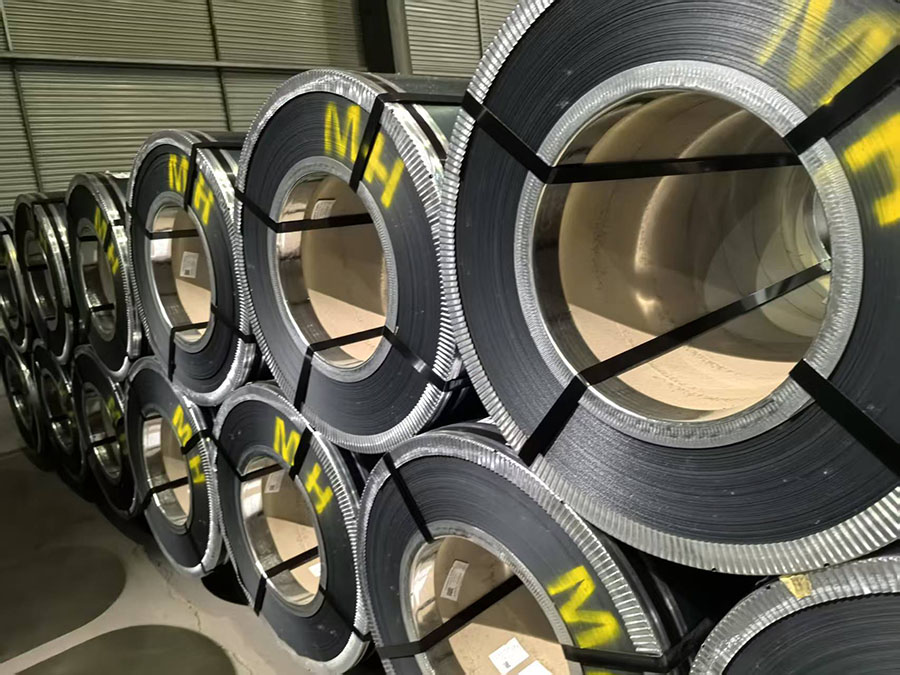
EN 10025-4 S275M is a European standard thermomechanically rolled weldable fine grain high-strength structural steel.
Standard :
EN 10025-4Grade :
S275MThickness :
0.8-30.0 mmWidth :
800-2500 mmLength :
3000-12000 mmSpecial thickness, width, and length can be negotiated separately.
We also provide customized processing services.If you have any questions, please contact us.
EN 10025-4 S275M is a thermomechanically rolled, weldable, fine grain, high-strength structural steel with a minimum yield strength of 275 MPa. It is a high-quality steel chosen for demanding structural applications. Its key advantages are its superior toughness and better weldability, making it suitable for critical, heavy-duty, and low-temperature applications.
Standard and Grade Designation
EN 10025: This is the overarching European standard series for "Hot rolled products of structural steels".
-4: This part specifies that the steel is thermomechanically rolled, meaning it has been subjected to a controlled rolling process followed by accelerated cooling. This process refines the grain structure, resulting in higher strength and better toughness than normalizing for the same alloying content.
Thermomechanical Rolling (TM): This is a controlled rolling process that combines heat treatment and mechanical deformation. It results in a finer grain structure compared to normal hot rolling, which improves strength and toughness without needing as much chemical composition (alloying), making it more weldable.
Fine Grain: The steel is treated to ensure a small, uniform grain size, which is key to its good toughness, especially at lower temperatures.
S: Stands for "Structural" steel.
275: Indicates the minimum specified yield strength (ReH) at room temperature for thicknesses ≤ 16 mm. The value is 275 MPa (or N/mm²).
M: Denotes that the material is delivered in the thermomechanically rolled condition (which matches the -4 part of the standard).
Advantages
Excellent low-temperature toughness: The grain refinement achieved through normalizing treatment ensures that the material maintains sufficient impact absorption energy even at low temperatures of -40°C, preventing sudden brittle fractures in cold regions (such as Northern Europe or high-altitude areas) or low-temperature equipment. This is a key distinction from ordinary structural steels (e.g., S275JR, which only meets room-temperature toughness requirements).
Stable mechanical properties: The normalizing process results in a uniform steel microstructure (pearlite + ferrite), with well-balanced strength, plasticity, and toughness. The performance variation between batches is minimal, making it suitable for load-bearing structures requiring high reliability.
Good processability: It supports conventional structural steel processing techniques such as welding, cutting, and bending. Post-weld toughness can be restored through appropriate heat treatment (attention must be paid to welding parameters to avoid grain coarsening in the heat-affected zone).
Atmospheric corrosion resistance: It possesses the standard atmospheric corrosion resistance typical of structural steels. For outdoor applications, durability can be further enhanced through coatings (e.g., anti-corrosion paint).
The standard sets maximum limits for chemical composition to ensure weldability and the desired mechanical properties. The values are also thickness-dependent.
| Element | Typical Maximum Value (%) | Notes |
|---|---|---|
| C | 0.20 | Low carbon for good weldability. |
| Si | 0.50 | |
| Mn | 1.50 | Manganese increases strength and toughness. |
| P | 0.030 | Phosphorus and Sulfur are impurities kept very low to improve toughness and weldability. |
| S | 0.030 | |
| N | 0.025 | Nitrogen is controlled to prevent aging and brittleness. |
| Cu | 0.55 | Copper can improve atmospheric corrosion resistance. |
| Nb | 0.05 | Micro-alloying elements (Nb, V, Ti). These are key to the thermomechanical process, as they help create the fine grain structure and increase strength through precipitation hardening. |
| V | 0.12 | |
| Ti | 0.05 |
The minimum yield strength (ReH) varies with thickness. The values below are for flat products and long products.
| Product Thickness *t* (mm) | Minimum Yield Strength ReH (MPa) | Ultimate Tensile Strength Rm (MPa) | Minimum Elongation A (%) |
|---|---|---|---|
| t ≤ 16 | 275 | 410 - 560 | 22 |
| 16 < t ≤ 40 | 265 | 410 - 560 | 22 |
| 40 < t ≤ 63 | 255 | 410 - 560 | 21 |
| 63 < t ≤ 80 | 245 | 410 - 560 | 20 |
| 80 < t ≤ 100 | 235 | 410 - 560 | 19 |
| 100 < t ≤ 150 | 225 | 410 - 560 | 18 |
Impact Toughness (Charpy V-Notch):
Test Temperature: -20°C
Minimum Average Impact Energy: 27 Joules (for standard-sized specimens)
EN10025-4 S275M is used in structures where good weldability and improved low-temperature toughness are required beyond what standard hot-rolled steel (like S275JR) can offer. Examples include:
1. Heavy-duty steel structures (buildings, bridges)
2. Offshore and marine applications
3. Cranes and other lifting equipment
4. Components in cold climates where service temperatures can drop below freezing.
5. Transportation and mobile equipment
Comparison with Other Grades
| Grade Standard | Grade | Delivery Condition | Key Use / Difference | Impact Test Temp. |
|---|---|---|---|---|
| EN 10025-2 | S275JR | Hot Rolled (AR) | General purpose, most common | +20°C |
| EN 10025-2 | S275J0 | Hot Rolled (AR) | Improved toughness | 0°C |
| EN 10025-2 | S275J2 | Hot Rolled (N) | Normalized, better toughness | -20°C |
| EN 10025-4 | S275ML | Thermomechanical (TM) | For low temperature service | -50°C |
| EN 10025-5 | S275NL | Normalized (N) | For low temperature service | -50°C |
Summary
EN 10025-4 S275M is a thermomechanically rolled, weldable, fine grain structural steel with a minimum yield strength of 275 MPa and guaranteed impact toughness at -20°C. It offers a superior combination of strength, weldability, and toughness compared to standard hot-rolled carbon steels.
A:
High-strength low-alloy steel plates offer excellent weldability. As their carbon content is typically low (below 0.2%), they present a lower risk of cracking during welding compared to standard high-strength steel plates and generally do not require complex preheating treatments.
A:
The key advantage of high-strength low-alloy steels is weight reduction. As they offer greater strength, thinner sheets can be used to withstand the same loads, thereby reducing the overall weight of the structure; in the automotive sector, this leads to improved fuel efficiency.
A:
High-strength low-alloy steel (HSLA) is a type of steel in which small amounts of alloying elements (such as niobium, vanadium, titanium or copper) are added to enhance its mechanical properties. Compared to traditional carbon steel, it offers higher yield strength and better corrosion resistance whilst maintaining good weldability and formability.
– We offer free samples and bespoke solutions. Please feel free to enquire about our latest prices and volume discounts.
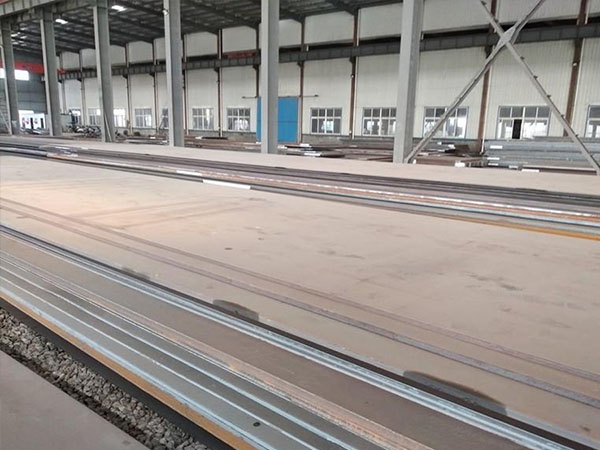
Yuxin Steel provides high-quality steel products to customers in more than 20 countries worldwide.
Contact Info
Would you like to know more about our offers? Please feel free to contact us.