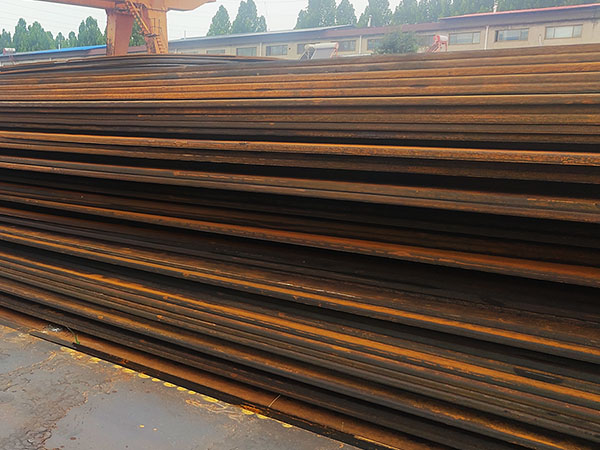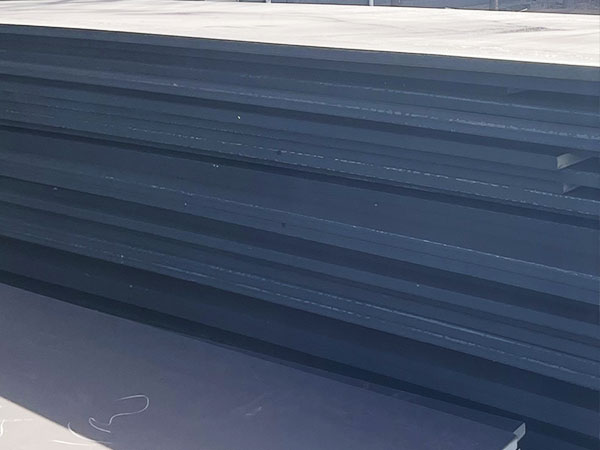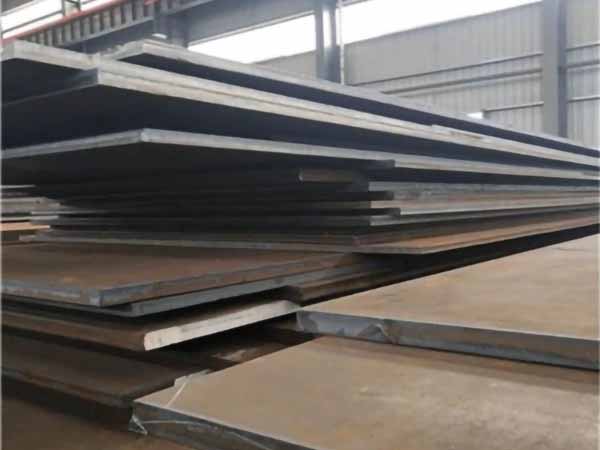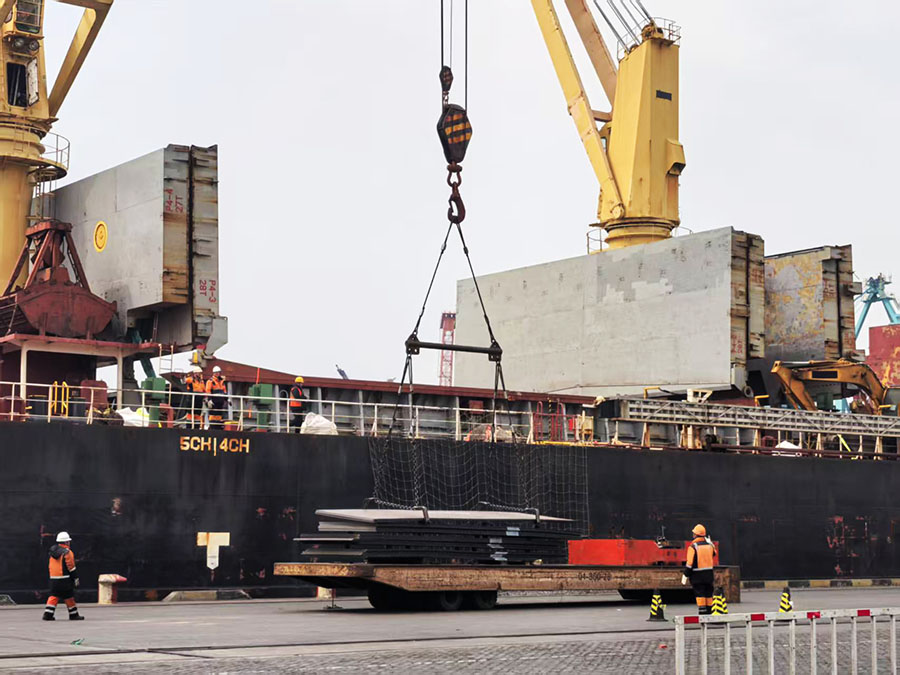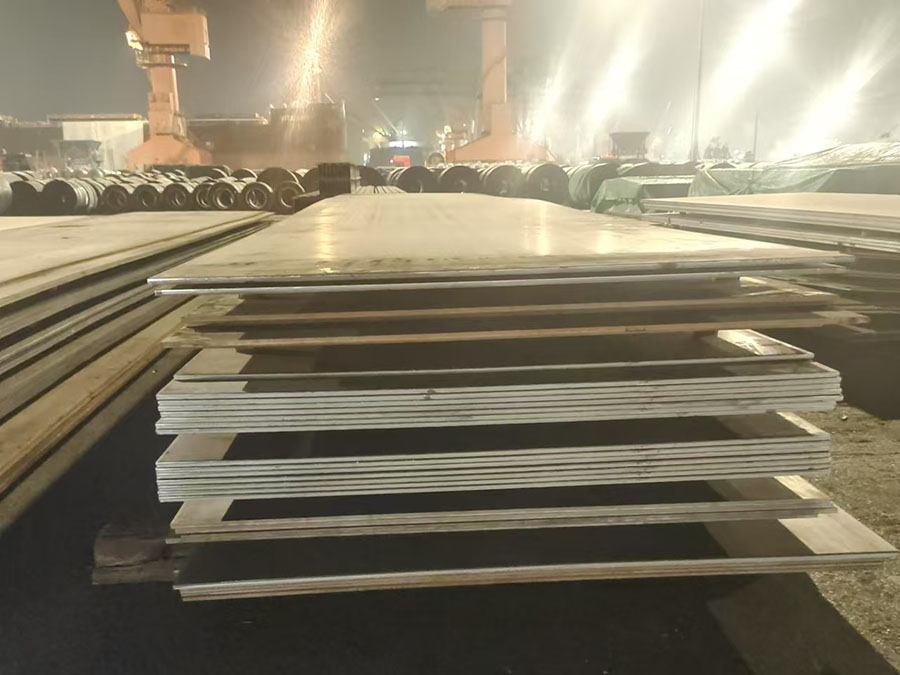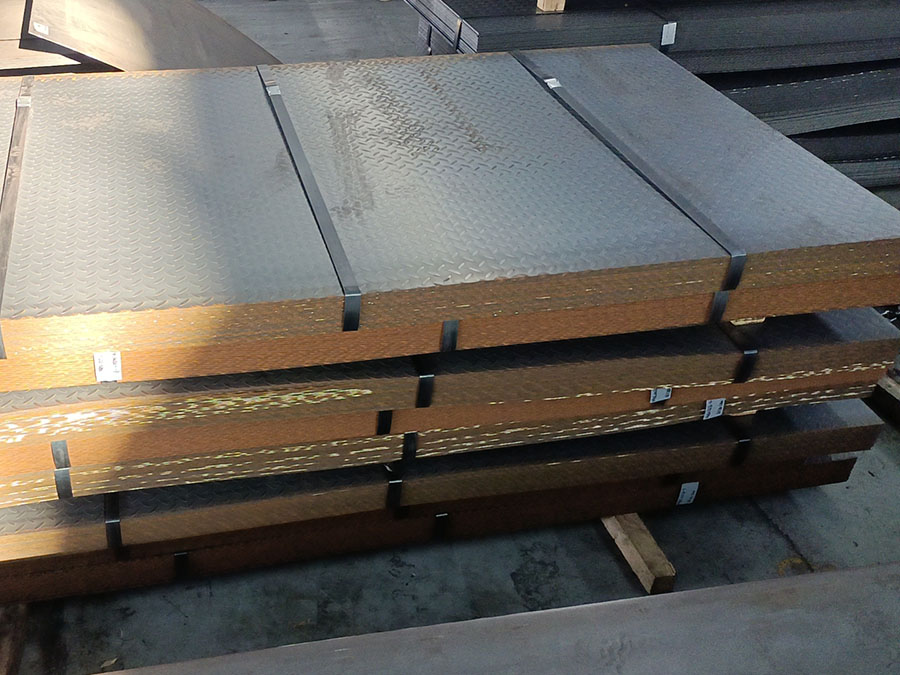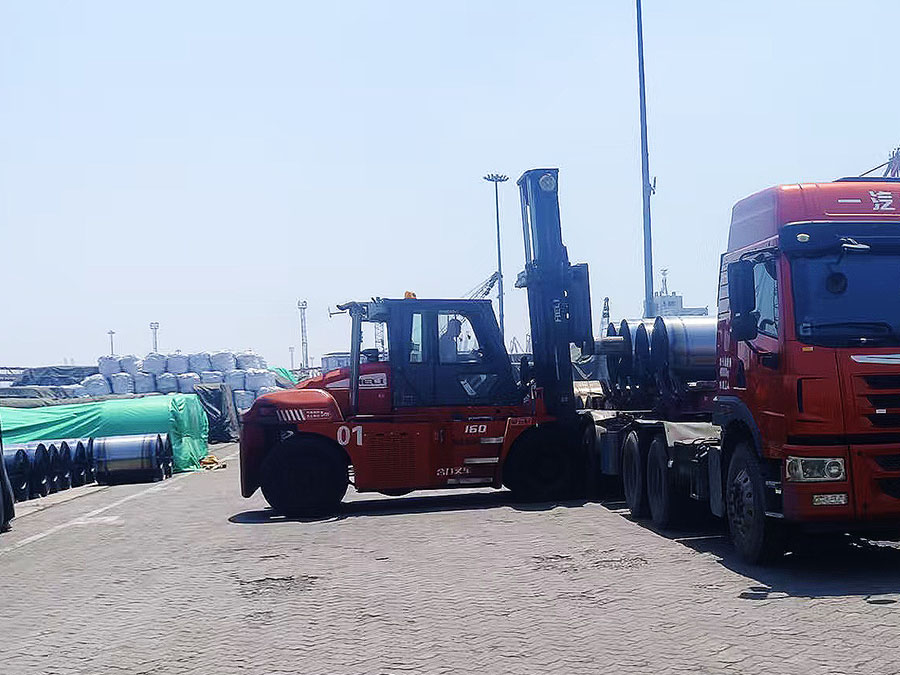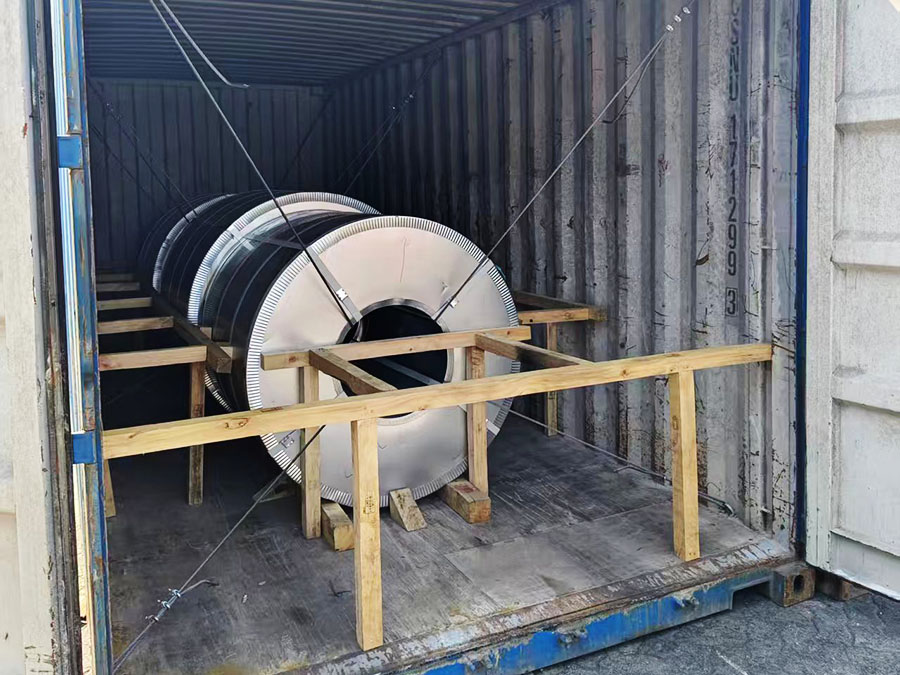
EN 10025-4 S355M is a European standard that specifies the technical delivery conditions for thermomechanically rolled weldable fine grain structural steels of high strength.
Standard :
EN 10025-4Grade :
S355MThickness :
0.8-30.0 mmWidth :
800-2500 mmLength :
3000-12000 mmSpecial thickness, width, and length can be negotiated separately.
We also provide customized processing services.If you have any questions, please contact us.
EN 10025-4 S355M is a European standard that specifies the technical delivery conditions for thermomechanically rolled weldable fine grain structural steels of high strength.
In simple terms, it's a specific type of high-strength, low-alloy steel known for its excellent combination of strength, toughness, and weldability, achieved through a controlled rolling and cooling process.
EN 10025: The overarching European standard for "Hot rolled products of structural steels".
-4: Part 4 of that standard, which is dedicated to Thermomechanically rolled weldable fine grain structural steels.
S: Stands for "Structural" steel.
355: Indicates the minimum yield strength (ReH) at room temperature for thicknesses ≤ 16mm. The value is 355 MPa (or N/mm²).
M: Designates the delivery condition as Thermomechanically Rolled.
1. Higher Strength-to-Weight Ratio: Allows for lighter structures without compromising load-bearing capacity.
2. Excellent Toughness: Good resistance to brittle fracture, especially at low temperatures.
3. Good Weldability: The low carbon content and controlled CEV make it suitable for most welding processes without pre-heating (for thinner sections) or with minimal pre-heating (for thicker sections).
4. Cost-Effective for Performance: Often more economical than normalized or quenched and tempered grades for achieving similar strength levels in medium thicknesses.
The thermomechanical rolling process allows for a leaner chemical composition compared to normalized steels (like S355N). Less carbon and other alloys are needed to achieve the same strength, which directly improves weldability.
| Grade | Element | Value (%) | Note |
|---|---|---|---|
| EN10025-4 S355M | C | ≥ 0.20 | Low carbon for good weldability |
| Mn | ≥ 1.70 | Strengthens the steel | |
| Si | ≥ 0.50 | Deoxidant during steelmaking | |
| P | ≥ 0.030 | Impurity, kept low | |
| S | ≥ 0.025 | Impurity, kept low for toughness | |
| Nb | often used | Microalloying element for grain refinement | |
| V | often used | Microalloying element for grain refinement |
The minimum mechanical properties vary with material thickness. Thicker sections have slightly lower yield and tensile strengths.
| Product Thickness (t) [mm] | Minimum Yield Strength ReH [MPa] | Minimum Tensile Strength Rm [MPa] | Minimum Elongation A [%] |
|---|---|---|---|
| t ≤ 16 | 355 | 470 - 630 | 22 |
| 16 < t ≤ 40 | 345 | 470 - 630 | 22 |
| 40 < t ≤ 63 | 335 | 450 - 610 | 22 |
| 63 < t ≤ 80 | 325 | 450 - 610 | 22 |
| 80 < t ≤ 100 | 315 | 450 - 610 | 22 |
| 100 < t ≤ 120 | 315 | 450 - 610 | 22 |
| 120 < t ≤ 150 | 295 | 430 - 590 | 22 |
| 150 < t ≤ 200 | 285 | 430 - 590 | 22 |
Impact Toughness: S355M must meet minimum Charpy V-Notch impact energy values at -20°C. The standard requirement is typically 40 Joules for longitudinal specimens. Higher values or testing at lower temperatures (e.g., -50°C for subgrades like S355ML) can be specified.
EN10025-4 S355M High-strength Low-alloy (HSLA) Steel Plate is chosen for heavy-duty structures where weight and performance are critical:
Booms, arms, and frames for excavators, cranes, and bulldozers.
Chassis, buckets, and support structures.
Gantries, forklift masts, and large conveyor systems.
Especially for parts with high stress concentrations.
For structural components (though other specific grades may be preferred).
Where high strength and good toughness are required to handle dynamic loads.
| Property | S355JR (EN 10025-2) | S355J2 (+N) (EN 10025-3) | S355M (EN 10025-4) | S355ML (EN 10025-4) |
|---|---|---|---|---|
| Delivery Condition | As-rolled | Normalized | Thermomechanical | Thermomechanical |
| Min. Impact Test | +20°C (27J) | -20°C (27J) | -20°C (40J) | -50°C (40J) |
| Max. Thickness | ~400 mm | ~400 mm | ~200 mm | ~200 mm |
| Key Advantage | General purpose | Good toughness | Higher strength/weight for thicker sections | Excellent low-temp toughness |
The thermomechanical rolling process (TM) of S355M generally provides a more consistent and finer grain structure, which can lead to better through-thickness properties and overall toughness, often making it a more reliable choice for critical applications compared to a normalized grade, even if the minimum impact values are the same.
Thickness Effect: Always design using the yield strength value corresponding to the actual plate thickness.
Welding Procedures: While weldability is good, it is essential to follow qualified welding procedures (e.g., EN 1011) that consider the plate thickness, CEV, and hydrogen levels in the welding consumables to avoid cold cracking.
Subgrades: For even more demanding temperature environments, the S355ML grade (tested at -50°C) should be specified.
Equivalent Standards: It is often compared to ASTM A572 Grade 50 (though A572 is not exactly TMCP) or other HSLA steels in international projects.
EN 10025-4 S355M is a versatile, high-performance structural steel that leverages thermomechanical rolling to achieve an excellent combination of strength, toughness, and weldability, making it a prime choice for advanced engineering and construction applications.
A:
High-strength low-alloy steel plates offer excellent weldability. As their carbon content is typically low (below 0.2%), they present a lower risk of cracking during welding compared to standard high-strength steel plates and generally do not require complex preheating treatments.
A:
The key advantage of high-strength low-alloy steels is weight reduction. As they offer greater strength, thinner sheets can be used to withstand the same loads, thereby reducing the overall weight of the structure; in the automotive sector, this leads to improved fuel efficiency.
A:
High-strength low-alloy steel (HSLA) is a type of steel in which small amounts of alloying elements (such as niobium, vanadium, titanium or copper) are added to enhance its mechanical properties. Compared to traditional carbon steel, it offers higher yield strength and better corrosion resistance whilst maintaining good weldability and formability.
– We offer free samples and bespoke solutions. Please feel free to enquire about our latest prices and volume discounts.
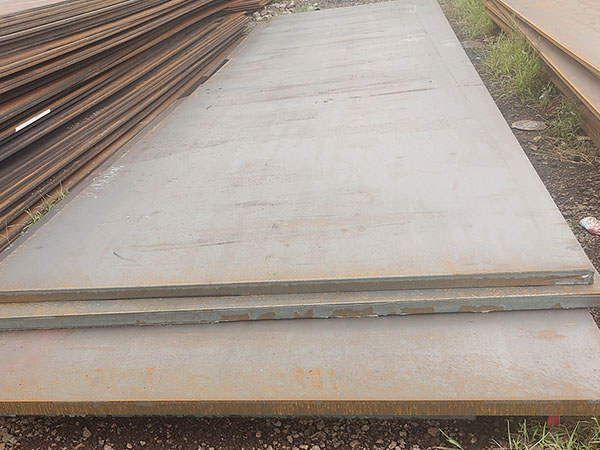
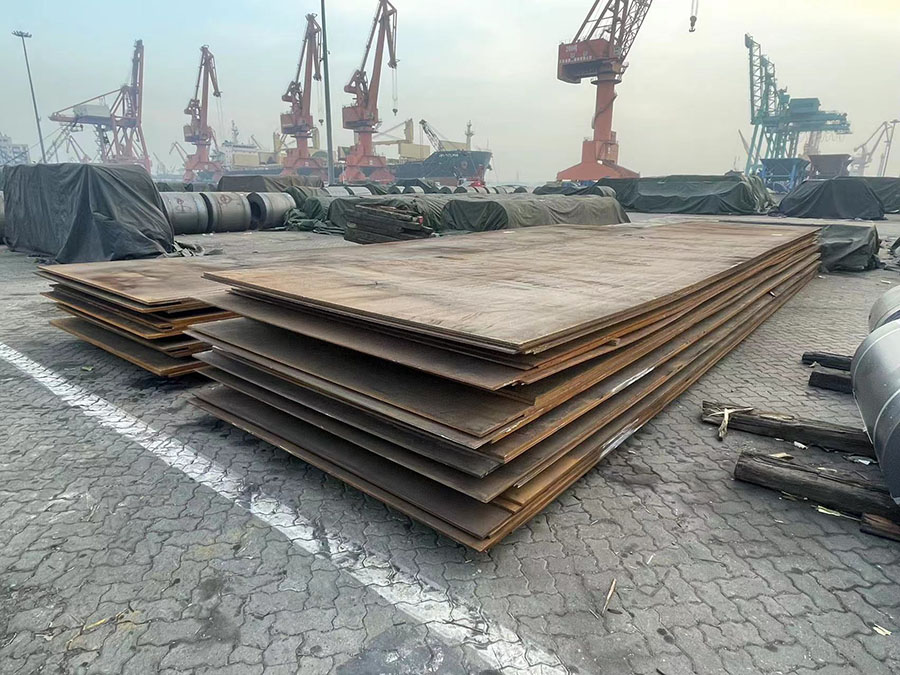
Yuxin Steel provides high-quality steel products to customers in more than 20 countries worldwide.
Contact Info
Would you like to know more about our offers? Please feel free to contact us.