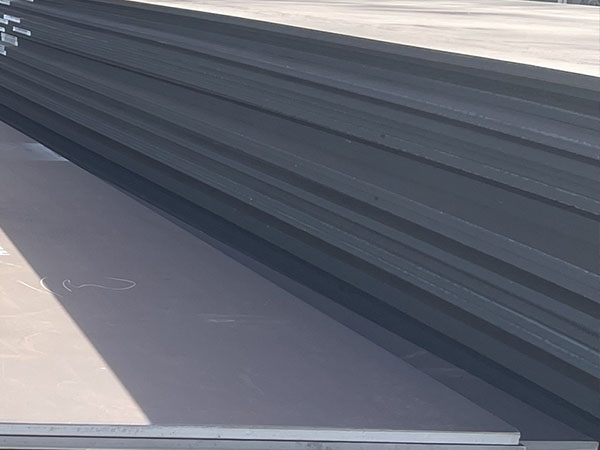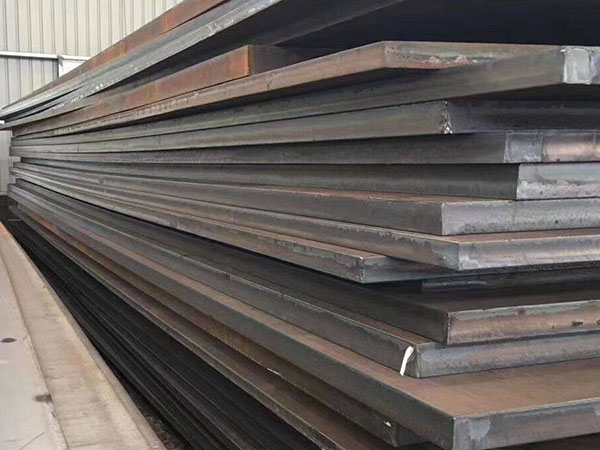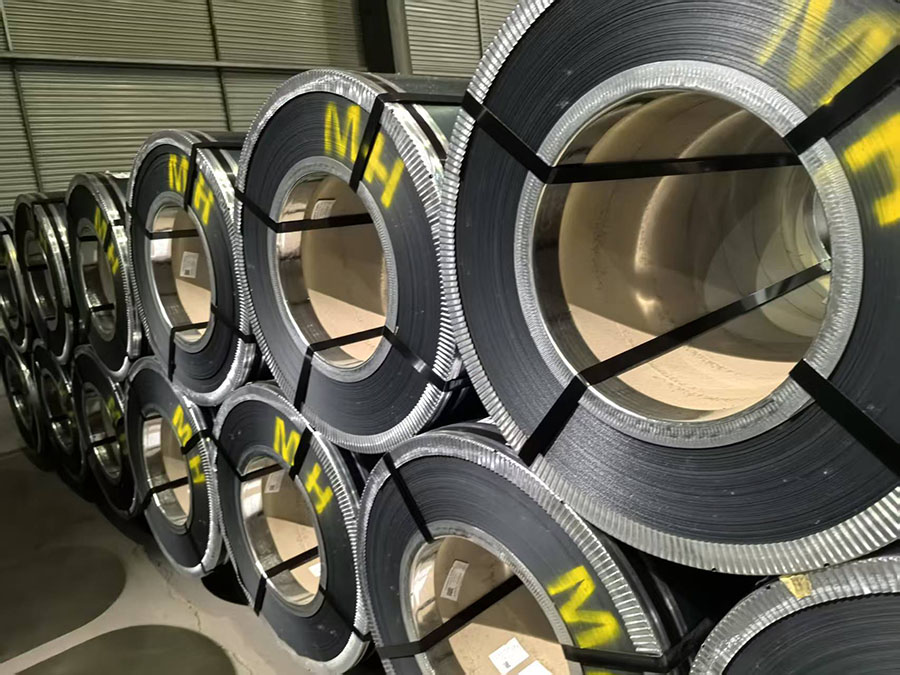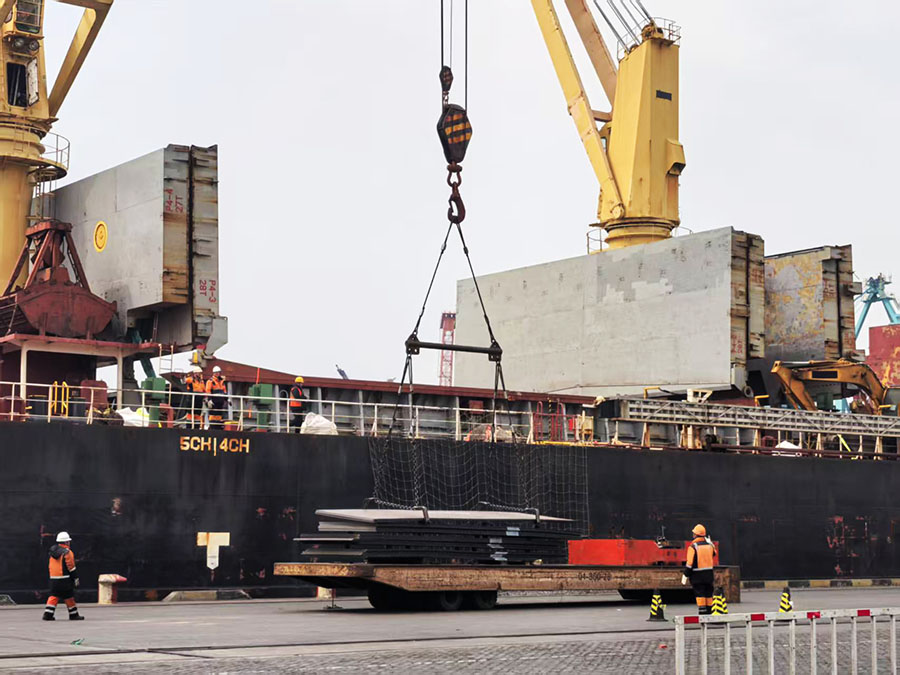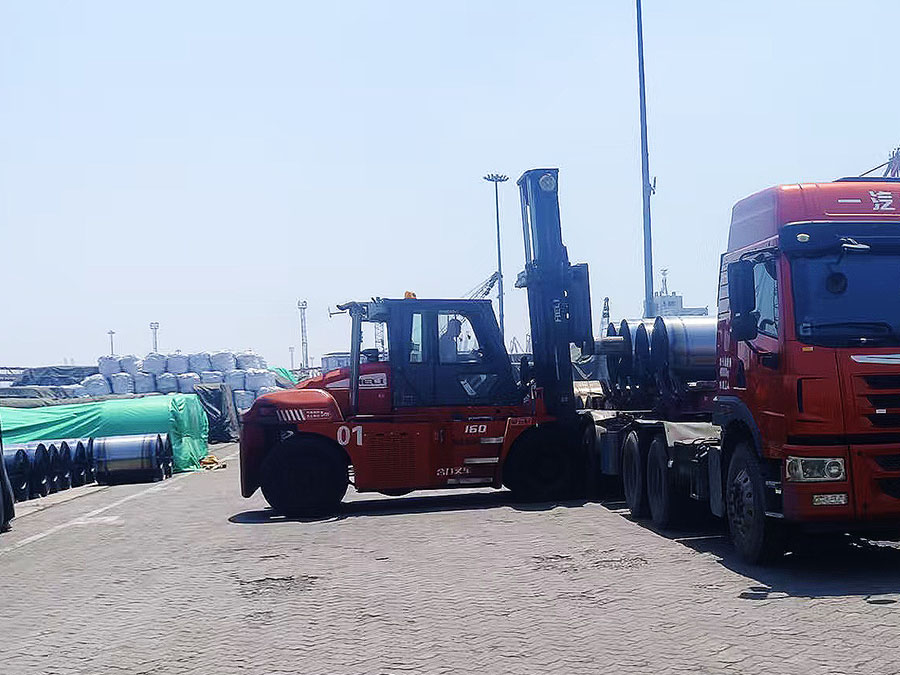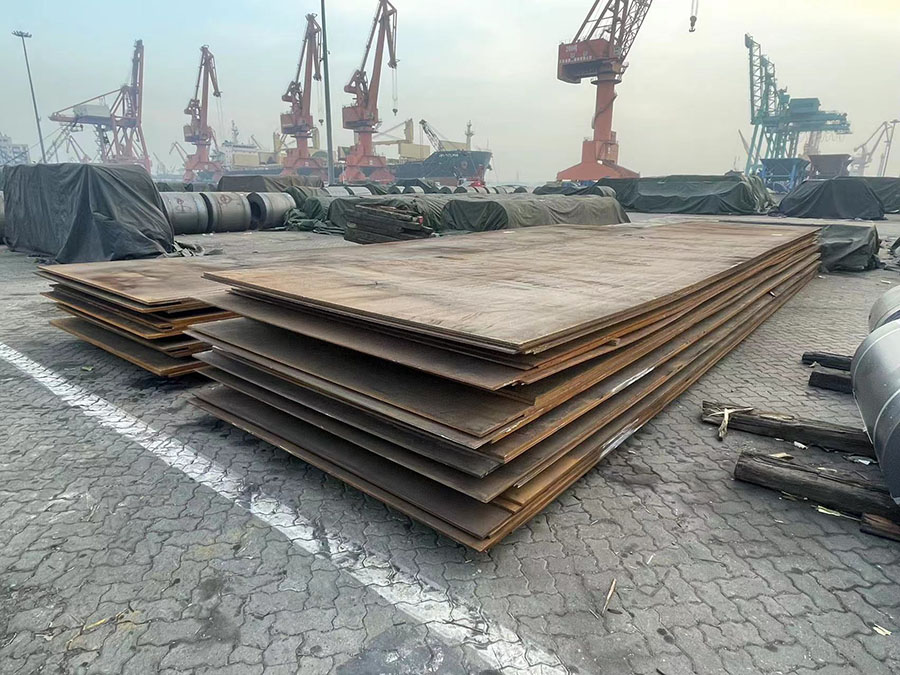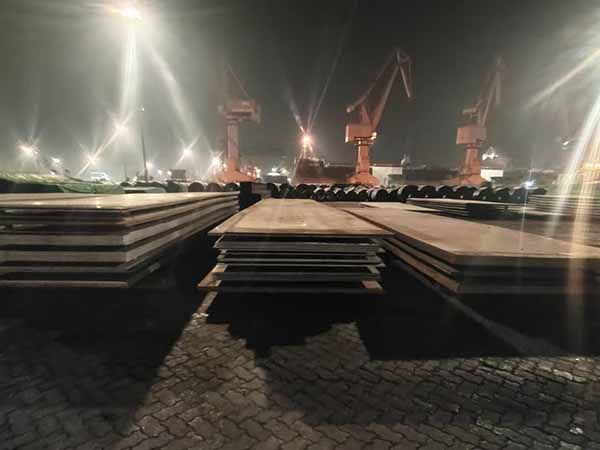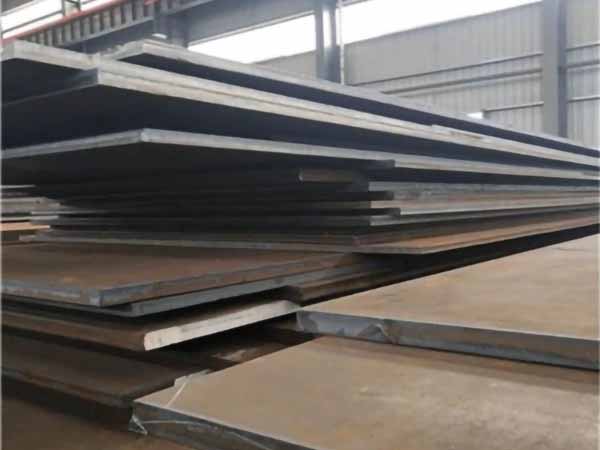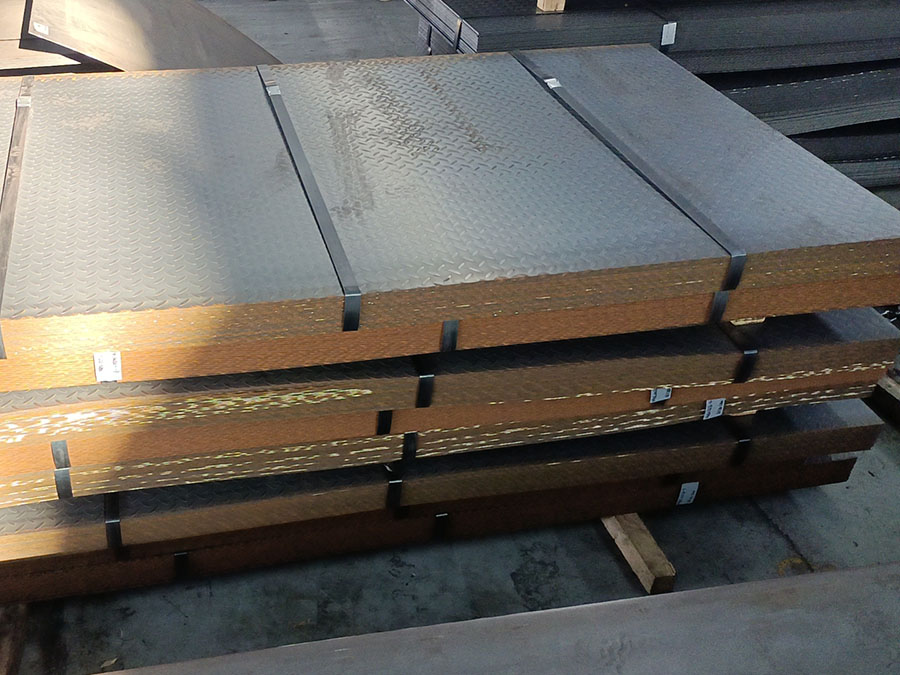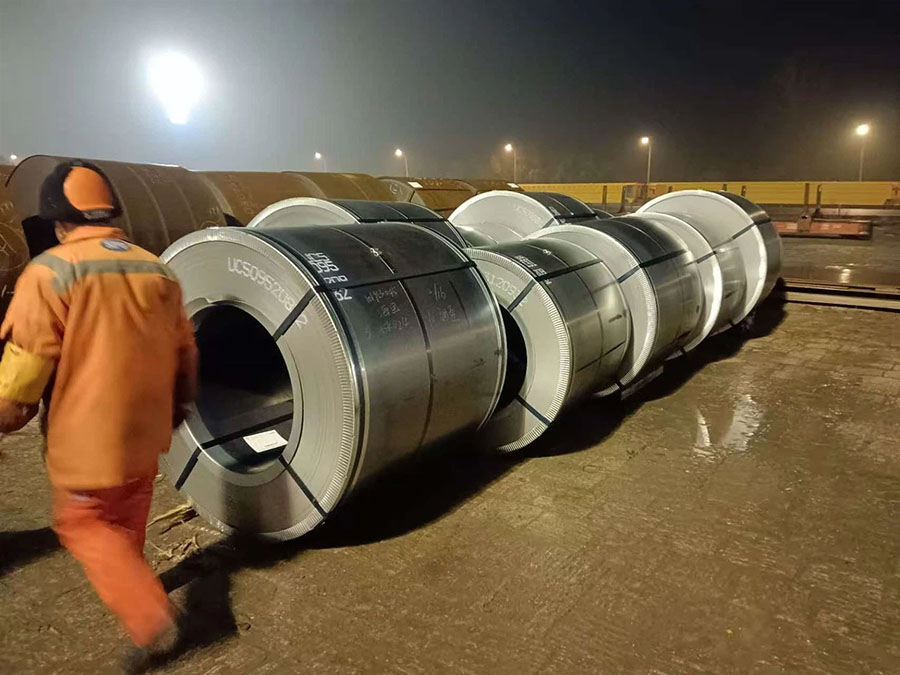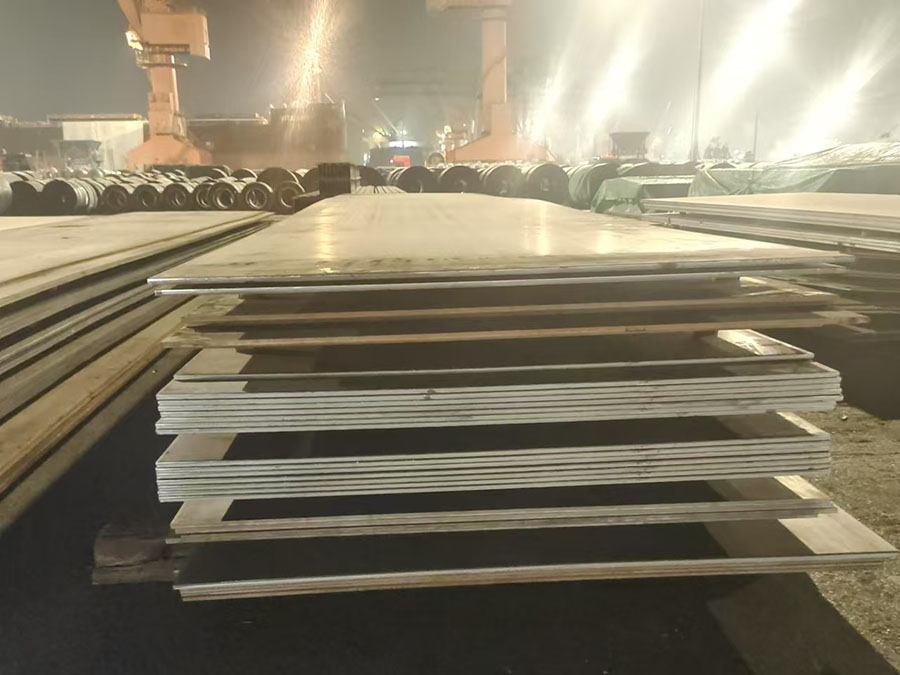
EN 10025-3 S275NL is a European standard thermomechanically rolled, weldable fine-grain structural steel with improved toughness for use in low-temperature environments.
Standard :
EN 10025-3Grade :
S275NLThickness :
0.8-30.0 mmWidth :
800-2500 mmLength :
3000-12000 mmSpecial thickness, width, and length can be negotiated separately.
We also provide customized processing services.If you have any questions, please contact us.
EN 10025-3 S275NL is a European standard thermomechanically rolled, weldable fine-grain structural steel with improved toughness for use in low-temperature environments.
The S275NL steel plate is a low-alloy high-strength structural steel, specifically designed for structural applications requiring higher toughness and good weldability.
Standard and Grade Designation
Standard: EN 10025-3 (Part 3: Normalized/normalized rolled weldable fine grain structural steels)
Grade: S275NL
"S" = Structural steel
"275" = Minimum yield strength of 275 MPa (at ≤16mm thickness)
"N" = Normalized or normalized rolled
"L" = Impact tested at low temperatures (-50°C for NL grade)
| Grade | S275NL | |||||
| Element | C | Si | Mn | P | S | Nb, V, Ti, etc. |
| Content(%) | ≤0.20 | ≤0.60 | ≤1.50 | ≤0.030 | ≤0.025 | Microalloyed for grain refinement |
| Grade | Yield Strength | Tensile Strength | Elongation | Impact Toughness (KV) |
| S275NL | ≥275 MPa (thickness ≤16mm) | 370–530 MPa | ≥22% (thickness 3-100mm) | ≥27 J at -50°C (Charpy V-notch test) |
It is primarily used for structural components that require low-temperature toughness and weldability, such as:
1. Construction machinery in low-temperature environments (e.g., cranes, excavators)
2. Bridges, pressure vessels, storage tanks
3. Offshore platforms, wind turbine towers, and other outdoor/low-temperature load-bearing structures
Scenarios for selecting S275NL:
Liquefied natural gas (LNG) equipment, infrastructure in Arctic regions, etc.
A:
High-strength low-alloy steel plates offer excellent weldability. As their carbon content is typically low (below 0.2%), they present a lower risk of cracking during welding compared to standard high-strength steel plates and generally do not require complex preheating treatments.
A:
The key advantage of high-strength low-alloy steels is weight reduction. As they offer greater strength, thinner sheets can be used to withstand the same loads, thereby reducing the overall weight of the structure; in the automotive sector, this leads to improved fuel efficiency.
A:
High-strength low-alloy steel (HSLA) is a type of steel in which small amounts of alloying elements (such as niobium, vanadium, titanium or copper) are added to enhance its mechanical properties. Compared to traditional carbon steel, it offers higher yield strength and better corrosion resistance whilst maintaining good weldability and formability.
– We offer free samples and bespoke solutions. Please feel free to enquire about our latest prices and volume discounts.
Yuxin Steel provides high-quality steel products to customers in more than 20 countries worldwide.
Contact Info
Would you like to know more about our offers? Please feel free to contact us.