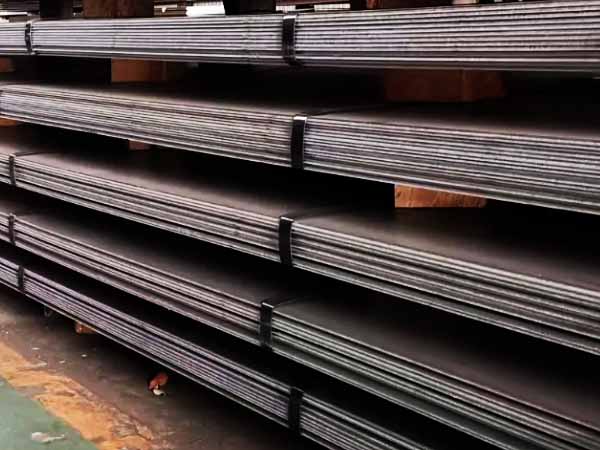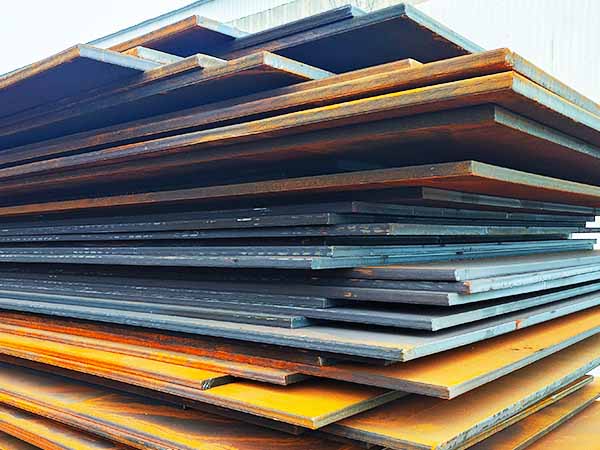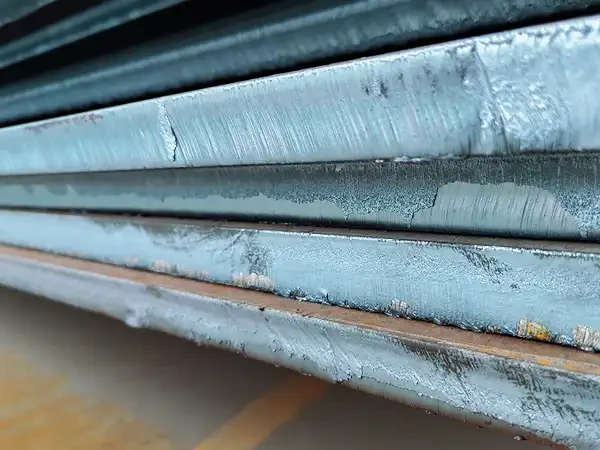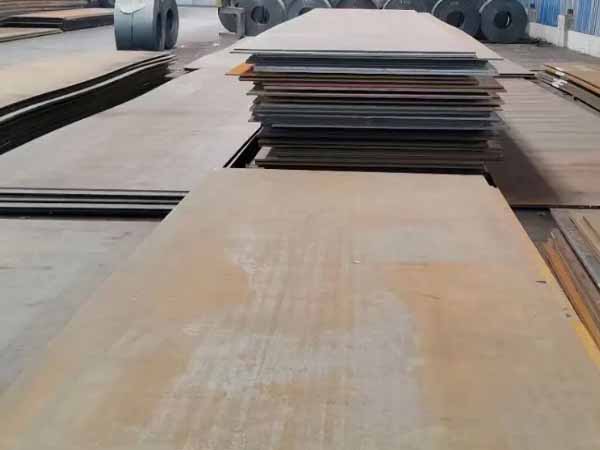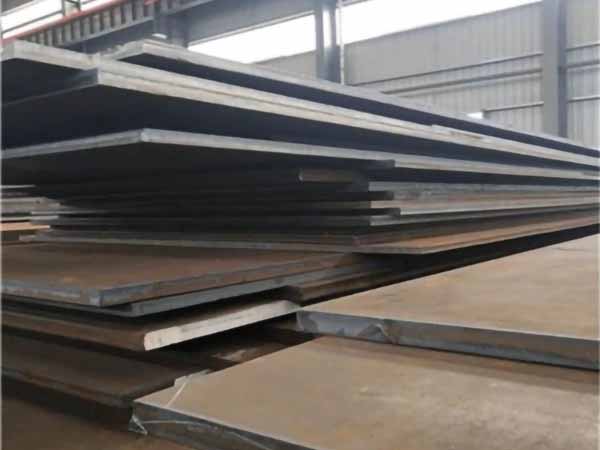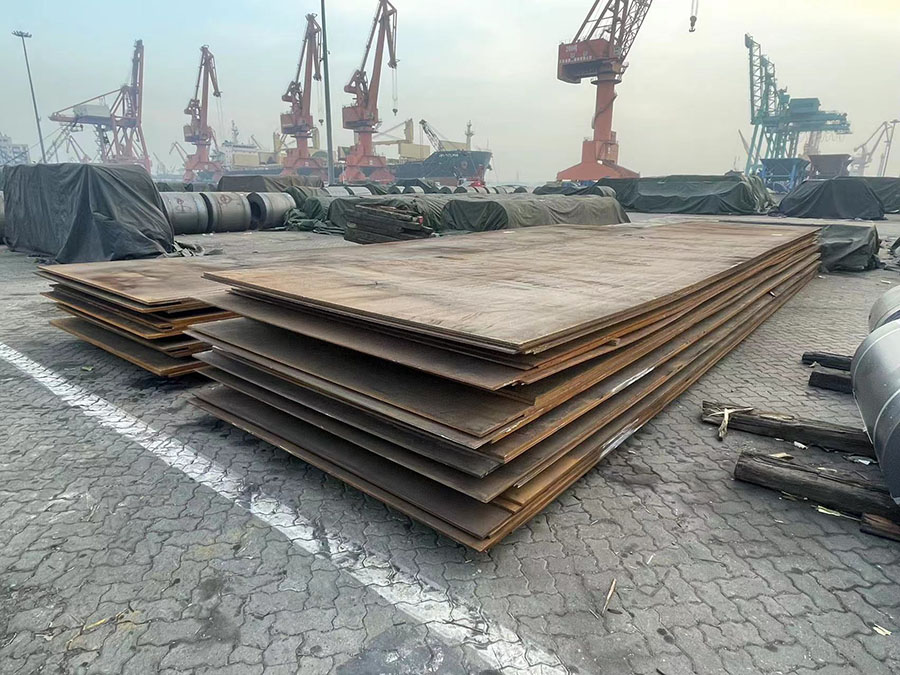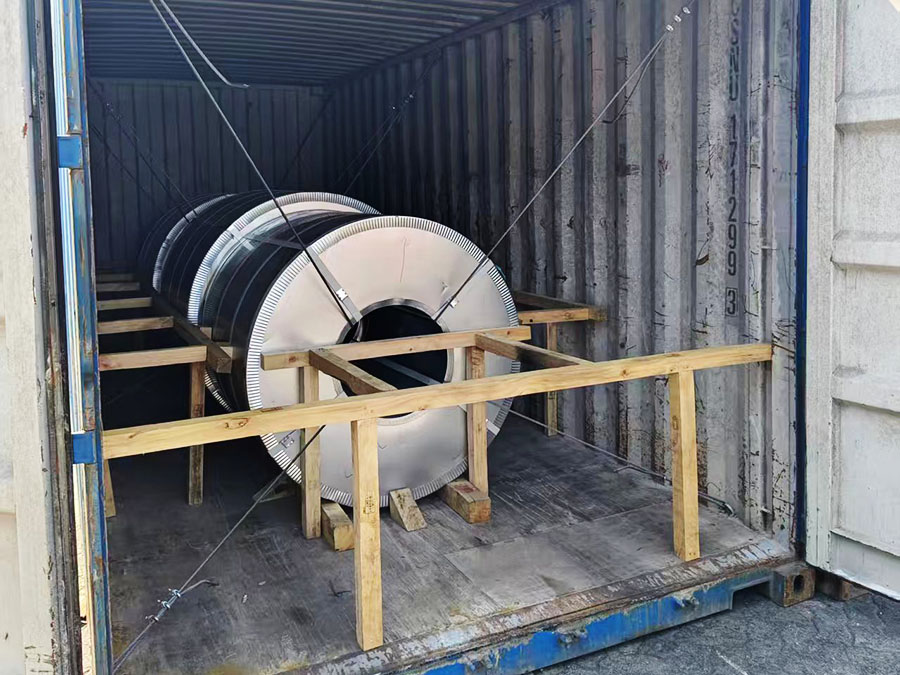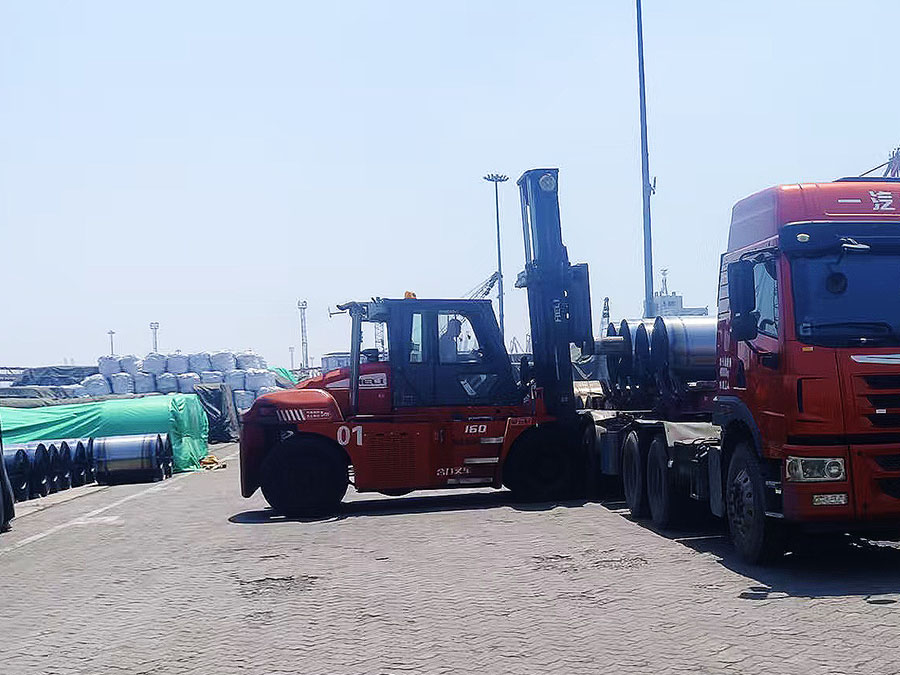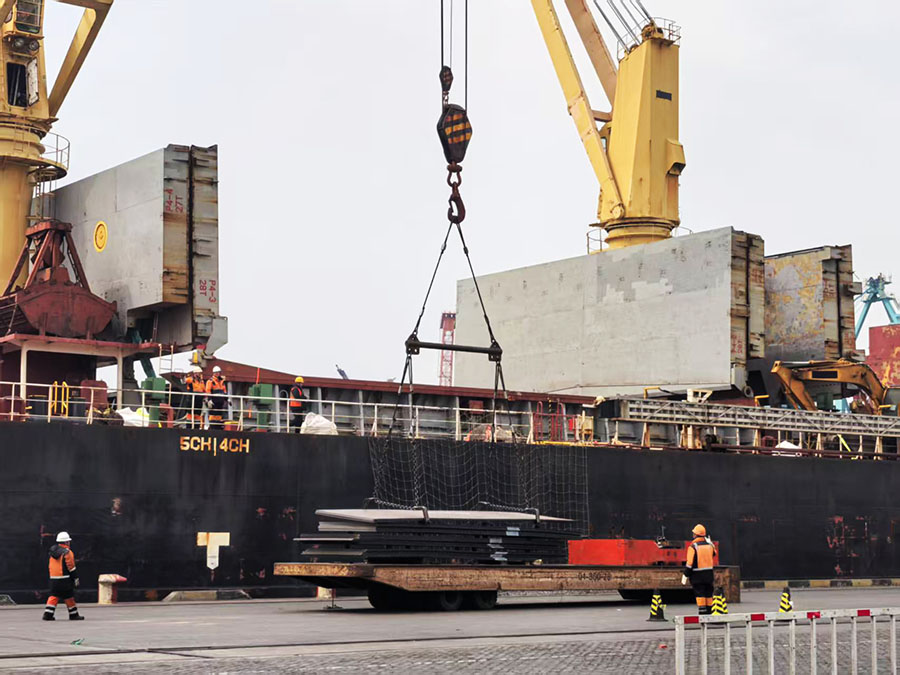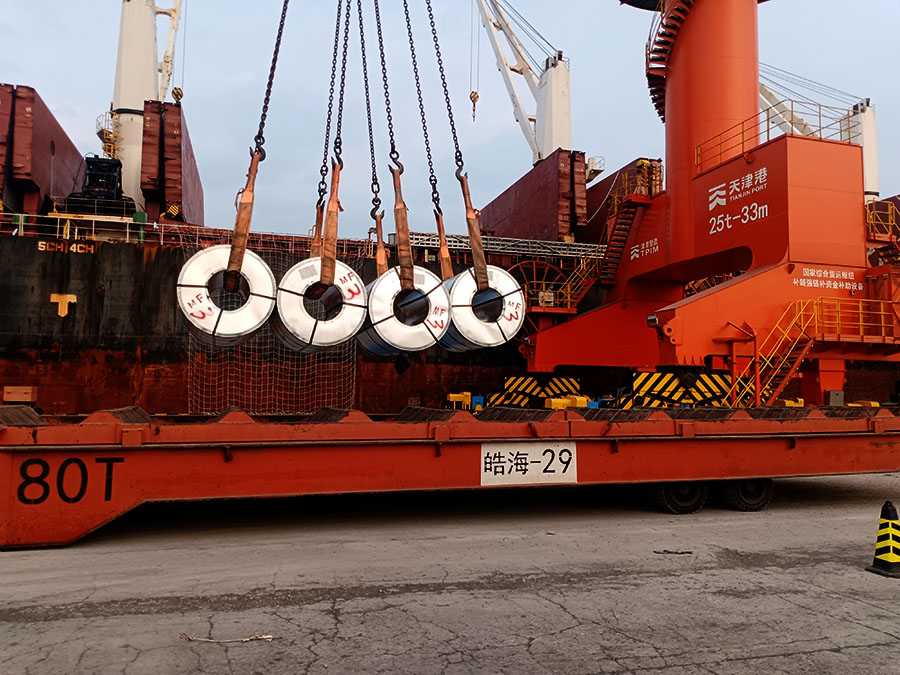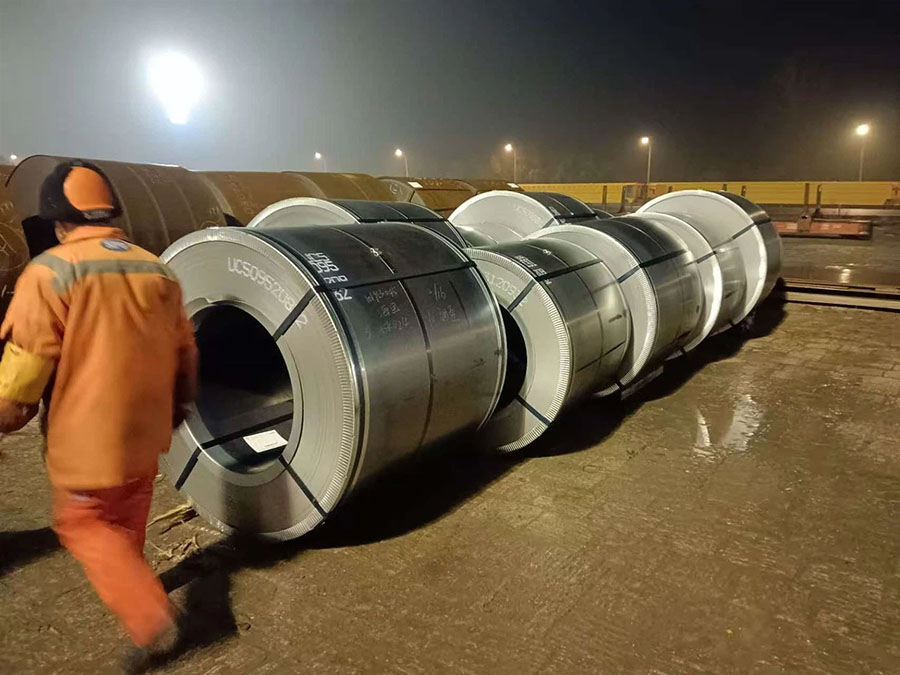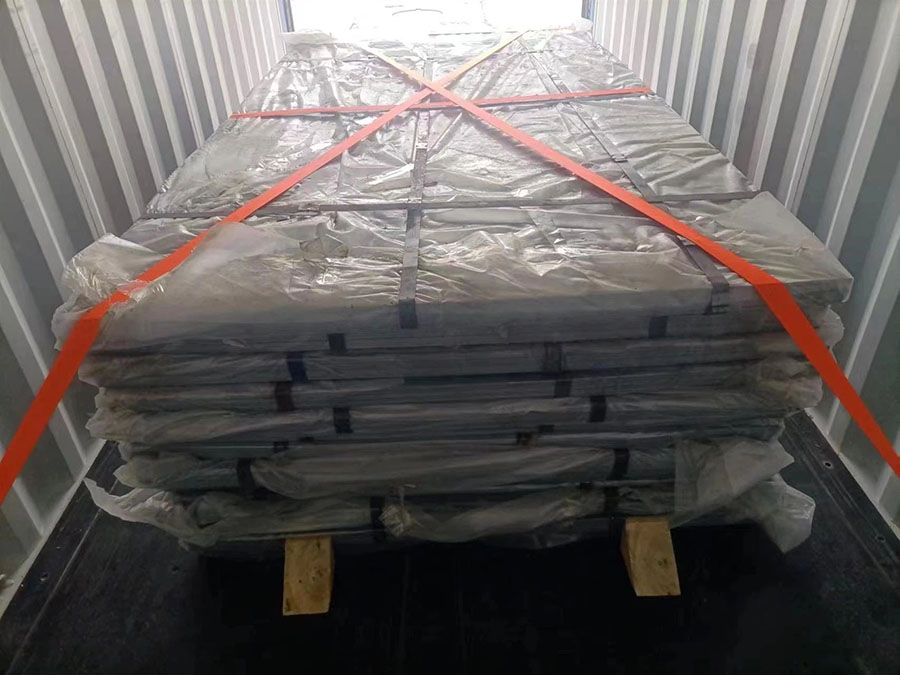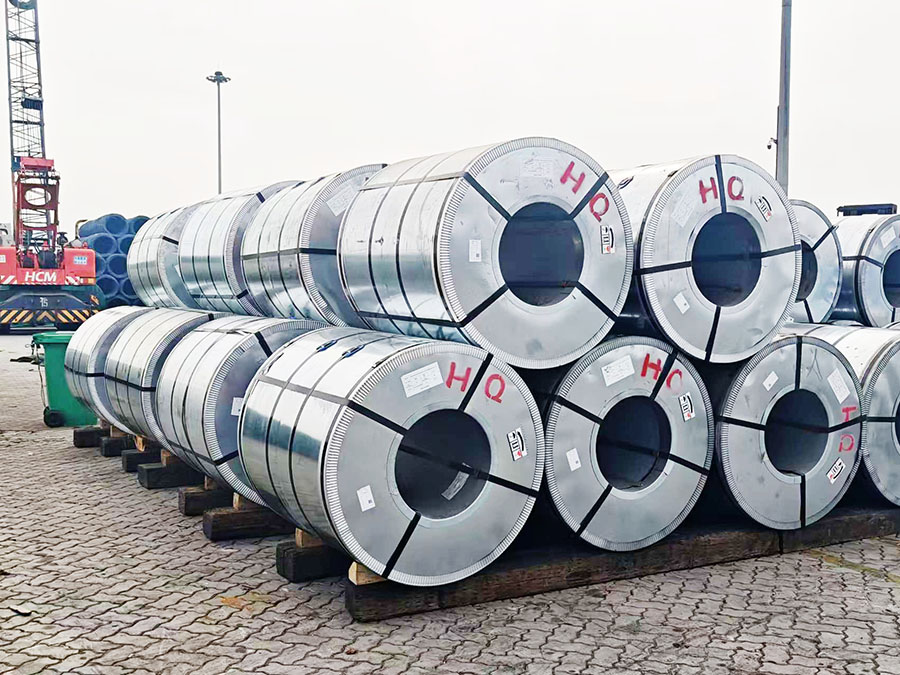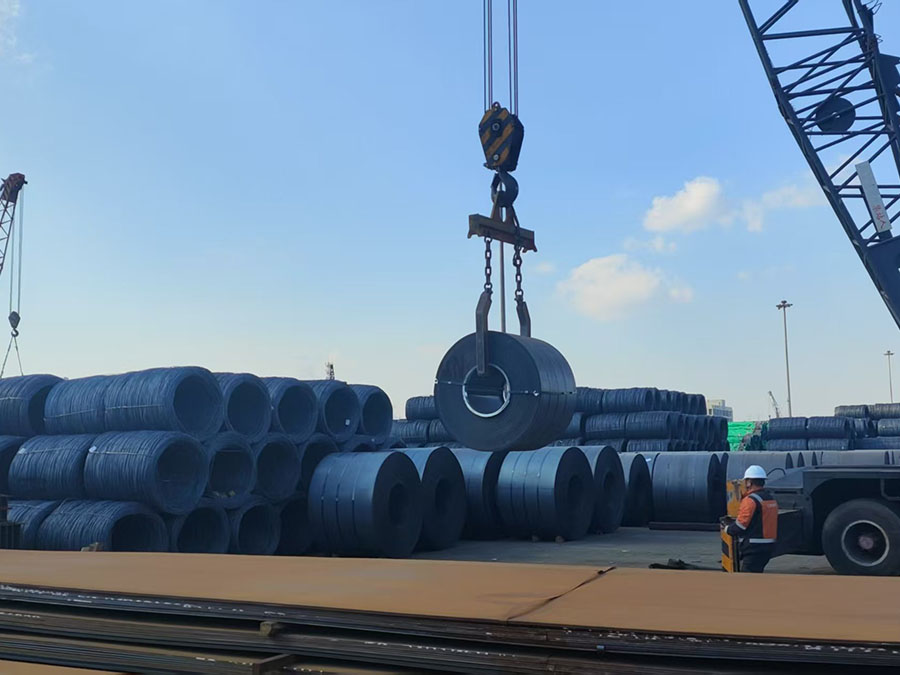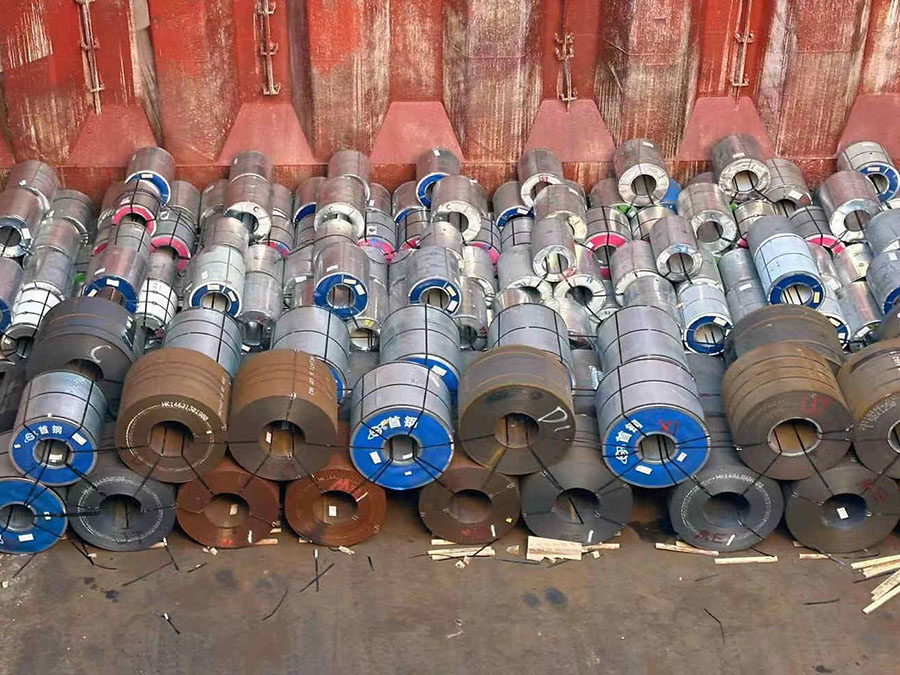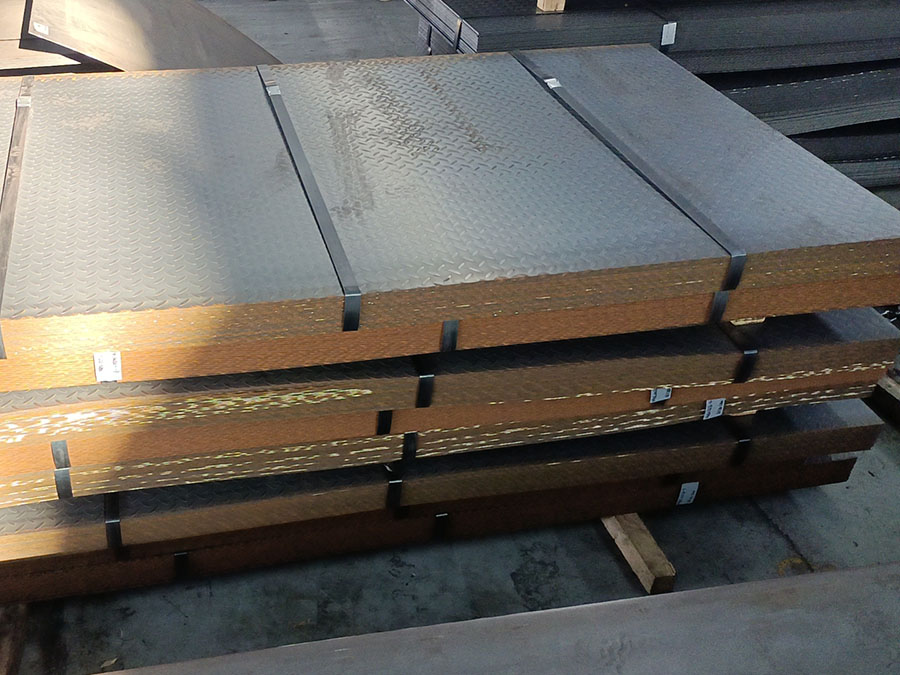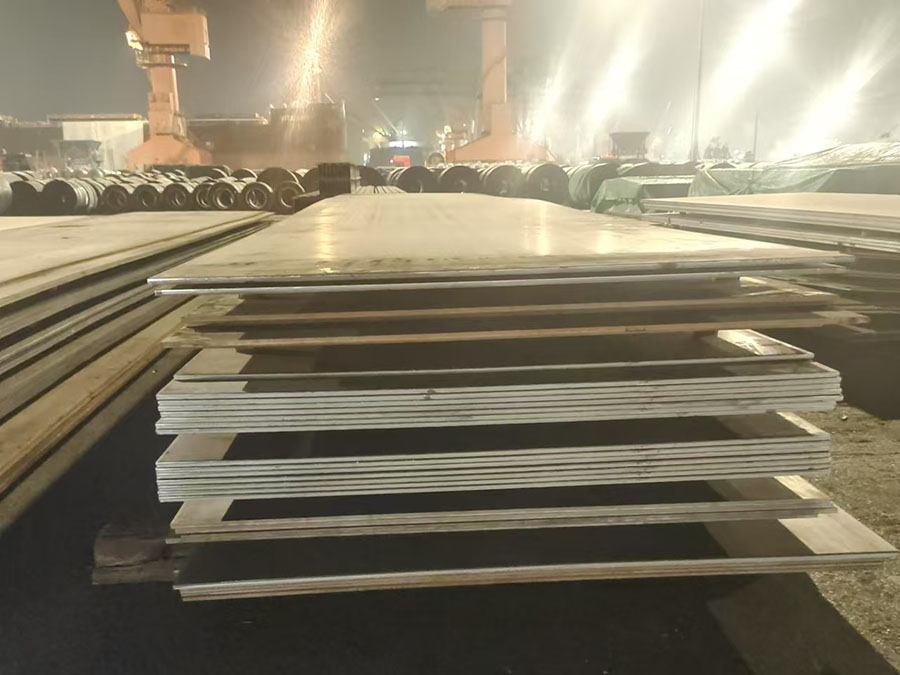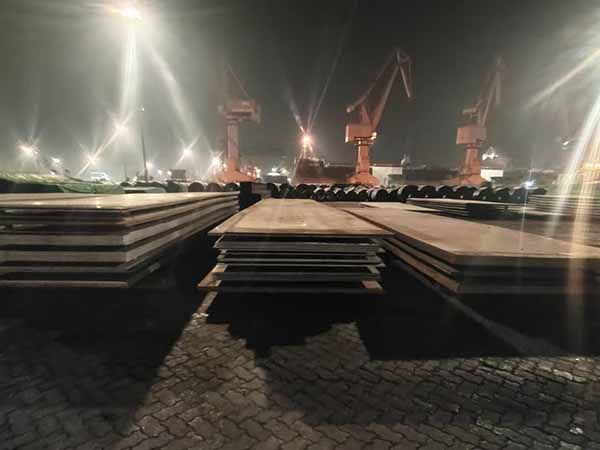
LR Grade D shipbuilding steel plates are high-performance marine structural steels of ordinary strength and low-temperature resistance that comply with LR classification society specifications. They offer excellent low-temperature toughness, weldability, and corrosion resistance, making them suitable for ocean-going vessels operating in cold waters and offshore engineering projects. We offer a full range of LR-certified products and provide custom processing, UT testing, and third-party inspection services. With our stable supply capabilities, we deliver reliable steel solutions to shipyards and offshore engineering projects worldwide.
Certification :
LR RulesGrade :
LR Grade D (LR D)Thickness :
5.0 - 150.0 mmWidth :
1500.0 - 4000.0 mmLength :
6000.0 - 18000.0 mmSpecial thickness, width, and length can be negotiated separately.
We also provide customized processing services.If you have any questions, please contact us.
LR Grade D is a Lloyd’s Register (LR)-certified ordinary-strength hull structural steel plate for low-temperature applications, with a yield strength of ≥235 MPa, a tensile strength of 400 - 520 MPa, and has passed the -20°C Charpy V-notch impact test.
Compared to LR Grade A and Grade B, its key advantage lies in its impact toughness at -20°C, which effectively reduces the risk of brittle fracture in cold waters.
Manufactured using advanced smelting and controlled rolling processes, this steel plate offers excellent strength, weldability, structural stability, and resistance to seawater corrosion. Thanks to its good low-temperature performance and cost-effectiveness, it is widely used in vessels operating in high-latitude waters, deep-sea engineering, and marine projects in cold climates.
LR: Certified by Lloyd’s Register (LR)
D: Quality grade D (Must meet the requirements of the impact test at -20°C)
| Product Name | LR Grade D Shipbuilding Steel Plate |
|---|---|
| Certification | LR (Supports dual or multiple certifications from major classification societies such as CCS, ABS, BV, DNV, and NK.) |
| Grade | LR D |
| Classification | Ordinary-Strength Structural Steel for Ship and Ocean Engineering |
| Thickness | 5 - 150 mm |
| Width | 1,500 - 4,000 mm |
| Length | 6,000 - 18,000 mm |
| Delivery Conditions | Hot Rolled (HR), Thermo-Mechanical Controlled Processed (TMCP), Normalized (N), Quenched and Tempered (Q+T). |
| Surface Conditions | Original black oxide layer, No cracks, scarring, delamination, inclusions, or deep scratches. |
| Machining Services | Precision cutting, bending, drilling, beveling, surface rust removal, shot blasting, anti-corrosion coating, and customized secondary processing. |
| Inspection | Charpy V-notch impact test, Ultrasonic testing (UT), Z-direction property test (Grades Z15/Z25/Z35), Third-party test (such as SGS, BV), etc. |
| Applications | It is primarily used for the hulls, decks, and sides of vessels operating in cold seas; for offshore engineering structural components in low-temperature environments; and for coastal infrastructure and ship repair and retrofitting in cold regions. |
| MOQ | 20 tons (small orders can be negotiated). |
| Delivery Time | 15 - 20 days after order confirmation (urgent orders accepted) |
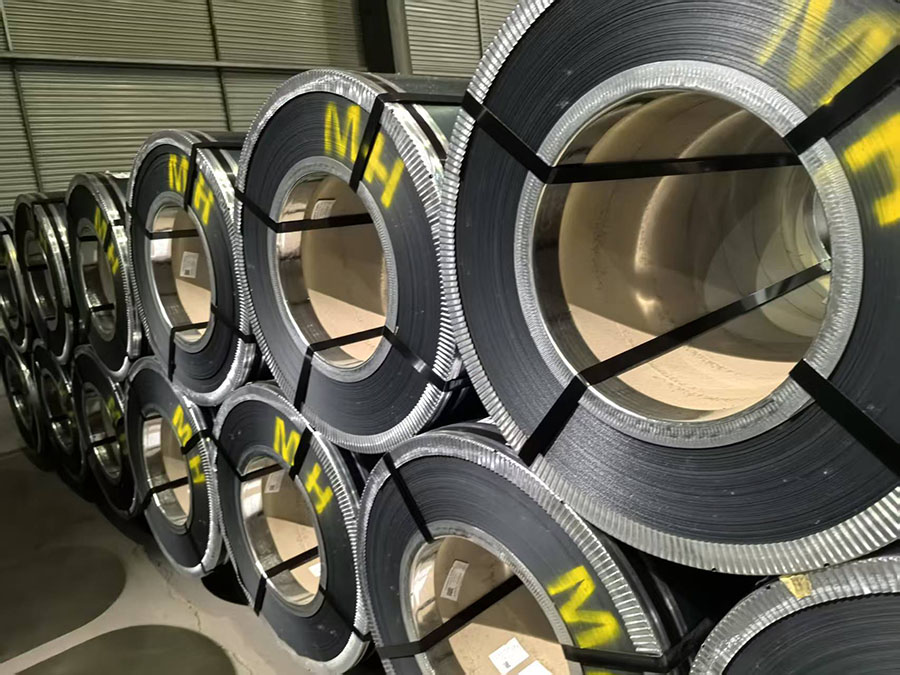
| Packaging | Standard export packaging for sea transport, or as required. |
| Country of origin | China |
| Grade | C | Si | Mn | P | S | Cu | Cr | Ni | Als |
|---|---|---|---|---|---|---|---|---|---|
| LR D | ≤ 0.21 | ≤ 0.35 | ≥ 0.60 | ≤ 0.030 | ≤ 0.030 | ≤ 0.35 | ≤ 0.30 | ≤ 0.30 | ≥ 0.015 |
| Thickness (mm) | 5 - 50 | 50 - 150 |
|---|---|---|
| Typical CEV (wt %) | ≤ 0.38 | ≤ 0.40 |
Calculation formula (IIW): CEV = C + Mn/6 + (Cr + Mo + V)/5 + (Ni + Cu)/15
| Grade | Yield Strength (ReH), MPa | Tensile Strength (Rm), MPa | Elongation (A), % |
|---|---|---|---|
| LR D | ≥ 235 | 400 - 520 | ≥ 22 |
| Grade | Thickness, mm | Temperature, ℃ | Impact Energy, KV2 / J | |
|---|---|---|---|---|
| Longitudinal | Transverse | |||
| LR D | ≤ 50 | - 20 | ≥ 27 | ≥ 20 |
| > 50 - 70 | - 20 | ≥ 34 | ≥ 24 | |
| > 70 - 150 | - 20 | ≥ 41 | ≥ 27 | |
LR Grade D shipbuilding steel plates are widely used in shipbuilding for cold regions and in the field of cryogenic offshore engineering, covering project requirements such as seagoing vessels for cold regions, deep-sea support facilities, cryogenic coastal infrastructure, and ship retrofits.
a) Ocean-going dry cargo ships, bulk carriers, small- and medium-sized oil tankers, container ships, general cargo ships, tugs, supply vessels, and inland waterway/coastal vessels under 1,000 metric tons;
b) Vessels operating in the North Atlantic, high-latitude regions, and winter low-temperature routes.
a) Bow Area: Bow outer plating, stem, bow side, and bow rib framework;
b) Side Plating: Side hull plating for cold-water regions, double-layer side structures;
c) Deck Systems: Open main deck, superstructure deck, deck beams, stringers, and deck cover plates;
d) Bulkheads and Cargo Holds: transverse bulkheads, longitudinal bulkheads, cargo hold sides, ballast tank bulkheads, general liquid cargo tank shells;
e) Double Bottom: double bottom plates for vessels operating in cold-water routes, inner bottom plates, bottom stringers;
f) Superstructure: Bridge, engine room canopy, outer walls of the accommodation deck, bulkheads, stair landings;
g) Secondary load-bearing components: Struts, frames, stiffeners, brackets, fender structures, and auxiliary bottom materials;
h) Ship repair: Replacement of aged hull plates on ships operating in cold regions, and emergency repairs to damaged outer plates.
a) Fixed offshore drilling platforms: platform decks, walkways, guardrails, platform ancillary structures, pipe joint reinforcement plates, and secondary support beams;
b) Floating equipment: secondary structures of FPSO hulls, offshore work barges, and crane ship hulls;
c) Steel plates for offshore wind turbine foundations, auxiliary floating structures for offshore construction, and protective casings for subsea pipelines.
a) Large hull structures for port barges, floating docks, ferries, and yachts;
b) Shipboard storage tanks, seawater pipeline supports, and general steel structure bases in engine rooms;
c) Port lifting equipment and housings for offshore construction machinery.
1. Authoritative LR full certification
2. Excellent low-temperature toughness at -20°C
3. Ultra-stable structural properties
4. Excellent weldability and machinability
5. Enhanced adaptability to marine environments (marine corrosion resistance)
6. Optimal value for money
7. Full range of specifications and one-stop customization services
8. Stable bulk supply capacity
A:
The basic strength parameters of the two grades are the same; the key difference lies in low-temperature impact resistance and application scenarios.
LR Grade D must pass an impact test at -20°C and is suitable for conventional cold-water regions; LR Grade E must pass an impact test at -40°C and offers superior low-temperature toughness and resistance to brittle fracture, making it suitable for polar and extremely cold marine environments.
A:
The standard delivery conditions for LR Grade D shipbuilding steel plates are as follows:
1) Hot-rolled (HR): Suitable for thin plates with a thickness of ≤12 mm; this is the standard supply condition.
2) Thermomechanically Controlled Process (TMCP): The primary delivery condition for medium- and thick plates; grain refinement ensures compliance with impact toughness requirements at -20°C without the need for additional heat treatment.
3) Normalized (N): Suitable for thick plates with a thickness of ≥50 mm; used for critical components with stringent low-temperature toughness requirements.
All delivery conditions must pass LR third-party inspection prior to shipment.
A:
We provide one-stop value-added processing services, including precision cutting, bending, drilling, beveling, surface derusting, shot blasting, anti-corrosion treatment, and heat treatment, to meet all custom manufacturing and installation requirements for extreme-low-temperature offshore engineering projects.
A:
Yes. All of our LR Grade D shipbuilding steel plates are fully compatible with inspections by internationally recognized third-party organizations such as SGS, BV, and DNV. They come with complete official LR certification and original factory test reports, ensuring comprehensive quality traceability.
A:
The key difference lies in low-temperature impact resistance. LR Grade B is tested at 0°C and is suitable for temperate and mildly cold waters; LR Grade D is subject to a mandatory -20°C low-temperature impact test, offering greater cold resistance and making it suitable for cold waters and extremely cold marine environments. Both grades have the same basic tensile strength and yield strength.
A:
Yes. All of our LR Grade D shipbuilding steel plates hold valid official certification from Lloyd’s Register (LR) and EN 10204 3.2 mill test certificates. These certificates are internationally recognized and fully support global project bidding, high-standard engineering acceptance, and cross-border customs clearance requirements.
– We offer free samples and bespoke solutions. Please feel free to enquire about our latest prices and volume discounts.
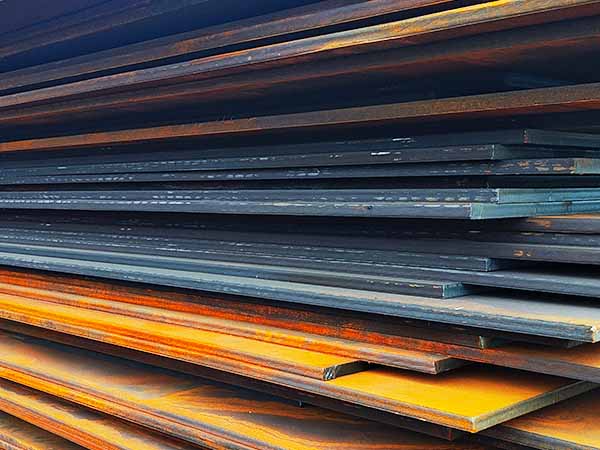
Yuxin Steel provides high-quality steel products to customers in more than 20 countries worldwide.
Contact Info
Would you like to know more about our offers? Please feel free to contact us.