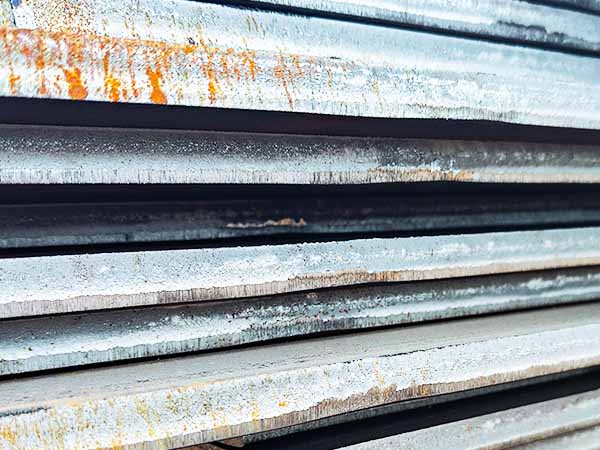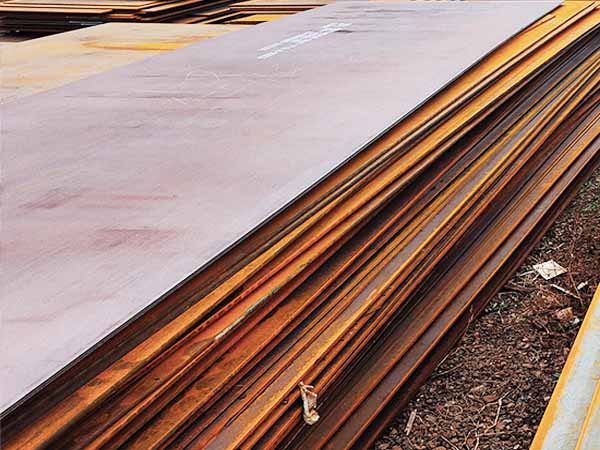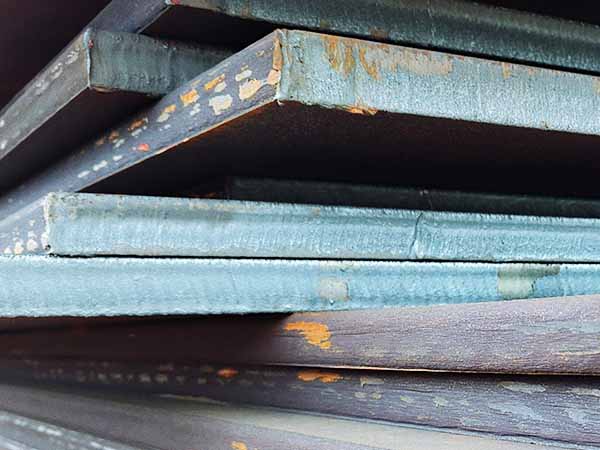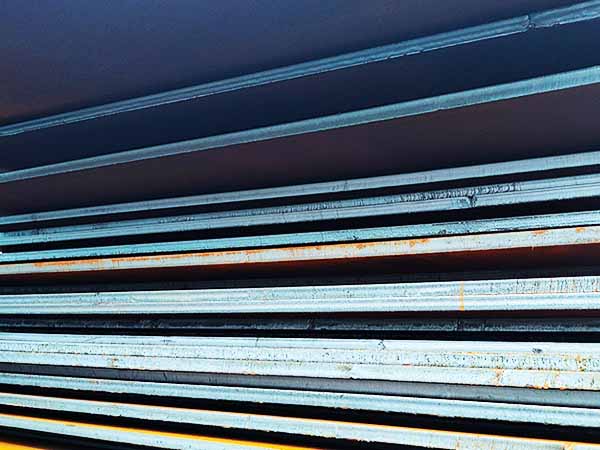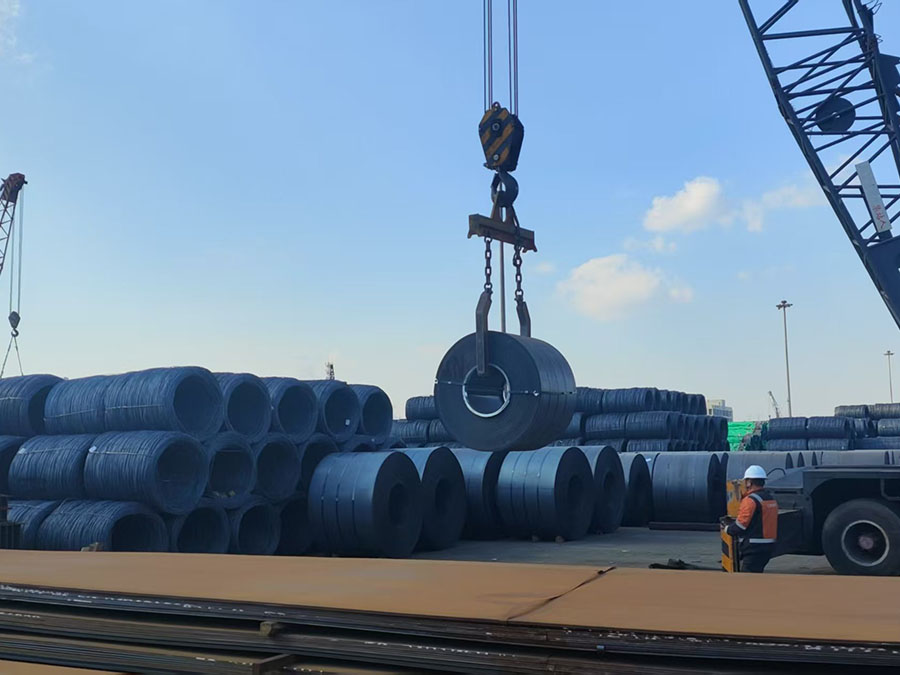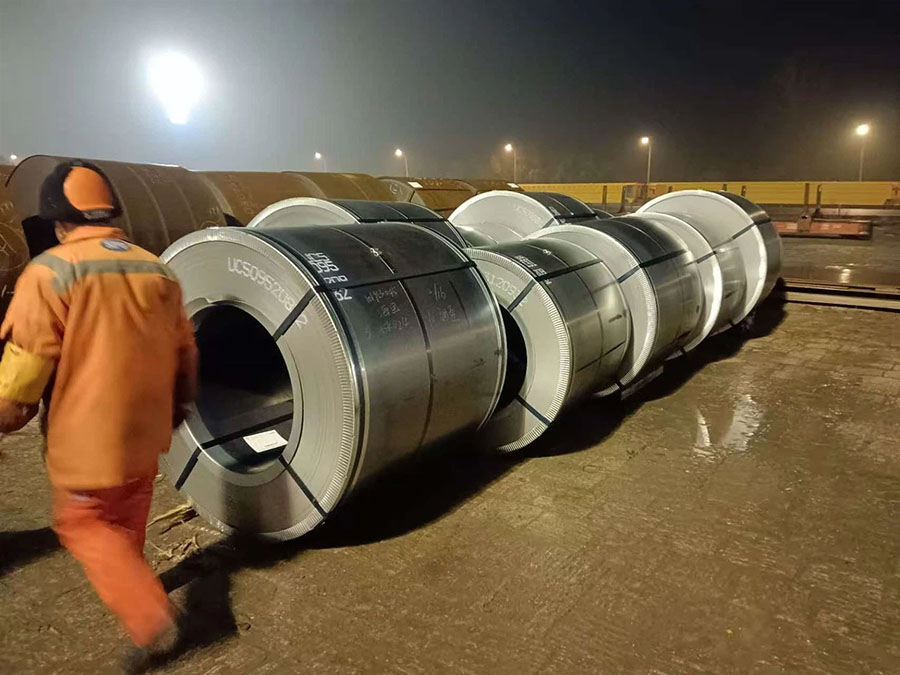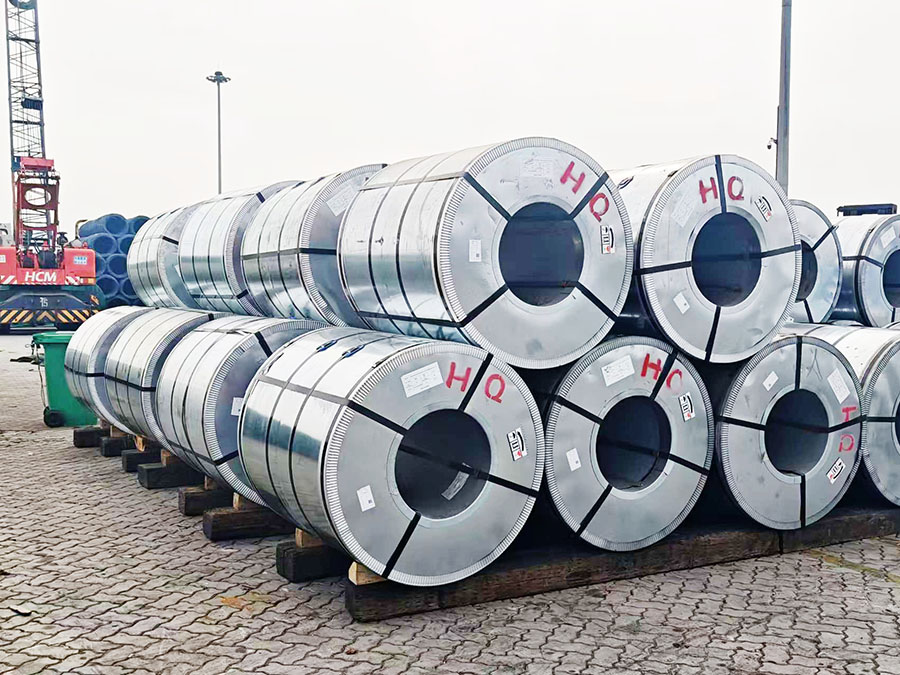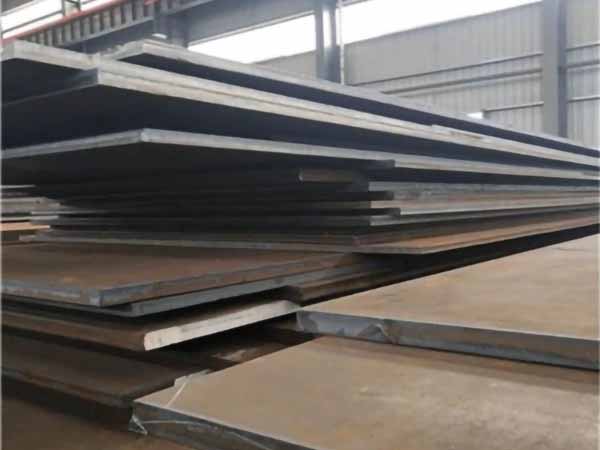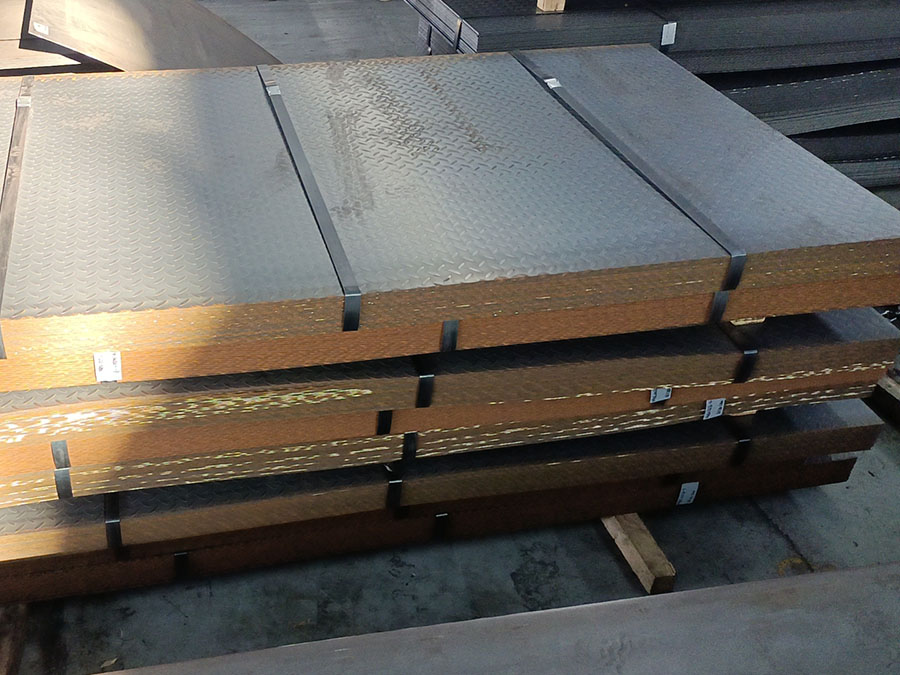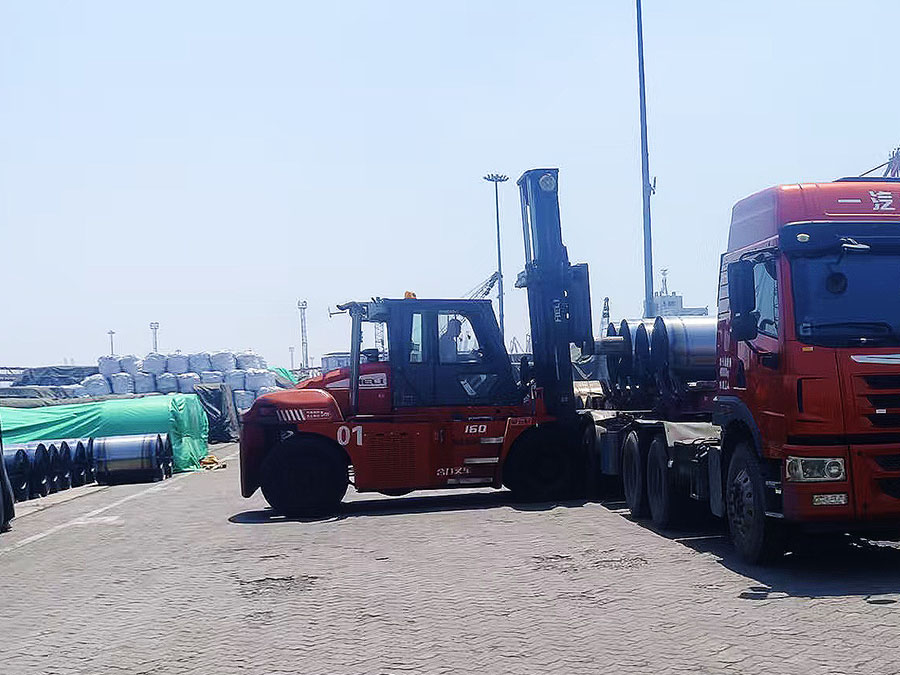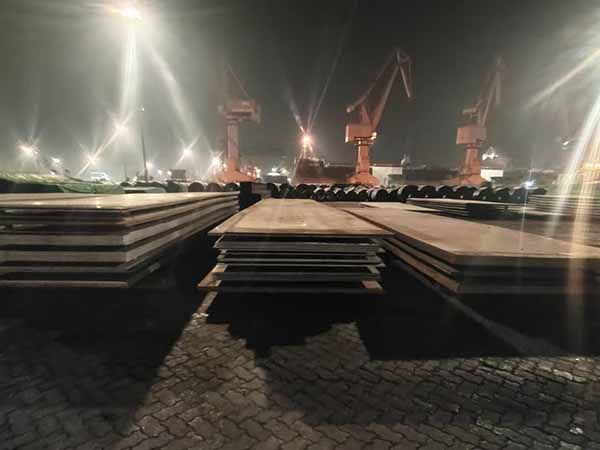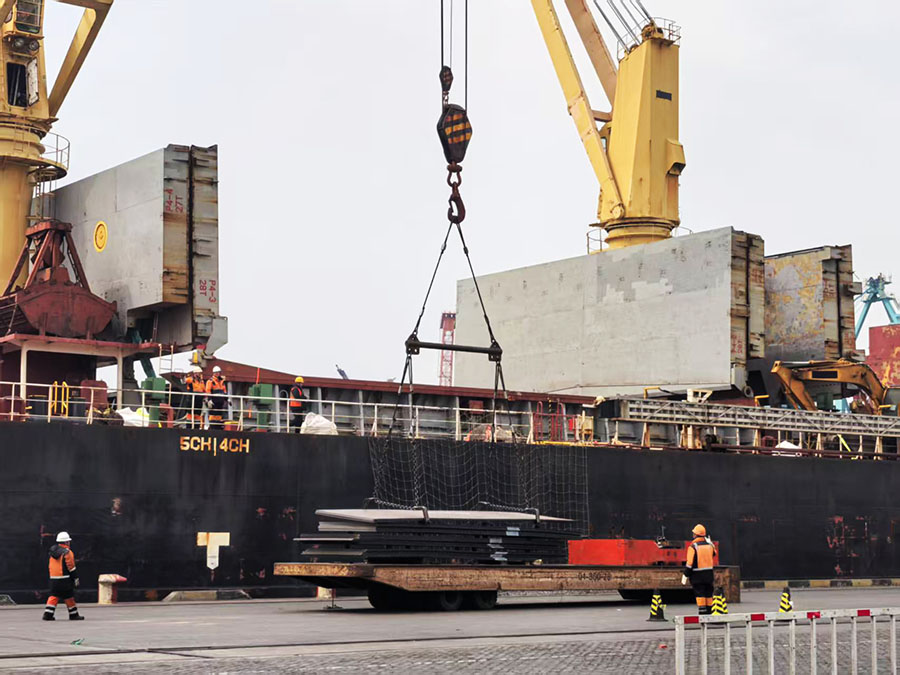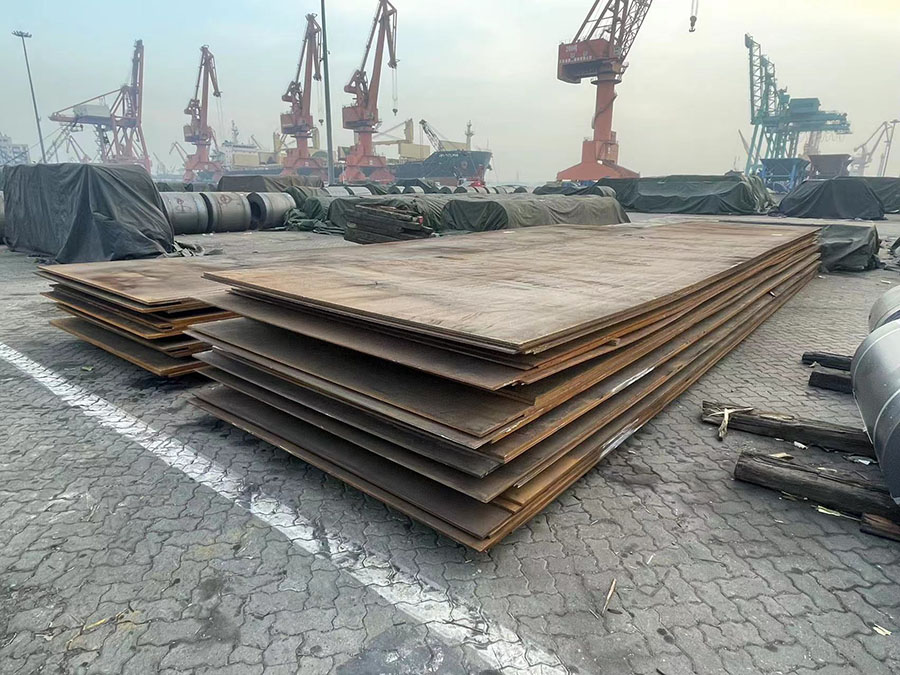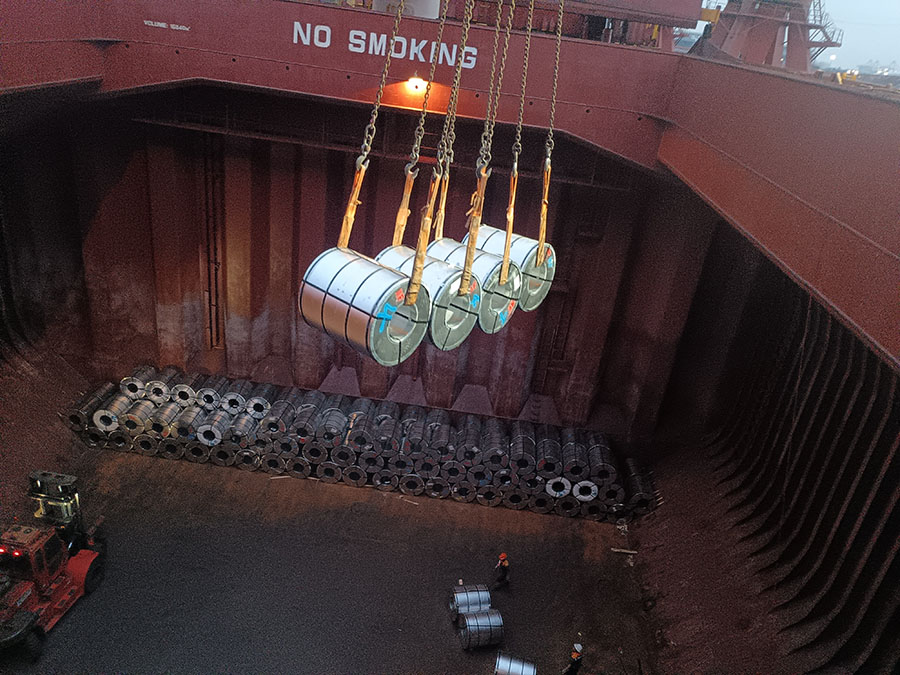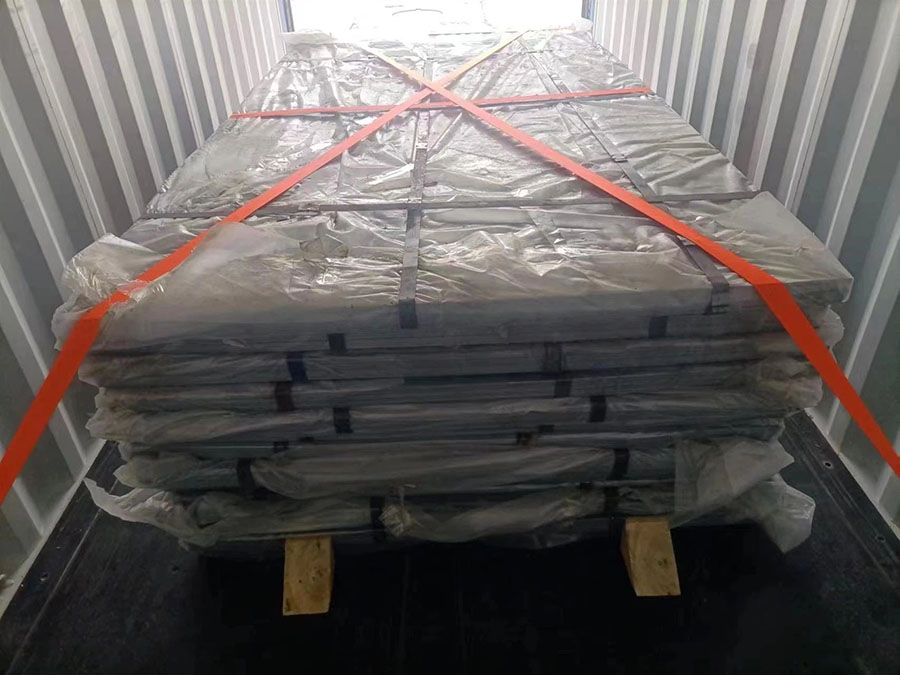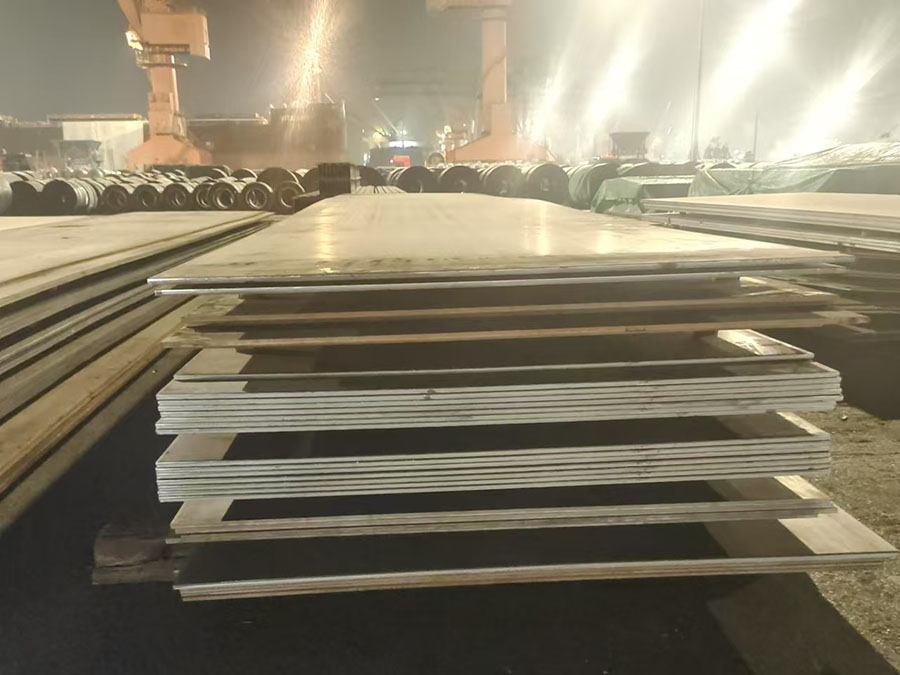
We supply CCS Grade EH36 high-strength shipbuilding steel plates manufactured in China, which comply with GB/T 712 and China Classification Society (CCS) certification standards. These plates offer low-temperature impact toughness at -40°C, corrosion resistance and excellent weldability. CCS-certified EH36 shipbuilding steel plates are suitable for marine engineering applications such as ship hulls, decks and offshore platforms in cold and polar environments. We offer custom cutting, Z-direction performance testing and global delivery; enquire now to benefit from special offers.
Certification :
CCS RulesStandard :
GB/T 712Grade :
CCS Grade EH32 (CCSEH32)Thickness :
5.0 - 150.0 mmWidth :
1500.0 - 4000.0 mmLength :
6000.0 - 18000.0 mmSpecial thickness, width, and length can be negotiated separately.
We also provide customized processing services.If you have any questions, please contact us.
CCS EH36 is a high-strength marine structural steel plate certified by the China Classification Society (CCS), complying with the GB/T 712 national standard and the CCS Shipbuilding Materials Production Specifications. This material belongs to the E-grade high-strength shipbuilding steel category. Through microalloying with niobium, vanadium and titanium, combined with fine-graining treatment, it offers a high yield strength, excellent low-temperature impact toughness, resistance to seawater corrosion and good bending formability.
Compared to the AH36 and DH36 in the same series, CCS EH36 maintains stable mechanical properties in extreme cold environments down to -40°C, making it suitable for demanding marine engineering projects such as polar vessels, large cargo ships and deep-sea offshore platforms.
As a specialist supplier of marine steels, we offer hot-rolled CCS EH36 steel plates delivered in normalized or TMCP (Thermomechanical Control Process) conditions, ensuring optimal performance in deep-sea high-pressure environments.
CCS: Certified by the China Classification Society
E: Quality Grade E (requiring impact toughness at -40°C)
H: High-strength steel
36: Minimum yield strength: 355 MPa (≈ 36 kgf/mm²)
| Product | CCS Grade EH36 Shipbuilding Steel Plate |
|---|---|
| Certification | CCS |
| Grade | EH36 |
| Material Category | Heigh-Strength Structural Steel for Ship and Ocean Engineering |
| Thickness | 5 - 150 mm |
| Width | 1500 - 4000 mm |
| Length | 6000 - 18000 mm |
| Delivery Conditions | Normalized (N), Thermo-Mechanical Controlled Processed (TMCP). |
| Surface Conditions | The surface is in its original condition; surface treatments such as sandblasting, rust removal, oiling and painting are available. |
| Testing | Tensile test, Charpy V-notch impact test, Ultrasonic testing (UT), Z-direction property test (Grades Z15/Z25/Z35), Dimensional inspection. |
| Applications | Used in polar and high-latitude transport vessels, deep-sea offshore oil and gas platforms, large merchant ships, new energy vessels and auxiliary equipment. |
| MOQ | 5 tons (small orders can be negotiated). |
| Delivery Time | 15 - 20 days after order confirmation (urgent orders accepted). |
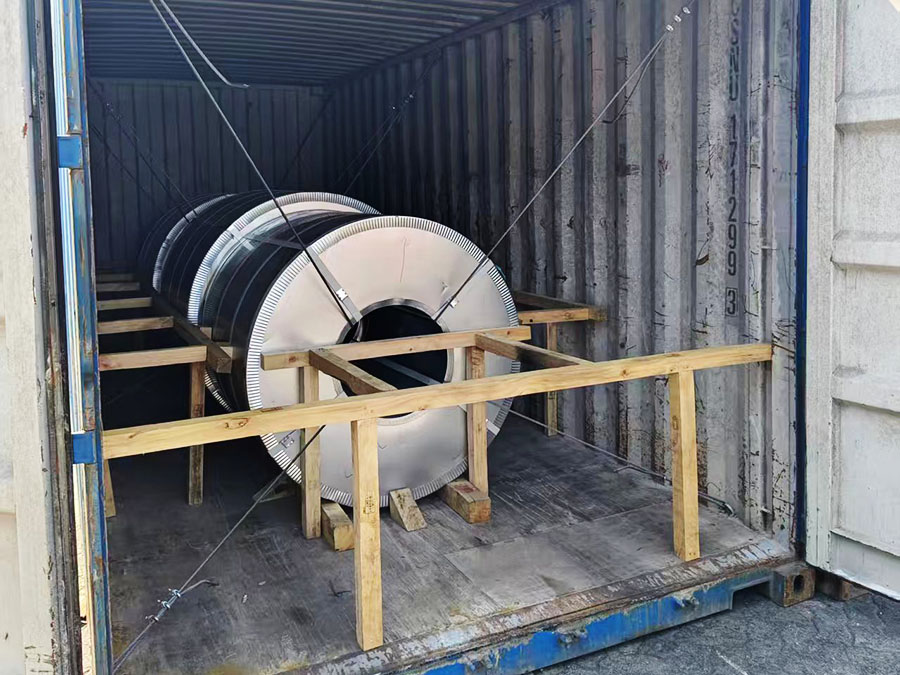
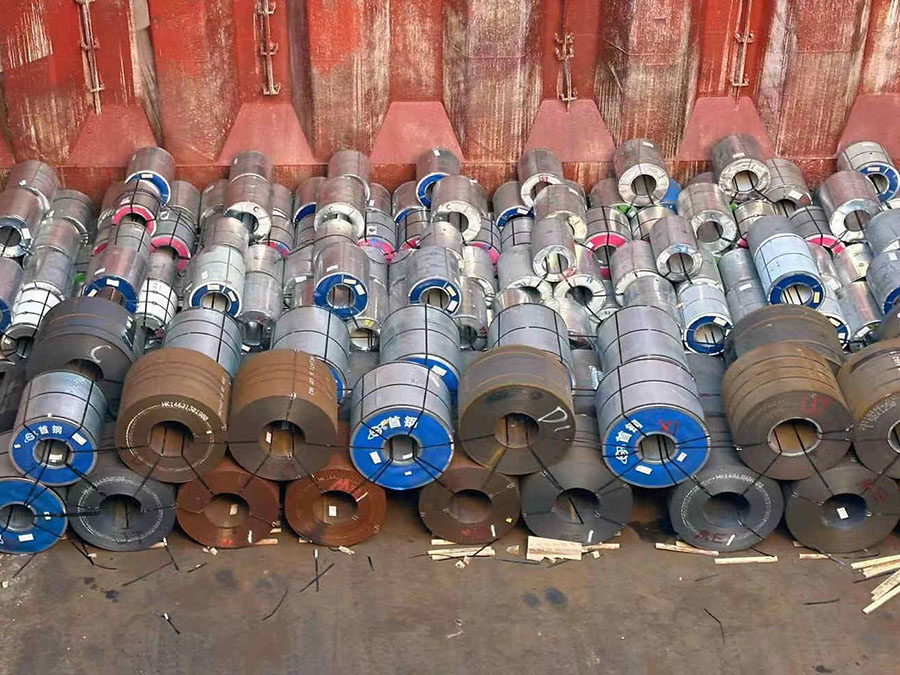
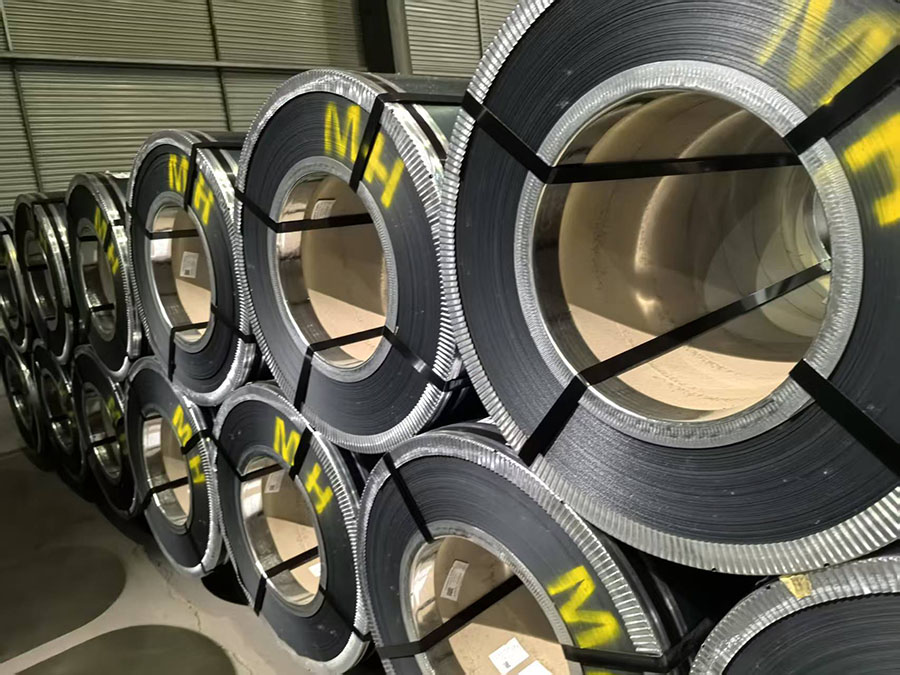
| Packaging | Standard export packaging for sea freight (waterproof paper + steel strapping) or customised as required. |
| Country of Origin | China |
| Grade | C | Si | Mn | P | S | Cu | Cr | Ni | Nb | V | Ti | Mo | Als |
|---|---|---|---|---|---|---|---|---|---|---|---|---|---|
| CCS EH36 | ≤ 0.18 | ≤ 0.50 | 0.90 - 1.60 | ≤ 0.025 | ≤ 0.025 | ≤ 0.35 | ≤ 0.20 | ≤ 0.40 | 0.02 - 0.05 | 0.05 - 0.10 | ≤ 0.02 | ≤ 0.08 | ≥ 0.015 |
| Thickness (mm) | 5 - 50 | 50 - 150 |
|---|---|---|
| Typical CEV (wt %) | ≤ 0.38 | ≤ 0.40 |
Calculation formula (IIW): CEV = C + Mn/6 + (Cr + Mo + V)/5 + (Ni + Cu)/15
| Grade | Yield Strength (ReH), MPa | Tensile Strength (Rm), MPa | Elongation (A), % |
|---|---|---|---|
| CSS EH36 | ≥ 355 | 490 - 630 | ≥ 21 |
| Grade | Thickness, mm | Temperature, ℃ | Impact Energy, KV2 / J | |
|---|---|---|---|---|
| Longitudinal | Transverse | |||
| CCS EH36 | ≤ 50 | - 40 | ≥ 34 | ≥ 24 |
| > 50 - 70 | - 20 | ≥ 41 | ≥ 27 | |
| > 70 - 150 | - 20 | ≥ 50 | ≥ 34 | |
Covers the key structures of large vessels, crude oil tankers, container ships, polar cruise ships and multi-purpose cargo ships.
Includes major load-bearing components of the hull such as outer plating, main deck, bulkheads, longitudinal frames and stern posts.
Ice-class reinforcement structures for polar-class vessels, as well as core load-bearing components for deep-sea operation vessels and cryogenic-resistant specialised engineering vessels.
Offshore oil and gas drilling platforms, jacket support structures, and load-bearing deck modules.
Foundation platforms for large-scale offshore wind power projects; main structures of Floating Production, Storage and Offloading (FPSO) units.
Cross-sea causeways, breakwaters and heavy-duty marine auxiliary machinery and equipment.
Ship refurbishment and maintenance; marine crane components; pressure-bearing structural components; and heavy-duty equipment parts requiring high strength and low-temperature toughness.
All batches of CCS EH36 shipbuilding steel plates have been officially certified by the China Classification Society (CCS), and full certification documentation is available.
Maintains stable mechanical properties in ultra-low temperature environments down to -40°C, preventing brittle fracture, and is suitable for polar-class vessels and offshore platforms operating in cold regions.
With a low carbon equivalent, it is compatible with mainstream welding processes such as SAW, SMAW and GMAW, and exhibits low susceptibility to weld cracking.
Supports processing methods such as plasma cutting, flame cutting, and cold/hot bending, facilitating the manufacture of complex ship components.
Through optimised alloy element ratios, it effectively resists electrochemical corrosion in seawater and salt spray oxidation, reducing maintenance frequency and extending the service life of ship hulls and offshore structures.
We offer a range of value-added services, including custom-sized cutting, Z-direction performance testing (Z15/Z25/Z35 grades), ultrasonic testing (UT), surface treatment and heat treatment.
We provide CCS certification, factory test certificates, and reports on chemical composition and mechanical properties.
We offer a one-stop service for pre-processing, including cutting, surface polishing, anti-rust coating and heat treatment.
We accommodate both small-batch sample orders and large-volume commercial orders to meet diverse procurement needs.
Common specifications are available from stock, whilst custom products have a lead time of 15–20 days.
We support trade terms such as FOB, CFR and CIF, with delivery to major ports worldwide.
24/7 online technical support.
A:
CTOD (Crack Tip Opening Displacement) is a fracture mechanics testing method.
For vessels navigating in extremely cold waters, such as the Arctic, or offshore oil and gas platforms, relying solely on the Charpy V-notch impact test is insufficient to comprehensively assess the structural safety of CCS EH36 material. The CTOD test enables a dynamic assessment of the ability of welded joints and heat-affected zones to resist brittle fracture propagation initiated by minute initial cracks under extreme low-temperature conditio
A:
Typical dimensions for CCS EH36 shipbuilding steel plates:
| Parameter | Dimension range |
|---|---|
| Thickness | 5mm - 150mm |
| Width | 1500mm - 4000mm |
| Length | 6000mm - 18000mm |
Note: Other dimensions can be customised on request.
A:
CCS EH36 shipbuilding steel plates exhibit good cold-forming properties. During bending operations (such as for ship side plating and bow plating), it is recommended that the bending radius be no less than twice the plate thickness (R ≥ 2t). Steel plates supplied in a thermomechanically controlled process (TMCP) condition have a lower risk of cold-bending cracking due to grain refinement. To achieve optimum crack resistance, the bending line should be perpendicular to the rolling direction of the steel plate during bending operations.
A:
Z-direction properties (thickness-direction properties) refer to the ability of steel plates to resist laminar tearing in the thickness direction.
For CCS EH36 steel plates, when used in thick-walled, highly constrained joints (such as T-joints, cross joints, and drilling platform pile leg joints), welding cooling shrinkage generates significant tensile stresses perpendicular to the plate surface in the thickness direction. To prevent laminar tearing within the steel plate, the purchaser must explicitly specify the Z15, Z25 or Z35 grades in the contract, corresponding to a tensile reduction in thickness of not less than 15%, 25% and 35% respectively.
A:
CCS EH36 shipbuilding steel plate has good weldability (Ceq ≤ 0.40%, low-carbon design). Suitable processes: SMAW, SAW, GMAW, FCAW. Use low-hydrogen electrodes; preheat thick plates (>50 mm) to 80 - 120 °C to prevent cold cracking.
A:
The key difference between the two lies in the temperature at which the impact toughness test is conducted:
CCS DH36: Requires impact toughness testing at -20°C;
CCS EH36: requires impact toughness testing to be conducted at -40°C.
Consequently, CCS EH36 can operate in lower ambient temperatures and is therefore more suitable for harsher marine environments such as the deep sea and polar regions.
– We offer free samples and bespoke solutions. Please feel free to enquire about our latest prices and volume discounts.
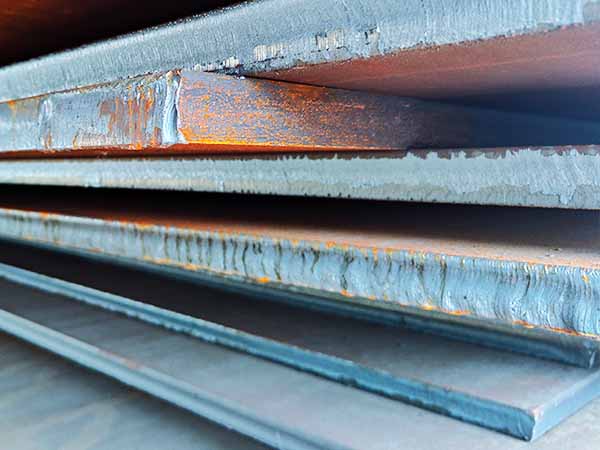
Yuxin Steel provides high-quality steel products to customers in more than 20 countries worldwide.
Contact Info
Would you like to know more about our offers? Please feel free to contact us.