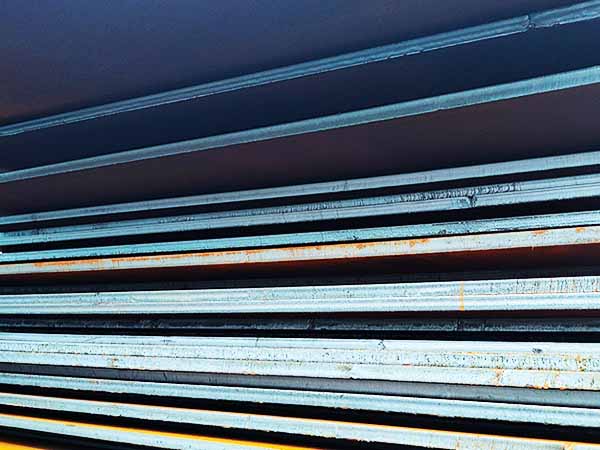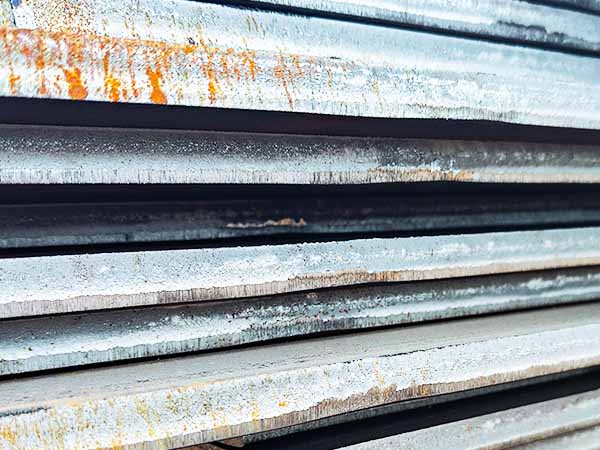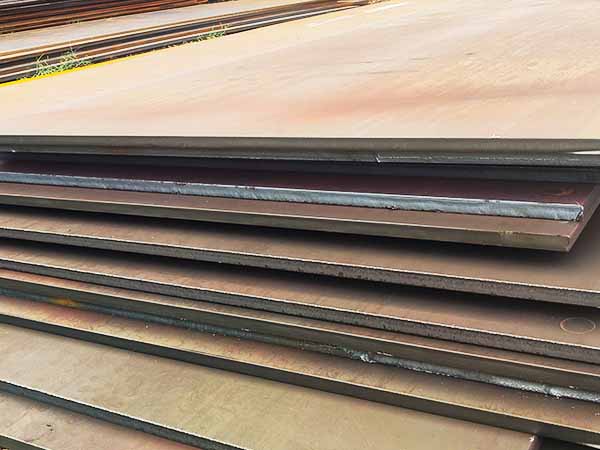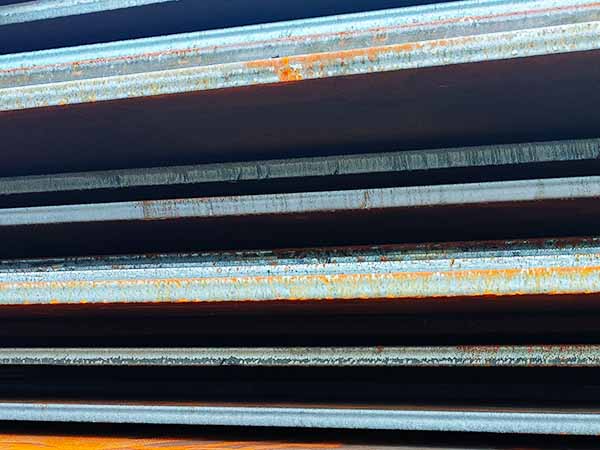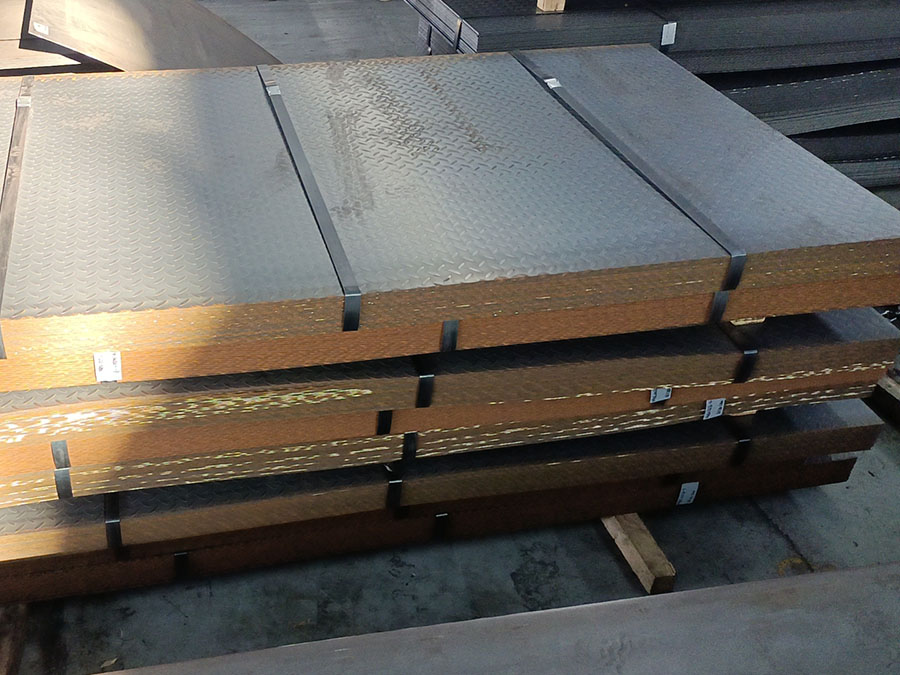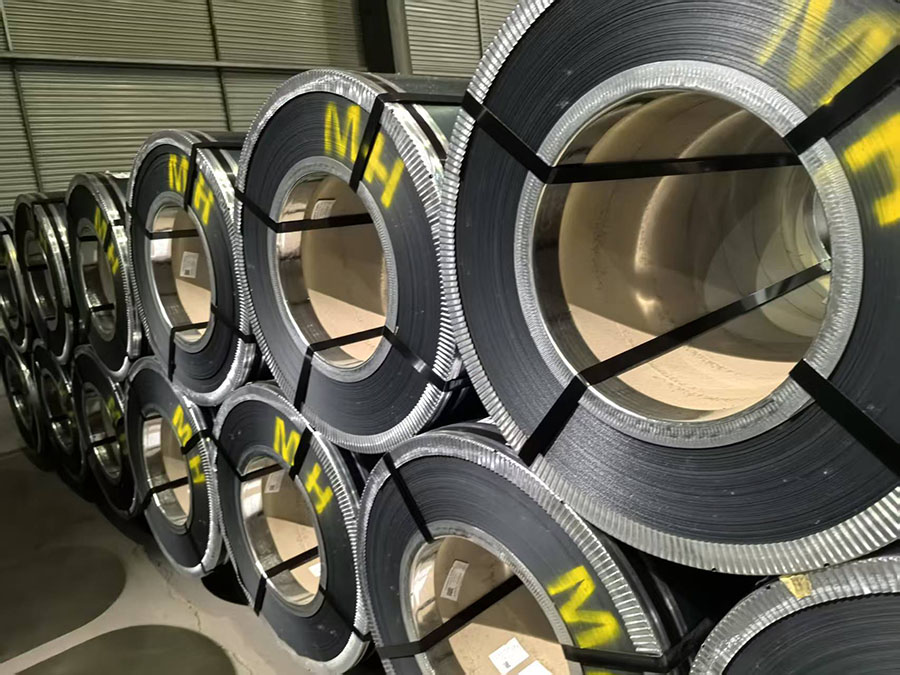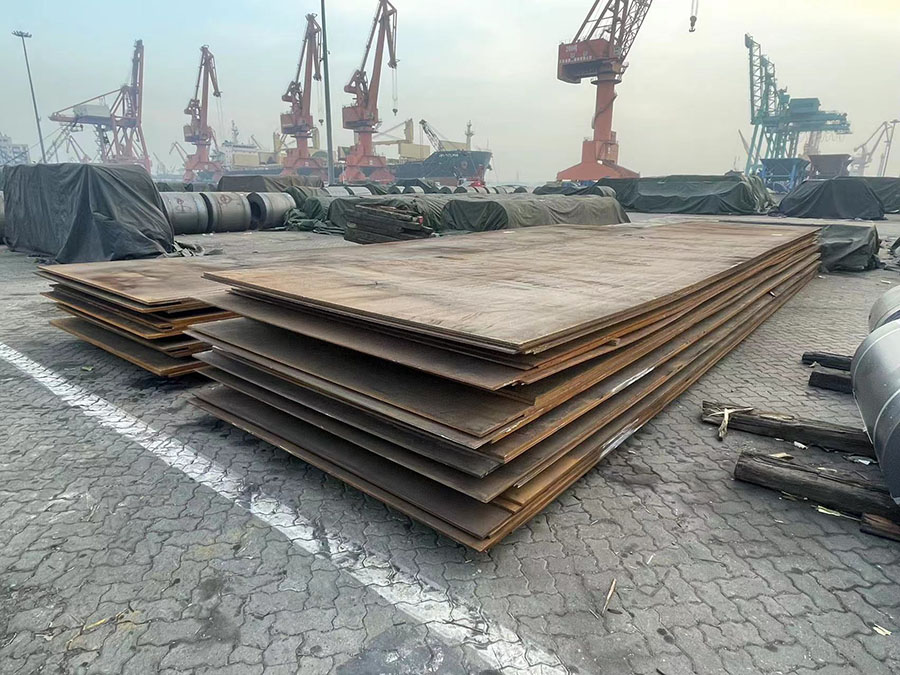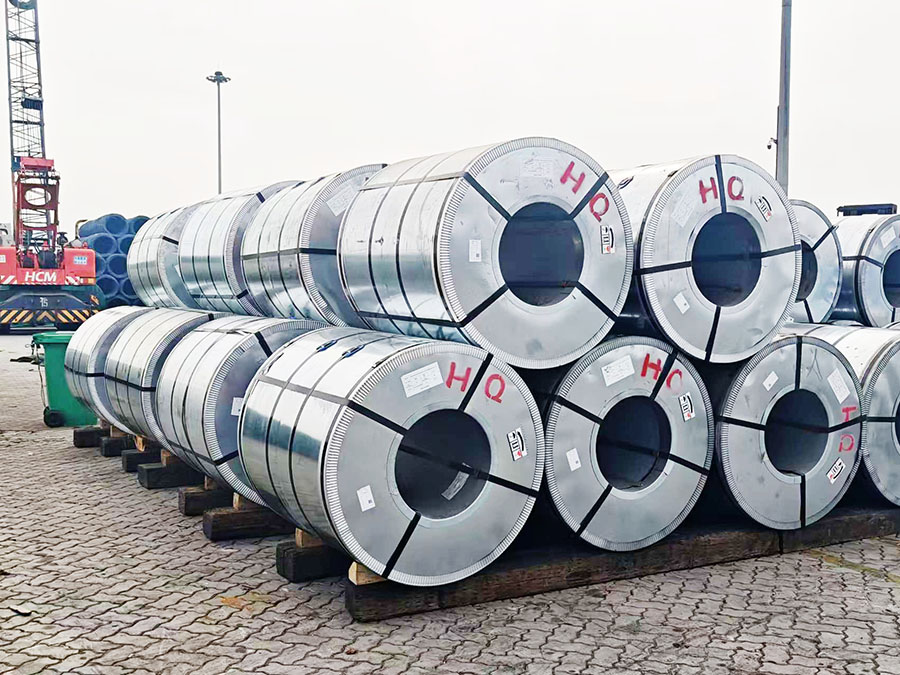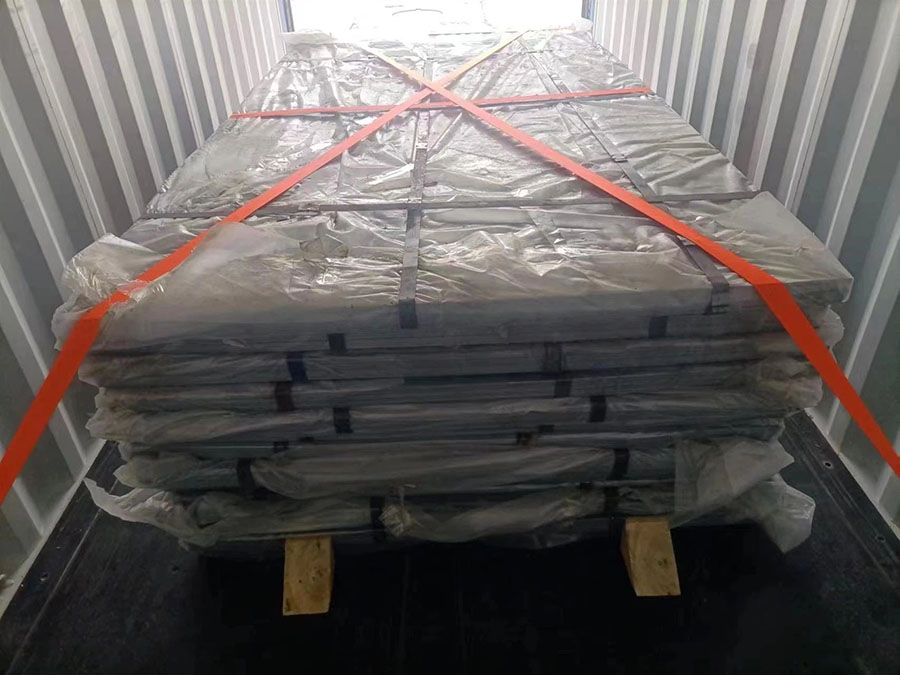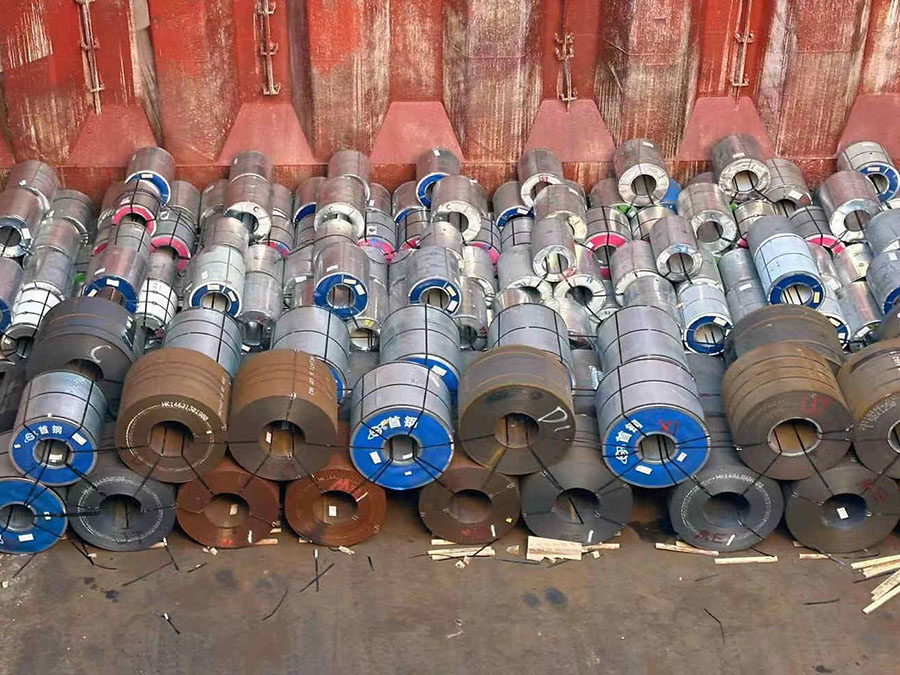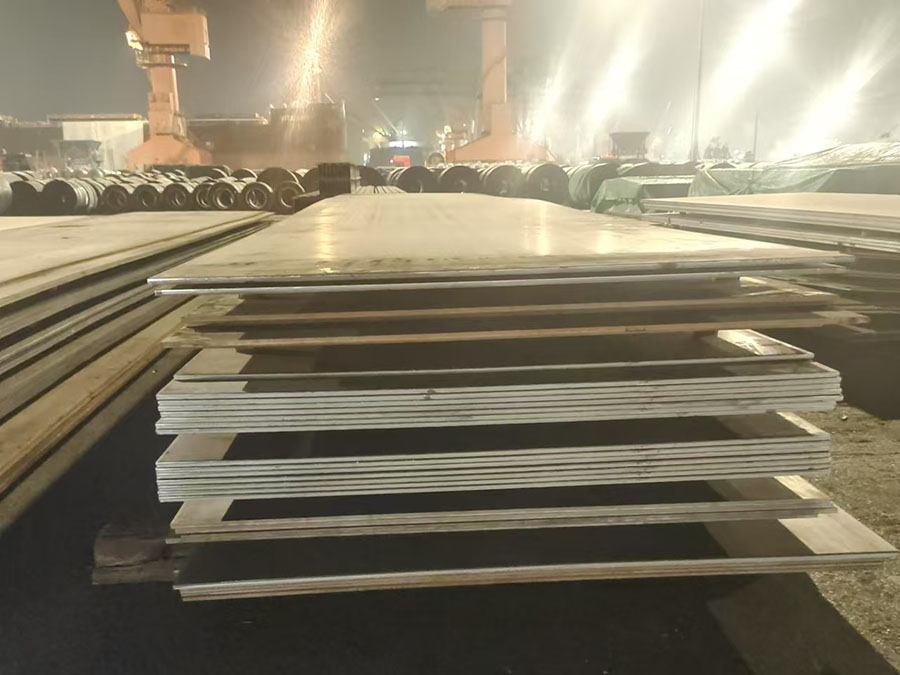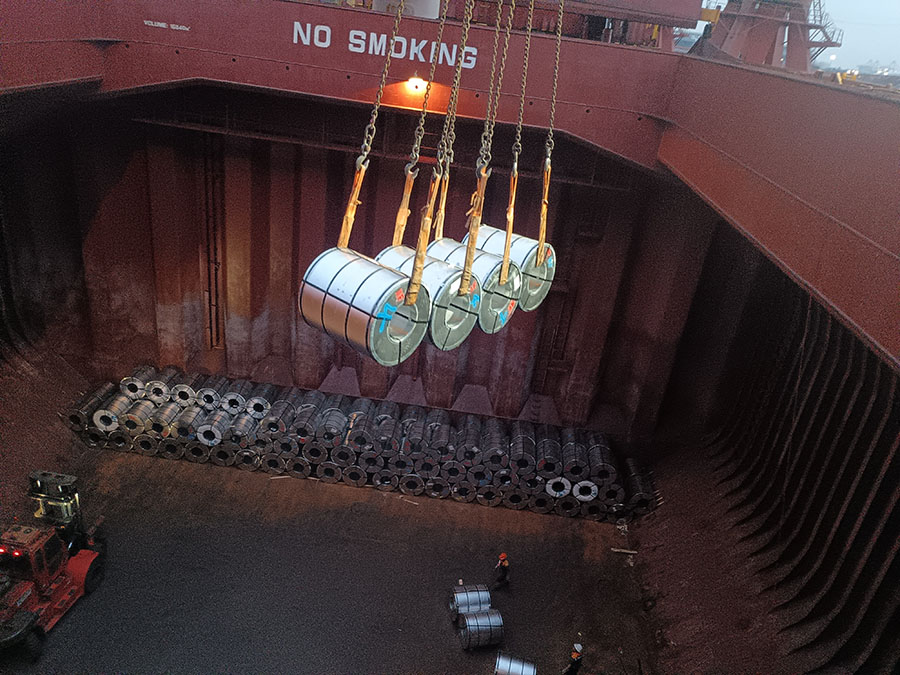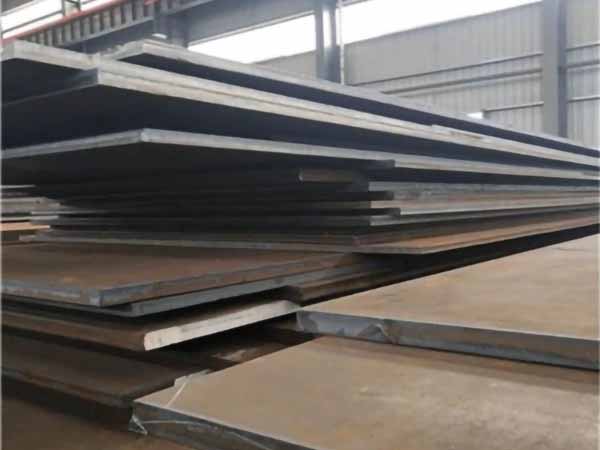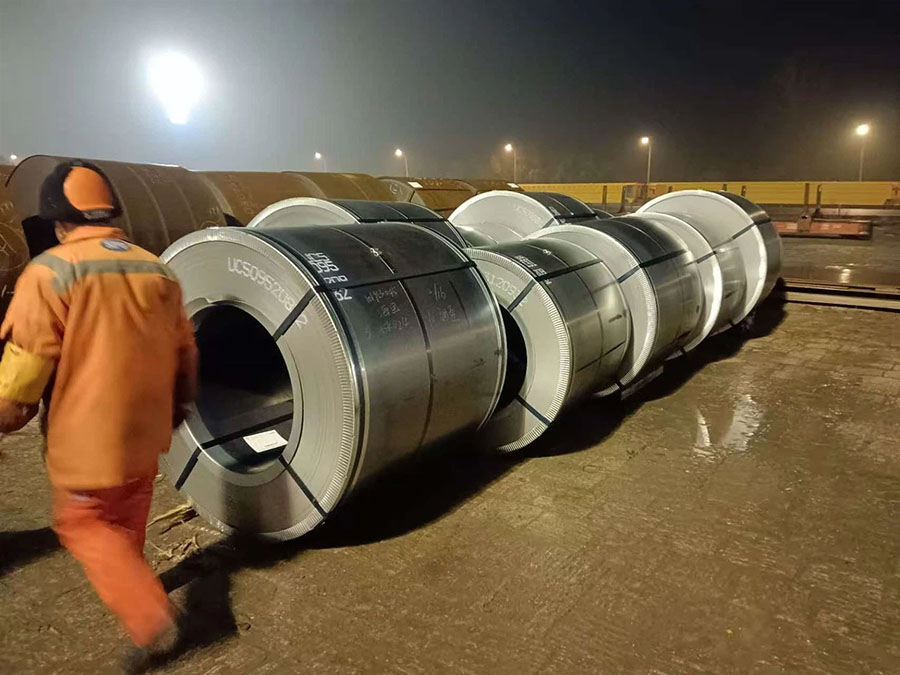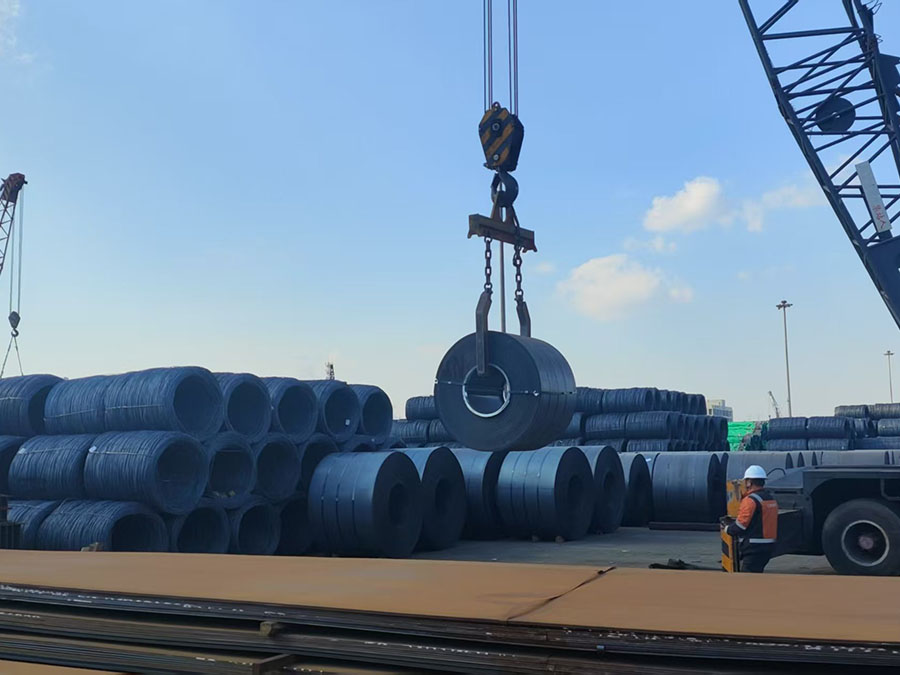
CCS Grade D shipbuilding steel plates are normal-strength hull structural steel plates certified by the China Classification Society (CCS), widely used in hull construction, offshore engineering and marine structural components. These steel plates comply with the GB/T 712-2022 standard for marine steel and offer excellent low-temperature toughness, stable mechanical properties and good weldability. The product has passed the rigorous inspections of the China Classification Society and is available for bulk supply and custom processing to customers in the global marine industry.
Certification :
CCS RulesStandard :
GB/T 712Grade :
CCS Grade D (CCS D)Thickness :
5.0 - 150.0 mmWidth :
1500.0 - 3950.0 mmLength :
6000.0 - 18000.0 mmSpecial thickness, width, and length can be negotiated separately.
We also provide customized processing services.If you have any questions, please contact us.
CCS Grade D shipbuilding steel plate is a normal-strength hull structural steel certified by the China Classification Society (CCS), complying with the Chinese national standard GB/T 712-2022 ‘Structural Steel for Ship and Ocean Engineering’. This steel plate offers excellent low-temperature toughness (as demonstrated by impact testing at -20°C), stable mechanical properties (yield strength ≥ 235 MPa) and good weldability, and is widely used in ship hull structures, offshore platforms and marine engineering projects.
We supply high-quality CCS Grade D shipbuilding steel plates, fully certified by CCS, with customisable dimensions and global shipping available, and are committed to serving shipyards and marine engineering companies worldwide.
CCS: Certified by the China Classification Society
D: Quality Grade D (Impact toughness grade: Impact test at -20°C)
Among standard marine structural steels, CCS Grade D shipbuilding steel plates offer unrivalled advantages for use in low- to medium-temperature marine environments:
Maintains stable impact resistance at -20°C, effectively preventing brittle fracture of steel plates in cold waters.
Approved by the China Classification Society, compliant with shipbuilding industry regulations and meeting global shipbuilding inspection standards.
Designed with a low carbon equivalent, facilitating welding, bending and cutting operations to meet the manufacturing requirements of complex hull structures.
Optimised alloy composition enhances resistance to seawater corrosion, extending service life at sea.
Every batch undergoes ultrasonic testing, chemical analysis and mechanical property testing to ensure consistent and reliable quality.
A variety of rolling processes, including rolling, controlled rolling, TMCP and normalising, are available to meet diverse engineering requirements.
| Product | CCS Grade D Shipbuilding Steel Plate |
|---|---|
| Certification | CCS |
| Grade | D |
| Material Category | Normal-Strength Structural Steel for Ship and Ocean Engineering |
| Thickness | 5 - 150 mm |
| Width | 1500 - 3950 mm |
| Length | 6000 - 18000 mm |
| Delivery Conditions | Hot Rolled (HR), Controlled Rolled (CR), Normalized (N), Thermo-Mechanical Controlled Processed (TMCP). |
| Surface Conditions | Surface pretreatment (shot blasting, rust removal, oiling, painting, etc.) is available. |
| Testing | Tensile test, Charpy V-notch impact test, Ultrasonic testing (UT), Z-direction property test (Grades Z15/Z25/Z35), Dimensional inspection, Custom cutting. |
| Applications | Widely used in the hull structures of standard vessels, offshore platform support structures, offshore pipeline supports, marine support equipment, etc. |
| MOQ | 50 tons (small orders can be negotiated). |
| Delivery Time | 15 - 20 days after order confirmation (urgent orders accepted). |
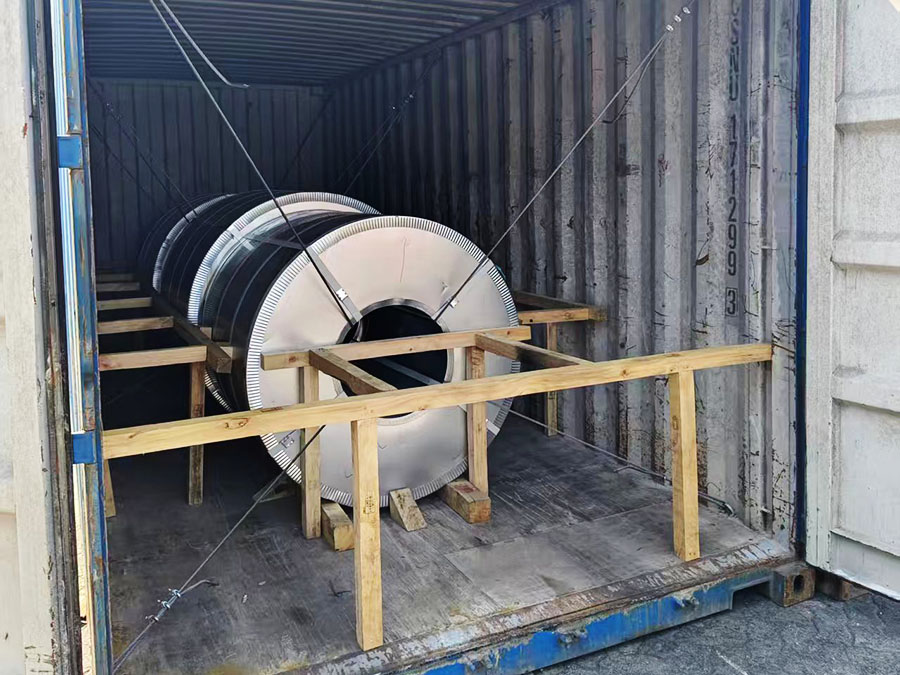
| Packaging | Standard export packaging for sea transport, or as required. |
| Country of origin | China |
| Grade | C | Si | Mn | P | S | Cu | Cr | Ni | Als |
|---|---|---|---|---|---|---|---|---|---|
| CCS D | ≤ 0.21 | ≤ 0.35 | ≥ 0.60 | ≤ 0.030 | ≤ 0.030 | ≤ 0.35 | ≤ 0.30 | ≤ 0.30 | ≥ 0.015 |
| Thickness (mm) | 5 - 50 | 50 - 150 |
|---|---|---|
| Typical CEV (wt %) | ≤ 0.38 | ≤ 0.40 |
Calculation formula (IIW): CEV = C + Mn/6 + (Cr + Mo + V)/5 + (Ni + Cu)/15
| Grade | Yield Strength (ReH), MPa | Tensile Strength (Rm), MPa | Elongation (A), % |
|---|---|---|---|
| CSS D | ≥ 235 | 400 - 520 | ≥ 22 |
| Grade | Thickness, mm | Temperature, ℃ | Impact Energy, KV2 / J | |
|---|---|---|---|---|
| Longitudinal | Transverse | |||
| CCS D | ≤ 50 | - 20 | 27 | 20 |
| > 50 - 70 | - 20 | 34 | 24 | |
| > 70 - 150 | - 20 | 41 | 27 | |
CCS Grade D shipbuilding steel plates offer low cost and good environmental adaptability. They are widely used for the hulls, decks, bulkheads and superstructures of general-purpose vessels such as bulk carriers, cargo ships and tugs, and are also suitable for the manufacture of marine structural components such as offshore platforms, offshore pipeline supports and port machinery and equipment.
Hulls, decks, bulkheads and superstructures.
Bulk carriers, oil tankers, container ships, fishing vessels.
Offshore platform support structures, offshore pipeline support systems.
Steel structures for quays, marine engineering support equipment.
Marine storage tanks, auxiliary ship fittings.
Fully certified by CCS (China Classification Society), with full traceability of production data.
We offer competitive ex-works prices to help customers effectively control procurement costs.
We maintain a stock of standard sizes and support both small-batch trial orders and large-scale wholesale purchases.
We offer customised dimensions, processing and packaging services to meet specific customer requirements.
24/7 online technical support, providing expert advice on material selection and shipping solutions.
Extensive export experience covering major global shipping routes.
A:
Key difference: Different low-temperature impact toughness.
CCS Grade D steel: Impact test temperature is -20°C.
CCS Grade E steel: Impact test temperature is -40°C.
A:
CCS Grade D General-strength structures for primarily cold-water / high-latitude routes:
Hull shell, deck, sides, bulkheads.
Keel, inner bottom plates, frames, stringers.
Non-critical high-strength sections of bulk carriers, container ships, oil tankers and offshore platforms.
A:
The main difference between the two lies in the temperature requirements for impact testing.
CCS Grade A: No impact testing is required for standard thicknesses (≤50 mm); impact testing in accordance with the specifications is only required when the thickness exceeds 50 mm.
CCS Grade D: A Charpy V-notch impact test must be conducted at 0°C to ensure safe use in colder marine environments.
A:
Depending on the plate thickness and your structural requirements, we can supply CCS Grade D plates in the following conditions: as-rolled (AR), controlled rolling (CR), normalised (N) or thermomechanically control process (TMCP).
A:
Yes. All our shipbuilding steel plates come with original factory test certificates (MTCs) stamped and approved by surveyors from the China Classification Society (CCS) in accordance with EN 10204 3.2.
A:
The main difference between CCS Grade A, B, D and E shipbuilding steel plates lies in the impact test temperature requirements.
| Grade | Thickness | Impact Test Temperature | Impact Energy, KV2 / J | Suitable for Marine Environments |
|---|---|---|---|---|
| CCS A | ≤ 50 mm | 20 °C | - | Warm marine environments. |
| CCS B | ≤ 50 mm | 0 °C | 27(Longitudinal), 20(Transverse) | Cold-water marine environments. |
| CCS D | ≤ 50 mm | - 20 °C | 27(Longitudinal), 20(Transverse) | Polar marine environments with extremely low temperatures. |
| CCS E | ≤ 50 mm | - 40 °C | 27(Longitudinal), 20(Transverse) | Polar/ice regions and ultra-low-temperature deep-sea environments. |
Yuxin Steel provides high-quality steel products to customers in more than 20 countries worldwide.
Contact Info
Would you like to know more about our offers? Please feel free to contact us.