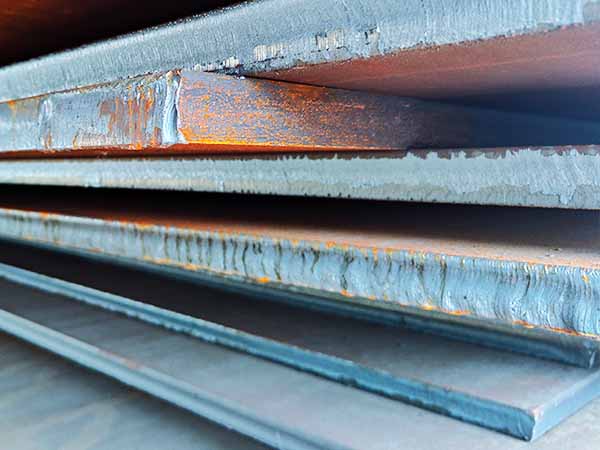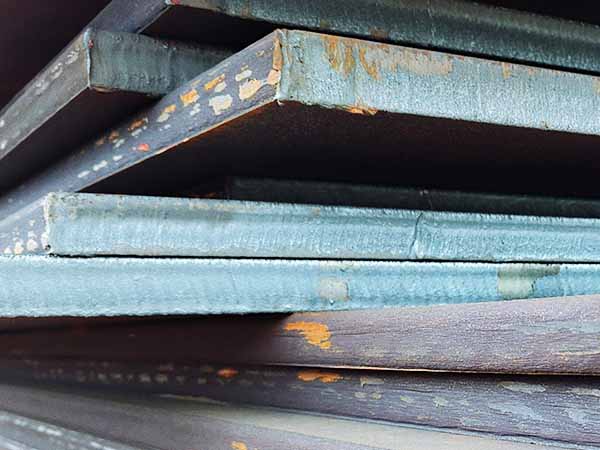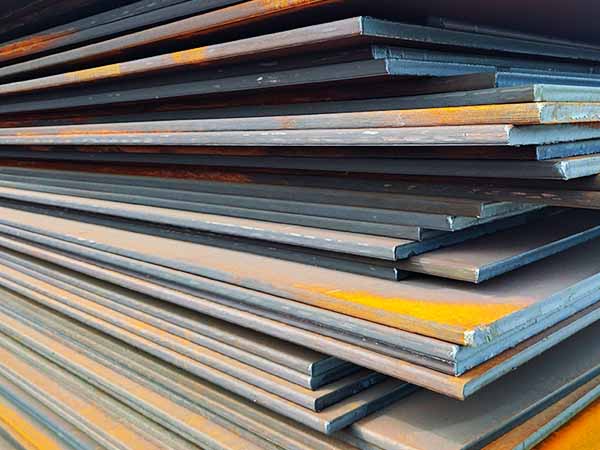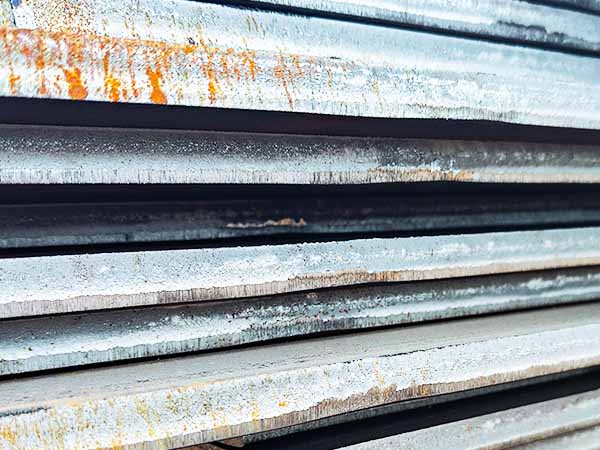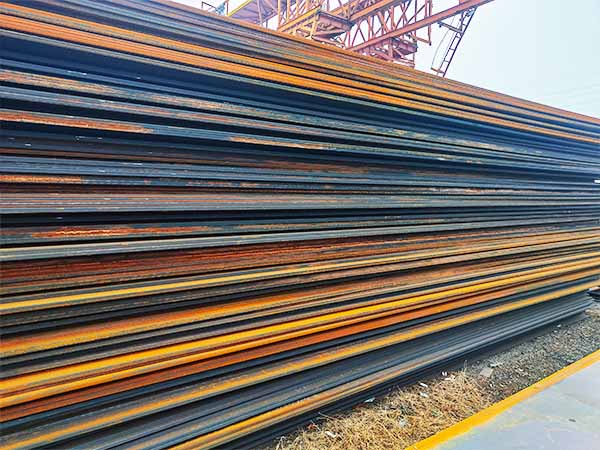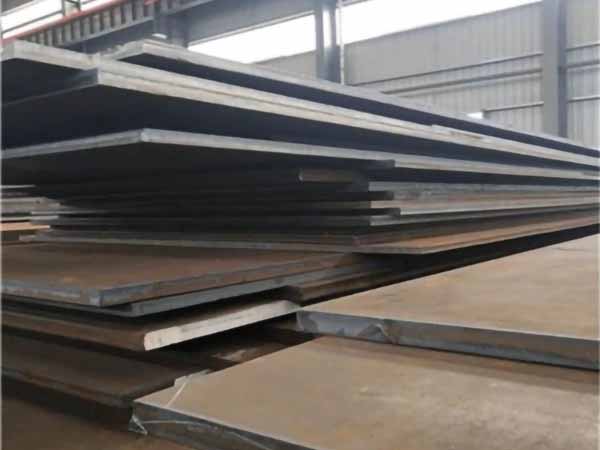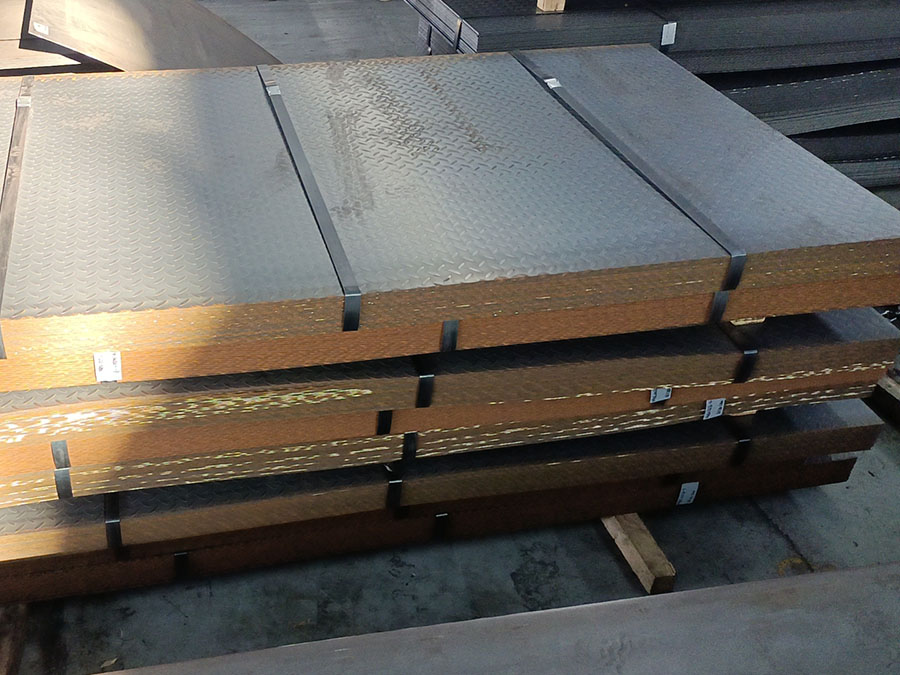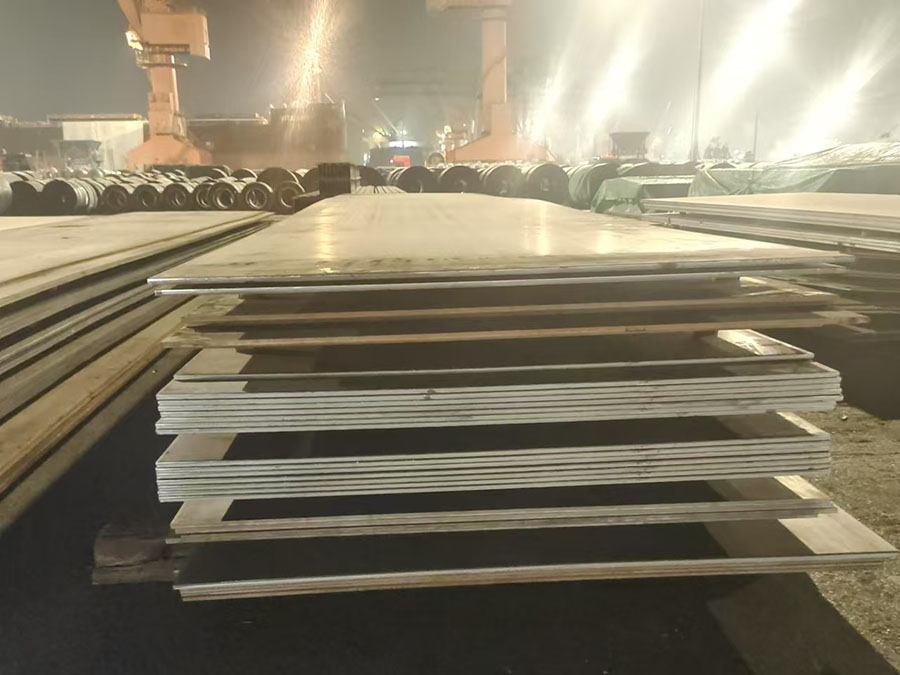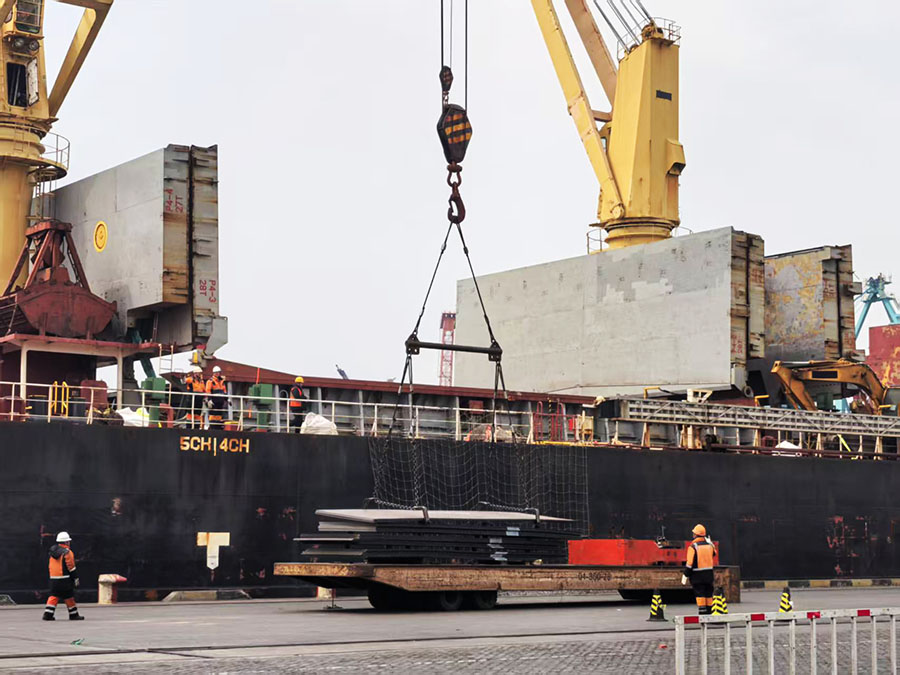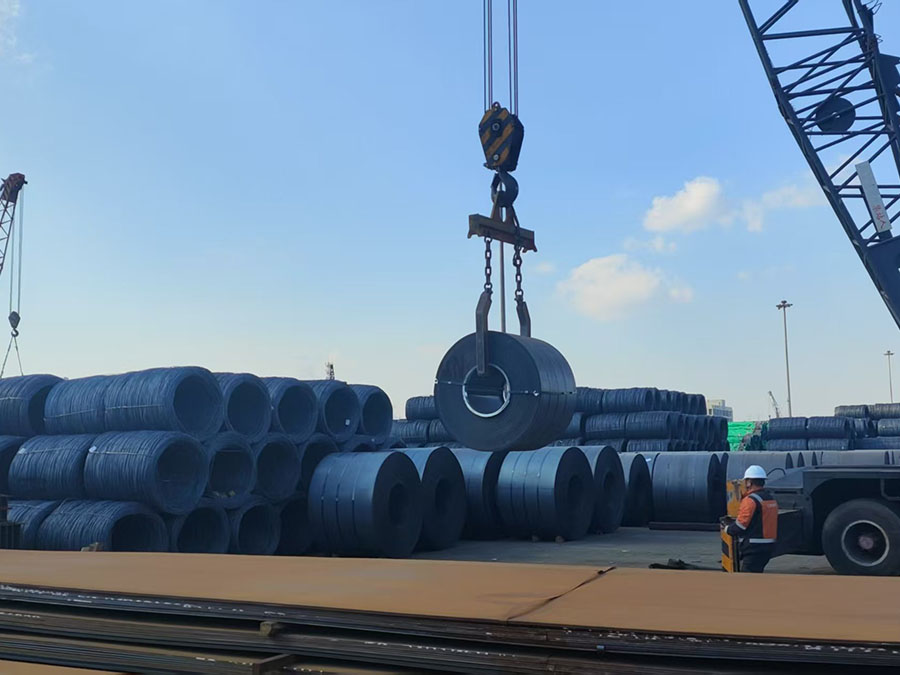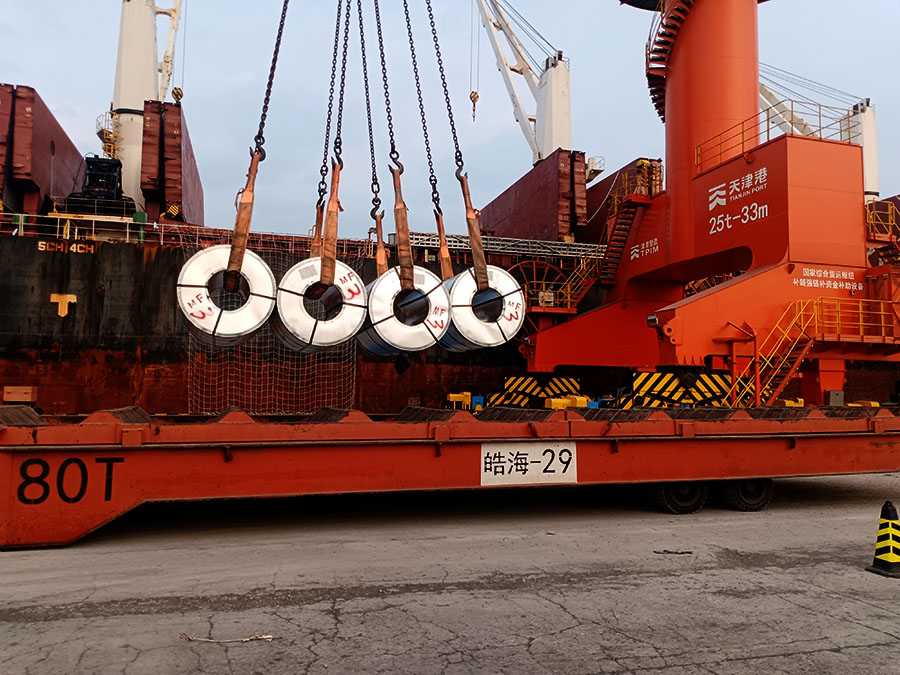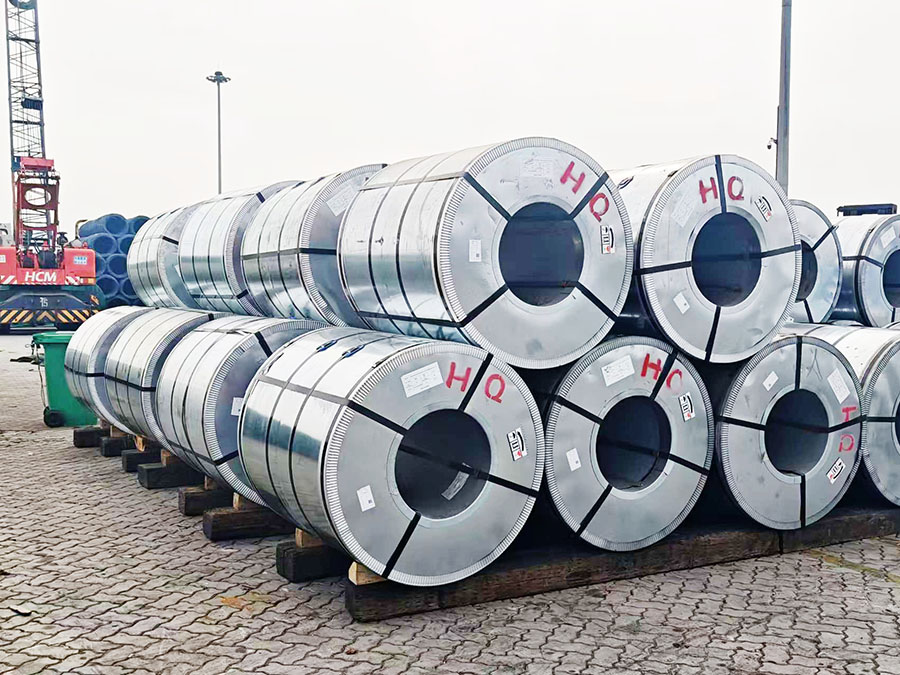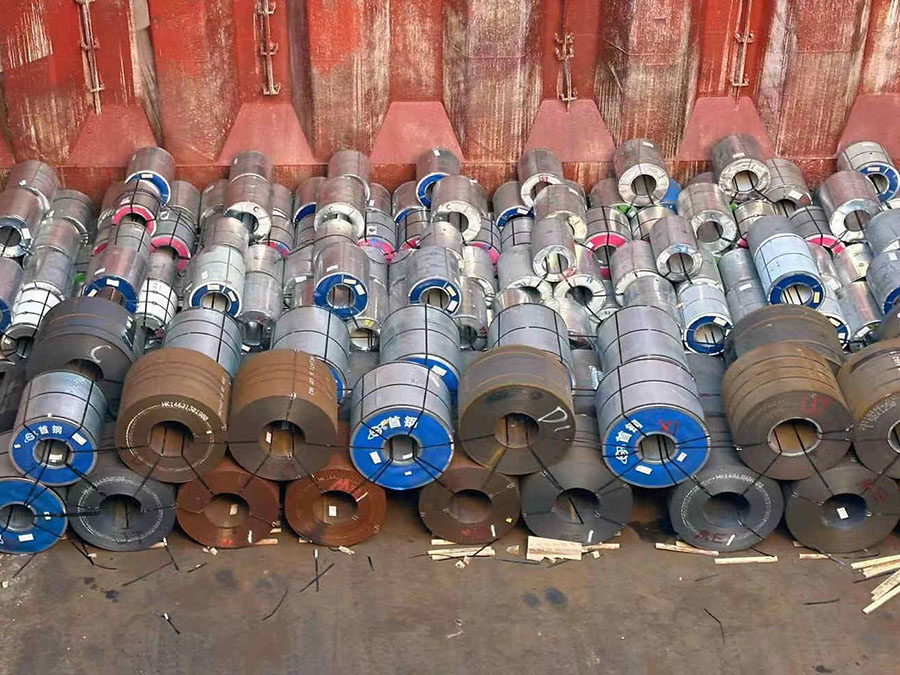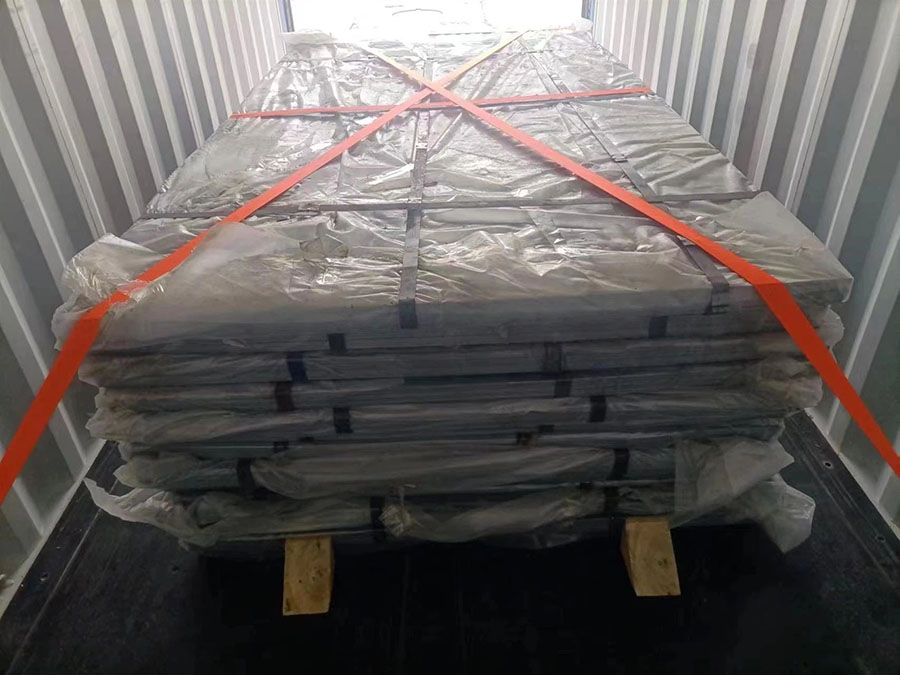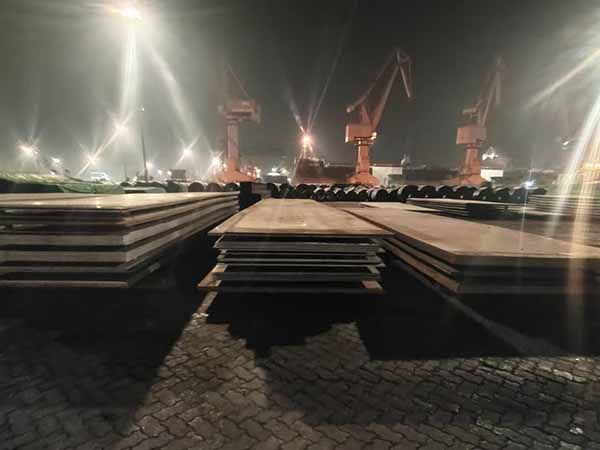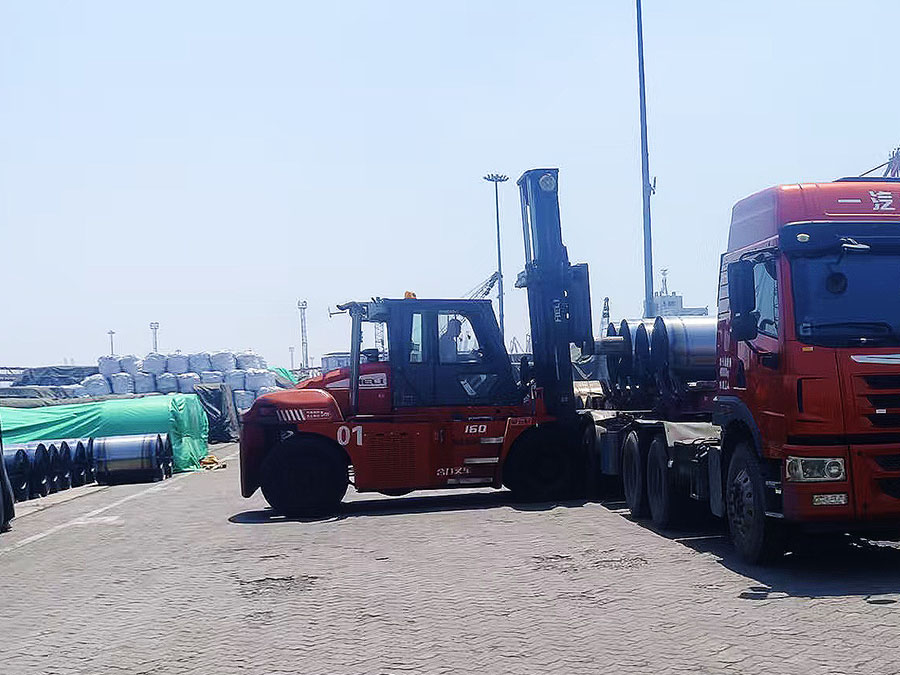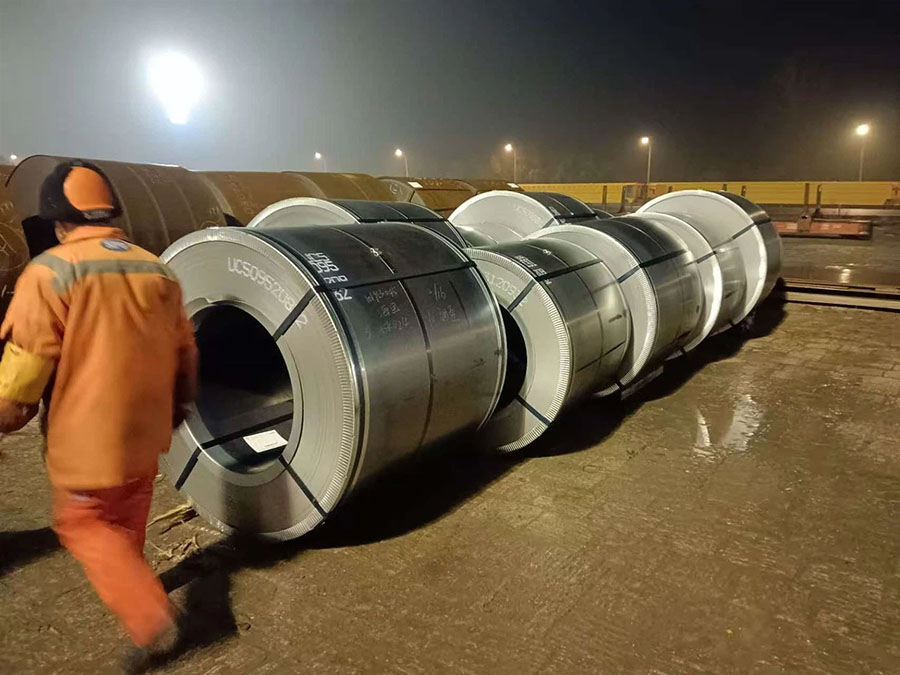
CCS Grade E is a structural steel plate for shipbuilding certified by the China Classification Society (CCS). It offers excellent low-temperature impact toughness, stable mechanical properties, good weldability and resistance to marine corrosion, making it suitable for hull structures and offshore engineering structures in extremely cold marine environments. The CCS Grade E shipbuilding steel plates we supply are high-quality hot-rolled products, strictly conforming to CCS specifications and accompanied by comprehensive certification documentation. Dimensions and heat treatment methods can be customised, and third-party inspection is available to meet the procurement standards of the global shipbuilding industry.
Certification :
CCS RulesStandard :
GB/T 712Grade :
CCS Grade E (CCS E)Thickness :
5.0 - 150.0 mmWidth :
1500.0 - 3950.0 mmLength :
6000.0 - 18000.0 mmSpecial thickness, width, and length can be negotiated separately.
We also provide customized processing services.If you have any questions, please contact us.
CCS Grade E shipbuilding steel plate is a normal-strength structural steel for shipbuilding certified by the China Classification Society (CCS). It offers excellent low-temperature impact toughness (-40°C), good weldability, stable ductility and resistance to marine corrosion, enabling it to withstand harsh marine environments. It serves as a key structural material for ocean-going vessels and offshore engineering projects.The high-quality CCS Grade E shipbuilding steel plates we supply are manufactured in strict accordance with official CCS standards. Having undergone rigorous mechanical property testing and non-destructive testing, they fully comply with shipbuilding safety regulations and are suitable for widespread use in the construction of bulk carriers, oil tankers, container ships and offshore platforms worldwide.
CCS: Certified by the China Classification Society
E: Quality Grade D (Impact toughness grade: Impact test at -40°C)
| Product | CCS Grade D Shipbuilding Steel Plate |
|---|---|
| Certification | CCS |
| Grade | E |
| Material Category | Normal-Strength Structural Steel for Ship and Ocean Engineering |
| Thickness | 5 - 150 mm |
| Width | 1500 - 3950 mm |
| Length | 6000 - 18000 mm |
| Delivery Conditions | Normalized (N), Thermo-Mechanical Controlled Processed (TMCP). |
| Surface Conditions | Surface pretreatment (shot blasting, rust removal, oiling, painting, etc.) is available. |
| Testing | Tensile test, Charpy V-notch impact test, Ultrasonic testing (UT), Z-direction property test (Grades Z15/Z25/Z35), Dimensional inspection, Custom cutting. |
| Applications | The construction of ships and offshore structures for cold or polar waters. |
| MOQ | 50 tons (small orders can be negotiated). |
| Delivery Time | 15 - 20 days after order confirmation (urgent orders accepted). |
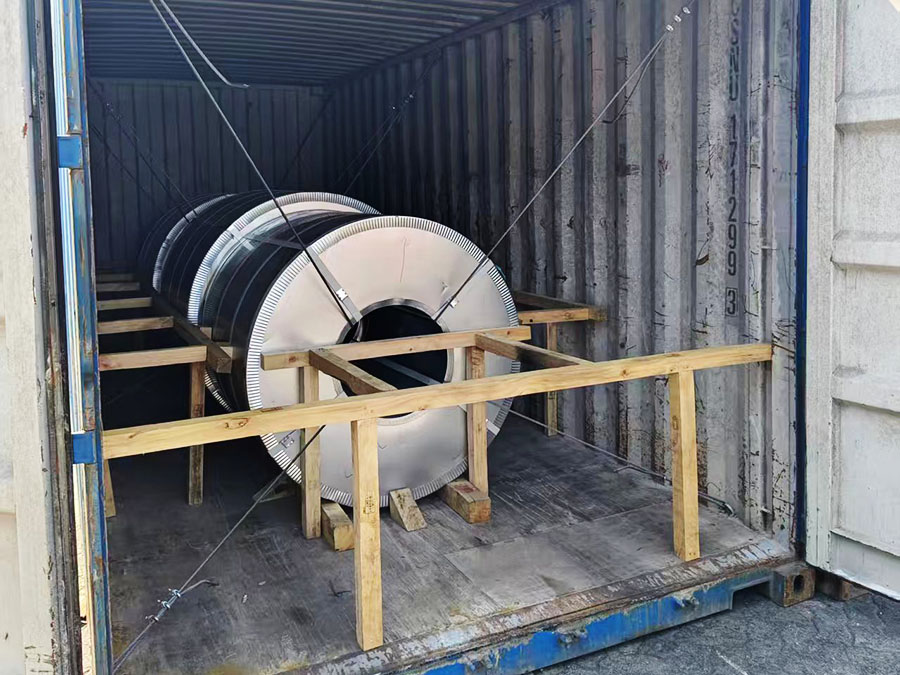
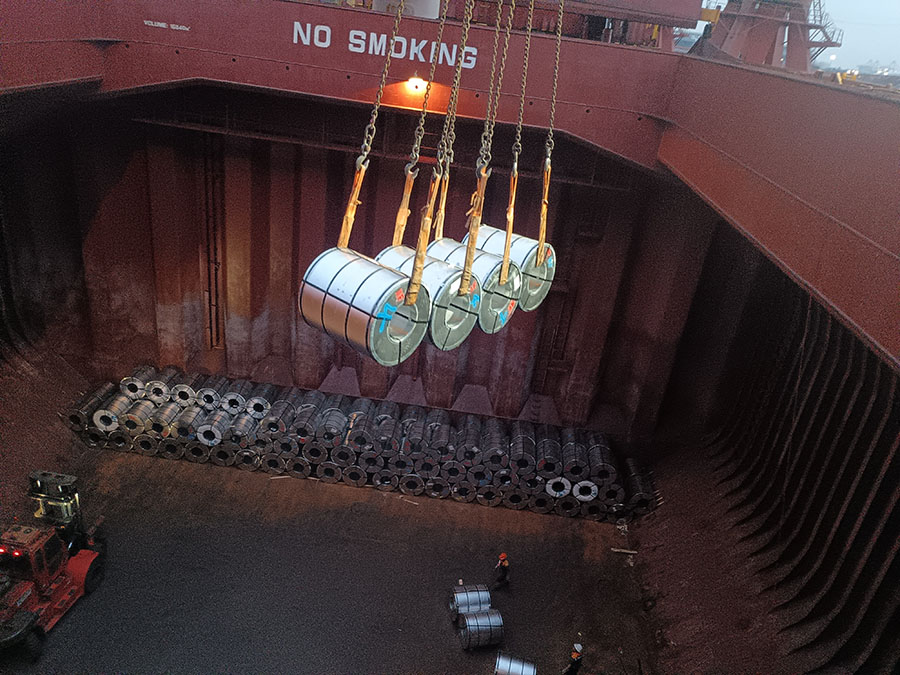
| Packaging | Standard export packaging for sea transport, or as required. |
| Country of origin | China |
| Grade | C | Si | Mn | P | S | Cu | Cr | Ni | Als |
|---|---|---|---|---|---|---|---|---|---|
| CCS E | ≤ 0.18 | ≤ 0.35 | ≥ 0.70 | ≤ 0.025 | ≤ 0.025 | ≤ 0.35 | ≤ 0.30 | ≤ 0.30 | ≥ 0.015 |
| Thickness (mm) | 5 - 50 | 50 - 150 |
|---|---|---|
| Typical CEV (wt %) | ≤ 0.38 | ≤ 0.40 |
Calculation formula (IIW): CEV = C + Mn/6 + (Cr + Mo + V)/5 + (Ni + Cu)/15
| Grade | Yield Strength (ReH), MPa | Tensile Strength (Rm), MPa | Elongation (A), % |
|---|---|---|---|
| CSS E | ≥ 235 | 400 - 520 | ≥ 22 |
| Grade | Thickness, mm | Temperature, ℃ | Impact Energy, KV2 / J | |
|---|---|---|---|---|
| Longitudinal | Transverse | |||
| CCS E | ≤ 50 | - 40 | 27 | 20 |
| > 50 - 70 | - 20 | 34 | 24 | |
| > 70 - 150 | - 20 | 41 | 27 | |
CCS Grade E shipbuilding steel plates offer reliable low-temperature toughness and marine suitability, and are widely used in ships and offshore engineering projects that require good structural stability in low-temperature environments.
Widely used in the construction of core sections of large vessels that are subject to complex stresses and have extremely high safety requirements, such as hull plating, main decks, bulkheads and keels. Specifically, this includes:
a) Large bulk carriers and container ships: Used in stress-concentration areas such as the midship section and hatch coamings.
b) Ocean-going fishing vessels and specialised vessels: For example, the main structure of recently delivered ocean-going tuna fishing vessels utilises CCS-approved Grade E materials.
Suitable for facilities such as offshore platforms and marine engineering machinery that are continuously exposed to harsh marine climates and low-temperature environments.
Specifically designed for vessels navigating high-latitude, cold-water seas in winter, particularly those requiring ice-strengthened hull structures for navigation in ice-covered waters.
Passes the -40°C Charpy V-notch impact test, effectively preventing structural brittle fracture in extremely cold marine environments.
An optimised alloy composition enhances resistance to seawater corrosion, extending the service life of ship hulls and offshore steel structures.
Good cutting, bending and forming properties, coupled with excellent weldability, meet the requirements of various ship hull welding applications.
All CCS Grade E shipbuilding steel plates are certified by CCS and come with complete test reports and factory certificates.
Customised heat treatment, dimensions and surface treatments are available to meet specific project requirements.
A:
Key difference: Different low-temperature impact toughness.
CCS Grade D steel: Impact test temperature is -20°C.
CCS Grade E steel: Impact test temperature is -40°C.
A:
When CCS Grade E steel plates are used in thick-plate welded T-joints or fillet joints on offshore platforms, and the stress direction is perpendicular to the plate surface, Z-direction performance testing (Z15 / Z25 / Z35) is strongly recommended to prevent the occurrence of laminar tearing.
A:
Yes. In accordance with the IACS (International Association of Classification Societies) unified rules, CCS Grade E is equivalent to ABS Grade E, LR Grade E, DNV Grade E and BV Grade E. They possess similar chemical and mechanical properties.
A:
The main difference between CCS Grade A, B, D and E shipbuilding steel plates lies in the impact test temperature requirements.
| Grade | Thickness | Impact Test Temperature | Impact Energy, KV2 / J | Suitable for Marine Environments |
|---|---|---|---|---|
| CCS A | ≤ 50 mm | 20 °C | - | Warm marine environments. |
| CCS B | ≤ 50 mm | 0 °C | 27(Longitudinal), 20(Transverse) | Cold-water marine environments. |
| CCS D | ≤ 50 mm | - 20 °C | 27(Longitudinal), 20(Transverse) | Polar marine environments with extremely low temperatures. |
| CCS E | ≤ 50 mm | - 40 °C | 27(Longitudinal), 20(Transverse) | Polar/ice regions and ultra-low-temperature deep-sea environments. |
Yuxin Steel provides high-quality steel products to customers in more than 20 countries worldwide.
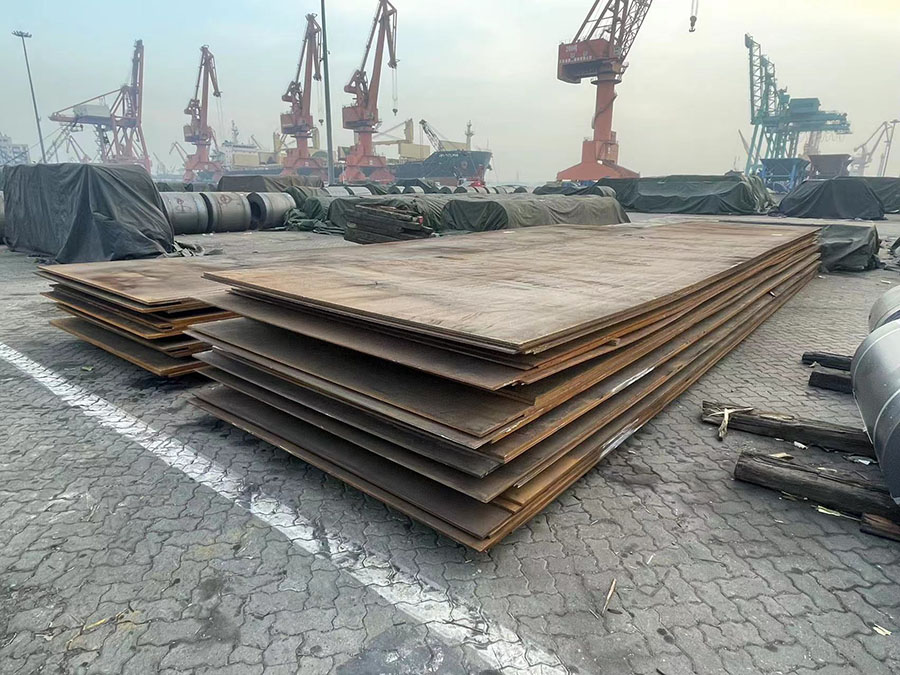
Contact Info
Would you like to know more about our offers? Please feel free to contact us.