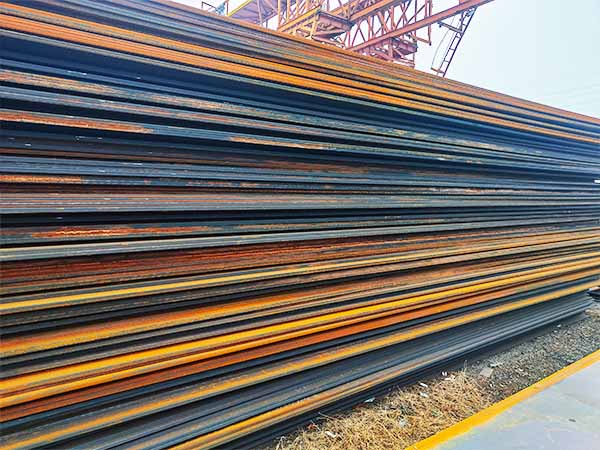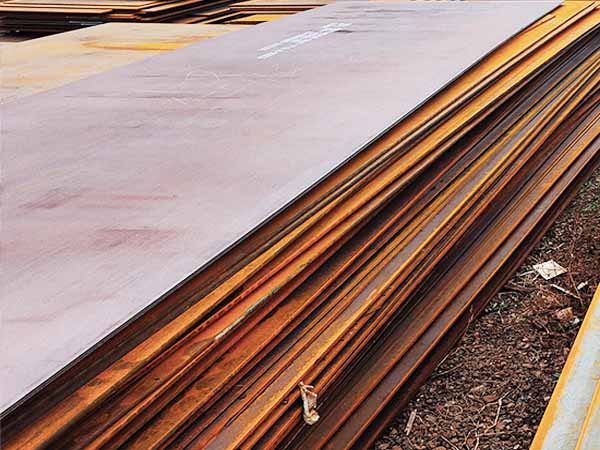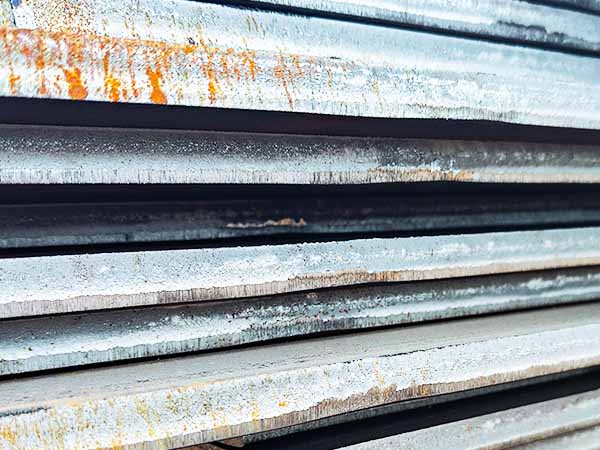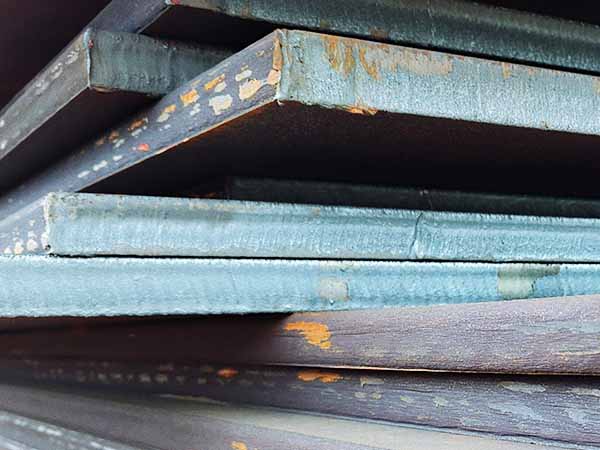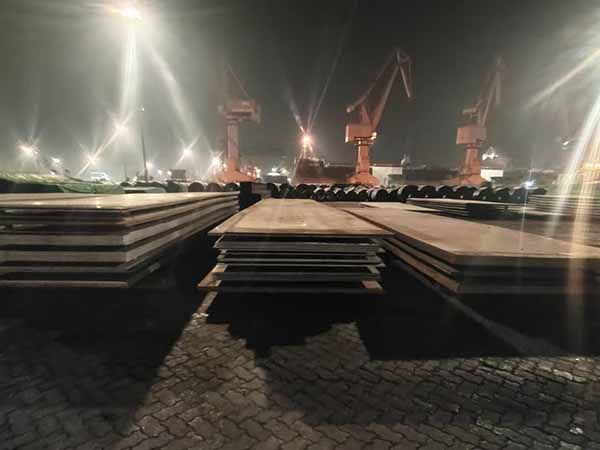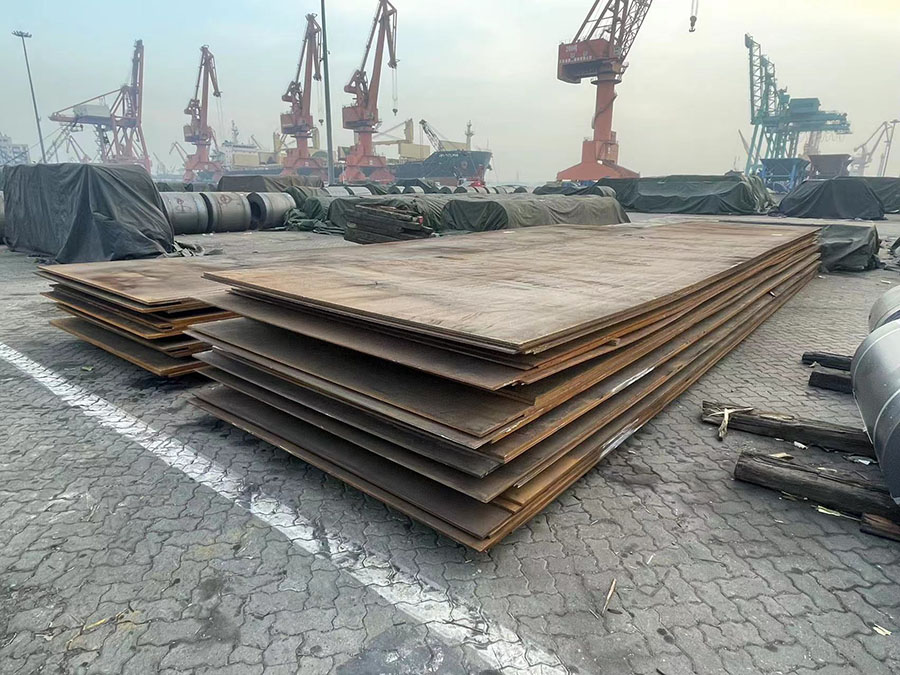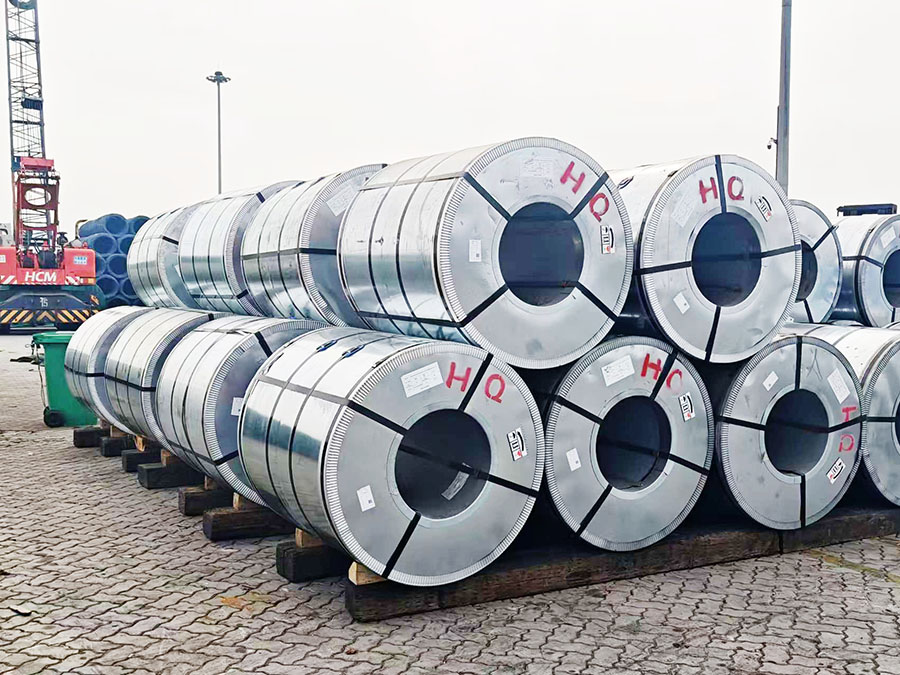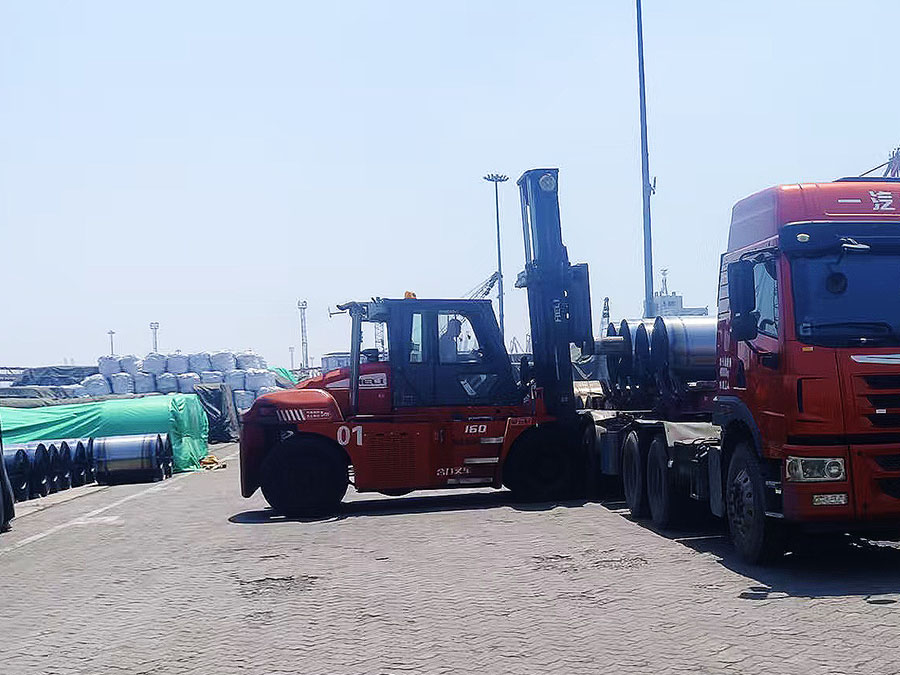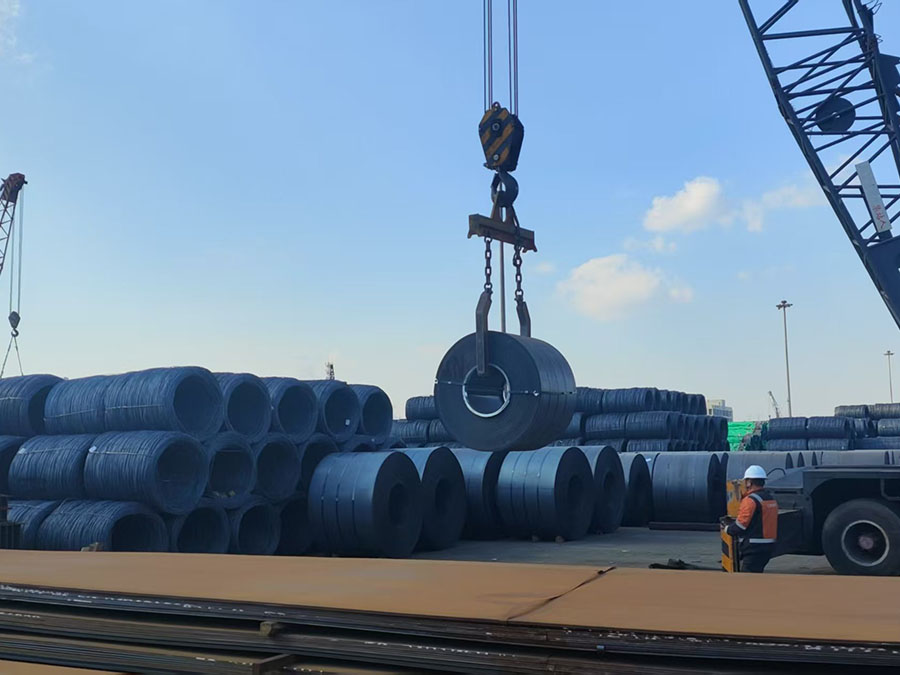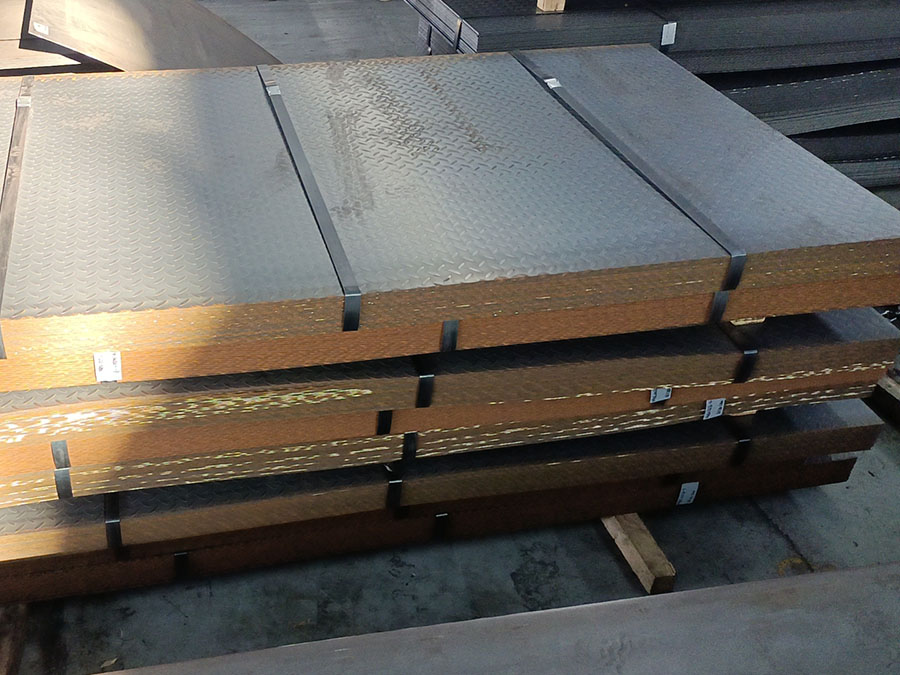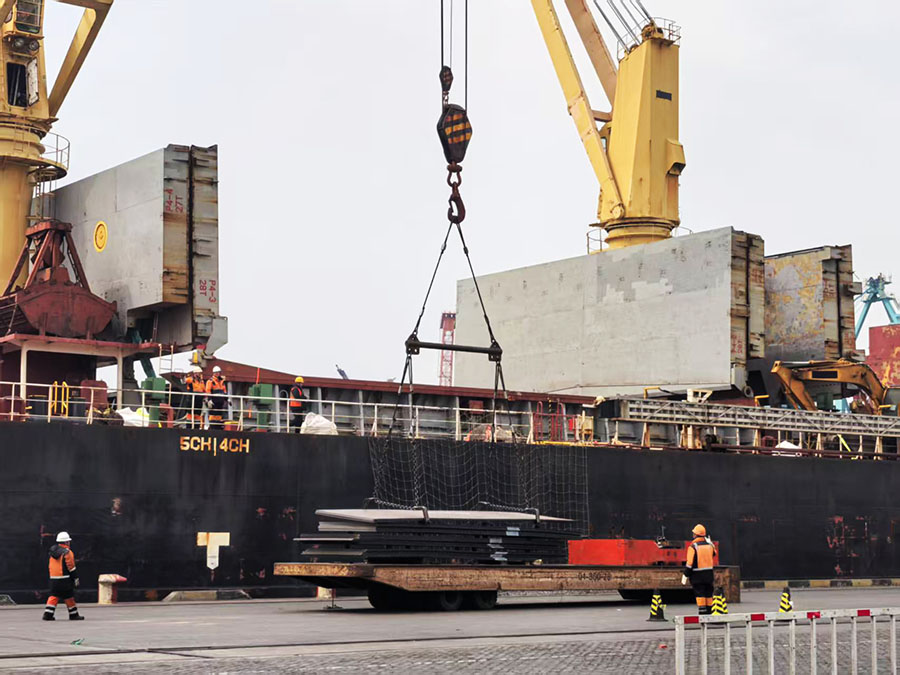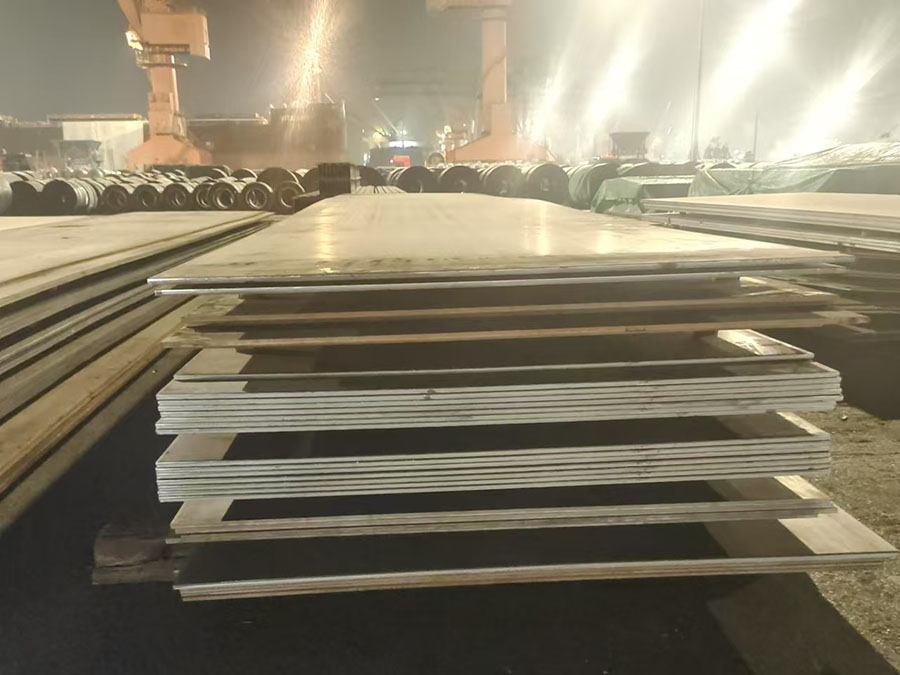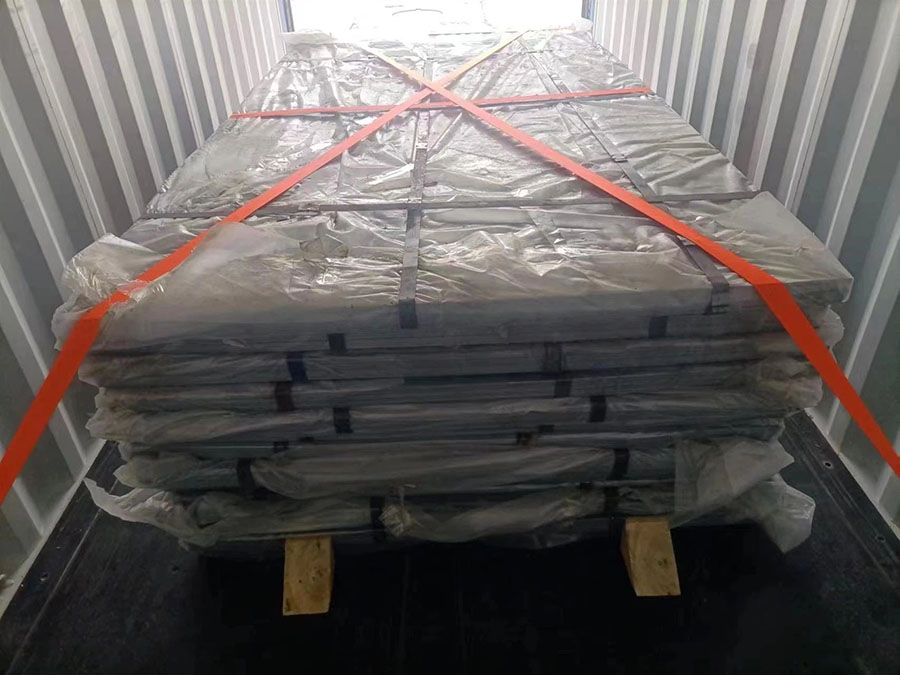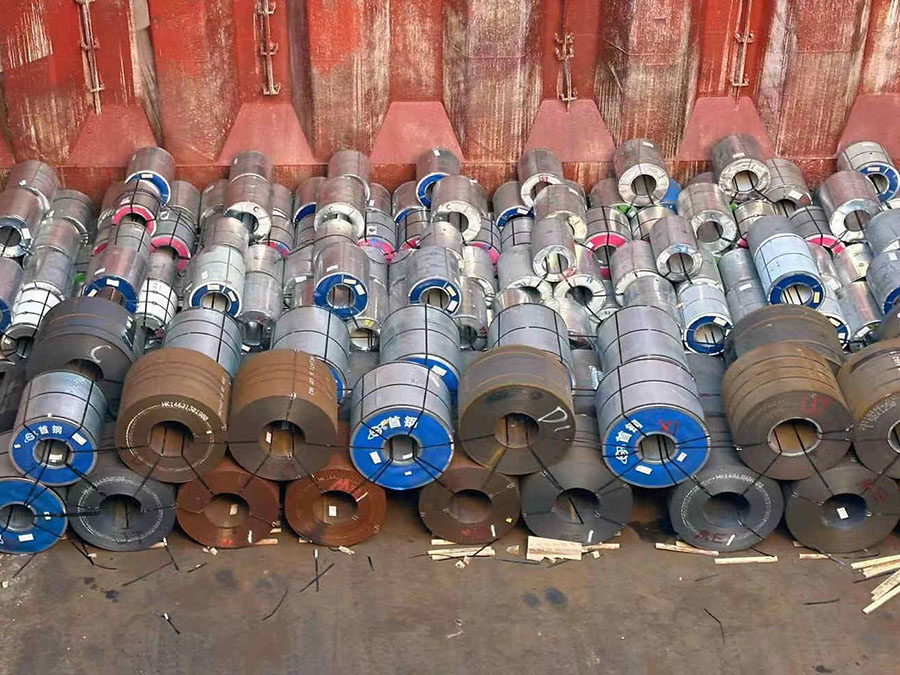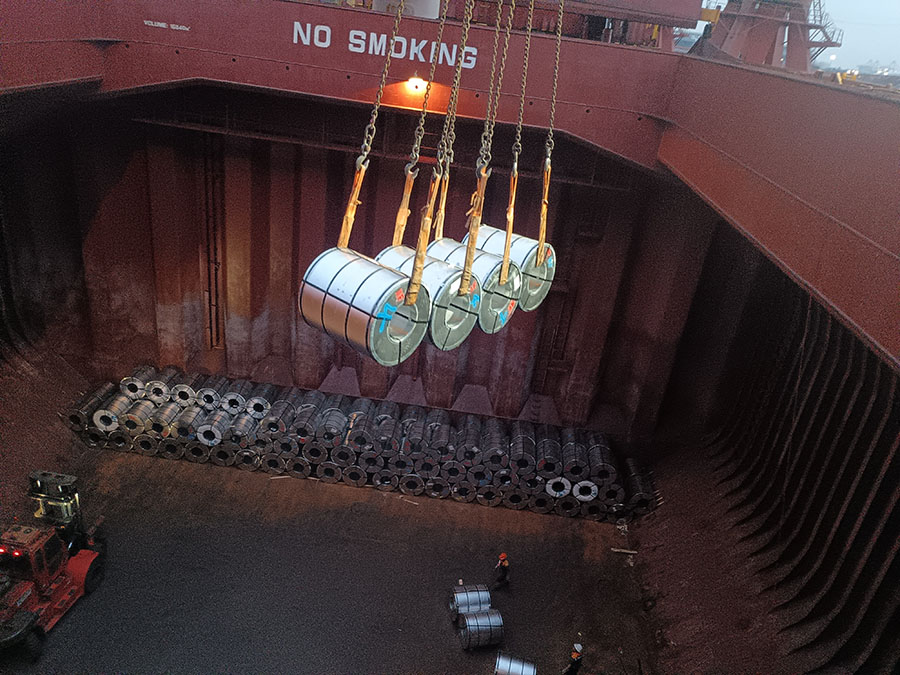
Our CCS Grade A steel plates are a widely used, ordinary-strength structural steel for ship hulls, certified by the China Classification Society (CCS). They offer stable mechanical properties, excellent weldability and superior formability, making them ideal for ship hulls, decks and general marine structures. They are a popular basic-grade marine steel for coastal vessels, bulk carriers, barges and general marine engineering projects. All CCS Grade A steel plates we supply are accompanied by original factory Material Test Certificates (MTCs), feature 100% traceable furnace numbers, and comply with the latest China Classification Society (CCS) rules for hull structures.
Certification :
CCS RulesStandard :
GB/T 712Grade :
CCS Grade A (CSSA)Thickness :
5.0 - 150.0 mmWidth :
1500.0 - 4000.0 mmLength :
6000.0 - 18000.0 mmSpecial thickness, width, and length can be negotiated separately.
We also provide customized processing services.If you have any questions, please contact us.
1. What is CCS Grade A shipbuilding steel plate?
CCS Grade A is a standard-strength shipbuilding structural steel certified by the China Classification Society, falling under Grade A of the standard-strength shipbuilding steel series (which also includes Grades B, D and E). It is one of the most commonly used steel grades in the shipbuilding industry, primarily employed for non-critical structural components such as hulls, decks and bulkheads. These components require materials with good weldability and moderate strength, whilst placing no special demands on low-temperature toughness.
2. Meaning of the Designation
CCS: Certified by the China Classification Society
A: Quality Grade A (Impact toughness grade: Impact test at 20°C)
| Product | CCS Grade A Shipbuilding Steel Plate |
|---|---|
| Certification | CCS |
| Grade | A |
| Material Category | Ordinary-Strength Structural Steel for Ship and Ocean Engineering |
| Thickness | 5 - 150 mm |
| Width | 1500 - 4000 mm |
| Length | 6000 - 18000 mm |
| Delivery Conditions | Hot Rolled (HR), Controlled Rolled (CR), Normalized (N), Thermo-Mechanical Controlled Processed (TMCP). |
| Surface Conditions | Surface pretreatment (shot blasting, rust removal, oiling, painting, etc.) is available. |
| Testing | Tensile test, Charpy V-notch impact test, Ultrasonic testing (UT), Z-direction property test (Grades Z15/Z25/Z35), Dimensional inspection, Custom cutting. |
| Applications | Non-critical components such as hulls, decks, superstructures and bulkheads on inland waterway vessels and small to medium-sized coastal vessels. |
| MOQ | 5 tons (small orders can be negotiated). |
| Delivery Time | 15 - 20 days after order confirmation (urgent orders accepted) |
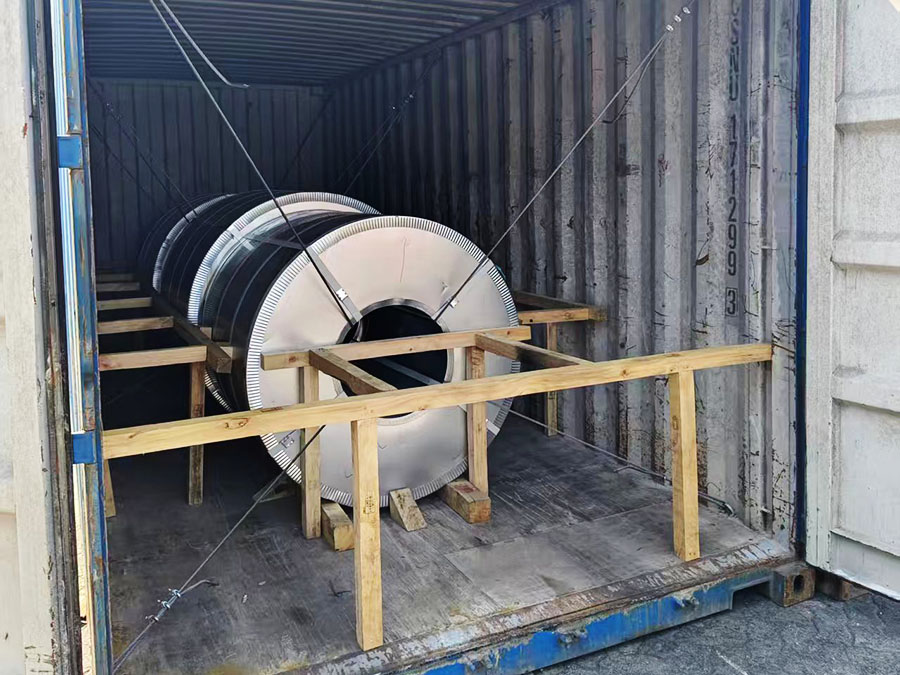
| Packaging | Standard export packaging for sea transport, or as required. |
| Country of origin | China |
| Grade | C | Si | Mn | P | S | Cu | Cr | Ni | Als |
|---|---|---|---|---|---|---|---|---|---|
| CCS A | ≤ 0.21 | ≤ 0.50 | ≥ 0.50 | ≤ 0.035 | ≤ 0.035 | ≤ 0.35 | ≤ 0.30 | ≤ 0.30 | - |
| Thickness (mm) | 5 - 50 | 50 - 150 |
|---|---|---|
| Typical CEV (wt %) | ≤ 0.38 | ≤ 0.40 |
Calculation formula (IIW): CEV = C + Mn/6 + (Cr + Mo + V)/5 + (Ni + Cu)/15
| Grade | Yield Strength (ReH), MPa | Tensile Strength (Rm), MPa | Elongation (A), % |
|---|---|---|---|
| CSS A | ≥ 235 | 400 - 520 | ≥ 22 |
| Grade | Thickness, mm | Temperature, ℃ | Impact Energy, KV2 / J | |
|---|---|---|---|---|
| Longitudinal | Transverse | |||
| CCS A | ≤ 50 | 20 | - | - |
| > 50 - 70 | 20 | ≥ 34 | ≥ 24 | |
| > 70 - 150 | 20 | ≥ 41 | ≥ 27 | |
* Where the material has undergone grain refinement treatment and is supplied in a normalised condition, impact testing may be omitted. Where the material is supplied in a TMCP condition, impact testing may be omitted subject to agreement between the supplier and the purchaser.
CCS Class A marine steel plates are widely used in non-critical structural components of small and medium-sized inland and coastal vessels, offering excellent value for money and ease of welding.
Hull plating, decks, bulkheads, superstructures, non-load-bearing ribs/girders.
Hull plates, secondary cargo hold structures, deckhouses, non-critical engine room supports, walkways and ladders.
Non-critical structures for platforms in non-cold water regions, fenders, gangways, mooring components, etc.
General marine steel structures such as port machinery components, floating docks and offshore storage tanks.
The steel plates have a minimum yield strength of 235 MPa and a tensile strength range of 400 - 520 MPa; their uniform mechanical properties ensure the structural stability of conventional marine components.
CCS Grade A shipbuilding steel plates are easy to cut, bend and roll. Designed with a low carbon equivalent, they are easy to weld and suitable for all common marine welding processes, with a low susceptibility to cold cracking.
The optimised alloy composition enhances the material’s resistance to marine salt spray environments and humid atmospheres, thereby extending the service life of hull plating and deck structures.
Each batch of products comes with an original Manufacturer’s Test Certificate (MTC) and full CCS certification, and is subject to third-party inspection by SGS, BV, LR and others.
Thickness: 5 - 150 mm; Width: 1,500 - 4,000 mm; Length: 6,000 - 18,000 mm.
Custom cutting, bending, rolling, drilling and surface anti-corrosion treatment.
We offer a competitive pricing structure and guarantee on-time delivery.
Our team provides round-the-clock technical support.
A:
The main difference between the two lies in the temperature requirements for impact testing.
CCS Grade A: No impact testing is required for standard thicknesses (≤50 mm); impact testing in accordance with the specifications is only required when the thickness exceeds 50 mm.
CCS Grade D: A Charpy V-notch impact test must be conducted at 0°C to ensure safe use in colder marine environments.
A:
International equivalents: ABS Grade A, DNV Grade A, BV Grade A, LR Grade A, etc.
All these grades have similar chemical and mechanical properties and are interchangeable in general shipbuilding.
A:
Our CCS Grade A shipbuilding steel plates comply with the GB/T 712-2022 Chinese Standard for Shipbuilding Steels and meet the IACS Code. They have been officially certified by the China Classification Society (CCS) and are suitable for use in commercial shipping projects worldwide.
A:
Yes, we offer shot blasting for rust removal and primer coating services, in accordance with ISO standards.
A:
The main difference lies in the impact test temperature requirements. Grade A typically does not require impact testing at room temperature, whereas Grade B must be tested at 0°C and is suitable for slightly colder marine environments.
A:
Yes, we can provide material certificates issued by CCS for all our CCS shipbuilding steel plates.
A:
The main difference between CCS Grade A, B, D and E shipbuilding steel plates lies in the impact test temperature requirements.
| Grade | Thickness | Impact Test Temperature | Impact Energy, KV2 / J | Suitable for Marine Environments |
|---|---|---|---|---|
| CCS A | ≤ 50 mm | 20 °C | - | Warm marine environments. |
| CCS B | ≤ 50 mm | 0 °C | 27(Longitudinal), 20(Transverse) | Cold-water marine environments. |
| CCS D | ≤ 50 mm | - 20 °C | 27(Longitudinal), 20(Transverse) | Polar marine environments with extremely low temperatures. |
| CCS E | ≤ 50 mm | - 40 °C | 27(Longitudinal), 20(Transverse) | Polar/ice regions and ultra-low-temperature deep-sea environments. |
A:
Yes, we offer shot blasting to SA2.5 standard and high-quality shop primer coating.
– We offer free samples and bespoke solutions. Please feel free to enquire about our latest prices and volume discounts.
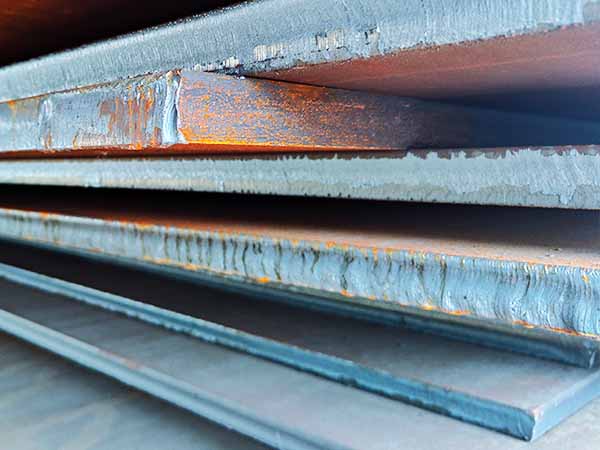
Yuxin Steel provides high-quality steel products to customers in more than 20 countries worldwide.
Contact Info
Would you like to know more about our offers? Please feel free to contact us.