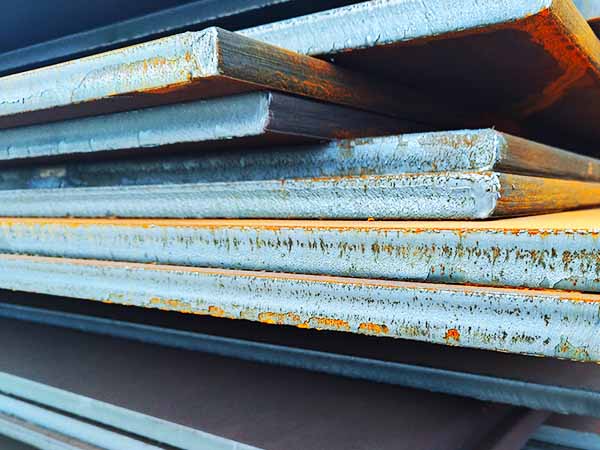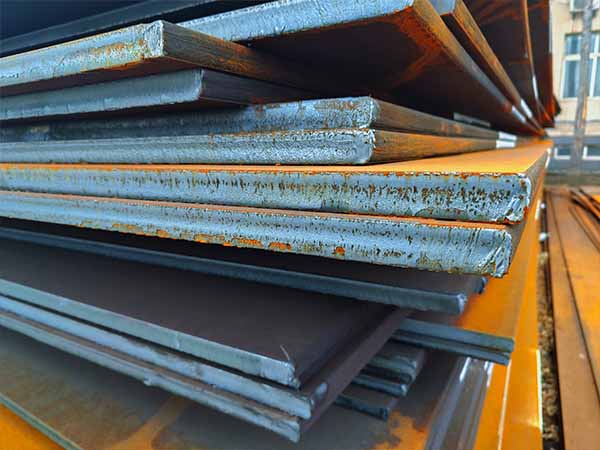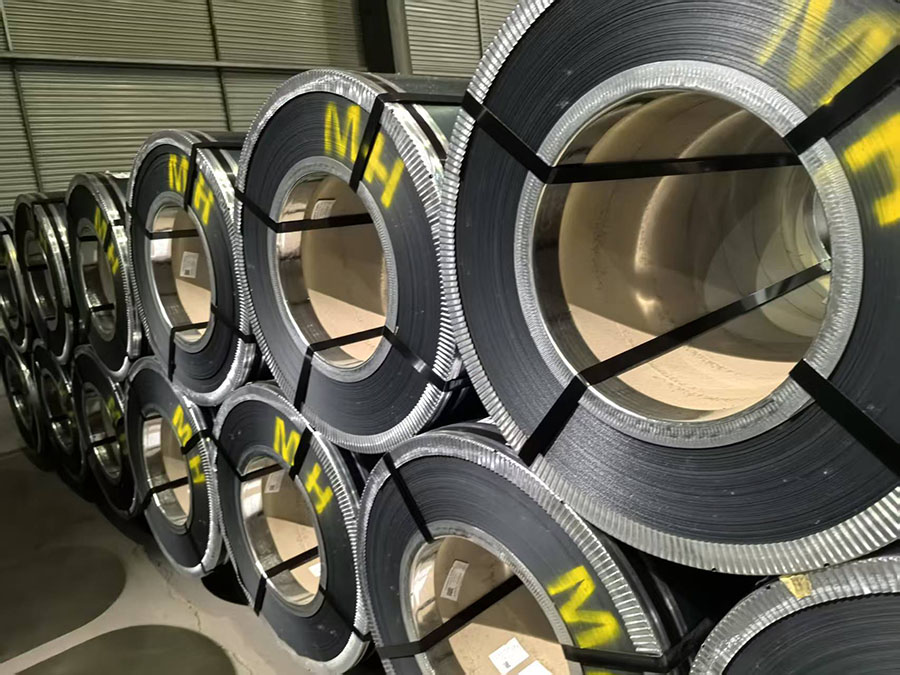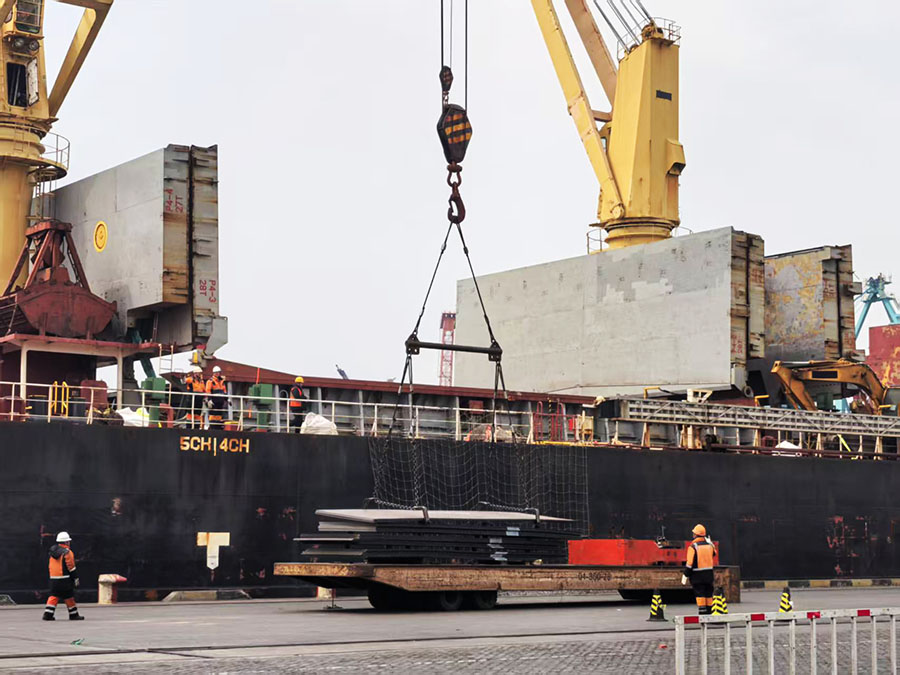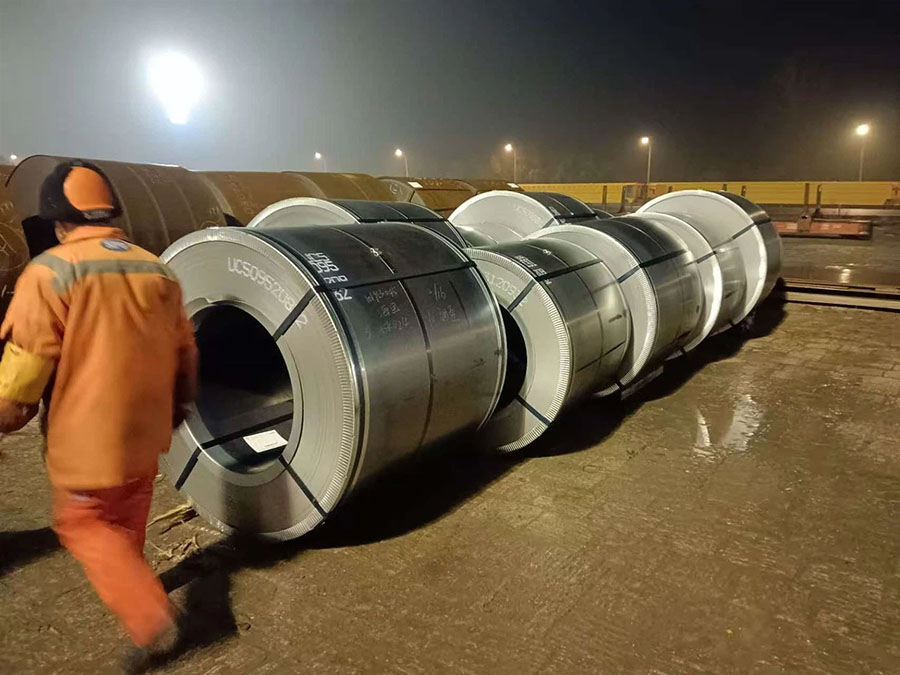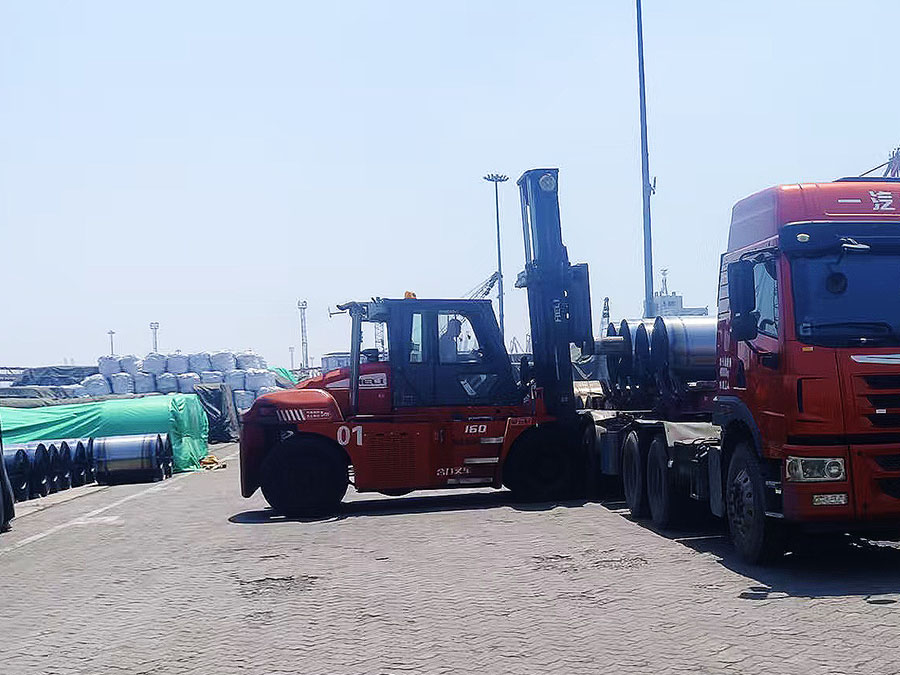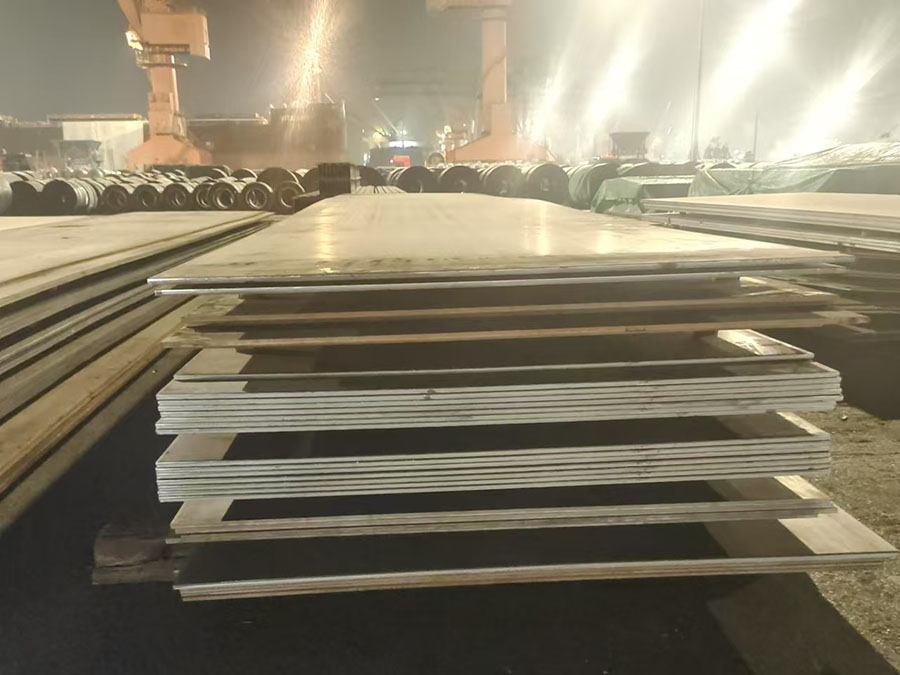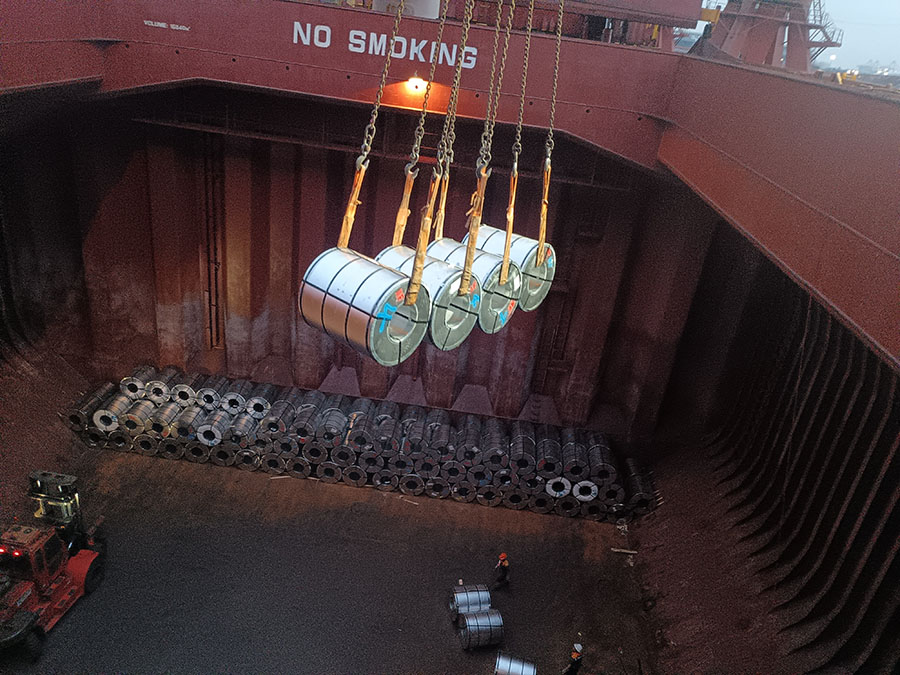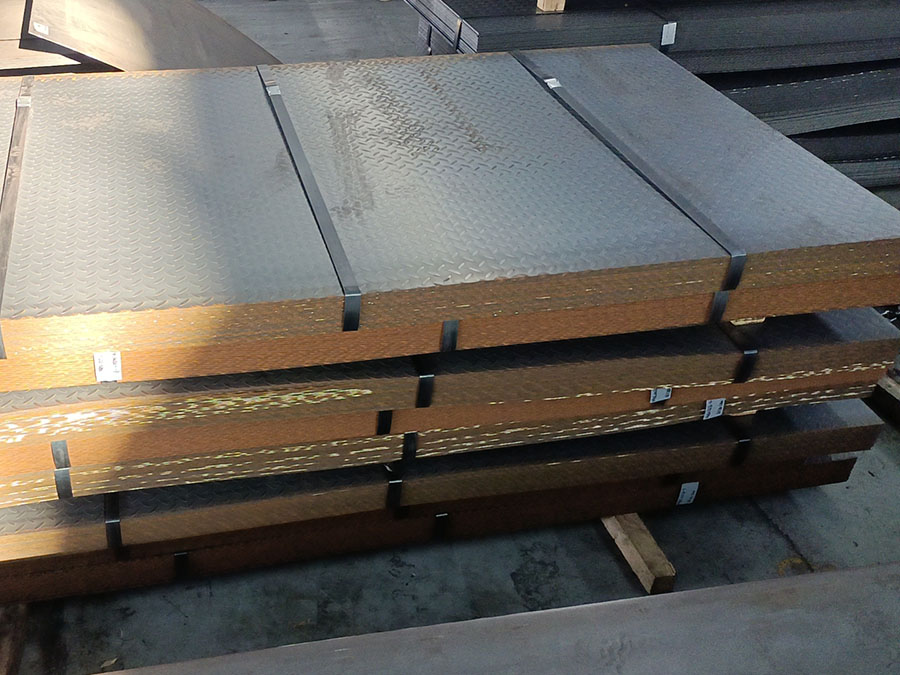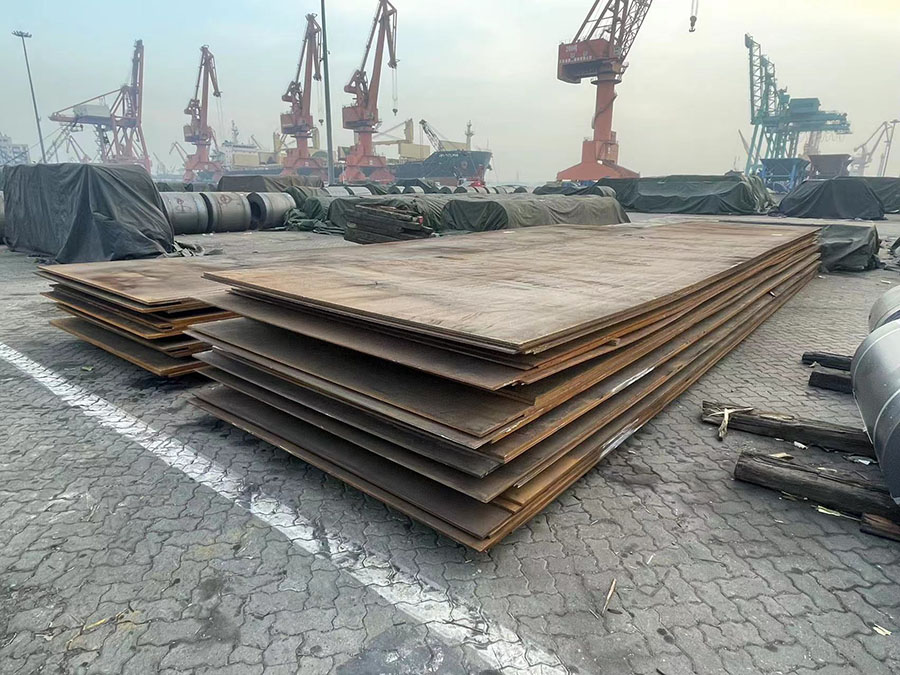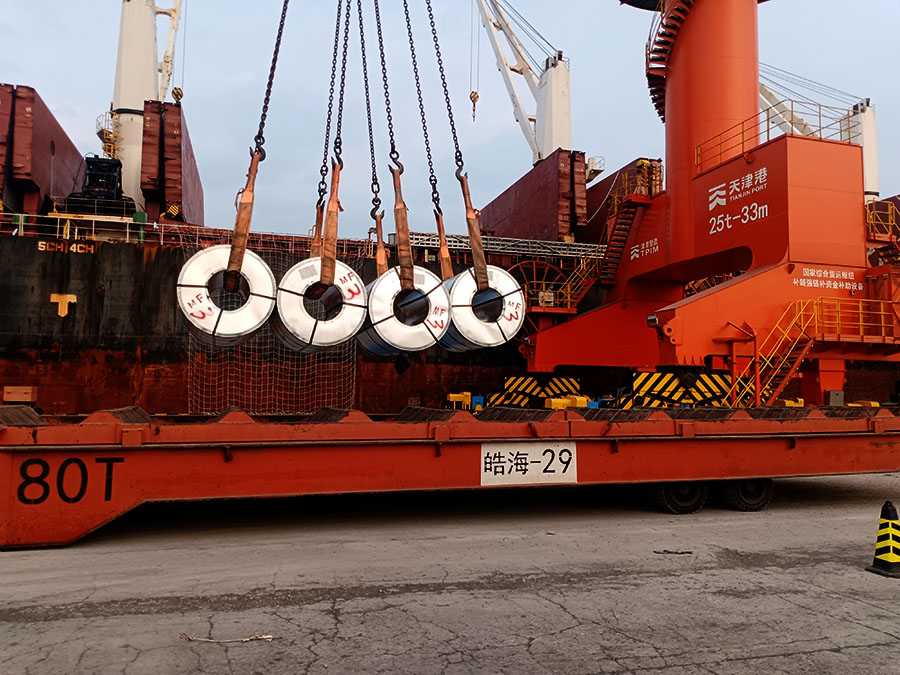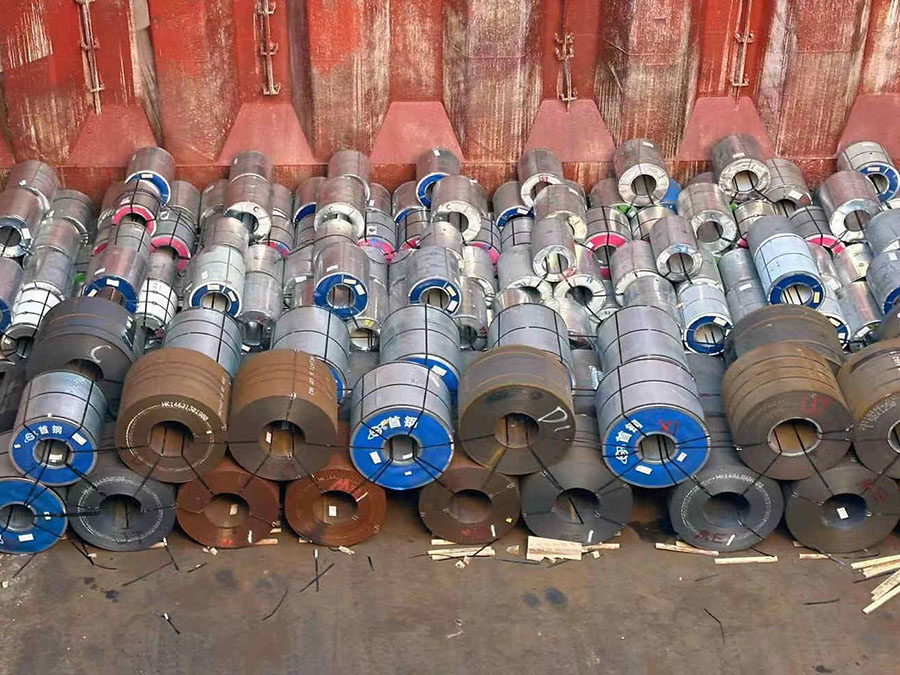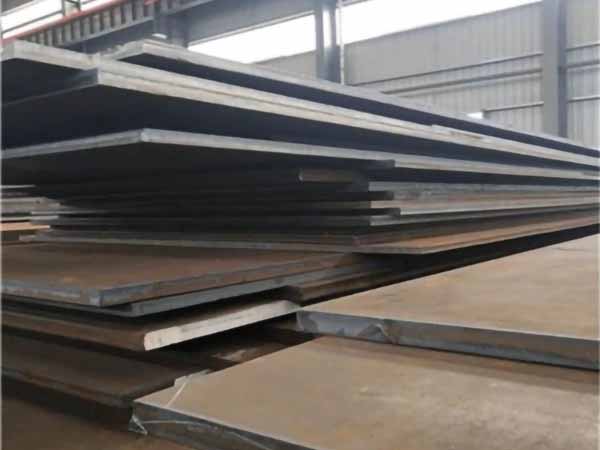
The ABS Grade D steel plates we supply are American Bureau of Shipping (ABS)-certified ordinary-strength marine structural steel, specifically developed and manufactured for demanding and complex marine operating conditions. This steel offers excellent weldability and outstanding low-temperature fracture toughness, with stable and reliable overall mechanical properties, making it highly suitable for critical components such as the main hull structure, decks, compartments and core load-bearing parts of vessels operating in cold waters. We offer a comprehensive range of product specifications, with standard thicknesses ranging from 5 mm to 150 mm, a maximum width of 3,950 mm and a maximum length of 18,000 mm, enabling us to meet diverse customisation and project material requirements.
Certification :
ABS RulesGrade :
ABS Grade DThickness :
5.0 - 150.0 mmWidth :
1500.0 - 4000.0 mmLength :
6000.0 - 18000.0 mmSpecial thickness, width, and length can be negotiated separately.
We also provide customized processing services.If you have any questions, please contact us.
ABS Grade D shipbuilding steel plates are general-strength steel plates for hull structures certified by the American Bureau of Shipping (ABS) and fully comply with ABS shipbuilding regulations. This steel offers outstanding core performance advantages, including excellent impact toughness at temperatures as low as -20°C, and is widely used in the construction of vessels operating in cold waters and various marine engineering structures.
ABS Grade D is a standard-strength marine steel plate specifically developed for low-temperature conditions. Whilst ensuring the structural strength of the base material, it effectively addresses the issue of cold-brittle fracture that commonly occurs in extremely cold environments, thereby significantly enhancing the structural safety and stability of ships and offshore equipment operating in cold regions.
Our ABS Grade D shipbuilding plates are available in a wide range of dimensions to meet the requirements of various projects and can be customised to meet specific requirements:
- Thickness: 5 mm to 150 mm
- Width: 1,500 mm to 3,950 mm
- Length: 6,000 mm to 18,000 mm
| Grade | ABS Grade D |
|---|---|
| Certification | ABS (American Bureau of Shipping): Rules for Building and Classing Steel Vessels |
| Material Category | Ordinary-strength structural steel for shipbuilding |
| Primary Applications | Key structures of ships and offshore engineering projects with high requirements for low-temperature safety. |
| Dimensions | Thickness: 5 - 150 mm, width: 1500 - 4000 mm, length: 6000 - 18000 mm. |
| Delivery Conditions | Hot Rolled, Controlled Rolled, Normalized, Thermo-Mechanical Controlled Processed (TMCP). |
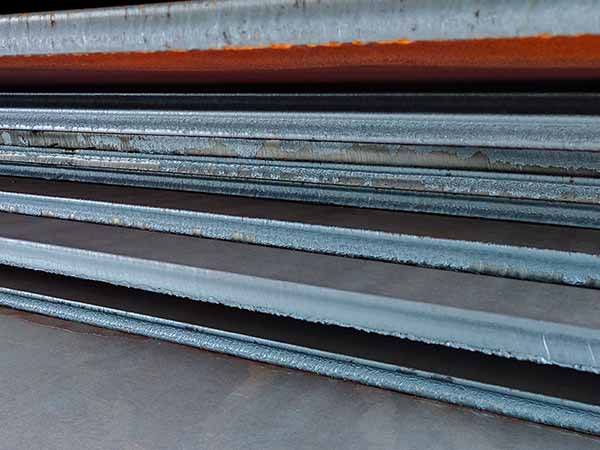
| Surface Conditions | Typically black skin, shot blasting, pickling, oiling and painting are available. |
| Additional Services | Charpy V-notch impact test, Z-direction property test (Grades Z15/Z25/Z35), Ultrasonic testing (UT), Custom cutting. |
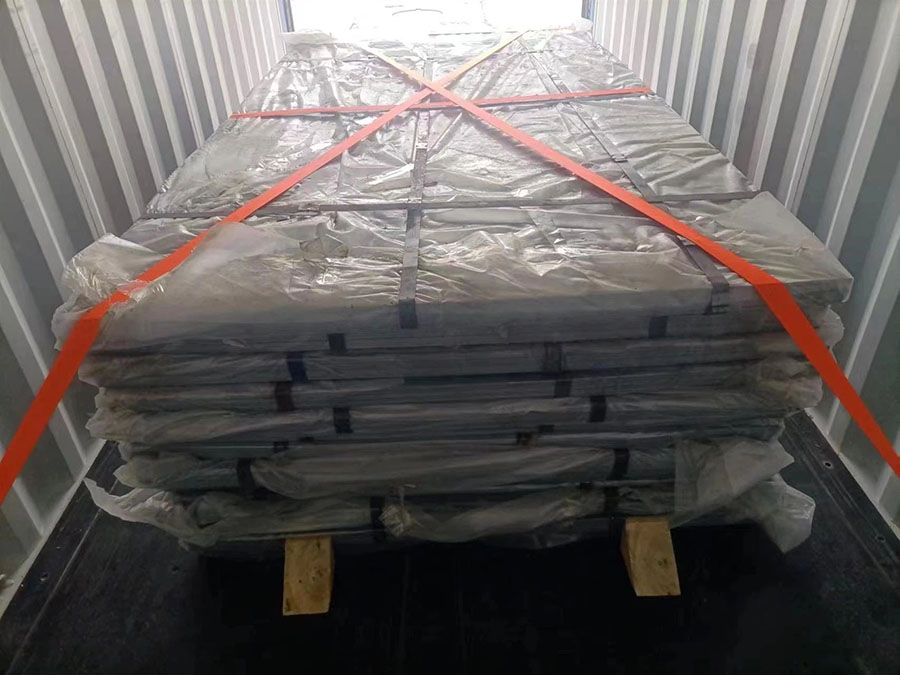
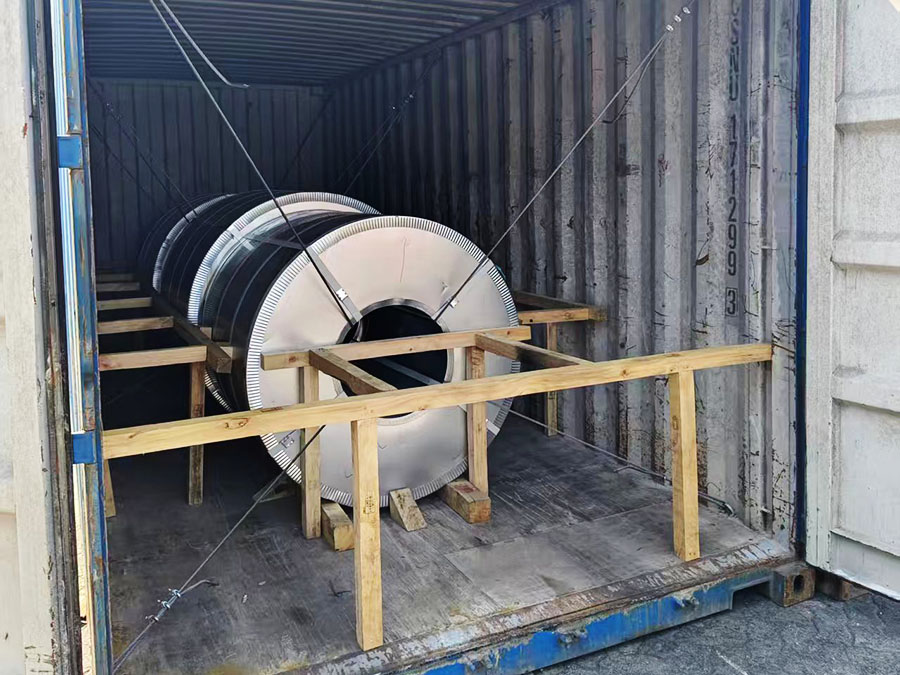
| Packaging | Standard export packaging for sea transport (primarily steel strapping and moisture-proof cloth wrapping). |
| Country of origin | China |
| Grade | C | Si | Mn | P | S | Cu | Cr | Ni | Als |
|---|---|---|---|---|---|---|---|---|---|
| ABS Grade D | ≤ 0.21 | ≤ 0.35 | ≥ 0.60 | ≤ 0.030 | ≤ 0.030 | ≤ 0.35 | ≤ 0.30 | ≤ 0.30 | ≥ 0.015 |
| Thickness (mm) | 5 - 50 | 50 - 150 |
|---|---|---|
| Typical CEV (wt %) | ≤ 0.36 | ≤ 0.40 |
* Calculation formula (IIW): CEV = C + Mn/6 + (Cr + Mo + V)/5 + (Ni + Cu)/15
| Grade | Thickness, mm | Yield Strength (ReH), MPa | Tensile Strength (Rm), MPa | Elongation (A), % |
|---|---|---|---|---|
| ABS Grade D | ≤ 50 | ≥ 235 | 400 - 520 | ≥ 22 |
| Grade | Thickness, mm | Temperature, ℃ | Impact Energy, KV2 / J | |
|---|---|---|---|---|
| Longitudinal | Transverse | |||
| ABS Grade D | ≤ 50 | -20 | ≥ 27 | ≥ 20 |
ABS Grade D marine steel plates are widely used in the shipbuilding and offshore engineering sectors. Offering an excellent balance between performance and cost, they have become the material of choice for ocean-going vessels. Key applications include:
Ocean-going vessels: Used for the main hull structures of bulk carriers, container ships (accounting for over 60% of total plate usage), oil tankers and cargo ships.
Special-purpose vessels: Used in icebreakers and polar research vessels, owing to its excellent low-temperature toughness.
Inland waterway vessels: Used in cargo ships and cruise ships, complying with ABS inland navigation regulations.
Key components: Including decks, bulkheads, hull frames and other structural members.
Offshore oil drilling platforms: Used in jacket structures and deck support structures.
Subsea pipelines: Used as reinforcement layers or protective casings for transmission pipelines.
Coastal facilities: Used in harbour breakwaters and seawater treatment systems for power stations.
Compared to other grades of shipbuilding steel plates, ABS Grade D offers distinct advantages in terms of overall performance and cost control:
Its performance surpasses that of ABS Grade A (20°C) and Grade B (0°C) steel plates, meeting the material requirements for ocean-going vessels operating in cold waters at high latitudes.
Compared to ABS Class E, which withstands temperatures as low as -40°C, it offers lower procurement costs, striking a balance between performance and cost. It is the mainstream choice for ocean-going vessel projects.
It possesses excellent resistance to marine corrosion and good weldability, making it suitable for complex and harsh marine conditions whilst simplifying hull construction processes.
A:
Yes, up to 200mm, but normalizing heat treatment is required to ensure mechanical properties.
A:
Yes. We offer flame cutting and plasma cutting for your ABS Grade D marine paltes based on your drawings.
A:
Yes. Depending on the thickness requirements, ABS Grade D is typically supplied in the hot-rolled (AR), controlled-rolled (CR) or normalised condition to optimise its internal structure.
A:
Although both grades have the same strength rating, the main difference lies in the impact toughness requirements. Grade A does not typically require low-temperature impact testing, whereas Grade D must achieve the specified impact energy at -20°C (longitudinal: ≥ 27 kJ, transverse: ≥ 20 kJ).
A:
Yes, all our ABS shipbuilding plates are certified by the American Bureau of Shipping (ABS). We will provide full certification documents and a Material Test Certificate (MTC) to ensure that our ABS steel plate products comply with international maritime industry regulations and meet the acceptance requirements for our customers’ projects.
A:
Yes. Depending on the thickness (typically 40 mm or more), we can supply ABS shipbuilding steel plates in either normalized (N) or thermomechanically controlled process (TMCP) conditions to improve the grain structure.
A:
The yield strength (≥235 MPa) and tensile strength of ABS Grades A, B, D and E are identical (400–520 MPa).
The key difference lies in their impact temperature:
Grade A at 20°C (room temperature), Grade B at 0°C, Grade D at –20°C and Grade E at –40°C.
A:
We accept small-volume orders, with a minimum order quantity of 5 tons.
A:
Yes, we offer shot blasting to SA2.5 standard and high-quality shop primer coating.
– We offer free samples and bespoke solutions. Please feel free to enquire about our latest prices and volume discounts.
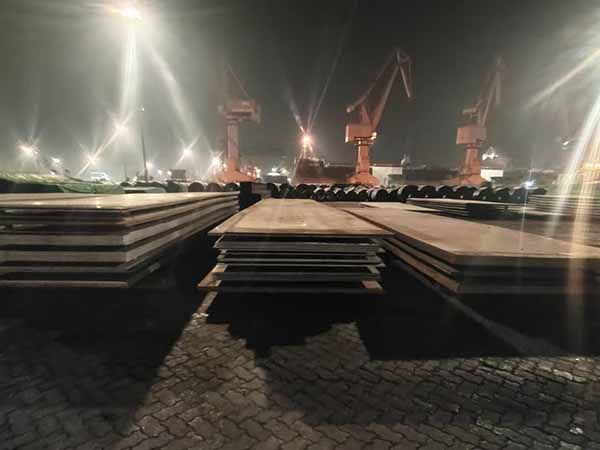
Yuxin Steel provides high-quality steel products to customers in more than 20 countries worldwide.
Contact Info
Would you like to know more about our offers? Please feel free to contact us.