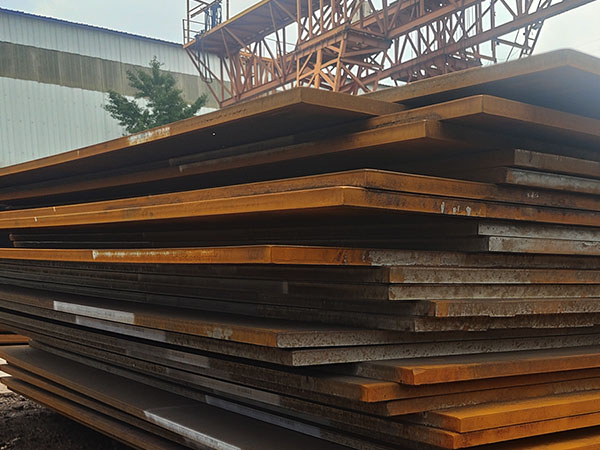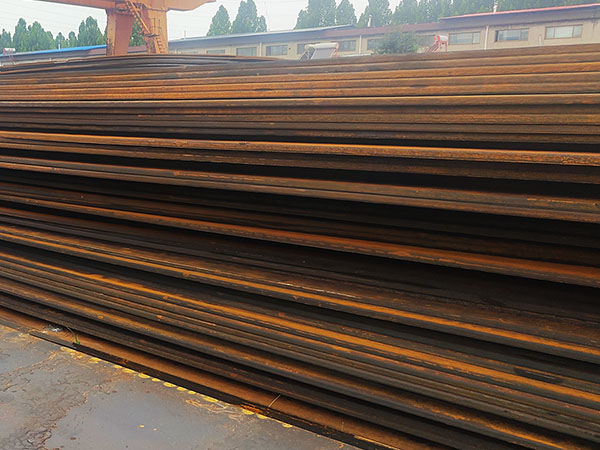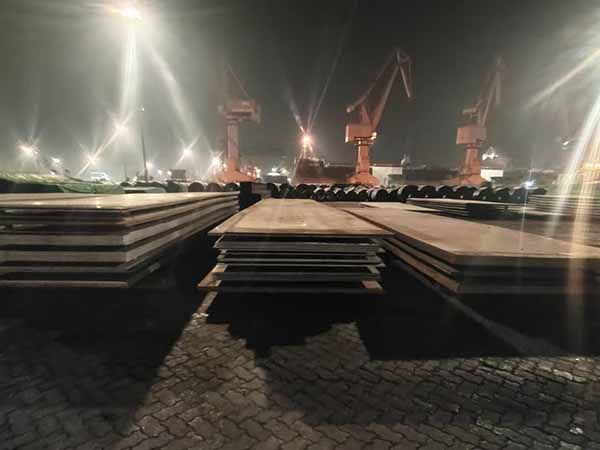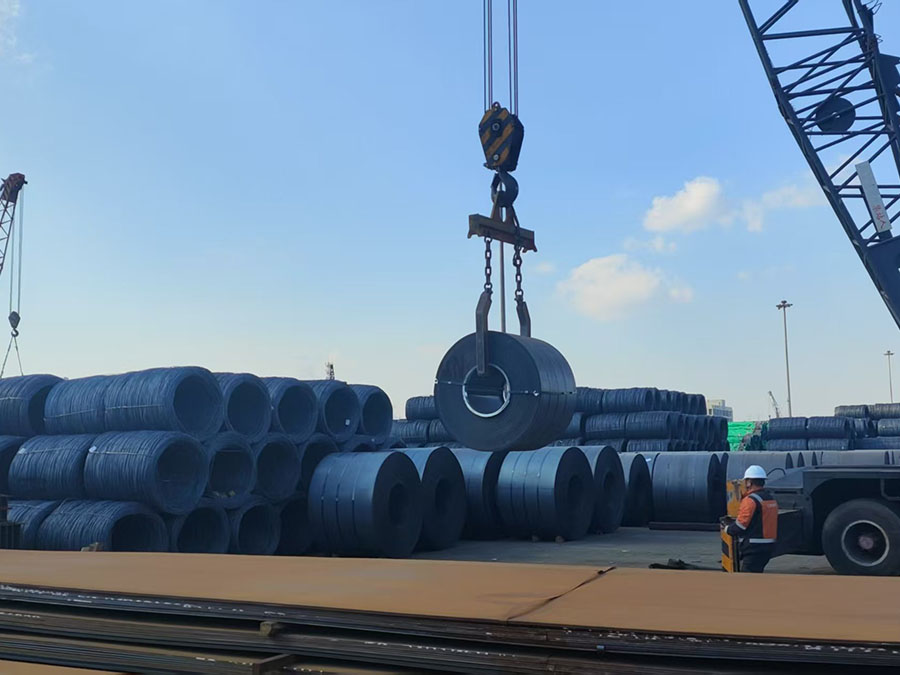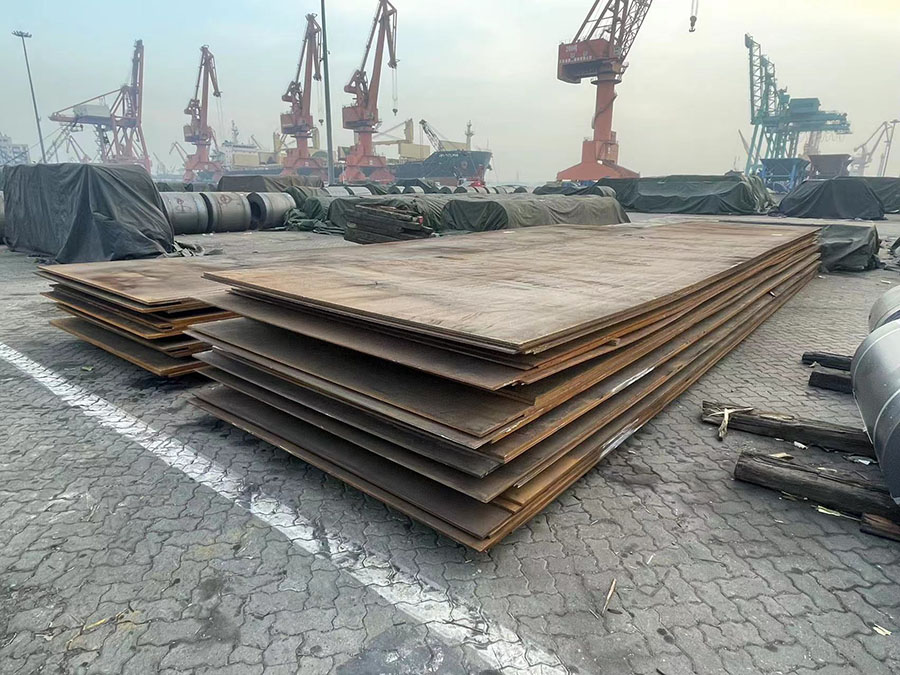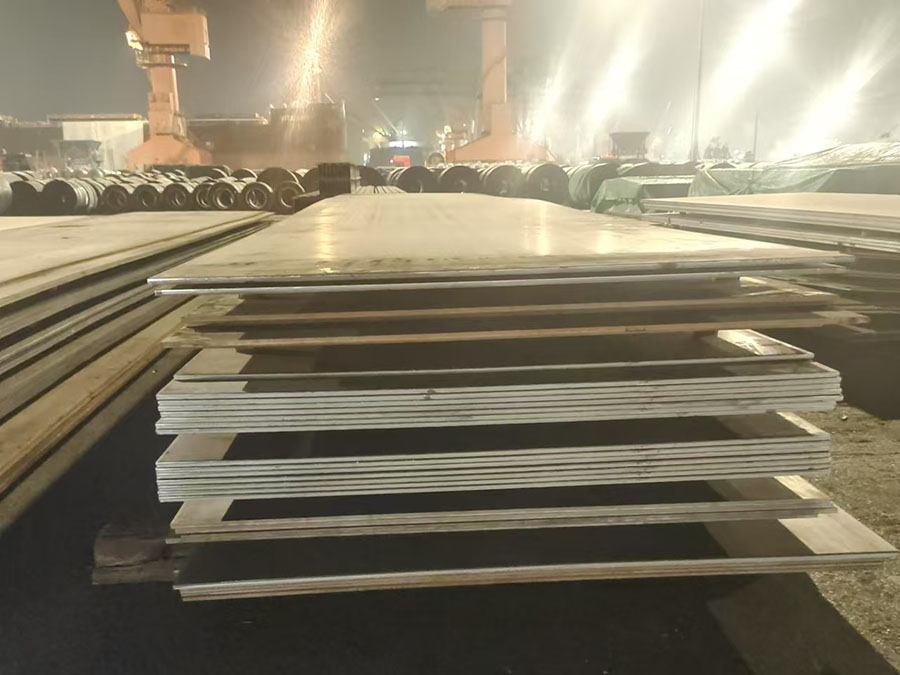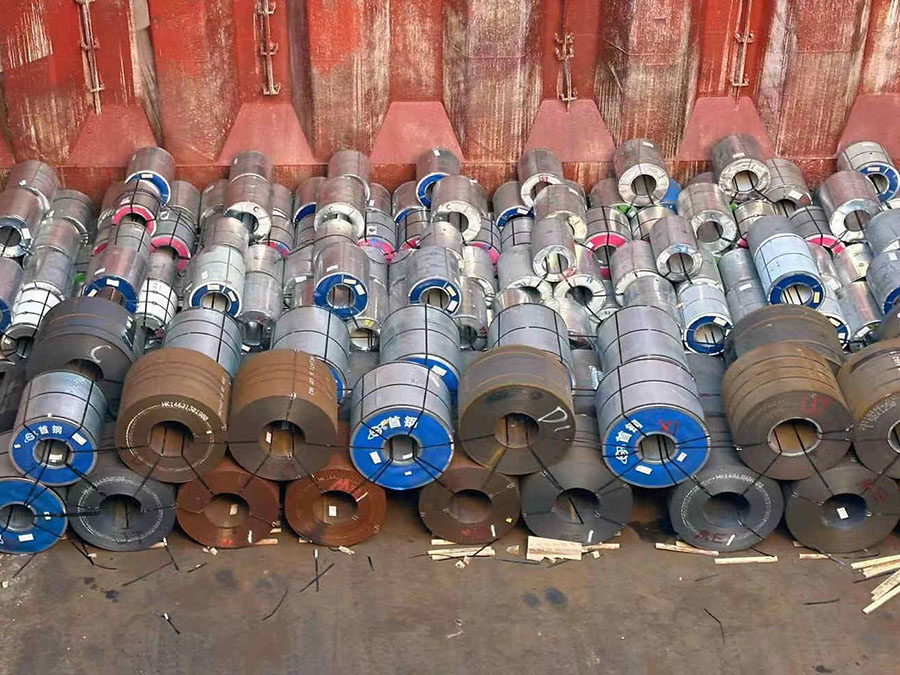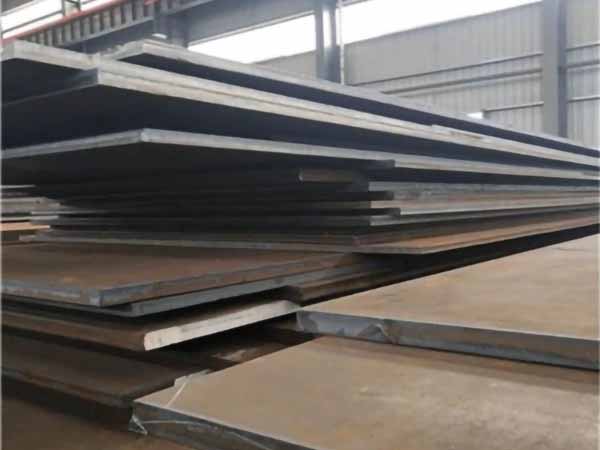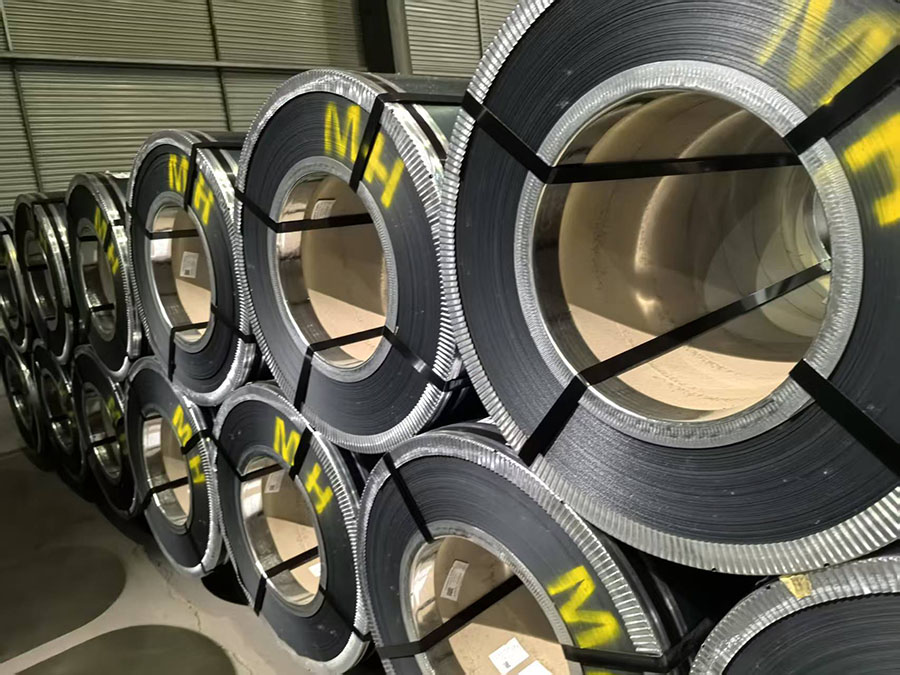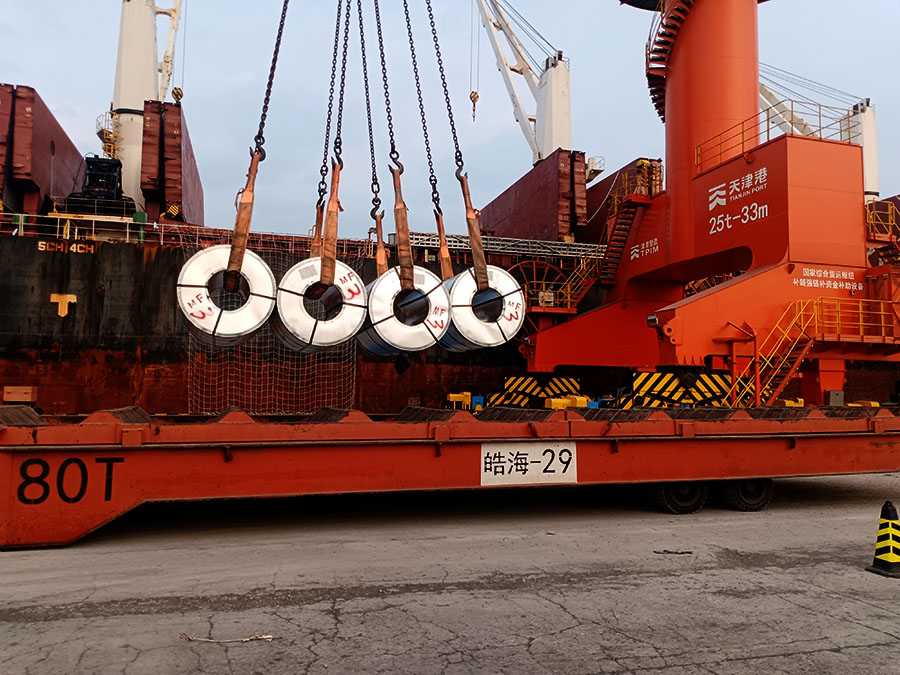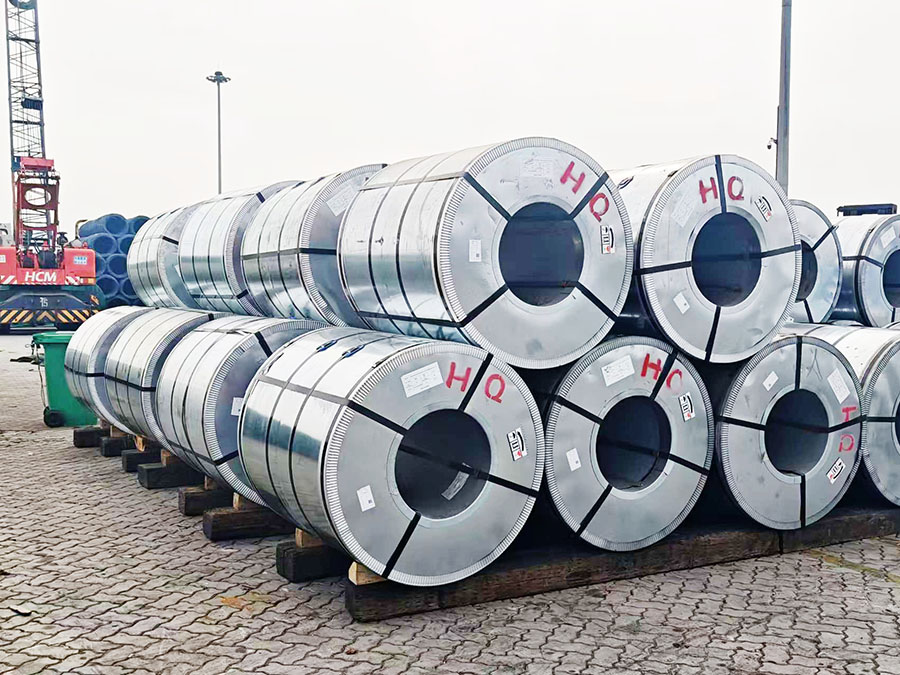
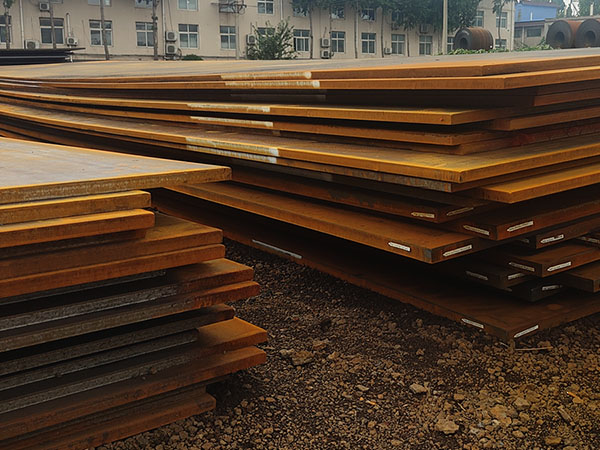
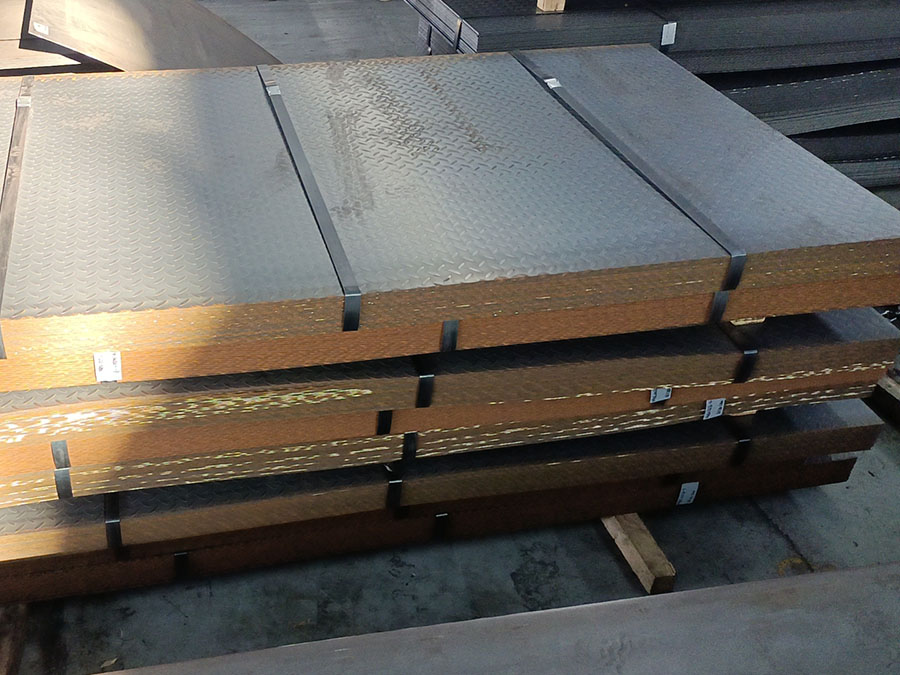
EN10025-6 S550QL is a premium, high-strength, quenched and tempered structural steel plate designed for demanding applications where maximum safety, light weight, and performance under extreme conditions are required.
Standard :
EN 10025-6Grade :
S550QLThickness :
3.0 - 100.0 mmWidth :
1,500.0 - 2,500.0 mmLength :
3,000.0 - 12,000.0 mmSpecial thickness, width, and length can be negotiated separately.
We also provide customized processing services.If you have any questions, please contact us.
S550QL high-strength steel plate is a high-quality quenched and tempered (Q&T) structural steel that complies with the European standard EN 10025-6. Designated as grade 1.8926, it features ultra-high yield strength, excellent low-temperature toughness, stable mechanical properties, and superior weldability. Specifically designed for heavy-duty structural systems and harsh operating conditions, it serves as a core material for construction machinery, construction, energy, and offshore structural projects worldwide.
Unlike ordinary structural steel, S550QL steel plates have a minimum yield strength of 550 MPa and a tensile strength ranging from 640 MPa to 820 MPa. The suffix “QL” denotes rigorous low-temperature impact testing and a quenching and tempering heat treatment process. Compared to traditional high-strength steel grades, this process eliminates internal stresses, ensures a uniform microstructure, and provides excellent ductility and fatigue resistance.
S: Structural Steel
550: Minimum yield strength (ReH) 550 MPa
Q: Quenched and tempered
L: Low-temperature toughness level (≥ 27J at -40℃)
| Product Name | S550QL High Strength Steel Plate |
|---|---|
| Standard | EN10025-6 (Hot rolled products of structural steels - Part 5: Part 6: Technical delivery conditions for flat products made of high yield strength structural steels in the quenched and tempered condition) |
| Grade | S550QL |
| Steel Number | 1.8926 |
| Classification | High-Strength Low-Alloy Steel |
| Thickness | 3.0 - 100.0 mm |
| Width | 1,500.0 - 2,500.0 mm |
| Length | 3,000.0 - 12,000.0 mm |
| Delivery Conditions | Quenched and Tempered (Q+T) |
| Surface Conditions | Original as-rolled black surface |
| Weldability | Good weldability, but strict process procedures (Pre-heating, Low Hydrogen Welding Materials, Post-Weld Heat Treatment, etc.) must still be followed during welding. The core risks are cold cracking (hydrogen-induced cracking) and toughness degradation in the heat-affected zone (HAZ). |
| Machinability | Cutting can be performed using laser, plasma, or flame cutting, but heat input must be controlled to avoid embrittlement in the heat-affected zone. The bending radius should be ≥3 times the plate thickness, and stress relief treatment is required after cold forming. |
| Quality Control | Provide the material certificate. If required, Non-destructive testing (e.g., UT ultrasonic testing), re-inspection of mechanical properties, and Z-direction property testing, third-party testing (Grades Z15/Z25/Z35) can be added. |
| MOQ | 20 tons (small orders can be negotiated). |
| Delivery Time | 15 - 20 days after order confirmation (urgent orders accepted). |
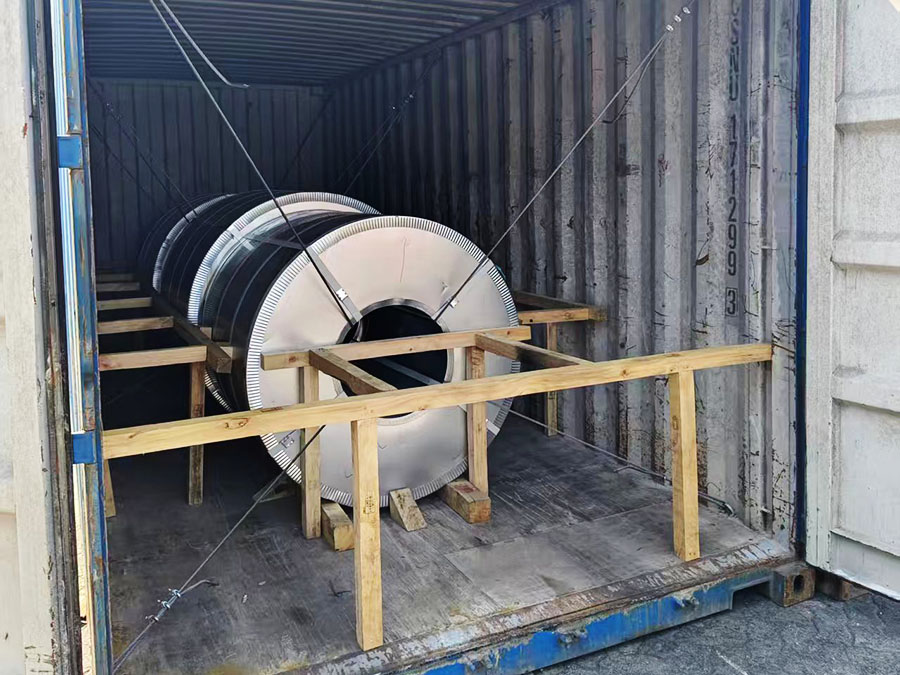
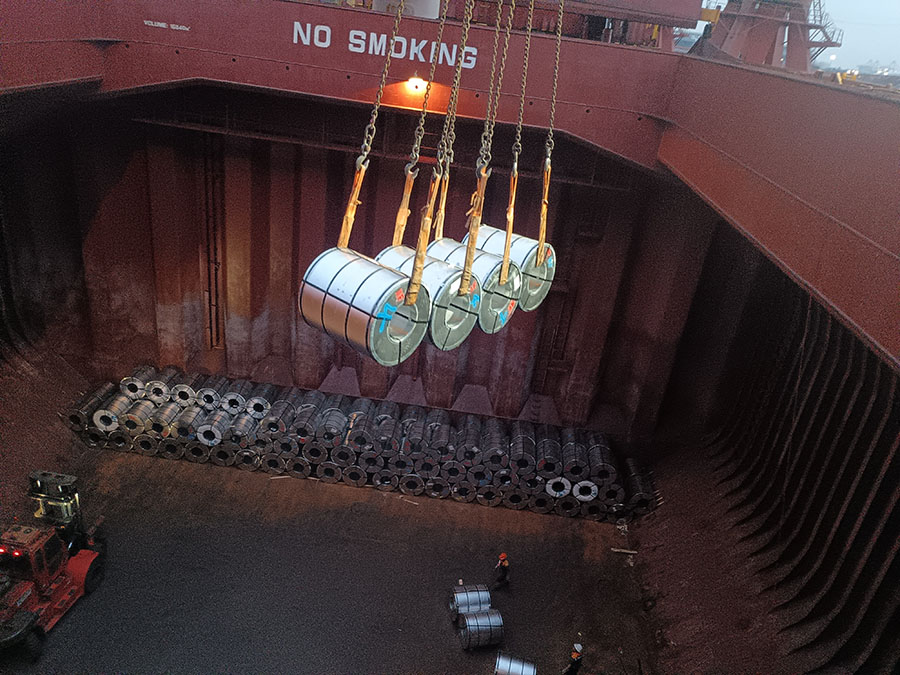
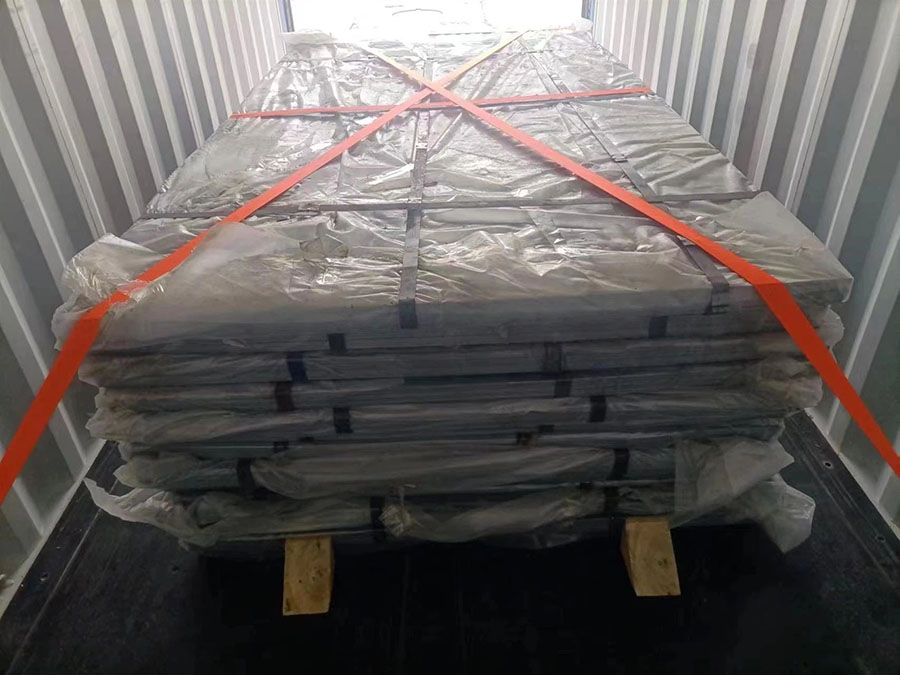
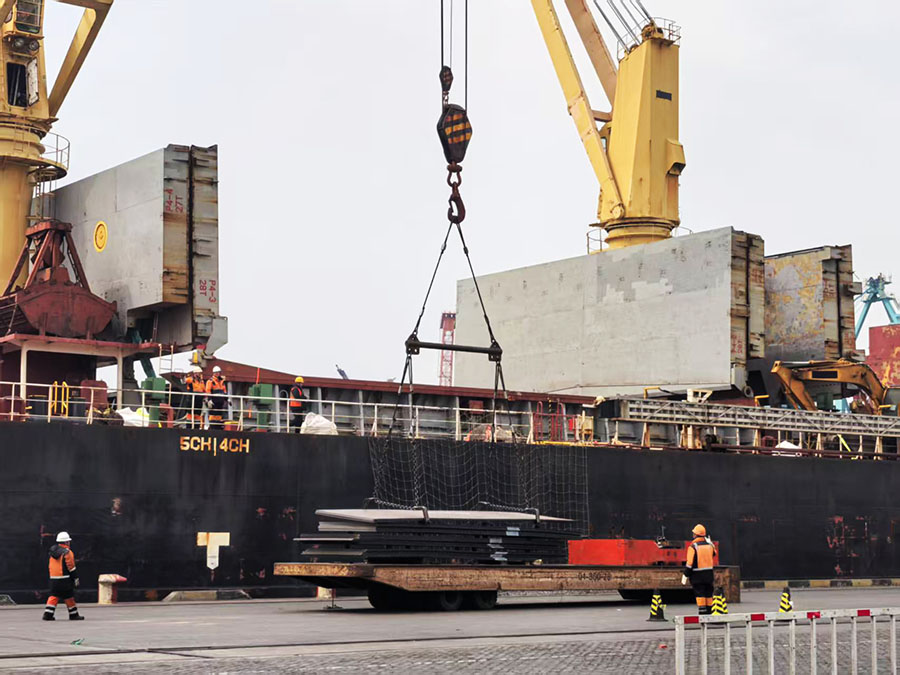
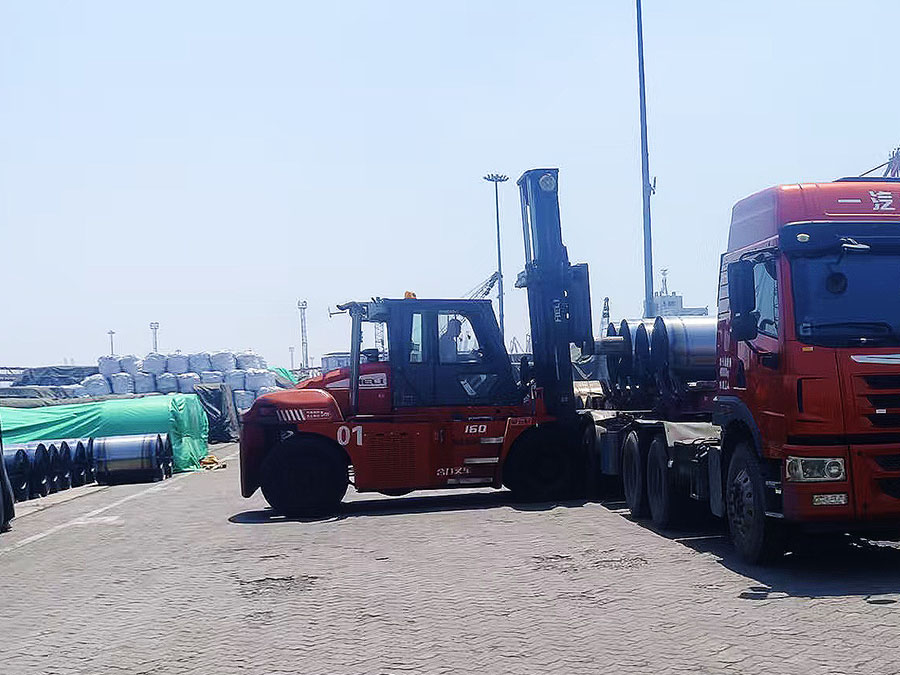
| Packaging | Standard export packaging for sea transport, or as required. |
| Country of origin | China |
| Element | C | Si | Mn | P | S | N | B | Cr | Cu | Mo | Nb | Ni | Ti | V | Zr |
|---|---|---|---|---|---|---|---|---|---|---|---|---|---|---|---|
| Content (max, %) | 0.20 | 0.80 | 1.70 | 0.025 | 0.015 | 0.015 | 0.005 | 1.50 | 0.50 | 0.70 | 0.06 | 2.0 | 0.05 | 0.12 | 0.15 |
* The chemical composition of EN 10025-6 S550QL High Strength Steel Plate is adjusted within a certain range depending on the thickness.
| Thickness (t) [mm] | CEV [max, %] |
|---|---|
| t ≤ 50 | 0.65 |
| 50 < t ≤ 100 | 0.77 |
| 100 < t ≤ 150 | 0.83 |
* The carbon equivalent value varies depending on the thickness.For detailed information, please contact us for inquiries.
* Carbon equivalent (CEV) is calculated using the International Institute of Welding (IIW) formula: CEV = C + Mn/6 + (Cr+Mo+V)/5 + (Ni+Cu)/15
| Thickness (t) [mm] | Yield Strength (ReH) [MPa] | Tensile Strength (Rm) [MPa] | Elongation (A) [%] |
|---|---|---|---|
| 3 ≤ t ≤ 50 | ≥ 550 | 640 - 820 | ≥ 16 |
| 50 < t ≤ 100 | ≥ 530 | 640 - 820 | ≥ 16 |
| 100 < t ≤ 150 | ≥ 490 | 590 - 770 | ≥ 16 |
* The mechanical properties of S550QL high-strength structural steel plate vary with thickness.
| Impact Test Temperature | Impact Energy (KV2), transverse test pieces |
|---|---|
| 0 ℃ | ≥ 35 J |
| - 20 ℃ | ≥ 30 J |
| - 40 ℃ | ≥ 27 J |
S550QL steel plates have a minimum yield strength of 550 MPa, outperforming the S460 and S500 series of high-strength steels. They can withstand heavier static and dynamic loads, effectively reducing structural cross-sectional dimensions. This enables lightweight design while ensuring structural safety, resulting in significant savings in material and construction costs.
The Grade "L" low-temperature impact certification ensures that the steel plate maintains stable ductility and fracture resistance even in cold environments, preventing brittle fracture of structural components in low-temperature, high-altitude, and polar environments. Its adaptability to extreme climates is significantly superior to that of ordinary high-strength steel plates.
An optimized low-carbon alloy composition reduces the tendency for weld hardening and sensitivity to cold cracking. Although S550QL possesses ultra-high strength, it remains compatible with traditional welding, cutting, bending, and drilling processes. It is easy to process, requires no special or complex procedures, and achieves a high yield rate for finished products.
Through quenching and tempering heat treatment, internal residual stresses are eliminated, resulting in a uniform microstructure and excellent fatigue and deformation resistance. The steel plate maintains long-term stable performance under alternating loads, wind loads, and impact loads, thereby extending the service life of engineering structures.
EN10025-6 S550QL high-strength steel plate is widely used in structural components subjected to heavy loads, impact, or low-temperature environments due to its combined advantages of "high strength, high toughness, and good weldability." Typical applications include:
Crane jibs, excavator chassis, and engineering vehicle frames.
Load-bearing components of long-span bridges and steel structural supports for high-rise buildings.
Protective plates or load-bearing structures for mining vehicles and armored vehicles.
Large storage tanks designed to withstand high pressure and special pressure vessels (must additionally comply with pressure equipment standards).
| Grade | Yield Strength (ReH) [min, MPa] | Tensile Strength (Rm) [MPa] | Elongation (A) [min, %] | Impact Energy (KV) [min] |
|---|---|---|---|---|
| S550Q | 550 | 640 - 820 | 16% | 27 J (at -20°C) |
| S550QL | 550 | 640 - 820 | 16% | 27 J (at -40°C) |
| S550QL1 | 550 | 640 - 820 | 16% | 27 J (at -60°C) |
* The differences between S550Q, S550QL, and S550QL1 lie solely in the impact temperature requirements, while other mechanical properties remain consistent.
| Standard | Grade | Yield Strength (MPa) | Impact Temperature (°C) | Delivery Condition | Equivalence Evaluation |
|---|---|---|---|---|---|
| EN 10025-6 | S550QL | 550 | -40 | Quenched & Tempered | Reference Grade |
| GB/T 16270 (China) | Q550E | 550 | -40 | Quenched & Tempered | Fully equivalent, preferred in Chinese market |
| ASTM (USA) | A514 Grade Q | 620 - 690 | Negotiation | Quenched & Tempered | High-strength alternative, impact performance requires verification |
| JIS G3106 (Japan) | SM570 | 570 | Room Temp. / -20 | Hot Rolled / Normalized | Similar strength but fails low-temperature performance |
* Grade equivalences are only approximate, actual mechanical properties and chemical composition should be compared.
A:
Both comply with the EN 10025-6 standard and have essentially the same strength parameters. The main difference lies in their low-temperature impact properties:
S550QL: Meets the requirements of most standard heavy-duty engineering applications and offers better value for money.
S550QL1: Has a higher low-temperature toughness rating and is suitable for extremely cold operating conditions;
A:
High-strength low-alloy steel plates offer excellent weldability. As their carbon content is typically low (below 0.2%), they present a lower risk of cracking during welding compared to standard high-strength steel plates and generally do not require complex preheating treatments.
A:
The key advantage of high-strength low-alloy steels is weight reduction. As they offer greater strength, thinner sheets can be used to withstand the same loads, thereby reducing the overall weight of the structure; in the automotive sector, this leads to improved fuel efficiency.
A:
High-strength low-alloy steel (HSLA) is a type of steel in which small amounts of alloying elements (such as niobium, vanadium, titanium or copper) are added to enhance its mechanical properties. Compared to traditional carbon steel, it offers higher yield strength and better corrosion resistance whilst maintaining good weldability and formability.
– We offer free samples and bespoke solutions. Please feel free to enquire about our latest prices and volume discounts.
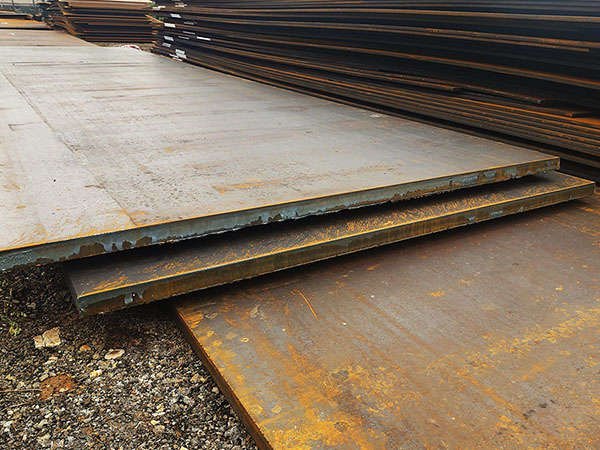
Yuxin Steel provides high-quality steel products to customers in more than 20 countries worldwide.
Contact Info
Would you like to know more about our offers? Please feel free to contact us.