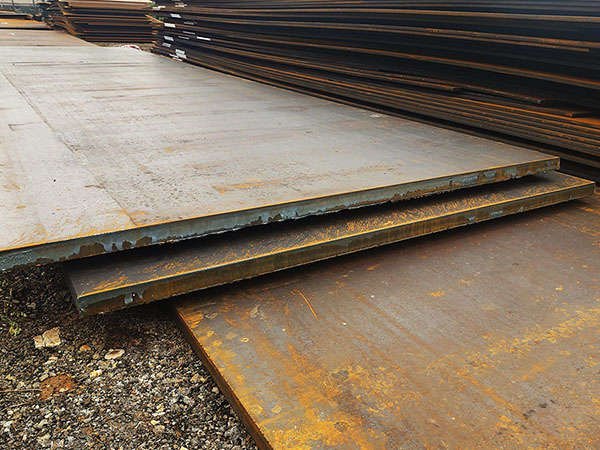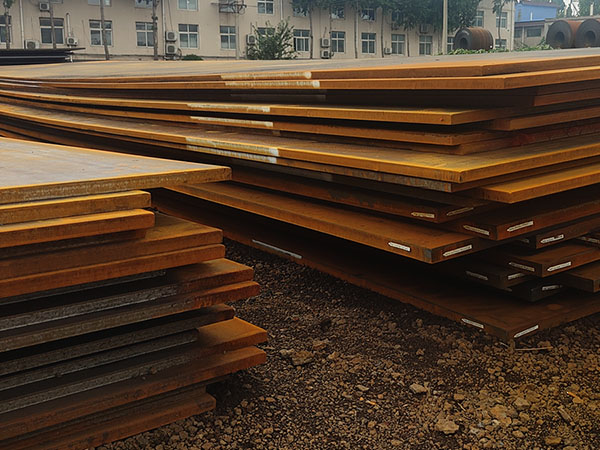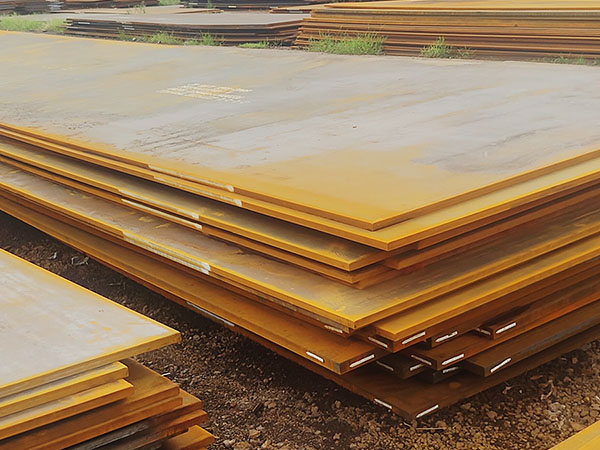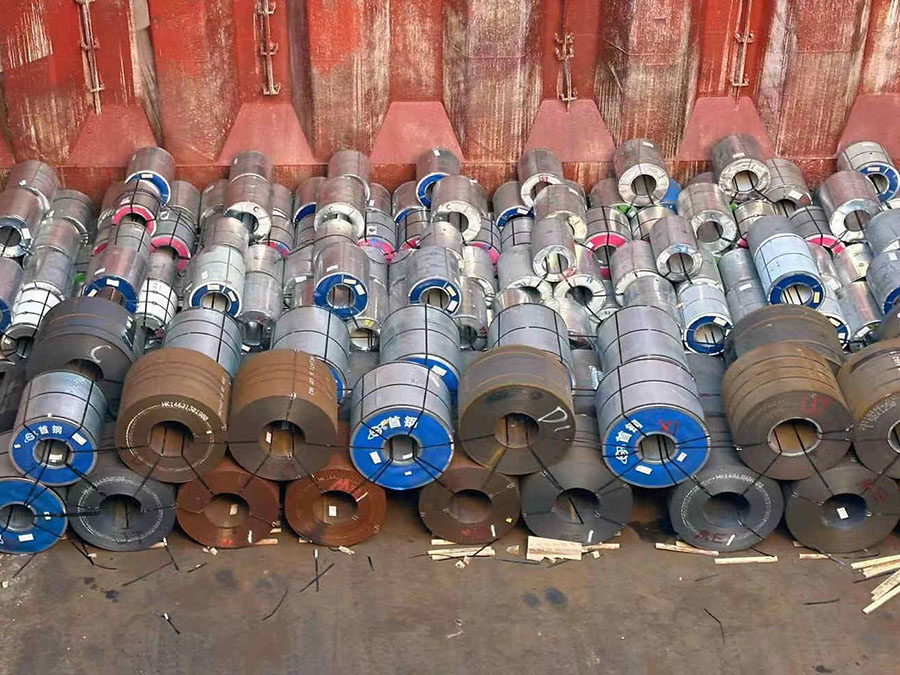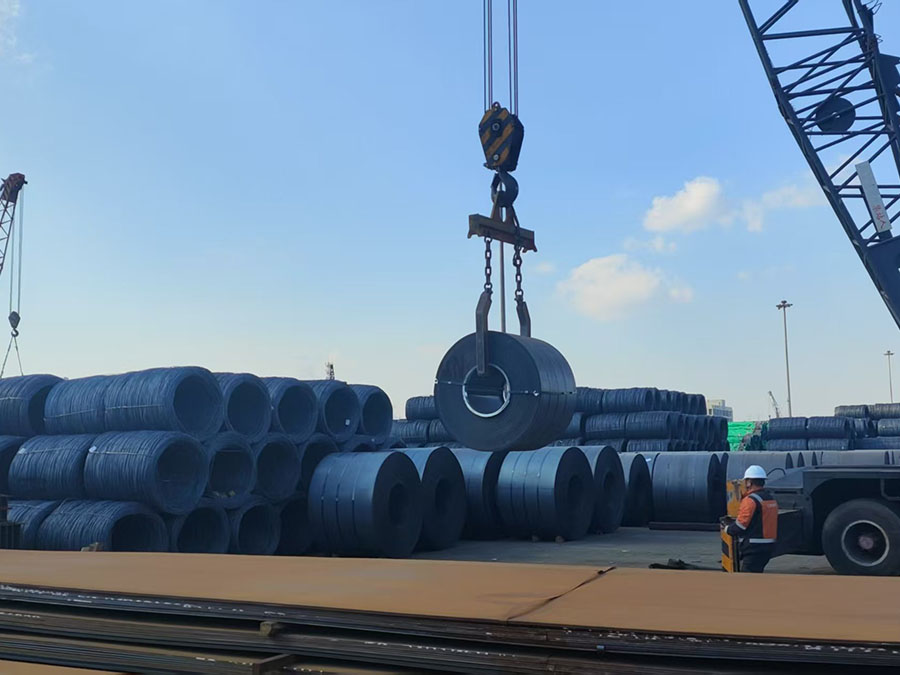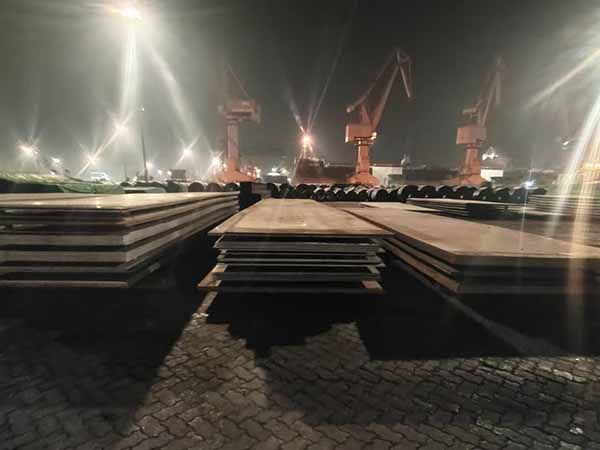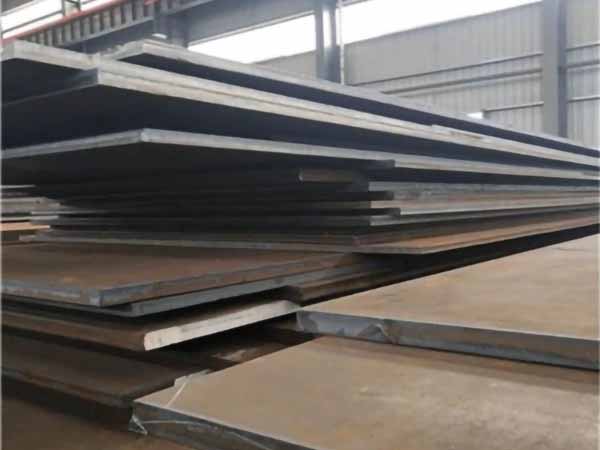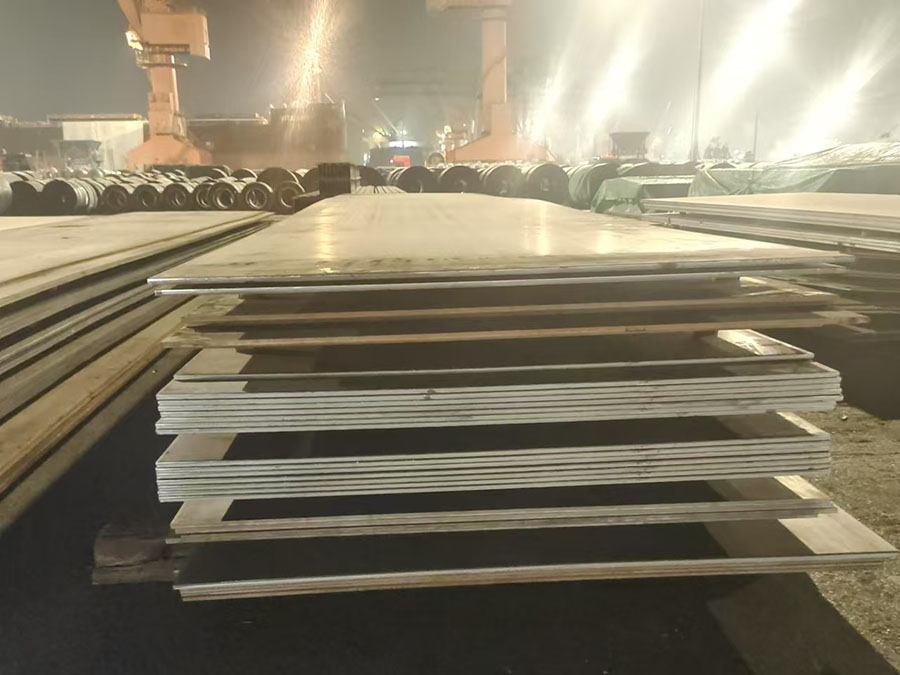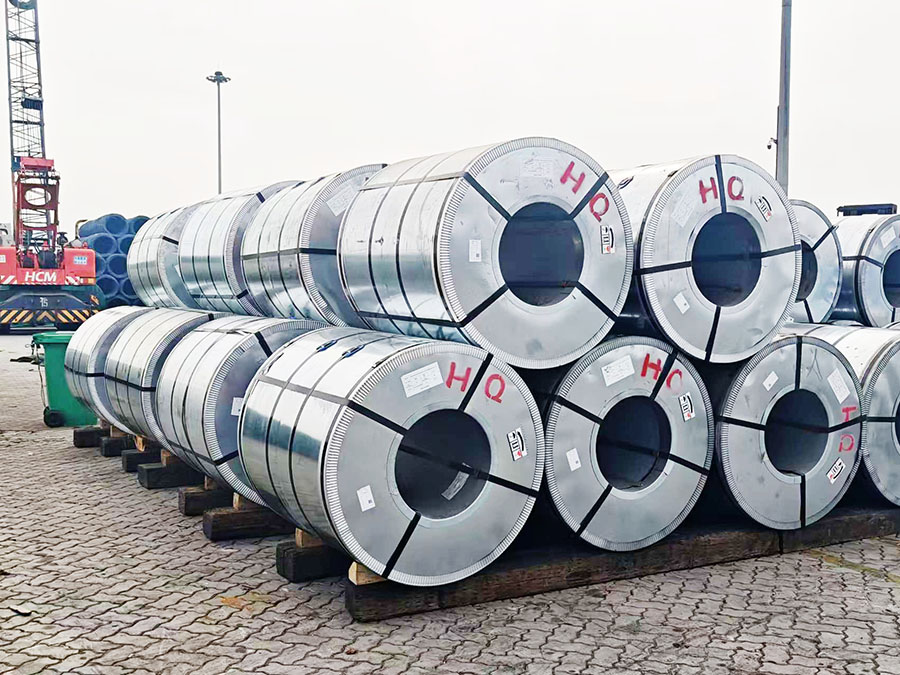
EN 10025-6 S960QL is an ultra-high-strength quenched and tempered structural steel with excellent performance.
Standard :
EN 10025-6Grade :
S960QLThickness :
3 - 100 mmWidth :
1500 - 2500 mmLength :
3000 - 12000 mmSpecial thickness, width, and length can be negotiated separately.
We also provide customized processing services.If you have any questions, please contact us.
EN10025-6 S960QL is a Ultra-high-strength structural steel conforming to the European standard, primarily used in engineering fields with stringent requirements for material strength, toughness, and weldability.
Its core advantage lies in the balance of "ultra-high strength + low-temperature toughness + weldability", making it an ideal material for lightweight, high-strength engineering structures.
Standard and Grade Designation
Standard: EN 10025-6
EN 10025 is a series of standards for "Hot rolled products of structural steels" established by the European Committee for Standardization (CEN). It is divided into several parts, with EN 10025-6 specifically covering "High yield strength structural steels in the quenched and tempered condition" for flat products. It defines the chemical composition, mechanical properties, testing methods, and delivery requirements for this steel category.
Grade: S960QL
The parts of the grade designation signify the following:
S: Stands for Structural Steel, indicating the intended use category.
960: Specifies the minimum yield strength value in MPa (Megapascals), meaning the yield strength of this steel is ≥960 MPa, placing it in the "ultra-high strength steel" category.
Q: Stands for Quenched and Tempered, indicating the delivery condition is quenched and tempered (achieved through rapid cooling via quenching followed by high-temperature tempering to balance strength and toughness).
L: Stands for Low Temperature Toughness, indicating the steel meets impact toughness requirements at low temperatures (typically defaulting to -20°C impact testing, but can be upgraded to lower temperatures like -40°C upon request).
Key Characteristics
Ultra-High Strength: Yield strength ≥960 MPa allows for significant reduction in the weight of structural components (30%-50% lighter compared to ordinary steels), suitable for applications requiring "lightweighting + high strength".
Excellent Low-Temperature Toughness: The "L" grade guarantees impact performance at low temperatures, making it suitable for engineering projects in cold regions (e.g., Northern Europe, Siberia).
Good Weldability: By controlling carbon equivalent (Ceq ≤ 0.65%) and alloy composition, this steel can be welded using conventional methods (manual metal arc welding, submerged arc welding, gas shielded welding, etc.). However, preheating (typically 80-150°C) is required before welding, and slow cooling after welding is necessary to avoid welding cracks.
Uniform Microstructure and Properties: The quenched and tempered process refines the grain and homogenizes the microstructure, ensuring consistent properties across different parts of the plate.
Chemical composition determines the steel's strength, toughness, and weldability. Common ranges are:
| Element | C | Si | Mn | P | S | Cr | Mo | Ni | V | Nb | Ti |
|---|---|---|---|---|---|---|---|---|---|---|---|
| Content (%) | ≤0.20 | ≤0.60 | ≤1.70 | ≤0.025 | ≤0.010 | 0.50-1.20 | 0.20-0.60 | 0.50-1.50 | 0.05-0.15 | 0.01-0.06 | ≤0.05 |
Note: P and S are detrimental elements, strictly limited to avoid brittleness; alloying elements like Cr, Mo, Ni enhance strength and toughness; microalloying elements V, Nb, Ti refine the grain structure to optimize mechanical properties.
| Property | Requirement (for thickness ≤63mm, thicker specifications require negotiation) | Explanation |
|---|---|---|
| Yield Strength (ReH) | ≥960 MPa | Key strength indicator, far exceeding ordinary structural steels (e.g., Q235 ~235MPa) |
| Tensile Strength (Rm) | 1030-1200 MPa | Balanced range for strength and plasticity |
| Elongation at fracture (A) | ≥10% | Ensures a degree of plasticity, avoiding brittle fracture |
| Impact Toughness (KV2) | ≥40 J (-40°C) | Resistance to impact at low temperatures; |
| Bend Test | 180° bend, no cracks | Verifies the material's plasticity during cold working |
Delivery condition: Quenched + Tempered, core indicators
Due to its balance of high strength and toughness, S960QL is widely used in fields with demanding material performance requirements:
Construction Machinery: Crane booms, excavator arms, bulldozer blades, aerial work platform booms (reduces dead weight, increases load capacity).
Mining Machinery: Dump truck bodies, crusher liners, scraper conveyor troughs (wear-resistant, impact-resistant).
Special Vehicles: Fire truck ladders, armored vehicle bodies, heavy truck frames (lightweighting + high protection).
Energy Engineering: Flanges and connecting components for wind turbine towers, load-bearing structures for oil drilling platforms (low temperature resistance, fatigue resistance).
Steel Structure Buildings: Key load-bearing elements for long-span bridges, core frames for ultra-high-rise buildings (reduces component cross-sections, optimizes space).
Delivery and Processing Considerations:
Delivery Condition
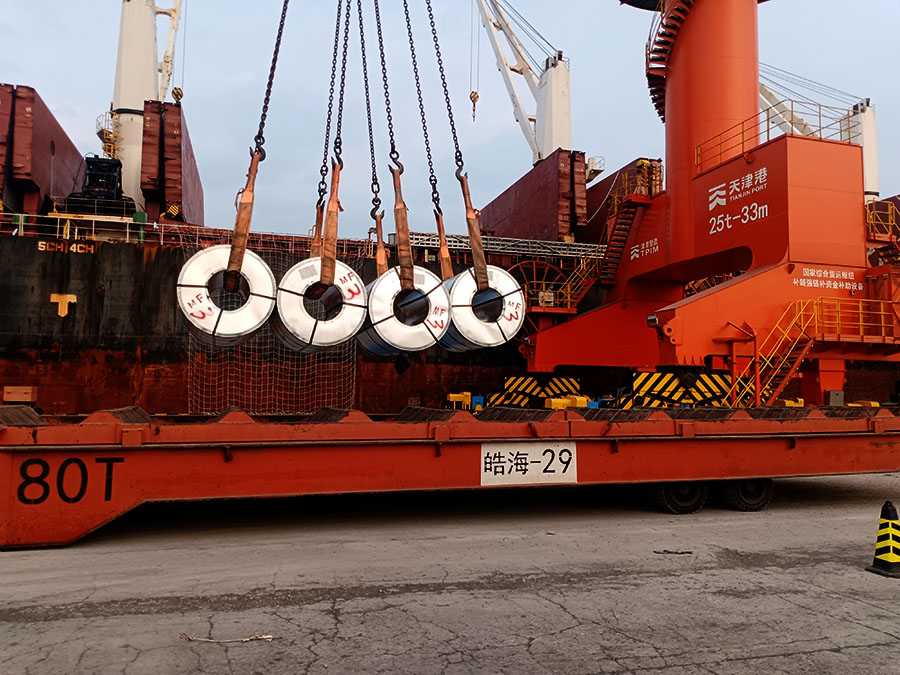
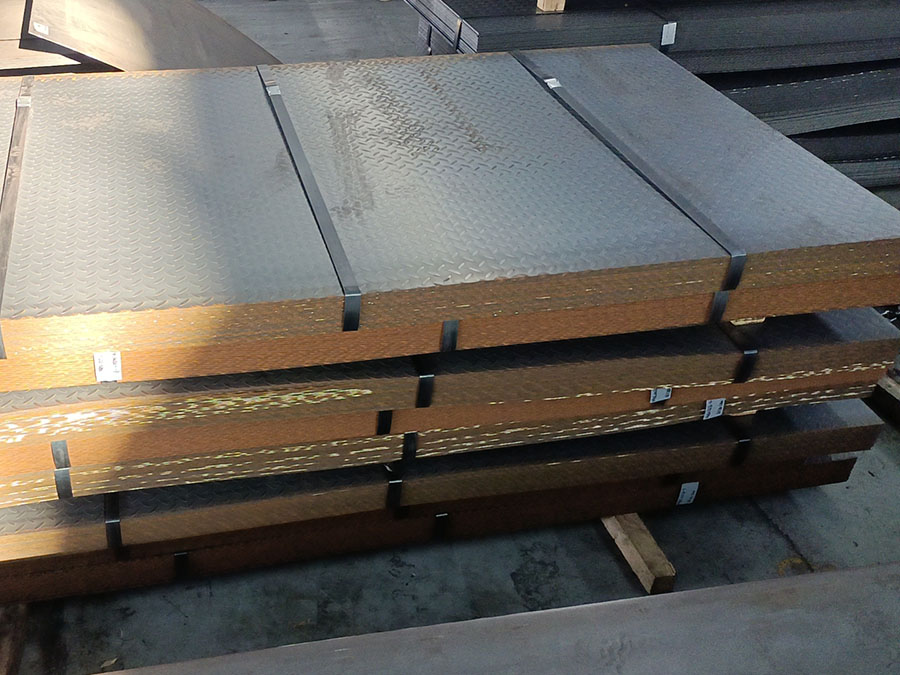
Usually delivered in the "Quenched + Tempered" (Q+T) condition. The surface can be supplied as bare material, pickled, oiled, or painted based on requirements.
A Mill Test Certificate (MTC) provided by the steelmaker is required, containing compliance proof for chemical composition, mechanical properties, heat treatment records, etc.
Processing Recommendations
Cutting: Plasma cutting, laser cutting, or flame cutting can be used. Burrs and the heat-affected zone must be removed after cutting.
Welding: Use low-hydrogen electrodes (e.g., E11018-G) or wires (e.g., ER110S-G) is recommended. Strictly control preheat and interpass temperatures. Post-weld stress relief heat treatment (e.g., holding at 200-300°C) can be performed.
Forming: Cold bending or hot forming is possible. However, larger cold bending radii are required (to avoid cracking). Hot forming temperature is recommended to be controlled between 600-800°C.
Comparison with Similar Standards
For a clearer understanding of its positioning, here is a comparison with high-strength steels from similar national standards:
| Item | EN10025-6 S960QL | Chinese Standard GB/T 16270-2021 Q960D | US Standard ASTM A514 Gr.Q |
|---|---|---|---|
| Yield Strength | ≥960 MPa | ≥960 MPa | ≥690 MPa (lower than S960QL) |
| Low-Temp Impact | -20°C ≥30J (upgradable) | -20°C ≥34J | -40°C ≥27J |
| Applicable Thickness | Typically ≤150mm | Typically ≤100mm | Typically ≤150mm |
| Core Advantage | High recognition in European systems, stable toughness | Lower procurement cost domestically, meets Chinese standard project requirements | Suitable for US standard projects, good weldability |
Summary
EN 10025-6 S960QL is an ultra-high-strength, quenched and tempered structural steel offering an exceptional combination of minimum 960 MPa yield strength and high toughness at low temperatures. Its primary advantage is enabling lightweight, high-performance designs for demanding mechanical applications. However, its fabrication, particularly welding, demands strict adherence to specialized procedures to preserve its mechanical properties.
A:
High-strength low-alloy steel plates offer excellent weldability. As their carbon content is typically low (below 0.2%), they present a lower risk of cracking during welding compared to standard high-strength steel plates and generally do not require complex preheating treatments.
A:
The key advantage of high-strength low-alloy steels is weight reduction. As they offer greater strength, thinner sheets can be used to withstand the same loads, thereby reducing the overall weight of the structure; in the automotive sector, this leads to improved fuel efficiency.
A:
High-strength low-alloy steel (HSLA) is a type of steel in which small amounts of alloying elements (such as niobium, vanadium, titanium or copper) are added to enhance its mechanical properties. Compared to traditional carbon steel, it offers higher yield strength and better corrosion resistance whilst maintaining good weldability and formability.
– We offer free samples and bespoke solutions. Please feel free to enquire about our latest prices and volume discounts.
Yuxin Steel provides high-quality steel products to customers in more than 20 countries worldwide.
Contact Info
Would you like to know more about our offers? Please feel free to contact us.