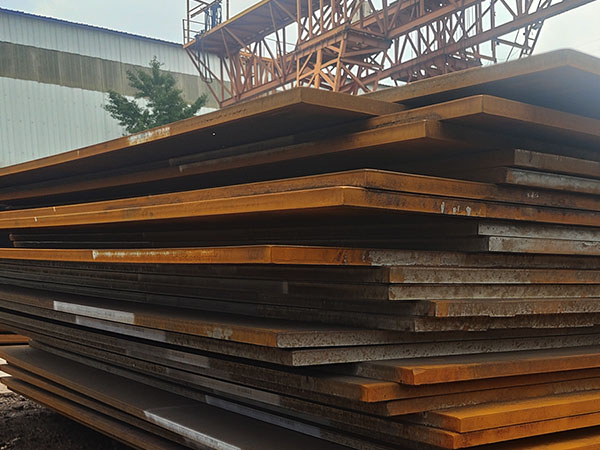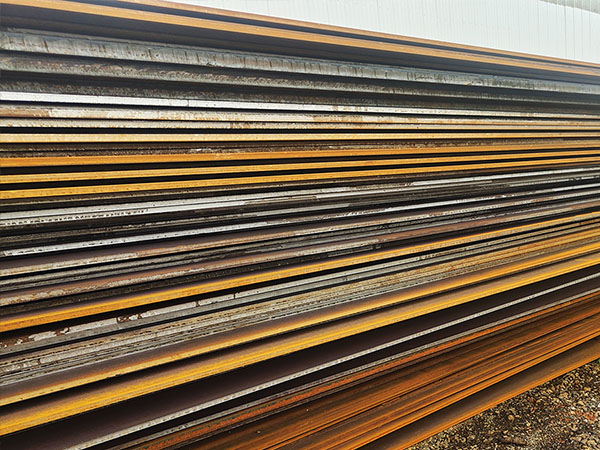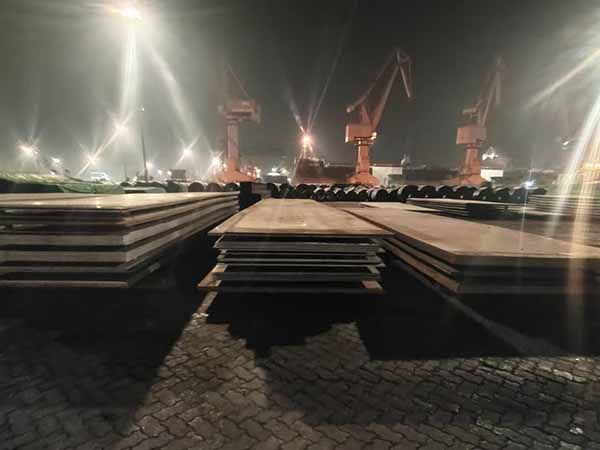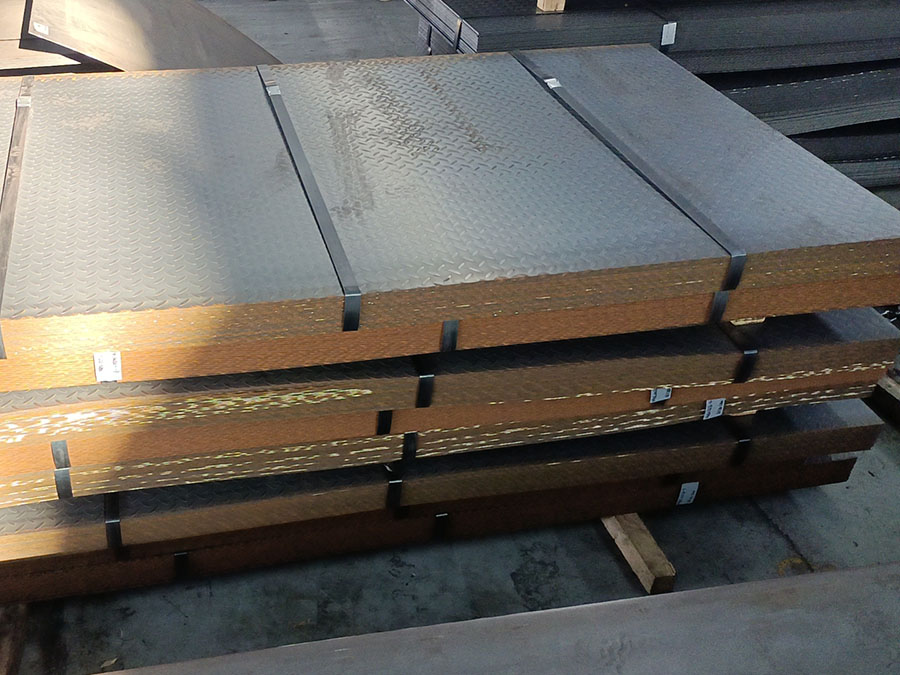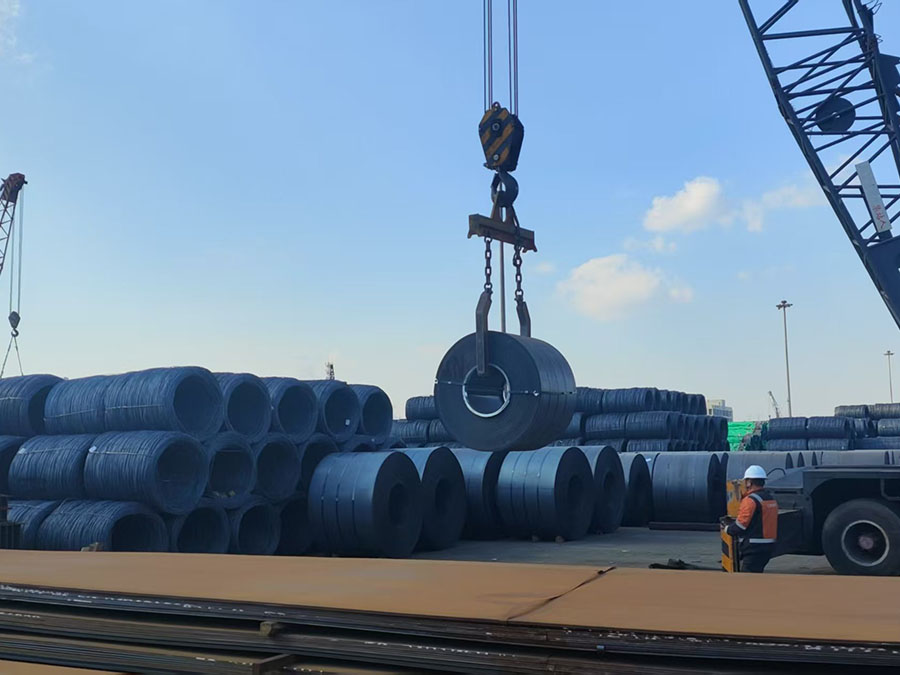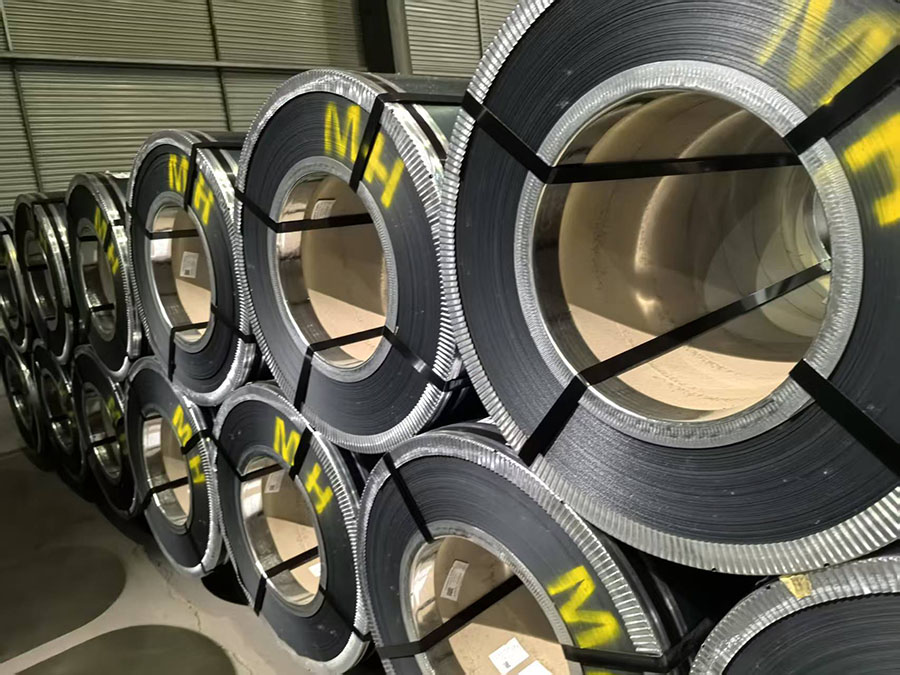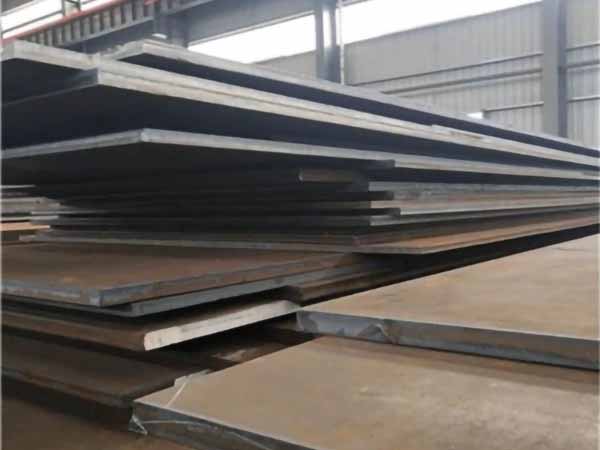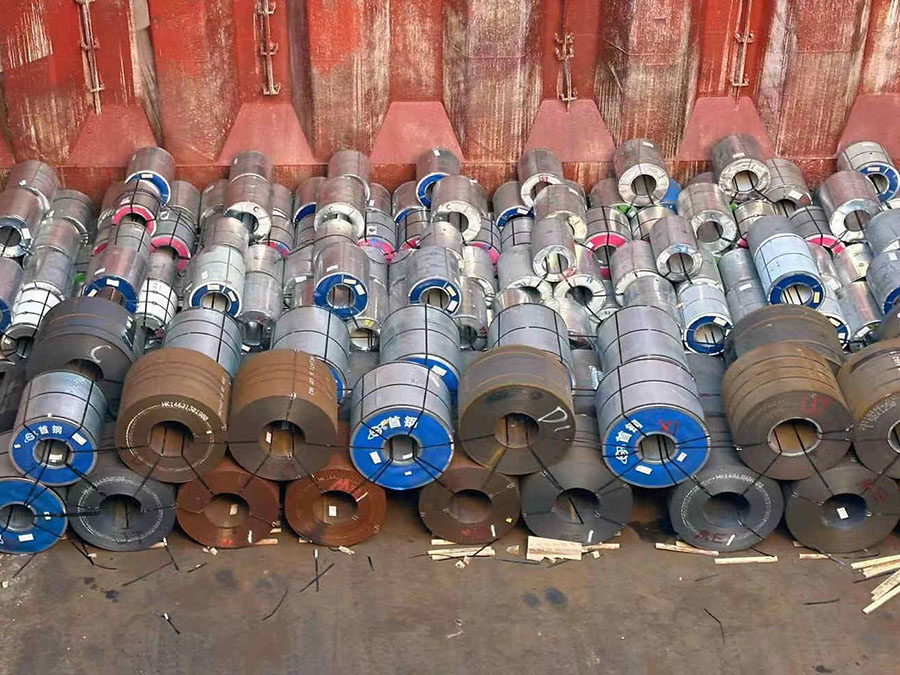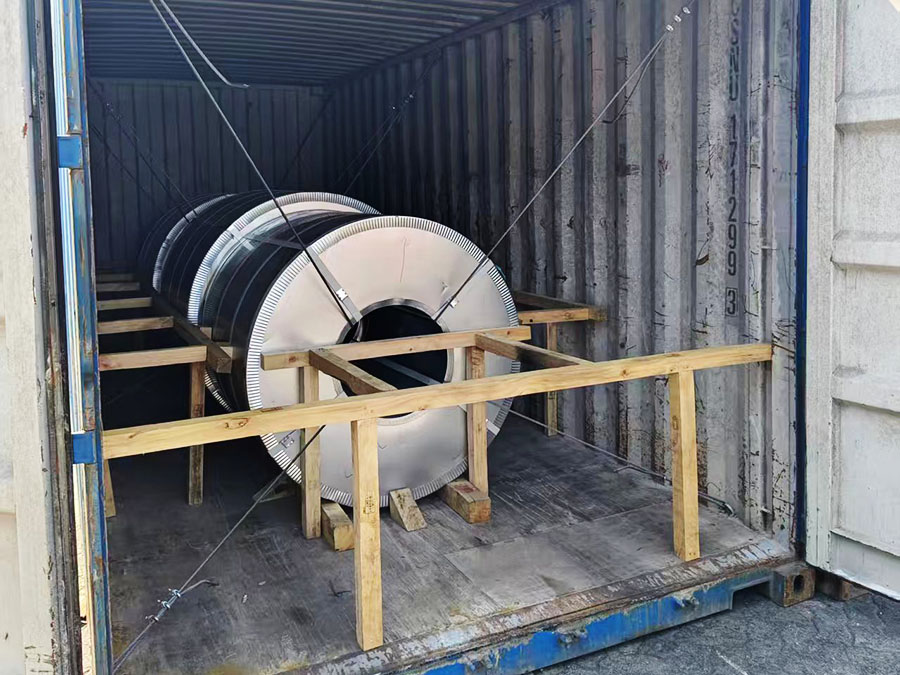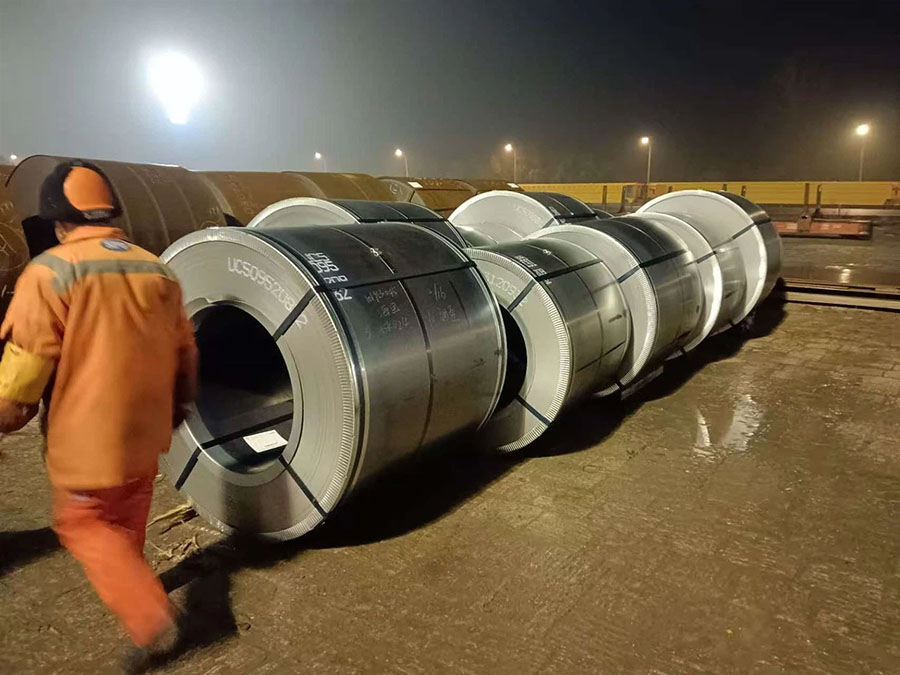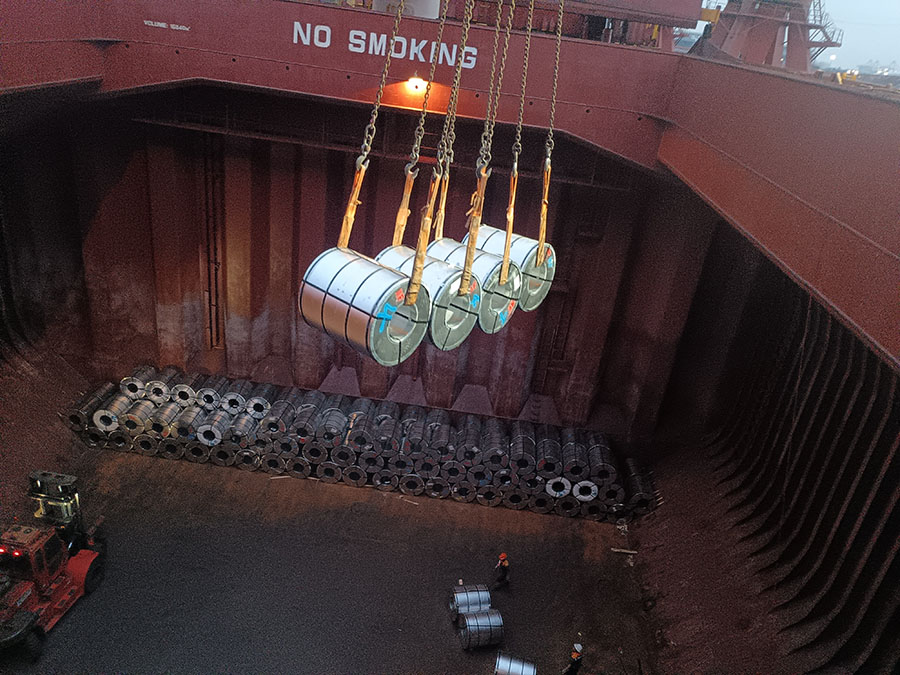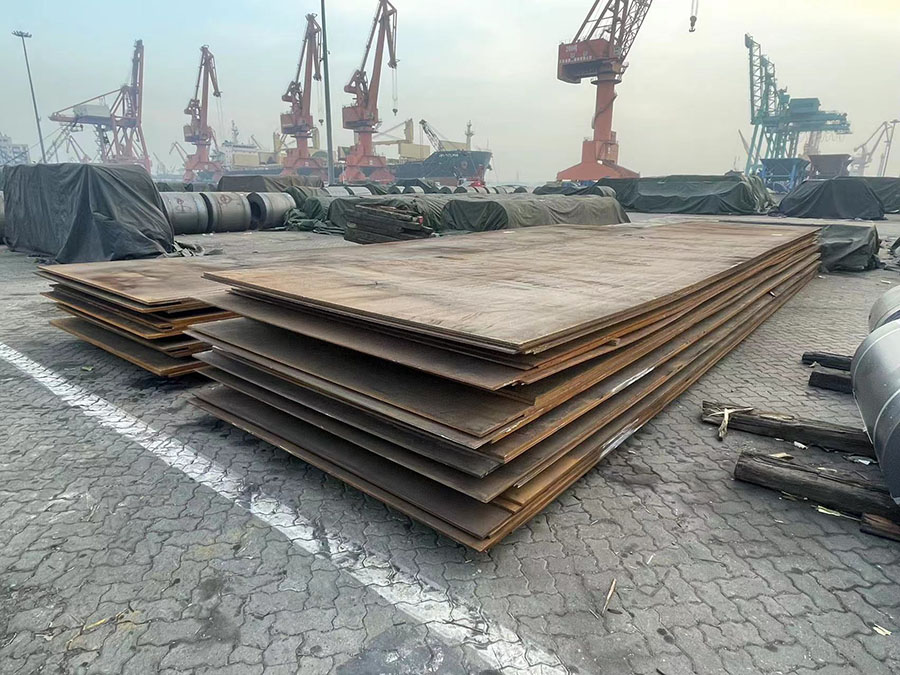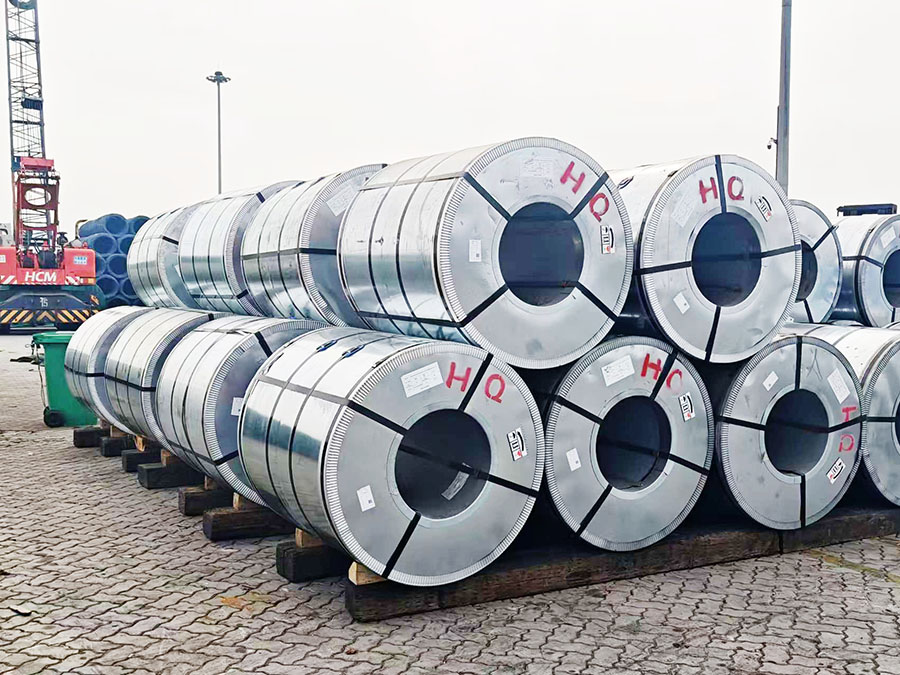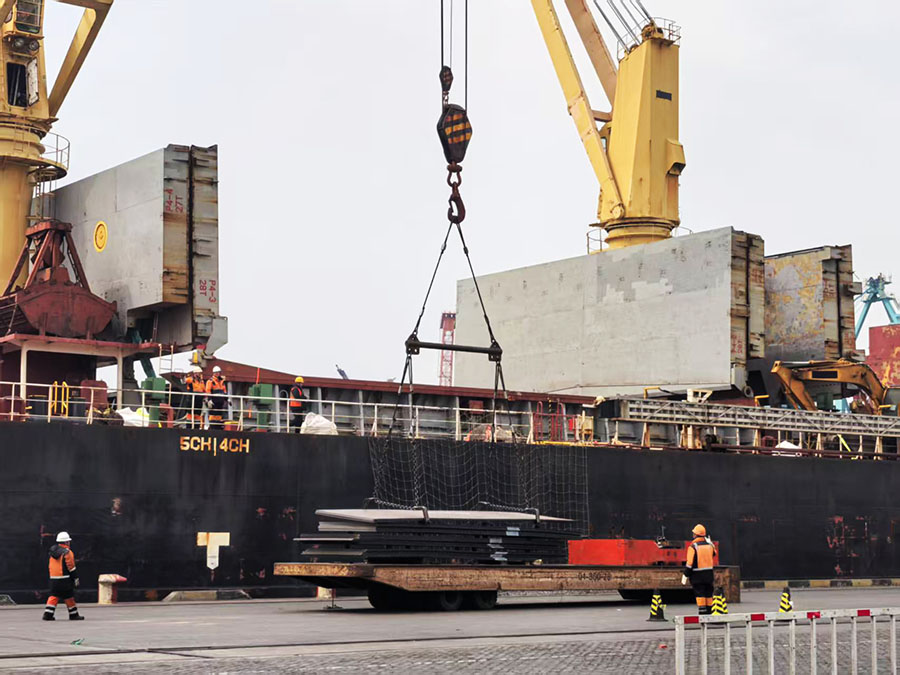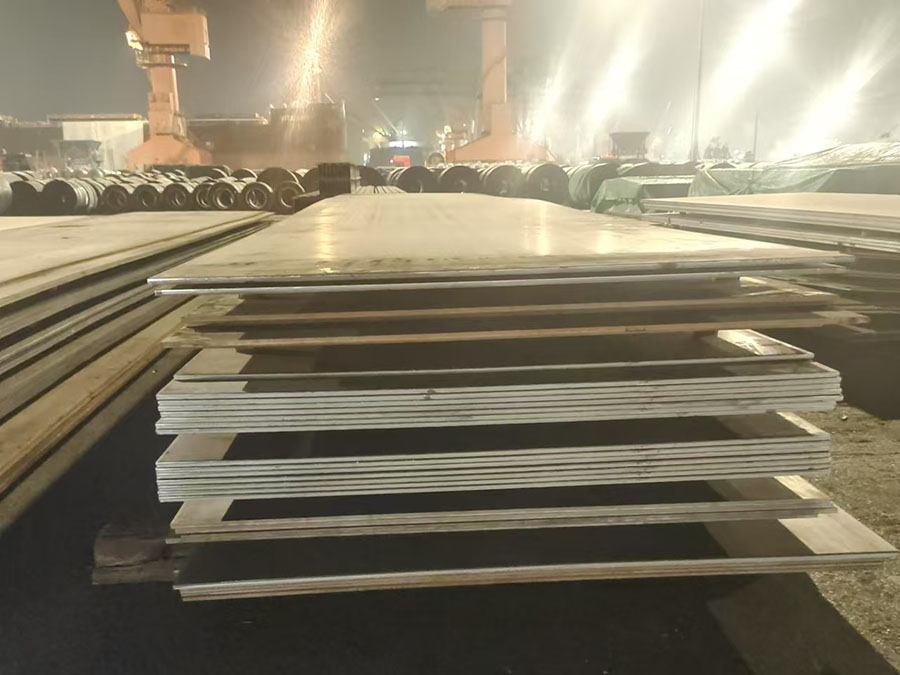
EN 10025-6 S690QL1 is a high-strength, quenched and tempered, fine-grained structural steel plate designed for extremely cold environments down to -60°C.
Standard :
EN 10025-6Grade :
S690QL1Thickness :
3 - 100 mmWidth :
1500 - 2500 mmLength :
3000 - 12000 mmSpecial thickness, width, and length can be negotiated separately.
We also provide customized processing services.If you have any questions, please contact us.
EN10025-6 S690QL1 is a high-strength quenched and tempered structural steel under the European Standard (EN).It is designed for extremely cold environments down to -60℃, and its impact performance ensures the structure's resistance to brittle fracture at low temperatures.
1. Standard: EN 10025-6
The full title is "Hot-rolled structural steels - Part 6: Technical delivery conditions for flat products of high yield strength structural steels in the quenched and tempered condition," which is a unified European standard for high-strength structural steel.
2. Grade: S690QL1
S: Structural steel.
690: The specified minimum yield strength is 690MPa.
Q: The delivery condition is Quenched and Tempered.
L: Low temperature impact toughness (Tested at -60°C or -40°C, depending on thickness).
1: Tested at -60°C.The minimum impact energy required is 40 Joules at this temperature for longitudinal test pieces (standard size).
Key Characteristics and Properties
Extremely High Strength-to-Weight Ratio: Allows for the design of lighter structures without sacrificing load-bearing capacity. This is critical for mobile equipment and aerospace applications, reducing fuel consumption and increasing payload.
Excellent Low-Temperature Toughness: The QL1 grade ensures resistance to brittle fracture even in arctic conditions.
Good Weldability: Despite its high strength, the chemical composition is carefully balanced to allow for welding with standard procedures, though pre-heating and specific consumables are often required.
Stable processability: The quenched and tempered structure is uniform, allowing for cold processing such as drilling, milling, and bending, as well as flame cutting (note: cut quality needs attention).
| Grade | S690QL1 | ||||||||||||||
|---|---|---|---|---|---|---|---|---|---|---|---|---|---|---|---|
| Element | C | Si | Mn | P | S | N | B | Cr | Cu | Mo | Nb | Ni | Ti | V | Zr |
| Content (max, %) | 0.200 | 0.800 | 1.700 | 0.025 | 0.015 | 0.015 | 0.005 | 1.500 | 0.500 | 0.700 | 0.060 | 2.000 | 0.050 | 0.120 | 0.150 |
Carbon Equivalent
| Grade | Thickness (t) [mm] | CEV [max, %] |
|---|---|---|
| S690QL1 | 3 ≤ t ≤ 50 | 0.65 |
| 50 < t ≤ 100 | 0.77 | |
| 100 < t ≤ 150 | 0.83 |
| Grade | Thickness (t) [mm] | Yield Strength (ReH) [min, MPa] | Tensile Strength (Rm) [MPa] | Elongation (A) [min, %] |
|---|---|---|---|---|
| S690QL1 | 3 ≤ t ≤ 50 | 690 | 770 - 940 | 14 |
| 50 < t ≤ 100 | 650 | 760 - 930 | 14 | |
| 100 < t ≤ 150 | 630 | 710 - 900 | 14 |
Charpy V-notch Impact Test For S690Q
| Grade | Test Temperature | Longitudinal Impact Energy (KV) [min] | Transverse Impact Energy (KV) [min] |
|---|---|---|---|
| S690QL1 | 0°C | 60 J | 40 J |
| -20°C | 50 J | 35 J | |
| -40°C | 40 J | 30 J | |
| -60°C | 30 J | 27 J |
S690QL1 is widely used in structural applications that require heavy load capacity, impact resistance, and lightweight design due to its combination of advantages, including high strength, high toughness, and good weldability. Typical applications include:
Construction Machinery: Core load-bearing components such as booms, arms, and frames of excavators, cranes, and loaders.
Mining Equipment: Bodies of mining dump trucks, crusher frames, and middle troughs of scraper conveyors.
Special Vehicles: Body structures of armored and bulletproof vehicles, as well as cross beams for heavy-duty truck frames.
Large Structures: Bridge supports, support components of offshore platforms, and pressure vessel heads (must comply with relevant pressure equipment standards).
Wind Power Equipment: Tower flanges and hub connection components of wind turbines.
Engineering in extremely cold regions: such as oil platforms in the Arctic Circle and cryogenic storage tanks.
Delivery Conditions
S690QL1 steel plates must be delivered in the quenched and tempered(Q&T) condition to ensure uniform microstructure and toughness.
Additional requirements
For higher quality, additional Z-direction performance (such as Z25, Z35) or hydrogen-induced cracking (HIC) testing can be negotiated.
Temperature Grade and Quality Grade Differences
The impact performance of the S690 series steel grades is distinguished by suffix letters:
S690Q: Impact energy ≥30J at -20°C (longitudinal), ≥27J (transverse)
S690QL: Impact energy ≥30J at -40°C (longitudinal), ≥27J (transverse)
S690QL1: Impact energy ≥30J at -60°C (longitudinal), ≥27J (transverse)
Precautions for Procurement and Use
Cost: S690QL1 is significantly more expensive than standard structural steels like S235, S355, or even S460.
Fabrication: Requires more expertise in cutting, bending, and especially welding. Proper pre-heating, specific filler materials (often matching strength, e.g., EN ISO 16834-A G 89 6 M Mn3NiCrMo), and controlled heat input are critical to avoid cracking and preserve the material's properties in the Heat-Affected Zone (HAZ).
Design: Its high strength allows for thinner sections, which can be more susceptible to buckling. Design engineers must account for this.
Summary
EN 10025-6 S690QL1 is a mature high-strength structural steel whose properties precisely meet the industrial requirements for heavy loads, low temperatures, and impact resistance. It holds an irreplaceable position in fields such as engineering machinery, mining, and special equipment. When selecting this steel, specific working conditions (thickness, temperature, welding requirements) must be considered, and the "Mill Test Certificate (MTC)" provided by the steel mill should be taken as the authoritative reference.
A:
High-strength low-alloy steel plates offer excellent weldability. As their carbon content is typically low (below 0.2%), they present a lower risk of cracking during welding compared to standard high-strength steel plates and generally do not require complex preheating treatments.
A:
The key advantage of high-strength low-alloy steels is weight reduction. As they offer greater strength, thinner sheets can be used to withstand the same loads, thereby reducing the overall weight of the structure; in the automotive sector, this leads to improved fuel efficiency.
A:
High-strength low-alloy steel (HSLA) is a type of steel in which small amounts of alloying elements (such as niobium, vanadium, titanium or copper) are added to enhance its mechanical properties. Compared to traditional carbon steel, it offers higher yield strength and better corrosion resistance whilst maintaining good weldability and formability.
– We offer free samples and bespoke solutions. Please feel free to enquire about our latest prices and volume discounts.
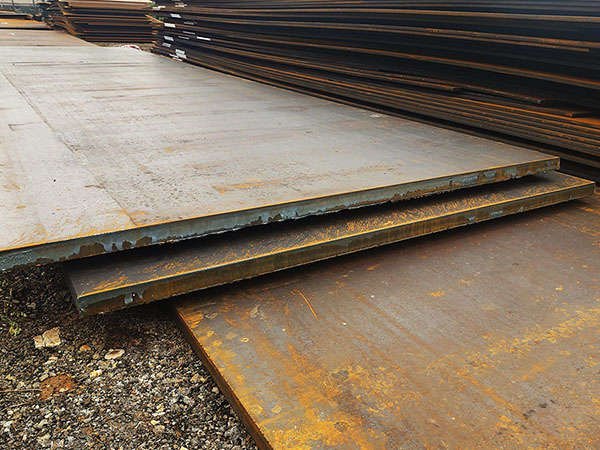
Yuxin Steel provides high-quality steel products to customers in more than 20 countries worldwide.
Contact Info
Would you like to know more about our offers? Please feel free to contact us.