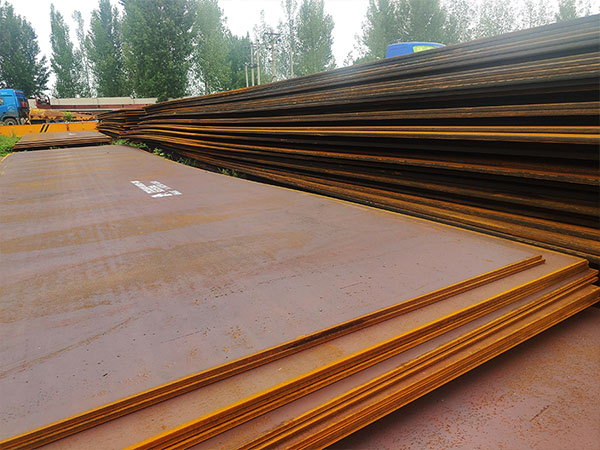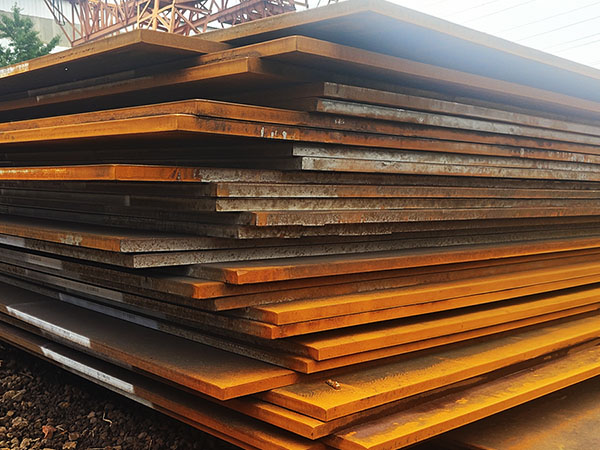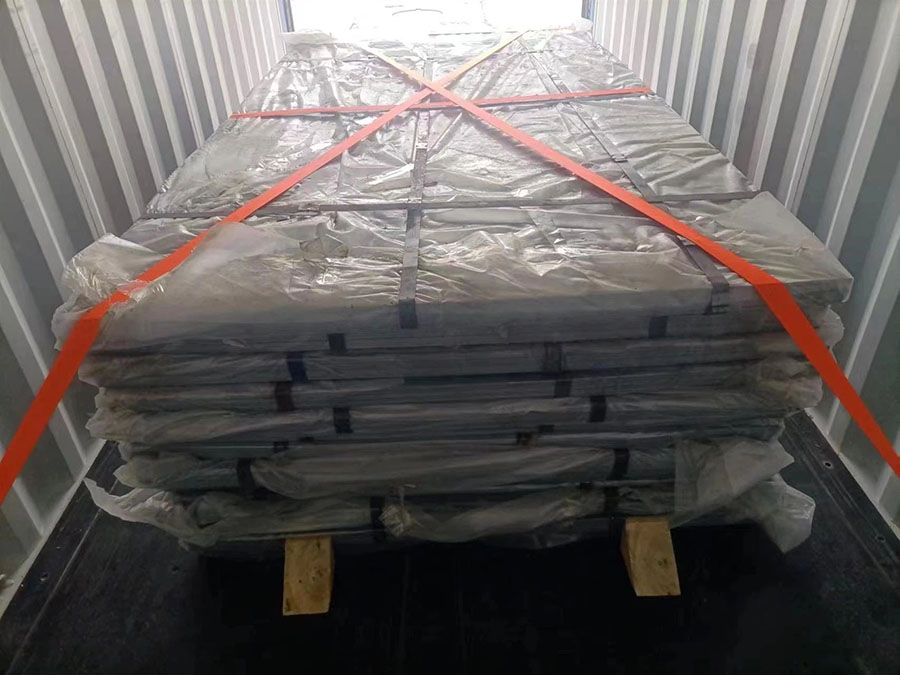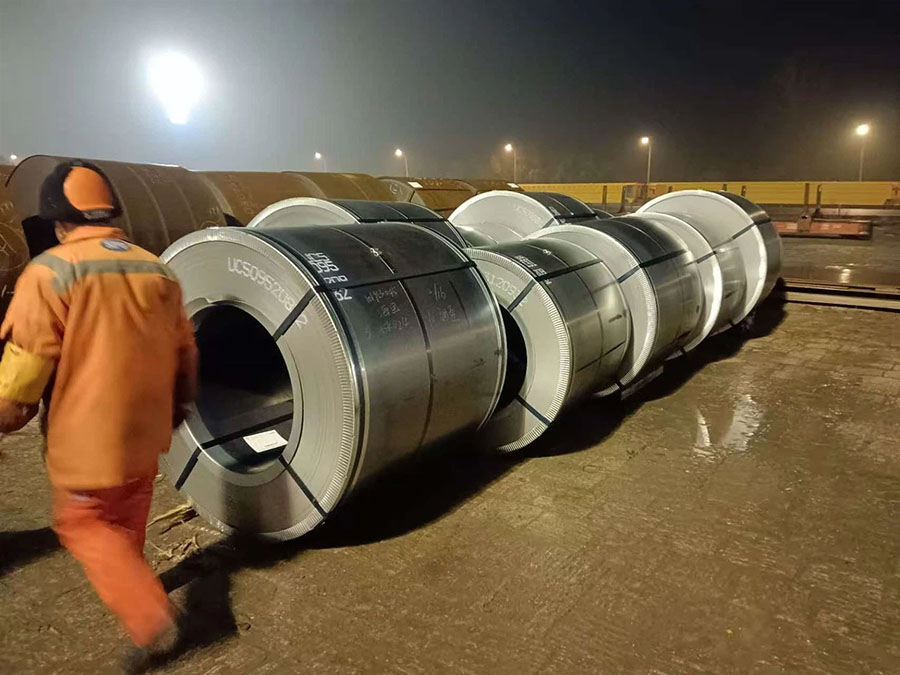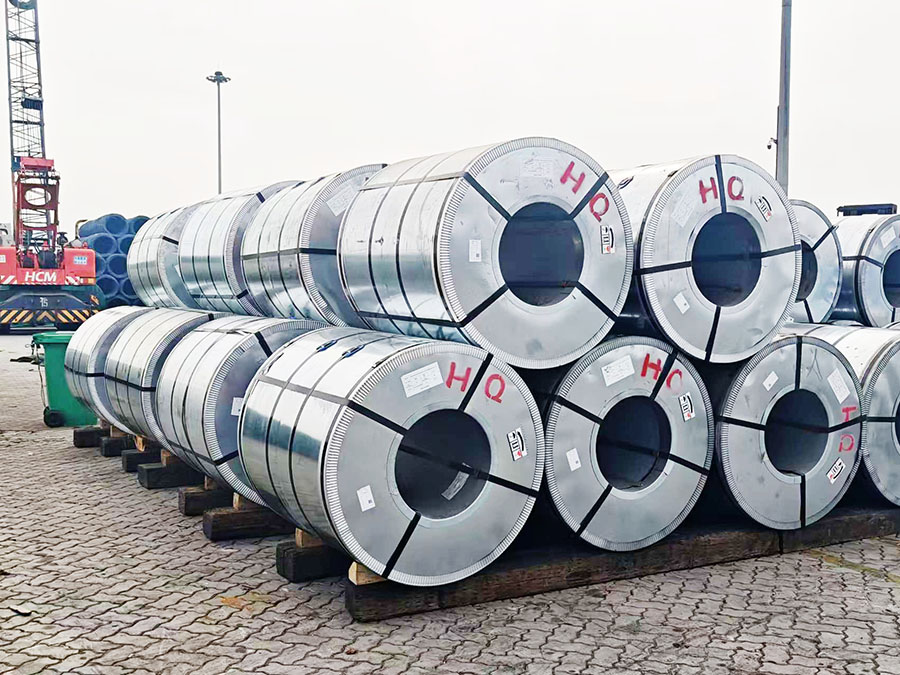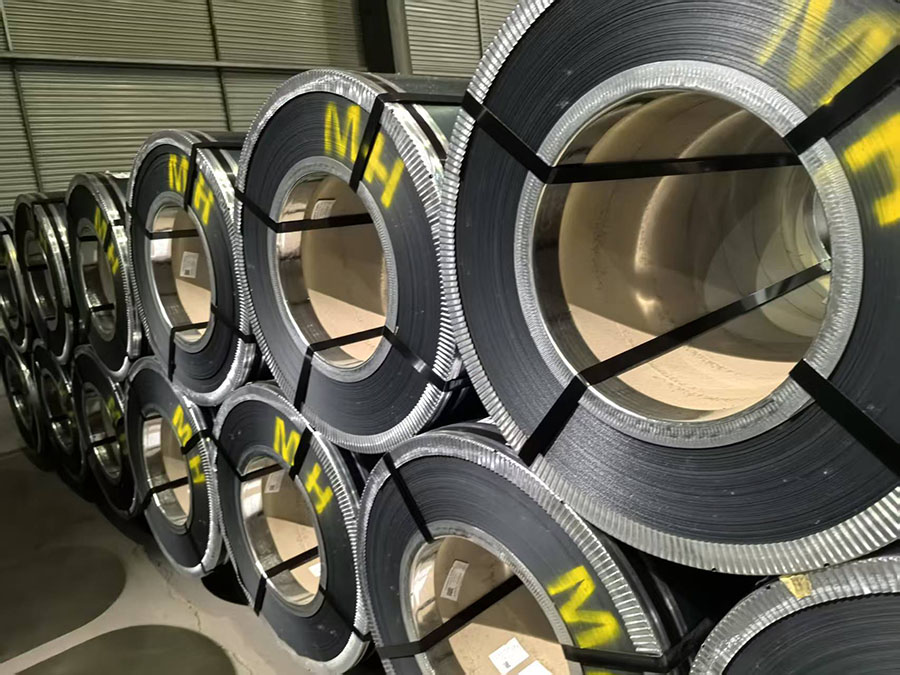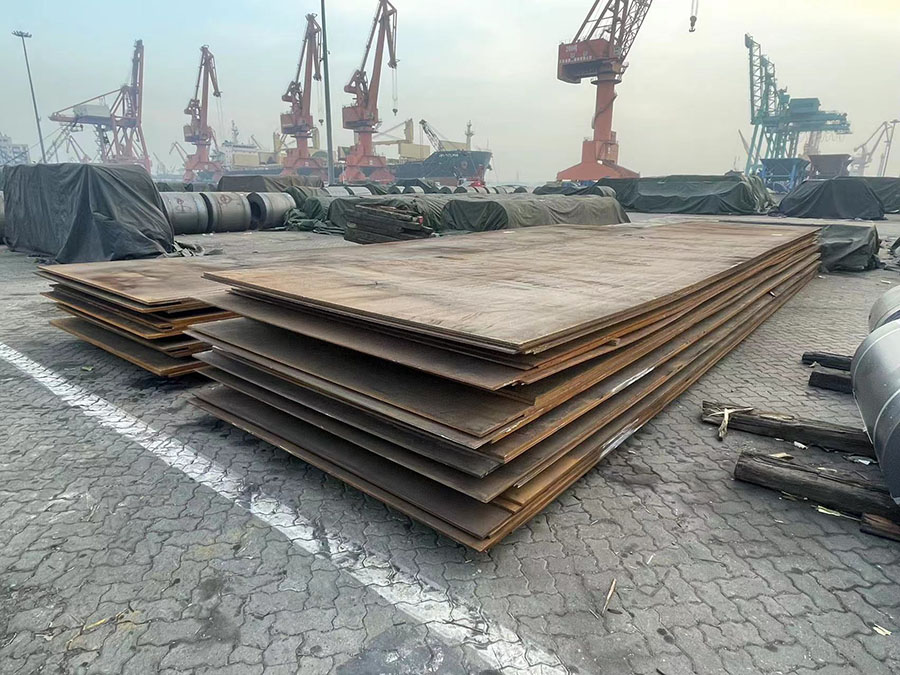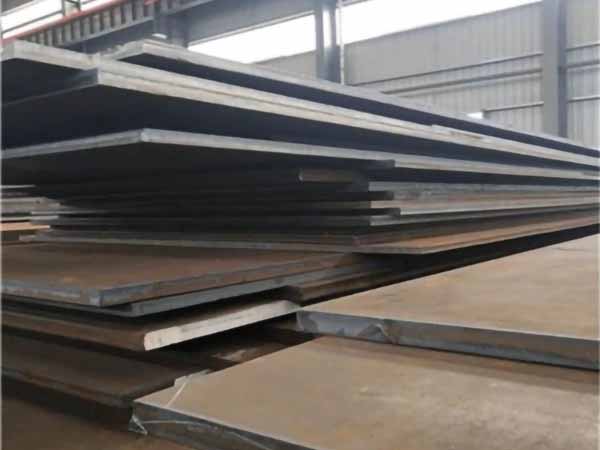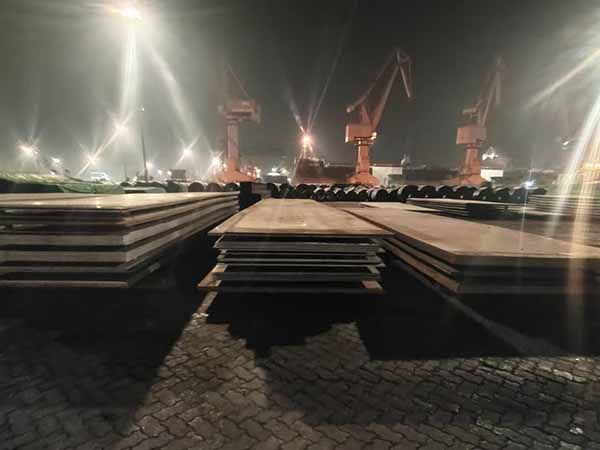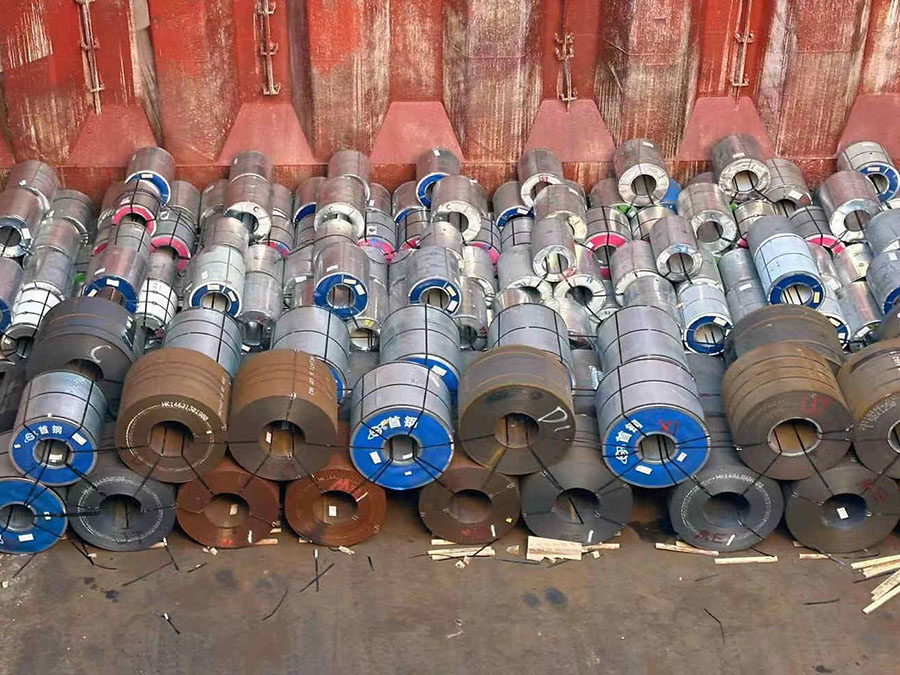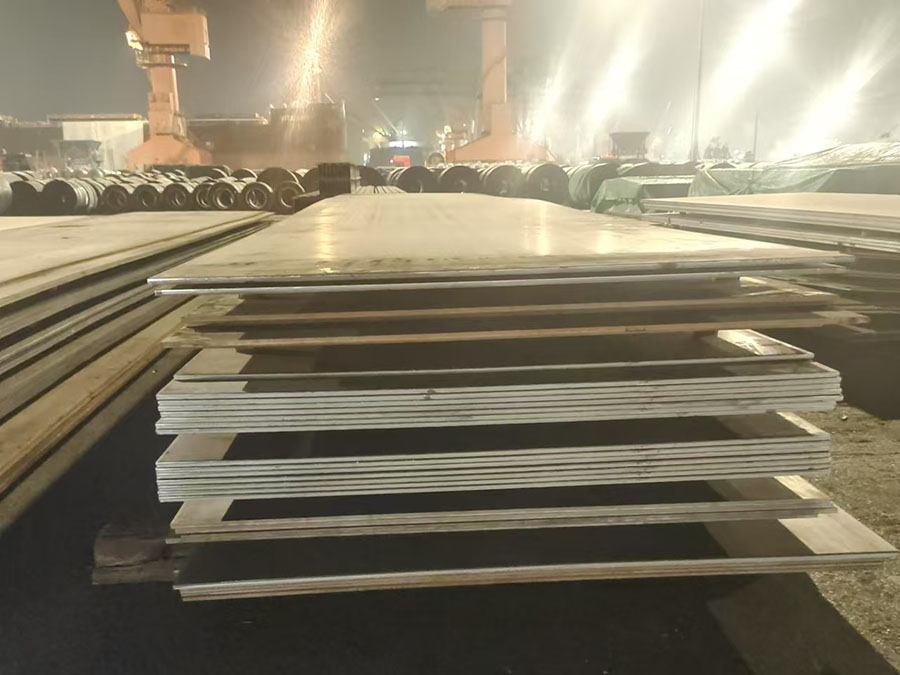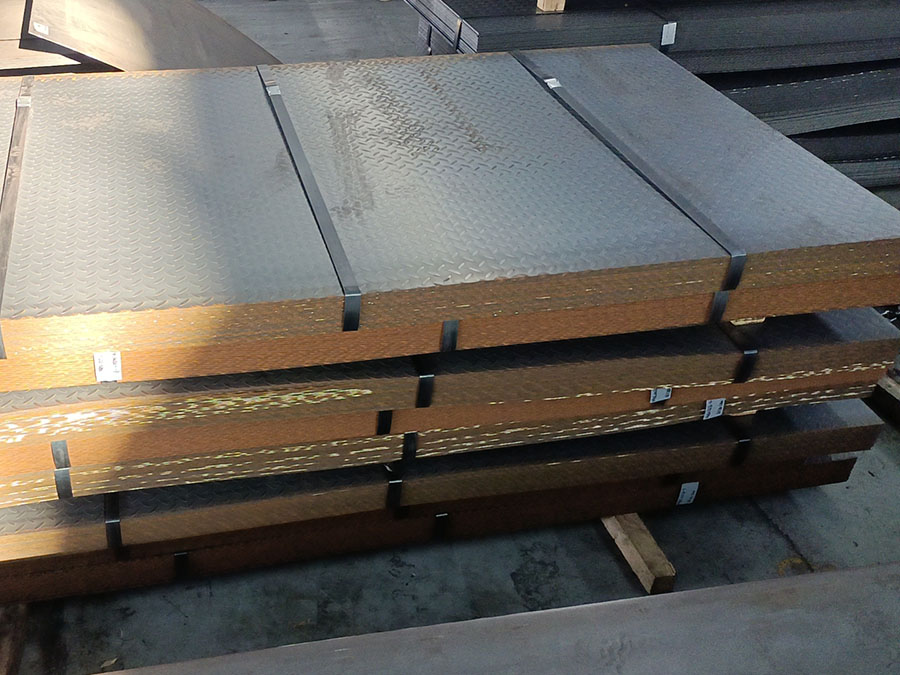
EN 10025-6 S960Q is a high strength structural steel that complies with European standards, primarily used in engineering structures with stringent requirements for material strength, toughness, and weldability.
Standard :
EN 10028-6Grade :
S960QThickness :
3 - 100 mmWidth :
1500 - 2500 mmLength :
3000 - 12000 mmSpecial thickness, width, and length can be negotiated separately.
We also provide customized processing services.If you have any questions, please contact us.
EN 10025-6 S960Q is a premium ultra-high-strength quenched and tempered structural steel plate. Its core advantage lies in its exceptional strength-to-weight ratio, which ensures structural integrity while significantly reducing equipment weight, thereby enhancing performance (such as the lifting capacity of cranes) and energy efficiency. However, this outstanding performance also comes with higher material costs and more stringent processing requirements, particularly for welding. As a result, it is typically used to manufacture the most critical and highly stressed components in equipment.
Standard and Grade Designation
1. Standard: EN 10025-6
EN10025 is a series of standards developed by the European Committee for Standardization (CEN) for "non-alloy and fine-grain structural steels," which is divided into multiple parts to regulate structural steels with different properties. Among them:
EN10025-6 specifically refers to "High yield strength structural steels in quenched and tempered condition." It applies to high-strength steel grades with a yield strength ≥ 690 MPa, emphasizing the material's high strength, high toughness, and workability after quenching and tempering (Q&T) heat treatment.
2. Grade: S960Q
The grade name S960Q provides specific information about the steel's mechanical properties:
S (Structural Steel): The English abbreviation for structural steel, indicating its use for load-bearing structures.
960: Represents a minimum yield strength of 960 MPa (megapascals), a core metric measuring a material's resistance to deformation. It falls under the category of "ultra-high-strength steel" (yield strength > 690 MPa qualifies as ultra-high strength).
Q (Quenched and Tempered): Indicates that the material has undergone "quenching + tempering" heat treatment, a critical process to achieve a balance between high strength and toughness—quenching enhances hardness and strength, while tempering reduces brittleness and ensures toughness.
In short: S960Q is an ultra-high-strength structural steel, heat-treated to achieve a minimum yield strength of 960 MPa.
| Grade | S960Q | |
|---|---|---|
| Element | Standard Specification (Max. %) | Typical / Common Value |
| Carbon (C) | ≤ 0.20 % | ~0.18 % |
| Silicon (Si) | ≤ 0.80 % | ~0.30 % |
| Manganese (Mn) | ≤ 1.70 % | ~1.50 % |
| Phosphorus (P) | ≤ 0.020 % | ≤ 0.015 % |
| Sulfur (S) | ≤ 0.010 % | ≤ 0.003 % |
| Chromium (Cr) | * | ~0.50 % |
| Nickel (Ni) | * | ~1.50 % |
| Molybdenum (Mo) | * | ~0.50 % |
| Vanadium (V) | ≤ 0.10 % | ~0.05 % |
| Boron (B) | ≤ 0.005 % | ~0.002 % |
| Copper (Cu) | ≤ 0.50 % | ~0.20 % |
| Niobium (Nb) | ≤ 0.05 % | ~0.03 % |
| Titanium (Ti) | ≤ 0.05 % | ~0.01 % |
| Aluminum (Al) | ≥ 0.015 % (if used) | ~0.04 % |
Low-carbon design (C≤0.20%): Reduces susceptibility to welding cracks.
Microalloying (Nb/V/Ti/B): Refines grain structure and enhances strength and toughness.
Carbon equivalent (CEV) ≤0.82%: Ensures welding performance.
| Grade | Property | Value | Notes |
|---|---|---|---|
| S960Q | Yield Strength (ReH) | ≥ 960 MPa (at thicknesses ≤ 30mm) | The stress at which it begins to deform plastically. This is its primary defining feature. |
| Tensile Strength (Rm) | 980 - 1150 MPa | The stress at which it fails. There is a narrow range between yield and tensile strength. | |
| Elongation (A₅) | ≥ 8% (depends on thickness) | A measure of ductility. Lower than mild steel but impressive for its strength level. | |
| Impact Toughness (KV) | ≥ 40J at -20°C | Excellent resistance to brittle fracture, even at very low temperatures. Crucial for safety. | |
| Weldability | Good, but requires strict procedures | Can be welded successfully but needs pre-heating, low-hydrogen electrodes, and controlled heat input to avoid cracking in the Heat-Affected Zone (HAZ). |
Note: Mechanical properties, especially yield and tensile strength, can decrease slightly with increasing material thickness.
Due to its extreme strength, S960Q is used in applications where reducing weight is critical or where extreme loads are expected. Its high cost means it's used selectively.
Core Application Scenarios
1. Construction Machinery: Crane booms (30% weight reduction), excavator arms, mining dump truck bodies (impact resistance lifespan extended to 4.5 years).
2. Construction and Bridges: Core support columns for ultra-high-rise buildings, anchorage structures for long-span suspension bridges (e.g., Hong Kong's S960 steel bridge).
3. Energy and Marine Engineering: Offshore wind turbine towers, ship pressure bulkheads (corrosion resistance + storm impact resistance).
4. Special Equipment: Wear-resistant and impact-resistant components such as hydraulic supports, bulldozer blades, and drill rig support frames.
Production Process and Quality Control
1. Core Processes
Smelting and Refining: Vacuum degassing (VD/VOD) reduces hydrogen and oxygen content, while LF refining controls sulfur and phosphorus (P ≤ 0.025%, S ≤ 0.015%).
Thermo-Mechanical Controlled Processing (TMCP): The finishing rolling temperature is precisely controlled near the phase transformation point, followed by water cooling to refine the grain structure.
Quenching and Tempering: Quenching temperature ranges from 900-950°C (high-pressure water jet cooling rate > 30°C/s), and tempering temperature ranges from 600-650°C to eliminate stress and balance strength and toughness.
2. Quality Inspection
Mechanical Properties: Each batch is tested for yield strength, tensile strength, impact energy, and Z-direction properties (Z15/Z25/Z35).
Inspection Requirements: Ultrasonic testing (primary/secondary/tertiary inspection) is conducted to detect internal defects.
Key Points of Welding and Processing
1. Welding Process
Welding Material Matching: Low-hydrogen welding materials (e.g., T Union GM120) are selected, with a diffusible hydrogen content of ≤5ml/100g.
Preheating and Interpass Temperature: When the plate thickness exceeds 30mm, preheating should be ≥100°C, and the interpass temperature should be controlled between 80-180°C to prevent cold cracking.
Post-Weld Treatment: Hydrogen removal treatment (250°C × 2h) or stress relief annealing (580 ± 15°C, holding time of 1.5-2 min/mm).
Heat Input Control: The recommended heat input for gas shielded welding is 12-18 kJ/cm to avoid embrittlement of the heat-affected zone.
2. Cutting and Forming
Cutting Process: For thin plates ≤20mm, laser/plasma cutting is used; for thick plates >30mm, controlled-temperature flame cutting is employed, followed by grinding to remove a 3mm hardened layer.
Cold Bending Forming: The bending radius should be ≥5 times the plate thickness to avoid stress concentration and cracking.
Delivery Condition
Mandatory quenching and tempering, with Z-direction properties (Z15/Z25/Z35) or inspection grades (UT1/UT2/UT3) available upon request.
Alternative standard grades
Chinese Standard: Q960D/E (GB/T 16270)
American Standard: ASTM A514 Gr.B (690MPa grade, performance verification required)
Precautions and Design Limitations
1. Risk of Performance Degradation
Heat-Affected Zone Embrittlement: Strict control of heat input during welding is required to avoid grain coarsening.
Cutting Hardening: Hardness must be inspected after flame cutting (local annealing if >350HV).
2. Fatigue Design
Welds with stress amplitude >150MPa require ultrasonic impact treatment to achieve a fatigue class of FAT 125 (IIW standard).
3. Low-Temperature Applications
For temperatures below -20°C, it is recommended to use S960QL grade (impact energy ≥60J at -40°C).
Summary
EN 10025-6 S960Q is a specification for an ultra-high-strength, quenched and tempered structural steel. Its primary characteristic is a minimum yield strength of 960 MPa, making it ideal for weight-critical and high-load applications in demanding industries like mining and heavy machinery. Its fabrication, particularly welding, requires strict adherence to specialized procedures to preserve its mechanical properties.
A:
High-strength low-alloy steel plates offer excellent weldability. As their carbon content is typically low (below 0.2%), they present a lower risk of cracking during welding compared to standard high-strength steel plates and generally do not require complex preheating treatments.
A:
The key advantage of high-strength low-alloy steels is weight reduction. As they offer greater strength, thinner sheets can be used to withstand the same loads, thereby reducing the overall weight of the structure; in the automotive sector, this leads to improved fuel efficiency.
A:
High-strength low-alloy steel (HSLA) is a type of steel in which small amounts of alloying elements (such as niobium, vanadium, titanium or copper) are added to enhance its mechanical properties. Compared to traditional carbon steel, it offers higher yield strength and better corrosion resistance whilst maintaining good weldability and formability.
– We offer free samples and bespoke solutions. Please feel free to enquire about our latest prices and volume discounts.
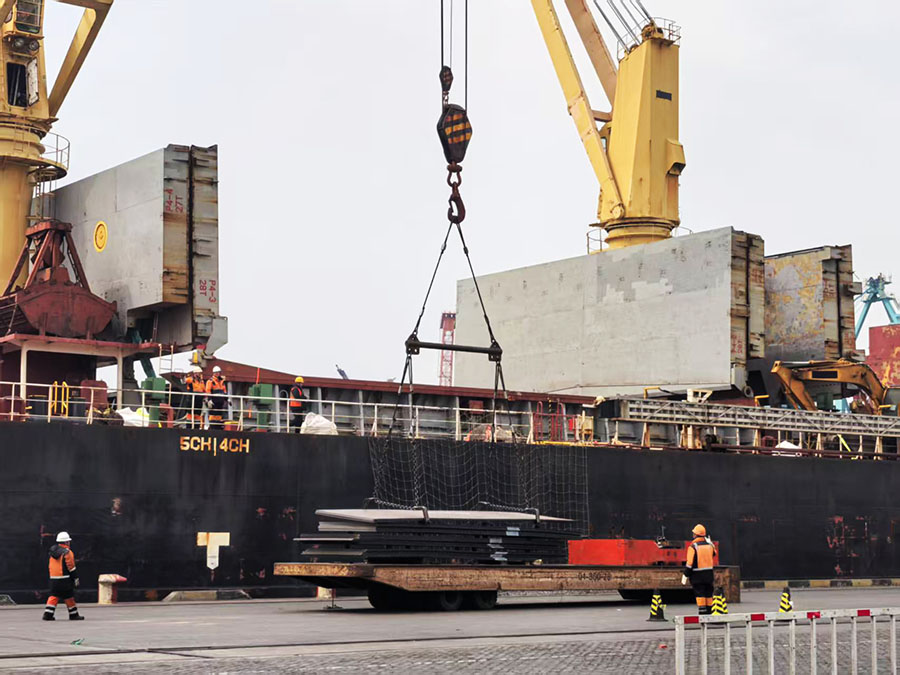
Yuxin Steel provides high-quality steel products to customers in more than 20 countries worldwide.
Contact Info
Would you like to know more about our offers? Please feel free to contact us.