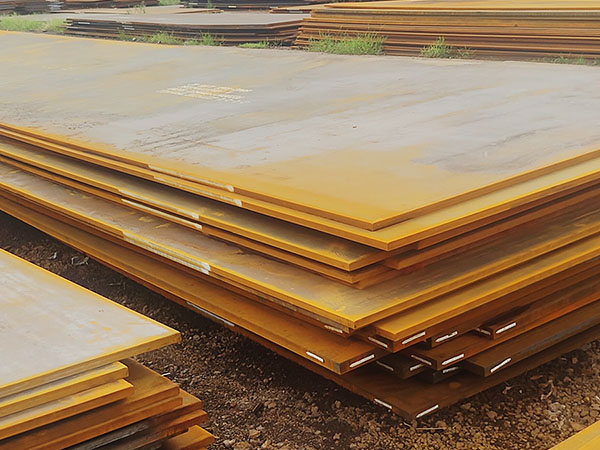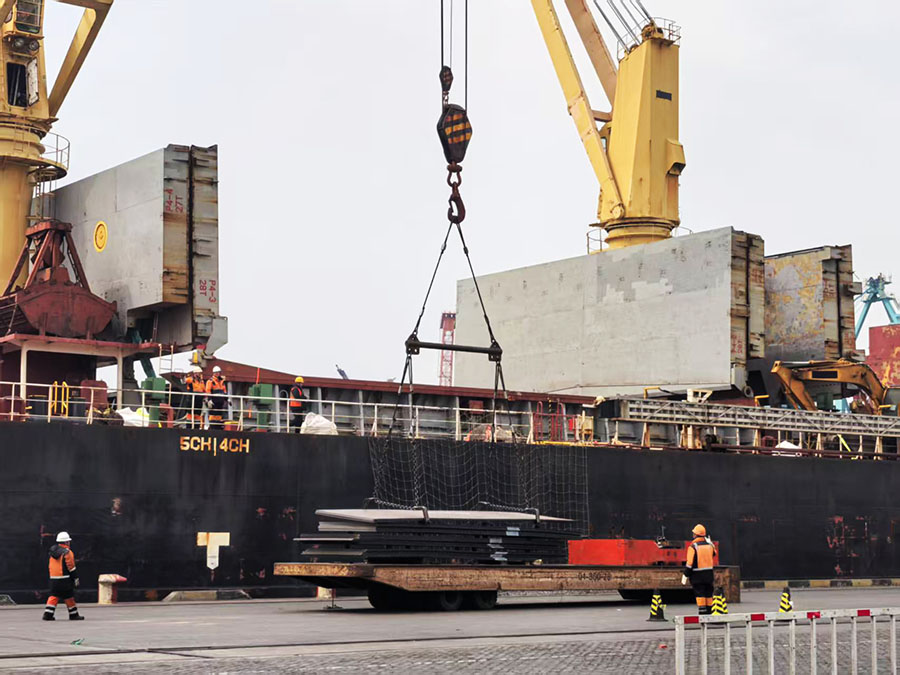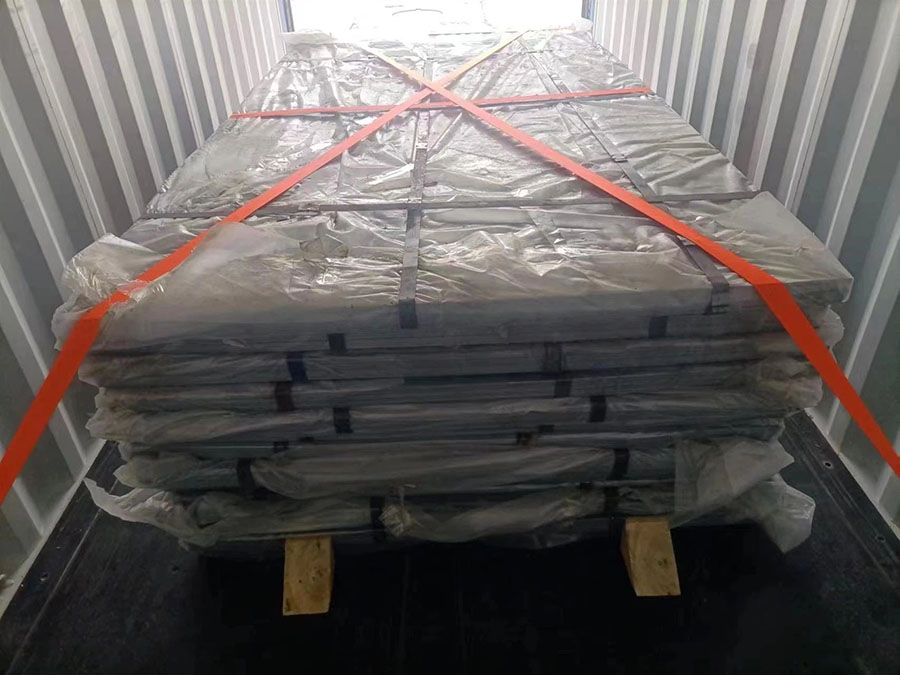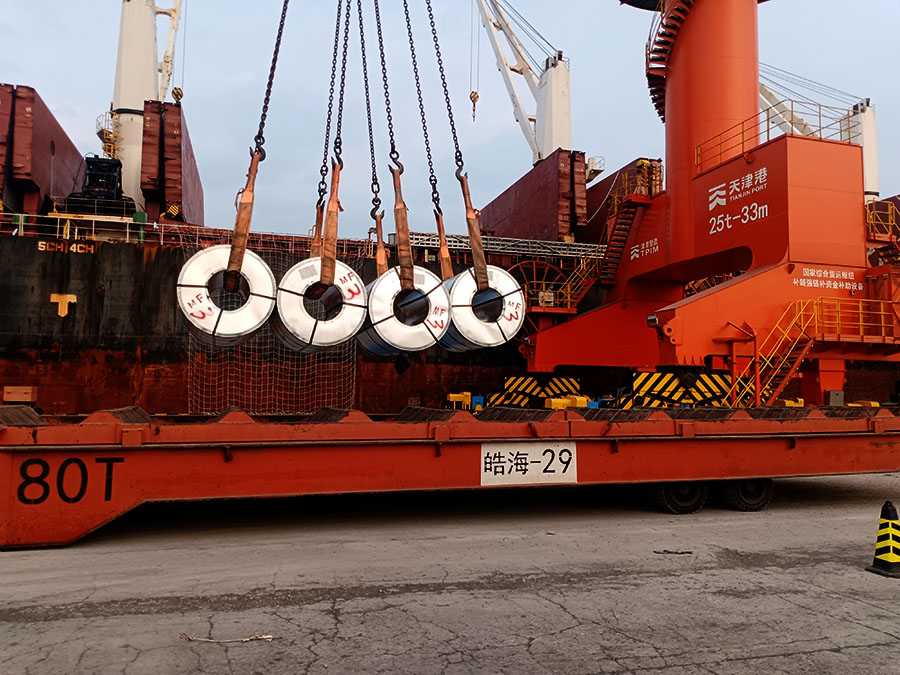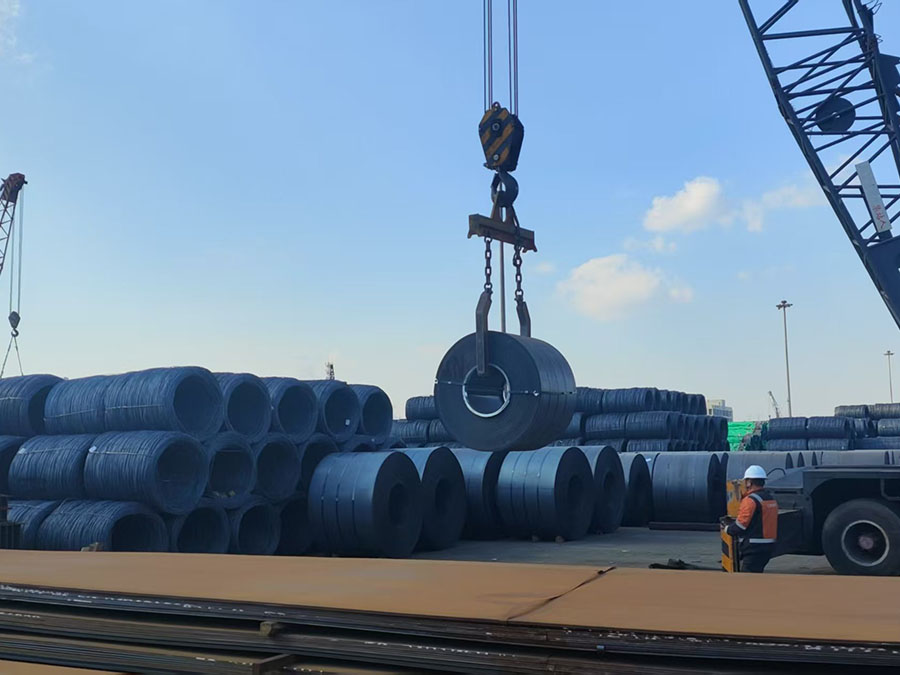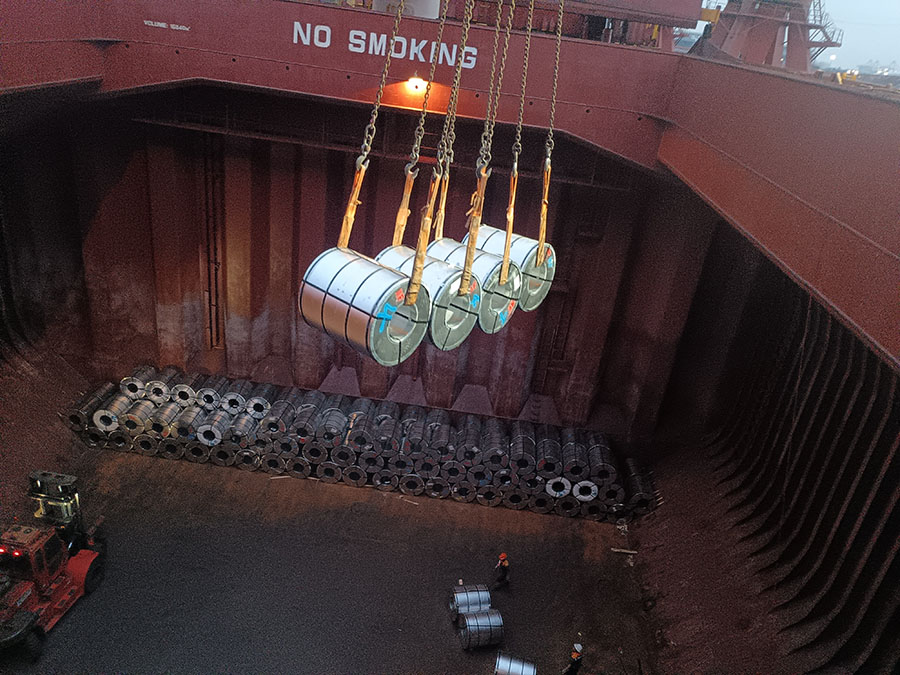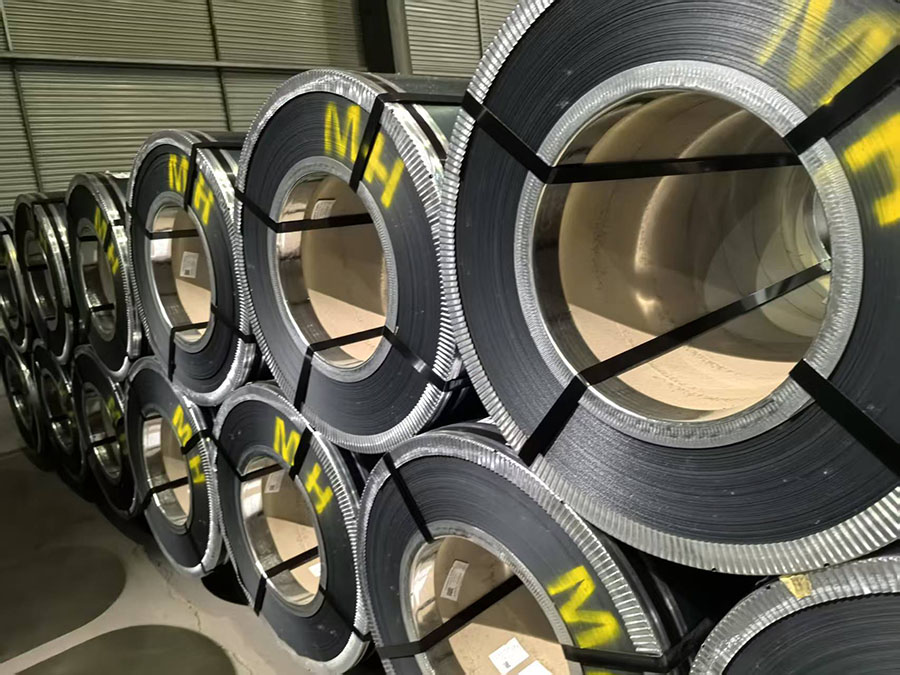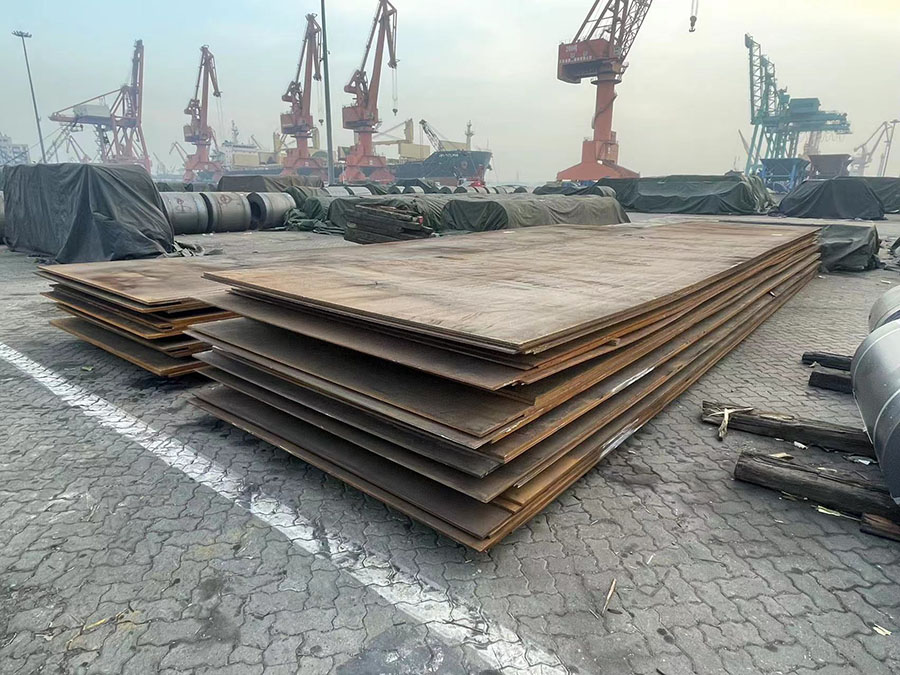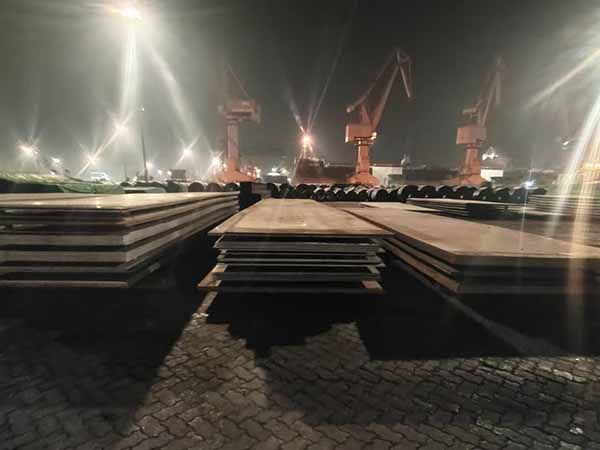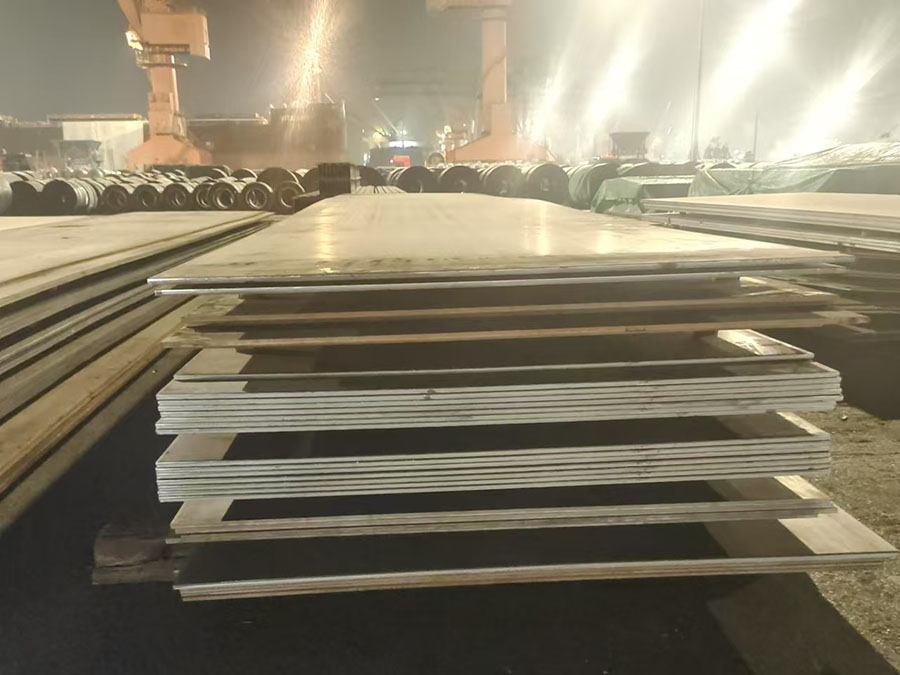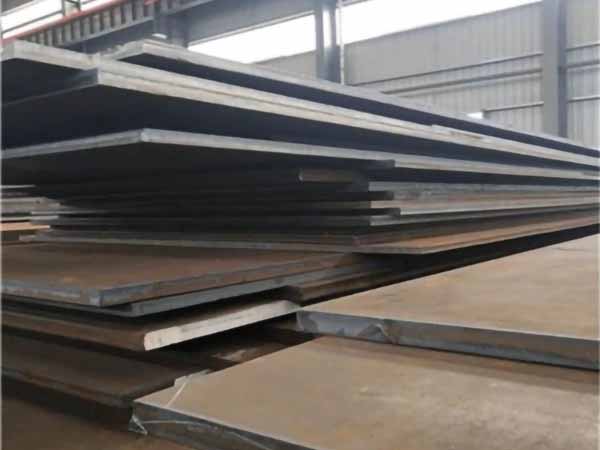
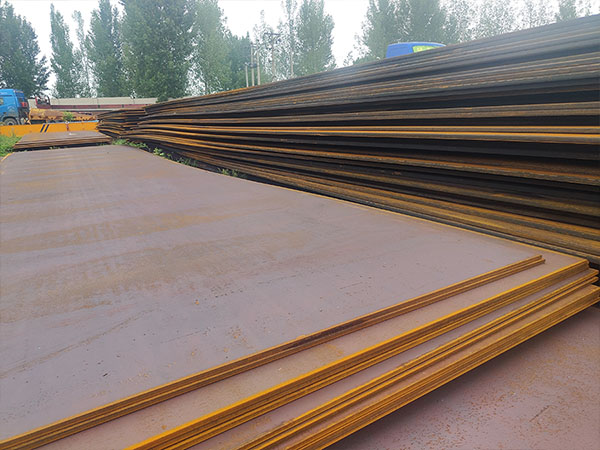
S550Q is a fine-grained, high-strength, low-alloy structural steel plate that complies with the European EN 10025-6 standard. Developed specifically for heavy-duty structural engineering, machinery manufacturing, and high-load industrial equipment, it features ultra-high tensile strength, excellent structural rigidity, low-temperature toughness, and fatigue resistance. We supply S550Q high-strength steel plates in a full range of specifications, strictly adhering to EU standards. Our products feature uniform thickness, a smooth surface, and a dense internal grain structure, with stable mechanical and chemical properties, all of which have passed rigorous factory inspections. We also offer customized cutting, bending, rolling, surface treatment, edge processing, and third-party inspection services.
Standard :
EN 10025-6Grade :
S550QThickness :
3.0 - 100.0 mmWidth :
1,500.0 - 2,500.0 mmLength :
3,000.0 - 12,000.0 mm* Specifications and dimensions can be customized.
* Machining services are available.
S550Q high-strength steel plate is a premium-quality, low-alloy, high-strength structural steel plate that fully complies with the European EN 10025-6 standard. This steel grade is supplied in a quenched and tempered (Q+T) heat-treated condition, with a minimum yield strength of 550 MPa and a tensile strength ranging consistently between 640 MPa and 820 MPa, offering excellent overall mechanical properties.
Unlike ordinary structural steel, EN 10025-6 S550Q steel plate offers excellent low-temperature impact resistance (guaranteed impact energy at -20°C), superior fatigue resistance, corrosion resistance, and reliable weldability and machinability. It is the preferred high-strength structural material for engineering projects involving heavy loads and harsh operating conditions, and is widely used in construction, bridge engineering, heavy machinery, special equipment, and vehicle manufacturing.
S: Structural Steel
550: Minimum yield strength (ReH) 550 MPa
Q: Quenched and tempered
| Product Name | S550Q High Strength Steel Plate |
|---|---|
| Standard | EN 10025-6 (Hot rolled products of structural steels - Part 6: Technical delivery conditions for flat products made of high yield strength structural steels in the quenched and tempered condition) |
| Grade | S550Q |
| Steel Number | 1.8904 |
| Classification | High-strength structural steel |
| Thickness | 3.0 - 100.0 mm |
| Width | 1,500.0 - 2,500.0 mm |
| Length | 3,000.0 - 12,000.0 mm |
| Delivery Conditions | Quenched and Tempered (Q+T) |
| Surface Conditions | Original as-rolled black surface |
| Weldability | Good weldability, but strict process procedures (Pre-heating, Low Hydrogen Welding Materials, Post-Weld Heat Treatment, etc.) must still be followed during welding. The core risks are cold cracking (hydrogen-induced cracking) and toughness degradation in the heat-affected zone (HAZ). |
| Machinability | Cutting can be performed using laser, plasma, or flame cutting, but heat input must be controlled to avoid embrittlement in the heat-affected zone. The bending radius should be ≥3 times the plate thickness, and stress relief treatment is required after cold forming. |
| Quality Control | Provide the material certificate. If required, Non-destructive testing (e.g., UT ultrasonic testing), re-inspection of mechanical properties, Z-direction property testing (Grades Z15/Z25/Z35), and third-party inspection can be added. |
| MOQ | 20 tons (small orders can be negotiated). |
| Delivery Time | 15 - 20 days after order confirmation (urgent orders accepted). |
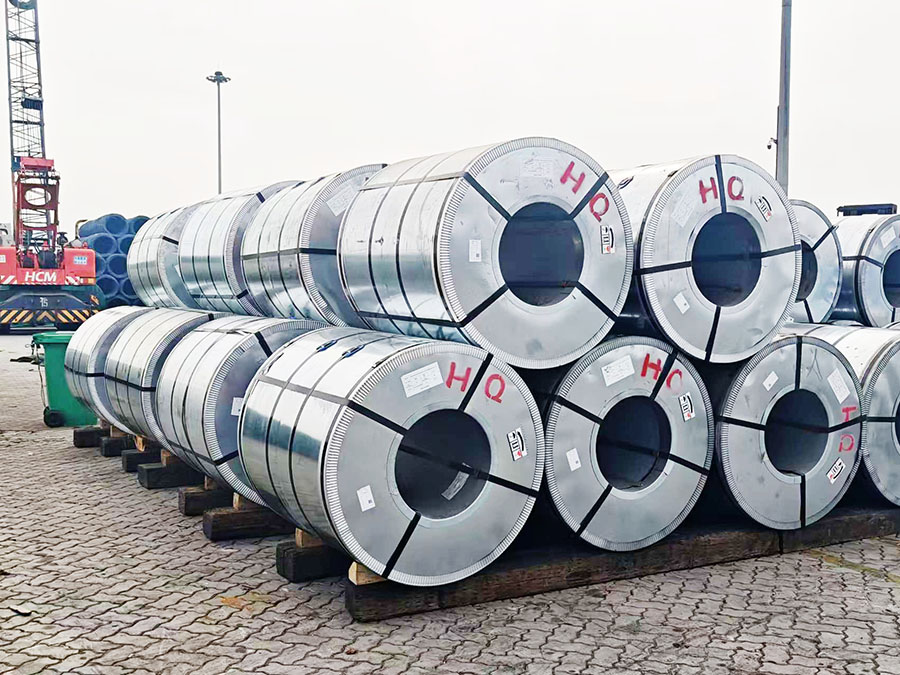
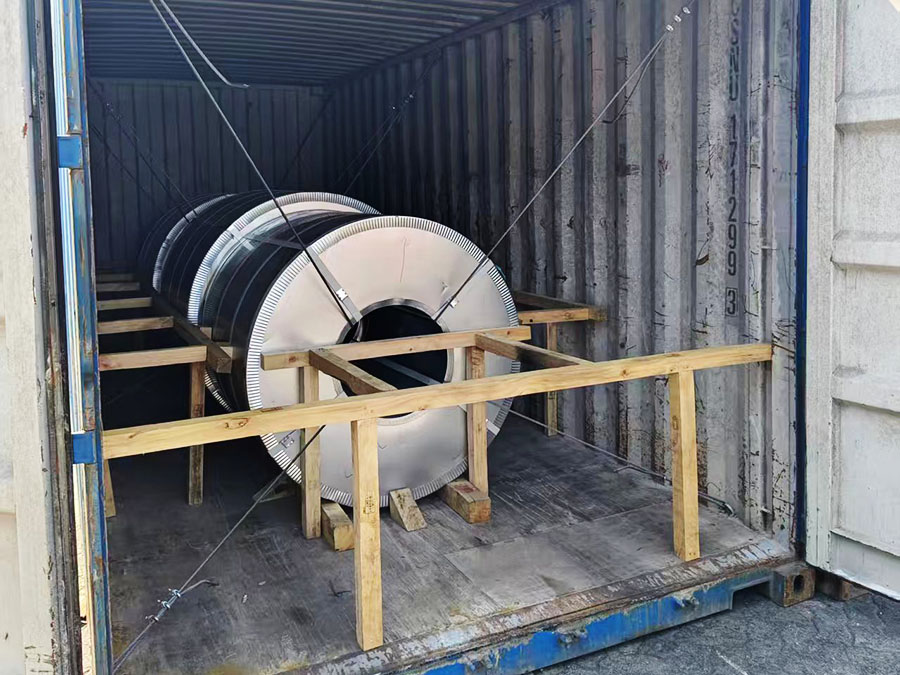
| Packaging | Standard export packaging for sea transport, or as required. |
| Country of origin | China |
| Element | C | Si | Mn | P | S | N | B | Cr | Cu | Mo | Nb | Ni | Ti | V | Zr |
|---|---|---|---|---|---|---|---|---|---|---|---|---|---|---|---|
| Content (max, %) | 0.20 | 0.80 | 1.70 | 0.025 | 0.015 | 0.015 | 0.005 | 1.50 | 0.50 | 0.70 | 0.06 | 2.0 | 0.05 | 0.12 | 0.15 |
* The chemical composition of EN 10025-6 S550Q High Strength Steel Plate is adjusted within a certain range depending on the thickness.
| Thickness (t) [mm] | CEV [max, %] |
|---|---|
| t ≤ 50 | 0.65 |
| 50 < t ≤ 100 | 0.77 |
| 100 < t ≤ 150 | 0.83 |
* The carbon equivalent value varies depending on the thickness.For detailed information, please contact us for inquiries.
* Carbon equivalent (CEV) is calculated using the International Institute of Welding (IIW) formula: CEV = C + Mn/6 + (Cr+Mo+V)/5 + (Ni+Cu)/15
| Thickness (t) [mm] | Yield Strength (ReH) [MPa] | Tensile Strength (Rm) [MPa] | Elongation (A) [%] |
|---|---|---|---|
| 3 ≤ t ≤ 50 | ≥ 550 | 640 - 820 | ≥ 16 |
| 50 < t ≤ 100 | ≥ 530 | 640 - 820 | ≥ 16 |
| 100 < t ≤ 150 | ≥ 490 | 590 - 770 | ≥ 16 |
* The mechanical properties of S550Q high-strength structural steel plate vary with thickness.
| Impact Test Temperature | Impact Energy (KV2), transverse test pieces |
|---|---|
| 0 ℃ | ≥ 40 J |
| - 20 ℃ | ≥ 30 J |
| - 40 ℃ | - |
| - 60 ℃ | - |
With a standard minimum yield strength of 550 MPa, the material offers exceptional load-bearing capacity, effectively reducing steel consumption and structural dead weight in engineering projects, thereby enabling structural designs that balance lightweight construction with high strength.
Treated with a Q-grade quenching and tempering process, the steel plates exhibit stable low-temperature impact resistance, preventing brittle fracture in cold environments and making them suitable for construction in extreme climates.
An optimized alloy composition ensures excellent weldability, as well as superior cutting, bending, and machining properties, facilitating on-site secondary processing and installation, and significantly improving construction efficiency.
With a uniform internal microstructure and stable mechanical properties, the material offers excellent fatigue resistance and resistance to atmospheric corrosion, ensuring a long service life under long-term, heavy-load operating conditions.
Load-bearing structures for high-rise buildings, steel frame supports, and long-span spatial structures.
Highway and railroad bridge decks, bridge support structures, and heavy-duty bridge components.
Excavator components, crane booms, mining machinery, and construction machinery undercarriages.
Large container frames, auxiliary structures for offshore engineering, and pressure-bearing structural components.
Heavy-duty truck beams, load-bearing components for construction vehicles, and structural components for transportation equipm
| Grade | Yield Strength (ReH) [min, MPa] | Tensile Strength (Rm) [MPa] | Elongation (A) [min, %] | Impact Energy (KV) [min] |
|---|---|---|---|---|
| S550Q | 550 | 640 - 820 | 16% | 30J (at -20°C) |
| S550QL | 550 | 640 - 820 | 16% | 30J (at -40°C) |
| S550QL1 | 550 | 640 - 820 | 16% | 30J (at -60°C) |
* The differences between S550Q, S550QL, and S550QL1 lie solely in the impact temperature requirements, while other mechanical properties remain consistent.
| Standard | Grade | Yield Strength (MPa) | Impact Temperature (°C) | Delivery Condition | Equivalence Evaluation |
|---|---|---|---|---|---|
| EN 10025-6 | S550Q | 550 | -20 | Quenched & Tempered | Reference Grade |
| GB/T 16270 (China) | Q550D | 550 | -20 | Quenched & Tempered | Fully equivalent, preferred in Chinese market |
| ASTM (USA) | A514 Grade Q | 620 - 690 | Negotiation | Quenched & Tempered | High-strength alternative, impact performance requires verification |
| JIS G3106 (Japan) | SM570 | 570 | Room Temp. / -20 | Hot Rolled / Normalized | Similar strength but fails low-temperature performance |
* Grade equivalences are only approximate, actual mechanical properties and chemical composition should be compared.
A:
Yes. We provide cutting services for thickness, width, and length, as well as surface treatment and further processing, and can offer customized solutions based on customers’ engineering drawings.
A:
S550Q offers higher strength, superior low-temperature toughness, fatigue resistance, and weldability. It is capable of withstanding harsh operating conditions, reduces the structural weight, and provides greater overall engineering benefits.
A:
High-strength low-alloy steel plates offer excellent weldability. As their carbon content is typically low (below 0.2%), they present a lower risk of cracking during welding compared to standard high-strength steel plates and generally do not require complex preheating treatments.
A:
The key advantage of high-strength low-alloy steels is weight reduction. As they offer greater strength, thinner sheets can be used to withstand the same loads, thereby reducing the overall weight of the structure; in the automotive sector, this leads to improved fuel efficiency.
A:
High-strength low-alloy steel (HSLA) is a type of steel in which small amounts of alloying elements (such as niobium, vanadium, titanium or copper) are added to enhance its mechanical properties. Compared to traditional carbon steel, it offers higher yield strength and better corrosion resistance whilst maintaining good weldability and formability.
– We offer free samples and bespoke solutions. Please feel free to enquire about our latest prices and volume discounts.
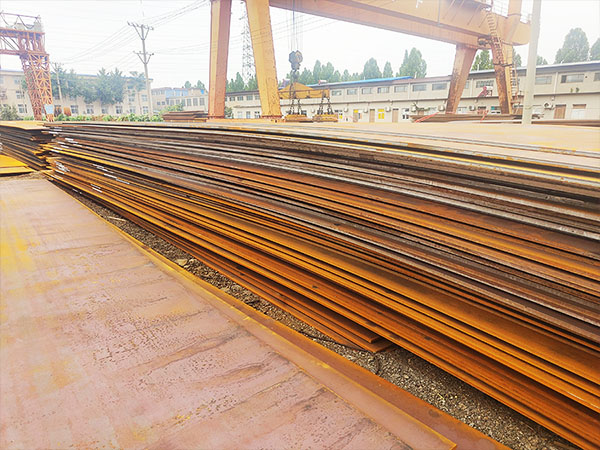
Yuxin Steel provides high-quality steel products to customers in more than 20 countries worldwide.
Contact Info
Would you like to know more about our offers? Please feel free to contact us.