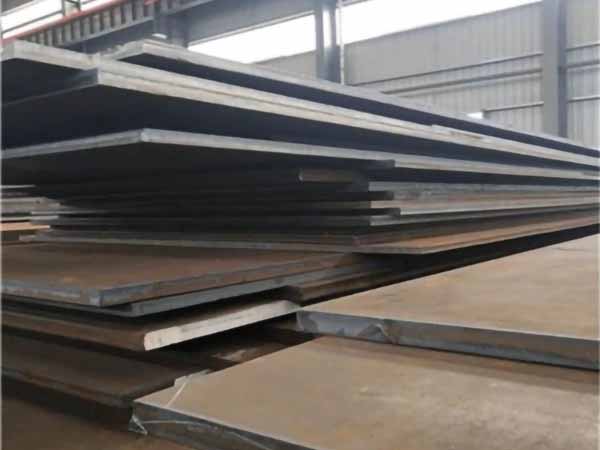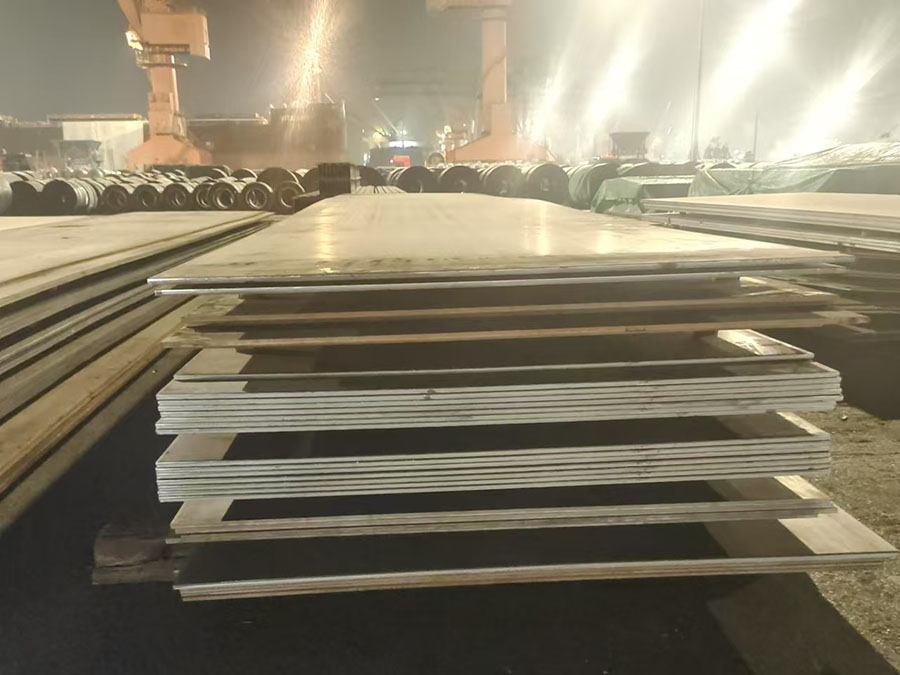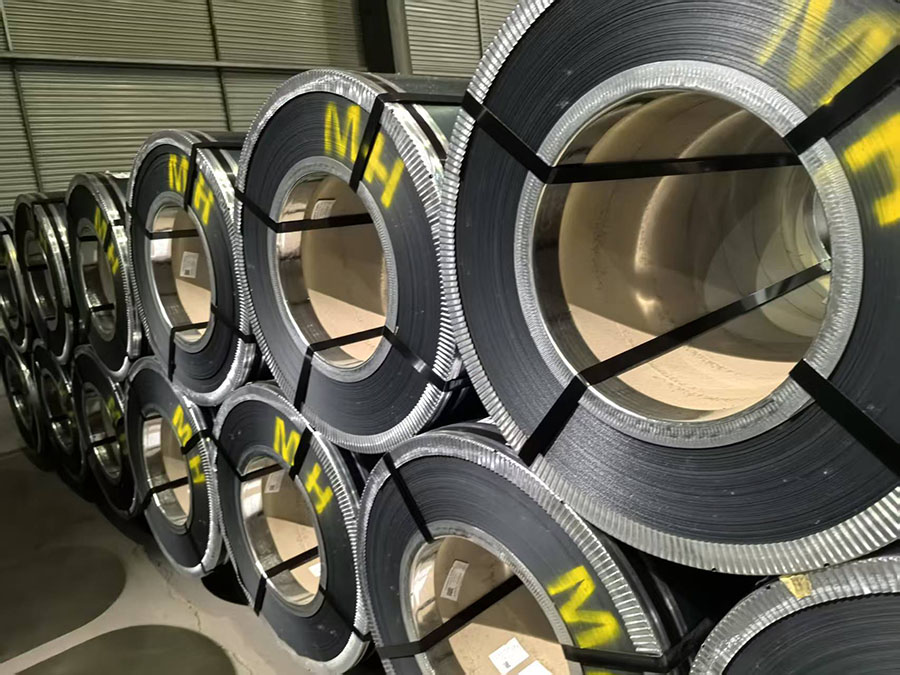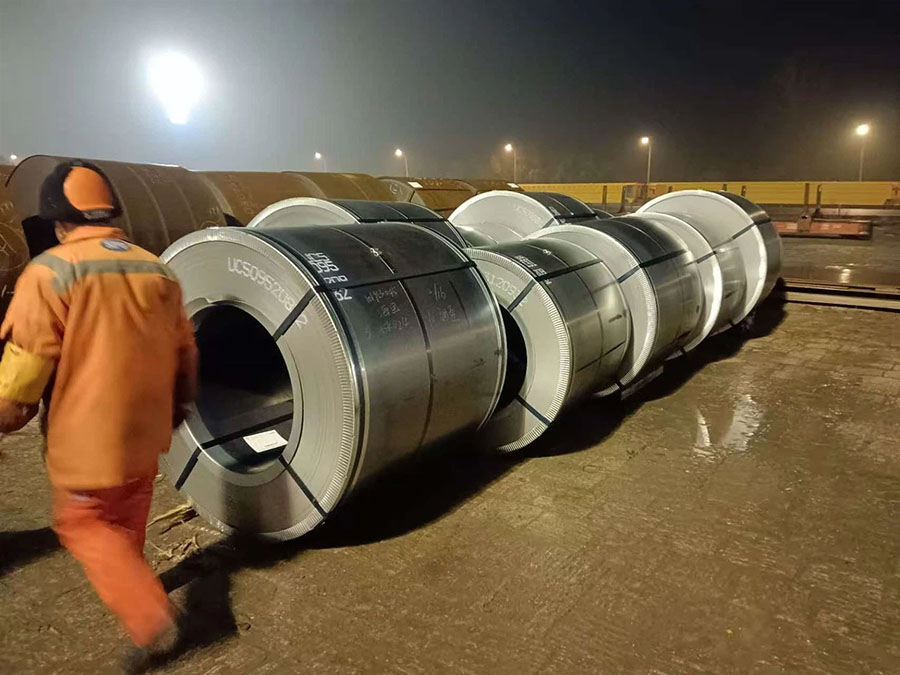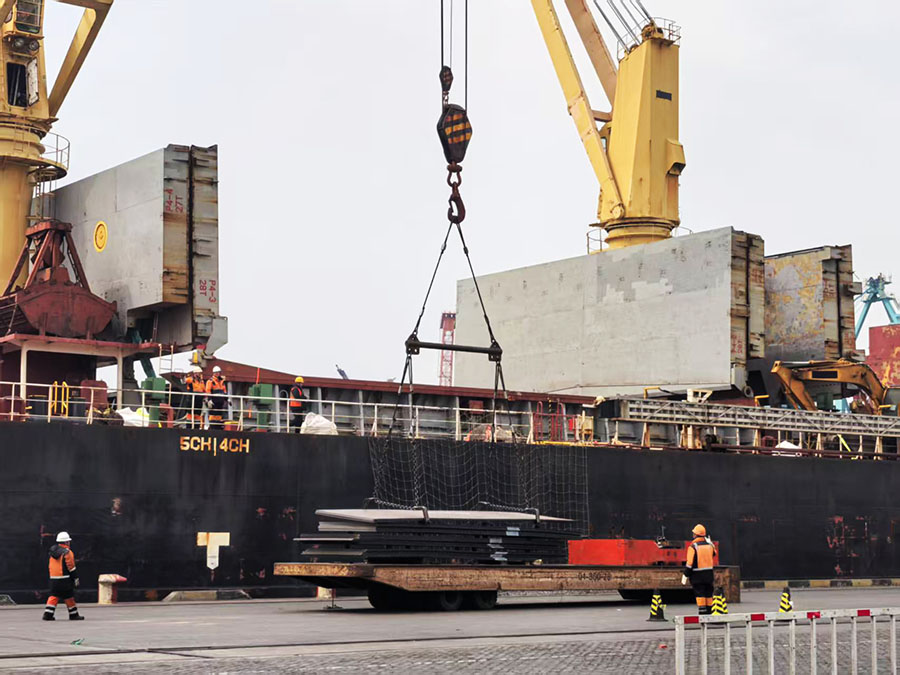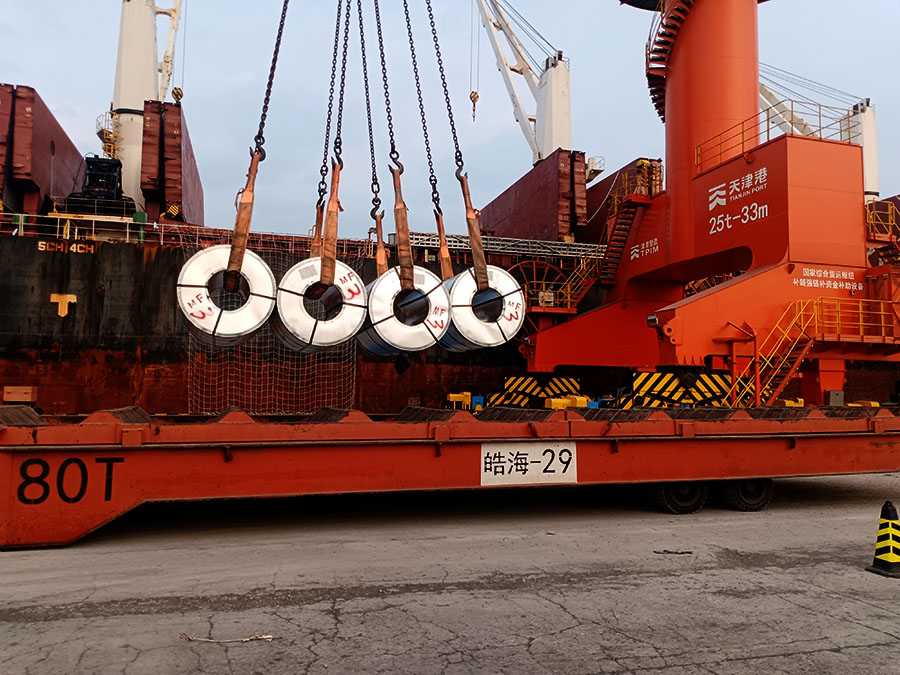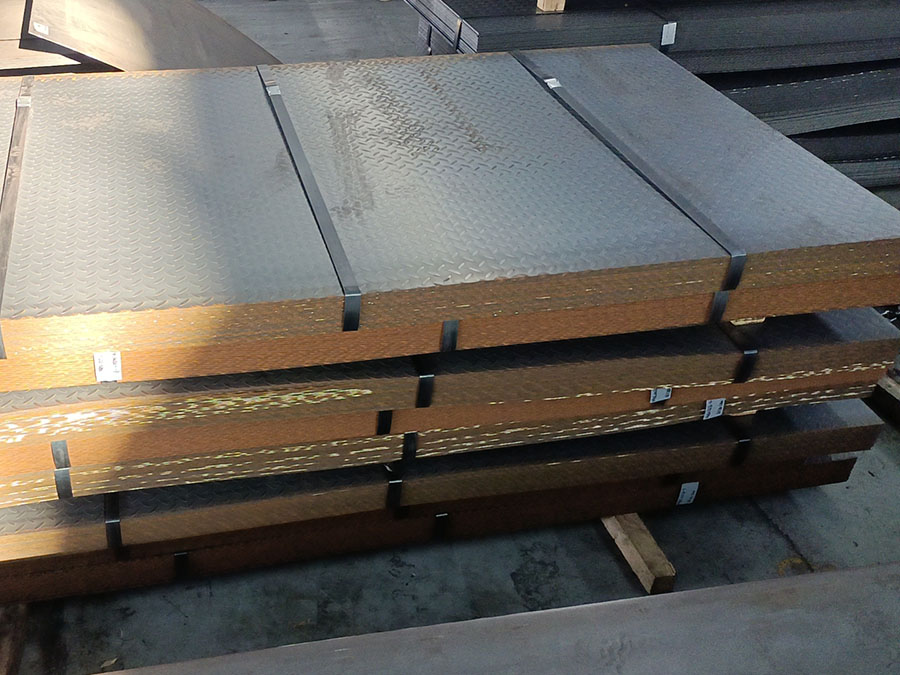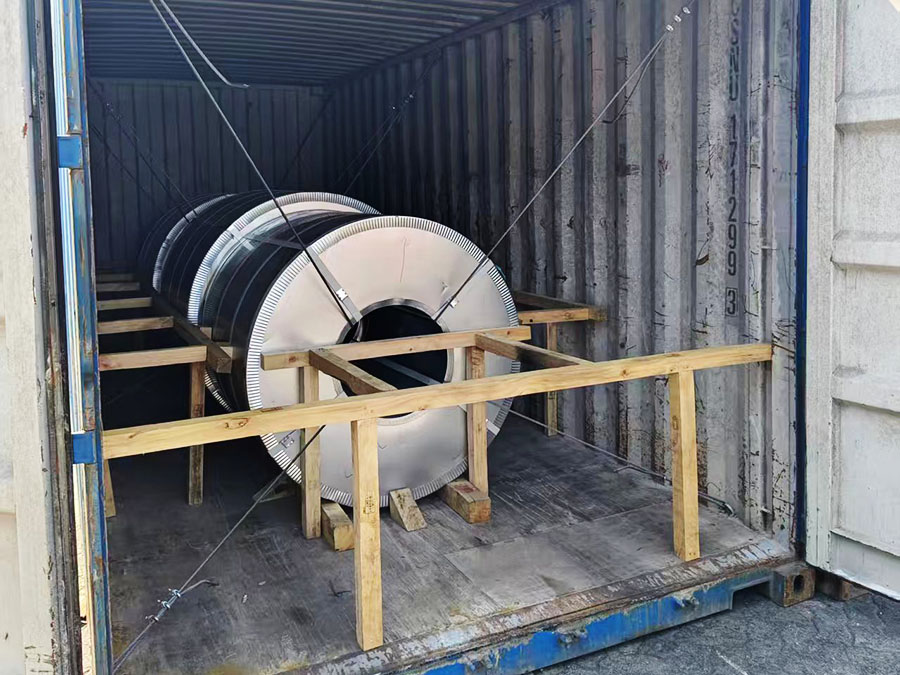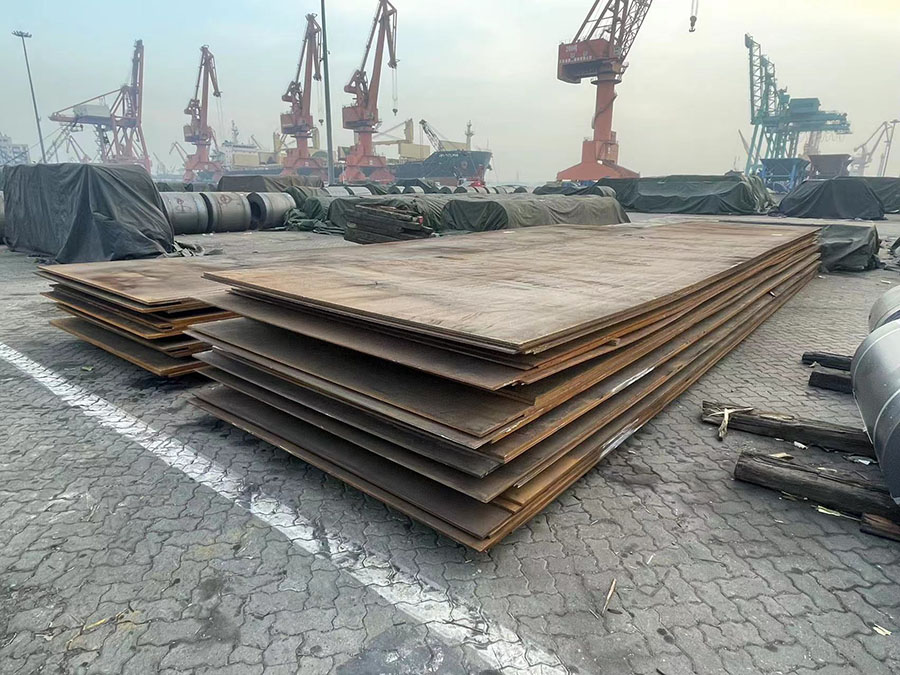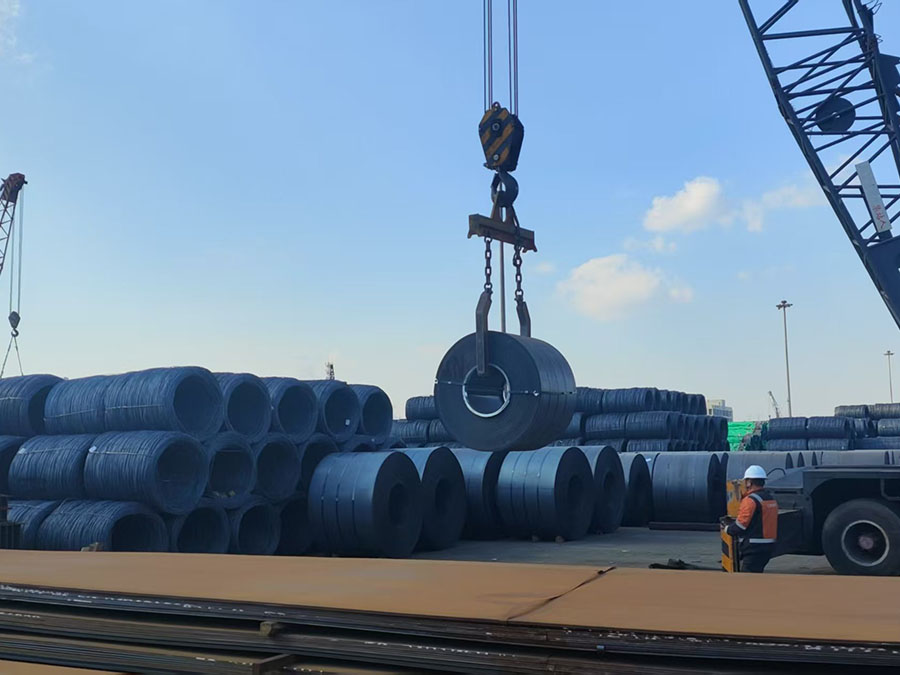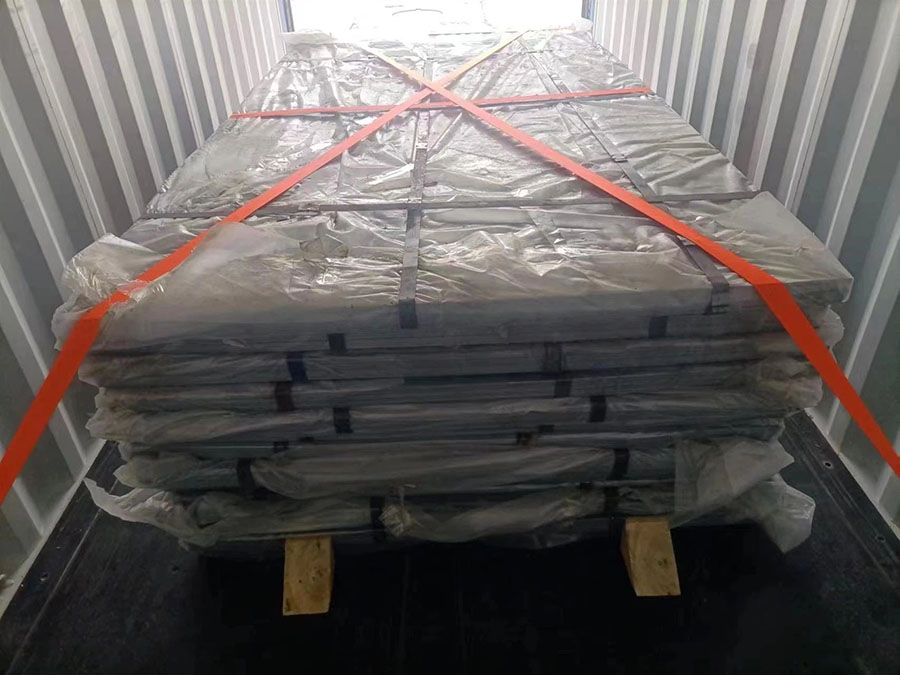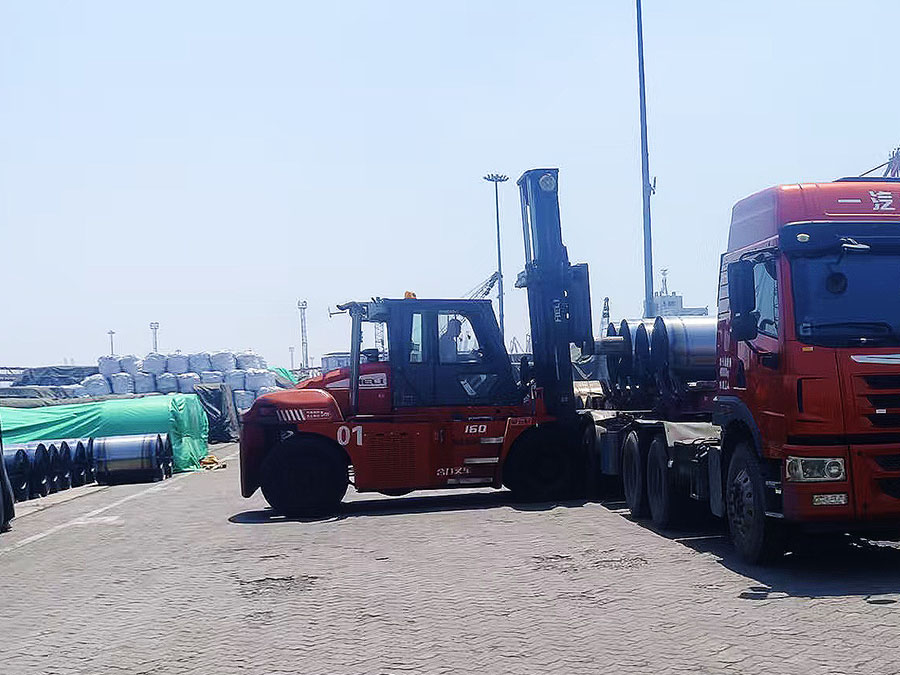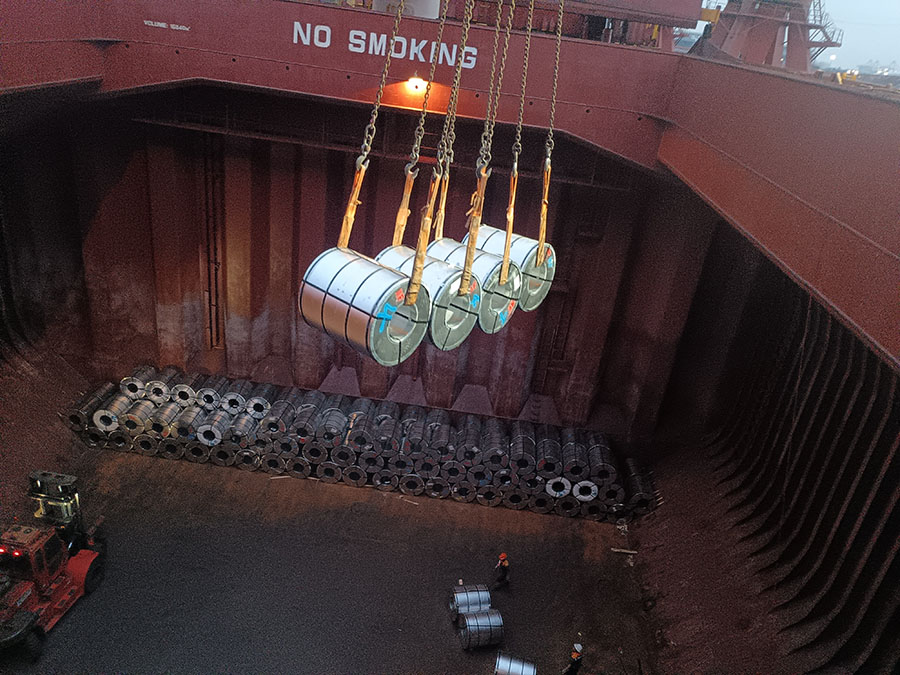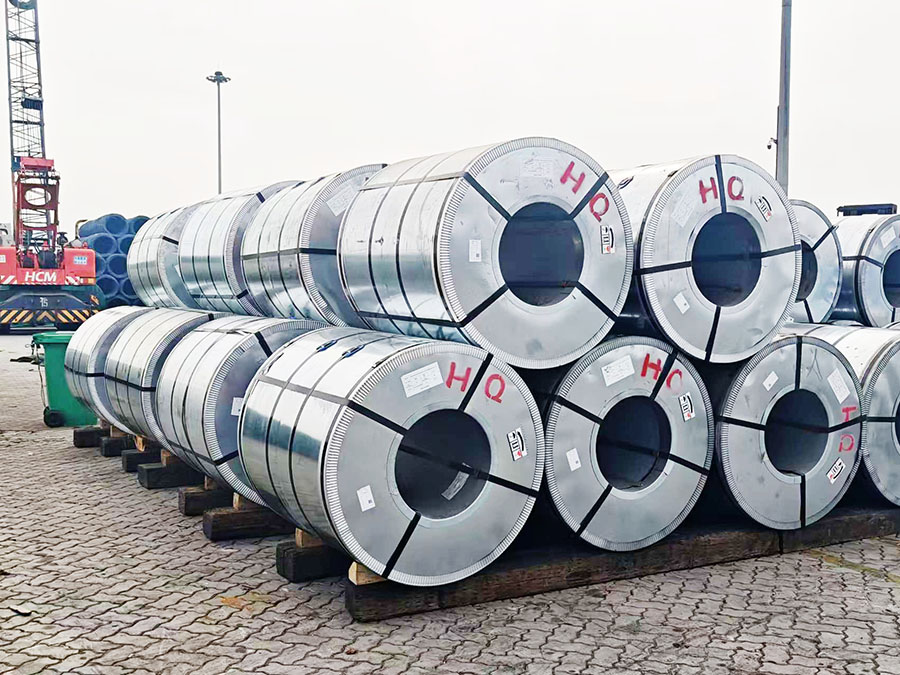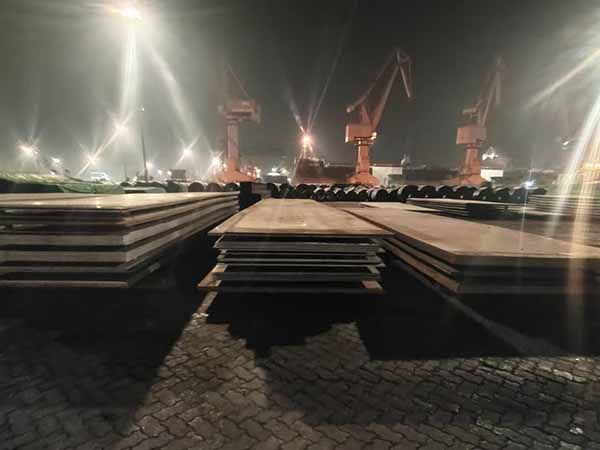
Yuxin Steel supplies ASME SA572 Grade 65(SA572GR65) Carbon and High-Strength Low-Alloy steel plates compliant with ASME and ASTM standards, and accept customized processing.
Standard :
ASME SA572/SA572MGrade :
SA572 Grade 65 (SA572GR65)Thickness :
0.8-30.0 mmWidth :
800-2500 mmSpecial thickness, width, and length can be negotiated separately.
We also provide customized processing services.If you have any questions, please contact us.
ASME SA572 Grade 65 (also known as SA572GR65) is a high-strength low-alloy (HSLA) structural steel plate governed by the ASME (American Society of Mechanical Engineers) and ASTM (American Society for Testing and Materials) standards. It is widely used in demanding construction and engineering applications due to its exceptional strength, durability, and versatility.
ASME SA572 is part of a family of standards for high-strength low-alloy steel plates designed for structural applications. The grade designation (e.g., 65) refers to the minimum yield strength of the steel:
Grade 65: Minimum yield strength of 65,000 psi (450 MPa) .
Other grades in the SA572 series include 42, 50, 55, and 60, each with progressively higher strength.
Despite being labeled "carbon steel," SA572GR65 is actually an HSLA steel due to the addition of small amounts of alloying elements like manganese (Mn), silicon (Si), niobium (Nb), vanadium (V), or nitrogen (N). These elements enhance strength and toughness without significantly increasing carbon content, which improves weldability and formability.
High Strength: Supports heavier loads with thinner sections, reducing material and construction costs.
Cost-Effective: Balances strength and affordability compared to higher-alloy steels like quenched-and-tempered grades.
Design Flexibility: Good ductility and formability allow complex shapes without cracking or failure.
ASME SA572 Grade 65 is a workhorse material in structural engineering, delivering high strength, durability, and ease of use for a vast array of demanding applications. Its combination of mechanical properties, cost-effectiveness, and wide availability makes it a top choice for bridges, buildings, heavy equipment, and infrastructure projects worldwide. Always consult the latest ASME/ASTM specifications and work with qualified fabricators to ensure optimal performance and safety in your designs.
| Grade | ASME SA572 Grade 65 (SA572GR65) | ||||
| Element | C | Si | Mn | P | S |
| Content(%) | ≤0.23 | 0.15-0.40 | 0.80-1.35 | ≤0.035 | ≤0.05 |
| Grade | Yield Strength | Tensile Strength | Elongation |
| ASME SA572 Grade 65 (SA572GR65) | ≥450 MPa | 550-690 MPa | ≥18% |
SA572GR65 Carbon Steel Plates are ideal for heavy-duty structural projects where high strength-to-weight ratio and reliability are critical. Typical uses include:
Beam flanges, girders, and decking.
Structural frames, columns, and support systems for high-rise or industrial facilities.
Construction equipment frames, crane components, and mining machinery parts .
Transmission towers, storage tanks, and offshore platforms.
Railway cars, truck frames, and shipbuilding components requiring robust materials .
Wind turbine foundations, pressure vessels (non-code applications), and power plant structures.
1. Welding: Follow recommended procedures (e.g., proper filler materials, preheating for thick sections) to avoid heat-affected zone (HAZ) brittleness.
2. Cold Weather: Check impact resistance requirements (Charpy testing) if operating in sub-zero conditions.
3. Corrosion Protection: Apply coatings or cathodic protection in aggressive environments to extend service life.
4. Compatibility: Ensure compatibility with other materials (e.g., bolts, fasteners) to prevent galvanic corrosion.
ASTM A572/A572M: Identical to ASME SA572; the two standards are often referenced interchangeably.
International Equivalents:
European: S355JR or S355J2+N (EN 10025 series).
Chinese: Q355B/Q355C (GB/T 1591).
These may have slight compositional or property differences, so verify cross-referencing for specific projects.
A:
High-strength low-alloy steel plates offer excellent weldability. As their carbon content is typically low (below 0.2%), they present a lower risk of cracking during welding compared to standard high-strength steel plates and generally do not require complex preheating treatments.
A:
The key advantage of high-strength low-alloy steels is weight reduction. As they offer greater strength, thinner sheets can be used to withstand the same loads, thereby reducing the overall weight of the structure; in the automotive sector, this leads to improved fuel efficiency.
A:
High-strength low-alloy steel (HSLA) is a type of steel in which small amounts of alloying elements (such as niobium, vanadium, titanium or copper) are added to enhance its mechanical properties. Compared to traditional carbon steel, it offers higher yield strength and better corrosion resistance whilst maintaining good weldability and formability.
– We offer free samples and bespoke solutions. Please feel free to enquire about our latest prices and volume discounts.
Yuxin Steel provides high-quality steel products to customers in more than 20 countries worldwide.
Contact Info
Would you like to know more about our offers? Please feel free to contact us.