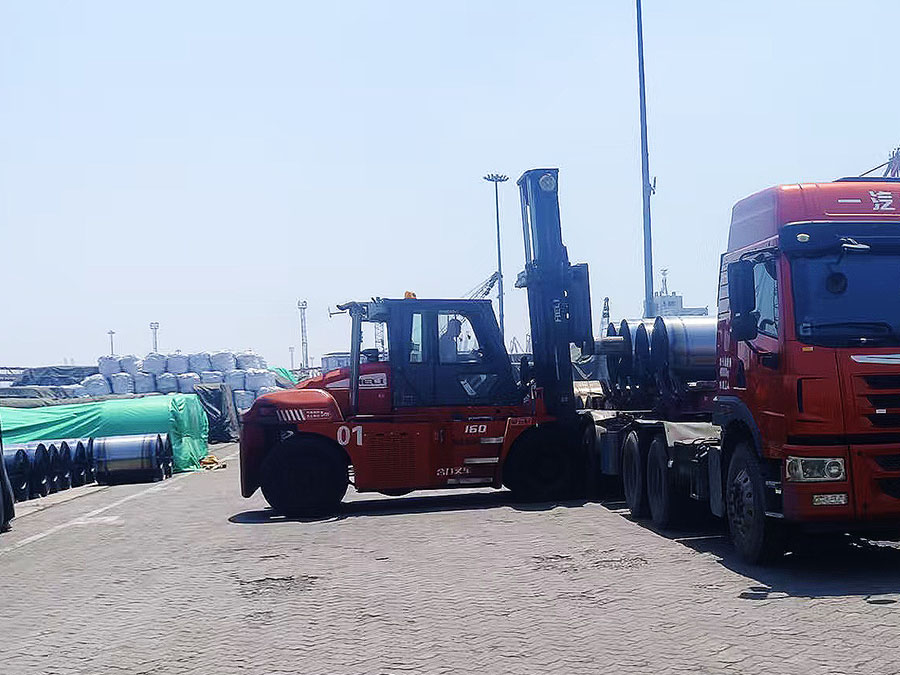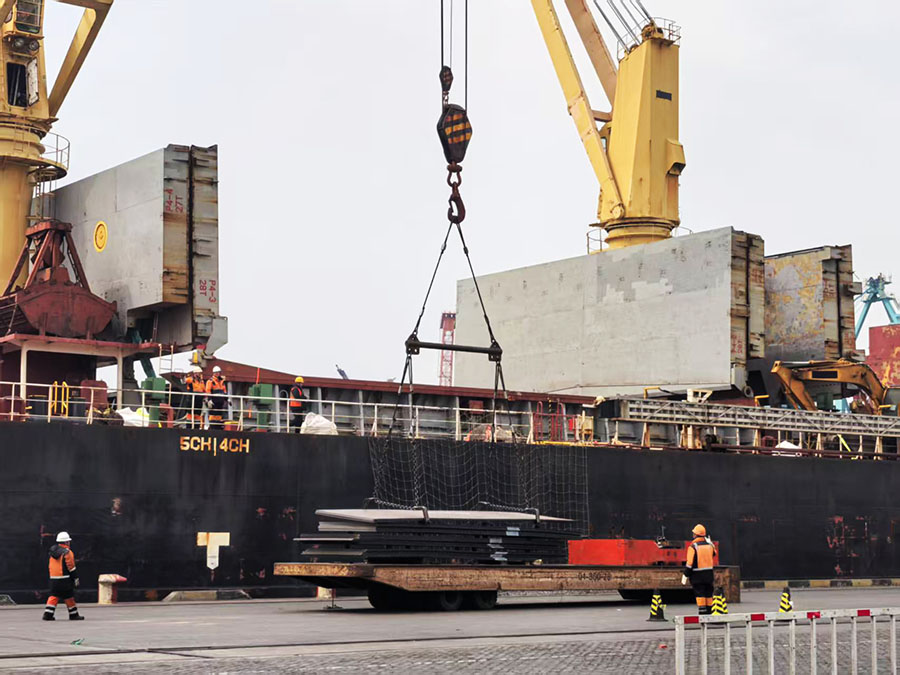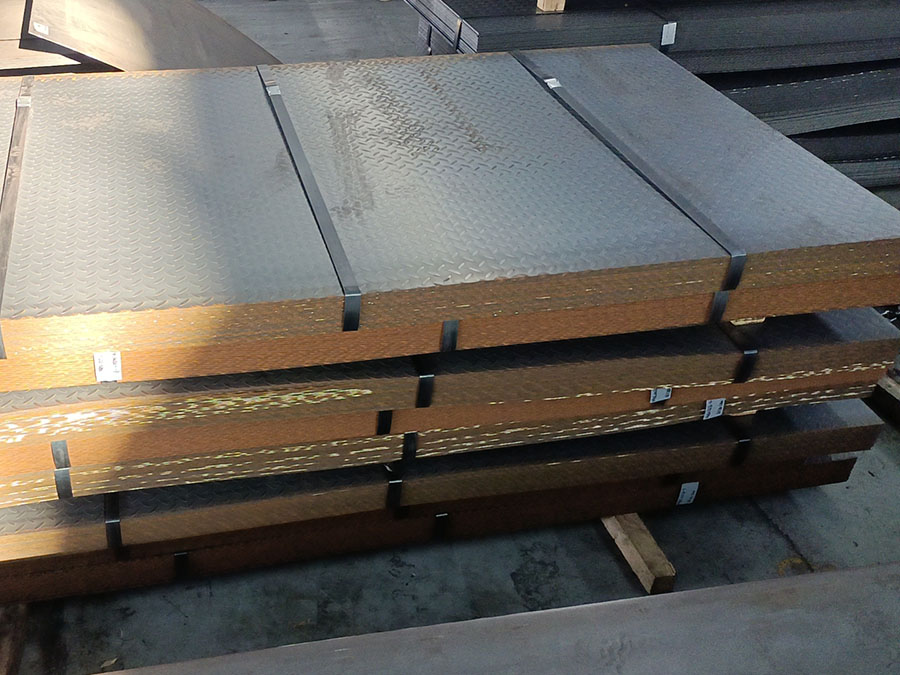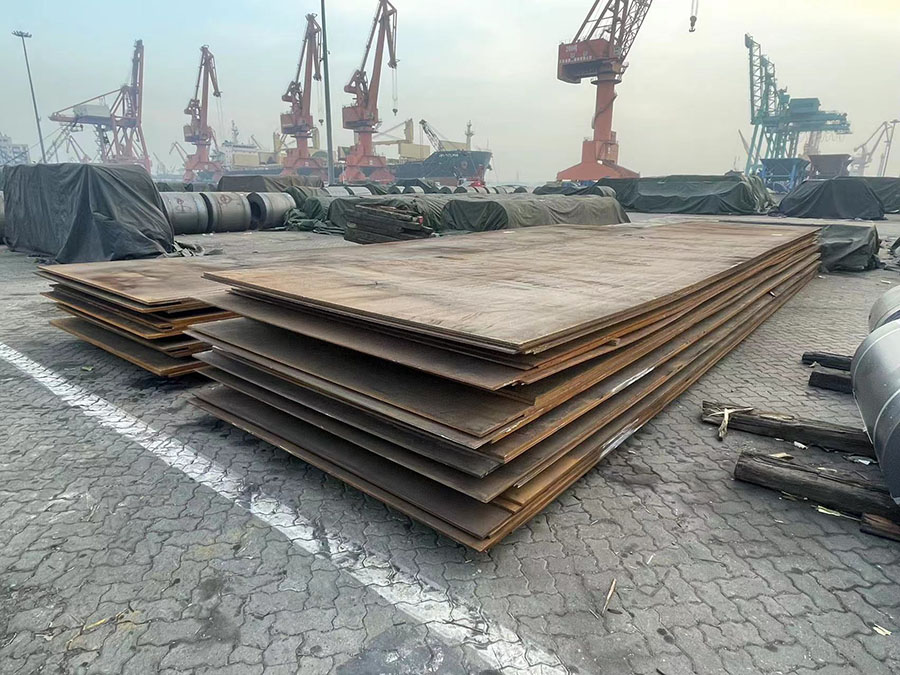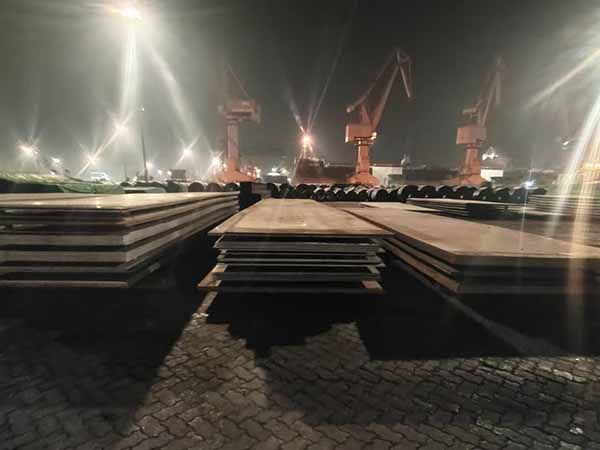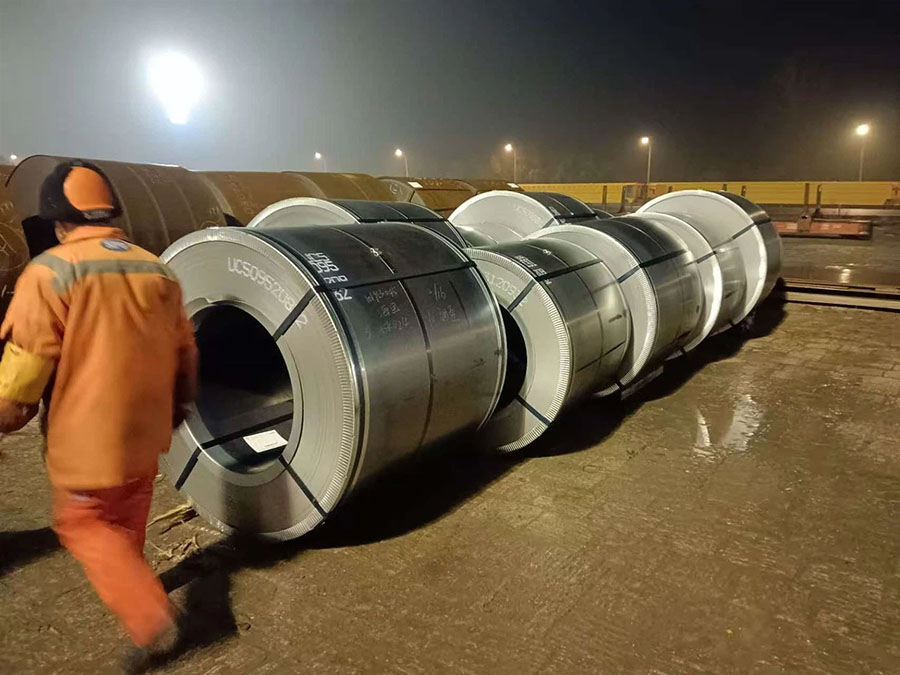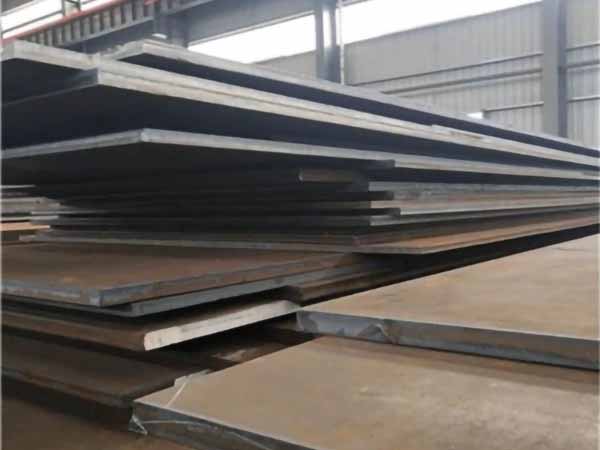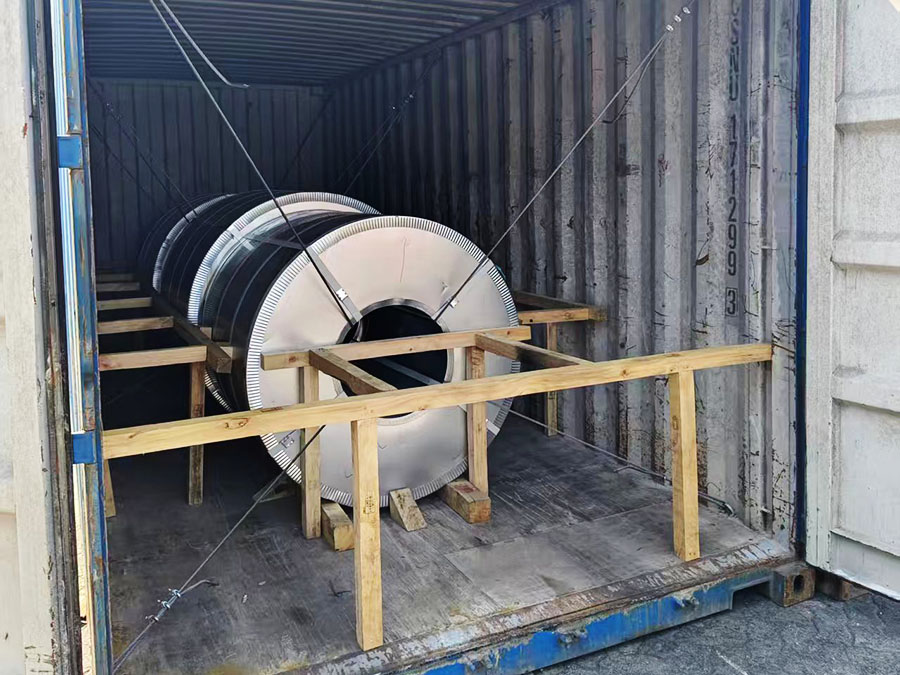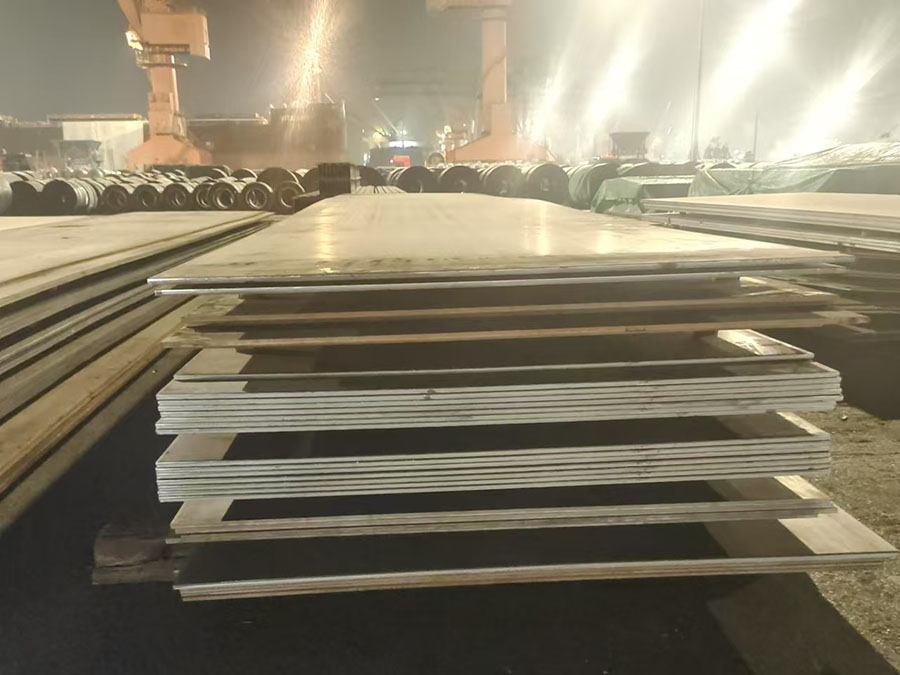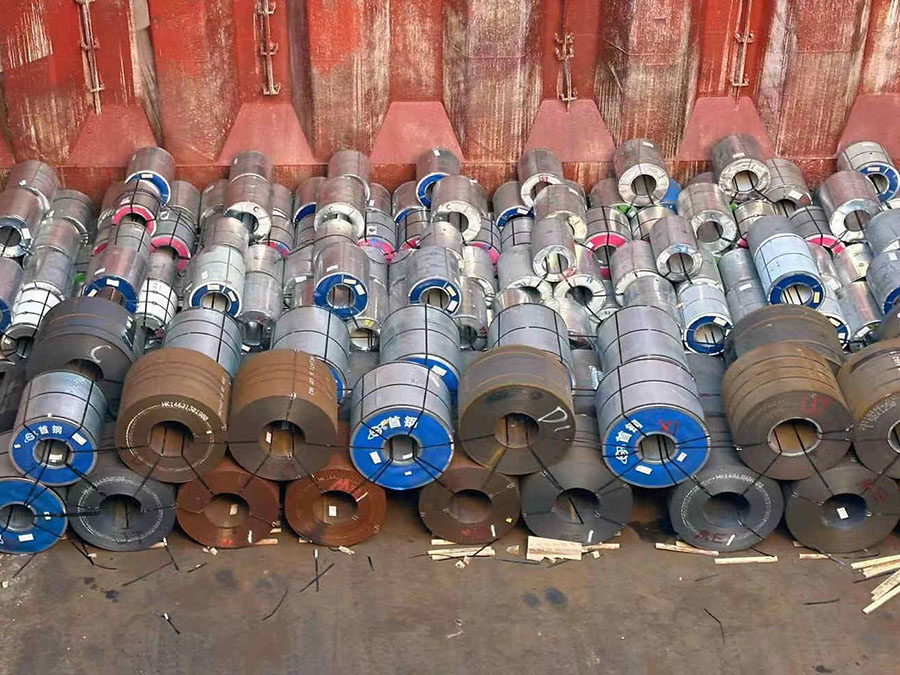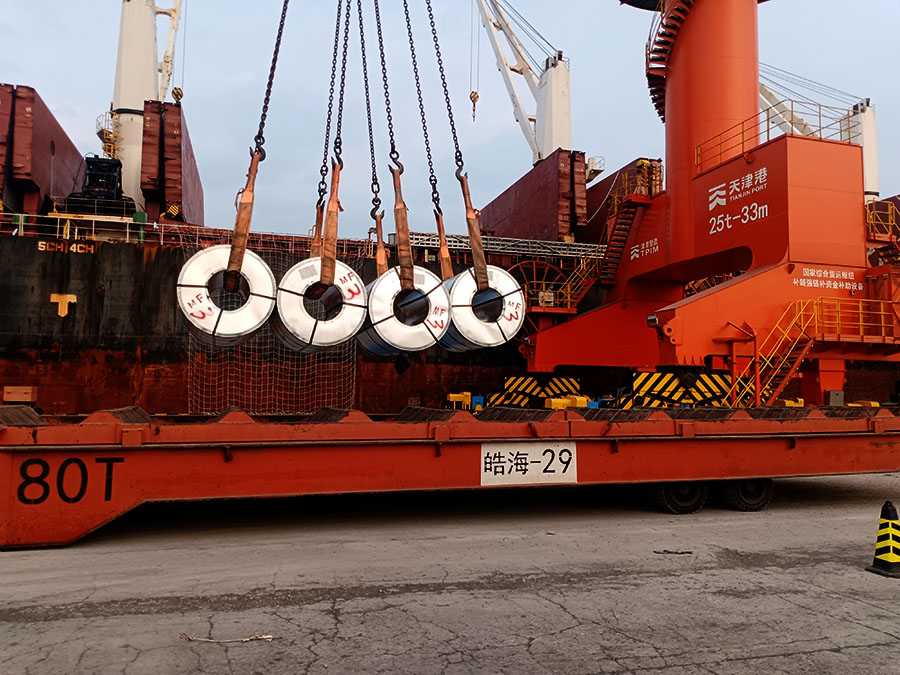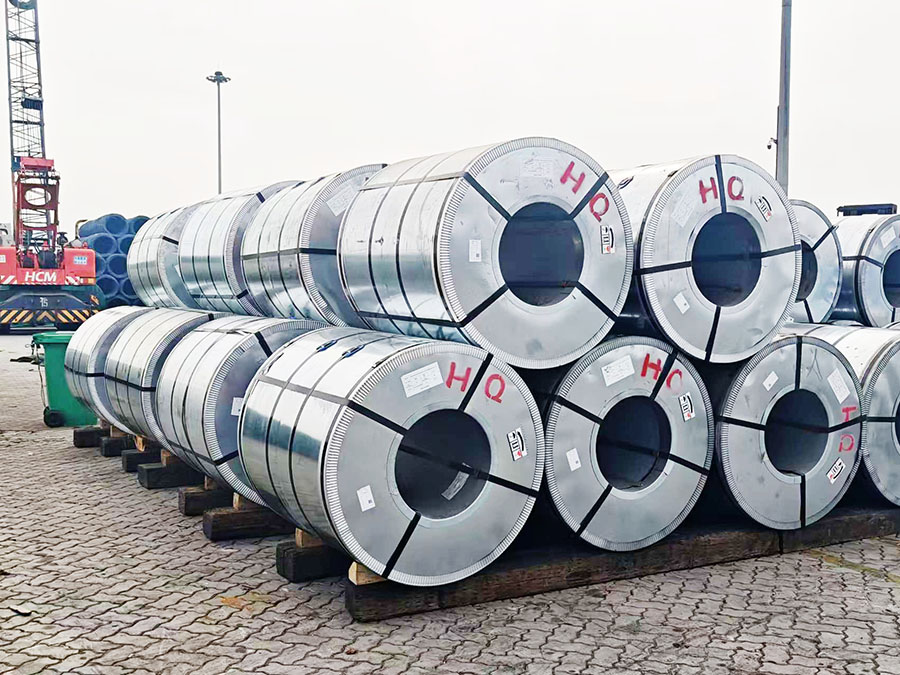
ASME SA572 Grade 42 (SA572GR42) is a high-strength, low-alloy (HSLA) carbon steel plate commonly used in structural applications.
Standard :
ASME SA572/SA572MGrade :
SA572 Grade 42 (SA572GR42)Thickness :
0.8-30.0 mmWidth :
800-2500 mmSpecial thickness, width, and length can be negotiated separately.
We also provide customized processing services.If you have any questions, please contact us.
ASME SA572 Grade 42 (abbreviated as SA572 Gr42) is a high-strength low-alloy (HSLA) structural steel defined by the American Society of Mechanical Engineers (ASME) standards. It is primarily used in structural engineering applications where strength and weldability are critical requirements.
Standards and Classification
The ASME SA572 standard specifically governs "high-strength low-alloy columbium-vanadium structural steels," covering steel plates, strips, and shapes (such as I-beams, channels, etc.). Grade 42 is the lowest yield strength grade within this standard, making it suitable for applications requiring moderate strength while balancing cost-effectiveness and weldability.
| Grade | ASME SA572 Grade 42 (SA572GR42) | ||||||
| Element | C | Si | Mn | P | S | Nb | V |
| Content(%) | ≤0.21 | 0.15-0.40 | ≤1.35 | ≤0.04 | ≤0.05 | 0.005-0.05 | 0.01–0.15 |
| Grade | Yield Strength | Tensile Strength | Elongation |
| ASME SA572 Grade 42 (SA572GR42) | ≥290 MPa | 415–520 MPa | 18–20% (in 8" gauge length) |
Due to its moderate strength, excellent weldability, and lower cost, it is widely used in:
1. Building structures (e.g., frames, supports);
2. Bridge components (non-load-bearing sections);
3. Machinery manufacturing (e.g., cranes, pressure vessel shells);
4. Pipe supports, steel platforms, and similar structures.
Key Properties
Superior Weldability: Low carbon and impurity content make it suitable for arc welding (SMAW), gas-shielded welding (GMAW/FCAW), etc., typically without complex preheating (except for thick plates).
Good Workability: Supplied in hot-rolled condition, allowing direct cold processing such as cutting and bending.
Cost-Effectiveness: More economical compared to higher-strength grades (e.g., SA572 Gr50/60), ideal for applications with lower strength requirements.
Advantages
✔ Higher strength-to-weight ratio than mild steel (e.g., A36)
✔ Good weldability with proper techniques
✔ Improved corrosion resistance over plain carbon steel
Comparison with Other Grades
The SA572 standard also includes Gr50 (50 ksi/345 MPa), Gr55 (55 ksi/380 MPa), Gr60 (60 ksi/414 MPa), and Gr65 (65 ksi/448 MPa). The primary differences lie in progressively higher yield strengths and potentially increased alloying elements (e.g., columbium, vanadium), making them suitable for heavier load-bearing structures (e.g., long-span bridges, heavy machinery).
A:
High-strength low-alloy steel plates offer excellent weldability. As their carbon content is typically low (below 0.2%), they present a lower risk of cracking during welding compared to standard high-strength steel plates and generally do not require complex preheating treatments.
A:
The key advantage of high-strength low-alloy steels is weight reduction. As they offer greater strength, thinner sheets can be used to withstand the same loads, thereby reducing the overall weight of the structure; in the automotive sector, this leads to improved fuel efficiency.
A:
High-strength low-alloy steel (HSLA) is a type of steel in which small amounts of alloying elements (such as niobium, vanadium, titanium or copper) are added to enhance its mechanical properties. Compared to traditional carbon steel, it offers higher yield strength and better corrosion resistance whilst maintaining good weldability and formability.
– We offer free samples and bespoke solutions. Please feel free to enquire about our latest prices and volume discounts.
Yuxin Steel provides high-quality steel products to customers in more than 20 countries worldwide.
Contact Info
Would you like to know more about our offers? Please feel free to contact us.