What Makes CCS Grade E shipbuilding Steel Plates the Ideal Choice for Low-Temperature Marine Environments?
- May 21, 2026

Knowledge
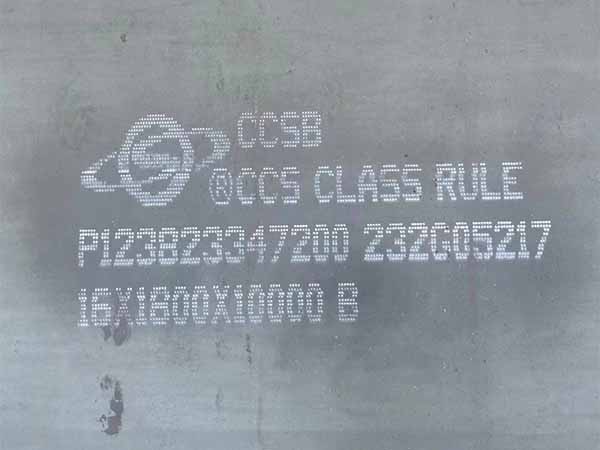
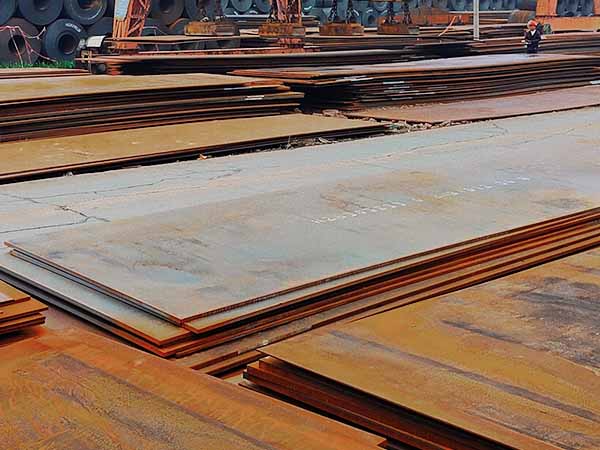
Polar shipping routes, high-latitude maritime transport and deep-sea offshore platforms are constantly exposed to harsh conditions such as sub-zero temperatures, strong winds and wave impact. Conventional shipbuilding steels are prone to cold brittleness, structural cracking and fatigue damage in low-temperature environments. As the low-temperature grade within the CCS standard-strength shipbuilding structural steel series, CCS Grade E shipbuilding steel plates effectively resolve the issue of cold brittleness in shipbuilding steels under low-temperature conditions.
Unlike CCS A (room temperature impact), CCS B (0°C impact) and CCS D (-20°C impact), CCS E steel plates can pass the Charpy impact test at -40°C whilst maintaining stable impact energy absorption. Through controlled rolling and normalising heat treatment, an optimised grain structure is formed, effectively suppressing crack propagation under low-temperature impact. Even in the harsh conditions of -30°C to -40°C, the steel plate retains good ductility, preventing brittle fracture.
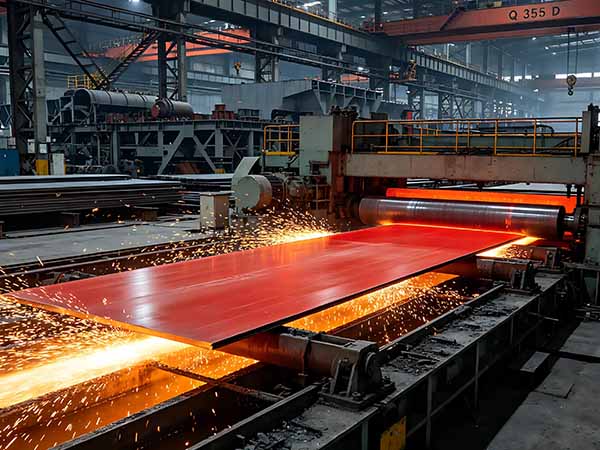
CCS Grade E shipbuilding steel plates utilise TMCP (Thermomechanical Control Process) and normalising heat treatment. The controlled rolling process refines the internal metal grains, reduces internal stresses and enhances structural stability at low temperatures. Strict control of cooling rates prevents the precipitation of coarse grains, thereby ensuring the steel plate’s low-temperature toughness.
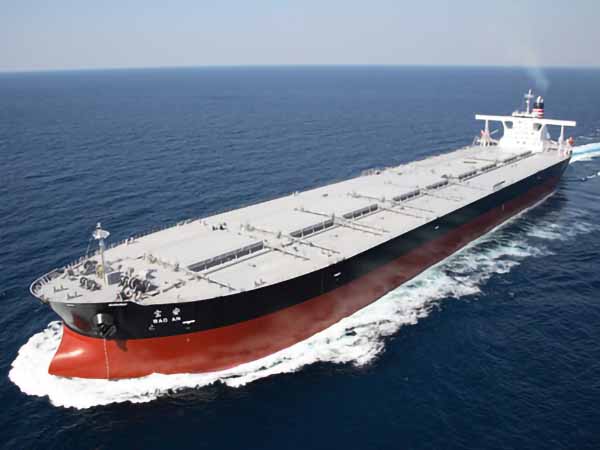
a) Polar cargo ships and icebreaking auxiliary structures
b) High-latitude fishing vessels and transport ships
c) Low-temperature-resistant components for deep-sea offshore platforms
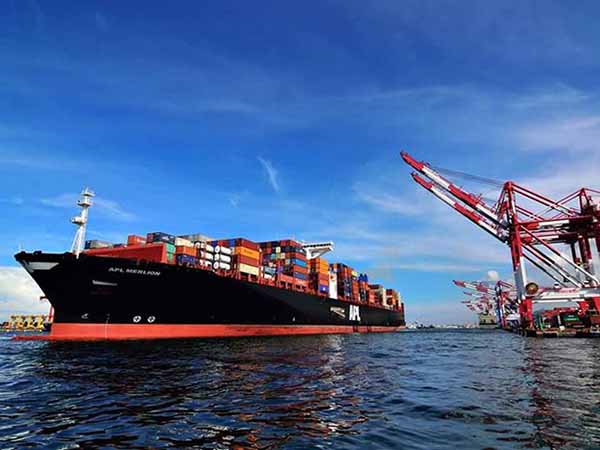
d) Hull reinforcement components for ocean-going container ships
CCS Grade E shipbuilding steel possesses unique low-temperature impact performance at -40°C, giving it an irreplaceable role in cold-water engineering. For shipowners and manufacturers specialising in high-latitude routes, this steel plate is currently the most cost-effective low-temperature-resistant, standard-strength marine steel available.
Customers choose to engage in long-term cooperation with Yuxin Steel not only because of our high-quality products and services, as well as our strong reputation in the international market, but also due to our experienced one-stop raw material supply and further steel processing capabilities!