What Makes CCS Grade E shipbuilding Steel Plates the Ideal Choice for Low-Temperature Marine Environments?
- May 21, 2026

Knowledge
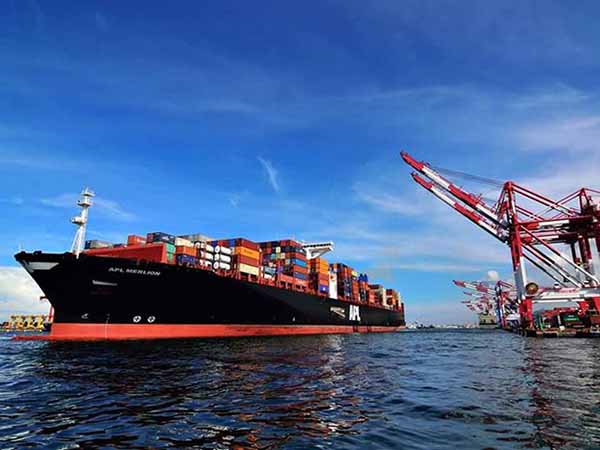
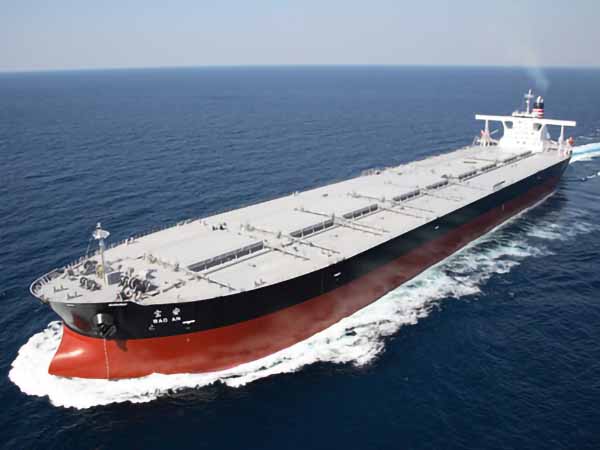
Suitable for the outer hull plating, bottom plating and load-bearing deck structures of bulk carriers, container ships and oil tankers operating in cold waters at high latitudes. This steel plate exhibits excellent impact resistance at temperatures as low as -40°C, effectively preventing brittle fracture of the steel caused by low seawater temperatures and impacts from ice.
Suitable for auxiliary support structures, living module floor plates and seawater pipeline supports on offshore drilling platforms. CCS Grade E steel offers excellent resistance to seawater corrosion and low-temperature wind and wave impacts, helping to extend the service life of offshore platforms.
Suitable for specialised vessels such as icebreakers, rescue vessels and oceanographic survey vessels. These vessels operate in extremely cold environments and are subjected to complex stress conditions, requiring the steel plates to maintain excellent mechanical stability under alternating loads and in low-temperature environments.
Includes components such as hatch coamings, longitudinal beams and bulkhead stiffeners on large vessels. CCS Grade E steel effectively distributes structural stresses, reducing fatigue damage during long-term voyages.
CCS Grade E steel is not suitable for high-strength bearing components in ultra-large vessels where high load-bearing capacity is required. For heavy-duty structures, it is recommended to use high-strength marine steels such as EH36 to meet the corresponding load-bearing requirements.
Customers choose to engage in long-term cooperation with Yuxin Steel not only because of our high-quality products and services, as well as our strong reputation in the international market, but also due to our experienced one-stop raw material supply and further steel processing capabilities!