The Application of CCS Grade D Shipbuilding Steel Plates in Civilian Vessels and Offshore Engineering
- May 20, 2026

Knowledge
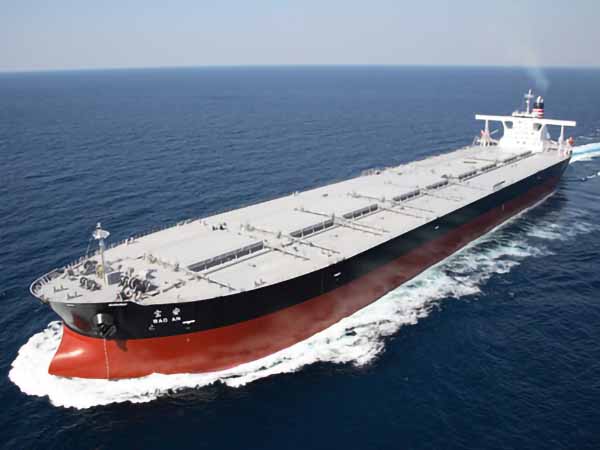
In bulk carriers ranging from 5,000 to 50,000 tonnes, CCS Grade D steel plates account for over 60% of the total steel used, and are primarily employed for hull side plates, upper decks, cargo hold bulkheads and superstructures. This steel plate offers moderate strength and good fatigue resistance, enabling it to withstand the alternating loads generated by the frequent loading and unloading of bulk cargoes such as coal and ore.
For inland waterway and sea-river barges, which have lower load requirements but operate in complex navigational conditions, CCS Grade D steel plates are used for the main hull and outer hull structures. With low processing costs and strong resistance to water impact, it is one of the most cost-effective material choices in the inland waterway vessel sector.
In small and medium-sized passenger ships operating in temperate and cold waters, CCS Grade D steel plates are used for passenger cabin structures and outer cladding. Their excellent low-temperature toughness effectively ensures the structural safety of the vessel under sudden cold snap conditions.
Offshore tugs and maintenance vessels must adapt to variable sea conditions. CCS Grade D steel plates are used for hull plating and towing/propulsion auxiliary structures, enabling them to withstand wind and wave impacts in open waters.
For temporary offshore work platforms and floating jetties without heavy-load requirements, CCS Grade D steel plates may be used for the platform deck and supporting structures. This steel plate offers good resistance to atmospheric corrosion and lower construction costs.
It possesses good cutting and bending capabilities, making it suitable for the manufacture of complex curved structures such as ship superstructures.
It is well-suited to a wide range of marine welding materials and anti-corrosion coating systems, facilitating subsequent maintenance.
After long-term service in marine environments, there is no significant deterioration in mechanical properties, effectively reducing the frequency of structural maintenance.
Due to limitations in yield strength, CCS Grade D steel plates are not suitable for heavy-load critical structures such as the bottom plates of large container ships or deep-sea drilling platforms. For high-stress components, they must be used in conjunction with higher-strength steel grades to optimise the overall structural design.
CCS Grade D shipbuilding steel plates are widely applicable in the fields of commercial vessels and marine engineering projects involving medium to low loads. Their combined advantages of low cost, ease of fabrication and stable performance ensure they occupy an important position in the marine steel market. Engineering designers should determine the appropriate proportion of CCS Grade D steel to be used based on specific load parameters, in order to achieve the optimal balance between economic efficiency and structural safety.
Customers choose to engage in long-term cooperation with Yuxin Steel not only because of our high-quality products and services, as well as our strong reputation in the international market, but also due to our experienced one-stop raw material supply and further steel processing capabilities!