The Application of CCS Grade D Shipbuilding Steel Plates in Civilian Vessels and Offshore Engineering
- May 20, 2026

Knowledge
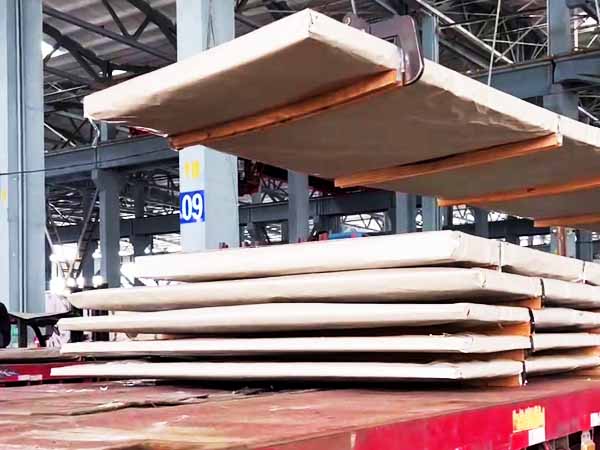
CCS B steel plates should be stored in a dry, well-ventilated indoor warehouse, avoiding prolonged exposure to outdoor rain and salt spray.
The stacking height must not exceed 1.5 metres. Spacer pads should be placed between steel plates to prevent surface scratches and deformation caused by compression.
The relative humidity in the warehouse should be maintained below 60%. During damp seasons, desiccants should be placed to reduce surface condensation.
It is recommended to use enclosed transport vehicles to prevent exposure to rain and sea winds during transit.
Steel plates should be securely fastened using steel straps to prevent slipping, impact and deformation.
For overseas transport, an additional layer of anti-corrosion protective film should be applied to isolate the steel plates from seawater vapour.
Steel plates should be stacked and categorised by production batch and specification to ensure good traceability.
The inventory turnover cycle should be kept within 90 days.
For steel plates stored for extended periods, regular rust removal and oil-sealing protection treatments should be carried out.
Prior to delivery, the surface cleanliness of the steel plates should be re-inspected to ensure there are no severe layers of rust, so as not to affect subsequent welding and anti-corrosion work.
Customers choose to engage in long-term cooperation with Yuxin Steel not only because of our high-quality products and services, as well as our strong reputation in the international market, but also due to our experienced one-stop raw material supply and further steel processing capabilities!